
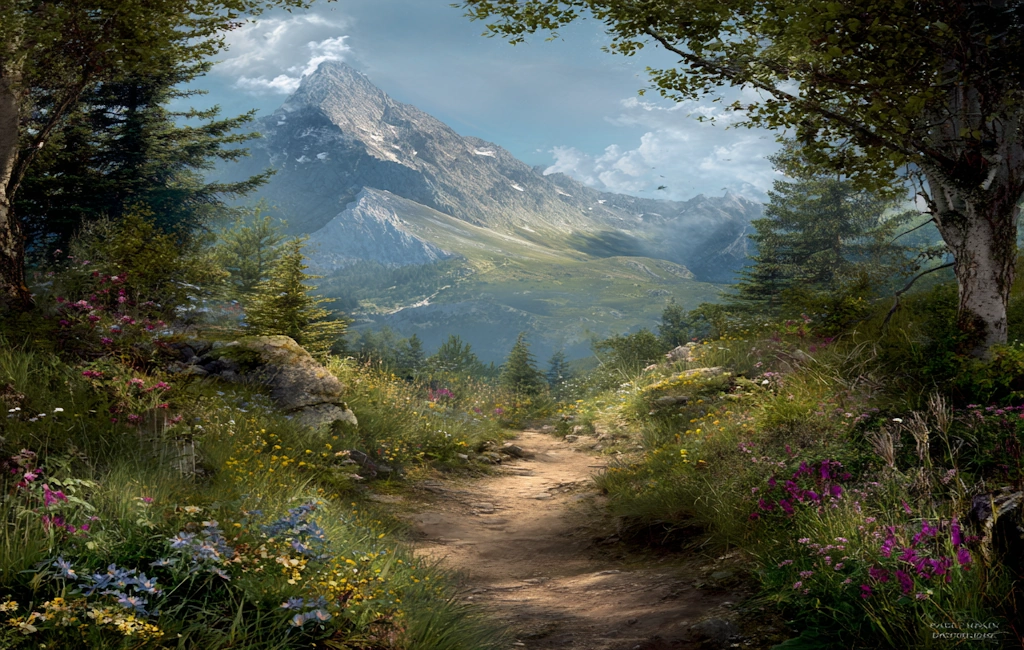
Table Mountain Loop - A Cape Town Icon
The Table Mountain Loop is a quintessential day hike offering breathtaking panoramic views of Cape Town, the Atlantic Ocean, and the surrounding Cape Peninsula. This accessible yet rewarding trail circles the iconic flat-topped summit of Table Mountain, providing a diverse hiking experience that combines rugged fynbos vegetation with dramatic geological formations. While the summit itself is a popular destination, this loop allows for a more immersive exploration of the mountain's upper plateau, showcasing its unique flora and fauna and offering a different perspective on the city below.
- Distance: 5.5 km
- Elevation Gain: 700 m
- Duration: 3-5 hours
- Difficulty: Moderate
- Best Time: October to April (Spring/Summer)
- Closest City: Cape Town
- Trailhead Access: Platteklip Gorge
Overview
The Table Mountain Loop is a moderate day walk that ascends to the summit plateau of one of the world's most recognisable natural landmarks. The trail begins with a steady, often steep, climb from the Platteklip Gorge trailhead, a natural ravine that offers a direct and challenging ascent. As you gain elevation, the urban sprawl of Cape Town gradually recedes, replaced by the vast expanse of the Atlantic Ocean and the rugged contours of the mountain itself. The loop portion of the hike takes place on the relatively flat summit plateau, allowing for exploration of various viewpoints and unique geological features.
The flora of Table Mountain is dominated by fynbos, a unique and highly diverse shrubland biome endemic to the Western Cape of South Africa. During the spring and summer months (October to April), the fynbos bursts into bloom with a riot of colours, attracting a variety of birdlife and insects. Keep an eye out for the endemic sugarbirds and malachite sunbirds, often seen flitting amongst the proteas and ericas.
The loop itself is not a single, well-defined path but rather a network of interconnected trails that circumnavigate the plateau's edge. This allows for flexibility in your route, enabling you to tailor the experience to your interests and energy levels. Key points of interest include various viewpoints offering different perspectives of the city and coastline, unique rock formations, and the chance to observe the mountain's diverse ecosystem up close. The descent typically follows the same route back down Platteklip Gorge, or alternatively, one can descend via the Table Mountain Aerial Cableway (weather permitting and tickets purchased).
This hike is a fantastic way to experience the natural beauty and geological significance of Table Mountain, offering a rewarding challenge and unparalleled vistas for those who undertake it.
History and Cultural Context
Table Mountain has been a significant landmark for millennia, its imposing presence shaping the lives and cultures of the people who have inhabited the Cape region. For the indigenous Khoisan people, the mountain was a sacred place, a source of water and sustenance, and a spiritual centre. Archaeological evidence suggests human presence on and around the mountain dating back thousands of years.
The arrival of European settlers in the 17th century marked a new chapter in the mountain's history. Jan van Riebeeck, the Dutch commander who established the first European settlement at the Cape in 1652, recognised the strategic importance of the mountain and its potential for providing fresh water and timber. Early European explorers and settlers attempted to scale the mountain, often facing treacherous conditions and the dense, unfamiliar vegetation.
The development of the Platteklip Gorge trail, the primary ascent route for this loop, is rooted in the early days of exploration and settlement. While the exact date of its establishment as a formal path is unclear, it has been a natural route for climbers and hikers for centuries, offering the most direct ascent to the summit plateau. The construction of the Table Mountain Aerial Cableway in 1929, and its subsequent modernisation, further cemented the mountain's status as a major tourist attraction, making its summit accessible to a wider audience.
Today, Table Mountain is not only a natural wonder but also a UNESCO World Heritage Site, recognised for its unique biodiversity and geological significance. The Table Mountain Loop allows hikers to connect with this rich history, walking in the footsteps of ancient peoples and early explorers while experiencing the enduring majesty of this iconic South African landmark.
Seasonal Highlights and Weather Reality
The best time to hike the Table Mountain Loop is during the warmer months, from October to April, which corresponds to spring and summer in the Southern Hemisphere. During this period, the weather is generally more stable, with longer daylight hours and a higher probability of clear skies, offering the most spectacular views.
Spring (October to November): This is a particularly beautiful time to hike as the fynbos bursts into bloom. The landscape is awash with colour, and the air is often filled with the sweet scent of wildflowers. Temperatures are pleasant, typically ranging from 15°C to 25°C, making for comfortable hiking conditions. However, spring can also bring unpredictable weather, with occasional rain showers and strong winds.
Summer (December to February): Summer offers the warmest temperatures, often reaching 25°C to 30°C or higher on the plateau. While the long daylight hours are an advantage, the heat can be intense, especially during the ascent. It is crucial to start early in the morning to avoid the midday sun and carry ample water. Summer is also peak season for sandflies, so insect repellent is essential.
Autumn (March to April): Autumn provides a pleasant transition with milder temperatures, typically between 18°C and 25°C. The crowds begin to thin out after the summer holidays, offering a more tranquil hiking experience. The light can be particularly beautiful in the late afternoon, casting a golden glow over the landscape.
Winter (May to September): While hiking is possible during winter, it is generally not recommended for this specific loop unless you are an experienced hiker with appropriate gear and knowledge of mountain weather. Winter in Cape Town is characterised by cold temperatures (10°C to 18°C), frequent rain, and strong winds. The summit can be shrouded in mist and cloud for extended periods, significantly reducing visibility and making the hike more challenging and potentially hazardous. The Platteklip Gorge can become slippery and dangerous after heavy rain.
Weather Considerations: Table Mountain is notorious for its rapidly changing weather. The "tablecloth" of cloud can descend quickly, drastically reducing visibility and temperature. Always check the weather forecast before you go and be prepared for all conditions, even on a seemingly clear day. Wind is a significant factor on the plateau, and strong gusts can make walking difficult and uncomfortable.
Recommended Itinerary
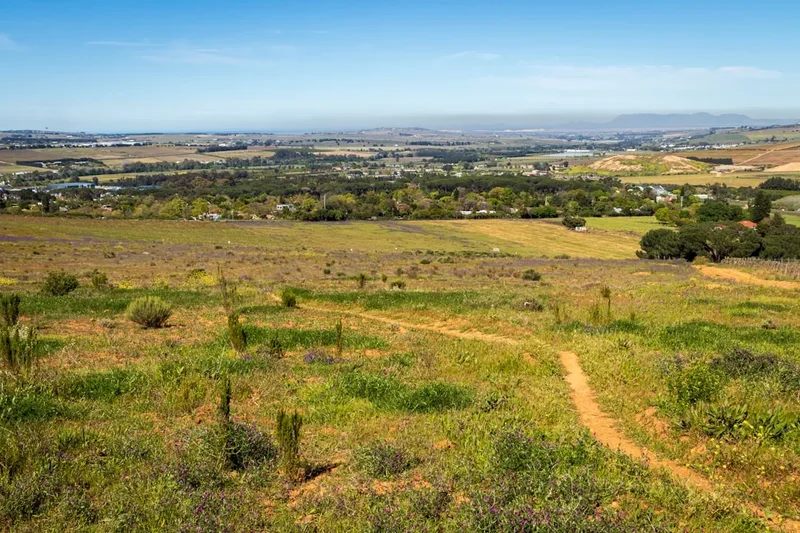
Table Mountain Loop - Day Hike Itinerary
Early Morning (07:00 - 08:00): Preparation and Ascent Start
- Depart from accommodation in Cape Town.
- Travel to the Platteklip Gorge trailhead. Parking is limited; consider using a taxi, ride-sharing service, or MyCiTi bus to the lower cable station and walking to the trailhead.
- Final gear check: ensure you have water, snacks, sun protection, and appropriate clothing.
- Begin the ascent via Platteklip Gorge. This is a steep, direct climb with numerous stone steps.
- Focus on a steady pace, taking short breaks as needed.
Morning (09:00 - 11:00): Reaching the Summit Plateau
- Continue the ascent through Platteklip Gorge.
- The gradient remains consistent, offering a good cardiovascular workout.
- As you gain altitude, the views of Cape Town and the surrounding coastline will open up.
- Arrive at the summit plateau. Take time to catch your breath and enjoy the initial panoramic views.
Midday (11:00 - 14:00): Exploring the Summit Plateau Loop
- Begin the Table Mountain Loop on the plateau. Follow signs for the various viewpoints and trails.
- Possible route: Head towards the western edge of the plateau, exploring viewpoints like the Twelve Apostles viewpoint or the various lookouts offering vistas towards Camps Bay and the Atlantic Ocean.
- Observe the unique fynbos vegetation and rock formations.
- Continue along the plateau, potentially heading towards the area near the Upper Cable Station for different perspectives.
- Enjoy a packed lunch at a scenic spot.
- Consider a short detour to the reservoir or other points of interest on the plateau.
Afternoon (14:00 - 16:00): Descent and Completion
- Begin your descent back down Platteklip Gorge.
- Take care on the descent, as the terrain can be uneven and slippery, especially after rain.
- Alternatively, if pre-booked and weather permits, descend via the Table Mountain Aerial Cableway from the upper station.
- Arrive back at the Platteklip Gorge trailhead or the lower cable station.
- Return to your accommodation.
Important Notes:
- This is a day hike; no overnight accommodation is required.
- The loop on the plateau is not a single marked path but a network of trails. Use a map or GPS device for navigation.
- Weather can change rapidly; always be prepared for wind, rain, and cooler temperatures, even on a sunny day.
- Carry sufficient water (at least 2-3 litres per person) and high-energy snacks.
- Sun protection (hat, sunscreen, sunglasses) is essential due to the high altitude and exposure.
- Sandflies can be present, especially during warmer months; bring repellent.
Planning and Bookings
Book Your Trip
Everything you need to plan your journey
Accommodation
Find places to stay near Cape Town
Flights
Search flights to Cape Town
Essential Preparation
The Table Mountain Loop is a popular day hike, and proper preparation is key to a safe and enjoyable experience. Given its proximity to Cape Town, logistics are relatively straightforward. The primary consideration is access to the trailhead and the decision on how to descend.
Fitness: The hike involves a significant elevation gain of 700 metres over a relatively short distance. A moderate level of fitness is required, with the ability to ascend steep terrain for an extended period. Regular cardiovascular exercise and leg strength training will be beneficial. The loop on the plateau is generally flat but can involve uneven terrain.
Logistics:
- Transport: From Cape Town International Airport (CPT), take the N2 towards Cape Town. Follow signs for Table Mountain or the Cable Car. Tafelberg Road leads to the base of the mountain. Parking at the Platteklip Gorge trailhead is extremely limited and often full by mid-morning. It is highly recommended to use alternative transport such as a taxi, ride-sharing service (Uber, Bolt), or the MyCiTi bus service to the lower cable station. From there, it's a short walk to the Platteklip Gorge trailhead.
- Cable Car: The Table Mountain Aerial Cableway offers a convenient way to ascend or descend. However, it is weather-dependent and can be closed due to high winds or fog. Tickets should be booked in advance online to avoid long queues, especially during peak season. Consider hiking up and taking the cable car down, or vice versa, to vary the experience.
- Timing: Start your hike as early as possible, ideally by 8:00 AM, to avoid the midday heat and crowds, and to allow ample time for exploration on the plateau.
Base Town: Cape Town is the primary base for this hike. It offers a wide range of accommodation options, from budget hostels to luxury hotels, catering to all preferences and budgets. Cape Town also provides excellent dining, shopping, and other tourist attractions, making it an ideal city to explore before or after your hike.
Trail Accommodation
This is a day hike requiring no overnight accommodation.
Required Gear
- Footwear: Sturdy, broken-in hiking boots with good ankle support are essential. The terrain on Platteklip Gorge is uneven and can be slippery.
- Clothing: Wear moisture-wicking base layers. Bring a warm fleece or jacket, as temperatures can drop significantly on the summit, especially with wind. A waterproof and windproof outer shell is crucial, as weather can change rapidly.
- Navigation: While the Platteklip Gorge ascent is straightforward, the loop on the plateau involves a network of trails. A map of the plateau, a compass, or a GPS device/app with downloaded offline maps is highly recommended.
- Safety Gear: A basic first-aid kit including blister treatment, pain relievers, antiseptic wipes, and any personal medications. A head torch with spare batteries is advisable, even for a day hike, in case of unexpected delays. A whistle for emergencies.
- Sun Protection: High SPF sunscreen, a wide-brimmed hat, and sunglasses are vital due to the intense sun exposure at altitude.
What to Bring
- Water: Carry at least 2-3 litres of water per person. There are no reliable water sources on the trail or the plateau.
- Food: High-energy snacks such as trail mix, energy bars, fruit, and sandwiches. Pack enough for your planned duration and some extra in case of delays.
- Toiletries: Hand sanitiser, toilet paper (for emergencies, as facilities are limited to the cable car station area).
- Insect Repellent: Sandflies can be a nuisance, particularly during warmer months. A good quality repellent with DEET is recommended.
- Camera: To capture the spectacular views.
- Mobile Phone: Fully charged, for communication in case of emergencies (signal can be intermittent).
- Cash: For potential use at the cable car station or for small purchases.
Permits
No specific permits are required for hiking the Table Mountain Loop via Platteklip Gorge. The trails are part of the Table Mountain National Park, which is managed by SANParks. Access to the park is generally free for hiking purposes.
Cable Car Tickets: If you plan to use the Table Mountain Aerial Cableway for ascent or descent, you will need to purchase tickets. These can be bought online in advance from the official Table Mountain Aerial Cableway website or at the ticket office at the lower station. Booking online is highly recommended to save time and guarantee your spot, especially during peak season.
Parking Fees: While hiking itself is free, there may be parking fees if you drive and park at designated areas near the trailhead or cable car station. These fees are typically nominal and managed by SANParks or private operators.
SANParks Fees: As Table Mountain is part of the Table Mountain National Park, there might be general park entrance fees applicable depending on the specific access point and time of year. However, for direct hiking access via Platteklip Gorge, these are usually not enforced for day hikers. It is always advisable to check the official SANParks website for the most up-to-date information on fees and regulations.
Conservation Levy: The park relies on conservation fees to maintain its infrastructure and protect its unique biodiversity. While not a formal permit, your visit contributes to the preservation of this natural heritage.
Other Activities in the Area
Cape Town and its surroundings offer a wealth of activities to complement your Table Mountain hike:
- Table Mountain Aerial Cableway: A must-do for many visitors, offering a scenic and effortless way to reach the summit and enjoy panoramic views.
- Kirstenbosch National Botanical Garden: Located on the eastern slopes of Table Mountain, this world-renowned garden showcases an incredible diversity of South African flora, particularly fynbos.
- Bo-Kaap: Explore the colourful, historic neighbourhood of Bo-Kaap with its distinctive Cape Dutch architecture and vibrant Muslim culture.
- V&A Waterfront: A bustling harbour precinct offering shopping, dining, entertainment, and boat trips to Robben Island.
- Robben Island: Take a ferry to this historic island, a former prison where Nelson Mandela was incarcerated, and learn about South Africa's apartheid history.
- Cape Point and the Cape of Good Hope: Drive along the scenic Cape Peninsula to explore dramatic coastlines, diverse wildlife, and the iconic lighthouse at Cape Point.
- Boulders Beach Penguin Colony: Visit Simon's Town to see the charming colony of African penguins.
- Wine Tasting in Stellenbosch or Franschhoek: Explore the picturesque Cape Winelands, renowned for their world-class wines and stunning vineyard landscapes.
- Beaches: Relax on the famous beaches of Camps Bay, Clifton, or Muizenberg.
Safety and Conditions
Weather: Table Mountain's weather is notoriously unpredictable. Always check the forecast from a reliable source (e.g., MetService, local weather apps) before you go. Be prepared for rapid changes, including strong winds, sudden fog (the "tablecloth"), rain, and temperature drops. If the weather deteriorates significantly, it is safer to turn back or use the cable car if operational.
Trail Conditions: Platteklip Gorge can become very slippery and hazardous after rain. Wear appropriate footwear with good grip. The trails on the plateau are generally well-maintained but can be uneven and rocky. Stick to marked paths to avoid getting lost and to protect the fragile fynbos.
Hydration and Nutrition: Carry more water than you think you will need, especially during warmer months. Dehydration can lead to fatigue and disorientation. Pack energy-rich snacks to maintain your energy levels.
Navigation: While Platteklip Gorge is a clear ascent, the loop on the plateau can be confusing. Ensure you have a map or GPS device and know how to use it. Inform someone of your hiking plans, including your intended route and expected return time.
Wildlife: While large predators are not a concern, be aware of smaller wildlife. Baboons can be present on the mountain; do not feed them, as this can lead to aggressive behaviour. Keep a safe distance and secure your food.
Emergency Contacts: Save emergency numbers in your phone. In South Africa, the general emergency number is 112. SANParks rangers patrol the mountain, and the cable car station has staff who can assist in emergencies.
Physical Fitness: Ensure you are adequately fit for the hike. The steep ascent can be strenuous. If you have any health concerns, consult your doctor before undertaking the hike.
Sandflies: These small biting insects can be prevalent, especially during warmer months. Use insect repellent to avoid uncomfortable bites.
Side Trips and Points of Interest
Platteklip Gorge: This is the primary ascent route and a point of interest in itself. It's a dramatic, steep ravine offering a direct and challenging climb. The sheer rock faces and the ever-changing perspective of the city below make the ascent a memorable experience.
Summit Viewpoints: The plateau offers numerous viewpoints. Key spots include:
- The Twelve Apostles Viewpoint: Offers stunning vistas of the mountain range stretching along the coast towards Camps Bay.
- Atlantic Ocean Viewpoints: Various points along the western edge provide expansive views of the ocean, Robben Island, and the coastline.
- City Bowl Views: Look back towards the city to see the sprawling urban landscape, including the harbour, stadium, and city centre.
Dassies and Rock Hyraxes: You are likely to encounter these small, furry mammals basking on the rocks. They are harmless and a common sight on the mountain.
Fynbos Flora: Take time to appreciate the unique and diverse fynbos vegetation. Look for proteas, ericas, and other endemic plants, especially during their blooming season (spring and early summer).
Reservoir: A large reservoir is located on the plateau, serving as a water source for the city. It's an interesting feature amidst the natural landscape.
Upper Cable Car Station Area: Even if you don't use the cable car, the area around the upper station offers good vantage points and information displays about the mountain.
Leave No Trace
Table Mountain is a precious natural and cultural heritage site. Practising Leave No Trace principles ensures its preservation for future generations and minimises your impact on this unique ecosystem.
- Plan Ahead and Prepare: Know the weather forecast, assess your fitness, and pack appropriate gear. Inform someone of your plans.
- Travel and Camp on Durable Surfaces: Stick to marked trails. The fynbos is fragile and takes a long time to recover from damage. Avoid walking off-trail, especially in vegetated areas.
- Dispose of Waste Properly: Pack out everything you pack in, including all food scraps, wrappers, and any other litter. Use designated bins at the cable car station if available, but it's best to carry all waste back down with you.
- Leave What You Find: Do not pick flowers, take rocks, or disturb any natural or historical features. Let nature and history remain as they are.
- Minimise Campfire Impacts: Not applicable for this day hike, but a general LNT principle.
- Respect Wildlife: Observe animals from a distance. Do not feed baboons or any other wildlife, as this can lead to dependency, aggression, and health problems for the animals.
- Be Considerate of Other Visitors: Keep noise levels down, yield to uphill hikers, and be courteous to fellow visitors.
By adhering to these principles, you help protect the natural beauty and ecological integrity of Table Mountain.