
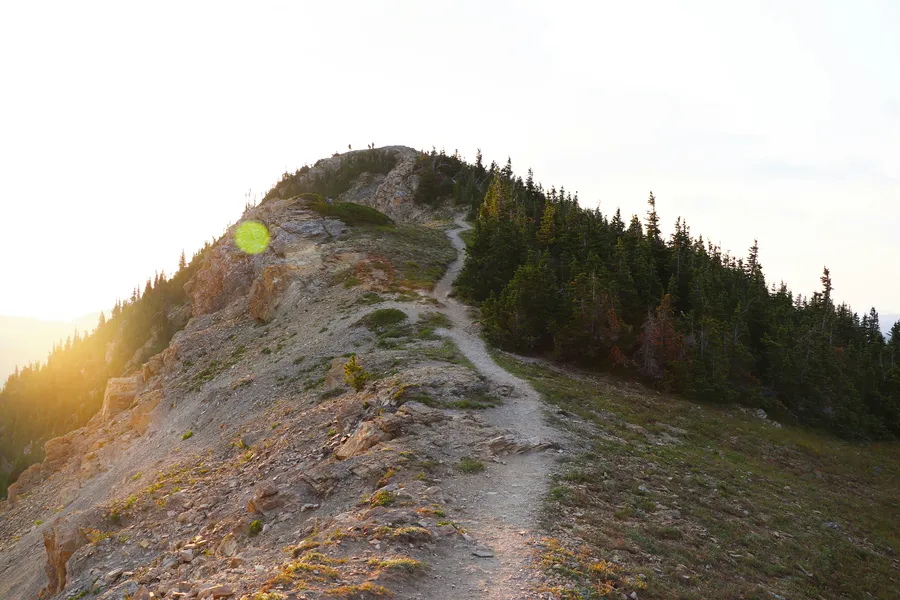
Sunrise Track - A Coastal Masterpiece
The Sunrise Track represents one of Australia's most evocative coastal walking experiences—a 12.5 km journey that traverses the rugged interface between ancient sandstone plateaus and the relentless power of the Pacific Ocean. Located within a pristine coastal conservation corridor, this trail is celebrated not merely for its destination, but for the rhythmic transition of landscapes it offers. Hikers are treated to a sensory odyssey: the scent of salt spray mingling with honey-scented coastal banksia, the visual drama of ochre-coloured cliffs plunging into turquoise basins, and the haunting calls of yellow-tailed black cockatoos echoing through stunted heathlands. While its name suggests a dawn start—a recommendation many locals treat as law—the track provides a dynamic theatre of light and shadow throughout the day. This moderate day walk serves as a quintessential introduction to the Australian littoral environment, balancing accessible path-finding with the raw, untamed energy of the Great Southern Land.
- Distance: 12.5 km return
- Duration: 4-5 hours
- Season: Year-round (Autumn and Spring offer optimal temperatures)
- Highest point: 180 m (Coastal Lookout Plateau)
- Elevation Gain: 450 m (cumulative)
- Difficulty: Moderate
- Direction: Out-and-back or loop (depending on seasonal track management)
Overview
The Sunrise Track is a masterclass in Australian coastal biodiversity, condensed into a manageable half-day expedition. The route is defined by its geological contrasts; walkers begin in the sheltered embrace of dry sclerophyll forest before emerging onto exposed headlands where the vegetation has been sculpted into surreal, wind-blown forms by centuries of maritime gales. The path itself is a tapestry of terrain, ranging from soft sandy stretches that test calf endurance to solid Hawkesbury sandstone platforms that have remained unchanged for millennia. The cumulative elevation gain of 450 m is distributed across several undulating ridges, ensuring that while the heart rate rises, the physical demand remains within the reach of most recreational walkers with a reasonable level of fitness.
The defining feature of this trail is its relationship with the horizon. As you move along the ridgeline, the vast expanse of the Tasman Sea remains a constant companion. During the annual migration seasons, this elevated vantage point becomes a premier land-based whale-watching platform. Humpback and Southern Right whales can often be seen breaching just offshore, their massive forms dwarfed by the scale of the ocean. In the smaller details, the track is equally captivating. The heathlands are a haven for endemic wildflower species, including the iconic Waratah, various Grevilleas, and the resilient Flannel Flower. These blooms provide a vibrant contrast to the silver-grey foliage of the coastal scrub, creating a living gallery that changes its exhibition with every passing month.
Because the Sunrise Track is situated within a protected maritime reserve, the sense of isolation is profound despite its relative proximity to regional centres. There are no roads visible from the main coastal sections, and the sound of traffic is replaced entirely by the percussion of waves and the rustle of wind through the tea-trees. It is a place of profound ecological integrity where the transition from forest to shore feels seamless and sacred. Whether you are a dedicated birdwatcher, a landscape photographer chasing the "golden hour," or simply someone seeking a temporary escape from the digital world, the Sunrise Track delivers a restorative experience that lingers long after the salt has been washed from your skin.
History and Cultural Context
The land upon which the Sunrise Track winds has a deep and enduring history that stretches back tens of thousands of years. For the Traditional Owners of this country, the coastline was never just a scenic vista; it was—and remains—a rich larder, a spiritual map, and a vital travel corridor. Evidence of this long-term occupation is etched into the landscape in the form of shell middens, rock engravings, and stone tool fragments. These sites are a testament to a sophisticated relationship with the land, where seasonal movements were dictated by the flowering of plants and the migration of sea life. Walkers are reminded to treat the entire area with profound respect, acknowledging that they are walking through a living cultural landscape that has never been ceded.
European history in the area began with the maritime surveys of the late 18th and early 19th centuries. Early explorers noted the treacherous nature of the coastline, which led to the eventual establishment of nearby lighthouses and signal stations. In the mid-19th century, parts of the hinterland were explored for timber and grazing, but the ruggedness of the coastal fringe fortunately discouraged large-scale development. By the early 20th century, the area's aesthetic value began to be recognised by "bushwalkers"—the pioneers of Australian hiking—who lobbied for the protection of these coastal gems. The track itself follows portions of old service trails and traditional paths, formally consolidated into its current recreational form in the 1970s.
Today, the Sunrise Track stands as a successful model of conservation management. It represents the delicate balance between providing public access to natural beauty and preserving fragile ecosystems. The history of the track is a story of transition: from a site of ancient traditional sustenance to a frontier for colonial exploration, and finally to a protected sanctuary for biodiversity and human reflection. As you walk, you are participating in the latest chapter of a human story that is as old as the sandstone beneath your boots.
Want more background? Read extended notes on history and cultural context → Learn more
Seasonal Highlights and Weather Reality
Australia's coastal weather is notoriously fickle, and the Sunrise Track is no exception. While the trail is open year-round, each season offers a distinct character and set of challenges. Autumn (March to May) is arguably the "goldilocks" period—the summer humidity has broken, the sea remains warm enough for a post-hike swim, and the winds are generally calmer, making the exposed headlands pleasant rather than punishing.
Winter (June to August) brings the most dramatic sky-scapes and the peak of the whale migration. The air is crisp and clear, providing visibility that can extend for over 50 kilometres along the coast. However, winter southerly busters can bring biting winds and sudden temperature drops, requiring hikers to carry effective windproof layers. Spring (September to November) is the season of rebirth, where the heathlands erupt in a spectacular display of wildflowers. This is the best time for botany enthusiasts and birdwatchers, as many species are active and nesting. Be aware that spring also marks the start of the snake season; as temperatures rise, resident species like the Eastern Brown or Red-bellied Black snake may be seen basking on the sun-warmed rocks of the track.
Summer (December to February) presents the greatest physical challenge due to heat and humidity. Temperatures on the exposed sandstone platforms can often feel 5–10 degrees hotter than the official forecast due to radiant heat. During this time, a "sunrise start" is not just a suggestion—it is a safety necessity. Hikers should aim to be off the track by 11:00 AM to avoid the peak UV radiation and afternoon heat. Regardless of the season, sudden coastal squalls can move in from the ocean with very little warning, transforming a sunny stroll into a drenched scramble in minutes. Always check the Bureau of Meteorology (BOM) radar before heading out.
Recommended Itinerary
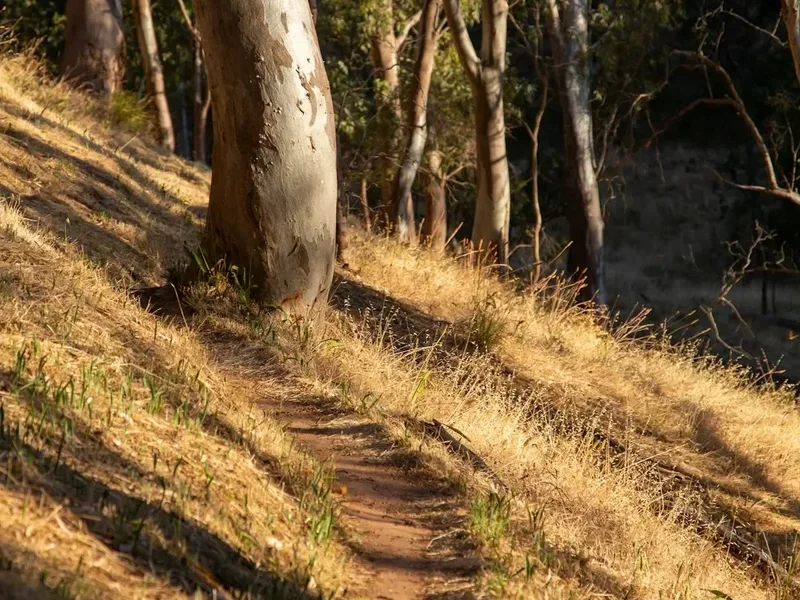
Sunrise Track Day Walk Itinerary
06:00 AM – 06:30 AM: The Dawn Start
- Arrival at the main trailhead carpark.
- Final gear check: ensure water bladders are full and sunscreen is applied.
- The first 500 metres involve a gentle descent through Spotted Gum forest.
- The air is usually heavy with dew, and the forest birds are at their most vocal.
- Reach the first boardwalk section crossing a small freshwater creek.
06:30 AM – 07:30 AM: The Coastal Ascent
- The track begins its first major climb, gaining 120 m of elevation.
- Transition from tall timber to low-lying coastal scrub.
- Arrive at "The First Light Lookout"—the perfect spot to watch the sun clear the horizon.
- Terrain becomes rockier; watch for uneven sandstone steps.
- The path follows the cliff edge (stay behind designated barriers).
07:30 AM – 09:30 AM: The High Plateau and Headlands
- This is the heart of the walk, traversing the elevated sandstone plateau.
- Pass through the "Wildflower Alley" section (particularly vibrant in Spring).
- Numerous informal stopping points offer views of secluded beaches below.
- The track undulates significantly here, with several short, sharp climbs and descents.
- Reach the halfway point at the "Sentinel Rock" formation.
- A 15-minute rest and snack break is recommended here while looking for whales (seasonal).
09:30 AM – 11:30 AM: The Return Journey
- Begin the return leg, following the same route back.
- Note how the changing angle of the sun completely alters the colours of the cliffs.
- The final ascent back through the Spotted Gum forest can feel surprisingly taxing in the late morning heat.
- Arrive back at the carpark.
- Optional: Drive 5 minutes to the local lagoon for a refreshing swim to cool down.
Important Notes:
- There are no water refilling stations on the track; you must carry all you need.
- Mobile reception is patchy in the gullies but usually strong on the headlands.
- The track is well-marked with directional bollards, but a map is recommended.
- Respect all track closures for maintenance; coastal erosion is a constant management issue.
Planning and Bookings
Book Your Trip
Everything you need to plan your journey
Accommodation
Find places to stay near Sydney
Flights
Search flights to Sydney
Essential Preparation
Success on the Sunrise Track requires a blend of physical readiness and logistical timing. While the 12.5 km distance is manageable for most, the "moderate" difficulty rating accounts for the uneven terrain and potential heat exposure. If you are not used to walking on sand or rock platforms, consider doing some shorter preparatory walks to condition your ankles. Logistics are straightforward as the track is a return route, meaning no complex shuttle arrangements are required. However, the trailhead carpark is relatively small and frequently fills up by 7:30 AM on weekends and public holidays. Planning to arrive early not only secures a parking spot but also ensures you experience the track's namesake event—the sunrise.
The nearest service hub is the coastal town of Shellbourne (15 minutes away), which offers a range of accommodation from luxury boutique stays to well-maintained caravan parks. Shellbourne also has excellent independent outdoor stores where you can pick up local topographical maps, gaiters (highly recommended for snake protection), and high-quality sun protection. If you are travelling from a major city, aim to arrive in Shellbourne the night before so you can start the hike fresh at dawn.
Trail Accommodation
This is a day hike requiring no overnight accommodation. Camping is strictly prohibited along the Sunrise Track and within the immediate coastal conservation zone to protect the fragile environment and prevent bushfire risks. There are several excellent National Park campgrounds located within a 30-minute drive of the trailhead for those who wish to stay in the area overnight.
Required Gear
- Hiking Boots: Sturdy footwear with good grip is essential for the sandstone sections. Avoid thin-soled trainers.
- Navigation: An offline GPS map (like AllTrails or Gaia) or a printed topographical map. Don't rely solely on markers.
- Sun Protection: A broad-brimmed hat, SPF 50+ sunscreen, and UV-rated sunglasses. The coastal glare is intense.
- First Aid Kit: Must include a heavy-duty compression bandage for snake bites, blister pads, and basic antiseptic.
- Light Rain Shell: A breathable, waterproof jacket for sudden coastal squalls.
- Communication: A fully charged mobile phone and, ideally, a portable power bank.
What to Bring
- Water: Minimum of 3 litres per person. In summer, increase this to 4 litres. There is NO potable water on the trail.
- Food: High-energy snacks (nuts, dried fruit) and a substantial lunch. Salty snacks are good for electrolyte replacement.
- Electrolytes: Powder or tablets to add to your water, especially in humid conditions.
- Trash Bag: A small bag to pack out all your waste, including fruit peels and tissues.
- Personal Medications: Including asthma puffers or EpiPens if required.
Permits
Currently, no formal hiking permits or booking fees are required to walk the Sunrise Track. This makes it a fantastic, low-barrier option for a weekend adventure. However, the area is managed as a high-conservation zone, and this "free access" status relies heavily on visitors following the rules and respecting the environment. If the track becomes over-utilised, management authorities may introduce a booking system in the future, similar to other popular Australian coastal walks.
Parking and Vehicle Access:
- National Park Entry Fee: While the track is free, the trailhead is located within a National Park that requires a vehicle entry pass (currently $12 AUD per vehicle per day).
- Annual Passes: If you plan on visiting multiple parks in the region, an annual "All Parks" pass is much more cost-effective.
- Payment: Fees can be paid via the automated machines at the carpark (credit card only) or through the National Parks mobile app.
Group Restrictions:
- Commercial groups or organised clubs with more than 12 participants must apply for a "Group Activity Permit" at least four weeks in advance.
- Weddings and professional photography shoots also require specific permits and may be restricted during peak periods.
Track Closures: Always check the official National Parks "Alerts" page before leaving home. The Sunrise Track is subject to temporary closures during periods of "Extreme" or "Catastrophic" fire danger, or following heavy rain events that cause cliff instability or track washouts.
Other Activities in the Area
The region surrounding the Sunrise Track is a playground for outdoor enthusiasts. If you have energy left after your hike, consider these local attractions:
- Surfing at Shellbourne Point: Known for its consistent breaks, this area caters to both beginners and intermediate surfers. Local schools offer morning lessons.
- Lagoon Kayaking: The nearby tidal lagoon offers calm waters perfect for birdwatching from a kayak or stand-up paddleboard. Look for azure kingfishers along the mangroves.
- Shellbourne Heritage Walk: A gentle 2 km stroll through the town centre highlighting colonial architecture and the history of the local fishing industry.
- Snorkelling the Rock Pools: At low tide, the rock platforms near the southern end of the track reveal vibrant miniature ecosystems. Look for sea stars, anemones, and small octopuses.
- Local Farmers Markets: Held every Sunday in the Shellbourne parklands, featuring organic local produce, artisan honey, and handmade crafts.
Safety and Conditions
Weather and Heat: Heat exhaustion and dehydration are the primary safety concerns on the Sunrise Track. The combination of high humidity and radiant heat from the sandstone can quickly lead to hyperthermia. Never start the walk after 10:00 AM in summer. If you begin to feel dizzy, nauseous, or stop sweating, find shade immediately, sip water, and do not continue the ascent.
Cliff Edges: The track follows high coastal cliffs. These sandstone edges can be undercut and unstable. Always stay on the marked track and behind any safety fencing. Large waves, known as "king waves," can occasionally sweep over lower rock platforms, even on seemingly calm days. Never turn your back on the ocean if you are exploring the rock shelf at the base of the cliffs.
Snake Safety: Australia is home to several venomous snake species. On the Sunrise Track, Eastern Brown snakes and Red-bellied Black snakes are the most common. They are generally shy and will move away if they feel vibrations. Wear long trousers or gaiters, watch where you step (especially in sunny patches), and never attempt to handle or kill a snake. If bitten, apply a broad pressure-immobilisation bandage immediately and call 000.
Emergency Contact: In Australia, the emergency number is 000. Because mobile signal can be inconsistent, it is highly recommended to carry a Personal Locator Beacon (PLB), especially if walking solo. Ensure someone not on the walk knows your intended route and expected return time.
Bushfire Risk: During the summer months, the bushfire risk is a serious reality. Do not enter the track on days of "Total Fire Ban." If you see smoke while on the trail, move toward the ocean or the most cleared area possible and call 000. Smoke can travel vast distances, so it may not indicate a fire in your immediate vicinity, but caution is paramount.
Side Trips and Points of Interest
The Hidden Grotto: Located approximately 3 km from the trailhead, a small, unmarked path veers to the left, descending into a shaded fern gully. Here, a small seasonal waterfall trickles over a mossy overhang into a crystal-clear pool. It is a stark and beautiful contrast to the dry, sun-drenched headlands and offers a much-needed temperature drop on hot days.
Eagle’s Nest Lookout: This is a short 200 m spur track off the main trail that leads to the highest vertical drop on the coastline. From here, you can often see Sea Eagles and Ospreys riding the thermals. The view looking north encompasses the entire sweep of the Shellbourne coastline, making it the premier spot for panoramic photography.
The Petrified Forest: In certain sections of the sandstone plateau, you can find ancient geological formations that resemble tree stumps. These are actually the result of mineral deposits and erosion patterns over millions of years. They provide a fascinating glimpse into the deep time that has shaped the Australian continent.
The Shipwreck Memorial: A small brass plaque near the southern headland commemorates the loss of a small coastal schooner in the late 1800s. It serves as a sobering reminder of the power of the Tasman Sea and the challenges faced by early maritime pioneers in this region.
Leave No Trace
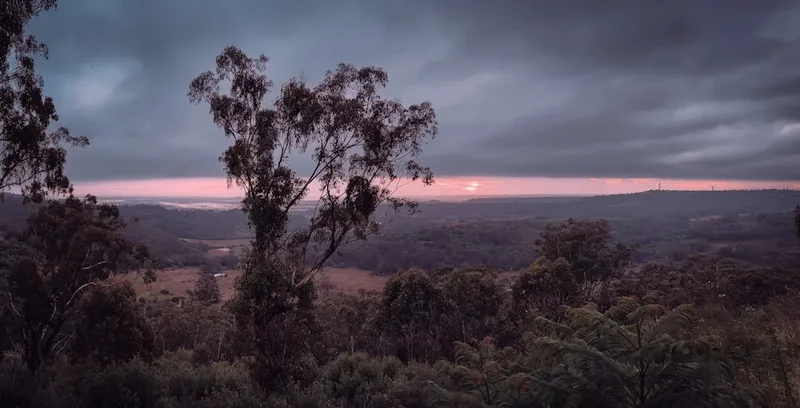
The Sunrise Track passes through a highly sensitive ecological corridor. The thin soils and harsh conditions mean that plants grow slowly and are easily damaged. Following the "Leave No Trace" principles is essential for the long-term survival of this beautiful place.
Your responsibility as a walker:
- Stick to the Track: Veering off-path crushes delicate groundcover and contributes to erosion, which is already a major threat to coastal cliffs.
- Pack It In, Pack It Out: This includes organic waste like orange peels and apple cores. In this dry environment, they do not decompose quickly and can attract non-native scavengers.
- Respect Wildlife: Observe animals from a distance. Feeding birds or reptiles disrupts their natural diet and can lead to aggressive behaviour or disease.
- Sanitise Your Boots: Before and after your walk, clean your boots to prevent the spread of soil-borne pathogens like Phytophthora cinnamomi (root rot), which can devastate native vegetation.
- No Fires: The risk of bushfire is extreme. Never light a fire or use a portable stove on the track.
- Toilet Etiquette: There are no toilets on the track. If you are caught short, move at least 100 metres away from water sources and the track, dig a hole 15-20 cm deep, and bury all waste, including biodegradable toilet paper. Carry out all sanitary products.
 Australia