
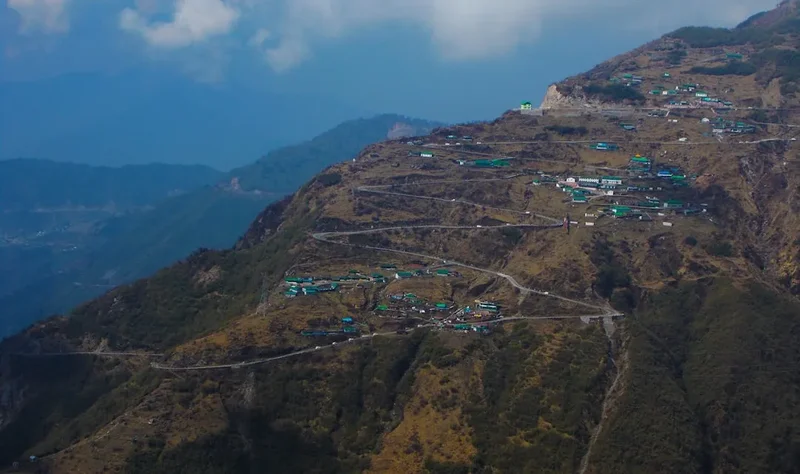
Sundarijal to Chisapani Trek
The Sundarijal to Chisapani trek is a popular and accessible hiking route located just outside the bustling capital city of Kathmandu, Nepal. This trek offers a refreshing escape into nature, providing stunning views of the Kathmandu Valley and the majestic Himalayan range, including Mount Everest on a clear day. It's an ideal option for those with limited time or seeking a moderate day hike or a short overnight adventure that combines cultural immersion with natural beauty. The trail winds through lush forests, past traditional villages, and offers a glimpse into rural Nepali life, making it a rewarding experience for hikers of all levels.
- Distance: 25.0 km
- Elevation Gain: 1500 m
- Duration: 1-2 days (can be extended)
- Difficulty: Moderate
- Best Time: October to December and March to May
- Closest City: Kathmandu
- Trailhead Access: From Kathmandu, take a local bus or taxi to Sundarijal.
- National Park Permit: Required, obtainable at the gate.
Overview
The Sundarijal to Chisapani trek is a journey that begins in the verdant hills north-east of Kathmandu and ascends to the charming village of Chisapani, perched at an elevation offering panoramic vistas. The trek is renowned for its accessibility, making it a favourite among locals and tourists alike who wish to experience Nepal's natural beauty without venturing too far from the city. The trail is a mix of well-trodden paths and steeper ascents, passing through Shivapuri National Park, a vital watershed for Kathmandu Valley.
The initial part of the trek from Sundarijal involves a climb past the Sundarijal waterfall and reservoir, a popular local picnic spot. From here, the path enters the dense rhododendron and oak forests of Shivapuri National Park. The air is fresh, and the sounds of the city quickly fade, replaced by the chirping of birds and the rustling of leaves. As you gain altitude, the forest opens up to reveal glimpses of the surrounding hills and, on clear days, the distant snow-capped peaks of the Himalayas.
Chisapani, meaning "cold water," is a small settlement that serves as the primary destination for this trek. It offers a tranquil environment with basic teahouses and lodges providing accommodation and meals. The main attraction here is the breathtaking sunrise view over the Himalayas, a sight that makes the effort of the trek entirely worthwhile. The trek can be completed as a long day hike, returning to Sundarijal, or as an overnight trip, allowing for a more relaxed experience and the enjoyment of the mountain views.
The trek is particularly beautiful during the spring when the rhododendrons are in bloom, painting the hillsides with vibrant colours. Autumn offers clear skies and excellent mountain visibility. While the trek is moderate, the elevation gain can be challenging for those not accustomed to hiking at altitude. Proper preparation and an understanding of the local weather conditions are key to a successful and enjoyable trek.
History and Cultural Context
The region surrounding Sundarijal and Chisapani has a rich history intertwined with the cultural and spiritual landscape of Nepal. Sundarijal itself is named after a Hindu goddess and has long been a site of religious significance, with temples and a sacred waterfall that attracts pilgrims, especially during festivals like Dashain. The reservoir at Sundarijal was built in the 1930s to supply drinking water and generate hydroelectric power for Kathmandu, marking a significant development in the region's infrastructure.
The trails leading from Sundarijal into the Shivapuri National Park were historically used by local communities for accessing forest resources and for trade routes. The Shivapuri area, being a crucial watershed, has been protected for its ecological importance. In 2002, it was designated as Shivapuri National Park, the ninth national park in Nepal, aimed at conserving its biodiversity and protecting the water sources for the Kathmandu Valley. This designation has helped preserve the natural environment through which the trek passes.
Chisapani, as a settlement, developed as a resting point and a viewpoint for trekkers and locals seeking respite from the city and a connection with nature. Its name, "cold water," likely refers to the clear, cool mountain springs found in the area. Over time, it has evolved into a small tourist hub, offering basic amenities for trekkers. The trek itself represents a modern form of engagement with the landscape, blending the historical use of the trails with contemporary adventure tourism.
The cultural context of the trek is also evident in the villages encountered along the route, where one can observe the daily lives of the Tamang and other ethnic communities. Their traditional farming practices, architecture, and way of life offer a glimpse into the rural heritage of Nepal, which has been preserved despite the proximity to the capital.
Seasonal Highlights and Weather Reality
The Sundarijal to Chisapani trek is a year-round destination, but certain seasons offer a more pleasant experience due to weather and visibility.
Autumn (October to December): This is arguably the best time to undertake the trek. The monsoon rains have subsided, leaving the air clean and the skies clear. Visibility of the Himalayan peaks, including Mount Everest, is at its best during these months. The temperatures are moderate, making hiking comfortable. The landscape is lush and green after the monsoon, and the rhododendron forests may still have some late blooms in early autumn.
Spring (March to May): Spring is another excellent season for this trek. The weather is warm and pleasant, and the national park bursts into colour with the blooming of rhododendrons and other wildflowers. This is a visually stunning time to hike, with vibrant hues of red, pink, and white dotting the hillsides. However, visibility of the distant mountains can sometimes be affected by haze, especially towards the end of spring.
Summer (June to September): This period coincides with the monsoon season in Nepal. While the lush greenery is at its peak, the trek can be challenging due to heavy rainfall, leeches, and slippery trails. Mountain views are often obscured by clouds and fog. However, for those who don't mind the rain and are seeking a more solitary experience, the vibrant green landscape can be appealing. Temperatures are generally warm to hot.
Winter (January to February): Winter offers cold but generally clear days. The temperatures can drop significantly, especially at higher elevations and in the early mornings and evenings. Frost and occasional light snow are possible, particularly on higher sections of the trail. Mountain views are usually excellent, but the cold can be a deterrent for some. The forests will be bare of flowers but still offer a serene walking experience.
Weather Reality: Regardless of the season, weather in the hills surrounding Kathmandu can change rapidly. It is always advisable to be prepared for sudden showers, even during the dry seasons. Temperatures can vary significantly between the lower elevations of Sundarijal and the higher reaches of Chisapani. Layering clothing is essential for comfort.
Recommended Itinerary
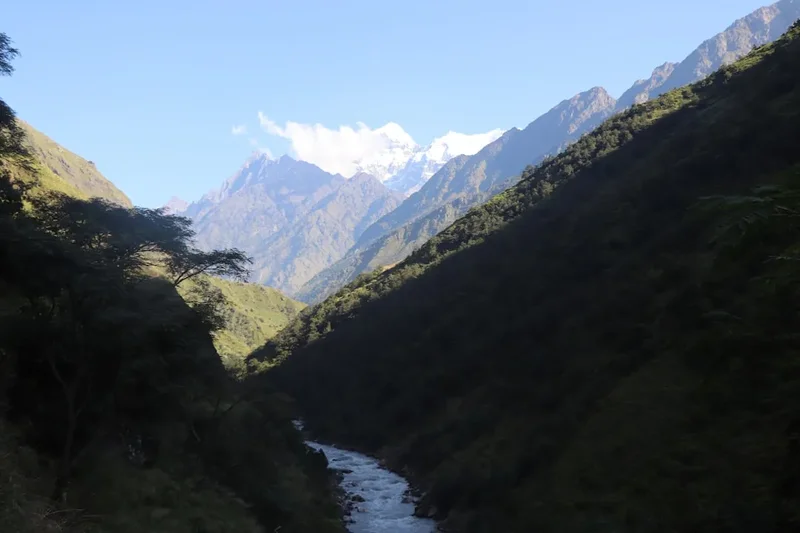
Option 1: Day Hike (Sundarijal to Chisapani and return)
Early Morning (7:00 AM - 8:00 AM): Travel to Sundarijal
- Depart from Kathmandu via taxi or local bus.
- Journey time: Approximately 45 minutes to 1.5 hours depending on traffic and transport mode.
- Arrive at Sundarijal, the starting point of the trek.
Morning (8:00 AM - 12:00 PM): Ascent through Shivapuri National Park
- Begin the trek from Sundarijal, passing the waterfall and reservoir.
- Enter Shivapuri National Park (permit required).
- The trail initially follows a paved path before turning into a dirt track and then a steeper, rocky trail.
- Walk through dense rhododendron and oak forests.
- Enjoy the sounds of nature and the fresh mountain air.
- The ascent is steady and can be challenging in parts.
Midday (12:00 PM - 1:00 PM): Arrival at Chisapani
- Reach Chisapani village.
- Take in the panoramic views of the Kathmandu Valley and the distant Himalayas.
- Enjoy lunch at a local teahouse.
Afternoon (1:00 PM - 4:00 PM): Return Journey
- Begin the descent back to Sundarijal.
- The downhill path can be steep and requires careful footing.
- Enjoy the changing light and forest scenery on the way down.
- Arrive back at Sundarijal.
Late Afternoon (4:00 PM onwards): Return to Kathmandu
- Take a taxi or bus back to Kathmandu.
Option 2: Overnight Trek (Sundarijal to Chisapani and return)
Day 1: Sundarijal to Chisapani
- Morning (8:00 AM - 12:00 PM): Travel to Sundarijal and begin the trek into Shivapuri National Park.
- Midday (12:00 PM - 1:00 PM): Arrive at Chisapani. Check into a teahouse/lodge.
- Afternoon (1:00 PM - 5:00 PM): Relax, explore the surroundings of Chisapani, and enjoy the mountain views. Witness the sunset over the Himalayas.
- Evening: Dinner at the teahouse. Enjoy the peaceful mountain atmosphere.
Day 2: Chisapani to Sundarijal and return to Kathmandu
- Early Morning (5:30 AM - 7:00 AM): Wake up early to witness the spectacular sunrise over the Himalayan range. This is the highlight of the overnight trek.
- Morning (7:00 AM - 9:00 AM): Breakfast at the teahouse.
- Morning (9:00 AM - 12:00 PM): Begin the descent back to Sundarijal.
- Midday (12:00 PM - 1:00 PM): Arrive back at Sundarijal.
- Afternoon (1:00 PM onwards): Travel back to Kathmandu.
Important Notes:
- The trail can be steep and rocky in sections.
- Carry sufficient water and snacks, especially for the day hike option.
- The national park permit is mandatory and can be purchased at the entrance.
- Weather can change quickly; be prepared for rain and cooler temperatures at Chisapani.
- For overnight stays, accommodation in Chisapani is basic teahouses/lodges. Bookings are usually not required outside peak season but recommended during busy periods.
Planning and Bookings
Book Your Trip
Everything you need to plan your journey
Accommodation
Find places to stay near Kathmandu
Flights
Search flights to Kathmandu
Essential Preparation
The Sundarijal to Chisapani trek is relatively short and accessible, making it ideal for those with limited time or seeking a quick nature escape from Kathmandu. Essential preparation involves ensuring you have the necessary permits, appropriate gear for varying weather conditions, and a basic understanding of the route. For the day hike, a good level of fitness is recommended due to the sustained uphill climb. For an overnight stay, booking accommodation in Chisapani in advance is advisable, especially during peak trekking seasons (October-December and March-May).
Kathmandu is the primary base city for this trek. It offers a wide range of accommodation options, from budget guesthouses to luxury hotels. You can arrange transport to Sundarijal via taxi or local bus. Taxis offer more comfort and flexibility, while buses are a more economical option. It's wise to carry some Nepali Rupees in cash, as many smaller establishments in Sundarijal and Chisapani may not accept credit cards.
Trail Accommodation
The Sundarijal to Chisapani trek can be done as a day hike, requiring no overnight accommodation. However, for those wishing to experience the sunrise from Chisapani, basic accommodation is available in the village.
Chisapani Teahouses/Lodges:
- Type: Basic teahouses and lodges offering simple rooms.
- Facilities Provided: Rooms typically contain beds with mattresses and blankets. Common dining areas with stoves for heating and cooking are usually available. Basic toilet facilities (often squat toilets) are provided.
- What's NOT Provided: Sleeping bags (though some lodges may offer them for rent), toiletries, hot showers (may be available for an extra charge, but often cold), electricity for charging devices (limited availability, often at a fee), and food beyond standard Nepali trek fare (dal bhat, noodles, soup, tea).
- Seasonal Availability: Generally available year-round, though services might be reduced during the monsoon season.
- Costs: Room rates are typically very affordable, ranging from NPR 500 to NPR 1500 per night. Meals are priced separately and are generally more expensive than in Kathmandu due to transport costs.
Booking Requirements: For day hikers, no booking is necessary. For overnight stays, it is recommended to book your teahouse in Chisapani a day or two in advance, especially during peak seasons, to ensure availability. You can often arrange this through your hotel in Kathmandu or upon arrival in Sundarijal.
Required Gear
- Hiking Boots: Sturdy, waterproof hiking boots with good ankle support are essential. Ensure they are well broken-in to prevent blisters.
- Backpack: A comfortable daypack (20-30 litres) for the day hike, or a slightly larger pack (30-40 litres) if staying overnight to carry essentials and extra clothing. A rain cover for the backpack is highly recommended.
- Waterproof Jacket: A lightweight, breathable waterproof jacket is crucial, as weather can change rapidly, and rain is common, especially during monsoon and shoulder seasons.
- Waterproof Overtrousers: Useful for protection against rain and wind, especially at higher elevations.
- Warm Layers: A fleece jacket or a down vest for cooler temperatures, particularly in the mornings and evenings at Chisapani.
- Headlamp or Torch: Essential for early morning starts or if hiking in low light conditions, especially for the overnight option to see the sunrise.
- First-Aid Kit: Include basic supplies like bandages, antiseptic wipes, pain relievers, blister treatment, and any personal medications.
- Navigation: While the trail is generally well-marked, a map of the area or a GPS device/app on your phone can be helpful.
What to Bring
- Water Bottles/Hydration Reservoir: Carry at least 1-2 litres of water per person. Water purification tablets or a filter are recommended if you plan to refill from natural sources.
- Food and Snacks: For the day hike, pack energy bars, nuts, dried fruit, and sandwiches. For the overnight trek, bring snacks, and be prepared to purchase meals at the teahouse.
- Sun Protection: Sunscreen (SPF 30+), sunglasses, and a wide-brimmed hat or cap are important, as the sun can be strong even on cloudy days, especially at higher altitudes.
- Insect Repellent: Especially important during warmer months to protect against mosquitoes and other biting insects.
- Toiletries: Biodegradable soap, toothbrush, toothpaste, hand sanitiser, and toilet paper (as teahouses may not always provide it).
- Personal Items: Camera, power bank for charging devices (if needed), a small towel, and any personal comfort items.
- Cash: Nepali Rupees (NPR) for permits, transport, food, and accommodation. ATMs are not available along the trail.
- Trekking Poles (Optional): Can be helpful for stability on steep ascents and descents.
Permits
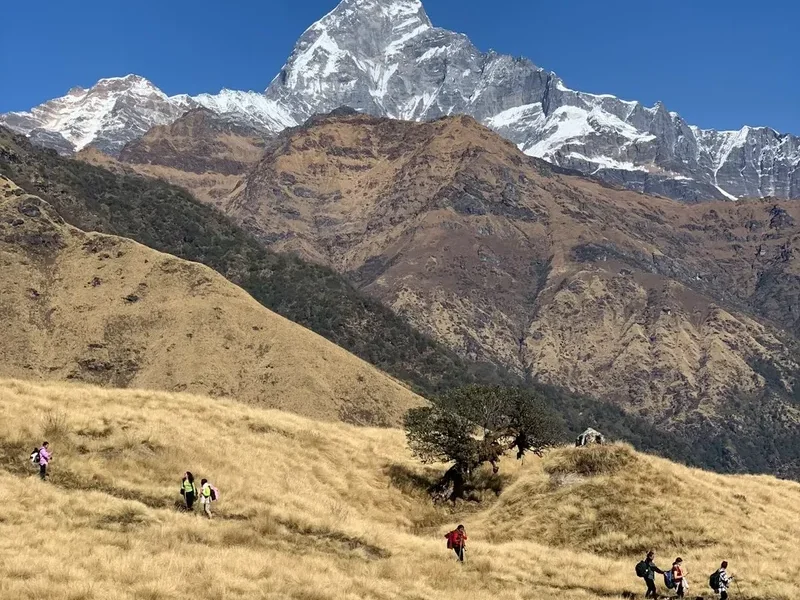
To undertake the Sundarijal to Chisapani trek, you will need to obtain permits for entry into the Shivapuri National Park. These permits are mandatory for all visitors, including Nepali citizens and foreign nationals.
Where to Obtain Permits:
- Sundarijal Entrance Gate: The most convenient place to purchase your permit is directly at the entrance gate of Shivapuri National Park in Sundarijal. Park rangers are stationed here to issue permits and collect fees.
- National Trust for Nature Conservation (NTNC) Office, Kathmandu: For advance purchase or if you are unable to obtain it at the gate, you can inquire at the NTNC office in Kathmandu. However, purchasing at the gate is generally straightforward and recommended.
Permit Fees:
- Nepali Citizens: NPR 25 per person.
- SAARC Nationals: NPR 100 per person.
- Foreign Nationals: NPR 500 per person.
These fees are subject to change, so it's always a good idea to confirm the current rates upon arrival. Keep your permit with you throughout your trek, as it may be checked by park rangers along the trail.
Additional Considerations:
- TIMS Card: While not strictly mandatory for this specific short trek within Shivapuri National Park, if you plan to undertake longer treks in Nepal, obtaining a Trekkers' Information Management System (TIMS) card is highly recommended. It aids in search and rescue operations and helps manage trekking activities.
- Conservation Fee: The permit fee generally includes a conservation fee for the park.
Ensuring you have the correct permits before starting your trek will prevent any issues with park authorities and contribute to the conservation efforts of Shivapuri National Park.
Other Activities in the Area
While the Sundarijal to Chisapani trek is a primary attraction, the surrounding region offers several other activities and points of interest:
- Sundarijal Waterfall and Reservoir: The starting point of the trek is a popular local spot for picnics and relaxation, especially during warmer months. The waterfall is impressive after the monsoon rains.
- Temples in Sundarijal: Sundarijal has several small temples and shrines, including the Sundari Mai Temple, which is a place of worship for locals and pilgrims.
- Shivapuri National Park Exploration: Beyond the Chisapani trail, Shivapuri National Park offers other hiking routes and opportunities for birdwatching. The park is home to a diverse range of flora and fauna, including various species of birds, monkeys, and even leopards (though sightings are rare).
- Village Exploration: The villages along the route, such as Mulkharka, offer a chance to observe traditional Nepali rural life, architecture, and farming practices. Interacting with locals can provide valuable cultural insights.
- Kathmandu Valley Sightseeing: As the trek starts and ends near Kathmandu, visitors can easily combine it with exploring the numerous UNESCO World Heritage Sites within the valley, such as Pashupatinath Temple, Boudhanath Stupa, Swayambhunath Stupa, and the Durbar Squares of Kathmandu, Patan, and Bhaktapur.
- Day trips to Nagarkot or Dhulikhel: For more extensive Himalayan views, consider a day trip or overnight stay in nearby hill stations like Nagarkot or Dhulikhel, which offer similar but often more expansive mountain panoramas.
Safety and Conditions
Trail Conditions: The trail from Sundarijal to Chisapani is generally well-defined but can be steep and rocky in places. During and immediately after the monsoon season (June-September), the trail can become muddy and slippery, increasing the risk of falls. Outside of the monsoon, the trail is usually in good condition.
Weather: Weather in the hills surrounding Kathmandu can be unpredictable. Be prepared for sudden changes, including rain, fog, and cooler temperatures, especially at Chisapani which is at a higher elevation than Sundarijal. Check the weather forecast before you go, and carry appropriate clothing layers.
Altitude Sickness: While this trek does not reach extreme altitudes, Chisapani is around 2,200 metres. For most people, this altitude is unlikely to cause significant altitude sickness. However, it's always wise to be aware of the symptoms (headache, nausea, dizziness) and descend if they worsen. The rapid ascent from Kathmandu (around 1,400 metres) means it's good practice to stay hydrated and avoid strenuous activity immediately upon arrival in Nepal.
Wildlife: Shivapuri National Park is home to various wildlife, including monkeys and birds. While encounters are generally safe, it's important not to feed the animals. Leopards are present but rarely seen. Be aware of your surroundings and avoid hiking alone in remote sections, especially after dark.
Water: It is advisable to treat all water from natural sources before drinking, either by boiling, using purification tablets, or a water filter. Bottled water can be purchased in Sundarijal and Chisapani, but carrying your own supply is recommended.
Communication: Mobile phone reception can be intermittent along the trail, especially within the denser forest areas. In Chisapani, reception is generally better. Inform someone of your trekking plans and expected return time.
Emergency Contacts: In case of an emergency, contact your accommodation provider in Kathmandu, local park authorities, or the Nepal Police. It is also advisable to have travel insurance that covers trekking and emergency evacuation.
Side Trips and Points of Interest
Sundarijal Waterfall: The trek begins at the base of the impressive Sundarijal waterfall, a popular local spot. During the monsoon season, the waterfall is at its most powerful and spectacular, cascading down the hillside. It's a great place to start the trek and take some initial photographs.
Sundarijal Reservoir: Adjacent to the waterfall is the Sundarijal reservoir, which serves as a primary source of drinking water and hydroelectric power for Kathmandu. The area around the reservoir is scenic and offers a pleasant prelude to the forest trail.
Rhododendron Forests: Shivapuri National Park is known for its beautiful rhododendron forests. During the spring months (March-May), these forests come alive with vibrant colours as the rhododendrons bloom, adding a spectacular visual dimension to the trek.
Mulkharka Village: As you ascend towards Chisapani, you will pass through or near villages like Mulkharka. These settlements provide an opportunity to observe the daily life of the local Tamang communities, their traditional houses, and agricultural practices. It's a chance for cultural immersion and interaction.
Panoramic Viewpoints: Along the trail, particularly as you gain altitude, there are several points that offer stunning panoramic views of the Kathmandu Valley spread out below. These viewpoints are excellent spots to rest and appreciate the scale of the valley and the surrounding hills.
Sunrise/Sunset Views from Chisapani: The primary draw of staying overnight in Chisapani is the opportunity to witness the sunrise over the Himalayas. On a clear morning, the view of the snow-capped peaks, including Mount Everest, bathed in the golden light of dawn, is an unforgettable experience. Sunset views from Chisapani are equally captivating.
Leave No Trace
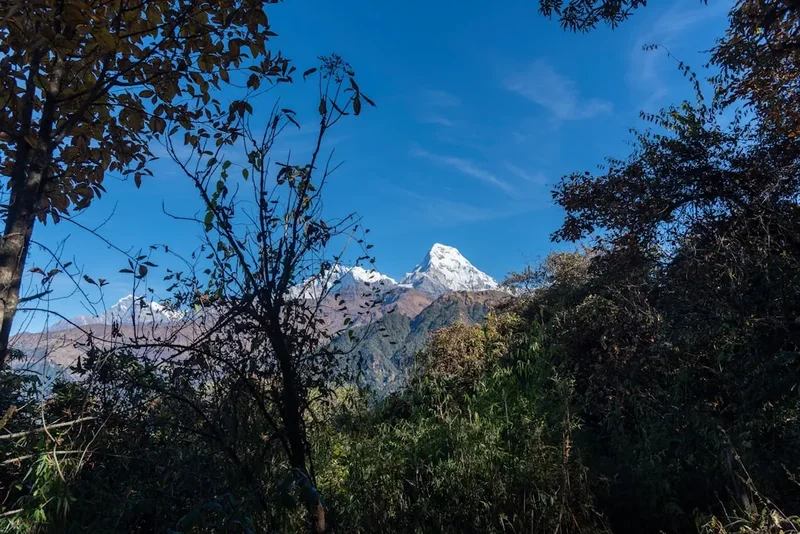
The Sundarijal to Chisapani trek passes through Shivapuri National Park, a vital ecological area and watershed for Kathmandu Valley. Practising Leave No Trace principles is crucial to preserve its natural beauty and biodiversity for future generations.
Plan Ahead and Prepare: Research the trail, understand the weather conditions, and pack appropriately. Know the park rules and regulations. Carry a map and compass or GPS device.
Travel and Camp on Durable Surfaces: Stick to the marked trails to avoid damaging vegetation and causing erosion. In Chisapani, use designated teahouses for accommodation rather than camping outside of established areas.
Dispose of Waste Properly: Pack out everything you pack in, including all trash, food scraps, and wrappers. Use designated toilets in teahouses. If no toilet is available, dig a cathole at least 60 metres away from water sources, trails, and campsites.
Leave What You Find: Do not pick flowers, collect rocks, or disturb wildlife. Take only photographs and memories.
Minimise Campfire Impacts: Campfires are generally not permitted within national parks and are not necessary for this trek, as teahouses provide cooking facilities. If you must use a stove, ensure it is a lightweight, portable one and use it on a durable surface.
Respect Wildlife: Observe wildlife from a distance. Never feed animals, as it can disrupt their natural behaviours and diets. Be aware of your surroundings and make noise to avoid surprising animals.
Be Considerate of Other Visitors: Keep noise levels down, especially in Chisapani. Respect the local culture and traditions. Yield to uphill hikers.
By adhering to these principles, you help protect the delicate ecosystem of Shivapuri National Park and ensure a positive experience for yourself and others.
 Nepal
Nepal