
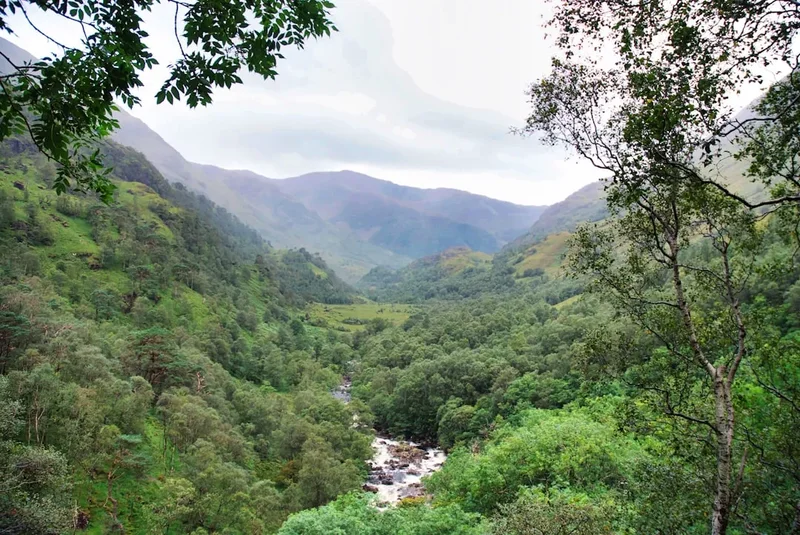
Suilven Ascent via Glen Canisp
The Suilven Ascent via Glen Canisp is a challenging and rewarding mountain track in the Northwest Highlands of Scotland, offering a true taste of wild Scottish hillwalking. This route takes you to the summit of Suilven, an iconic and distinctive mountain renowned for its unique shape and panoramic views. Unlike more conventional mountain ascents, Suilven's summit ridge is a narrow, exposed arête, demanding a good head for heights and sure-footedness. The approach through Glen Canisp is remote and beautiful, often involving boggy terrain and requiring careful navigation. This is a serious undertaking, best suited to experienced hillwalkers with a high level of fitness and self-sufficiency.
- Distance: 22.0 km one-way
- Duration: 6–7 hours
- Elevation Gain: 950 m
- Difficulty: Challenging
- Best Time: April–October
- Closest City: Lochinver
- Trailhead Access: Nearest airport: Inverness (INV). Drive to Lochinver (approx. 2.5 hours). Follow the road to Glencanisp Lodge. Parking available at the lodge. Road conditions are generally good, but can be narrow in places. GPS: 58.1571, -5.2428. No permits needed.
Overview
Suilven, meaning "fish" in Old Norse, is a mountain that commands attention. Its striking appearance, with a long, narrow summit ridge perched atop a massive, isolated base, makes it one of Scotland's most recognisable peaks. The ascent via Glen Canisp is a classic route that immerses you in the rugged beauty of Assynt. The journey begins with a trek across moorland and bog, often wet and requiring careful route-finding. As you approach the mountain, the scale of its base becomes apparent, a vast, rocky platform that seems to rise impossibly from the surrounding landscape.
The climb itself is steep and demanding, particularly the final push to the summit ridge. This section involves scrambling over rough, rocky terrain, and the ridge itself is exposed, with steep drops on either side. The reward for this effort is immense: unparalleled 360-degree views across the Assynt landscape, encompassing other iconic peaks like Stac Pollaidh, Canisp, and the distant peaks of the Torridon range. On a clear day, you can see for miles, a breathtaking vista of lochans, moorland, and rugged coastline.
This is not a walk for the faint-hearted. The terrain is wild and unforgiving, and the weather in the Scottish Highlands can change with alarming speed. Proper preparation, including appropriate gear, navigation skills, and a good level of fitness, is essential for a safe and enjoyable experience. The remoteness of the area adds to its allure, offering a sense of true wilderness and escape.
History and Cultural Context
The Assynt region, where Suilven is located, has a rich and complex history. For millennia, this land has been inhabited by people who have adapted to its challenging environment. Archaeological evidence suggests human settlement dating back to the Mesolithic period, with later occupation by Picts and Norse settlers. The distinctive geology of the area, particularly the ancient Lewisian gneiss and the younger Cambrian quartzite, has shaped both the landscape and the lives of its inhabitants.
Suilven itself has likely been a landmark and a place of significance for centuries. Its unique shape would have made it a natural point of reference for travellers and a subject of local folklore. The name "Suilven" is believed to derive from Old Norse, reflecting the period of Norse influence in the Scottish Highlands. The surrounding landscape bears the marks of human activity, from ancient clearance cairns to more recent sheep farming and crofting practices, though much of the area is now managed for conservation and wildness.
The development of modern hillwalking routes in Scotland, including those in Assynt, gained momentum in the 19th and 20th centuries. As more people gained leisure time and access to transport, the appeal of exploring the wilder parts of the country grew. However, the routes to mountains like Suilven remain largely untamed, requiring traditional navigation skills and a respect for the natural environment. The remoteness of the Glen Canisp approach means that this route has retained much of its wild character, offering a genuine wilderness experience far removed from more developed mountain paths.
Seasonal Highlights and Weather Reality
The best time to tackle the Suilven Ascent via Glen Canisp is generally from April to October. During these months, daylight hours are longer, and the risk of snow and ice on the higher ground is significantly reduced, although not entirely absent, especially in early spring and late autumn.
Spring (April–May): The landscape begins to awaken, with heather starting to show signs of life and bird activity increasing. Days are getting longer, offering more time for the hike. However, the ground can still be very wet and boggy, and early season snow can linger in sheltered gullies. Temperatures can be cool, and changeable weather is common.
Summer (June–August): This is the most popular time for hillwalking in Scotland. Daylight hours are at their longest, providing ample time for the ascent and descent. The heather may be in bloom, adding a splash of colour to the landscape. However, summer also brings the highest numbers of midges, tiny biting insects that can make exposed moorland walks extremely unpleasant if not properly prepared for. Weather can be glorious, but thunderstorms are also a possibility, especially in the afternoons.
Autumn (September–October): The colours of the moorland can be spectacular, with russets, golds, and browns creating a beautiful tapestry. The midges are usually less of a problem. However, daylight hours are decreasing, and the weather can become increasingly unsettled, with a higher chance of strong winds, rain, and even early snow. Navigation can be more challenging in poor visibility.
Winter (November–March): This is a period for experienced winter mountaineers only. The mountain will likely be snow-covered, and icy conditions will be prevalent. Navigation becomes significantly more difficult, and the summit ridge can be extremely dangerous due to wind and ice. Specialised equipment such as ice axe, crampons, and winter navigation skills are essential. For most hillwalkers, winter ascents of Suilven are not recommended.
Weather Reality: It cannot be stressed enough that the weather in the Scottish Highlands is highly unpredictable. Even in summer, you can experience all four seasons in a single day. Be prepared for strong winds, heavy rain, mist, and cold temperatures, regardless of the season. Always check the mountain forecast before you set out.
Recommended Itinerary
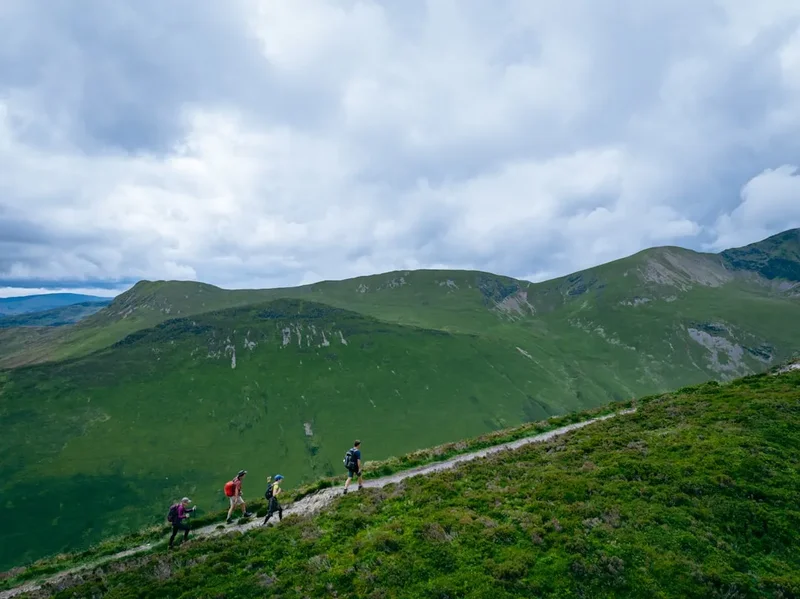
Suilven Ascent via Glen Canisp - Day Hike Itinerary
Early Morning (Approx. 07:00 - 08:00): Departure from Lochinver
- Drive from Lochinver towards the Glencanisp Lodge.
- Ensure you have all necessary gear, food, and water for a full day in the hills.
- Check the latest mountain weather forecast for Assynt.
Morning (Approx. 08:00 - 09:00): Trailhead Arrival and Start
- Arrive at the parking area near Glencanisp Lodge (GPS: 58.1571, -5.2428).
- Begin the walk by heading east into Glen Canisp.
- The initial section involves crossing moorland and potentially boggy ground.
- Navigation is key from the outset; use a map and compass or GPS device.
Late Morning (Approx. 09:00 - 12:00): Approach to Suilven's Base
- Continue through Glen Canisp, following the most sensible line towards the imposing bulk of Suilven.
- The terrain will likely become rougher and more challenging as you get closer to the mountain.
- Look for the distinctive shape of Suilven as you ascend.
Midday (Approx. 12:00 - 13:00): Ascent of the Base
- Begin the steep ascent of Suilven's massive base.
- This section is strenuous, involving significant elevation gain over rough, rocky terrain.
- Take your time, maintain a steady pace, and stay hydrated.
Early Afternoon (Approx. 13:00 - 14:00): Reaching the Summit Ridge
- Arrive at the narrow summit ridge.
- This is the most exposed section of the walk. Be mindful of the steep drops on either side.
- Carefully navigate the ridge towards the highest point.
Afternoon (Approx. 14:00 - 15:00): Summit and Views
- Reach the summit of Suilven.
- Enjoy the spectacular 360-degree panoramic views.
- Take photographs and have a well-deserved break for lunch.
- Be aware of changing weather conditions.
Late Afternoon (Approx. 15:00 - 18:00): Descent and Return to Trailhead
- Begin the descent, retracing your steps carefully.
- Pay close attention to navigation, especially on the boggy moorland.
- The descent can be as challenging as the ascent, particularly on tired legs.
- Aim to be back at the trailhead before dusk.
Evening (Approx. 18:00 onwards): Return to Lochinver
- Drive back to Lochinver.
- Consider a well-earned meal at a local pub or restaurant.
Important Notes:
- This is a challenging, remote mountain walk.
- Navigation skills (map, compass, GPS) are essential.
- Be prepared for boggy terrain and potentially difficult ground conditions.
- The summit ridge is exposed and requires a good head for heights.
- Weather can change rapidly; carry full waterproofs and warm layers.
- Carry sufficient food and water for the entire day.
- Inform someone of your route and expected return time.
Planning and Bookings
Book Your Trip
Everything you need to plan your journey
Accommodation
Find places to stay near Lochinver
Flights
Search flights to Lochinver
Essential Preparation
The Suilven Ascent via Glen Canisp is a serious undertaking that requires thorough preparation. Given its remote location and challenging terrain, it is crucial to be self-sufficient and well-equipped. Before embarking on this hike, ensure you have a high level of physical fitness, as the 950 metres of elevation gain and the rough ground will test your stamina. Familiarise yourself with map and compass navigation, as mobile phone signal is unreliable in this area, and GPS devices can fail. The nearest significant town is Lochinver, which offers accommodation, shops for supplies, and outdoor gear retailers. It is advisable to base yourself in or near Lochinver for at least one night before and after your hike to allow for travel, rest, and last-minute preparations. Plan your journey to the trailhead carefully, as the access road can be narrow and winding.
Trail Accommodation
This is a day hike requiring no overnight accommodation. Walkers typically base themselves in Lochinver or surrounding areas, which offer a range of accommodation options including hotels, guesthouses, bed and breakfasts, and self-catering cottages. There are no official campsites directly on the route to Suilven via Glen Canisp, and wild camping is generally permitted under the Scottish Outdoor Access Code, but should be done responsibly and away from the immediate vicinity of the trailhead or any dwellings.
Required Gear
- Sturdy Hiking Boots: Waterproof, with good ankle support and a well-worn sole for grip on rough and boggy terrain.
- Waterproof Jacket and Trousers: Essential for protection against the unpredictable Scottish weather. Ensure they are breathable and have taped seams.
- Warm Layers: Including a fleece or insulated jacket, and a base layer made of merino wool or synthetic material. Avoid cotton.
- Hat and Gloves: Even in summer, the summit can be cold and windy.
- Backpack: A comfortable daypack (30-40 litres) to carry all your essentials.
- Navigation Equipment: A detailed Ordnance Survey (OS) map of the area (Explorer 432 or Landranger 19), a compass, and a GPS device or smartphone with offline mapping capabilities. Ensure you know how to use them.
- Head Torch: With spare batteries, in case of unexpected delays or if starting/finishing in low light conditions.
- First Aid Kit: Including blister plasters, pain relievers, antiseptic wipes, bandages, and any personal medication.
- Emergency Shelter: A lightweight emergency bivvy bag or survival blanket.
- Whistle: For signalling in an emergency.
What to Bring
- Food: High-energy snacks (nuts, dried fruit, energy bars), sandwiches, and a packed lunch. Ensure you have enough for the entire day, plus a little extra.
- Water: At least 2-3 litres of water per person. There are no reliable water sources on the summit ridge, and any water from streams or lochans should be treated.
- Water Treatment: A water filter or purification tablets if you plan to refill from natural sources.
- Sun Protection: Sunscreen, sunglasses, and a sun hat, even on cloudy days, as UV rays can be strong at higher altitudes.
- Insect Repellent: Particularly important during the summer months to ward off midges.
- Mobile Phone: Fully charged, for emergency use (though signal is unreliable). Consider a portable power bank.
- Trekking Poles: Optional, but can be very helpful for stability on boggy ground and for reducing strain on knees during the descent.
- Camera: To capture the stunning scenery.
- Small trowel and biodegradable toilet paper: For responsible disposal of human waste if away from designated facilities (though none exist on this route).
Permits
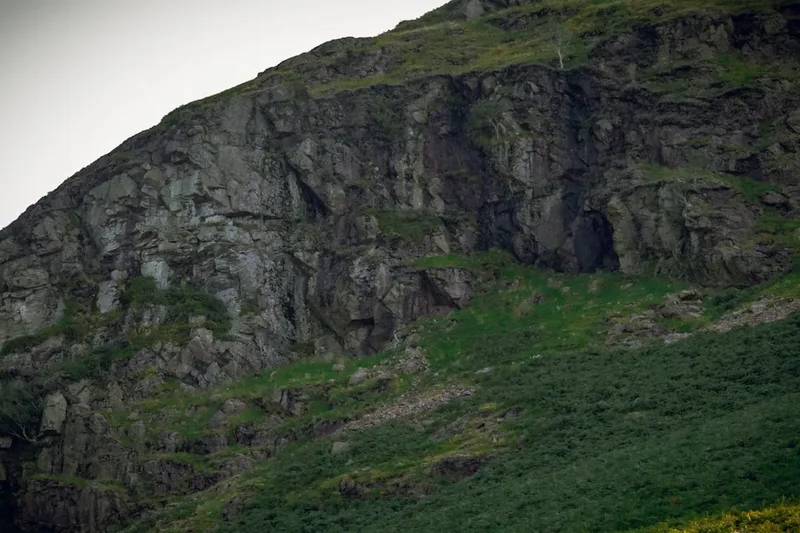
No permits are required for hiking to the summit of Suilven via Glen Canisp. This is a public right-of-way and accessible land under the Scottish Outdoor Access Code. However, it is essential to adhere to the principles of responsible access:
- Respect the environment: Leave no trace, take all litter with you, and avoid disturbing wildlife.
- Be considerate of others: Avoid excessive noise and be mindful of any other walkers or landowners.
- Park responsibly: Use designated parking areas where available and do not obstruct access roads or gates. The parking at Glencanisp Lodge is generally suitable for hikers.
While no formal booking or permit is needed, it is always advisable to check for any local access restrictions or advisories, especially if planning to visit during peak seasons or if there are any specific events planned in the area. The remoteness of this route means that such restrictions are rare, but it is good practice to be informed.
Other Activities in the Area
The Assynt region is a treasure trove for outdoor enthusiasts and those seeking to experience the wild beauty of the Scottish Highlands. Beyond the Suilven ascent, consider these activities:
- Hiking other Assynt peaks: Explore neighbouring mountains such as Stac Pollaidh, Canisp, and Ben More Assynt, each offering unique challenges and spectacular views.
- Coastal exploration: Visit the stunning coastline near Lochinver, including Achmelvich Bay, Clachtoll Beach, and the dramatic cliffs of Stoer Head.
- Boat trips: Take a boat trip from Lochinver to explore the Summer Isles or to spot marine wildlife such as seals, dolphins, and seabirds.
- Visiting Ardvreck Castle: Explore the atmospheric ruins of this historic castle on the shores of Loch Assynt.
- Caving: The area around Inchnadamph has some of the most extensive cave systems in Scotland, including the famous Smoo Cave near Durness.
- Fishing: The numerous lochans and rivers in Assynt offer excellent opportunities for trout and salmon fishing (permits usually required).
- Photography: The dramatic landscapes, unique geology, and ever-changing light make Assynt a paradise for photographers.
- Visiting the North Coast 500: The route passes through Lochinver, offering a scenic drive with numerous points of interest.
Safety and Conditions
Pre-Departure Checks:
- Mountain Weather Forecast: Always check the MetOffice mountain forecast for the Northwest Highlands and the SAIS (Scottish Avalanche Information Service) if travelling in winter conditions.
- Route Planning: Study your map and route thoroughly. Understand the terrain, potential hazards, and bail-out options.
- Inform Someone: Leave details of your route, expected return time, and who to contact in case of emergency with a reliable person.
- Mobile Signal: Be aware that mobile phone signal is extremely limited or non-existent in much of Assynt. Do not rely on your phone for communication.
Terrain Hazards:
- Boggy Ground: The approach to Suilven is notorious for its boggy sections. Wear waterproof boots and be prepared to get wet. Trekking poles can aid stability.
- Rough Terrain: The ascent of Suilven's base and the summit ridge involve scrambling over loose rocks and uneven ground. Wear sturdy footwear and watch your footing.
- Exposed Summit Ridge: The narrow summit ridge is highly exposed to wind and can be dangerous in poor visibility or high winds. A good head for heights is essential.
- Navigation: Mist and poor visibility can descend rapidly, making navigation extremely difficult. Ensure you are proficient with map and compass.
Weather Hazards:
- Unpredictable Weather: Highland weather can change in minutes. Be prepared for strong winds, heavy rain, and cold temperatures, even in summer. Hypothermia is a risk.
- Wind: The summit ridge is particularly exposed to strong winds, which can make walking difficult and dangerous.
- Low Visibility: Mist can reduce visibility to a few metres, making navigation challenging.
Midges: During the summer months (May to September), midges can be a significant nuisance. They are most active at dawn and dusk, and on calm, humid days. Use a good quality insect repellent containing DEET or Picaridin, and consider wearing a midge head net. Staying on the move can help, as they are weak fliers.
Emergency Procedures: In case of a genuine emergency, use your whistle (three short blasts) and/or mobile phone if you have signal. The nearest mountain rescue team is based in Lochaber, but local knowledge and prompt reporting are crucial. Consider carrying a Personal Locator Beacon (PLB) for remote areas.
Side Trips and Points of Interest
Glencanisp Lodge: While not a destination in itself, the Glencanisp Lodge area marks the start of the walk and offers a sense of the remote, wild landscape you are about to enter. The lodge itself is a private residence, but the surrounding area provides a good starting point for your adventure.
Loch Assynt: As you traverse Glen Canisp, you will likely catch glimpses of Loch Assynt, a large and scenic loch. The ruins of Ardvreck Castle stand on a promontory on its western shore, a picturesque and historically significant site that can be visited as a separate excursion.
Canisp: The neighbouring mountain, Canisp, is another distinctive peak in the Assynt range. While not as dramatic as Suilven, it offers excellent views and a less demanding ascent for those looking for a shorter or less challenging hike in the vicinity.
The Summit Ridge of Suilven: The true highlight is the summit ridge itself. This narrow arête, often described as a "knife-edge," provides a thrilling and unforgettable experience. The views from the ridge are unparalleled, offering a sweeping panorama of the Assynt landscape, including the distinctive shapes of Stac Pollaidh, Canisp, and the distant mountains of Torridon.
Geological Features: The entire Assynt region is a geological wonderland, with ancient Lewisian gneiss forming the base of Suilven and younger Cambrian quartzite creating its distinctive summit. Keep an eye out for these fascinating rock formations and understand the immense timescale of their creation.
Leave No Trace
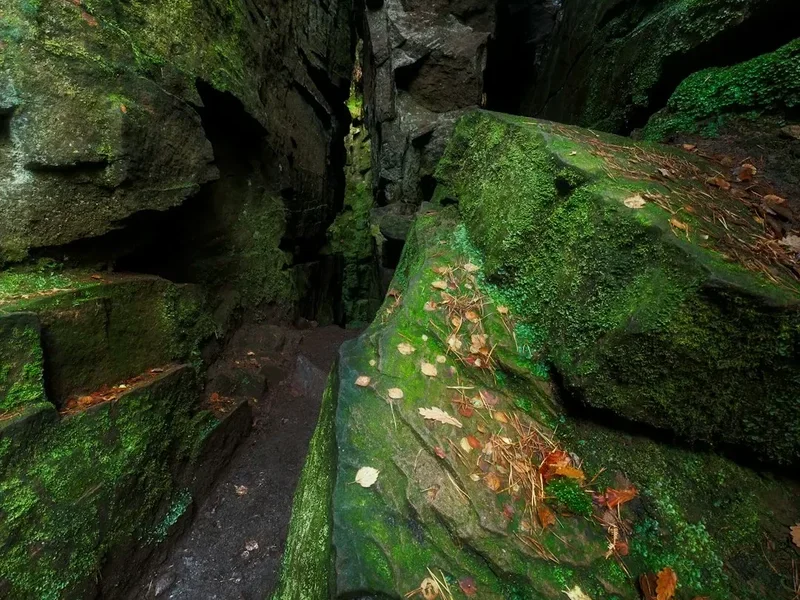
The Suilven Ascent via Glen Canisp takes you through some of Scotland's most beautiful and wild landscapes. It is imperative that all visitors practice Leave No Trace principles to preserve this environment for future generations. The Scottish Outdoor Access Code provides guidance on responsible access, and these principles are crucial for maintaining the integrity of the Assynt wilderness.
Your responsibility as a walker:
- Pack It In, Pack It Out: Take all your litter with you, including food scraps, wrappers, and any other waste. Do not bury it.
- Stay on the Path: Where a path exists, stick to it. If no path is clear, tread lightly and avoid creating new routes, especially across fragile vegetation like peat and heather.
- Respect Wildlife: Observe wildlife from a distance and do not disturb or feed animals.
- Dispose of Waste Properly: If you need to relieve yourself, do so well away from water sources (at least 10 metres) and bury human waste, scattering the soil afterwards. Pack out used toilet paper.
- Leave What You Find: Do not remove rocks, plants, or any other natural items from the landscape.
- Be Considerate of Others: Keep noise levels down and be mindful of other walkers, landowners, and local communities.
- Park Responsibly: Use designated parking areas and do not block access roads or gates.
The beauty of Suilven and its surroundings lies in its wildness. By adhering to these principles, you help ensure that this special place remains unspoiled.