
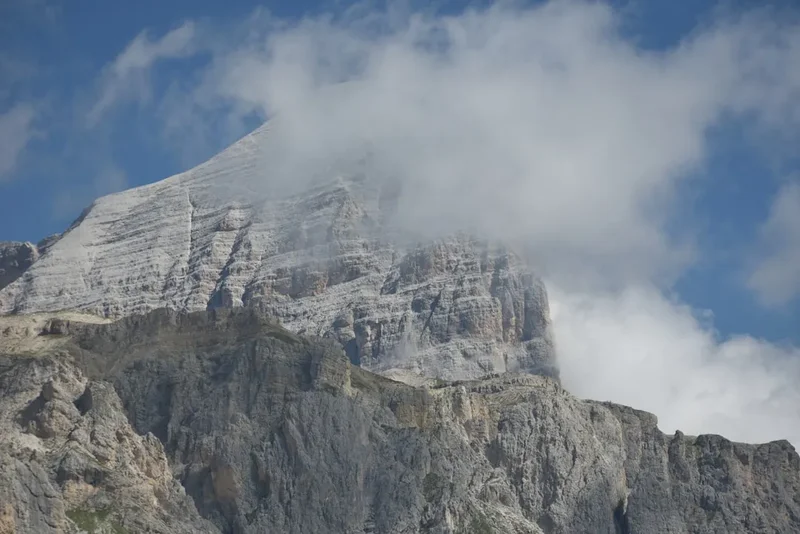
Stromboli Volcano Ascent - The Lighthouse of the Mediterranean
The Stromboli Volcano Ascent is a unique and exhilarating trek to the summit of one of the world's most active volcanoes, located on the Aeolian Islands off the coast of Sicily, Italy. This is not a typical mountain trail; it's a journey into the heart of geological power, offering a rare opportunity to witness volcanic activity up close. The ascent is challenging, demanding good physical fitness and careful preparation, but the reward is an unforgettable spectacle of nature's raw energy. The trail winds through volcanic landscapes, from sparse vegetation near the base to barren, ash-covered slopes as you gain altitude. The primary objective is to reach a vantage point from which to observe Stromboli's regular, explosive eruptions, often referred to as "Strombolian activity." Due to the volcano's active nature and the need for safety, guided tours are mandatory for reaching the summit crater area. This trek is a testament to the dynamic forces shaping our planet, offering a profound connection to the Earth's fiery core.
- Distance: 6.0 km (one-way to summit viewpoint)
- Elevation Gain: 900 m
- Duration: 4-6 hours (round trip, including summit time)
- Difficulty: Very Challenging
- Best Time: Spring (April-June) and Autumn (September-October)
- Closest City: Lipari (for ferry connections)
- Trailhead Access: Nearest Airport: Catania (CTA). Ferry from Milazzo or Messina to Stromboli. Trailhead near Stromboli town. Follow signs for the volcano ascent. Guided tours required. Book in advance. No private ascent allowed. Check for volcanic activity warnings before your trek.
- Coordinates: 38.7895, 15.2129
Overview
Stromboli is a stratovolcano that has been in near-continuous eruption for at least 2,000 years, making it one of the most consistently active volcanoes on Earth. Its eruptions are characterised by short, explosive bursts of incandescent lava, ash, and volcanic bombs, which are ejected high into the air. These "Strombolian" eruptions are relatively predictable in their frequency, typically occurring every 10-30 minutes, though this can vary. The ascent to the summit crater area is a demanding trek, primarily due to the significant elevation gain over a relatively short distance and the nature of the terrain.
The trail begins in the charming village of San Vincenzo, where the landscape is dotted with Mediterranean scrub and the distinctive black volcanic rock. As you ascend, the vegetation thins, giving way to scree slopes and volcanic ash. The path is often steep and can be loose underfoot, requiring sturdy hiking boots and careful footing. The air grows warmer, and the scent of sulphur becomes more pronounced. The journey is punctuated by increasingly dramatic views of the surrounding Aeolian Islands and the Tyrrhenian Sea. The ultimate goal is to reach one of the designated viewpoints near the summit craters, typically at an altitude of around 900 metres, from where you can safely observe the spectacular eruptions.
The experience of witnessing Stromboli's eruptions at night is particularly awe-inspiring. As darkness falls, the incandescent lava fragments thrown into the air create a breathtaking spectacle against the night sky, illuminating the volcano and the surrounding sea. The sound of the eruptions, a deep rumble followed by a sharp crack, adds to the primal and powerful atmosphere. It is crucial to undertake this trek with a certified guide who understands the volcano's behaviour, the safest routes, and the current volcanic activity levels. Independent ascents to the summit crater area are prohibited for safety reasons.
History and Cultural Context
Stromboli has been a beacon for mariners for millennia, earning its nickname "Lighthouse of the Mediterranean." Its constant glow has guided ships and travellers across the sea for centuries, making it a significant landmark in the history of navigation and human settlement in the region.
Archaeological evidence suggests human habitation on Stromboli dating back to the Bronze Age. The island's volcanic nature has shaped its history, influencing settlement patterns, agriculture (where possible on the fertile volcanic soil), and the local economy, which has historically relied on fishing and, more recently, tourism.
The scientific study of Stromboli began in earnest in the late 19th and early 20th centuries. Geologists and volcanologists have been fascinated by its persistent activity, using it as a natural laboratory to understand volcanic processes. The term "Strombolian eruption" itself, coined by Giuseppe Mercalli in the early 20th century, is derived directly from the volcano's characteristic eruptive style.
In recent decades, Stromboli has become a significant tourist destination, attracting visitors eager to witness its volcanic displays. This has led to the development of guided tours and infrastructure to manage visitor access safely. However, the island's remote location and the inherent risks associated with an active volcano mean that tourism is carefully managed, with safety regulations and mandatory guide requirements playing a crucial role in preserving both the natural environment and visitor well-being.
Seasonal Highlights and Weather Reality
The best time to visit Stromboli for the ascent is during the shoulder seasons: spring (April to June) and autumn (September to October). During these months, the weather is generally milder, with average temperatures ranging from 15°C to 25°C. The sea is also calmer, making ferry crossings more comfortable.
Spring (April-June): The landscape begins to bloom, with wildflowers adding splashes of colour to the volcanic slopes. Days are getting longer, providing ample daylight for the trek. The sea is still cool, but pleasant for boat trips. Temperatures are ideal for hiking, avoiding the intense heat of summer.
Summer (July-August): This is the peak tourist season, but it is also the hottest and most humid time to visit. Daytime temperatures can soar above 30°C, making the ascent extremely strenuous and potentially dangerous. The sea is warm, and the days are very long, but the heat can be oppressive. Sandflies can also be present, though less of an issue than on some other volcanic islands.
Autumn (September-October): The heat of summer begins to dissipate, and temperatures become more comfortable for hiking. The sea is still warm enough for swimming. The light in the late afternoon and evening is often beautiful, creating dramatic photographic opportunities of the volcano. This is an excellent time for observing the eruptions as darkness falls.
Winter (November-March): While possible to visit, winter on Stromboli can be unpredictable. The weather can be stormy, with rough seas making ferry services unreliable. Daytime temperatures are cooler, but the risk of rain and strong winds increases. The shorter daylight hours mean that observing the eruptions at night requires careful planning and potentially an overnight stay.
Volcanic Activity: It is crucial to remember that Stromboli is an active volcano. Volcanic activity can change rapidly. Guides monitor the volcano's behaviour closely, and in the event of increased activity or specific safety concerns, the summit may be temporarily closed to visitors. Always check with local authorities and your guide about current conditions before planning your trip.
Recommended Itinerary
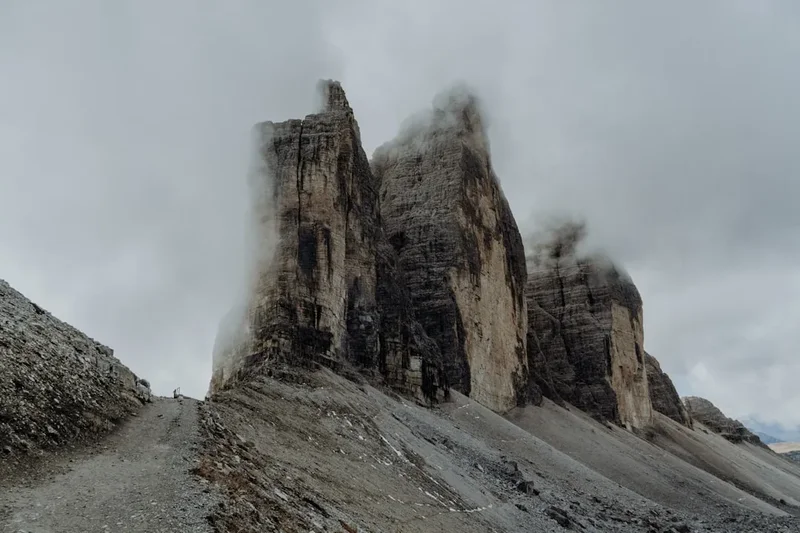
Stromboli Volcano Ascent Itinerary (Day Hike)
Late Afternoon: Meeting and Briefing
- Meet your certified guide in Stromboli town (typically around 3:00 PM - 4:00 PM, depending on the season and sunset time)
- Receive a safety briefing covering the route, volcanic hazards, and expected behaviour during eruptions
- Ensure you have all necessary gear, including appropriate footwear, water, and snacks
- Guides will assess current volcanic activity and adjust the plan if necessary
Ascent: Trail to Summit Viewpoint
- Distance: Approximately 3.0 km (one-way to viewpoint)
- Elevation Gain: 900 m
- Time: 2-3 hours
- The trail begins in the village and gradually ascends through sparse vegetation and volcanic scree
- The path is steep and can be loose underfoot; sturdy hiking boots are essential
- Guides will lead the group, ensuring everyone maintains a safe pace and stays on the designated route
- As you gain altitude, the views of the surrounding islands and the sea become increasingly spectacular
- The air will become warmer, and the smell of sulphur will become noticeable
- The final section involves navigating through volcanic ash and rock towards the designated safe viewing areas
Summit Viewpoint: Observing Eruptions
- Time: 1-2 hours (variable, depending on volcanic activity and guide's discretion)
- Arrive at the designated safe viewpoint, typically around 700-900 metres altitude
- Wait for Stromboli's characteristic eruptions, which occur every 10-30 minutes
- Witness incandescent lava bombs being ejected into the air, creating a spectacular display, especially as dusk settles
- Guides will ensure you are at a safe distance from the craters and aware of any changes in volcanic behaviour
- Take time to absorb the unique atmosphere and the raw power of the volcano
Descent: Return to Stromboli Town
- Distance: Approximately 3.0 km (one-way)
- Elevation Loss: 900 m
- Time: 1-1.5 hours
- Descend the same path, often in darkness, using head torches
- The descent can be challenging due to loose scree; take your time and follow your guide's instructions
- Arrive back in Stromboli town, usually between 9:00 PM and 11:00 PM
Important Notes:
- Guided tours are mandatory for reaching the summit crater area.
- Book your guided tour well in advance, especially during peak season.
- Check the weather forecast and volcanic activity status before your trip.
- Wear sturdy, closed-toe hiking boots.
- Bring plenty of water (at least 2 litres per person) and snacks.
- Carry a head torch with spare batteries for the descent.
- Dress in layers, as temperatures can change with altitude and time of day.
- Respect the volcano and follow your guide's instructions at all times.
Planning and Bookings
Book Your Trip
Everything you need to plan your journey
Accommodation
Find places to stay near Lipari
Flights
Search flights to Lipari
Essential Preparation
Planning your Stromboli Volcano Ascent requires careful consideration of logistics, especially regarding travel to the island and booking a guided tour. Stromboli is part of the Aeolian Islands, accessible primarily by ferry from mainland Italy. The nearest major airport is Catania (CTA) in Sicily. From Catania, you can travel to Milazzo or Messina to catch a ferry or hydrofoil to Stromboli. It is advisable to book ferry tickets in advance, particularly during the summer months.
The island of Stromboli itself is small, and most accommodations and tour operators are located in the main village, San Vincenzo. It is essential to book your guided ascent well in advance, as tours are mandatory and have limited capacity. Many tour operators offer packages that include the guided hike and sometimes even transport from the ferry port. Research and book your chosen tour operator several weeks, or even months, ahead of your travel dates.
Physical fitness is paramount. The ascent involves a significant elevation gain of 900 metres over a relatively short distance, on steep, often loose terrain. A good level of cardiovascular fitness and leg strength is required. It is recommended to engage in regular hiking or cardiovascular exercise in the weeks leading up to your trip.
Trail Accommodation
This is a day hike requiring no overnight accommodation on the volcano itself. Visitors typically stay in the village of San Vincenzo on Stromboli island. Accommodation options range from small hotels and guesthouses to apartments and bed and breakfasts. It is advisable to book accommodation in advance, especially during the peak tourist season (July and August).
Accommodation Facilities:
- Standard hotel amenities (private rooms, bathrooms, often air conditioning)
- Some may offer breakfast services
- Proximity to the ferry port and tour operator meeting points
What's NOT Provided:
- No accommodation exists on the volcano itself.
- No facilities are available on the trail beyond basic signage and designated viewpoints.
Seasonal Availability: Accommodation is generally available year-round, but availability is highest and prices are most competitive during the shoulder seasons (spring and autumn). During summer, booking well in advance is crucial.
Costs: Prices vary significantly based on the type of accommodation, season, and booking time. Expect to pay anywhere from €60 to €150+ per night for a double room.
Required Gear
- Sturdy Hiking Boots: Waterproof, with good ankle support and a well-worn sole for grip on loose volcanic scree.
- Waterproof Jacket: Essential for protection against sudden rain showers or wind.
- Warm Layers: Evenings can be cool at altitude, especially after sunset. A fleece or insulating jacket is recommended.
- Head Torch: Crucial for the descent in darkness. Ensure it has fresh batteries and a spare set.
- First Aid Kit: Including blister plasters, pain relievers, antiseptic wipes, and any personal medications.
- Sun Protection: High SPF sunscreen, sunglasses, and a wide-brimmed hat. The sun can be intense, even on cloudy days.
- Backpack: A comfortable daypack (20-30 litres) to carry water, snacks, and extra clothing.
- Trekking Poles: Highly recommended for stability and reducing strain on knees during the steep ascent and descent.
What to Bring
- Water: At least 2 litres per person. Hydration is critical due to the strenuous nature of the hike and potential heat.
- Food: High-energy snacks such as energy bars, nuts, dried fruit, and sandwiches. There are no facilities to purchase food on the trail.
- Toiletries: Small personal items, including hand sanitiser.
- Camera: To capture the incredible views and volcanic activity. Ensure you have spare batteries or a power bank.
- Cash: For ferry tickets, local purchases, and potentially for tipping your guide. Credit card facilities may be limited on the island.
- Identification: Passport or other forms of ID.
- Small towel: Useful if you decide to swim after your hike.
Permits
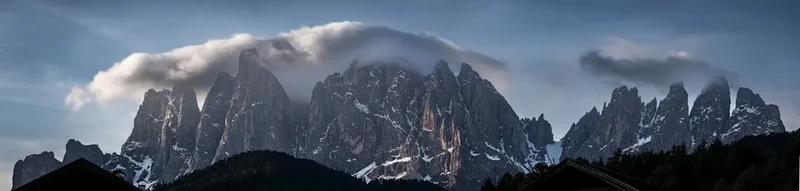
For the Stromboli Volcano Ascent, a permit is not typically required for independent hikers in the traditional sense. However, access to the summit crater area (above approximately 400 metres altitude) is strictly regulated and mandatory guided tours are enforced by local authorities and park rangers. This is a critical safety measure due to the volcano's active nature and the potential for sudden changes in eruptive behaviour.
Mandatory Guided Tours:
- All visitors wishing to ascend to the summit crater viewpoints must be accompanied by a certified local guide.
- These guides are trained in volcanology, safety protocols, and the specific behaviour of Stromboli.
- They will assess current volcanic activity, weather conditions, and the group's fitness level before and during the ascent.
- Guides are equipped with communication devices and first-aid supplies.
Booking Your Tour:
- Tours can be booked through various local agencies in Stromboli town or online in advance.
- It is highly recommended to book your tour several weeks or months ahead of your visit, especially during the peak tourist season (July and August), as capacity is limited.
- Tour operators will inform you of the meeting point, time, and what gear you need to bring.
Costs:
- The cost of a guided tour typically ranges from €30 to €50 per person, depending on the operator and the duration of the tour.
- This fee covers the guide's services, their knowledge, and ensures your safety on the volcano.
- Some tours may include the use of trekking poles or helmets.
Volcanic Activity Restrictions:
- In cases of heightened volcanic activity, increased gas emissions, or adverse weather conditions, authorities may close access to the summit area entirely.
- Your guide will be informed of any such restrictions and will adjust the tour accordingly, which may involve hiking to a lower viewpoint or cancelling the tour for safety reasons.
Other Activities in the Area
Beyond the thrilling volcano ascent, Stromboli and the surrounding Aeolian Islands offer a wealth of experiences:
- Night Boat Tour to Stromboli: Witness the volcano's eruptions from the sea. This is a popular alternative or complement to the summit hike, offering spectacular views of the lava flow and explosions illuminating the night sky from the water.
- Explore Stromboli Village: Wander through the charming streets of San Vincenzo, visit the small churches, and enjoy local Aeolian cuisine at one of the island's restaurants.
- Relax on the Black Sand Beaches: Stromboli's beaches are composed of dark volcanic sand, offering a unique and striking environment for swimming and sunbathing.
- Visit Ginostra: A tiny, picturesque hamlet on the southern side of Stromboli, accessible by boat. It offers a glimpse into a more traditional, tranquil island life.
- Island Hopping in the Aeolian Islands: Stromboli is one of seven main islands in the archipelago. Consider visiting other islands like Lipari (the largest and most developed), Vulcano (known for its mud baths and fumaroles), Panarea (chic and exclusive), Salina (lush and green), Filicudi, and Alicudi (more remote and rugged).
- Scuba Diving and Snorkelling: The clear waters around the Aeolian Islands are ideal for underwater exploration, with diverse marine life and interesting volcanic rock formations.
- Hiking on other Aeolian Islands: Many of the islands offer their own hiking trails, providing different perspectives on the volcanic landscapes and Mediterranean flora.
Safety and Conditions
Volcanic Hazards:
- Eruptions: Stromboli is known for its frequent, relatively mild eruptions. However, these can eject incandescent rocks (bombs) and ash. Always stay with your guide and follow their instructions regarding safe viewing distances and locations.
- Gas Emissions: Volcanic gases, including sulphur dioxide, are present. While generally not harmful in the open air at the designated viewpoints, prolonged exposure or high concentrations can cause respiratory irritation.
- Rockfalls and Landslides: The volcanic slopes can be unstable, especially after rain. Stick to marked paths and avoid venturing off-trail.
- Heat: The ground near active vents can be extremely hot.
Trail Conditions:
- Steep and Loose Terrain: The path is predominantly steep and covered in volcanic scree and ash, making footing challenging. Sturdy hiking boots with good grip are essential.
- Variable Weather: Weather can change rapidly. Be prepared for strong winds, rain, and temperature fluctuations, especially at higher altitudes.
- Darkness: The descent typically occurs after sunset. A reliable head torch with spare batteries is non-negotiable.
General Safety Advice:
- Mandatory Guides: Never attempt to ascend to the summit crater area without a certified guide.
- Physical Fitness: Ensure you are physically fit enough for a strenuous hike with significant elevation gain.
- Hydration: Carry ample water. Dehydration can lead to fatigue and increase the risk of accidents.
- Communication: Mobile phone signal can be intermittent on the volcano. Your guide will have communication devices.
- Emergency Services: In case of a serious emergency, your guide will contact the relevant authorities. Travel insurance is highly recommended.
- Respect the Environment: Do not leave any litter, do not disturb the volcanic formations, and do not feed any wildlife.
Current Volcanic Activity: Always check the latest volcanic activity reports from the Istituto Nazionale di Geofisica e Vulcanologia (INGV) or consult with your tour operator for the most up-to-date information before your trek.
Side Trips and Points of Interest
Pizzo Sopra la Fossa (Summit Crater Area): This is the primary destination of the guided ascent. The designated viewpoints offer panoramic vistas of Stromboli's active craters. Observing the regular, explosive eruptions from this vantage point is the highlight of the trek. The guides will position the group at a safe distance, allowing for optimal viewing of the incandescent lava bombs being ejected into the night sky.
Sciara del Fuoco (Stream of Fire): This is the steep, north-western flank of the volcano where lava flows and ejected material typically descend towards the sea. While the guided hike focuses on the crater viewpoints, the "Sciara del Fuoco" is the visible manifestation of Stromboli's ongoing activity. From the sea, particularly on a night boat tour, the glowing path of the lava flow is a spectacular sight.
San Vincenzo Village: The main settlement on Stromboli offers a charming introduction to island life. Its narrow, winding streets, white-washed houses, and the iconic black sand beaches provide a stark contrast to the barren volcanic slopes above. The village is the starting point for most guided tours and a place to relax and enjoy local culture.
Stromboli's Black Sand Beaches: The beaches near San Vincenzo are composed of fine, black volcanic sand. These unique beaches offer a striking visual experience and a place to cool off after your hike. The contrast between the dark sand, the blue sea, and the imposing silhouette of the volcano is unforgettable.
Viewpoints from the Sea: While not a side trip from the trail itself, taking a boat tour around Stromboli, especially at night, offers a completely different perspective on the volcano's activity. Seeing the eruptions light up the sea and the sky from the water is a magical experience and a highly recommended addition to a visit.
Leave No Trace
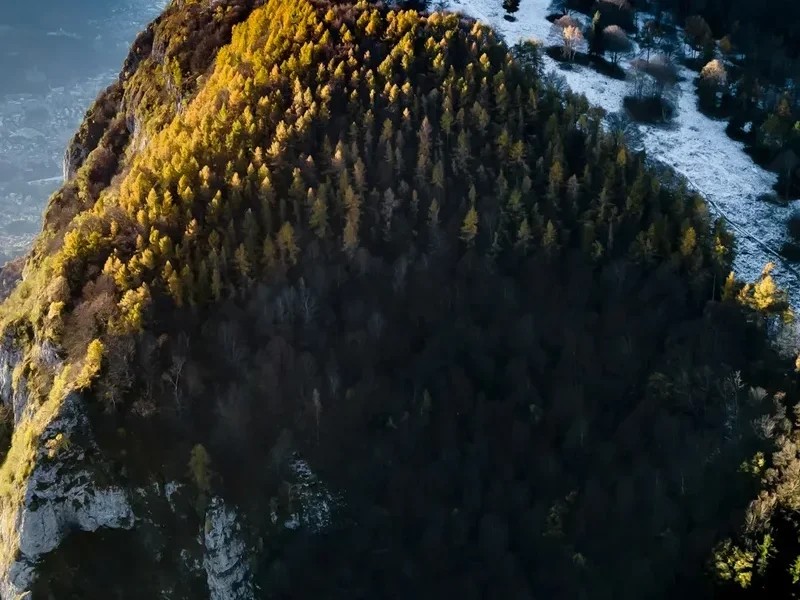
The Stromboli Volcano is a unique and fragile natural environment. Adhering to Leave No Trace principles is crucial to preserve its integrity for future visitors and to respect the geological processes at play.
Your responsibility as a visitor:
- Pack It In, Pack It Out: Carry out all litter, including food scraps, wrappers, and any other waste. There are no waste disposal facilities on the volcano.
- Stay on the Trail: The volcanic slopes are unstable and can be prone to erosion. Stick to designated paths to prevent damage to vegetation and to avoid the risk of rockfalls or landslides.
- Respect Wildlife: While wildlife is sparse on the upper slopes, avoid disturbing any insects or small creatures you may encounter.
- Minimise Campfire Impacts: Campfires are not permitted on the volcano.
- Travel and Camp on Durable Surfaces: This applies primarily to the designated trails. Avoid trampling vegetation or creating new paths.
- Leave What You Find: Do not take any volcanic rocks, ash, or other natural souvenirs from the volcano. These are part of the ongoing geological process.
- Be Considerate of Other Visitors: While the focus is on the natural spectacle, maintain a respectful noise level and allow others to enjoy the experience.
By following these principles, you help ensure that Stromboli remains a spectacular and accessible natural wonder for generations to come. Your actions contribute to the preservation of this active geological site and the surrounding marine environment.
 Italy
Italy