
Bucegi Ridge Traverse - Romania's Majestic Mountain Spine
The Bucegi Ridge Traverse is a spectacular mountain track in Romania, offering a challenging yet immensely rewarding journey across the heart of the Bucegi Mountains. This route is renowned for its dramatic karst formations, sweeping alpine meadows, and panoramic views that stretch across the Carpathian landscape. It's a trek that demands good physical condition and a spirit of adventure, leading walkers through a realm of ancient rocks, diverse flora, and breathtaking vistas. The traverse typically spans 2 to 3 days, allowing ample time to absorb the unique geological wonders and the raw beauty of this Romanian natural treasure.
- Distance: 35.0 km
- Elevation Gain: 2500 m
- Duration: 2-3 days
- Difficulty: Challenging
- Best Time: July to September (summer months)
- Closest City: Brașov
- Trailhead Access: Nearest airport: Bucharest (OTP). From Bucharest, take a train or bus to Brașov, then another bus or taxi to Busteni. Road conditions are generally good. Parking available in Busteni. No permits required, but mountain rescue insurance is recommended. Trailhead GPS: 45.416667, 25.550000
- Coordinates: 45.3500, 25.4833
Overview
The Bucegi Ridge Traverse is a quintessential Romanian mountain experience, a journey that takes you along the spine of the Bucegi Massif, a geological marvel in the Southern Carpathians. This range is famed for its unique rock formations, sculpted by millennia of wind, rain, and frost into fantastical shapes that have captured the imagination and inspired local legends. The traverse is not merely a walk; it's an immersion into a landscape that feels both ancient and alive, a place where the earth itself seems to tell stories through its stone sentinels.
The trail winds through a variety of terrains. You'll start by ascending through dense, fragrant pine forests, the air thick with the scent of resin and damp earth. As you gain altitude, the trees begin to thin, giving way to expansive alpine meadows carpeted with wildflowers in vibrant hues during the summer months. The highlight, however, is the ridge itself. Here, the landscape transforms into a dramatic karst plateau dotted with bizarre rock formations such as the Sphinx, the Babele (Old Women), and the Caraiman Cross. These natural sculptures, some resembling human figures, animals, or abstract shapes, are the result of differential erosion on the conglomerate rock. The sheer scale and surreal nature of these formations are awe-inspiring, offering endless opportunities for photography and contemplation.
The traverse offers a genuine sense of wilderness. While popular with locals and hikers during peak season, the vastness of the massif ensures that moments of solitude are readily found. The panoramic views from the ridge are simply breathtaking. On clear days, you can see for miles across the Prahova Valley, the surrounding Carpathian peaks, and even as far as the distant Făgăraș Mountains. The weather in the Bucegi can be unpredictable, with rapid changes from sunshine to mist and rain, adding to the dramatic atmosphere of the mountains. This dynamic environment means that every day on the trail can offer a different perspective and a new set of challenges, making the Bucegi Ridge Traverse an unforgettable adventure.
History and Cultural Context
The Bucegi Mountains have a long and rich history, deeply intertwined with Romanian folklore and national identity. For centuries, these mountains have been seen as a sacred place, a refuge, and a source of inspiration. Local legends speak of Dacian deities residing in the caves and rock formations, and the mountains are often associated with the mythical kingdom of Burebista, the great Dacian king.
The most prominent symbols of the Bucegi's mystical aura are the rock formations of the Sphinx and the Babele. The Sphinx, a large rock formation resembling a human face in profile, has been the subject of much speculation and fascination. While geologists attribute its shape to natural erosion processes, many believe it holds ancient mystical significance, possibly carved by the Dacians or even an older civilisation. The Babele, a cluster of mushroom-shaped rocks, are said to represent old women who were turned to stone for their transgressions, a common theme in Romanian mythology.
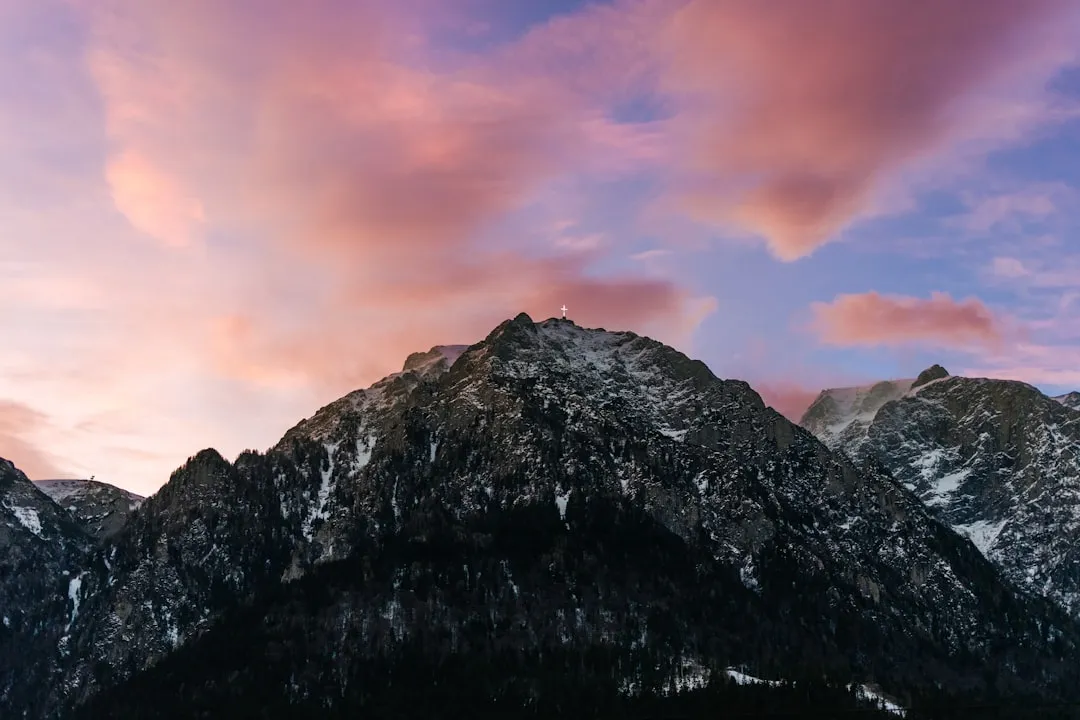
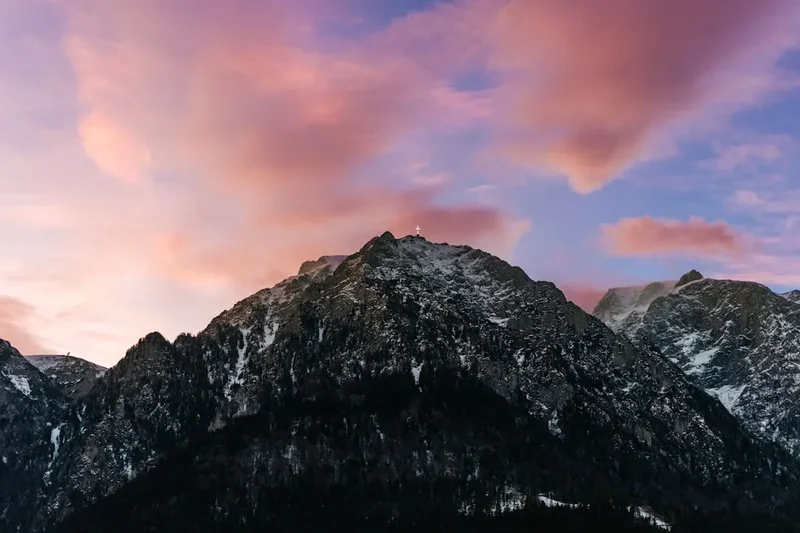
In more recent history, the Bucegi Mountains played a role during World War I and II, with strategic military installations and observatories built on the plateau. The iconic Caraiman Cross, a massive illuminated cross erected on the Caraiman peak at an altitude of 2,200 metres, was built between 1926 and 1928 as a memorial to the fallen soldiers of World War I. It stands as a testament to human endeavour and a prominent landmark visible from afar.
The development of tourism in the Bucegi began in the late 19th and early 20th centuries, with the construction of mountain huts and the marking of hiking trails. The cable car from Busteni to the plateau, inaugurated in 1974, made the mountains more accessible to a wider audience, though the traditional hiking routes remain the most rewarding way to experience the massif's wild beauty. Today, the Bucegi Mountains are a protected natural park, preserving their unique geological heritage and ecological diversity for future generations.
Seasonal Highlights and Weather Reality
The Bucegi Ridge Traverse is best undertaken during the summer months, from July to September. This period offers the most favourable weather conditions for hiking, with generally stable temperatures and longer daylight hours.
Summer (July to September): This is the prime season for the traverse. The alpine meadows are in full bloom, creating a vibrant tapestry of colours. The days are typically warm, with temperatures ranging from 15°C to 25°C in the lower sections and cooler at higher altitudes. The mountain paths are usually clear of snow, and the rock formations are easily accessible. However, summer in the mountains can also bring sudden thunderstorms, especially in the afternoons. It is crucial to be prepared for rapid weather changes, including rain, strong winds, and a significant drop in temperature, particularly at higher elevations.
Spring (April to June): Spring in the Bucegi can be a mixed bag. Early spring may still see significant snow cover, especially on north-facing slopes and at higher altitudes, making some sections of the traverse impassable or dangerous without winter mountaineering equipment. As the season progresses, snow melts, and the first wildflowers begin to appear. However, the weather can be highly unpredictable, with frequent rain showers and lingering cold spells. This season is generally less recommended for the full ridge traverse unless you are an experienced winter hiker.
Autumn (October to November): Autumn offers crisp air and stunning autumnal colours as the deciduous forests turn shades of gold and red. The crowds thin out, and the mountain landscapes take on a serene beauty. However, temperatures begin to drop significantly, and the first snowfalls can occur as early as October. Frost and ice can make exposed sections of the ridge treacherous. Daylight hours shorten, and the weather becomes increasingly unstable, with a higher chance of fog and storms.
Winter (December to March): The Bucegi Mountains are a winter wonderland during this period, but the ridge traverse is only suitable for highly experienced mountaineers with appropriate winter gear, including ice axes, crampons, and avalanche safety equipment. The trails are often covered in deep snow, and the rock formations can be encased in ice. The Caraiman Cross is a spectacular sight in winter, but the conditions on the ridge are extreme and dangerous for casual hikers.
Recommended Itinerary
2-Day Bucegi Ridge Traverse Itinerary
Day 1: Busteni to Omu Hut
- Distance: Approximately 12-15 km (depending on route)
- Elevation gain: Approximately 1200-1500 m
- Time: 6-8 hours
- Start in Busteni town (approx. 900 m altitude).
- Ascend via the Jepii Mici or Jepii Mari trails, or take the cable car part-way to reduce initial ascent.
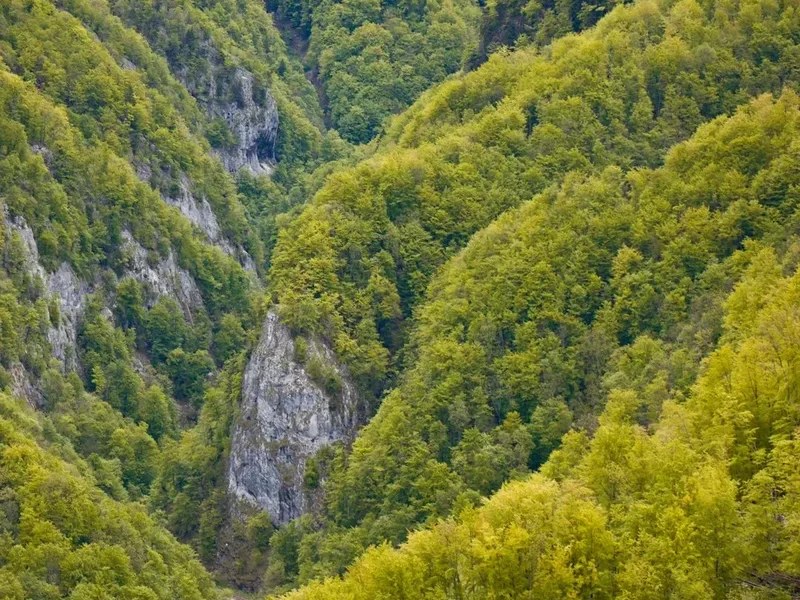
- The trails are well-marked but can be steep and challenging, passing through dense pine forests.
- Key landmarks include the Caraiman Monastery and the base of the Caraiman Cross.
- Continue towards the Bucegi Plateau, aiming for Omu Hut (Cabana Omu), located at approximately 2505 m altitude.
- The final approach to Omu Hut involves traversing rocky terrain and potentially crossing snow patches even in early summer.
- Omu Hut is a basic mountain shelter offering dormitory-style accommodation and a place to eat.
- Enjoy sunset views from the plateau, weather permitting.
Day 2: Omu Hut to Busteni via the Ridge and Sphinx/Babele
- Distance: Approximately 20-23 km
- Elevation gain: Variable (significant ascents and descents along the ridge)
- Time: 7-9 hours
- Begin by exploring the iconic rock formations near Omu Hut: the Sphinx and the Babele.
- Follow the main ridge trail (marked with red stripe or blue triangle symbols) heading south-west initially, then turning north-west towards the main Bucegi Plateau.
- The traverse involves navigating across the plateau, with numerous ascents and descents over smaller peaks and rocky outcrops.
- Pass by other notable landmarks and potential viewpoints.
- The route will eventually lead you towards the edge of the plateau where you can descend back towards Busteni.
- Descend via the Valea Cerbului or other marked trails. These descents can be steep and rocky.
- Alternatively, you can take the cable car from Babele/Omu back down to Busteni if time or energy is limited, but this bypasses much of the ridge experience.
- Arrive back in Busteni, concluding the traverse.
Alternative 3-Day Itinerary:
- Day 1: Busteni to Cabana Piatra Arsă (approx. 1600m). A more gradual ascent, allowing more time to explore lower forest trails.
- Day 2: Cabana Piatra Arsă to Omu Hut via the ridge. This day focuses on the higher sections of the plateau and the iconic rock formations.
- Day 3: Omu Hut to Busteni via the ridge and descent. Allows for a more relaxed pace and further exploration of the plateau.
Important Notes:
- This itinerary is a guideline; actual routes and timings can vary based on weather, fitness, and chosen paths.
- Always carry sufficient water and food, as facilities are limited.
- Check weather forecasts diligently before and during your hike.
- Mountain rescue insurance is highly recommended.
- The Bucegi Plateau can be disorienting in fog; navigation skills are essential.
Planning and Bookings
Book Your Trip
Everything you need to plan your journey
Accommodation
Find places to stay near Brașov
Flights
Search flights to Brașov
Essential Preparation
The Bucegi Ridge Traverse is a challenging mountain hike that requires careful planning and preparation. Your primary base town will be Busteni, a popular mountain resort town nestled at the foot of the Bucegi Mountains. Busteni offers a range of accommodation options, from budget guesthouses to more comfortable hotels, as well as restaurants, shops, and essential services. It is easily accessible by train or car from Brașov and Bucharest.
Fitness: This trek involves significant elevation gain and long days of hiking over rugged terrain. A good level of cardiovascular fitness and leg strength is essential. You should be comfortable hiking for 6-9 hours per day with a backpack, including steep ascents and descents. Prior experience with multi-day hiking and mountain environments is highly beneficial.
Logistics: Getting to Busteni is straightforward. From Bucharest Henri Coandă International Airport (OTP), you can take a train or bus to Brașov (approx. 2.5-3 hours), and then a local train or bus to Busteni (approx. 45 minutes). Alternatively, direct buses may be available from Bucharest to Busteni. If driving, the E60 road provides good access. Parking is available in Busteni, though it may be limited during peak season.
Coordination: While no specific permits are required for hiking in the Bucegi Mountains, it is wise to inform someone of your hiking plans, including your intended route and expected return time. Mountain rescue services are available, but it's crucial to have adequate travel insurance that covers mountain rescue and medical evacuation.
Trail Accommodation
Accommodation on the Bucegi Ridge Traverse is primarily in mountain huts (cabanas). These are basic shelters offering essential services for hikers.
Omu Hut (Cabana Omu):
- Location: Situated on the Bucegi Plateau at an altitude of approximately 2505 metres, near the iconic Sphinx and Babele rock formations.
- Booking Requirements: While not always strictly mandatory, booking in advance is highly recommended, especially during the peak summer season (July-August) and on weekends. You can typically book by phone or email directly with the hut.
- Facilities Provided: Dormitory-style rooms with bunk beds (bring your own sleeping bag), a communal dining area, and basic toilet facilities. Some huts may offer simple meals and drinks for purchase.
- What's NOT Provided: Bedding (sheets, blankets), towels, toiletries, cooking equipment, or food supplies (though some may sell basic items). Electricity and charging facilities are often limited or non-existent.
- Seasonal Availability: Open year-round, but conditions can be extreme in winter. The most accessible period is from July to September.
- Costs: Prices are generally modest, typically ranging from 50-100 RON per person per night for a dorm bed.
Cabana Piatra Arsă:
- Location: Located at a lower altitude (approx. 1600 metres) on the Bucegi Plateau, often used as an alternative starting or stopping point.
- Booking Requirements: Similar to Omu Hut, booking in advance is advisable.
- Facilities Provided: Basic dormitory accommodation, communal areas, and toilets.
- What's NOT Provided: Similar to Omu Hut – no bedding, towels, or extensive amenities.
- Seasonal Availability: Generally open during the hiking season (May-October).
- Costs: Comparable to Omu Hut.
Note: If you are planning a day hike or a shorter section, no overnight accommodation is required. For the full traverse, planning your overnight stay in one of these huts is essential.
Required Gear
- Sturdy Hiking Boots: Waterproof, with good ankle support and a well-worn sole. Essential for navigating rocky and uneven terrain.
- Backpack: A comfortable daypack (25-35 litres) for day hikes or a larger trekking pack (40-55 litres) for multi-day traverses, with a rain cover.
- Waterproof Jacket: A breathable, waterproof and windproof jacket (e.g., Gore-Tex). Weather can change rapidly in the mountains.
- Waterproof Overtrousers: Essential for protection against rain and wind.
- Warm Layers: Fleece jacket or down vest, thermal base layers (merino wool or synthetic). Temperatures can drop significantly at higher altitudes, even in summer.
- Headwear: Warm hat (beanie) and gloves, even in summer, for protection against cold winds. A sun hat is also recommended for sunny days.
- Navigation Tools: Map of the Bucegi Mountains, compass, and a GPS device or smartphone with offline maps. Trails can be poorly marked in places, and fog can reduce visibility to near zero.
- First-Aid Kit: Comprehensive kit including blister treatment, pain relievers, antiseptic wipes, bandages, and any personal medications.
- Head Torch: With spare batteries. Essential for early starts, late finishes, or in case of unexpected delays.
- Sun Protection: High SPF sunscreen, sunglasses, and lip balm. The sun's intensity is higher at altitude.
What to Bring
- Food: High-energy, non-perishable food for the duration of your hike. This includes breakfast, lunch, snacks, and dinner if you are not relying on hut meals. Energy bars, nuts, dried fruit, and jerky are good options.
- Water Bottles/Hydration Reservoir: Carry at least 2-3 litres of water per person. Water sources may be available, but purification (filter or tablets) is recommended.
- Water Purification: A water filter or purification tablets are essential if you plan to refill from natural sources.
- Toiletries: Biodegradable soap, toothbrush, toothpaste, toilet paper, hand sanitiser.
- Sleeping Bag: A lightweight, warm sleeping bag (rated to at least 0°C comfort) is essential for overnight stays in mountain huts.
- Trekking Poles: Highly recommended for stability on ascents and descents, and to reduce strain on knees.
- Camera: To capture the stunning landscapes and unique rock formations.
- Power Bank: For charging electronic devices, as charging facilities in huts are often limited.
- Cash: Euros or Romanian Lei (RON) for purchasing food, drinks, or accommodation at mountain huts, as card payments may not be accepted.
- Duct Tape: Invaluable for quick repairs to gear.
Permits
Hiking in the Bucegi Mountains, including the Bucegi Ridge Traverse, does not require specific permits for individuals or small groups. The area is part of the Bucegi Natural Park, and while there are regulations in place to protect the environment, general access for hiking is free.
However, it is important to be aware of the park's rules and regulations:
- Environmental Protection: Visitors are expected to respect the natural environment. This includes staying on marked trails to avoid damaging fragile vegetation, not littering, and not disturbing wildlife.
- Campfires: Open fires are generally prohibited within the natural park to prevent wildfires and protect the ecosystem.
- Waste Disposal: Pack out everything you pack in. Do not leave any rubbish behind.
- Respect for Rock Formations: The unique rock formations are a protected geological heritage. Do not climb on, damage, or deface them.
Mountain Rescue Insurance: While not a permit, it is strongly advised to have comprehensive travel insurance that covers mountain rescue and medical evacuation. In case of an accident or emergency, professional rescue services are available, but they can be costly if you are not adequately insured.
Cable Car and Other Services: If you plan to use the cable car from Busteni to the plateau or vice versa, you will need to purchase tickets for these services separately. These are commercial services and have their own pricing structures.
Other Activities in the Area
The region surrounding the Bucegi Mountains offers a variety of activities for visitors:
- Explore Busteni: Visit the Cantacuzino Castle, a stunning architectural masterpiece with beautiful gardens, or the Busteni Cable Car for panoramic views.
- Visit Sinaia: A short train ride from Busteni, Sinaia is known as "The Pearl of the Carpathians" and is home to the magnificent Peleș Castle, a former royal residence, and the smaller Pelișor Castle.
- Hiking in other Bucegi areas: The Bucegi Massif is vast, with numerous other trails leading to different peaks, valleys, and natural attractions like the Seven Ladders Canyon (Canionul Șapte Scări) – a thrilling via ferrata experience.
- Brașov City: Explore the historic medieval city of Brașov, with its Black Church, Council Square, and the nearby Bran Castle (Dracula's Castle).
- Paragliding: For the adventurous, paragliding flights are sometimes available from higher points in the mountains, offering a unique aerial perspective.
- Winter Sports: During winter, Busteni and nearby resorts offer skiing and snowboarding opportunities.
Safety and Conditions
Weather: The most significant safety concern in the Bucegi Mountains is the unpredictable weather. Conditions can change rapidly, with fog, rain, strong winds, and even snow possible at any time of year, especially on the exposed plateau. Always check the mountain forecast before setting out and be prepared for all conditions. Hypothermia is a real risk, even in summer.
Navigation: While trails are marked, they can be faint or obscured by snow or fog. It is crucial to have reliable navigation skills and equipment (map, compass, GPS). Do not rely solely on mobile phone apps, as signal can be unreliable. If you are not confident in your navigation abilities, consider hiring a local guide.
Terrain: The terrain is rugged, with steep ascents and descents, rocky paths, and scree slopes. Proper hiking boots with good ankle support are essential. Be cautious on wet or icy surfaces.
Water: While water sources may be available, it is always recommended to treat water from natural sources using a filter or purification tablets to avoid waterborne illnesses.
Wildlife: While large predators like bears are present in the Carpathians, encounters on the main hiking trails are rare. However, it is always wise to be aware of your surroundings and make noise to alert animals of your presence. Do not approach or feed wildlife.
Emergency Contacts: Know the emergency number for mountain rescue in Romania (112). Ensure your mobile phone is fully charged and consider carrying a power bank. Inform someone of your hiking plans and expected return time.
Altitude: The Bucegi Plateau is at a significant altitude (over 2000m). While not extreme, some individuals may experience mild altitude sickness. Ascend gradually and stay hydrated.
Side Trips and Points of Interest
The Sphinx: This iconic rock formation, resembling a human face in profile, is one of the most famous landmarks in the Bucegi Mountains. Located on the plateau near Omu Hut, it's a must-see geological wonder. Its exact origins are debated, adding to its mystique.
Babele (The Old Women): A cluster of mushroom-shaped rock formations near the Sphinx, these are also a result of differential erosion. They are often photographed together, creating a surreal and ancient-looking landscape.
Caraiman Cross: This massive illuminated cross, standing at 2,200 metres on the Caraiman peak, is a prominent memorial and a significant landmark. It can be seen from afar and offers a poignant point of reflection. Accessing it directly may involve a slight detour from the main ridge traverse, but it's a worthwhile visit if time and conditions permit.
Omu Hut Surroundings: The area around Omu Hut offers incredible panoramic views of the surrounding peaks and valleys. It's an excellent spot for sunrise and sunset photography, provided the weather is clear.
Valea Cerbului / Valea Jepilor: These are popular descent routes from the plateau back to Busteni. Valea Cerbului is known for its challenging, rocky terrain, while Valea Jepilor offers more scenic views and passes by the Caraiman Monastery. Both provide a different perspective on the mountains.
Cabana Piatra Arsă: If you opt for a longer itinerary, this hut offers a different vantage point and a chance to explore more of the plateau's diverse landscapes.
Leave No Trace
The Bucegi Mountains are a precious natural resource, and it is vital for all visitors to practice Leave No Trace principles to preserve their beauty and ecological integrity for future generations.
- Plan Ahead and Prepare: Research your route, check weather forecasts, and be aware of potential hazards. Pack appropriate gear and sufficient food and water.
- Travel and Camp on Durable Surfaces: Stick to marked trails to avoid damaging vegetation and soil. The Bucegi Plateau has fragile alpine flora that can take years to recover from trampling.
- Dispose of Waste Properly: Pack out everything you pack in, including all food scraps, wrappers, and toilet paper. Use designated toilet facilities at mountain huts. If no facilities are available, dig a cathole at least 70 metres away from water sources, trails, and campsites.
- Leave What You Find: Do not remove rocks, plants, or any other natural objects. Take only photographs and memories.
- Minimize Campfire Impacts: Campfires are generally prohibited in the Bucegi Natural Park. Use a portable stove for cooking.
- Respect Wildlife: Observe wildlife from a distance and never feed them. Feeding animals can disrupt their natural behaviours and diets, and can be dangerous for both the animals and humans.
- Be Considerate of Other Visitors: Keep noise levels down, yield to other hikers on narrow trails, and be respectful of the mountain environment and its cultural significance.
By adhering to these principles, you help ensure that the Bucegi Ridge Traverse remains a wild and beautiful experience for everyone.