
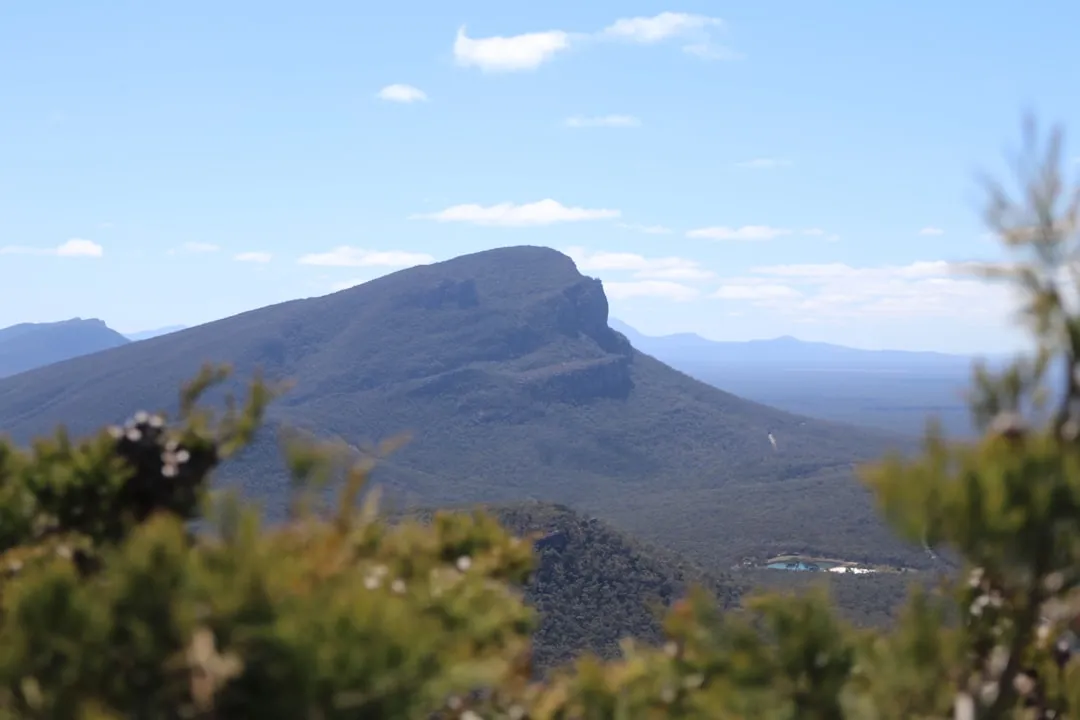
Spit Bridge to Manly Walk
The Spit Bridge to Manly Walk is a scenic coastal and bush track located in Sydney, Australia, offering a delightful day-hike experience. This approximately 10-kilometre journey meanders through a diverse landscape, encompassing picturesque harbour foreshores, tranquil bushland reserves, and vibrant parklands. It provides stunning views of Sydney Harbour, the Northern Beaches, and the surrounding natural beauty. The walk is renowned for its accessibility from the city centre, making it a popular choice for locals and visitors alike seeking an escape into nature without venturing too far from urban amenities. The trail is well-maintained and suitable for most fitness levels, offering a rewarding experience with a variety of natural environments to explore.
- Distance: 10.0 km one-way
- Duration: 3-4 hours
- Elevation Gain: 200 m
- Difficulty: Moderate
- Best Time: Autumn and Spring offer mild temperatures
- Closest City: Sydney
- Trailhead Access: Nearest airport: Sydney (SYD). From Sydney CBD, take bus 144 or 151 to Spit Bridge. Driving time approx. 30 mins. Parking available (fees apply). Road conditions are good. No permits required. Trailhead GPS: -33.8208, 151.2583
Overview
The Spit Bridge to Manly Walk is a quintessential Sydney coastal experience, blending urban accessibility with natural beauty. The walk commences at the Spit Bridge, a prominent landmark connecting the northern and southern sides of the harbour. From here, the trail embarks on a journey that showcases the diverse ecosystems of the Sydney Harbour National Park and surrounding areas. Initially, the path follows the foreshore, offering expansive views across the sparkling waters of the harbour, dotted with sailboats and ferries. This section is relatively flat and easy, allowing walkers to acclimatise and soak in the initial vistas.
As the walk progresses, the terrain transitions into more rugged bushland. The track winds through native coastal heath, eucalyptus forests, and sandstone outcrops. This middle section of the walk is characterised by undulating paths, with some steeper ascents and descents, contributing to its moderate difficulty rating. The dense vegetation provides a welcome shade and a sense of seclusion, a stark contrast to the open harbour views experienced earlier. Birdsong fills the air, and the scent of native flora is ever-present. Key points along this stretch include various lookouts offering panoramic views of the harbour, Manly, and the Pacific Ocean beyond.
The latter part of the walk leads walkers through more populated parklands and residential areas as it approaches Manly. This section often features boardwalks over sensitive wetland areas and well-maintained paths through manicured gardens. The transition back towards civilisation is gradual, with glimpses of the ocean becoming more frequent. The walk culminates at Manly Beach, a famous surf beach and a vibrant hub for recreation and dining. The combination of harbour foreshores, native bushland, and the iconic Manly Beach makes this walk a comprehensive and enjoyable introduction to Sydney's coastal environment.
History and Cultural Context
The land traversed by the Spit Bridge to Manly Walk has a rich history, deeply intertwined with the Indigenous custodians of the Sydney region, the Guringai people (part of the broader Eora Nation). For thousands of years, this area was a vital source of sustenance and a significant cultural landscape for Aboriginal Australians. The waterways provided abundant marine life, and the bushland offered resources for food, medicine, and tools. Evidence of their long occupation can be found in rock engravings and shell middens scattered throughout the Sydney Harbour National Park, though many are protected and not publicly accessible.
European settlement in Sydney began in 1788, and the area around Port Jackson (Sydney Harbour) was rapidly colonised. The Spit Bridge itself, a significant engineering feat, was completed in 1958, replacing an earlier, smaller bridge. Its construction facilitated greater connectivity between the northern and southern suburbs of the Northern Beaches. Prior to the bridge, access across the harbour was primarily by ferry or smaller boats, with the area around Manly developing as a popular seaside resort from the late 19th century onwards.
The establishment of national parks and reserves along the harbour foreshore in the 20th century was crucial in preserving the natural beauty and ecological integrity of the region. These parks protect significant areas of native bushland, providing habitat for native fauna and flora, and offering recreational opportunities for the growing Sydney population. The Spit Bridge to Manly Walk, as it is known today, evolved from a series of informal tracks and pathways used by locals for recreation and access. Over time, these were formalised and connected to create the designated walking trail, ensuring its preservation and accessibility for future generations while acknowledging its historical and cultural significance.
Seasonal Highlights and Weather Reality
The Spit Bridge to Manly Walk can be enjoyed year-round, but certain seasons offer distinct advantages and considerations regarding weather and natural beauty.
Spring (September to November): This is an ideal time to undertake the walk. The weather is generally mild and pleasant, with average temperatures ranging from 15°C to 22°C. The native flora bursts into bloom, with wildflowers adding vibrant colours to the bushland sections. The humidity is lower than in summer, making for comfortable walking conditions. The harbour views are crisp, and the longer daylight hours are beneficial.
Summer (December to February): Summer in Sydney can be hot and humid, with average temperatures between 19°C and 26°C, often exceeding 30°C. While the longer days are appealing, walkers should be prepared for heat exhaustion and dehydration. Early morning or late afternoon walks are recommended during this period. The ocean breeze can offer some relief, especially near Manly Beach, but the bushland sections can feel quite warm. Swimming at Manly Beach is a popular way to cool off after the walk.
Autumn (March to May): Autumn is another excellent season for this walk. The weather cools down, offering mild temperatures similar to spring, typically between 14°C and 23°C. The humidity decreases, and the skies are often clear, providing excellent visibility for harbour and ocean views. The bushland takes on a golden hue, and the overall atmosphere is serene and pleasant for walking.
Winter (June to August): Winter in Sydney is generally mild, with average temperatures ranging from 8°C to 17°C. While it can be cooler, the walk is still very enjoyable, especially on sunny days. The bushland is lush and green, and the harbour is often calm and picturesque. Rain is more frequent in winter, so carrying a waterproof jacket is advisable. The reduced crowds during winter can also be an advantage for those seeking a more tranquil experience.
Weather Considerations: Regardless of the season, Sydney's weather can be unpredictable. It is always advisable to check the forecast before setting out. The coastal sections can be exposed to wind, and the bushland can become humid. Sun protection (hat, sunscreen) is recommended year-round due to Australia's strong UV levels.
Recommended Itinerary
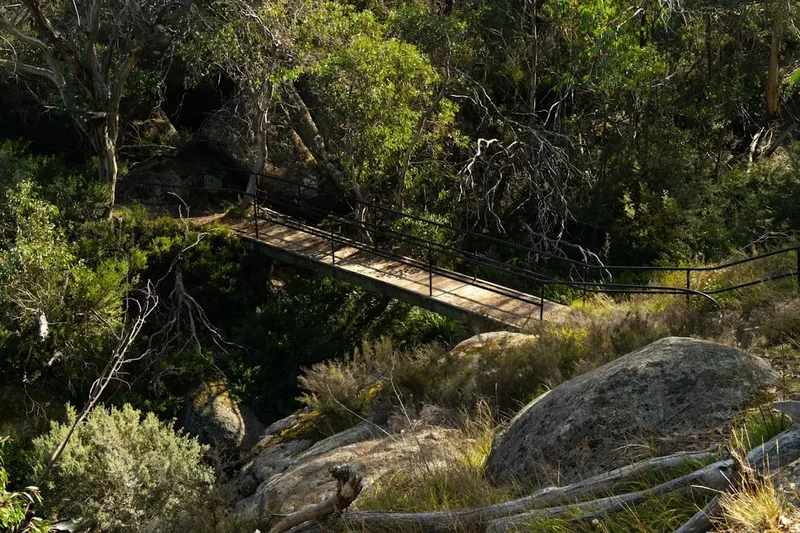
Spit Bridge to Manly Walk - Day Hike Itinerary
Early Morning (Approx. 8:00 AM - 9:00 AM): Start at Spit Bridge
- Arrive at the Spit Bridge trailhead. Public transport is recommended; parking can be limited and may incur fees.
- Begin the walk by heading south from the Spit Bridge, following the signs for the Manly Scenic Walkway.
- The initial section follows the harbour foreshore, offering views of the bridge and the surrounding waterways.
Morning (Approx. 9:00 AM - 11:00 AM): Coastal Foreshore and Bushland Transition
- The track winds along the harbour's edge, passing through areas like Clontarf Reserve.
- Enjoy views of yachts and the city skyline in the distance.
- The path gradually transitions from open foreshore to more sheltered bushland, entering Sydney Harbour National Park.
- Ascend onto elevated tracks with lookouts providing panoramic vistas.
Midday (Approx. 11:00 AM - 1:00 PM): Deep Bushland and Elevated Views
- Continue through native bushland, including sections of eucalyptus forest and coastal heath.
- The trail becomes more undulating, with some moderate climbs and descents.
- Pass through areas like Reef Beach and Forty Baskets Beach, offering opportunities for a short break or a refreshing dip (weather permitting).
- Lookouts along this section provide excellent vantage points over the harbour and towards the Pacific Ocean.
Afternoon (Approx. 1:00 PM - 3:00 PM): Approaching Manly and Final Coastal Stretch
- The track emerges from the denser bushland and begins to follow the coastline more closely as it nears Manly.
- Walk through areas like Tania Park and North Head, with increasingly frequent views of the ocean.
- The path may include boardwalks over sensitive ecological areas.
- The final approach to Manly involves walking along the promenade or through the town centre towards Manly Beach.
Late Afternoon (Approx. 3:00 PM onwards): Arrival at Manly Beach
- Conclude the walk at the iconic Manly Beach.
- Celebrate your achievement with a swim, a meal at one of the many cafes or restaurants, or simply relax on the sand.
- From Manly, you can easily catch a ferry back to Circular Quay in Sydney CBD, offering a scenic return journey.
Important Notes:
- This is a one-way walk. Plan your return transport from Manly.
- Carry sufficient water, especially during warmer months.
- Wear comfortable walking shoes and sun protection.
- Check tide times if planning to walk across any exposed sandbars (though the main track avoids this).
- The trail is well-signposted, but a map or navigation app is recommended.
Planning and Bookings
Book Your Trip
Everything you need to plan your journey
Accommodation
Find places to stay near Sydney
Flights
Search flights to Sydney
Essential Preparation
The Spit Bridge to Manly Walk is a day hike, meaning no overnight accommodation is required. However, essential preparation still involves logistical planning to ensure a smooth and enjoyable experience. The primary consideration is transportation to the start point (Spit Bridge) and from the end point (Manly). Public transport is highly recommended, as parking at Spit Bridge can be limited and expensive. Buses from Sydney CBD (e.g., routes 144, 151) are frequent and will drop you near the Spit Bridge. The walk concludes in Manly, from where regular ferry services depart for Circular Quay in Sydney CBD, offering a scenic and convenient return journey. Alternatively, buses also run from Manly back to the CBD. Driving is an option, but factor in potential traffic delays and parking costs at both ends. Road conditions are generally good, but traffic can be heavy, especially during peak hours.
Trail Accommodation
This is a day hike requiring no overnight accommodation.
Required Gear
- Comfortable walking shoes or hiking boots: Ensure they are well broken-in to prevent blisters. Good ankle support is beneficial for the undulating sections.
- Daypack: A small to medium-sized backpack (15-30 litres) to carry essentials.
- Waterproof jacket: Lightweight and breathable, suitable for potential rain showers, especially during winter months.
- Sun protection: A wide-brimmed hat, sunglasses, and high SPF sunscreen are essential year-round due to Australia's strong UV radiation.
- Navigation: While the track is generally well-signposted, a map of the Sydney Harbour National Park or a reliable navigation app on your phone is recommended. Ensure your phone is fully charged.
- First-aid kit: A basic kit including plasters, antiseptic wipes, pain relievers, and any personal medications.
- Insect repellent: Particularly useful during warmer months to ward off mosquitoes and sandflies, especially in shaded or damp areas.
What to Bring
- Water: Carry at least 1-2 litres of water per person, more if walking during hot weather. Refill points are scarce along the trail itself, though some park facilities might offer water.
- Food: Pack snacks such as fruit, nuts, energy bars, and sandwiches for lunch. There are limited opportunities to purchase food along the main trail until you reach Manly.
- Camera: To capture the stunning harbour and coastal views.
- Mobile phone: For communication and navigation. Ensure it's fully charged.
- Small towel: Useful if you plan to swim at one of the beaches along the route.
- Cash: Some smaller cafes or vendors might prefer cash, and it's useful for ferry tickets if not using a contactless payment system.
- Binoculars (optional): For enhanced wildlife viewing or distant scenery.
Permits
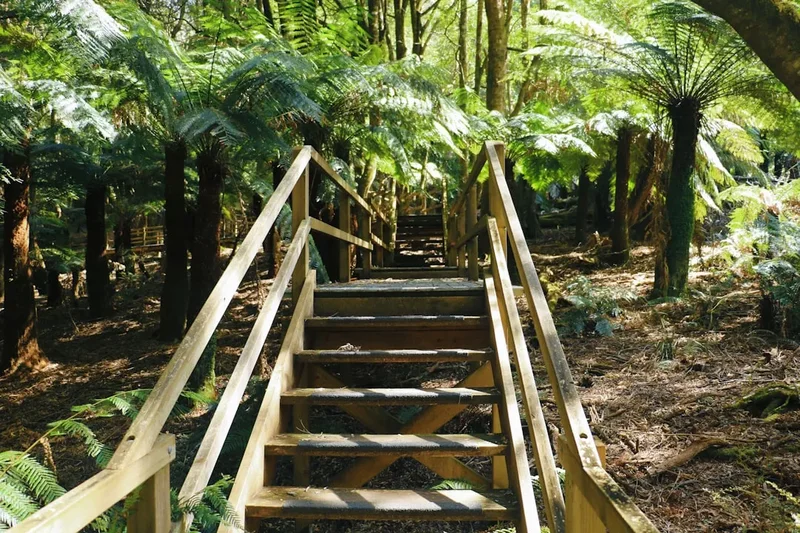
No specific permits are required to walk the Spit Bridge to Manly Walk. The trail passes through areas managed by the Sydney Harbour National Park, which is managed by the NSW National Parks and Wildlife Service. Entry to national parks in New South Wales is generally free, and no booking or permit is necessary for day-use walkers on this particular track. However, it is always advisable to check the official NSW National Parks and Wildlife Service website for any temporary closures, alerts, or specific regulations that may be in place for the Sydney Harbour National Park before your visit. These could include fire bans, track maintenance, or special event closures.
Other Activities in the Area
The Spit Bridge to Manly Walk offers a gateway to numerous other activities and attractions in the surrounding areas:
- Manly Beach: The walk culminates at this iconic surf beach. Enjoy swimming, surfing lessons, or simply relax on the sand. The promenade is lined with cafes, restaurants, and shops.
- Ferry Trip to Circular Quay: The return journey from Manly to Circular Quay via ferry is a scenic highlight in itself, offering spectacular views of the Sydney Opera House, Harbour Bridge, and the city skyline.
- North Head Sanctuary: Located near Manly, North Head offers historical military fortifications, stunning panoramic views of the Pacific Ocean and Sydney Harbour, and walking trails through native bushland.
- Shelly Beach: A short walk from Manly Beach, Shelly Beach is a sheltered cove popular for snorkelling and diving, with a calm, clear bay teeming with marine life.
- Kayaking and Paddleboarding: The sheltered waters of Sydney Harbour and the calmer sections near Manly are ideal for kayaking and paddleboarding. Rentals are available in Manly.
- Sydney Harbour National Park Exploration: Beyond this specific walk, the park offers numerous other shorter trails, picnic spots, and lookouts, such as Nielsen Park and Parsley Bay.
- Manly Corso: The pedestrian mall in Manly offers a vibrant atmosphere with street performers, shops, and a wide array of dining options.
Safety and Conditions
Track Conditions: The Spit Bridge to Manly Walk is generally well-maintained and clearly signposted. The terrain varies from paved paths and boardwalks to sandy tracks and some rocky, uneven sections. During and after heavy rain, some sections, particularly those in bushland, can become muddy and slippery. It is advisable to wear appropriate footwear with good grip.
Weather: Sydney's weather can change rapidly. Always check the forecast before you go. Be prepared for heat and sun exposure, especially during summer, by carrying ample water and wearing sun protection. In cooler months, rain is more common, so a waterproof jacket is recommended. Coastal sections can be exposed to wind.
Water and Food: Carry sufficient water, as there are limited opportunities to refill along the trail until you reach Manly. Pack snacks and a lunch, as food options are scarce on the walk itself. There are cafes at Clontarf Reserve and Forty Baskets Beach, but these are not always open or convenient stops.
Navigation: While the track is signposted, it is always wise to have a map or use a navigation app on your phone. Mobile phone reception is generally good along most of the route, but can be patchy in denser bushland areas.
Wildlife: Be aware of native wildlife. While encounters are usually harmless, it's important to maintain a safe distance. You might see various bird species, lizards, and potentially snakes during warmer months. Never feed wildlife.
Emergency: In case of an emergency, call Triple Zero (000) for police, fire, or ambulance services. Inform someone of your walking plans, including your intended start and end points and estimated time of completion.
Tides: While the main track generally avoids tidal areas, be mindful of tides if you venture onto smaller beach sections, particularly around Forty Baskets Beach. High tides could make some lower-lying paths impassable.
Side Trips and Points of Interest
Clontarf Reserve: Located early in the walk, this picturesque reserve offers beautiful harbour views, picnic facilities, and a small beach. It's a great spot for a brief rest and to admire the expansive waters.
Forty Baskets Beach: A secluded beach accessible via a short detour from the main track. It's a tranquil spot for a swim or a break, offering a more intimate connection with the harbour's edge. The name is said to derive from the large number of fish caught here by early settlers.
Reef Beach: Another small, attractive beach along the route, offering a peaceful setting and lovely views. It's a good place to pause and appreciate the natural beauty of the harbour foreshore.
Grotto Point Lighthouse: A short detour from the main path leads to this historic lighthouse, offering a glimpse into the maritime history of the harbour. The surrounding area also features Aboriginal rock engravings, though these are protected and should be viewed from a distance.
Manly Scenic Lookout Points: Throughout the walk, particularly in the bushland sections, numerous lookouts provide breathtaking panoramic views of Sydney Harbour, the heads, and the Pacific Ocean. These are ideal spots for photography and to appreciate the scale of the landscape.
Leave No Trace
The Spit Bridge to Manly Walk traverses sensitive coastal and bushland environments within the Sydney Harbour National Park. Adhering to Leave No Trace principles is crucial to preserve the natural beauty and ecological integrity of this popular trail for everyone to enjoy.
Plan Ahead and Prepare: Familiarise yourself with the trail, check weather forecasts, and pack appropriately. This includes carrying sufficient water and food to avoid relying on limited facilities along the route.
Travel and Camp on Durable Surfaces: Stick to the marked paths and boardwalks. Avoid walking on vegetation, especially fragile coastal heath and mosses, which can take years to recover from damage. The designated track is designed to minimise impact.
Dispose of Waste Properly: Pack out everything you pack in. This includes all food scraps, wrappers, and any other litter. Use the bins provided at the start and end points, or carry your rubbish home if bins are full or unavailable.
Leave What You Find: Do not remove any natural items such as rocks, shells, or plants. Take only photographs and memories.
Minimise Campfire Impacts: Campfires are not permitted on this day walk. If you are picnicking, use designated picnic areas and ensure all food scraps are removed.
Respect Wildlife: Observe wildlife from a distance and never feed them. Feeding native animals can disrupt their natural behaviours and diets, and can lead to dependency or aggression.
Be Considerate of Other Visitors: Keep noise levels down, especially in quieter bushland sections. Yield to other walkers, particularly on narrow paths. The aim is to share the experience harmoniously.
 Australia