
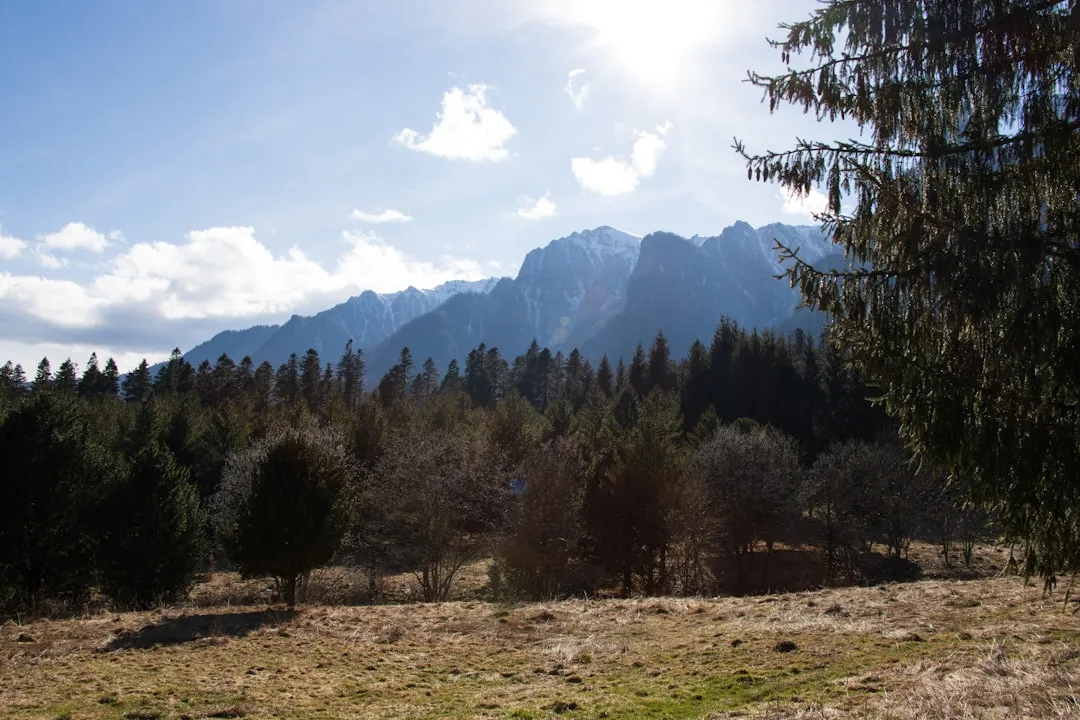
Sphinx and Babele Trail - A Carpathian Day Hike
The Sphinx and Babele Trail is a popular day hike located in the Bucegi Mountains of Romania, offering stunning natural rock formations and panoramic views. This trail is renowned for its unique geological wonders, the Sphinx and the Babele, which have captured the imagination of visitors for generations. The hike itself is a moderate challenge, suitable for most fitness levels, and provides a rewarding experience of the Carpathian landscape. It's a journey into a realm of ancient legends and breathtaking scenery, making it a must-do for anyone visiting the Prahova Valley region.
- Distance: 10.5 km
- Elevation Gain: 750 m
- Duration: 5-7 hours
- Difficulty: Moderate
- Best Time: June to September (summer and early autumn), dry conditions
- Closest City: Bușteni
- Trailhead Access: Nearest airport: Bucharest (OTP). Take train/bus to Bușteni. From Bușteni, taxi/bus to trail start. Road is paved but can be busy. Parking available near cable car station. No permits usually needed, but check local regulations before hiking. GPS: 45.417666, 25.542778 (approximate parking)
- Coordinates: 45.3511, 25.4703
Overview
The Sphinx and Babele Trail is a captivating day walk that ascends into the heart of the Bucegi Mountains, a range known for its dramatic limestone formations and expansive alpine meadows. The trail's primary draw is its encounter with two of Romania's most famous natural monuments: the Sphinx and the Babele. The Sphinx, a rock formation resembling a human face in profile, is thought to have been shaped by wind and rain erosion over millennia. Nearby, the Babele (meaning "the old women" in Romanian) are a cluster of mushroom-shaped rock formations, also sculpted by the elements. These natural sculptures are steeped in local folklore and are believed by some to be of ancient, possibly Dacian, origin, adding a layer of mystique to the already awe-inspiring landscape.
The hike typically begins from the vicinity of the Bușteni cable car station, offering a convenient starting point. The ascent is steady, taking walkers through a mix of coniferous forests before opening up into the more exposed alpine terrain of the Bucegi Plateau. Along the way, hikers are treated to increasingly spectacular views of the surrounding mountain peaks and the valleys below. The path is generally well-marked, though some sections can be steep and rocky, requiring careful footing. The plateau itself is a vast, undulating expanse, dotted with more rock formations and offering a sense of wild, untamed beauty. The air is crisp and clean, and the silence, broken only by the wind or the call of a bird, is a welcome respite from the hustle and bustle of everyday life.
The moderate difficulty level means that while it requires a reasonable level of fitness, it is accessible to a wide range of hikers. The 750 metres of elevation gain are spread over 10.5 kilometres, making for a challenging but manageable climb. The 5-7 hour duration allows ample time to appreciate the scenery, take photographs, and rest at the key landmarks. The best time to undertake this hike is during the summer and early autumn months, from June to September, when the weather is typically more stable and the trails are clear of snow. This period offers the most pleasant conditions for exploring the high-altitude environment and enjoying the full grandeur of the Bucegi Mountains.
History and Cultural Context
The Bucegi Mountains, and specifically the area around the Sphinx and Babele, have a rich history intertwined with ancient cultures and geological phenomena. The formations themselves have been a source of fascination and speculation for centuries. The Sphinx, in particular, has been the subject of numerous theories, ranging from natural erosion to claims of artificial shaping by ancient civilisations, most notably the Dacians, who inhabited this region thousands of years ago. While geologists attribute the formations to aeons of wind, rain, and frost erosion, the sheer resemblance to a human face has fuelled enduring myths and legends.
The Babele formations, with their distinctive mushroom-like shapes, also contribute to the mystical aura of the plateau. These are believed to have been formed by differential erosion, where harder rock layers protect softer rock beneath from weathering. Local folklore often associates these formations with ancient rituals and spiritual significance, suggesting they were places of worship or gathering for early inhabitants.
The modern history of the area is linked to the development of tourism and mountaineering in Romania. The construction of the Bușteni cable car in the mid-20th century made the Bucegi Plateau more accessible, allowing a greater number of people to witness these natural wonders. Bușteni itself, a town nestled at the foot of the mountains, has a history tied to its strategic location and its role as a gateway to the Bucegi range. The area has been a popular destination for both domestic and international tourists seeking to experience the unique geology and the rugged beauty of the Romanian Carpathians.
The cultural significance of the Sphinx and Babele extends beyond their geological interest. They are considered national symbols and are often featured in Romanian art, literature, and popular culture, representing the enduring mystery and natural heritage of the country. The trail leading to these formations is not just a physical journey but also a cultural exploration, connecting hikers to the ancient past and the enduring power of nature.
Seasonal Highlights and Weather Reality
The Sphinx and Babele Trail is best enjoyed during the warmer months, from June to September. During this period, the weather is generally more stable, and the trails are free from snow and ice, making for a safer and more pleasant hiking experience.
Summer (June to August): This is the peak season for hiking in the Bucegi Mountains. The days are long, and the temperatures are mild, typically ranging from 10°C to 20°C on the plateau. The alpine meadows are in full bloom, creating a vibrant tapestry of colours. However, summer can also bring afternoon thunderstorms, so it's essential to start your hike early and be prepared for sudden changes in weather. Sandflies are not a significant issue in this region, unlike some other mountain ranges.
Early Autumn (September to early October): This is often considered the most beautiful time to visit. The summer crowds have thinned, and the landscape is painted with the golden hues of autumn foliage. The air is crisp, and the visibility is often excellent, offering spectacular panoramic views. Temperatures can drop significantly, especially at night and at higher elevations, so warm layers are crucial. Frost and early snow can occur towards the end of this period.
Late Autumn and Winter (October to May): The Bucegi Mountains become a winter wonderland during these months, but the Sphinx and Babele Trail is generally not recommended for casual hikers. Heavy snowfall, strong winds, and sub-zero temperatures make the conditions challenging and potentially dangerous. The trails can be obscured by snow, and the rock formations may be covered in ice. For experienced mountaineers with appropriate winter gear and knowledge, winter hiking is possible, but it requires significant preparation and caution. The cable car may also operate on a reduced schedule or be closed due to weather.
Weather Reality: It is crucial to understand that mountain weather is unpredictable. Even during the summer, conditions can change rapidly. Always check the weather forecast before you set out and be prepared for rain, wind, and a significant drop in temperature, especially at higher altitudes. Layers of clothing are essential, as is waterproof outerwear.
Recommended Itinerary
Sphinx and Babele Day Hike Itinerary
Early Morning (Approx. 8:00 AM): Arrival in Bușteni and Cable Car Ascent
- Travel to Bușteni town.
- Locate the Bușteni cable car station.
- Purchase tickets for the cable car to the Bucegi Plateau (Piatra Arsă or Babele station, depending on operational routes).
- Enjoy the scenic cable car ride, which offers increasingly impressive views as you ascend.
Morning (Approx. 9:00 AM - 10:00 AM): Arrival at the Plateau and Initial Exploration
- Disembark at the cable car station on the Bucegi Plateau.
- Take a moment to acclimatise to the altitude and the cooler mountain air.
- Begin your walk towards the main attractions. The path from the cable car station to the Sphinx and Babele is generally well-marked.
- Follow signs or the main path towards the Babele plateau.
Midday (Approx. 10:00 AM - 1:00 PM): Visiting the Sphinx and Babele
- Babele: Explore the cluster of distinctive mushroom-shaped rock formations. Take photographs and marvel at their unique shapes, imagining the ancient stories associated with them.
- Sphinx: Continue your walk to the Sphinx. Spend time observing this iconic rock formation from various angles. Consider the geological processes that shaped it and the legends that surround it.
- Enjoy the panoramic views from the plateau. On a clear day, you can see vast stretches of the Carpathian Mountains.
- Find a suitable spot for a break and a snack.
Afternoon (Approx. 1:00 PM - 3:00 PM): Further Exploration and Descent Preparation
- Depending on your energy levels and interest, you can explore other nearby rock formations or viewpoints on the plateau.
- Consider a short walk to the Caraiman Monastery or the Heroes' Cross (if time and energy permit, and if accessible from your disembarkation point).
- Begin making your way back towards the cable car station.
Late Afternoon (Approx. 3:00 PM - 4:00 PM): Cable Car Descent and Departure
- Arrive back at the cable car station.
- Take the cable car back down to Bușteni.
- From Bușteni, arrange your onward travel.
Important Notes:
- The exact cable car route and disembarkation points can vary based on operational status. Always check current information locally.
- Wear sturdy hiking boots with good ankle support.
- Carry plenty of water and snacks, as facilities on the plateau can be limited and expensive.
- Dress in layers, as mountain weather can change quickly.
- Sun protection (hat, sunglasses, sunscreen) is essential, even on cloudy days, due to the altitude.
- Mobile phone signal can be intermittent on the plateau.
Planning and Bookings
Book Your Trip
Everything you need to plan your journey
Accommodation
Find places to stay near Bușteni
Flights
Search flights to Bușteni
Essential Preparation
The Sphinx and Babele Trail is a day hike, meaning no overnight accommodation is required. However, thorough preparation is still essential for a safe and enjoyable experience. The primary logistical consideration is reaching the trailhead, which is most conveniently accessed via the Bușteni cable car. It is advisable to check the operating schedule and any potential closures of the cable car in advance, especially outside the peak summer season. Bușteni itself is easily reachable by train or bus from major Romanian cities like Bucharest or Brașov. If driving, there is parking available near the cable car station, though it can become busy during peak times. It's wise to arrive early in the day to secure parking and avoid long queues for the cable car. Familiarise yourself with the trail route using maps or GPS devices, although the main paths on the plateau are generally well-signposted.
Trail Accommodation
This is a day hike requiring no overnight accommodation.
Required Gear
- Hiking Boots: Sturdy, waterproof hiking boots with good ankle support are essential for navigating the rocky and uneven terrain.
- Backpack: A comfortable daypack (20-30 litres) to carry essentials.
- Waterproof Jacket: A lightweight, breathable waterproof jacket is crucial, as mountain weather can change rapidly, bringing rain or strong winds.
- Warm Layers: Even in summer, temperatures on the Bucegi Plateau can be significantly cooler than in the valleys. Bring a fleece or insulating jacket, and consider a hat and gloves.
- Headlamp/Torch: Essential in case of unexpected delays or if you plan to start very early or finish late.
- First-Aid Kit: A basic kit including plasters, antiseptic wipes, pain relievers, and any personal medications.
- Navigation Tools: A map of the area and a compass, or a GPS device/smartphone with offline maps downloaded. While trails are marked, it's always wise to have backup navigation.
What to Bring
- Water: Carry at least 1.5-2 litres of water per person. Refill points are scarce on the plateau.
- Food: Pack plenty of high-energy snacks such as trail mix, energy bars, fruit, and sandwiches. There are some mountain huts or kiosks near the cable car stations, but options can be limited and prices high.
- Sun Protection: High SPF sunscreen, sunglasses, and a wide-brimmed hat are vital, as the sun's rays are more intense at higher altitudes.
- Insect Repellent: While sandflies are not a major concern, other biting insects can be present, especially in forested areas.
- Camera: To capture the stunning scenery and unique rock formations.
- Trekking Poles: Optional, but can be very helpful for stability on ascents and descents, especially on steeper sections.
- Cash: For cable car tickets, any refreshments, or potential emergency purchases. Card payment facilities may not always be available.
Permits
Generally, no specific permits are required for hiking the Sphinx and Babele Trail or for accessing the Bucegi Plateau via the cable car, provided you pay the standard cable car fees. The Bucegi Mountains are part of a national park, and while there are regulations in place to protect the environment, these typically do not involve individual hiking permits for day walks of this nature.
Cable Car Fees: The primary cost associated with accessing the plateau is the cable car ticket. Prices can vary depending on the route and whether it's a one-way or return ticket. It is advisable to check the official website of the Bușteni cable car operator for the most up-to-date pricing and operating hours. Booking tickets in advance online might be possible and could save time, especially during peak season.
Park Regulations: While no specific permits are needed, visitors are expected to adhere to the rules of the Bucegi Mountains National Park. These usually include:
- Staying on marked trails to protect fragile vegetation and prevent erosion.
- Not disturbing wildlife or removing any natural elements (rocks, plants).
- Proper disposal of waste – pack out everything you pack in.
- Respecting the natural and cultural heritage of the area.
It is always a good practice to check with local tourist information centres or the park administration for any last-minute changes or specific regulations before your visit. However, for a standard day hike to the Sphinx and Babele, the main requirement is simply to purchase your cable car ticket and be a responsible visitor.
Other Activities in the Area
Beyond the Sphinx and Babele, the Bucegi Mountains offer a wealth of activities for nature lovers and adventurers:
- Hiking to other peaks: The Bucegi Plateau is a vast network of trails. You can extend your hike to explore other notable peaks like Omu Peak (the highest in the range at 2,505 m), visit the Ialomița Cave, or hike to the Caraiman Monastery and the Heroes' Cross.
- Winter Sports: During winter, Bușteni transforms into a ski resort. The slopes near the town offer opportunities for skiing and snowboarding.
- Exploring Bușteni Town: Visit the Cantacuzino Castle, a magnificent historical monument with beautiful architecture and gardens. The town also offers local cuisine and souvenir shops.
- Visiting Sinaia: A short distance from Bușteni, Sinaia is known as "The Pearl of the Carpathians" and is home to the stunning Peleș Castle, a former royal residence and one of Romania's most important museums.
- Paragliding: For the more adventurous, paragliding flights are sometimes available from higher points on the plateau, offering unparalleled aerial views of the mountain range.
- Photography: The dramatic landscapes, unique rock formations, and expansive vistas make the Bucegi Mountains a paradise for photographers. Sunrise and sunset can offer particularly spectacular light.
Safety and Conditions
Weather Preparedness: The most critical safety aspect is being prepared for the unpredictable mountain weather. Always check the forecast from reliable sources like MetService or local Romanian meteorological services before and during your trip. Be ready for sudden drops in temperature, strong winds, rain, and even snow, especially at higher altitudes, regardless of the season.
Altitude Sickness: While the Sphinx and Babele are at a moderate altitude (around 2,000-2,200 metres), some individuals may experience mild symptoms of altitude sickness. Ascend gradually if possible, stay hydrated, and avoid strenuous activity immediately upon arrival. If symptoms worsen, descend.
Trail Conditions: The main paths on the Bucegi Plateau are generally well-maintained and marked. However, sections can be rocky, uneven, and slippery, especially after rain or if there is frost. Wear appropriate footwear with good grip. In winter, snow and ice can make the trails treacherous, requiring specialised equipment like crampons and ice axes.
Navigation: While the main routes are clear, it's easy to get disoriented on the vast plateau, especially in fog or poor visibility. Always carry a map and compass, or a reliable GPS device with offline maps. Inform someone of your hiking plans, including your expected return time.
Emergency Services: In case of an emergency, contact the Romanian Mountain Rescue (Salvamont) on their dedicated emergency number (often 0-SALVAMONT or 112). Ensure your mobile phone is fully charged, but be aware that signal coverage can be patchy on the plateau.
Wildlife: While large predators like bears are present in the Carpathians, encounters on the popular Sphinx and Babele trail are rare. However, it's always wise to be aware of your surroundings and avoid leaving food scraps that might attract animals. Smaller wildlife, such as marmots and various bird species, are common.
Cable Car Safety: Adhere to all safety instructions provided by the cable car operators. Be aware of the operating hours to ensure you can descend before the service closes.
Side Trips and Points of Interest
Omu Peak (Vârful Omu): The highest point in the Bucegi Mountains, standing at 2,505 metres. Reaching Omu Peak from the Sphinx and Babele area involves a longer hike, but it offers unparalleled panoramic views of the entire range and beyond. There is a meteorological station and a mountain refuge at the summit, providing basic amenities.
Ialomița Cave (Peștera Ialomiței): Located on the northern side of Omu Peak, this impressive cave system is one of the largest in Romania. It features stunning stalactites, stalagmites, and underground chambers. Access is typically via a well-maintained path from near the Omu summit or a dedicated access road from the valley side.
Caraiman Monastery and Heroes' Cross: The Caraiman Monastery is a spiritual retreat nestled on the plateau. Nearby stands the monumental Heroes' Cross (Crucea Eroilor Neamului), a large metal cross erected in memory of Romanian soldiers who fought in World War I. It is illuminated at night and is a significant landmark visible from afar.
The "Old Women" (Babele) Formations: While the Sphinx is the most famous, the Babele formations themselves are a cluster of unique, weathered rock pillars. Their shapes are often described as resembling figures, adding to the mystical atmosphere of the plateau. Exploring the immediate vicinity of the Babele allows for a closer appreciation of their intricate details.
The Sphinx (Sfinxul): This iconic rock formation, resembling a human face in profile, is the primary attraction. Its exact geological formation is a result of wind and rain erosion acting on a large block of stone. The angle from which it is viewed is crucial to perceiving the "face." It's a popular spot for photographs and contemplation.
Panoramic Viewpoints: The entire Bucegi Plateau offers numerous viewpoints. On clear days, the vistas stretch across the Prahova Valley, the neighbouring Bucegi peaks, and even towards the Făgăraș Mountains in the distance. These spots are ideal for resting, enjoying a picnic, and soaking in the grandeur of the Carpathians.
Leave No Trace
The Bucegi Mountains, like all natural environments, are a precious resource that requires careful stewardship. Practising Leave No Trace principles ensures that this beautiful landscape remains pristine for future generations to enjoy. The Sphinx and Babele Trail, being a popular route, is particularly susceptible to the impacts of human activity.
Plan Ahead and Prepare: Research your hike, know the weather forecast, and pack appropriately. This minimises the need for unplanned actions that could harm the environment.
Travel and Camp on Durable Surfaces: Stick to marked trails. The vegetation on the plateau, though appearing hardy, can be fragile. Avoid creating new paths or walking on sensitive alpine flora.
Dispose of Waste Properly: Pack out everything you pack in. This includes all food scraps, wrappers, and any other litter. Use designated bins where available, but be prepared to carry your rubbish back down to Bușteni.
Leave What You Find: Do not take rocks, plants, or any other natural objects. The Sphinx and Babele are geological wonders to be admired, not souvenirs.
Minimise Campfire Impacts: As this is a day hike, campfires are not applicable. However, if you were to camp in designated areas (which are rare on this specific plateau), always use established fire rings and ensure fires are completely extinguished.
Respect Wildlife: Observe wildlife from a distance. Do not feed animals, as this can disrupt their natural behaviours and diets. Store food securely.
Be Considerate of Other Visitors: Keep noise levels down, especially near rock formations and viewpoints. Allow others to enjoy the peace and quiet of the mountains.
By adhering to these principles, you contribute to the preservation of the Bucegi Mountains' natural beauty and ecological integrity.