
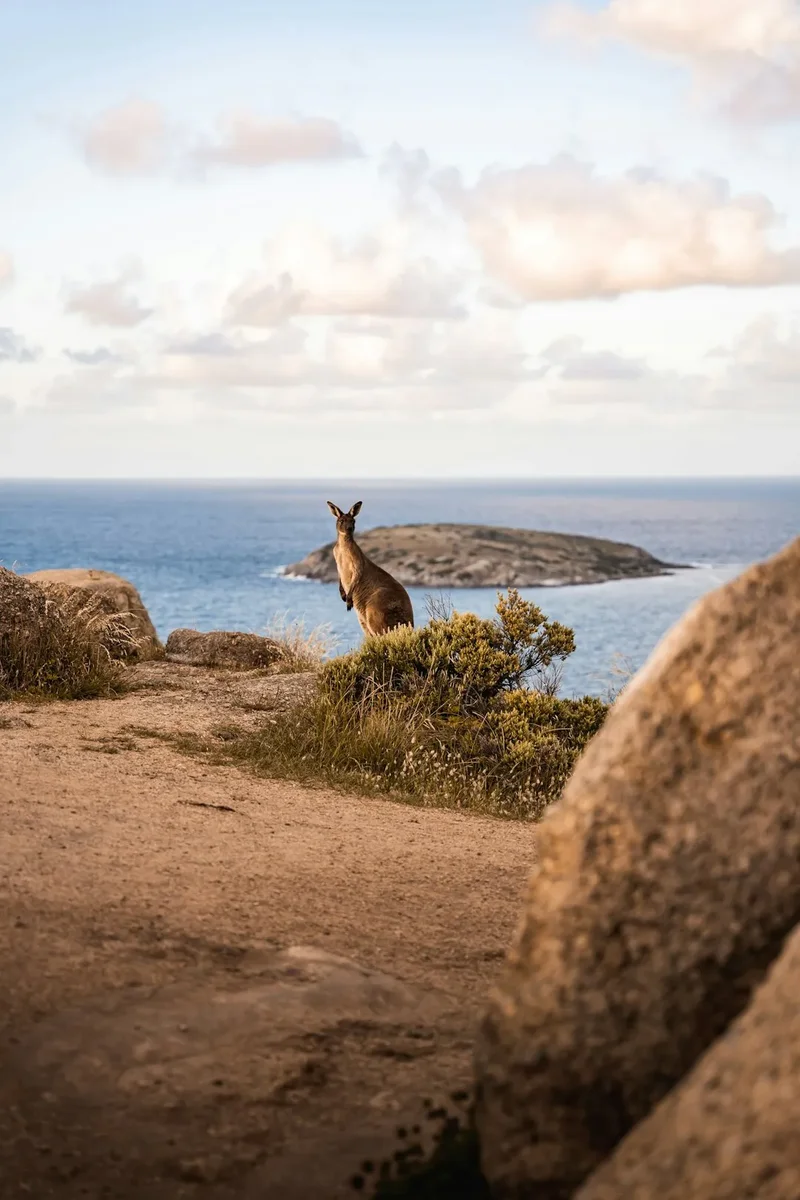
South Coast Track - Tasmania's Wilderness Jewel
The South Coast Track is a legendary multi-day bushwalk traversing the remote and rugged southwestern corner of Tasmania, Australia. This challenging 85-kilometre journey winds through a landscape of unparalleled natural beauty, encompassing pristine beaches, ancient rainforests, dramatic coastal cliffs, and serene button grass plains. It is a true wilderness experience, demanding self-sufficiency, resilience, and a deep respect for the raw power of nature. The track is renowned for its isolation, its unpredictable weather, and its breathtaking scenery, offering a profound connection to one of Australia's last great wilderness areas.
- Distance: 85.0 km one-way
- Duration: 6–9 days
- Season: October to April (best conditions, but weather can be extreme year-round)
- Huts/Accommodation: Basic shelters and campsites available at designated points
- Highest point: Varies, but involves significant elevation changes over varied terrain
- Daily walkers: No daily limit, but remoteness naturally limits numbers
- Direction: Typically walked from east to west (Cockle Creek to Melaleuca), but can be done in reverse
Overview
The South Coast Track is not for the faint-hearted. It is a demanding expedition that tests both physical endurance and mental fortitude. The trail meanders through the heart of Tasmania's Southwest National Park, a UNESCO World Heritage Area, showcasing a diverse range of ecosystems. You'll traverse the iconic white sands of South East Cape, climb over the rugged Ironbounds, navigate dense temperate rainforests dripping with moss, and cross vast, windswept button grass plains where the horizon seems endless.
The track's remoteness is a defining characteristic. Access is primarily via a flight to Melaleuca (the traditional start/end point) or a long drive to Cockle Creek (the eastern access point). This isolation means that walkers must be entirely self-sufficient, carrying all their food, shelter, and safety equipment. The weather in Tasmania's southwest is notoriously fickle and can change from glorious sunshine to driving rain and gale-force winds within minutes. This unpredictability adds to the challenge but also to the wild, untamed allure of the track.
The South Coast Track offers a unique opportunity to disconnect from the modern world and immerse yourself in a truly wild environment. The silence, broken only by the sounds of nature—the crashing waves, the calls of native birds, the rustling of leaves—is profound. The landscapes are dramatic and awe-inspiring, from the vastness of the Southern Ocean to the intricate beauty of the rainforest floor. It is a journey that rewards perseverance with unforgettable vistas and a deep sense of accomplishment.
History and Cultural Context
The Southwest of Tasmania has a rich and ancient history, deeply connected to the Aboriginal people of Tasmania, the Palawa. For millennia, Aboriginal peoples have traversed these lands, utilising its resources and maintaining a spiritual connection to the country. The area holds significant cultural importance, with evidence of past occupation found in the form of stone artefacts and shell middens. The South Coast Track passes through lands that have been walked and cared for by Aboriginal people for thousands of years.
The modern history of the South Coast Track is intertwined with the exploration and resource extraction of the region. Early European explorers and sealers ventured along the coast, drawn by its natural bounty. Later, timber cutters and miners also made their way into the area, leaving behind remnants of their presence. The track as it exists today is largely a result of efforts by bushwalkers and conservationists to establish and maintain a route through this challenging terrain.
In the mid-20th century, bushwalking groups began to formalise routes through the southwest. The track was developed over many years, with sections being cleared, bridges built, and campsites established by dedicated volunteers. The establishment of the Southwest National Park in 1978 and its subsequent inclusion in the Tasmanian Wilderness World Heritage Area in 1982 underscored the importance of preserving this unique environment. The track is a testament to the enduring appeal of wild places and the efforts made to protect them.
Seasonal Highlights and Weather Reality
The South Coast Track is a year-round destination, but the most favourable conditions for walking are generally between October and April. During this period, days are longer, and there is a higher chance of encountering more settled weather, although this is never guaranteed.
Spring (October–November): The landscape begins to awaken after winter. Wildflowers start to bloom, and the button grass plains can be particularly vibrant. The weather can still be unpredictable, with a chance of late frosts or early snow on higher ground. Sandflies can start to become active.
Summer (December–February): This is the most popular time to walk the track. Days are at their longest, offering more daylight hours for hiking. However, summer can also bring periods of intense heat, and sandflies are at their most prevalent and aggressive. Rain is still a common occurrence, and storms can develop rapidly.
Autumn (March–April): The colours of the rainforest can be spectacular, and the sandfly numbers typically decrease. The weather can be crisp and clear, offering stunning views. However, days are shorter, and the risk of cold snaps and early snow increases as winter approaches.
Winter (May–September): Walking the South Coast Track in winter is a serious undertaking, requiring advanced winter mountaineering skills, extensive experience in harsh conditions, and specialised equipment. Snowfall is common, particularly on higher sections, and daylight hours are significantly reduced. Rivers can be swollen and dangerous. This period is generally not recommended for inexperienced walkers.
Weather Reality: It cannot be overstated that the weather in Tasmania's Southwest is extreme and highly variable. Expect rain, wind, and cold temperatures at any time of year. Hypothermia is a real risk, even in summer. Always be prepared for the worst conditions, regardless of the season.
Recommended Itinerary
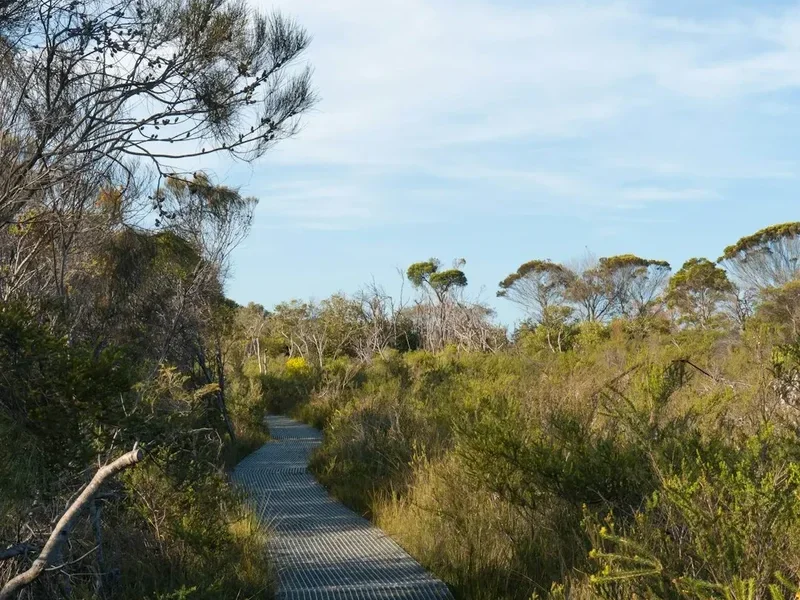
6-Day South Coast Track Itinerary (East to West)
Day 1: Cockle Creek to Lion Rock Beach
- Distance: 12.0 km
- Elevation gain: Minimal, mostly flat coastal walking
- Time: 3–4 hours
- Start at the end of the road at Cockle Creek
- Follow the well-marked track through coastal heath and forest
- Pass Lune River and the historic Lune River homestead
- Cross the Lune River via a bridge
- Continue along the coast to Lion Rock Beach
- Camp at designated campsite near Lion Rock
Day 2: Lion Rock Beach to South East Cape
- Distance: 10.0 km
- Elevation gain: Moderate, some undulating sections
- Time: 3–4 hours
- Continue along the coast, enjoying views of the Southern Ocean
- Pass through areas of coastal scrub and small pockets of rainforest
- Reach South East Cape, the southernmost point of Tasmania
- Explore the area and camp at the designated campsite
Day 3: South East Cape to Dead Island Beach
- Distance: 14.0 km
- Elevation gain: Significant, including climbs over the Ironbounds
- Time: 5–7 hours
- This is a challenging day involving significant elevation changes
- Ascend into the Ironbounds, a rugged mountain range
- Navigate steep, rocky terrain and potentially boggy sections
- Descend towards Dead Island Beach
- Camp at the designated campsite
Day 4: Dead Island Beach to New River Lagoon
- Distance: 16.0 km
- Elevation gain: Moderate, with some undulating sections
- Time: 5–6 hours
- Walk along the beach and through coastal heath
- Cross the New River via a bridge or wading (depending on conditions)
- Continue to New River Lagoon
- Camp at the designated campsite near the lagoon
Day 5: New River Lagoon to Osmiridium Beach
- Distance: 14.0 km
- Elevation gain: Moderate, with some boggy sections
- Time: 4–5 hours
- Traverse open button grass plains and coastal scrub
- Pass through areas of dense temperate rainforest
- Reach Osmiridium Beach
- Camp at the designated campsite
Day 6: Osmiridium Beach to Melaleuca
- Distance: 19.0 km
- Elevation gain: Minimal, mostly flat
- Time: 5–7 hours
- Follow the track through coastal heath and forest
- Pass through the historic site of the former Osmiridium mining operations
- Continue to the Melaleuca airstrip and ranger station
- Arrange for your pre-booked flight out of Melaleuca
Important Notes:
- This itinerary is a guideline; actual times may vary significantly due to weather and individual fitness.
- All campsites must be used; camping is restricted to designated areas.
- River crossings can be hazardous, especially after rain. Always assess conditions carefully.
- Be prepared for boggy sections, particularly on the button grass plains.
- Carry a reliable map and compass, and know how to use them.
- Book your return flight from Melaleuca well in advance.
Planning and Bookings
Book Your Trip
Everything you need to plan your journey
Accommodation
Find places to stay near Hobart
Flights
Search flights to Hobart
Essential Preparation
The South Coast Track is a serious wilderness expedition requiring meticulous planning and preparation. Due to its remoteness and challenging conditions, walkers must be physically fit, experienced in multi-day hiking, and proficient in navigation. The primary logistical challenge is accessing the start and end points. Most walkers choose to fly into Melaleuca (the western end) and walk east to west, or drive to Cockle Creek (the eastern end) and walk west to east. Flights to Melaleuca are operated by Par Avion Airlines and must be booked well in advance, as they are limited and weather-dependent. Driving to Cockle Creek involves a long journey on sealed and unsealed roads, requiring a Parks Pass and careful vehicle preparation. Base towns like Hobart offer essential services for final preparations, including gear hire, food supplies, and accommodation.
Trail Accommodation
Accommodation on the South Coast Track is basic and consists of designated campsites and a few simple shelters. There are no formal huts or lodges in the same vein as some other famous tracks. Walkers must be prepared to camp for the duration of their journey.
Campsites: Designated campsites are located at key points along the track, often near beaches or lagoons. These sites typically offer a relatively flat area for pitching tents and may have a pit toilet. They are maintained by the Parks and Wildlife Service, but facilities are minimal.
Shelters: A few basic shelters exist at some locations, offering rudimentary protection from the elements. These are not designed for sleeping in and are primarily for emergency use or short breaks. They do not provide sleeping platforms or cooking facilities.
Booking Requirements: While there are no formal booking requirements for campsites on the South Coast Track itself (unlike some other Tasmanian walks), it is essential to book your return flight from Melaleuca well in advance. A Parks Pass is also required for entry into Southwest National Park. It is advisable to inform someone of your itinerary and expected return date.
Facilities Provided: Designated campsites offer a place to pitch a tent and may have a pit toilet. Some sites have a water source nearby (stream or lagoon), but water treatment is always essential.
What's NOT Provided: All food, cooking equipment, fuel, tents, sleeping bags, sleeping mats, and personal items must be carried by the walker. There are no cooking facilities, no electricity, no charging points, and no mobile phone reception along the track.
Seasonal Availability: Campsites and shelters are available year-round, but conditions can be extreme outside the main walking season (October–April).
Costs: There are no direct costs for using the campsites. However, a Parks Pass is required for entry into Southwest National Park, and flights to Melaleuca incur significant costs.
Required Gear
- Sturdy, waterproof hiking boots: Essential for navigating varied and often wet terrain. Ensure they are well broken-in.
- Waterproof and windproof jacket and overtrousers: High-quality, breathable materials are crucial due to the unpredictable and often severe weather.
- Warm layers: Including thermal base layers (merino wool is ideal), fleece mid-layers, and a warm insulated jacket.
- Sleeping bag: Rated for cold temperatures (0°C comfort rating or lower is recommended).
- Sleeping mat: For insulation and comfort.
- Tent: A robust, waterproof, and wind-resistant tent is essential for camping.
- Backpack: A comfortable pack of 60–80 litres capacity, with a good hip belt and rain cover.
- Navigation tools: Topographic map of the South Coast Track, compass, and GPS device or reliable navigation app with downloaded maps. Knowledge of how to use them is paramount.
- First-aid kit: Comprehensive kit including blister treatment, pain relief, bandages, antiseptic wipes, and any personal medications.
- Head torch: With spare batteries.
- Sun protection: Sunscreen, sunglasses, and a wide-brimmed hat, even on cloudy days.
- Insect repellent: High-strength repellent (containing DEET or Picaridin) is essential for sandflies.
- Water treatment: Water filter or purification tablets.
What to Bring
- Food: Sufficient non-perishable food for the entire duration of the walk, plus at least one extra day's supply in case of delays. Plan lightweight, high-energy meals.
- Cooking equipment: Lightweight stove, fuel, pot, mug, bowl, and eating utensils.
- Water bottles or hydration reservoir: Capacity for at least 2–3 litres.
- Toiletries: Biodegradable soap, toothbrush, toothpaste, toilet paper, hand sanitiser.
- Trowel: For burying human waste where toilets are not available (follow Leave No Trace principles).
- Repair kit: Duct tape, cordage, safety pins, needle and thread for gear repairs.
- Personal items: Camera, book, journal, power bank for electronics (if desired).
- Whistle: For emergency signalling.
- Dry bags: To keep essential gear dry inside your backpack.
Permits
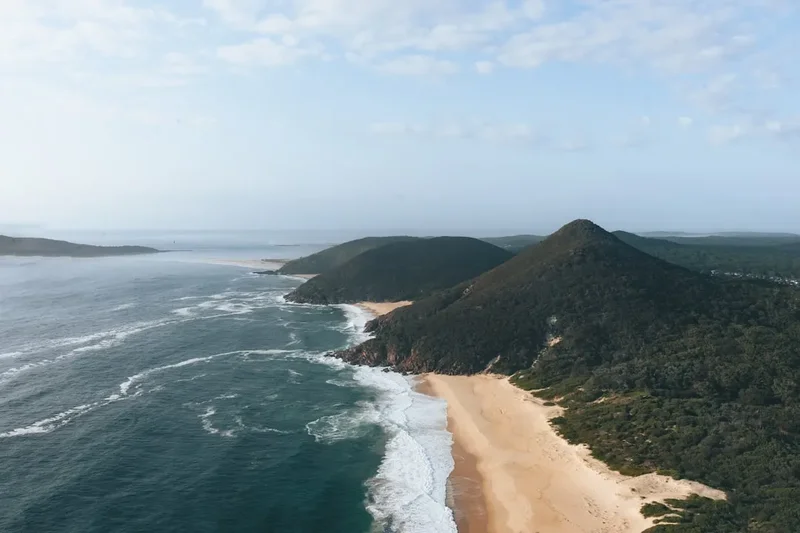
To walk the South Coast Track, you are required to obtain a Parks Pass for entry into Southwest National Park. This pass can be purchased online from the Tasmania Parks and Wildlife Service website or at various outlets across Tasmania. The pass covers entry for the duration of your trip.
Parks Pass:
- Cost: Varies depending on the type of pass (e.g., daily, multi-day, annual). A multi-day pass is recommended for the duration of your walk.
- Purchase: Online via the Tasmania Parks and Wildlife Service website or at visitor centres and accredited agents.
Flight Bookings:
- Melaleuca Flights: If you are flying into or out of Melaleuca, you must book your flights with an approved operator (e.g., Par Avion Airlines) well in advance. These flights are weather-dependent and can be cancelled or delayed. It is crucial to have flexibility in your schedule and to confirm your flight status regularly.
- Cost: Flights to Melaleuca are a significant expense and vary depending on the operator and booking time.
Other Considerations:
- No booking required for campsites: Unlike some other popular Tasmanian walks, there is no need to book campsites on the South Coast Track. However, it is essential to use only designated camping areas.
- Personal Locator Beacon (PLB): While not mandatory, carrying a PLB is highly recommended for safety in this remote area.
- Trip Intention Form: It is strongly advised to leave a detailed trip intention form with a trusted friend or family member, including your planned route, expected dates of departure and return, and emergency contact details.
Other Activities in the Area
While the South Coast Track is the primary draw, the surrounding region offers several other compelling activities for those with time to explore:
- Melaleuca Airstrip and Ranger Station: Explore the historic site of the former Osmiridium mining operations and learn about the area's past. The ranger station can provide valuable local information.
- Edge of the World (Near Strahan): If you are travelling north from the southwest, consider a detour to Strahan and the "Edge of the World" at Arthur River, offering a dramatic coastal experience.
- Tasman Peninsula Coastal Walks: For a different coastal hiking experience, the Tasman Peninsula offers stunning cliff-top walks and sea caves.
- Cradle Mountain-Lake St Clair National Park: Another iconic Tasmanian wilderness area, offering a range of walks from short strolls to the multi-day Overland Track.
- Hobart and Bruny Island: Explore the historic city of Hobart, visit the MONA museum, and take a day trip to Bruny Island for its beautiful beaches and coastal scenery.
- Huon Valley: Discover the charming towns, apple orchards, and scenic drives of the Huon Valley, south of Hobart.
Safety and Conditions
Weather: The most significant safety consideration on the South Coast Track is the unpredictable and often extreme weather. Conditions can change rapidly, with heavy rain, strong winds, and low temperatures possible at any time of year. Hypothermia is a serious risk. Always carry adequate warm and waterproof clothing, and be prepared to alter your plans if the weather deteriorates.
River Crossings: Several rivers must be crossed along the track, including the Lune River and the New River. These can become dangerous, even impassable, after heavy rain. Always assess the depth and flow of rivers before attempting a crossing. If in doubt, wait for conditions to improve. Never attempt to cross a swollen river.
Terrain: The track traverses a variety of challenging terrain, including steep, rocky ascents and descents (e.g., the Ironbounds), boggy button grass plains, and dense rainforest. Good quality hiking boots and trekking poles can aid stability and reduce the risk of slips and falls.
Navigation: Due to the remoteness and potential for poor visibility, accurate navigation is critical. Carry a detailed map and compass, and know how to use them. A GPS device or smartphone with downloaded offline maps is also highly recommended. Stay on the marked track where possible.
Remoteness and Communication: Mobile phone reception is virtually non-existent along the South Coast Track. It is strongly recommended to carry a Personal Locator Beacon (PLB) or satellite phone for emergency communication. Inform someone of your detailed itinerary and expected return date.
Sandflies: Sandflies are a significant nuisance, particularly during warmer months. They are small but aggressive biters and can make walking and camping unpleasant. Use strong insect repellent, wear long sleeves and trousers, and consider a head net.
Wildlife: While generally not a direct threat, be aware of Tasmania's native wildlife. Keep food stored securely to avoid attracting animals. Snakes are present, so be mindful of where you step and place your hands.
Emergency Procedures: In case of an emergency, activate your PLB or satellite phone. If you have no communication device, try to make your way to a known landmark or the nearest ranger station if possible. Conserve energy and stay warm while awaiting assistance.
Side Trips and Points of Interest
Ironbounds: This section of the track involves climbing over the rugged Ironbounds mountain range. While challenging, the ascents and descents offer spectacular panoramic views of the surrounding wilderness, including the dramatic coastline and vast button grass plains. The effort is rewarded with a true sense of wildness and isolation.
South East Cape: The southernmost point of Tasmania, offering a dramatic encounter with the Southern Ocean. The views from here are expansive, and it's a significant landmark for those completing the track.
New River Lagoon: A beautiful and serene freshwater lagoon that provides a contrast to the rugged coastal sections. It's a popular camping spot and a good place to observe birdlife.
Osmiridium Mining Sites: Along the track, particularly near Osmiridium Beach, you can find remnants of the historical Osmiridium mining operations. These sites offer a glimpse into the region's past and the challenging lives of those who worked here.
Coastal Beaches: The track passes through numerous stunning beaches, including Lion Rock Beach and Dead Island Beach. These offer opportunities for rest, reflection, and enjoying the raw beauty of the Tasmanian coast.
Leave No Trace
The South Coast Track traverses a pristine and fragile wilderness area. Adhering to Leave No Trace principles is paramount to preserving this environment for future generations. As a walker, you are a custodian of this landscape.
- Plan Ahead and Prepare: Understand the challenges of the track, pack appropriately, and be prepared for all weather conditions. Inform someone of your plans.
- Travel and Camp on Durable Surfaces: Stick to the established track and use designated campsites. Avoid trampling vegetation, especially in sensitive areas like button grass plains and rainforest undergrowth.
- Dispose of Waste Properly: Pack out everything you pack in, including all food scraps, packaging, and toilet paper. Use pit toilets where available, or bury human waste at least 100 metres away from water sources and campsites.
- Leave What You Find: Do not remove any natural or cultural artefacts. Take only photographs and memories.
- Minimise Campfire Impacts: Campfires are generally not permitted on the South Coast Track due to the risk of wildfire and the impact on the environment. Use a lightweight stove for cooking.
- Respect Wildlife: Observe wildlife from a distance and never feed animals. Secure your food to prevent attracting them to your campsite.
- Be Considerate of Other Visitors: While the track is remote, you may encounter other walkers. Keep noise levels down and respect their experience of the wilderness.
By following these principles, you help ensure that the South Coast Track remains a wild and beautiful place.
 Australia