
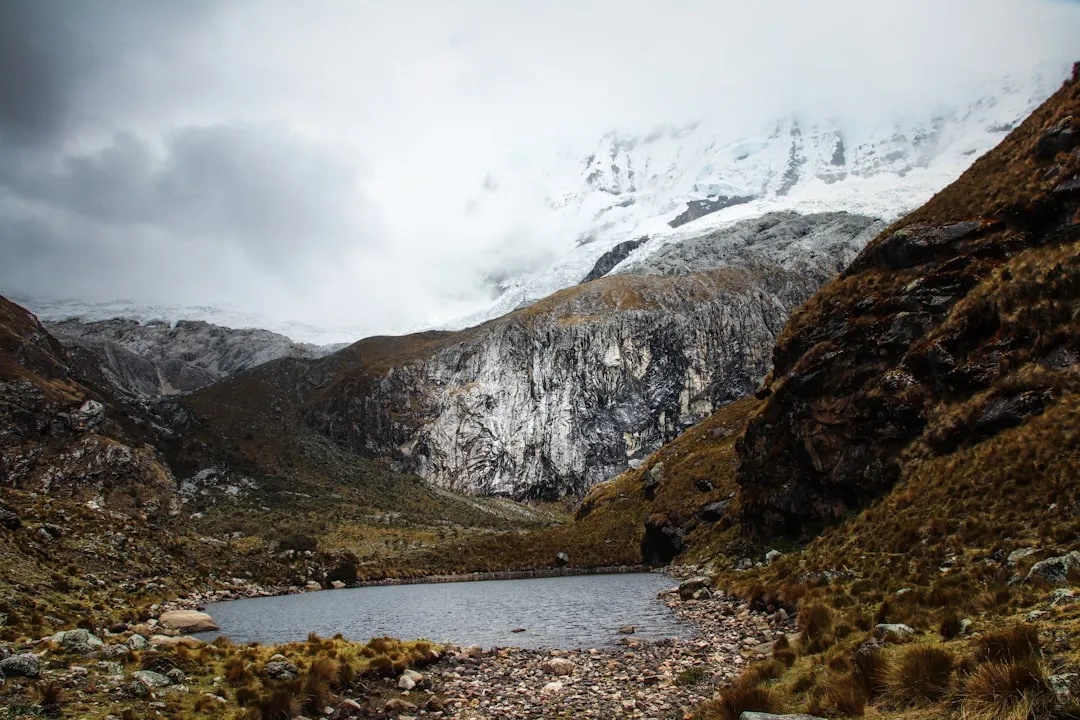
Sondondo Valley Trail - Andean Majesty
The Sondondo Valley Trail is a challenging multi-day trek through the remote and rugged highlands of Peru, offering a profound immersion into Andean culture and dramatic mountain landscapes. This 45-kilometre journey typically spans 3 to 4 days, ascending through diverse ecosystems from arid desert fringes to high-altitude puna grasslands, culminating in breathtaking vistas of snow-capped peaks and deep, ancient valleys. Unlike more established routes, the Sondondo Valley remains relatively untouched by mass tourism, providing an authentic experience of rural Peruvian life, traditional farming practices, and the raw, untamed beauty of the Andes. The trail demands a good level of fitness and acclimatisation due to its significant elevation gain and challenging terrain, but rewards walkers with unparalleled solitude and a deep connection to a land where ancient traditions persist.
- Distance: 45.0 km one-way
- Duration: 3–4 days
- Season: May to September (dry season)
- Difficulty: Challenging
- Highest point: Approximately 4,500 metres (variable depending on exact route)
- Accommodation: Basic homestays and camping
- Closest City: Nazca
- Trailhead Access: Sondondo Village
Overview
The Sondondo Valley Trail is a testament to the enduring spirit of the Andean people and the stark beauty of their high-altitude homeland. This trek is not merely a physical challenge; it is a cultural pilgrimage. As you ascend, you will pass through small, traditional villages where life moves at a rhythm dictated by the sun and seasons. Farmers tend terraced fields using methods passed down through generations, and the air is filled with the sounds of livestock and the gentle murmur of Quechua. The landscape itself is a character in the narrative of the walk. Initial stages might traverse arid, desert-like terrain reminiscent of the nearby Nazca lines, gradually giving way to rolling hills dotted with hardy ichu grass and hardy shrubs. As elevation increases, the scenery transforms into vast, open puna, a high-altitude grassland ecosystem characterised by its unique flora and fauna, including vicuñas and condors. The trail often follows ancient Inca pathways, hinting at the historical significance of this region as a vital corridor for trade and communication.
The true grandeur of the Sondondo Valley reveals itself as you approach its higher reaches. Towering, often snow-dusted peaks form a dramatic backdrop, their imposing presence a constant reminder of the raw power of nature. Glacial meltwaters carve through the landscape, feeding streams and occasional lakes that shimmer under the intense Andean sun. The air at these altitudes is thin and crisp, and the silence is profound, broken only by the wind or the call of a distant bird. This is a journey that strips away the superficial, forcing a confrontation with the elements and oneself. The lack of extensive infrastructure means that walkers must be self-sufficient, fostering a sense of accomplishment and a deep appreciation for the natural world. The Sondondo Valley offers a rare opportunity to experience a side of Peru that remains largely undiscovered, a place where the ancient past and the present coexist in a breathtakingly beautiful and challenging environment.
History and Cultural Context
The Sondondo Valley and its surrounding highlands have a rich and ancient history, deeply intertwined with the pre-Inca cultures that flourished in this region, most notably the Nazca and Paracas civilizations. These ancient peoples were masters of their environment, developing sophisticated agricultural techniques, including extensive terracing and irrigation systems, to thrive in the arid coastal plains and the more challenging highlands. The Nazca, famous for their enigmatic geoglyphs, also maintained connections with the Andean interior, likely using routes similar to the Sondondo Valley for trade and resource acquisition.
Later, the Inca Empire incorporated this region into its vast dominion, further developing existing infrastructure and establishing new settlements. The trails that form the basis of the Sondondo Valley trek are believed to be ancient Inca roads, meticulously engineered to connect disparate communities and facilitate the movement of armies, goods, and messengers across the empire. The strategic importance of this area is evident in the remnants of ancient fortifications and ceremonial sites that can still be found scattered throughout the highlands, though many remain unexcavated and little-known.
Following the Spanish conquest, the region continued to be a vital area for agriculture and livestock, with traditional farming practices largely persisting. The isolation of the Sondondo Valley meant that many of its cultural traditions, including aspects of Quechua language, music, and social customs, remained remarkably intact, shielded from the rapid changes that affected more accessible areas. Today, the valley is home to communities that continue to live in close harmony with the land, preserving a way of life that has endured for centuries. The Sondondo Valley Trail offers a unique opportunity to witness this living history, to walk in the footsteps of ancient peoples, and to connect with a culture that remains deeply rooted in its ancestral landscape.
Seasonal Highlights and Weather Reality
The Sondondo Valley Trail is best experienced during the dry season, which typically runs from May to September. This period offers the most favourable conditions for trekking, with clear skies, abundant sunshine, and significantly reduced rainfall. The days are generally pleasant, though temperatures can drop considerably at night, especially at higher elevations.
Dry Season (May to September): This is the prime trekking window. Expect sunny days with temperatures ranging from 15°C to 25°C during the day. Nights can be cold, often dropping below freezing, particularly in July and August, requiring warm sleeping gear. The skies are typically clear, offering spectacular stargazing opportunities and excellent visibility of the surrounding mountain ranges. This is also the time when local communities are most active in their agricultural cycles, providing opportunities to observe traditional farming practices.
Shoulder Seasons (April and October): These months can offer a transition period with fewer crowds than the peak dry season. However, there is an increased chance of rain, and temperatures may be more variable. While still potentially viable for trekking, walkers should be prepared for more unpredictable weather patterns.
Wet Season (November to March): This period is generally not recommended for trekking the Sondondo Valley Trail. Heavy rainfall is common, which can lead to flash floods, landslides, and impassable trails. Visibility is often poor due to cloud cover and fog, obscuring the spectacular mountain views. River crossings can become dangerous, and the overall experience can be significantly compromised by the adverse weather conditions. While some hardy locals may still traverse the valley, it is not advisable for independent trekkers.
Recommended Itinerary
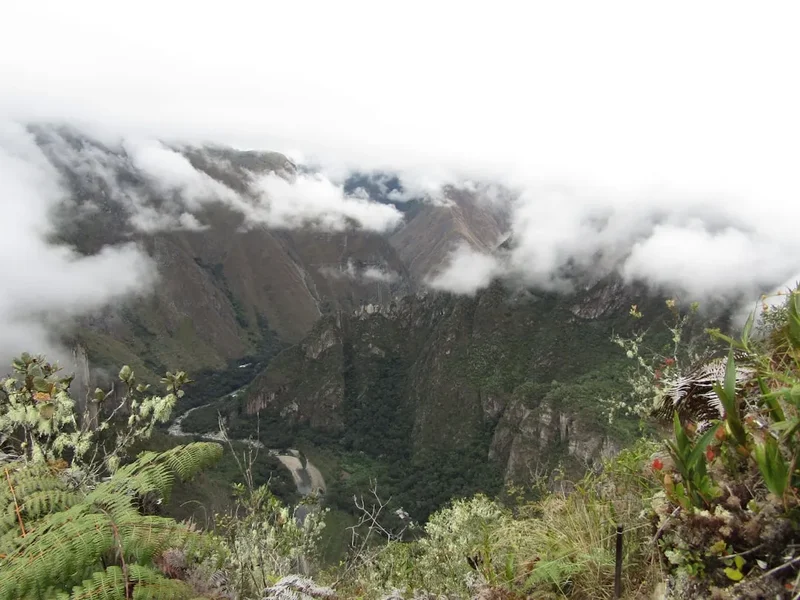
3-Day Sondondo Valley Trail Itinerary
Day 1: Nazca to Sondondo Village (Trailhead) to First Campsite/Homestay
- Distance: Approx. 10 km (walking portion)
- Elevation gain: Approx. 800 m
- Time: 4–5 hours (walking) + 2 hours (transport)
- Morning: Travel from Nazca to Sondondo Village by taxi or colectivo (approx. 2 hours).
- Register at the community office in Sondondo Village.
- Begin trek from Sondondo Village, ascending through arid landscapes and small agricultural terraces.
- Pass through traditional hamlets, observing local life.
- The trail gradually climbs, offering initial views of the valley.
- Set up camp at a designated spot or arrange a homestay in a village along the route.
- Evening: Acclimatise to the altitude, enjoy a traditional meal if staying in a homestay.
Day 2: Campsite/Homestay to High Altitude Puna Camp
- Distance: Approx. 15 km
- Elevation gain: Approx. 1200 m
- Time: 6–7 hours
- Continue ascending through increasingly rugged terrain.
- The landscape transitions to high-altitude puna grassland.
- Observe vicuñas and other high-altitude wildlife.
- Pass through remote shepherd settlements.
- The trail may involve some steeper sections and potentially rougher ground.
- Reach a high-altitude camping location, offering expansive views of the surrounding peaks.
- Evening: Prepare for a cold night; enjoy the vast, star-filled sky.
Day 3: High Altitude Puna Camp to Sondondo Village (or further descent)
- Distance: Approx. 20 km
- Elevation loss: Approx. 1500 m
- Time: 7–8 hours
- Begin the descent, retracing some of the route or taking a slightly different path.
- Enjoy final views of the Sondondo Valley and the Andean peaks.
- The descent can be steep and requires careful footing.
- Pass through different microclimates as you lose altitude.
- Arrive back in Sondondo Village by late afternoon.
- Option to arrange transport back to Nazca from Sondondo Village.
Alternative 4-Day Itinerary:
- Day 1: Nazca to Sondondo Village to first village campsite/homestay.
- Day 2: First village to a higher campsite, focusing on acclimatisation and exploring side valleys.
- Day 3: High camp to a more remote section of the valley, potentially reaching a higher pass.
- Day 4: Descend from the remote section back to Sondondo Village.
Important Notes:
- This itinerary is a guideline; flexibility is key due to weather and personal acclimatisation.
- Acclimatisation in Nazca or a higher altitude town before starting is highly recommended.
- Water sources can be scarce at higher altitudes; carry sufficient water or purification methods.
- Homestays are basic and require prior arrangement through local guides or community contacts.
- Camping requires full self-sufficiency.
Planning and Bookings
Book Your Trip
Everything you need to plan your journey
Accommodation
Find places to stay near Nazca
Flights
Search flights to Nazca
Essential Preparation
The Sondondo Valley Trail is a remote trek requiring thorough preparation. Given its challenging nature and limited infrastructure, it is strongly advised to engage a local guide or trekking agency based in Nazca or Ayacucho. These guides possess invaluable knowledge of the terrain, weather patterns, local customs, and can arrange essential logistics such as transport, accommodation (homestays), and potentially pack animal support. Acclimatisation is paramount; spend at least 2-3 days in Nazca (altitude approx. 500 m) or a higher town like Arequipa (altitude approx. 2,300 m) before commencing the trek to mitigate the risks of altitude sickness. Ensure you have adequate travel insurance that covers trekking at high altitudes and potential medical evacuation.
Nazca is the primary gateway city. It has basic tourist facilities, including hotels, restaurants, and tour operators. Transport to Sondondo Village is typically via shared taxi ('colectivo') or private hire, often requiring a 4x4 vehicle due to the unpaved and rough nature of the road. It is advisable to confirm road conditions and transport availability in advance, especially during the wet season.
Trail Accommodation
Accommodation along the Sondondo Valley Trail is rudimentary and largely consists of camping or basic homestays in local villages. There are no formal huts or lodges.
Camping:
- Availability: Available throughout the trail, particularly in designated areas near villages or in suitable flat spots in the puna.
- Facilities: None. Campers must be entirely self-sufficient, carrying all necessary gear, food, and water.
- What's NOT provided: Shelters, toilets, running water, cooking facilities, or any amenities.
- Seasonal Availability: Best during the dry season (May-September). Camping in the wet season is highly discouraged due to weather risks.
- Costs: No direct cost for camping itself, but associated costs include guide fees, transport, and food.
Homestays:
- Availability: Limited to villages along the lower and middle sections of the trail. Must be arranged in advance, typically through a local guide or community contact.
- Facilities: Basic rooms, often with shared sleeping spaces. May include simple meals (breakfast, dinner). Toilet facilities are usually rudimentary, often pit latrines.
- What's NOT provided: Private bathrooms, hot showers, electricity, modern amenities, or extensive privacy.
- Seasonal Availability: Available year-round, but comfort levels are highest during the dry season.
- Costs: Typically range from US$15-30 per person per night, often including a simple meal.
This is a remote trek requiring no overnight accommodation in the traditional sense of established lodges or campsites. Walkers must be prepared for camping or arranging basic homestays.
Required Gear
- Sturdy, broken-in hiking boots with good ankle support.
- Waterproof and breathable hiking trousers.
- Moisture-wicking base layers (merino wool or synthetic).
- Insulating mid-layers (fleece or down jacket).
- Warm, waterproof, and windproof outer jacket.
- Warm hat (beanie) and gloves.
- Sun hat with a wide brim for sun protection.
- High-quality sleeping bag rated to at least -10°C (for cold nights at altitude).
- Sleeping mat (inflatable or foam) for insulation and comfort.
- Backpack (50-70 litres) with a rain cover.
- Head torch with spare batteries.
- First-aid kit including blister treatment, pain relievers, antiseptic wipes, and personal medications.
- Sunscreen (SPF 50+).
- Sunglasses.
- Trekking poles (highly recommended for ascents and descents).
- Water bottles or hydration reservoir (minimum 3-litre capacity).
- Water purification tablets or filter.
- Navigation tools: Map of the area, compass, and GPS device or smartphone with offline maps.
What to Bring
- Food for the duration of the trek (high-energy, non-perishable items).
- Snacks (nuts, dried fruit, energy bars).
- Toiletries: Biodegradable soap, toothbrush, toothpaste, toilet paper, hand sanitiser.
- Quick-drying towel.
- Camera and spare batteries/power bank.
- Personal identification and copies of important documents.
- Small amount of local currency (Peruvian Soles) for village purchases or tips.
- Duct tape and repair kit for gear.
- Book or journal for downtime.
- Plastic bags for waste disposal.
- Insect repellent (though less of an issue at high altitudes).
Permits
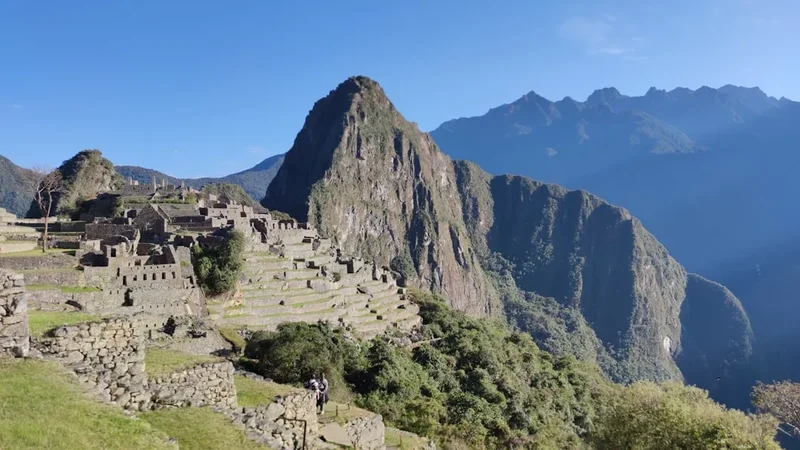
The Sondondo Valley Trail does not require formal permits in the same way as some of Peru's more regulated national parks or Inca trails. However, it is essential to register your trek with the local community authorities in Sondondo Village at the start of your journey. This is a customary practice to inform the community of your presence and intentions, ensuring your safety and respecting local protocols. Your guide will typically handle this registration process.
Community Registration:
- Location: Sondondo Village community office.
- Requirement: Mandatory for all trekkers.
- Purpose: Safety, local oversight, and community relations.
- Cost: Usually a nominal fee or a small donation to the community fund.
National Park Fees: The Sondondo Valley is not within a designated national park that charges entry fees for this specific route. However, if your travel plans involve other protected areas in Peru, be aware that separate permits and fees may apply.
Guides and Agencies: While not a permit, hiring a local guide is highly recommended and often a de facto requirement for navigating the remote terrain and understanding local customs. Reputable trekking agencies operating out of Nazca or Ayacucho will include registration and guide services in their package pricing.
Booking: It is advisable to book your guide and transport to Sondondo Village at least a few weeks in advance, especially if travelling during the peak dry season (June-August).
Other Activities in the Area
While the Sondondo Valley Trail is the primary draw, the region around Nazca and the adjacent highlands offers several other compelling activities:
- Nazca Lines: The world-famous geoglyphs etched into the desert floor are a must-see. Take a scenic flight for the best perspective on these ancient mysteries.
- Cahuachi: Explore the ruins of the ancient Nazca capital, a significant ceremonial and administrative centre of the Nazca culture.
- Chauchilla Cemetery: Visit an ancient burial ground where well-preserved mummies and Nazca pottery can be seen in situ.
- Arequipa and the Colca Canyon: If time permits, extend your trip to the "White City" of Arequipa and trek or visit the Colca Canyon, one of the world's deepest canyons, famous for its condor sightings.
- Andean Villages: Explore other remote villages in the highlands surrounding Nazca, experiencing different facets of rural Andean life and culture.
- Stargazing: The clear, unpolluted skies of the high desert offer exceptional opportunities for stargazing.
Safety and Conditions
Altitude Sickness (Soroche): This is the most significant risk on the Sondondo Valley Trail. Symptoms can include headache, nausea, dizziness, and fatigue. Prevention is key: acclimatise gradually, stay hydrated, avoid alcohol and heavy meals, and consider consulting your doctor about altitude medication (e.g., Diamox). If symptoms worsen, descend immediately.
Terrain: The trail involves steep ascents and descents, loose scree, and uneven ground. Trekking poles are highly recommended to aid stability and reduce strain on knees. Be mindful of your footing at all times.
Weather: While the dry season offers generally stable weather, conditions can change rapidly in the mountains. Be prepared for strong winds, sudden temperature drops, and occasional rain or hail, even during the dry months. Hypothermia is a risk at high altitudes.
Water: Water sources can be scarce, especially at higher elevations. Always carry sufficient water and use a reliable purification method (filter or tablets) for any water collected from streams or springs.
Remoteness: The Sondondo Valley is remote, with limited access to emergency services. Mobile phone reception is unreliable or non-existent for most of the trek. A satellite communication device (e.g., Personal Locator Beacon - PLB) is strongly advised for emergencies.
Guides: Hiring a local, experienced guide is crucial for safety. They are familiar with the terrain, weather, and can assist in case of emergencies. Ensure your guide is reputable and has appropriate first-aid training.
Livestock: You may encounter herders and their livestock. Maintain a respectful distance and do not disturb the animals.
Travel Insurance: Comprehensive travel insurance that covers high-altitude trekking and emergency medical evacuation is essential.
Side Trips and Points of Interest
Sondondo Village: The starting point of the trek, Sondondo Village itself is a point of interest. It offers a glimpse into traditional Andean life, with its adobe houses, agricultural terraces, and the rhythm of daily activities. Engaging with the local community (respectfully) can be a rewarding experience.
Ancient Terraces: Throughout the lower and middle sections of the valley, you will encounter extensive agricultural terraces, some dating back centuries. These are a testament to the ingenuity of ancient peoples in adapting to the challenging mountain environment.
High-Altitude Puna: The expansive puna grasslands are a unique ecosystem. Keep an eye out for native wildlife such as vicuñas (a relative of the llama and alpaca, known for its fine wool), vizcachas (rodents resembling rabbits), and a variety of high-altitude birds. Condors may also be spotted soaring on thermals.
Shepherd Huts: In the higher reaches, you may pass small, rudimentary stone shelters used by local shepherds. These offer a sense of the harsh but enduring lifestyle of those who tend livestock in these remote areas.
Panoramic Viewpoints: Numerous points along the trail offer breathtaking panoramic views of the Sondondo Valley, the surrounding mountain ranges, and distant snow-capped peaks. These vistas are particularly stunning during sunrise and sunset.
Leave No Trace
The Sondondo Valley is a pristine environment, and it is crucial for all trekkers to adhere to Leave No Trace principles to preserve its natural beauty and cultural integrity for future generations. This region, while not a formal national park, is the ancestral homeland of local communities, and its delicate ecosystems are easily impacted.
Plan Ahead and Prepare: Research the trail, understand its challenges, and prepare adequately. Engage local guides who understand and practice LNT principles.
Travel and Camp on Durable Surfaces: Stick to established trails where they exist. When camping, choose established sites or durable surfaces like rock or dry grass, away from water sources and vegetation.
Dispose of Waste Properly: Pack out everything you pack in, including all food scraps, wrappers, and toilet paper. Use designated toilet facilities in villages or dig catholes at least 60 metres away from water, camp, and trails. Pack out all human waste if no facilities are available.
Leave What You Find: Do not remove plants, rocks, or cultural artefacts. Take only photographs and memories.
Minimise Campfire Impacts: Campfires are generally not recommended or permitted due to the risk of wildfires and the scarcity of firewood in high-altitude environments. Use a lightweight stove for cooking.
Respect Wildlife: Observe wildlife from a distance. Never feed animals, as it can disrupt their natural behaviours and diets. Store food securely to prevent attracting animals.
Be Considerate of Other Visitors: While the Sondondo Valley is remote, you may encounter local villagers or other trekkers. Maintain a respectful distance, keep noise levels low, and be mindful of local customs and privacy.