
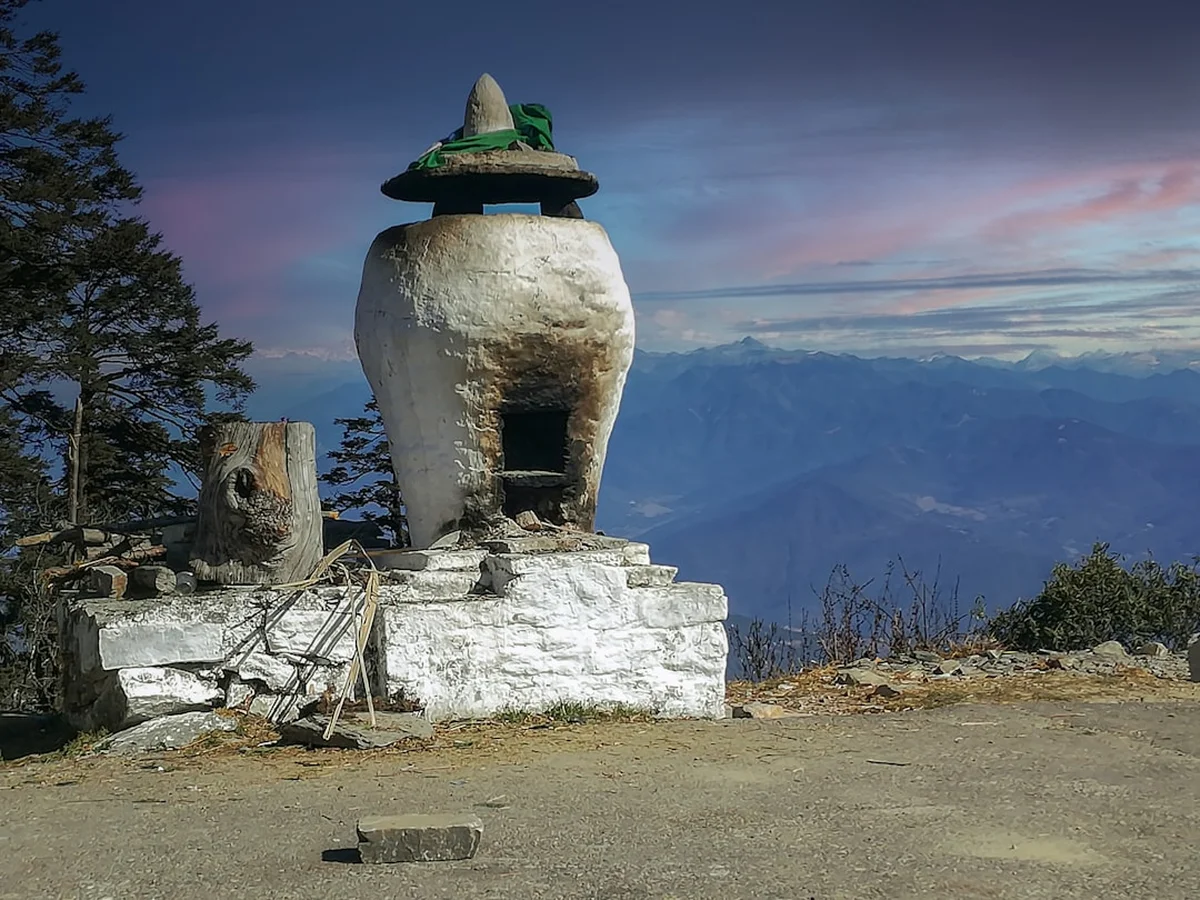
Snowman Trek - The Ultimate Himalayan Odyssey
The Snowman Trek is widely considered the most difficult and rewarding high-altitude trek on the planet. Spanning approximately 340 kilometres across the spine of the Bhutanese Himalayas, this 25-to-30-day expedition is a test of physical endurance, mental fortitude, and logistical precision. Categorised as a remote wilderness trek, it traverses the isolated Lunana region, crossing 11 high-altitude passes—several of which exceed 5,000 metres—and skirting the base of some of the world's highest unclimbed peaks, including Gangkhar Puensum. Unlike more commercialised routes in neighbouring countries, the Snowman Trek offers a profound sense of isolation, taking walkers through ancient villages where the way of life has remained unchanged for centuries. This is not merely a hike; it is a full-scale expedition into the "Last Shangri-La," requiring a mandatory support team of guides, cooks, and horsemen to navigate the treacherous terrain and unpredictable weather of the high Bhutanese frontier.
- Distance: 340.0 km (approximate, depending on route variations)
- Duration: 25–30 days
- Season: October (the primary window; late April to May is a secondary, riskier option)
- Accommodation: Wilderness camping (mandatory organised trek)
- Highest point: Rinchen Zoe La (5,320 m)
- Total Elevation Gain: 14,500 m
- Difficulty: Very Challenging (Extreme altitude and duration)
- Direction: West to East (Paro to Sephu/Nikachu)
Overview
The Snowman Trek is the "Holy Grail" for serious mountain trekkers. While the Everest Base Camp or Annapurna Circuit treks are measured in days, the Snowman is measured in weeks. It is an extension of the beautiful Jomolhari Trek, pushing further into the most remote corners of the Kingdom of Bhutan. The route follows the border between Bhutan and Tibet, traversing the northern reaches of the country where the mountains are highest and the human footprint is lightest. The landscape is a dramatic tapestry of turquoise glacial lakes, jagged granite spires, and vast, high-altitude meadows where the rare Blue Poppy—Bhutan’s national flower—blooms in the brief summer window.
The primary challenge of the Snowman Trek is not just the steepness of the climbs, but the sustained time spent at extreme altitude. For nearly three weeks, trekkers rarely descend below 4,000 metres. This requires exceptional acclimatisation and a slow, steady pace. The weather is the ultimate arbiter of success; even in the peak month of October, sudden snowstorms can block the high passes, forcing expeditions to turn back or wait for days in remote camps. It is estimated that fewer than half of the people who start the Snowman Trek actually finish the entire route, often due to weather-related pass closures or altitude-related health issues.
Culturally, the trek provides an unparalleled window into the Lunana region. The people of Lunana are semi-nomadic yak herders who live in some of the highest inhabited villages on Earth, such as Thanza and Lhedi. Because there are no roads and the passes are snowbound for half the year, these communities are among the most isolated in the world. Walking through these stone-walled villages, where yaks are the primary source of wealth and Buddhist prayer flags flutter against a backdrop of 7,000-metre peaks, is a transformative experience that feels like stepping back in time. The trek is a masterclass in remote wilderness travel, demanding respect for the environment and the local traditions that have preserved this landscape for millennia.
History and Cultural Context
The history of the Snowman Trek is inextricably linked to the history of Bhutan itself—a kingdom that remained largely closed to the outside world until the 1970s. The paths used by the trek are ancient trade and migration routes used by the Layap and Lunap people. For centuries, these high-altitude dwellers have moved their yak herds between summer and winter pastures and traded salt, wool, and meat for grains and manufactured goods from the lower valleys. The route was never designed for recreation; it was a lifeline for survival in one of the harshest environments inhabited by humans.
Bhutan officially opened to tourism in 1974, but the Snowman Trek remained a legendary, almost mythical route known only to a handful of explorers and elite mountaineers. It wasn't until the 1980s that organised commercial expeditions began to attempt the full traverse. The trek's name is derived from the "Yeti" or "Migoi" of Bhutanese folklore—the "Abominable Snowman" that is said to inhabit the high, desolate reaches of the Himalayas. While no scientific evidence of the Yeti exists, the local people hold a deep spiritual belief in the mountain deities and protectors that reside in the peaks. Many of the mountains along the route, such as Jomolhari (the "Bride of Kangchenjunga"), are considered sacred and are forbidden to be climbed, which is why Bhutan is home to the world's highest unclimbed peaks.
Today, the trek is managed under Bhutan’s "High Value, Low Volume" tourism policy. This policy ensures that the environmental and cultural impact of trekking is minimised. Every trekker must be part of an organised group with a licensed Bhutanese operator, contributing to the Sustainable Development Fee (SDF) which funds free healthcare, education, and environmental conservation within the kingdom. This unique approach to tourism has allowed the Snowman Trek to remain pristine, avoiding the overcrowding and environmental degradation seen in other parts of the Himalayas.
Want more background? Read extended notes on history and cultural context → Learn more
Seasonal Highlights and Weather Reality
The window for successfully completing the Snowman Trek is incredibly narrow. Unlike other Himalayan treks that have long spring and autumn seasons, the Snowman is heavily dictated by the timing of the monsoon and the arrival of winter snows.
October (The Primary Window): This is the best time to attempt the trek. The monsoon rains usually subside by late September, leaving the atmosphere washed clean and the skies crystal clear. The views of the high peaks are at their most spectacular during this month. However, the window is short; by late October, the temperatures at high camp drop significantly, and the risk of early winter snowstorms increases. If the passes (particularly the Rinchen Zoe La) become blocked by snow, the trek cannot be completed.
April to May (The Secondary Window): This is the pre-monsoon season. While the weather is warmer and the rhododendrons are in spectacular bloom in the lower valleys, the high passes often still hold a significant amount of winter snow. This can make the trail difficult to find and the walking much more strenuous. Additionally, as May progresses, the clouds of the approaching monsoon begin to build, often obscuring the mountain views in the afternoons.
June to September (Monsoon): Trekking is not recommended during this time. The Lunana region receives heavy rainfall, making the trails muddy and treacherous. Leeches are a significant nuisance in the lower forest sections, and the high peaks are almost constantly shrouded in cloud. More importantly, the risk of landslides and swollen river crossings makes the trek dangerous.
November to March (Winter): The Snowman Trek is impossible during the winter months. The high passes are buried under several metres of snow, and temperatures at night can drop to -30°C or lower. The villages of Lunana become effectively cut off from the rest of the country, and even the local yak herders move to lower elevations.
Recommended Itinerary
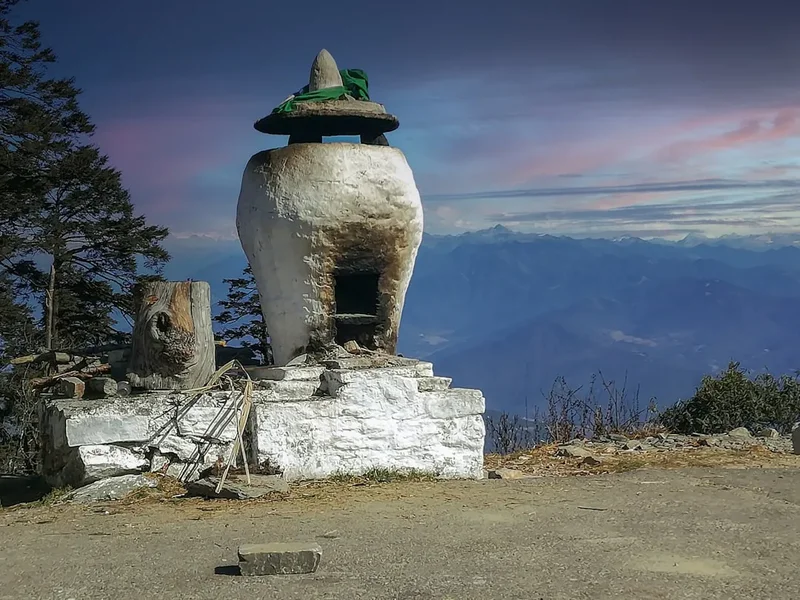
25-Day Snowman Trek Itinerary
Day 1: Drukgyel Dzong to Shana
- Distance: 17 km
- Elevation gain: 300 m
- Time: 5–6 hours
- Start at the ruins of Drukgyel Dzong (2,580 m)
- Follow the Pa Chhu (Paro River) through cultivated fields and tiny villages
- Enter the Jigme Dorji National Park
- Camp at Shana (2,850 m)
Day 2: Shana to Thangthangkha
- Distance: 20 km
- Elevation gain: 750 m
- Time: 7–8 hours
- A long day of gradual climbing through thick forests of oak, rhododendron, and pine
- The trail is often rocky and muddy
- First views of Mount Jomolhari if the weather is clear
- Camp at Thangthangkha (3,610 m)
Day 3: Thangthangkha to Jangothang
- Distance: 19 km
- Elevation gain: 470 m
- Time: 5–6 hours
- Pass a small army post and enter the high alpine zone
- The valley opens up, revealing spectacular views of Jomolhari and Jichu Drake
- Pass the village of Soe and its yak herder communities
- Camp at Jangothang (4,080 m), the base camp for Jomolhari
Day 4: Jangothang (Acclimatisation Day)
- Distance: Variable (4–6 km)
- Elevation gain: 400–600 m
- Time: 3–4 hours
- Crucial day for adjusting to the 4,000 m+ altitude
- Optional hike to the base of Jichu Drake or towards the Jomolhari glacier
- Excellent photography opportunities of the "Bride of Kangchenjunga"
Day 5: Jangothang to Lingshi
- Distance: 18 km
- Elevation: 810 m gain, 1,090 m loss
- Time: 6–7 hours
- Cross the first major pass: Nyele La (4,870 m)
- Spectacular views of the peaks to the north
- Descend to the remote Lingshi Dzong, a fortress perched on a ridge
- Camp at Lingshi (4,010 m)
Day 6: Lingshi to Chebisa
- Distance: 10 km
- Elevation: 280 m gain, 410 m loss
- Time: 4–5 hours
- A shorter, easier day to allow for recovery
- Pass through Lingshi village and Goyul village
- Arrive at the beautiful village of Chebisa, famous for its waterfall
- Camp at Chebisa (3,880 m)
Day 7: Chebisa to Shomuthang
- Distance: 17 km
- Elevation: 540 m gain, 420 m loss
- Time: 6–7 hours
- Cross Gombu La (4,440 m)
- Walk through high pastures where Blue Sheep are often spotted
- Descend into a valley of cedar and fir
- Camp at Shomuthang (4,220 m)
Day 8: Shomuthang to Robluthang
- Distance: 18 km
- Elevation: 700 m gain, 760 m loss
- Time: 7–8 hours
- Cross Jari La (4,750 m)
- Views of Kang Bum (6,526 m)
- Descend to Tsheri Jathang, a summer grazing ground for Takin (Bhutan's national animal)
- Camp at Robluthang (4,160 m)
Day 9: Robluthang to Limithang
- Distance: 19 km
- Elevation: 850 m gain, 870 m loss
- Time: 7–8 hours
- Cross the challenging Shingchen La (5,005 m)
- The first 5,000 m pass of the trek
- Views of the massive Tiger Mountain (Gangchentag)
- Camp at Limithang (4,140 m) by the river
Day 10: Limithang to Laya
- Distance: 10 km
- Elevation: 60 m gain, 340 m loss
- Time: 4–5 hours
- Walk through deep forest following the river
- Arrive at Laya (3,840 m), the highest permanent village in Bhutan
- The Laya people have unique dress and customs
- Camp at Laya
Day 11: Laya (Rest and Cultural Day)
- Distance: 0 km
- Rest day to wash clothes and explore the village
- Visit the local school and monastery
- Observe the unique conical bamboo hats worn by Laya women
- Prepare for the remote Lunana section ahead
Day 12: Laya to Rodophu
- Distance: 19 km
- Elevation gain: 1,030 m
- Time: 7–8 hours
- The start of the true Snowman section
- Steady climb through forest and then alpine meadows
- Camp at Rodophu (4,160 m) near the Tende Chhu river
Day 13: Rodophu to Narethang
- Distance: 17 km
- Elevation gain: 740 m
- Time: 5–6 hours
- Cross Tsomo La (4,900 m)
- Views of the Lunana peaks and the distant Tibetan plateau
- Camp at Narethang (4,900 m), a high and cold campsite
Day 14: Narethang to Tarina
- Distance: 18 km
- Elevation: 320 m gain, 1,200 m loss
- Time: 6–7 hours
- Cross Karakachu La (5,020 m)
- Spectacular views of Masang Gang and Tsenda Gang
- Long descent into the Tarina valley, filled with glacial lakes
- Camp at Tarina (3,900 m)
Day 15: Tarina to Woche
- Distance: 17 km
- Elevation: 270 m gain, 330 m loss
- Time: 6–7 hours
- Walk through a beautiful valley of conifers and waterfalls
- Pass through the first village of the Lunana region: Woche
- Camp at Woche (3,910 m)
Day 16: Woche to Lhedi
- Distance: 17 km
- Elevation: 540 m gain, 750 m loss
- Time: 6–7 hours
- Cross Keche La (4,650 m)
- Views of the Table Mountain (Zongophu Gang)
- Descend to Lhedi village along the Pho Chhu river
- Camp at Lhedi (3,700 m)
Day 17: Lhedi to Thanza
- Distance: 17 km
- Elevation gain: 450 m
- Time: 6–7 hours
- Follow the river through the heart of Lunana
- Pass the village of Chozo with its ancient Dzong
- Arrive at Thanza (4,150 m), the most remote village on the trek
- Camp at Thanza
Day 18: Thanza (Rest and Logistics Day)
- Distance: 0 km
- Crucial rest day before the highest passes
- The horse team from Laya often returns here, and new yaks/horses from Lunana are hired
- Explore the glacial lakes above the village
Day 19: Thanza to Danji
- Distance: 8 km
- Elevation gain: 450 m
- Time: 3–4 hours
- A short but steep climb to gain altitude
- Camp at Danji (4,600 m) with views back over Thanza
Day 20: Danji to Tsho Chena
- Distance: 12 km
- Elevation: 640 m gain, 300 m loss
- Time: 5–6 hours
- Cross Jaze La (5,150 m)
- Descend to the beautiful green lake of Tsho Chena
- Camp at Tsho Chena (4,900 m)
Day 21: Tsho Chena to Jichu Dramo
- Distance: 14 km
- Elevation: 430 m gain, 400 m loss
- Time: 4–5 hours
- Cross Loju La (5,140 m)
- Walk through high, desolate tundra
- Camp at Jichu Dramo (5,050 m), the highest camp on the trek
Day 22: Jichu Dramo to Chukarpo
- Distance: 18 km
- Elevation: 270 m gain, 720 m loss
- Time: 7–8 hours
- Cross the highest point of the trek: Rinchen Zoe La (5,320 m)
- Stunning 360-degree views of the Bhutanese Himalayas
- Long descent into a rocky valley
- Camp at Chukarpo (4,600 m)
Day 23: Chukarpo to Thampe Tsho
- Distance: 18 km
- Elevation: 400 m gain, 700 m loss
- Time: 7–8 hours
- Cross Thampe La (4,600 m)
- Descend to the turquoise lake of Thampe Tsho
- Camp at Thampe Tsho (4,300 m)
Day 24: Thampe Tsho to Maurothang
- Distance: 14 km
- Elevation loss: 690 m
- Time: 5 hours
- Steep descent back into the forest zone
- Follow the Nikachu river
- Camp at Maurothang (3,610 m)
Day 25: Maurothang to Sephu (Nikachu)
- Distance: 18 km
- Elevation loss: 900 m
- Time: 5–6 hours
- Final day of walking through bamboo and pine forest
- Reach the road head at Sephu/Nikachu
- Transfer by vehicle to Wangdue Phodrang or Thimphu
- End of trek
Planning and Bookings
Book Your Trip
Everything you need to plan your journey
Accommodation
Find places to stay near Paro
Flights
Search flights to Paro
Essential Preparation
The Snowman Trek is not a journey that can be undertaken on a whim. It requires months of physical training and logistical coordination. Because Bhutan does not allow independent trekking, you must book through a licensed Bhutanese tour operator. They will handle all logistics, including the visa, the Sustainable Development Fee (SDF), trekking permits, and the provision of a full support team. It is recommended to book at least 6–12 months in advance, especially for an October departure, as the best guides and equipment are in high demand.
Fitness is the most critical preparation. You should be in peak cardiovascular condition, with experience in multi-day trekking at high altitudes. Training should include long-distance hiking with a weighted pack, stair climbing, and strength training. Additionally, you must have a medical check-up to ensure your heart and lungs can handle sustained exertion at 5,000 metres. Mentally, you must be prepared for 25+ days of camping in cold, sometimes wet conditions, with no access to modern amenities.
Trail Accommodation
There are no huts, lodges, or tea houses on the Snowman Trek. Accommodation is exclusively in high-quality mountain tents provided by your trekking company. The support team will set up and take down the camp each day.
Camp Facilities:
- Sleeping tents (usually 2-person mountain tents for individual or shared use)
- Dining tent with tables and chairs
- Kitchen tent where the cook prepares all meals
- Toilet tent (a private tent over a dug pit)
- Thin foam mattresses are usually provided, but bringing your own inflatable mat (like a Therm-a-Rest) is highly recommended for insulation and comfort
What is NOT provided:
- Sleeping bags and pillows
- Personal towels or toiletries
- Electricity for charging devices (some companies provide solar chargers, but you should bring your own power banks)
- Heating in tents (it will be well below freezing at night)
Required Gear
- High-altitude mountaineering boots - waterproof, well-insulated, and thoroughly broken in
- Down jacket - rated for -20°C or lower
- Hard-shell waterproof jacket and trousers - Gore-Tex or equivalent
- Sleeping bag - 4-season rated (comfort rating of -15°C to -20°C)
- Trekking poles - essential for saving knees on the 14,500 m of elevation change
- Large duffel bag (80–100L) - for your gear to be carried by horses/yaks (must be waterproof or have a heavy-duty liner)
- Daypack (30–40L) - for carrying your daily essentials (water, layers, camera)
- Head torch - with several sets of spare lithium batteries (alkaline batteries fail in the cold)
- Personal medical kit - including Diamox (for altitude), antibiotics, and blister care
What to Bring
- Water purification - UV steriliser (SteriPEN) or purification tablets (boiled water is provided, but extra treatment is safer)
- High-calorie snacks - energy bars, nuts, dried fruit, and chocolate (trekking burns 4,000+ calories a day)
- Electrolyte powder - to aid hydration at altitude
- Sun protection - SPF 50+ sunscreen, lip balm with SPF, and Category 4 glacier sunglasses
- Thermal base layers - merino wool is best for odour control and warmth
- Power banks - high capacity (20,000mAh+) and solar chargers
- Biodegradable wet wipes - your primary method of "showering" for 25 days
- Hand sanitiser - to prevent gastrointestinal issues
- Books or Kindle - for long evenings in the dining tent
Permits
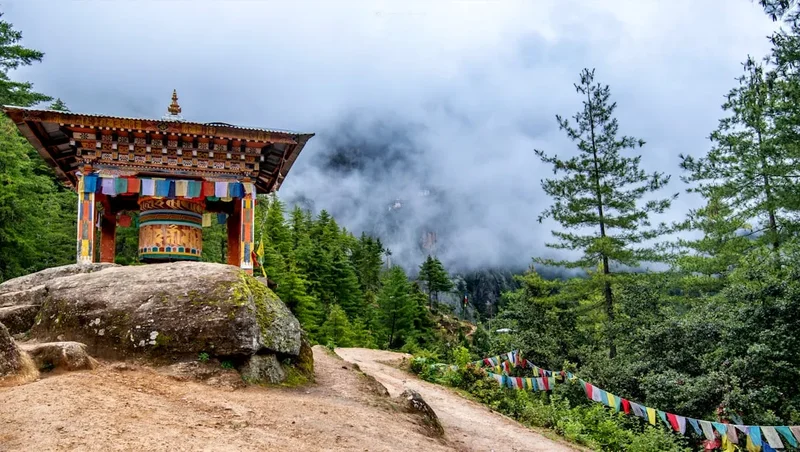
Permits for the Snowman Trek are integrated into the Bhutanese visa and tourism system. You cannot apply for these permits individually; your tour operator must facilitate the entire process through the Department of Tourism and the Ministry of Home and Cultural Affairs.
The Sustainable Development Fee (SDF): As of 2024, the SDF is US$100 per person, per night for most international tourists (with a 50% discount for children). For a 30-day trip, this fee alone is US$3,000. This fee is mandatory and is paid at the time of booking. It covers the "royalty" to the government and is separate from the costs of your guide, food, and transport.
Visa Process:
- Your tour operator will apply for your visa once full payment for the trip (including the SDF) has been received
- You will receive a visa clearance letter, which you must present at Paro International Airport to have the visa stamped in your passport
- The visa fee is currently US$40
Trekking Permits: Your operator will obtain the specific "Route Permit" required to enter the Jigme Dorji National Park and the restricted Lunana region. You must carry a copy of this permit (usually held by your guide) as there are several army checkpoints along the route, particularly near the Tibetan border.
Environmental Permits: A "Clean Bhutan" deposit is often required from the tour operator to ensure that all trash is packed out. You should ensure your operator follows strict environmental protocols.
Other Activities in the Area
Most Snowman Trek expeditions begin and end with a few days of cultural exploration in the Paro and Thimphu valleys:
- Tiger’s Nest (Paro Taktsang): The iconic monastery clinging to a cliff 900 metres above the Paro valley. This is the perfect acclimatisation hike (3,120 m) before starting the Snowman Trek.
- Kyichu Lhakhang: One of the oldest and most sacred temples in Bhutan, located in the Paro valley.
- Thimphu Sightseeing: Visit the Buddha Dordenma (a massive golden Buddha statue), the National Memorial Chorten, and the Motithang Takin Preserve to see Bhutan's national animal.
- Punakha Dzong: Often visited after the trek, this is arguably the most beautiful fortress in Bhutan, situated at the confluence of the Pho Chhu and Mo Chhu rivers.
- Traditional Hot Stone Baths: A perfect post-trek recovery activity. Large river stones are heated in a fire and dropped into a wooden tub filled with water and medicinal herbs.
Safety and Conditions
Altitude Sickness (AMS): This is the primary safety concern. The trek stays above 4,000 metres for the majority of its duration. It is essential to follow a "climb high, sleep low" philosophy and to communicate any symptoms (headache, nausea, dizziness) to your guide immediately. Most reputable operators carry a portable altitude chamber (Gamow bag) and supplemental oxygen for emergencies.
Emergency Evacuation: In the event of serious illness or injury, helicopter evacuation is the only option. Bhutan has a professional helicopter rescue service, but it is weather-dependent and extremely expensive (US$5,000–$10,000+). Comprehensive travel insurance that specifically covers helicopter evacuation at altitudes up to 6,000 metres is mandatory.
Weather Extremes: Even in October, temperatures can drop to -20°C at night. Hypothermia is a real risk if you get wet or are inadequately dressed. High winds on the passes can make walking difficult and increase the wind chill factor. Always keep your waterproofs and a warm layer in your daypack.
Remote Logistics: Once you enter the Lunana region, you are several days' walk from the nearest road or permanent medical facility. Your guide and support team are your lifeline. Ensure you choose an operator with a proven track record on the Snowman Trek and who provides a satellite phone for emergency communication.
Side Trips and Points of Interest
Gasa Tsachu (Hot Springs): If your route takes you through Gasa (a common variation or exit point), the natural hot springs are a legendary highlight. These springs are believed to have medicinal properties and are a popular pilgrimage site for Bhutanese people. Soaking in the hot water after weeks of trekking is an unforgettable reward.
Gangkhar Puensum Base Camp: Some itineraries include a detour towards the base of Gangkhar Puensum (7,570 m), the highest unclimbed mountain in the world. Because mountaineering is banned on sacred peaks, the area remains pristine and silent, offering a view of a mountain that has never been stood upon by humans.
Thanza Glacial Lakes: Above the village of Thanza lie several stunning glacial lakes, including Raphstreng Tsho and Thorthormi Tsho. These lakes are at the centre of climate change research in Bhutan, as the melting glaciers pose a risk of Glacial Lake Outburst Floods (GLOFs). Visiting them provides a sobering look at the fragility of the Himalayan ecosystem.
The Laya-Gasa Festival: If your trek coincides with this annual festival (usually in late October), you will see a vibrant display of Laya culture, including traditional wrestling, horse racing, and dances. It is a rare opportunity to see the community gathered in their finest traditional dress.
Leave No Trace
The Snowman Trek passes through some of the most pristine wilderness on Earth. Bhutan’s constitution mandates that at least 60% of the country remains under forest cover for all time, and the Snowman Trek is a flagship for this conservation effort. As a visitor, you have a profound responsibility to maintain this purity.
Leave No Trace Principles in Bhutan:
- Waste Management: Every piece of trash you generate must be packed out. This includes "micro-trash" like candy wrappers and cigarette butts. Your trekking team should carry out all group waste to the nearest road head.
- Human Waste: Use the toilet tents provided by your team. If you must go while on the trail, ensure you are at least 50 metres from any water source and bury waste in a "cathole" 15 cm deep.
- Water Protection: Do not use soap or detergent directly in streams or lakes. Even biodegradable soap can harm delicate alpine aquatic life. Carry water 20 metres away from the source for washing.
- Respect Wildlife: The trek passes through Snow Leopard and Blue Sheep habitat. Observe animals from a distance and never attempt to feed them.
- Cultural Respect: Always walk to the left of chortens (stupas) and prayer walls. Ask for permission before taking photos of people or inside monasteries. Never remove stones or artefacts from sacred sites.