
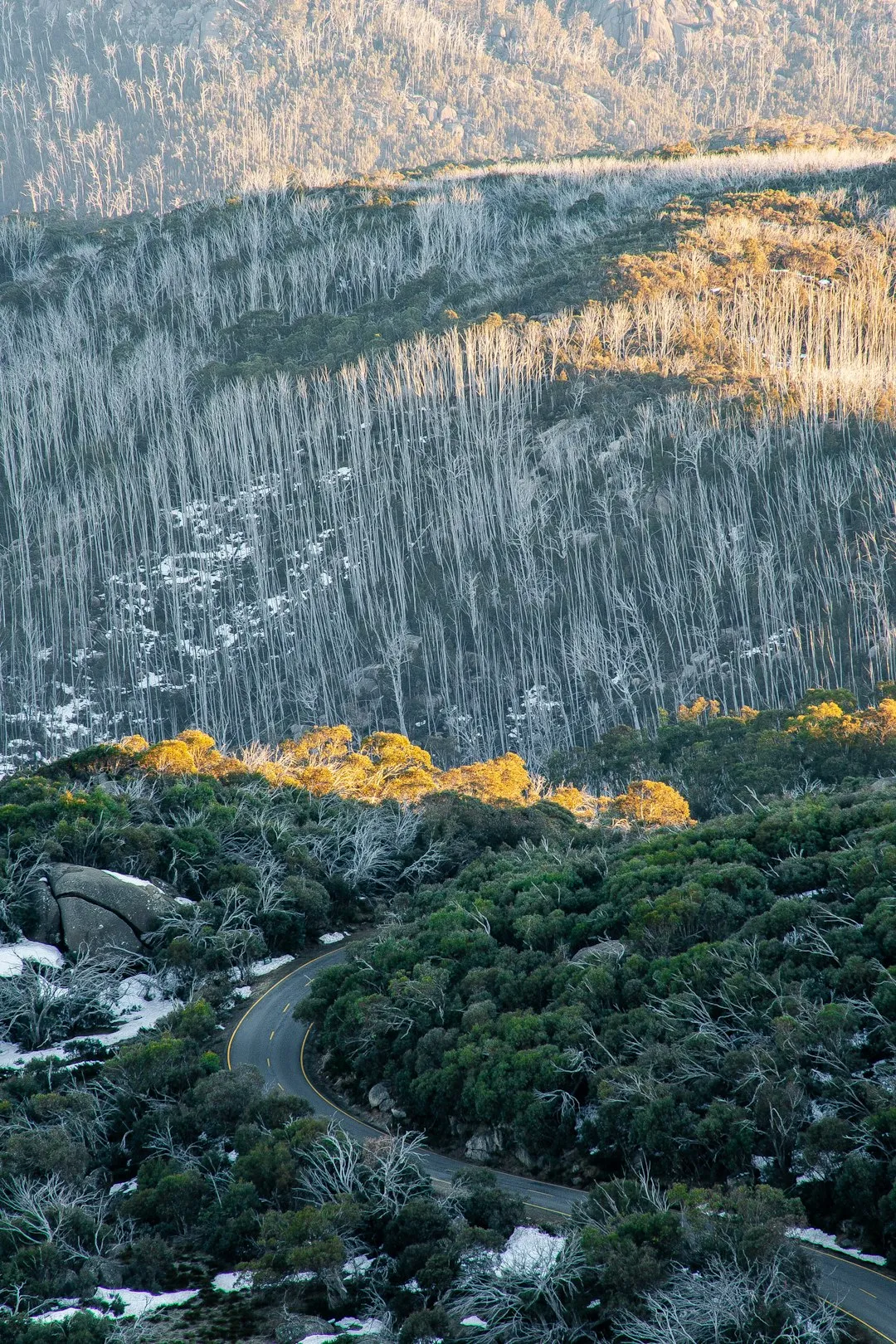
Snow Gums Boardwalk
The Snow Gums Boardwalk is a short, accessible, and highly rewarding day walk located in the heart of the Snowy Mountains National Park, New South Wales, Australia. This elevated boardwalk meanders through a unique alpine environment, showcasing the resilient snow gum woodlands and the delicate alpine flora that thrive in this high-altitude landscape. It offers a gentle introduction to the Australian Alps, providing stunning panoramic views and a chance to connect with nature without strenuous effort. Ideal for families, photographers, and those seeking a peaceful communion with the alpine wilderness, the boardwalk is a testament to the beauty and fragility of Australia's highest country.
- Distance: 2.4 km return
- Duration: 1 hour
- Season: Year-round, with spring and autumn offering the most pleasant conditions
- Closest City: Jindabyne
- Trailhead Access: Sealed road from Jindabyne, ample parking
- Permits: No permits or registration required
- Elevation Gain: Minimal (boardwalk is mostly flat)
- Difficulty: Easy
Overview
The Snow Gums Boardwalk is a meticulously constructed pathway designed to protect the sensitive alpine environment while providing an immersive experience for visitors. The walk begins at a well-appointed trailhead, immediately ascending onto the boardwalk, which elevates walkers above the fragile ground vegetation. This ensures that the delicate alpine meadows, often carpeted with wildflowers in spring and summer, remain undisturbed. The boardwalk itself is wide and gently graded, making it accessible for prams, wheelchairs, and those with limited mobility.
As you progress along the boardwalk, the landscape unfolds to reveal the characteristic snow gum (Eucalyptus pauciflora) woodlands. These hardy trees, with their distinctive white, peeling bark and gnarled forms, are perfectly adapted to the harsh alpine conditions, including snow cover for much of the year. The boardwalk winds through these woodlands, offering intimate views of the trees, their unique bark patterns, and the understory of hardy alpine shrubs and grasses. Interpretive signage along the route provides fascinating insights into the ecology, geology, and history of the Snowy Mountains region.
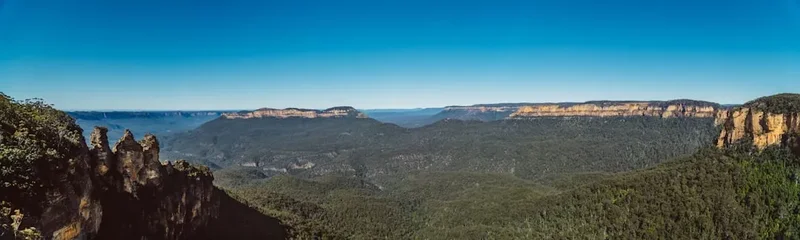
The highlight for many is the panoramic vista that opens up as the boardwalk reaches its highest point. Here, expansive views stretch across the rolling alpine plains, often dotted with the distinctive shapes of snow gums. On a clear day, you can see the distant peaks of the Main Range, including Mount Kosciuszko, Australia's highest mountain. The sense of scale and the vastness of the alpine landscape are truly captivating. The walk is designed to be a sensory experience; the crisp, clean mountain air, the subtle scent of eucalyptus, the calls of native birds, and the ever-changing light create a tranquil and invigorating atmosphere.
The boardwalk's design minimises environmental impact, allowing visitors to experience this unique ecosystem responsibly. It is a perfect example of how infrastructure can enhance, rather than detract from, the natural beauty of a sensitive area. Whether you visit in the vibrant bloom of spring, the golden hues of autumn, or the stark beauty of winter (when accessible), the Snow Gums Boardwalk offers a memorable and accessible encounter with the Australian Alps.
History and Cultural Context
The Snowy Mountains region, where the Snow Gums Boardwalk is situated, has a rich and layered history, stretching back tens of thousands of years. For millennia, this land was, and remains, the traditional country of the Ngarigo people, an Aboriginal group whose connection to the alpine environment is deeply ingrained in their culture and spirituality. The high country provided vital resources, including food, water, and materials, and was a significant area for seasonal gatherings and ceremonies. Evidence of their long occupation can be found in the form of stone tools and campsites, though the sensitive nature of the alpine environment means much of this heritage is carefully protected and managed.
European exploration and settlement of the Snowy Mountains began in the mid-19th century, driven by the pastoral industry. Squatters moved into the high country, establishing sheep runs and utilising the summer pastures. This period saw the development of rudimentary tracks and huts, many of which are now historic landmarks. The rugged terrain and harsh climate presented significant challenges, shaping the character of those who lived and worked here.
The early 20th century saw a growing appreciation for the natural beauty and recreational potential of the Snowy Mountains. Efforts began to conserve these unique landscapes, leading to the establishment of national parks. The Kosciuszko National Park, which encompasses the area of the Snow Gums Boardwalk, was proclaimed in 1944, consolidating earlier reserves and formalising protection for its natural and cultural heritage.
The construction of the Snowy Mountains Hydro-Electric Scheme in the mid-20th century had a profound impact on the region, bringing significant infrastructure development and a surge in population. While the scheme harnessed the power of the mountains' water resources, it also highlighted the need for careful environmental management and conservation. The development of ski resorts at Thredbo and Perisher further increased visitor numbers and the demand for accessible recreational opportunities.
The Snow Gums Boardwalk itself is a relatively modern addition, representing a commitment to sustainable tourism and environmental stewardship. Its design and construction reflect contemporary approaches to managing visitor impact in sensitive alpine ecosystems. By elevating walkers above the ground, the boardwalk allows people to experience the unique snow gum environment without causing damage to the fragile flora and fauna that depend on it. It serves as a bridge between the region's ancient Indigenous heritage, its pioneering European past, and its future as a protected natural landscape for all to enjoy.
Seasonal Highlights and Weather Reality
The Snowy Mountains region experiences distinct seasons, each offering a unique perspective on the Snow Gums Boardwalk and its surroundings. While the boardwalk is accessible year-round, the best times to visit depend on your preferences and tolerance for weather conditions.
Spring (September to November): This is a particularly beautiful time to visit. The snow begins to melt, revealing the vibrant alpine wildflowers that carpet the meadows. The air is fresh, and the days are gradually lengthening. Snow gums may still have patches of snow around their bases, creating a striking contrast with the emerging greenery. Temperatures are generally mild, though frosts are still common, especially at higher elevations. This season is ideal for photography and experiencing the awakening of the alpine landscape.
Summer (December to February): Summer offers the warmest temperatures and longest daylight hours. The alpine meadows are in full bloom, creating a spectacular display of colour. The boardwalk is fully accessible, and the weather is generally pleasant for walking. However, this is also the peak season for sandflies, which can be a nuisance. Afternoon thunderstorms are also common, so it's wise to be prepared for sudden changes in weather. The higher elevations can still be cool, so layers are recommended.
Autumn (March to May): Autumn is often considered the most spectacular season in the Snowy Mountains. The deciduous trees in the lower valleys turn brilliant shades of gold and red, while the alpine grasses take on a golden hue. The air becomes crisp and clear, offering excellent visibility and stunning photographic opportunities. The sandfly population significantly decreases, making it a more comfortable time for walking. Frosts become more frequent, and by late autumn, snow can begin to fall at higher elevations.
Winter (June to August): The Snowy Mountains transform into a winter wonderland during these months. The landscape is typically covered in a thick blanket of snow, and the Snow Gums Boardwalk may be partially or fully covered. Access to the trailhead can be affected by snow clearing operations on the roads. While the boardwalk itself might be less visible, the surrounding snow-covered landscape offers a stark and beautiful experience. This season is best suited for those who enjoy snow activities, but visitors should be prepared for very cold temperatures, strong winds, and potentially hazardous driving conditions. Snow chains may be required for vehicles.
Weather Reality: It is crucial to remember that alpine weather is notoriously unpredictable. Conditions can change rapidly at any time of year. Visitors should always check the forecast before heading out and be prepared for a range of conditions, including sun, wind, rain, and even snow, regardless of the season. Layering clothing is essential, and waterproof outer layers are highly recommended.
Recommended Itinerary
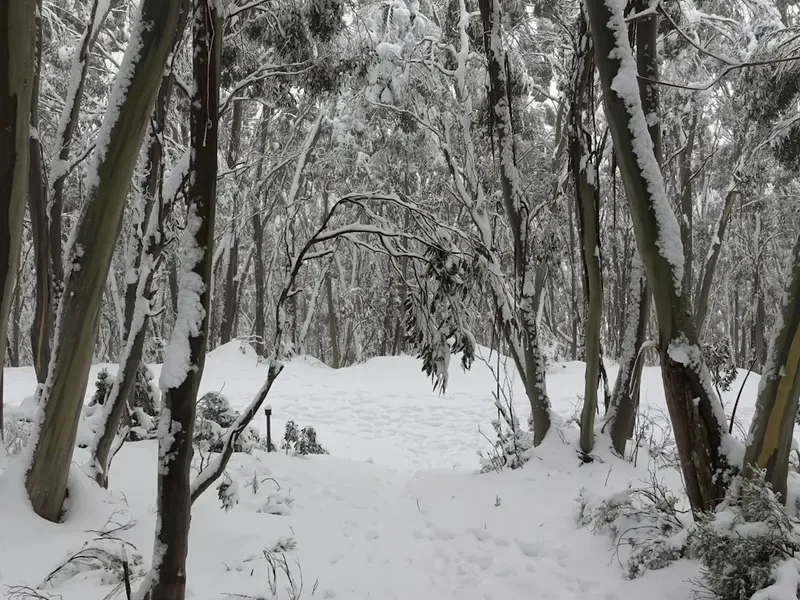
Snow Gums Boardwalk - Day Walk Itinerary
Early Morning (Approx. 9:00 AM):
- Depart from Jindabyne.
- Drive approximately 15 minutes along Kosciuszko Road towards Charlotte Pass.
- The road is sealed and well-maintained, offering scenic views as you ascend.
- Keep an eye out for wildlife such as kangaroos and wallabies.
Morning (Approx. 9:15 AM):
- Arrive at the Snow Gums Boardwalk trailhead.
- Ample parking is available at the trailhead.
- Take a moment to acclimatise to the cooler mountain air.
- Prepare your gear: ensure you have water, snacks, and appropriate clothing layers.
- Locate the trailhead signage and the start of the boardwalk.
Midday (Approx. 9:30 AM - 10:30 AM):
- Begin your walk along the Snow Gums Boardwalk.
- The boardwalk is elevated, protecting the fragile alpine environment.
- Enjoy the gentle incline and easy walking surface.
- Observe the unique snow gum trees and their distinctive bark.
- Read interpretive signs detailing the local flora, fauna, and geology.
- The walk is approximately 1.2 km to the main viewpoint.
- Reach the primary viewpoint offering panoramic vistas of the surrounding alpine landscape.
- Spend time taking photographs and soaking in the expansive views.
- Look for distant peaks, including potentially Mount Kosciuszko on a clear day.
Afternoon (Approx. 10:30 AM - 11:00 AM):
- Begin your return journey along the boardwalk.
- Reflect on the unique beauty of the alpine environment.
- Arrive back at the trailhead.
- Optional: Spend a little more time at the trailhead area, perhaps enjoying a snack or drink.
- Depart from the trailhead and drive back to Jindabyne.
Important Notes:
- This is a day walk; no overnight accommodation is required.
- The boardwalk is accessible year-round, but road conditions can vary in winter.
- Always check weather conditions before your visit.
- Carry sufficient water and snacks, as facilities are limited.
- Wear comfortable walking shoes and dress in layers.
- Respect the environment by staying on the boardwalk and not disturbing wildlife.
Planning and Bookings
Book Your Trip
Everything you need to plan your journey
Accommodation
Find places to stay near Jindabyne
Flights
Search flights to Jindabyne
Essential Preparation
The Snow Gums Boardwalk is a straightforward day walk, making preparation relatively simple. The closest major town and logistical hub is Jindabyne. Jindabyne offers a full range of services, including accommodation (from budget motels to self-contained apartments), supermarkets for purchasing supplies, outdoor gear shops, and various dining options. It is advisable to base yourself in Jindabyne for easy access to the trailhead.
Before departing Jindabyne, ensure you have checked the latest weather forecast for the Snowy Mountains. Alpine weather can change rapidly, and conditions can be significantly different at higher elevations compared to the town. Pack accordingly, with layers being key. The trailhead is easily accessible via a sealed road, and ample parking is available, meaning no complex transport arrangements are usually necessary for this specific walk.
Trail Accommodation
This is a day hike requiring no overnight accommodation. Visitors typically stay in Jindabyne or one of the nearby ski resorts (Thredbo, Perisher) if visiting during the ski season. Jindabyne offers a wide variety of accommodation options to suit different budgets and preferences.
Required Gear
- Comfortable walking shoes or hiking boots: Even though the boardwalk is easy, sturdy footwear is recommended for comfort and grip.
- Waterproof and windproof jacket: Essential for protection against sudden changes in alpine weather.
- Warm layers: Including a fleece or wool jumper, and a beanie. Temperatures can drop significantly, especially in the mornings and evenings, or if the wind picks up.
- Sun protection: Sunglasses, sunscreen (SPF 30+), and a wide-brimmed hat. The sun's rays are intense at higher altitudes, even on cloudy days.
- Insect repellent: Particularly important during warmer months (spring, summer, early autumn) to ward off sandflies.
- Small backpack: To carry water, snacks, and extra clothing layers.
- Camera: To capture the stunning alpine scenery.
What to Bring
- Water: Carry at least 1-2 litres per person, especially during warmer months.
- Snacks: High-energy snacks like trail mix, fruit, or energy bars are ideal.
- First-aid kit: A basic kit with plasters, antiseptic wipes, and pain relievers is always a good idea for any outdoor excursion.
- Map and compass (optional): While the boardwalk is well-marked and easy to follow, carrying a map of the area and knowing how to use a compass is good practice for any hike.
- Mobile phone: Ensure it is fully charged. While reception can be patchy in some areas, it may be available at the trailhead or viewpoint.
Permits
No specific permits or registration are required to access and walk the Snow Gums Boardwalk. The trailhead and parking area are part of Kosciuszko National Park, which is managed by the NSW National Parks and Wildlife Service (NPWS). Standard entry fees for national parks may apply if you are entering the park via a designated entry point, but for this specific boardwalk, direct access from Kosciuszko Road typically does not require a separate fee beyond general park access if applicable.
It is always advisable to check the official NSW National Parks and Wildlife Service website for any current alerts, closures, or changes to park access conditions before your visit. While this boardwalk is generally always open, unforeseen circumstances such as extreme weather events or maintenance work could temporarily affect access.
Key points regarding permits:
- No booking required: This is a day walk, and there are no restrictions on visitor numbers or times of access.
- No fees for the boardwalk itself: Entry to Kosciuszko National Park may incur fees depending on the access point and season, but the boardwalk is free to use.
- Check NPWS alerts: Always consult the NPWS website for the most up-to-date information on park conditions and any potential disruptions.
Other Activities in the Area
The Snowy Mountains region offers a wealth of activities beyond the Snow Gums Boardwalk, catering to a wide range of interests:
- Mount Kosciuszko Summit Walk: For a more challenging experience, undertake the walk to the summit of Australia's highest peak. This can be done from Charlotte Pass (longer, more strenuous) or via the chairlift from Thredbo (shorter, easier).
- Thredbo and Perisher Ski Resorts: During winter, these resorts offer world-class skiing and snowboarding. In summer, they provide access to hiking trails, mountain biking, and other activities.
- Charlotte Pass Village: A charming alpine village accessible by road (weather permitting). It offers a unique, car-free environment and access to further hiking trails.
- Lake Jindabyne: A hub for water sports including sailing, kayaking, fishing, and swimming. The foreshore area is also popular for walking and cycling.
- Alpine wildflowers: During spring and early summer, the alpine meadows are ablaze with colour. Numerous trails offer opportunities to witness this spectacular natural display.
- Scenic drives: Kosciuszko Road itself offers breathtaking views. Consider driving to Charlotte Pass or exploring other scenic routes in the park.
- Yarrangobilly Caves: Located within Kosciuszko National Park, these limestone caves offer guided tours and a thermal pool for swimming.
- Fishing: The rivers and lakes in the region are popular for trout fishing.
Safety and Conditions
Weather Preparedness: The most critical safety aspect for any visit to the Snowy Mountains is being prepared for the weather. Conditions can change rapidly and dramatically. Always check the MetService mountain forecast and NSW National Parks and Wildlife Service (NPWS) alerts before you leave Jindabyne. Be prepared for sun, wind, rain, and even snow, regardless of the season. Dress in layers, including waterproof and windproof outer garments, and wear sturdy footwear.
Altitude: The Snow Gums Boardwalk is at a significant altitude. While the walk itself is easy, some visitors may experience mild effects of altitude sickness, such as headaches or shortness of breath. Take it easy, stay hydrated, and avoid strenuous activity immediately upon arrival if you are not acclimatised.
Sandflies: During warmer months (spring, summer, early autumn), sandflies can be prevalent, particularly in damp or sheltered areas. They are small biting insects that can cause itchy welts. Wearing long sleeves and trousers, using insect repellent containing DEET or picaridin, and avoiding being stationary for long periods can help minimise discomfort.
Wildlife: While generally shy, native wildlife such as kangaroos, wallabies, and various bird species inhabit the area. Maintain a safe distance, do not feed the animals, and be aware of your surroundings, especially when driving. Kea, the native alpine parrot, are intelligent and curious but can be destructive; do not leave food unattended.
Trail Conditions: The Snow Gums Boardwalk is a well-maintained, elevated structure. It is generally safe and accessible. However, in winter, snow and ice can cover the boardwalk, making it slippery and potentially hazardous. Always assess conditions before proceeding. If the boardwalk is covered in snow or ice, it may be best to turn back or exercise extreme caution.
Emergency Contacts: In case of an emergency, dial Triple Zero (000). For park-specific information or non-life-threatening issues, contact the NSW National Parks and Wildlife Service or local police. Mobile phone reception can be unreliable in the park, so consider carrying a personal locator beacon (PLB) if venturing onto more remote trails.
Side Trips and Points of Interest
While the Snow Gums Boardwalk is a destination in itself, it serves as an excellent starting point for exploring other nearby attractions and points of interest within Kosciuszko National Park:
Main Range National Park: The area surrounding the boardwalk is part of the broader Main Range National Park, which includes Australia's highest peaks. The boardwalk offers a gentle introduction to this alpine environment, with more challenging hikes like the summit walk to Mount Kosciuszko accessible from nearby trailheads.
Charlotte Pass Lookout: A short drive from the boardwalk trailhead, Charlotte Pass offers spectacular views of the Main Range, including the iconic Mount Kosciuszko. It's a popular starting point for longer hikes and offers a different perspective on the alpine landscape.
Alpine Flora and Fauna: The boardwalk is an ideal location for observing the unique plant life adapted to the harsh alpine conditions. Look for hardy grasses, low-growing shrubs, and, in spring and summer, a dazzling array of wildflowers. Birdlife is also present, with various native species found in the snow gum woodlands.
Geological Formations: Interpretive signage along the boardwalk may explain the geological history of the Snowy Mountains, including the glacial processes that shaped the landscape over millennia. The rolling hills and broad valleys are characteristic of this ancient mountain range.
Photography Opportunities: The boardwalk provides excellent vantage points for photography. The contrast between the white bark of the snow gums, the green of the alpine vegetation, and the vast sky offers endless photographic possibilities. Sunrise and sunset can cast a beautiful golden light over the landscape.
Leave No Trace
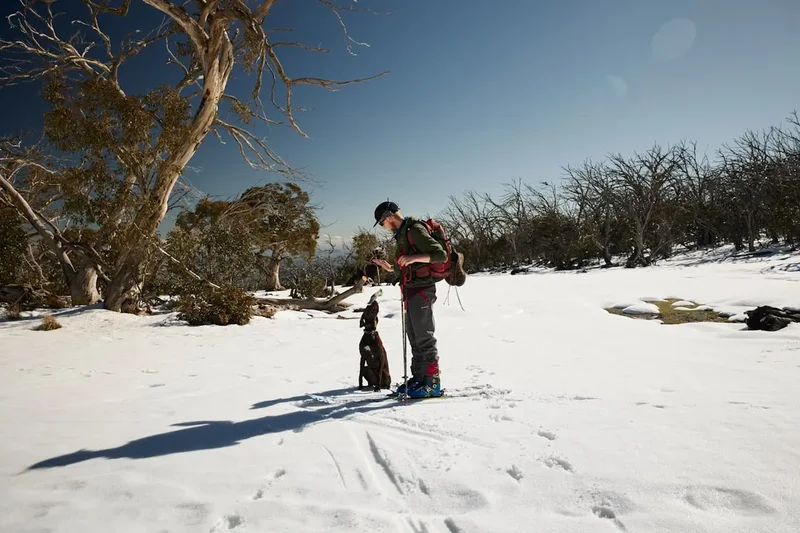
The Snow Gums Boardwalk traverses a fragile alpine ecosystem, and adhering to Leave No Trace principles is paramount to preserving its beauty and ecological integrity for future generations. The elevated boardwalk is a testament to the efforts made to protect the delicate ground vegetation, and it is essential that visitors respect this infrastructure and the environment it safeguards.
Stay on the Boardwalk: This is the most critical principle for this particular walk. The ground vegetation, including alpine wildflowers and mosses, is extremely slow-growing and easily damaged by foot traffic. Stepping off the boardwalk can cause irreparable harm. Stick strictly to the designated path.
Pack It In, Pack It Out: Carry out all rubbish, including food scraps, wrappers, and any other waste you generate. There are no bins along the boardwalk or at the trailhead. Plan to take all your waste back to Jindabyne or your accommodation for proper disposal.
Respect Wildlife: Observe native animals from a distance. Do not feed them, as this can disrupt their natural behaviours and diets, and can lead to them becoming habituated to humans, which can be detrimental to their survival. Be aware of your surroundings, especially when driving, as wildlife can be present on the roads.
Minimise Campfire Impacts: Campfires are generally not permitted in this area, and are certainly not relevant to a day walk like this. If you are visiting other parts of Kosciuszko National Park where campfires are allowed, use designated fire rings and ensure fires are completely extinguished.
Travel and Camp on Durable Surfaces: For this walk, the "durable surface" is the boardwalk itself. Avoid disturbing vegetation or soil outside of designated areas.
Leave What You Find: Do not take any natural souvenirs, such as rocks, plants, or flowers. Leave the area as you found it so that others can enjoy its natural state.
Be Considerate of Other Visitors: Keep noise levels down to allow everyone to enjoy the peace and tranquility of the alpine environment. Yield to others on the boardwalk if necessary, especially if one party needs to stop.
 Australia