
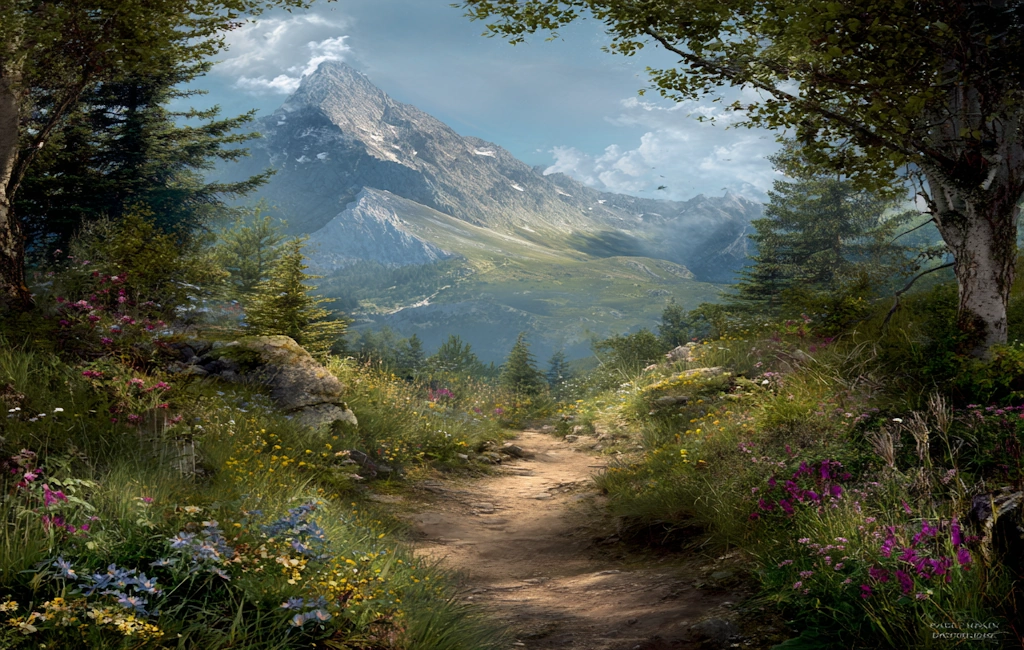
Sky Pond via Glacier Gorge Trail
The Sky Pond via Glacier Gorge Trail is a quintessential Rocky Mountain National Park (RMNP) day hike, offering a challenging yet immensely rewarding journey into the heart of the park's alpine wilderness. This trail is not for the faint of heart, demanding significant physical exertion and a good level of fitness. It winds its way through diverse ecosystems, from the fragrant pine forests of the lower elevations to the stark, breathtaking beauty of the alpine tundra, culminating at the stunning Sky Pond, nestled beneath the towering granite spires of the Continental Divide. Along the way, hikers will encounter a series of spectacular waterfalls, pristine alpine lakes, and dramatic glacial cirques, each offering a unique perspective on the raw power and artistry of nature.
This hike is a true immersion into the high-altitude environment of RMNP. The elevation gain is substantial, and the trail can be rugged and exposed in sections, particularly as you ascend towards the higher lakes. The reward for your efforts is unparalleled: panoramic views of jagged peaks, the serene beauty of alpine lakes reflecting the sky, and the profound sense of accomplishment that comes from conquering a challenging mountain trail. It's a journey that tests your endurance, rewards your perseverance, and leaves you with indelible memories of Colorado's majestic alpine landscapes.
- Distance: 14.0 km (round trip)
- Elevation Gain: 518 m
- Duration: 5-6 hours (allow extra time for photos and breaks)
- Difficulty: Challenging
- Best Time: July to September (summer/early fall)
- Trailhead: Glacier Gorge Trailhead, Rocky Mountain National Park, Colorado, USA
- Permits: Rocky Mountain National Park entrance pass required. Timed Entry Permit may be required during peak season.
- Accommodation: This is a day hike requiring no overnight accommodation.
Overview
The Sky Pond via Glacier Gorge Trail is a classic RMNP adventure, renowned for its dramatic scenery and challenging ascent. Starting from the popular Glacier Gorge Trailhead, the path immediately immerses you in a dense coniferous forest, with the sound of rushing water a constant companion. The initial section of the trail follows the Glacier Creek, leading you past Alberta Falls, a beautiful and easily accessible waterfall that serves as a popular stopping point for many visitors. Beyond Alberta Falls, the trail begins to climb more steeply, entering a more rugged and exposed terrain as it makes its way towards the upper reaches of the gorge.
As you gain elevation, the forest begins to thin, giving way to subalpine meadows and eventually the stark beauty of the alpine tundra. The trail passes by Loch Vale, a picturesque alpine lake that offers a moment of serene beauty before the final push to Sky Pond. The ascent from Loch Vale to Sky Pond is the most demanding part of the hike, involving a steep scramble up a rocky section known as the "climb" or "waterfall scramble," where you'll navigate alongside Timberline Falls. This section requires careful foot placement and can be challenging, especially in wet conditions. However, the effort is handsomely rewarded upon reaching Sky Pond, a magnificent alpine lake situated in a dramatic cirque, with the imposing Sharkstooth and Taylor Peak looming overhead.
The Glacier Gorge Trailhead is one of the most popular access points in Rocky Mountain National Park, and for good reason. It provides access to a network of trails leading to some of the park's most iconic destinations, including Sky Pond, Loch Vale, Mills Lake, and The Loch. Due to its popularity, the trailhead and parking lot can become extremely crowded, especially during the summer months and on weekends. Arriving early in the morning is highly recommended to secure parking and to experience the trail with fewer people. The park's shuttle system can also be a viable option for accessing the trailhead during peak season.
The trail's challenging nature means it is best suited for experienced hikers or those in good physical condition. The combination of distance, elevation gain, and the technical nature of the final ascent requires a solid level of fitness and preparedness. However, for those who are up to the challenge, the Sky Pond via Glacier Gorge Trail offers an unforgettable experience, showcasing the raw, untamed beauty of the Colorado Rockies.
History and Cultural Context
The landscape through which the Sky Pond via Glacier Gorge Trail passes has a rich history, shaped by both natural forces and human endeavour. For millennia, this region was the ancestral homeland of Indigenous peoples, including the Ute and Arapaho tribes. These lands provided sustenance and spiritual connection, and their trails, though often unwritten, were vital for hunting, gathering, and seasonal migrations. The dramatic glaciated valleys and towering peaks held deep cultural significance, often associated with powerful spirits and sacred places.
The modern era of exploration and development in this area began in the late 19th and early 20th centuries with the arrival of European-American settlers and the establishment of Rocky Mountain National Park. The Glacier Gorge area, with its stunning waterfalls and alpine lakes, quickly became a focal point for hikers and naturalists. Early trails were often rudimentary, carved out by prospectors, ranchers, and the nascent park service. The construction of the Glacier Gorge Trailhead and the network of trails leading to Sky Pond, Loch Vale, and other destinations were part of a broader effort to make the park's natural wonders accessible to the public.
The Civilian Conservation Corps (CCC) played a significant role in developing and improving many of the trails and facilities within Rocky Mountain National Park during the 1930s. Their work often involved building durable stone steps, bridges, and retaining walls, many of which are still in use today and contribute to the trail's character. These improvements not only enhanced the hiking experience but also helped to preserve the fragile alpine environment by directing foot traffic.
The establishment of Rocky Mountain National Park in 1915, championed by figures like Enos Mills, was a pivotal moment in preserving this landscape for future generations. The park's designation aimed to protect its unique ecosystems, including the alpine tundra, montane forests, and the abundant wildlife that inhabits them. The Sky Pond trail, therefore, represents not only a physical journey through a stunning natural environment but also a path through a landscape with a deep historical and cultural legacy, from its Indigenous roots to its preservation as a national treasure.
Seasonal Highlights and Weather Reality
The best time to hike the Sky Pond via Glacier Gorge Trail is during the summer and early autumn months, typically from July through September. During this period, the snow has generally melted from the higher elevations, making the trail accessible and the alpine lakes visible in their full glory.
Summer (July - August): This is the peak season for hiking in Rocky Mountain National Park. The weather is generally warm, with daytime temperatures in the alpine zone often ranging from 10°C to 20°C. Wildflowers are abundant in the meadows, adding vibrant colours to the landscape. However, summer also brings the highest chance of afternoon thunderstorms, which can be severe and dangerous at high altitudes. Hikers should always start their day early to avoid these storms and be prepared for rapidly changing weather conditions. The trail can be very crowded during this period.
Early Autumn (September): September often offers some of the most spectacular hiking conditions. The crowds begin to thin, the air is crisp and clear, and the aspen trees in the lower elevations turn brilliant shades of gold and yellow, creating a stunning contrast with the evergreen forests and the stark alpine peaks. Temperatures can be cooler, with frost possible in the mornings, but daytime highs are usually pleasant. Snowfall is possible later in the month, so checking conditions before heading out is crucial.
Late Autumn/Winter/Spring (October - June): These months are generally not recommended for this hike due to snow and ice. The trail, especially the upper sections and the scramble to Sky Pond, can be covered in deep snow and ice, making it treacherous and impassable without specialized winter mountaineering equipment and skills. Avalanche risk is also a significant concern during these periods. While experienced winter hikers might attempt parts of the trail, reaching Sky Pond is typically a summer or early autumn endeavour.
Weather Considerations: Regardless of the season, mountain weather is notoriously unpredictable. Hikers should always be prepared for a wide range of conditions, including sun, wind, rain, and even snow, sometimes all in the same day. Layering clothing is essential, and carrying waterproof and windproof outer layers is a must. Altitude sickness can also be a concern, so acclimatisation and hydration are important.
Recommended Itinerary
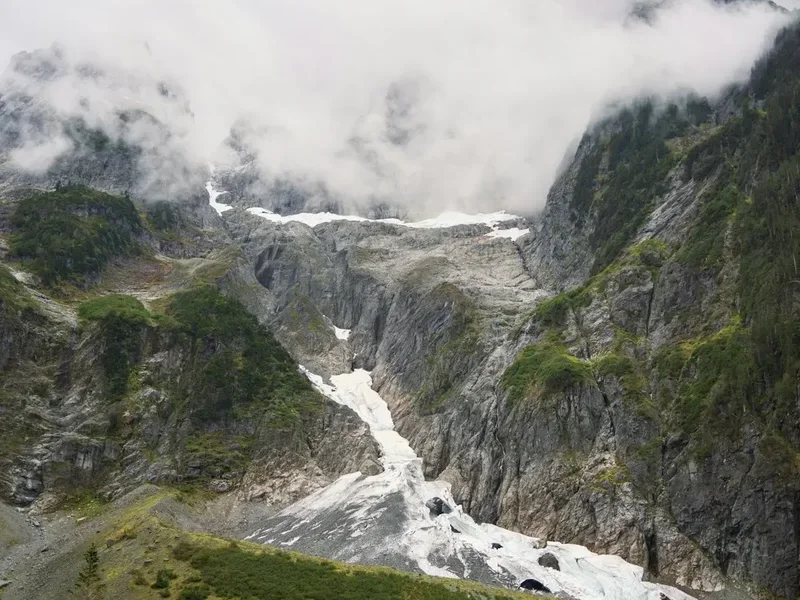
Sky Pond via Glacier Gorge - Day Hike Itinerary
Early Morning (Approx. 6:00 AM - 7:00 AM): Arrival and Trailhead Start
- Arrive at Glacier Gorge Trailhead. Parking is extremely limited; aim to arrive before 8:00 AM, or utilize the park's shuttle system if available and operational.
- Ensure you have your park entrance pass and any required timed entry permits.
- Final gear check: water, snacks, layers, rain gear, sun protection, map, compass/GPS.
- Begin the hike on the Glacier Gorge Trail.
Morning (Approx. 7:00 AM - 10:00 AM): Ascent to Alberta Falls and The Loch
- Hike through dense coniferous forest, following Glacier Creek.
- Waypoint: Alberta Falls (approx. 2.6 km from trailhead)
- Distance: 2.6 km
- Elevation Gain: ~120 m
- Time: 45-60 minutes
- Enjoy the scenic cascade and take photos. This is a popular spot, so expect other visitors.
- Continue climbing, the trail becoming steeper and more rugged.
- Pass the junction for Mills Lake and continue towards The Loch.
- Waypoint: The Loch (approx. 4.8 km from trailhead)
- Distance: 4.8 km
- Elevation Gain: ~300 m (cumulative)
- Time: 1.5 - 2 hours
- A beautiful alpine lake offering stunning views of the surrounding peaks. A good spot for a short break and to hydrate.
Midday (Approx. 10:00 AM - 1:00 PM): Ascent to Sky Pond via Timberline Falls
- From The Loch, the trail continues to ascend towards Sky Pond.
- The terrain becomes more exposed and rocky.
- Waypoint: Timberline Falls (approx. 6.0 km from trailhead)
- Distance: 6.0 km
- Elevation Gain: ~400 m (cumulative)
- Time: 2 - 2.5 hours
- This is the most challenging section, involving a scramble alongside the waterfall. Use caution and ensure secure footing.
- Continue the final push to Sky Pond.
- Destination: Sky Pond (approx. 7.0 km from trailhead)
- Distance: 7.0 km (one way)
- Elevation Gain: 518 m (cumulative)
- Time: 2.5 - 3 hours (one way)
- Arrive at Sky Pond, a spectacular alpine lake nestled in a dramatic cirque. Enjoy the views of the surrounding peaks, including The Sharkstooth and Taylor Peak.
Afternoon (Approx. 1:00 PM - 4:00 PM): Descent and Return to Trailhead
- Begin the descent back down the same route.
- Take care on the rocky scramble near Timberline Falls.
- Enjoy the changing perspectives of the landscape as you descend.
- Return to Glacier Gorge Trailhead.
- Total Time: 5-6 hours (allow for breaks and photography)
Important Notes:
- Start early to avoid crowds and afternoon thunderstorms.
- Carry plenty of water (at least 2-3 litres per person) and high-energy snacks.
- Wear sturdy, broken-in hiking boots with good ankle support.
- Dress in layers; the weather can change rapidly at high altitudes.
- Be aware of altitude sickness symptoms and descend if they occur.
- Stay on marked trails to protect the fragile alpine environment.
- Check the weather forecast and park alerts before your hike.
Planning and Bookings
Book Your Trip
Everything you need to plan your journey
Accommodation
Find places to stay near Estes Park, Colorado
Flights
Search flights to Estes Park, Colorado
Essential Preparation
The Sky Pond via Glacier Gorge Trail is a challenging day hike that requires careful planning. Rocky Mountain National Park (RMNP) has specific regulations regarding access, especially during peak season. A park entrance pass is mandatory for all visitors. Additionally, during the busy summer months (typically late May through mid-October), RMNP implements a timed entry permit system. You will need to reserve a timed entry permit in addition to your park pass to enter the park during these designated hours. It is crucial to check the official RMNP website for the most up-to-date information on permit requirements, reservation windows, and operating hours for the park and its shuttle system. Parking at the Glacier Gorge Trailhead is extremely limited and fills up very early, often before 8:00 AM. Consider using the park's shuttle system, which can provide access to popular trailheads like Glacier Gorge. Familiarise yourself with the trail route using a map and compass or a GPS device, as cell service is unreliable in the park. Acclimatisation to the high altitude is also essential; if you are coming from a lower elevation, consider spending a day or two in Estes Park or at a moderate elevation before undertaking this strenuous hike.
Trail Accommodation
This is a day hike requiring no overnight accommodation.
Required Gear
- Hiking Boots: Sturdy, waterproof hiking boots with good ankle support are essential. Ensure they are well broken-in to prevent blisters.
- Backpack: A comfortable daypack (20-35 litres) to carry essentials.
- Navigation: A detailed map of Rocky Mountain National Park, a compass, and/or a GPS device or reliable navigation app. Do not rely solely on your phone.
- Sun Protection: High SPF sunscreen, sunglasses, and a wide-brimmed hat are crucial due to the intense sun at high altitudes.
- Headlamp/Torch: With extra batteries, in case your hike extends longer than anticipated or you start before dawn.
- First-Aid Kit: Including blister treatment, bandages, antiseptic wipes, pain relievers, and any personal medications.
- Insect Repellent: Especially important during summer months to ward off biting insects.
- Trekking Poles: Highly recommended for stability and to reduce strain on knees, particularly during the descent.
- Waterproof/Windproof Outerwear: A waterproof and breathable jacket and trousers are essential, as mountain weather can change rapidly.
What to Bring
- Water: Carry at least 2-3 litres of water per person. Water sources are available along the trail, but purification (filter or tablets) is strongly recommended if you plan to refill.
- Food: High-energy snacks such as trail mix, energy bars, fruit, and sandwiches. Pack more than you think you'll need.
- Extra Layers: Include a warm fleece or down jacket, and a warm hat and gloves, even in summer, as temperatures can drop significantly at higher elevations and with wind chill.
- Toilet Paper and Trowel: For "Leave No Trace" bathroom practices if away from designated facilities. Pack out all used toilet paper.
- Hand Sanitiser: For hygiene.
- Camera: To capture the stunning scenery.
- Identification and Park Pass: Keep your park entrance pass and any timed entry permits readily accessible.
- Emergency Whistle: For signalling in case of emergency.
Permits
To hike the Sky Pond via Glacier Gorge Trail, you will need a valid Rocky Mountain National Park entrance pass. These can be purchased at the park entrance stations or online in advance. In addition to the entrance pass, RMNP typically requires a timed entry permit during peak season (usually late May through mid-October). This permit reserves your right to enter the park during specific hours. You must check the official Rocky Mountain National Park website (nps.gov/romo) for the exact dates and times of the timed entry permit system for the year you plan to visit. Reservations for timed entry permits are released on a rolling basis and can be highly competitive, especially for popular areas like Glacier Gorge. It is advisable to make your reservation as soon as they become available. There are different types of timed entry permits; ensure you select the one that grants access to the Bear Lake Road corridor, where the Glacier Gorge Trailhead is located. No separate permit is required for the hike itself beyond the park entrance and timed entry requirements. Always verify the latest regulations on the NPS website before your visit, as policies can change.
Other Activities in the Area
Rocky Mountain National Park offers a wealth of activities beyond the Sky Pond hike:
- Other Hikes: Explore the numerous other trails accessible from Glacier Gorge Trailhead, such as Mills Lake, The Loch, and Lake Haiyaha. Other popular hikes in the park include Emerald Lake, Bear Lake Nature Trail, and Sky Pond via the Bear Lake Trailhead (a longer, more strenuous route).
- Scenic Drives: Trail Ridge Road, the highest continuous paved road in North America, offers breathtaking panoramic views of the alpine tundra and surrounding mountain ranges. It is typically open from late May/early June through mid-October. Old Fall River Road is a historic, one-way gravel road that offers a more rustic experience.
- Wildlife Viewing: RMNP is home to a diverse array of wildlife, including elk, mule deer, bighorn sheep, marmots, and pikas. Early morning and late evening are often the best times for spotting animals.
- Photography: The park's dramatic landscapes, abundant wildlife, and vibrant wildflowers provide endless opportunities for photographers.
- Visitor Centres: The Beaver Meadows Visitor Centre and the Alpine Visitor Centre offer educational exhibits, ranger programs, and stunning views.
- Picnicking: Numerous designated picnic areas are available throughout the park, offering scenic spots to enjoy a meal.
- Stargazing: Due to its remote location and minimal light pollution, RMNP is an excellent place for stargazing.
Safety and Conditions
Altitude Sickness: Sky Pond is at an elevation of approximately 3,200 metres (3,200 m). Altitude sickness can affect anyone, regardless of fitness level. Symptoms include headache, nausea, dizziness, and fatigue. To mitigate risk:
- Acclimatise by spending a day or two at a moderate elevation before hiking.
- Stay well-hydrated by drinking plenty of water.
- Avoid alcohol and caffeine.
- Hike at a slow, steady pace.
- Descend immediately if symptoms worsen.
Weather: Mountain weather is unpredictable and can change rapidly. Afternoon thunderstorms are common during the summer months and can bring lightning, heavy rain, and hail. Always check the weather forecast before you go and start your hike early in the morning to avoid the worst of the afternoon storms. Be prepared for a wide range of temperatures, from warm in the sun to cold and windy at higher elevations. Carry waterproof and windproof layers.
Trail Conditions: The trail can be rocky, uneven, and steep, especially the section leading to Sky Pond, which involves a scramble alongside Timberline Falls. Wear sturdy hiking boots with good ankle support. In early summer or after heavy rain, sections of the trail may be wet or muddy. Snow can linger on the trail well into July at higher elevations. Always stay on marked trails to avoid getting lost and to protect the fragile alpine environment.
Wildlife: Rocky Mountain National Park is home to various wildlife, including elk, deer, bighorn sheep, and bears. Maintain a safe distance from all animals. Never feed wildlife, as it can be harmful to them and dangerous for you. Be aware of your surroundings, especially in areas with dense vegetation or near water sources where animals may be present.
Water Sources: While water is available along the trail, it is essential to treat all water before drinking to prevent waterborne illnesses. Carry a water filter or purification tablets.
Emergency Preparedness: Carry a fully charged mobile phone, but be aware that service is unreliable. Consider carrying a personal locator beacon (PLB) or satellite messenger for emergencies. Inform someone of your hiking plans, including your intended route and expected return time.
Side Trips and Points of Interest
Alberta Falls: Located about 2.6 km from the Glacier Gorge Trailhead, Alberta Falls is a beautiful and easily accessible waterfall. It's a popular spot for a short break and a great introduction to the trail's scenic beauty. The falls are particularly impressive after periods of rain or snowmelt.
The Loch: This picturesque alpine lake is situated at approximately 4.8 km into the hike. The Loch offers stunning reflections of the surrounding peaks, including Taylor Peak and Thatchtop Mountain, on calm days. It's an ideal spot for a rest, a snack, and to appreciate the transition from forest to alpine environment.
Timberline Falls: This is the most dramatic waterfall on the route, encountered just before the final ascent to Sky Pond. The trail requires a scramble alongside the falls, which can be wet and challenging. The sheer power and beauty of Timberline Falls make it a memorable landmark.
The Sharkstooth and Taylor Peak: These imposing granite spires dominate the skyline above Sky Pond. Their jagged, dramatic forms are a testament to the powerful glacial forces that shaped this landscape. They provide a spectacular backdrop to the serene alpine lake.
Lake of Glass: Just below Sky Pond, the Lake of Glass is a smaller, often overlooked alpine lake that is equally beautiful. It offers a tranquil setting and a chance to pause before the final, steeper climb to Sky Pond.
Leave No Trace
Practicing Leave No Trace (LNT) principles is paramount when hiking in Rocky Mountain National Park, especially on a popular and sensitive trail like Sky Pond via Glacier Gorge. These principles help preserve the natural beauty and ecological integrity of the park for future generations.
- Plan Ahead and Prepare: Research the trail, understand regulations, and be prepared for varying weather conditions. Know your limits and choose a hike that matches your abilities.
- Travel and Camp on Durable Surfaces: Stay on the marked trail at all times. The alpine tundra is extremely fragile and can take decades to recover from damage. Avoid walking on vegetation, especially wildflowers.
- Dispose of Waste Properly: Pack out everything you pack in, including all trash, food scraps, and even fruit peels. Use designated restrooms or dig a cathole at least 60 m (70 metres) from water sources, trails, and campsites for human waste, and pack out all toilet paper.
- Leave What You Find: Do not take rocks, plants, or any other natural objects. Leave them for others to enjoy.
- Minimise Campfire Impacts: Campfires are generally not permitted on this day hike. If you were to camp (which is not allowed on this trail), use established fire rings and keep fires small.
- Respect Wildlife: Observe wildlife from a distance. Never feed animals, as it can disrupt their natural behaviours and diets, and can be dangerous for both you and the animal.
- Be Considerate of Other Visitors: Yield to uphill hikers. Keep noise levels down and avoid playing loud music.
By adhering to these LNT principles, you contribute to the preservation of this magnificent natural environment.
Useful Links
- Rocky Mountain National Park - Timed Entry Permit Information
- Rocky Mountain National Park - Entrance Fees
- Rocky Mountain National Park - Trail Conditions
- Rocky Mountain National Park - Weather Information
- Rocky Mountain National Park - Shuttle Bus System
- AllTrails - Sky Pond via Glacier Gorge Trail
 USA
USA