
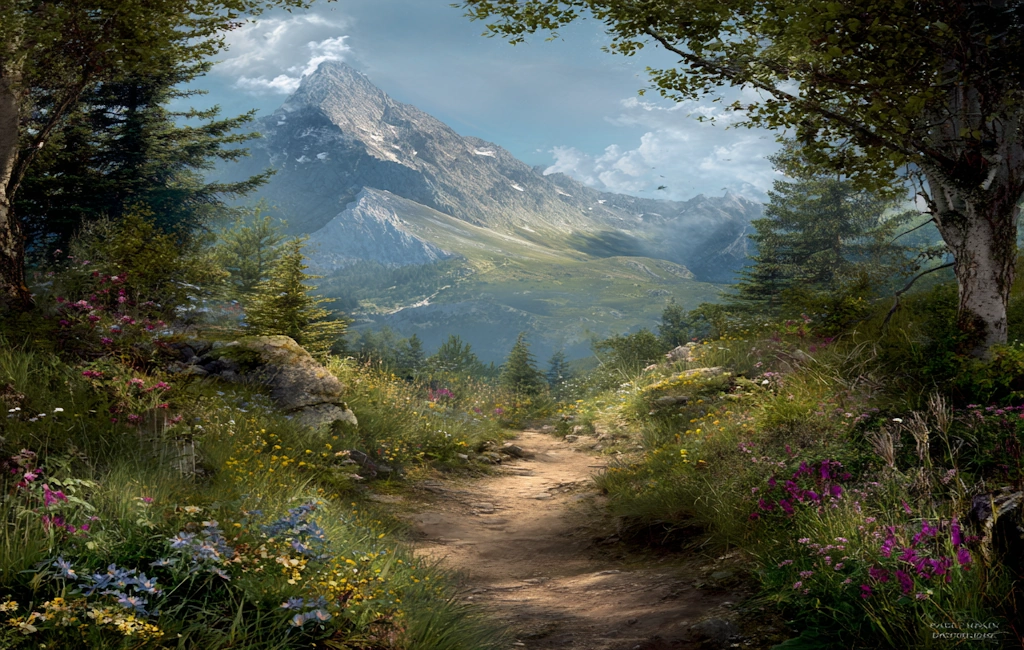
Skiddaw Walk
The Skiddaw Walk is a classic mountain ascent in the heart of the Lake District National Park, offering a rewarding challenge for hikers seeking panoramic views of Cumbria and beyond. This route takes you to the summit of Skiddaw, the sixth-highest mountain in England, providing a sense of accomplishment and breathtaking vistas. The walk is accessible from the popular tourist town of Keswick, making it a convenient and popular choice for both locals and visitors. While the ascent can be steep in places, the well-trodden paths and relatively straightforward navigation make it a manageable, albeit strenuous, day out for those with a reasonable level of fitness. The summit plateau offers a vast, open space to explore, and on a clear day, the views stretch across Derwentwater, Bassenthwaite Lake, and towards the Solway Firth and the Scottish hills.
- Distance: 12.0 km
- Elevation Gain: 920 m
- Duration: 4–5 hours
- Difficulty: Moderate
- Best Time: April–October
- Closest City: Keswick
- Trailhead Access: Nearest major city: Penrith. From Penrith, take the A66 towards Keswick. In Keswick, follow signs for the Skiddaw car park (approx. NY270235). Road conditions are generally good. Parking available, but can get busy. No permits required.
- Coordinates: 54.6050, -3.1348
Overview
The Skiddaw Walk is a quintessential Lake District mountain experience. Starting from the well-established car park near the foot of the mountain, the route immediately begins its ascent, gradually gaining altitude through open fellside. The path is generally clear and well-maintained, though it can be rocky and uneven in sections, particularly as you climb higher. The initial stages wind through heather and bracken, offering glimpses of the surrounding valleys and lakes. As you ascend, the landscape opens up, revealing the vastness of the fells and the dramatic contours of Skiddaw itself. The summit of Skiddaw, at 931 metres, is a broad, relatively flat plateau, often windswept and exposed. The true reward of reaching the summit lies not just in the physical achievement but in the unparalleled 360-degree views that unfold on a clear day. To the south, the iconic shape of Derwentwater is visible, dotted with its islands, and beyond that, the town of Keswick nestles in the valley. To the west, Bassenthwaite Lake stretches out, and the fells of the western Lake District rise in the distance. On exceptionally clear days, the Solway Firth and the hills of Scotland can be seen to the north, and the Pennines to the east. The descent follows a similar, though often quicker, path, allowing for a different perspective on the landscape you've just conquered. The walk is popular due to its accessibility, the impressive views from the summit, and the sense of achievement it provides, making it a must-do for many visitors to the Lake District.
The mountain itself is composed of a distinctive dark grey slate, a geological feature that gives Skiddaw its name and contributes to its imposing appearance. The slopes are largely treeless, covered in rough grass, heather, and bracken, creating a wild and rugged environment. The weather on Skiddaw can change rapidly, and it is not uncommon to experience sunshine, cloud, wind, and rain all within a single walk. Therefore, preparation is key, and understanding the conditions is vital for a safe and enjoyable experience. The moderate difficulty rating reflects the significant elevation gain and the potential for challenging weather, but the well-defined path ensures that navigation is generally straightforward for most walkers.
History and Cultural Context
Skiddaw has been a significant landmark and a popular destination for walkers and climbers for centuries. Its imposing presence overlooking Keswick and the surrounding valleys has made it a focal point for human activity and exploration in the region. Historically, the fells were used for sheep grazing, and evidence of ancient trackways can still be found, hinting at the long-standing human connection to this landscape. The mountain's name, Skiddaw, is believed to have Norse origins, possibly derived from "skid" (a slope or incline) and "haw" (a hill or ridge), reflecting the early settlers' perception of the mountain's topography.
In the 18th and 19th centuries, with the rise of Romanticism and the burgeoning interest in the picturesque, Skiddaw became a fashionable destination for tourists and artists. Poets like William Wordsworth, who lived nearby in Grasmere, often wrote about the beauty of the Lake District fells, including Skiddaw. The mountain's accessibility from Keswick, which was developing as a tourist centre, further cemented its popularity. Early ascents would have been far more challenging, with less defined paths and a greater reliance on local knowledge. The development of the modern path, particularly the main route from the car park, has made the summit accessible to a much wider range of people.
The geological composition of Skiddaw, primarily Skiddaw Slate, has also played a role in the local economy. This slate was historically quarried and used for roofing and other building purposes throughout the region. The open fellside also bears the scars of past mining activities, though these are now largely reclaimed by nature. Today, Skiddaw is a vital part of the Lake District National Park's identity, offering a tangible connection to the area's natural heritage and its long history of human interaction with the mountain environment. The summit itself has a cairn and a trig point, testament to the surveying and mapping efforts that have taken place over the years, further solidifying its status as a significant geographical point.
Seasonal Highlights and Weather Reality
The Skiddaw Walk is a year-round destination, but the experience can vary significantly depending on the season. The best time for most walkers is generally from April to October, when the weather is typically milder, and daylight hours are longer.
Spring (April–May): This period offers a refreshing start to the walking season. The fells begin to turn green, and wildflowers start to appear. The weather can be unpredictable, with a mix of sunshine, showers, and cooler temperatures. Snow may still linger on the higher parts of the summit plateau in early spring, though it usually melts quickly. The advantage of spring is fewer crowds compared to the peak summer months.
Summer (June–August): This is the most popular time to walk Skiddaw, with the longest daylight hours and the highest probability of warm, clear weather. The summit views can be spectacular. However, this is also the busiest period, and the car park can fill up quickly, especially on weekends and during school holidays. Sandflies can be present, though they are less of an issue than in some wetter parts of the UK. The heather may be in bloom, adding a splash of colour to the landscape.
Autumn (September–October): Autumn brings a beautiful palette of colours to the Lake District, with the bracken and heather turning shades of gold, russet, and brown. The air is often crisp and clear, offering excellent visibility. The weather can become more unsettled, with increased chances of rain and wind, but the dramatic skies can add to the mountain's atmosphere. Crowds begin to thin out after the summer holidays.
Winter (November–March): Walking Skiddaw in winter is a more challenging undertaking and requires appropriate winter mountaineering skills and equipment. The paths can be covered in snow and ice, and the summit plateau can be treacherous. Visibility can be extremely poor due to fog and low cloud. Temperatures will be significantly colder, and the wind chill can be severe. While the views on a clear winter's day can be stunning, with snow-capped peaks stretching for miles, winter ascents are only recommended for experienced hikers with a good knowledge of navigation and winter conditions. The car park may also be affected by snow, and road access to Keswick could be impacted by adverse weather.
Weather Reality: It is crucial to remember that mountain weather is notoriously changeable. Even in summer, conditions can deteriorate rapidly. Always check the mountain forecast before setting out and be prepared for all eventualities. Hypothermia is a risk even on relatively mild days if you get wet and cold.
Recommended Itinerary
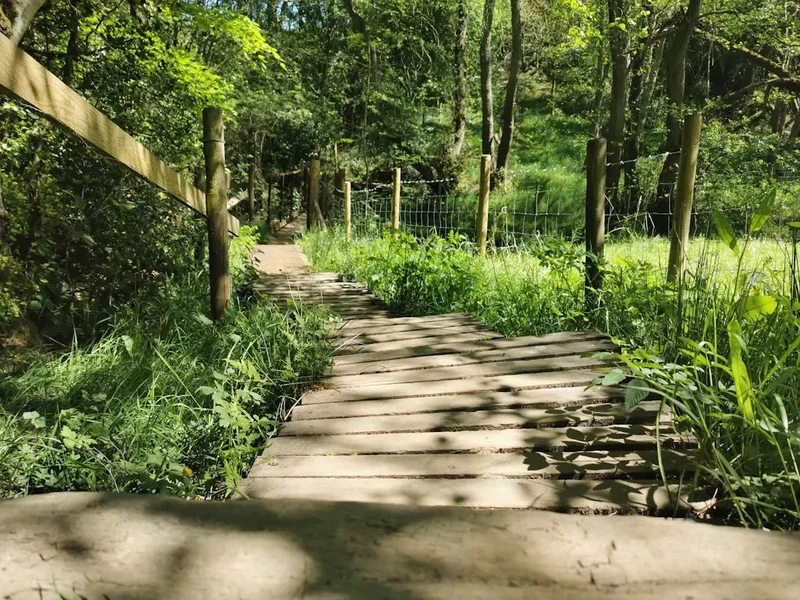
Skiddaw Walk - Day Hike Itinerary
Early Morning (Approx. 08:00 - 09:00): Arrival and Preparation
- Arrive at the Skiddaw car park (NY270235), located off the B5289 road near Keswick.
- Ensure you have completed all essential preparation and packed your required gear and supplies.
- Check the weather forecast one last time and make any necessary adjustments to your plan.
- Briefly familiarise yourself with the route and the immediate surroundings.
Morning (Approx. 09:00 - 12:00): Ascent to the Summit
- Begin the walk from the car park. The main path is well-defined and heads directly towards the mountain.
- The initial section involves a steady climb through open fellside, often with heather and bracken.
- The gradient becomes steeper as you gain altitude.
- Pass the contour of the mountain, with the path gradually turning towards the summit plateau.
- Enjoy the expanding views of Derwentwater and the surrounding fells as you climb.
- The path can be rocky and uneven in places; take care with your footing.
Midday (Approx. 12:00 - 13:00): Summit and Lunch
- Reach the summit of Skiddaw (931 m).
- Take time to admire the panoramic 360-degree views. On a clear day, you can see for miles.
- Locate the summit cairn and trig point.
- Enjoy your packed lunch and a well-deserved rest.
- Be mindful of the weather; it can be windy and cold even on a sunny day.
Afternoon (Approx. 13:00 - 16:00): Descent and Return
- Begin your descent, retracing your steps down the main path.
- The descent can be hard on the knees; take your time and maintain a controlled pace.
- Continue to enjoy the changing perspectives of the landscape as you descend.
- Arrive back at the Skiddaw car park.
- Allow for flexibility in timing due to weather conditions or personal pace.
Important Notes:
- This is a strenuous day hike with significant elevation gain.
- Always carry a map, compass, and know how to use them, even on well-marked paths.
- Be prepared for rapidly changing weather conditions.
- Wear appropriate footwear and clothing.
- Carry sufficient food and water for the duration of the walk.
- Inform someone of your plans and expected return time.
Planning and Bookings
Book Your Trip
Everything you need to plan your journey
Accommodation
Find places to stay near Keswick
Flights
Search flights to Keswick
Essential Preparation
The Skiddaw Walk is a popular day hike, and while no specific bookings are required for the trail itself, thorough preparation is essential for a safe and enjoyable experience. The nearest major city providing comprehensive services is Penrith, which is easily accessible by train and road. From Penrith, the A66 provides a direct route west to Keswick, a vibrant market town that serves as the primary base for exploring Skiddaw and the surrounding fells. Keswick offers a wide range of accommodation options, from budget-friendly hostels and campsites to comfortable hotels and guesthouses. It also boasts numerous outdoor gear shops, supermarkets for stocking up on supplies, and a variety of cafes and restaurants. Before setting out, it is crucial to check the weather forecast specifically for the mountain environment, as conditions can differ significantly from those in the valley. Ensure your fitness level is adequate for the sustained climb and descent; this is not a casual stroll. Familiarise yourself with the route using a map and compass, or a reliable GPS device, and understand the potential hazards associated with mountain walking, such as rapidly changing weather and uneven terrain.
Trail Accommodation
This is a day hike requiring no overnight accommodation.
Required Gear
- Sturdy walking boots: Waterproof and with good ankle support are essential for navigating the rocky and uneven terrain. Ensure they are well broken-in to prevent blisters.
- Waterproof jacket: A breathable, waterproof jacket with taped seams is vital. Mountain weather can change quickly, and rain is common.
- Waterproof overtrousers: Essential for keeping dry and warm during rain showers.
- Warm layers: Multiple layers of clothing are recommended, including a base layer (merino wool or synthetic), an insulating mid-layer (fleece or down jacket), and a warm hat and gloves. Even in summer, the summit can be cold and windy.
- Backpack: A comfortable day pack (20-30 litres) to carry your essentials.
- Navigation tools: A detailed map of the area (e.g., Ordnance Survey Explorer OL7) and a compass. A GPS device or smartphone with offline maps can be a useful supplement, but should not be relied upon solely.
- Head torch: With spare batteries, in case your walk is unexpectedly extended into darkness.
- First aid kit: Including blister plasters, pain relief, antiseptic wipes, and any personal medications.
- Sun protection: Sunscreen, sunglasses, and a sun hat, as the sun can be intense at higher altitudes, even on cloudy days.
What to Bring
- Food: High-energy snacks such as energy bars, nuts, dried fruit, and sandwiches. Pack more than you think you will need in case of delays.
- Water: At least 1.5-2 litres of water per person. There are no reliable water sources on the main Skiddaw path until you reach the summit plateau, and even then, water should be treated.
- Water treatment: A water filter or purification tablets if you intend to refill from streams, though this is not recommended on the main ascent path.
- Mobile phone: Fully charged, for emergency use. Signal can be intermittent on the mountain.
- Emergency shelter: A lightweight emergency blanket or bivvy bag can be a lifesaver in an unexpected situation.
- Whistle: For signalling in an emergency.
- Trekking poles: Optional, but can be very helpful for reducing strain on knees during the ascent and descent.
- Small towel: For drying off after rain or sweat.
- Rubbish bag: To pack out all your litter.
Permits
No specific permits are required to walk Skiddaw. The mountain is part of the Lake District National Park, which is managed by the Lake District National Park Authority and Natural England. Access to the fells is generally open and free for recreational purposes. However, it is important to be aware of the Countryside Code and to practice responsible outdoor recreation. This includes respecting the environment, leaving no trace, and ensuring you do not disturb wildlife or livestock. Parking at the Skiddaw car park may incur a fee, and it is advisable to check current charges and availability, especially during peak season, as the car park can become very busy.
Other Activities in the Area
Keswick and the surrounding Derwentwater area offer a wealth of activities for visitors:
- Boating on Derwentwater: Take a launch trip around the lake, stopping at various jetties to explore islands and lakeside villages. Kayaking, canoeing, and paddleboarding are also popular.
- Walking in Borrowdale: Explore the stunning valley of Borrowdale, with its dramatic scenery, ancient woodlands, and challenging fells like Glaramara and Great Gable.
- Visit Castlerigg Stone Circle: A magnificent prehistoric monument with a dramatic mountain backdrop, located a short drive from Keswick.
- Explore Keswick town: Browse the independent shops, visit the Moot Hall, enjoy local pubs and restaurants, and visit the Pencil Museum.
- Climbing and Scrambling: The Lake District is a world-renowned destination for rock climbing and scrambling, with numerous crags and routes suitable for all levels.
- Via Ferrata at Honister Slate Mine: An adventurous activity involving climbing a fixed route using metal rungs and cables, offering spectacular views.
- Mountain Biking: The Whinlatter Forest Park offers dedicated mountain biking trails for various abilities.
- Photography: The diverse landscapes of the Lake District provide endless opportunities for landscape photography, from serene lakeshores to rugged mountain peaks.
Safety and Conditions
Weather: The most significant hazard on Skiddaw is the unpredictable mountain weather. Always check the MetService mountain forecast for the Lake District before you go and be prepared for rapid changes. Conditions can include strong winds, heavy rain, fog, and even snow at the summit, regardless of the season. Hypothermia is a real risk if you get wet and cold.
Navigation: While the main path to the summit of Skiddaw is generally well-trodden, it is essential to carry a map and compass and know how to use them. Visibility can drop to near zero in fog, making it easy to lose your bearings. Do not rely solely on mobile phone GPS, as signal can be unreliable.
Terrain: The path is steep and can be rocky, loose, and slippery, especially after rain. Wear sturdy, waterproof walking boots with good ankle support. Take care with your footing, particularly on the descent, which can be hard on the knees.
Fitness: Skiddaw involves a significant climb of 920 metres. Ensure you are adequately fit for the sustained effort. If you are unsure, consider a shorter walk or consult with experienced hikers.
Equipment: Always carry the essential gear listed in the "Required Gear" section. This includes waterproofs, warm layers, sufficient food and water, and navigation tools.
Emergencies: In case of an emergency, dial 999 or 112 and ask for Mountain Rescue. Provide your location as accurately as possible. It is advisable to have a fully charged mobile phone and to inform someone of your planned route and expected return time.
Livestock: You may encounter sheep grazing on the fells. Keep dogs under control at all times to prevent them from disturbing the livestock. Close any gates you pass through.
Car Park: The Skiddaw car park can get very busy, especially during peak season. Arrive early to secure a parking space. Be aware of your surroundings and do not leave valuables visible in your vehicle.
Side Trips and Points of Interest
Summit Cairn and Trig Point: At the highest point of Skiddaw (931 m), you will find a substantial cairn and a traditional Ordnance Survey trig point. These are important landmarks for navigation and provide a sense of achievement. The trig point offers a stable place to rest and take in the views.
Panoramic Views: The primary "point of interest" on Skiddaw is undoubtedly the expansive 360-degree panorama from the summit. On a clear day, the views are exceptional, encompassing:
- South: Derwentwater, with its islands, and the town of Keswick nestled in the valley.
- West: Bassenthwaite Lake, and the fells of the western Lake District, including the imposing mass of Great Gable and Scafell Pike in the distance.
- North: The Solway Firth, and on very clear days, the hills of Southern Scotland.
- East: The Helvellyn range and the eastern fells of the Lake District.
The summit plateau is vast, allowing you to wander and find different vantage points to appreciate the scale of the landscape.
The "Old Man of Skiddaw" (Optional Detour): While not a formal side trip, some walkers may choose to explore the slightly lower summit known as "Little Skiddaw" (470 m) on their way down or as a separate short walk. This offers a different perspective of the main Skiddaw massif and the surrounding valleys. However, the main route to the summit of Skiddaw itself is the primary focus for most visitors.
Geological Features: Skiddaw is composed of Skiddaw Slate, a dark grey, fine-grained rock. While not a dramatic feature, understanding the mountain's geology adds another layer to the experience. You may find fragments of slate along the path.
Leave No Trace
The Skiddaw Walk traverses a beautiful and sensitive natural environment. Adhering to Leave No Trace principles is crucial to preserve its beauty for future generations. As you undertake this walk, please consider the following:
- Pack it in, pack it out: Take all your litter with you, including food scraps, wrappers, and any other waste. There are no bins on the mountain.
- Stay on the path: The main path is well-defined, but straying from it can cause erosion and damage fragile vegetation, such as heather and mosses, which take a long time to recover.
- Respect wildlife: Observe any wildlife from a distance and do not feed the animals. Sheep graze on the fells, so keep dogs under close control to avoid disturbing them.
- Minimise campfire impacts: Campfires are not permitted on the open fells. If you are camping overnight (which is not part of the standard Skiddaw walk but may be done in designated areas), use a portable stove and ensure any fires are completely extinguished.
- Leave what you find: Do not take rocks, plants, or any other natural items from the mountain.
- Be considerate of others: Keep noise levels down, especially on the summit, to allow everyone to enjoy the peace and quiet of the fells.
- Plan ahead and prepare: Being well-prepared reduces the need for unplanned actions that could impact the environment.
By following these simple guidelines, you can help ensure that Skiddaw remains a wild and beautiful place for everyone to enjoy.