
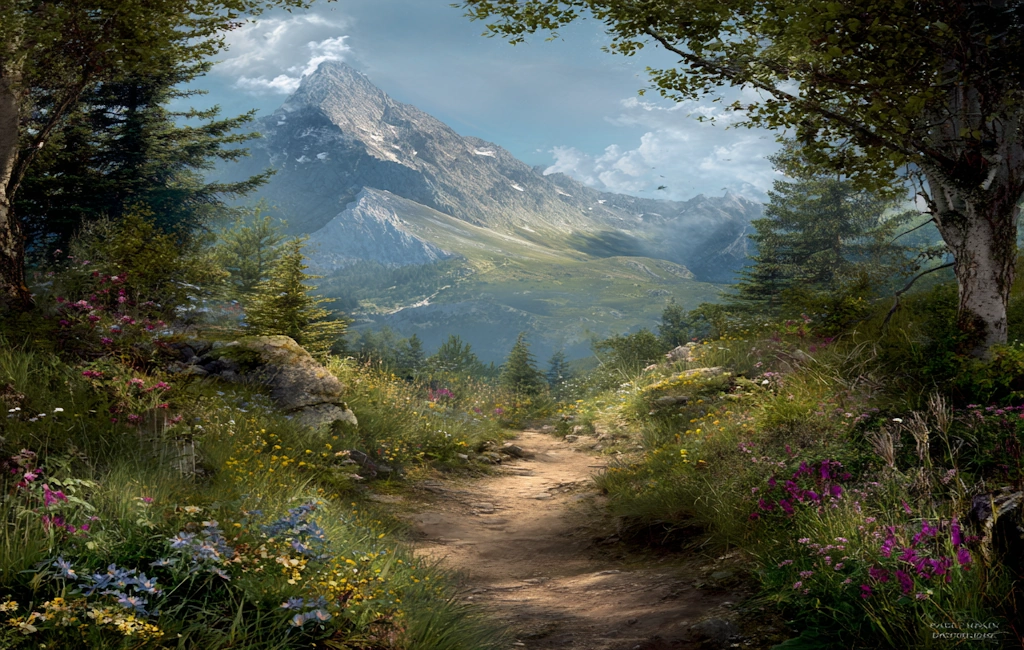
Siete Tazas Trail - Chile's Enchanting Waterfalls
The Siete Tazas Trail, nestled within the Radal Siete Tazas National Park in Chile's Maule Region, offers a captivating day hike through a landscape sculpted by the power of water. This relatively short but rewarding trail leads to a series of seven distinct natural pools and waterfalls, each carved into the volcanic rock by the Claro River over millennia. Known for its vibrant turquoise waters and the dramatic geological formations, Siete Tazas is a testament to nature's artistry. The trail provides an accessible yet immersive experience of Chile's natural beauty, making it a popular destination for both local families and international visitors seeking a refreshing escape into the wilderness.
- Distance: 10.0 km (return)
- Duration: 4-5 hours
- Season: October to April (spring and summer in Chile)
- Difficulty: Moderate
- Elevation Gain: 300 m
- Closest City: Talca
- Trailhead Access: From Talca, approximately 2 hours drive or bus to Parque Inglés.
- Parking: Available at Parque Inglés entrance.
- Park Entrance Fee: May apply.
- GPS Coordinates: -35.4467, -71.0569
Overview
The Siete Tazas Trail is a journey into a natural water park, where the Claro River has meticulously carved seven distinct pools and cascades into the dark volcanic rock. The name "Siete Tazas" translates to "Seven Cups," a fitting description for the series of natural basins that collect the river's flow. The trail itself is a moderate undertaking, involving a gradual ascent and descent that allows walkers to appreciate the changing scenery and the increasing proximity to the river's powerful presence. As you progress, the sound of rushing water becomes a constant companion, building anticipation for the visual spectacle that awaits.
The trail begins near the Parque Inglés, a well-maintained area that serves as the primary access point for visitors. From here, the path winds through a landscape that transitions from open scrubland to denser woodland, offering glimpses of the surrounding mountains and the vast Chilean sky. The moderate elevation gain is spread out, making it manageable for most fitness levels, though sturdy footwear is recommended due to the uneven terrain and occasional rocky sections. The real magic of Siete Tazas lies in its unique geological formations. The volcanic rock, smoothed and shaped by centuries of water flow, creates an almost surreal environment. The water itself is a striking turquoise, a colour that intensifies under the bright Chilean sun, contrasting beautifully with the dark rock and lush green vegetation that clings to the riverbanks.
The trail is not just about reaching the final pools; it's about the experience of discovery along the way. Smaller cascades, interesting rock formations, and the ever-present sound of the river contribute to the immersive nature of the hike. The moderate difficulty ensures that the focus remains on enjoying the natural beauty rather than being solely a physical challenge. This makes Siete Tazas an ideal destination for a day trip, offering a perfect blend of natural wonder, moderate exercise, and a refreshing connection with the Chilean wilderness.
History and Geological Context
The Siete Tazas National Park, and specifically the Siete Tazas Trail, owes its existence to a significant geological event: the eruption of the Descabezado Grande volcano. Millions of years ago, lava flows from this volcano covered the area, creating the dark, basaltic rock that forms the foundation of the park. Over vast stretches of time, the erosive power of the Claro River has worked tirelessly to carve through this volcanic rock, shaping the unique landscape of seven distinct pools and waterfalls that give the park its name.
The formation of these "cups" is a remarkable example of hydraulic action and abrasion. The fast-flowing river, carrying sediment and debris, has gradually worn away the softer parts of the rock, leaving behind the characteristic tiered pools. Each "taza" or cup is a testament to the river's persistent sculpting, with water flowing from one to the next, creating a natural water slide and cascade system. The vibrant turquoise colour of the water is a result of the mineral content suspended in the glacial meltwater, which is further enhanced by the clarity of the water itself.
While the park is a relatively recent designation as a protected area, the region has long been appreciated for its natural beauty. Local communities have known about and visited these unique formations for generations. The establishment of the Radal Siete Tazas National Park in 1988 aimed to preserve this fragile ecosystem and ensure its protection for future generations, while also making it accessible for public enjoyment and education. The park's designation highlights the importance of conserving areas with unique geological features and biodiversity, ensuring that the natural processes that created Siete Tazas can continue undisturbed.
Seasonal Highlights and Weather
The Siete Tazas Trail is best experienced during the spring and summer months in Chile, which typically run from October to April. This period offers the most favourable weather conditions for hiking and enjoying the natural beauty of the park.
Spring (October to November): This is a beautiful time to visit as the landscape begins to awaken after winter. Wildflowers start to bloom, adding splashes of colour to the hillsides. The weather is generally mild, with daytime temperatures ranging from 15°C to 20°C. The rivers are usually full from snowmelt, making the waterfalls particularly impressive. However, there can still be occasional cooler days and a higher chance of rain compared to mid-summer.
Summer (December to February): This is the peak season for visiting Siete Tazas. The weather is warm and sunny, with daytime temperatures often reaching 25°C to 30°C. The water in the pools is inviting for a refreshing dip, though it remains cool due to its glacial origins. The long daylight hours allow for ample time to explore the trail and enjoy the park. Sandflies can be present during warmer months, so insect repellent is advisable.
Autumn (March to April): The autumn months offer a pleasant transition with cooler temperatures and fewer crowds. The foliage begins to change, offering a different kind of scenic beauty. Daytime temperatures typically range from 10°C to 18°C. The water levels in the river may start to decrease, but the waterfalls remain a spectacular sight. This is an excellent time for those who prefer a quieter hiking experience.
Winter (May to September): While the park remains open, winter is generally not the ideal time for hiking the Siete Tazas Trail. Temperatures can drop significantly, and snowfall is possible, which can make the trails slippery and inaccessible. The waterfalls may be partially frozen, offering a different kind of beauty, but the overall experience is less conducive to hiking and swimming.
Weather Considerations: The weather in the Andes can be unpredictable. Even during summer, it's advisable to be prepared for sudden changes, including rain and cooler temperatures, especially at higher elevations. Always check the local weather forecast before your visit.
Recommended Itinerary
Siete Tazas Trail - Day Hike Itinerary
Early Morning (Approx. 8:00 AM - 9:00 AM): Travel to Parque Inglés
- Depart from Talca or your accommodation.
- Drive or take a bus towards Parque Inglés. The journey takes approximately 2 hours.
- Enjoy the scenic drive as you approach the Andes foothills.
- Ensure you have sufficient fuel and supplies, as services are limited en route.
Morning (Approx. 10:00 AM - 10:30 AM): Arrival and Park Entry
- Arrive at Parque Inglés.
- Pay any applicable park entrance fees.
- Locate the parking area and prepare for your hike.
- Use restroom facilities if available.
Late Morning (Approx. 10:30 AM - 12:30 PM): Hike to the First Waterfalls
- Begin the Siete Tazas Trail from the designated trailhead near Parque Inglés.
- The trail starts with a moderate ascent, winding through vegetation and offering initial views of the surrounding landscape.
- Follow the well-marked path, listening for the sound of the river.
- Reach the first of the "tazas" (cups) and waterfalls. Take time to admire the unique rock formations and the vibrant water.
- Continue following the trail, which often involves some rocky sections and steps.
Midday (Approx. 12:30 PM - 2:00 PM): Exploration and Lunch at the Main Pools
- Continue deeper into the park, reaching the most prominent and beautiful sections of the Siete Tazas.
- Find a suitable spot to rest and enjoy your packed lunch.
- If conditions permit and you are comfortable, take a refreshing dip in one of the designated safe pools. Be cautious of currents and slippery rocks.
- Spend time photographing the various cascades and pools, appreciating the natural artistry.
- The trail may involve some minor scrambling or navigating around rock formations to access different viewpoints.
Afternoon (Approx. 2:00 PM - 3:30 PM): Return Journey
- Begin your descent back towards Parque Inglés.
- The return journey offers a different perspective on the landscape.
- Take care on downhill sections, especially if the trail is damp.
- Reflect on the natural beauty you have experienced.
Late Afternoon (Approx. 3:30 PM - 4:00 PM): Departure
- Arrive back at the trailhead near Parque Inglés.
- Use restroom facilities if needed.
- Begin your drive back to Talca or your next destination.
Important Notes:
- This is a day hike; no overnight accommodation is required.
- Carry sufficient water and snacks, as facilities within the park are limited.
- Wear sturdy, closed-toe hiking shoes with good grip.
- Sun protection (hat, sunscreen, sunglasses) is essential, especially during summer.
- Be aware of the weather; conditions can change rapidly in the mountains.
- Respect the natural environment and stay on marked trails.
- Swimming is at your own risk; be aware of currents and slippery rocks.
Planning and Bookings
Book Your Trip
Everything you need to plan your journey
Accommodation
Find places to stay near Talca
Flights
Search flights to Talca
Essential Preparation
The Siete Tazas Trail is a popular day hike, and while it doesn't require the extensive advance booking of multi-day treks, proper preparation is key to a successful and enjoyable experience. The closest major city and logistical hub is Talca. From Talca, you can arrange transportation to the Radal Siete Tazas National Park. Options include driving a private vehicle or taking a bus. If driving, ensure your vehicle is in good condition, as some roads leading to the park may be unpaved or have variable conditions, especially outside the peak season. Parking is available at the Parque Inglés entrance, which is the primary access point for the trail.
It's advisable to check the official website or contact the park authorities for the most up-to-date information regarding park opening hours, entrance fees, and any specific regulations or advisories in place. Carrying cash is recommended for park entrance fees and any small purchases, as card facilities may not be available.
Trail Accommodation
This is a day hike requiring no overnight accommodation.
Required Gear
- Hiking Boots: Sturdy, waterproof hiking boots with good ankle support and excellent grip are essential. The trail can be uneven, rocky, and slippery, especially after rain.
- Waterproof Jacket: A lightweight, waterproof and windproof jacket is recommended, as mountain weather can change quickly, bringing rain or strong winds.
- Daypack: A comfortable daypack (20-30 litres) to carry your essentials, including water, food, extra layers, and safety equipment.
- Navigation: While the trail is generally well-marked, a map of the park and a compass or GPS device (with downloaded offline maps) is advisable for orientation and safety.
- First Aid Kit: A basic first aid kit including plasters, antiseptic wipes, pain relievers, and any personal medications.
- Sun Protection: A wide-brimmed hat, sunglasses, and high SPF sunscreen are crucial, as the sun can be intense, especially at higher altitudes.
- Insect Repellent: Especially important during warmer months (spring and summer) to ward off sandflies and other biting insects.
What to Bring
- Water: Carry at least 1.5 to 2 litres of water per person. There are no reliable water sources for refilling along the trail, and water treatment is not recommended for the river water due to mineral content and potential contaminants.
- Food: Pack a substantial lunch, energy bars, and snacks. There are no food services within the park.
- Toiletries: Biodegradable soap, hand sanitiser, and toilet paper (if using facilities at the park entrance). Pack out all waste.
- Personal Items: Camera, mobile phone (ensure it's fully charged), power bank, and any personal comfort items.
- Swimsuit and Towel: If you plan to swim in the natural pools, bring appropriate gear. Ensure you have a quick-drying towel.
- Walking Poles (Optional): Can provide extra stability and reduce strain on knees, particularly on ascents and descents.
Permits
Access to the Radal Siete Tazas National Park typically requires an entrance fee. This fee contributes to the maintenance and conservation of the park. It is advisable to check the official CONAF (Corporación Nacional Forestal) website or contact the park administration for the most current information on fees and operating hours before your visit. Payment is often required in Chilean Pesos (CLP), and it's recommended to carry cash, as card facilities may not always be available at the park entrance.
Entrance Fees:
- Fees are generally per person and can vary.
- Check the official CONAF website for the latest pricing.
- Children may have reduced rates or be free of charge.
Park Hours:
- The park has specific opening and closing times, which can vary seasonally.
- Ensure you plan your visit to allow ample time for hiking and return before the park closes.
Booking:
- For day hikes like Siete Tazas, advance booking of permits is generally not required.
- However, during peak season or on weekends, the park may reach capacity, and entry could be limited. Arriving early is recommended.
Important Considerations:
- Always verify the latest information directly from CONAF or the park's official channels.
- Be prepared for potential changes in fees or access regulations.
- Carry sufficient cash for entrance fees and any other potential expenses within the park.
Other Activities in the Area
While the Siete Tazas Trail is the main attraction, the surrounding Radal Siete Tazas National Park and the wider Maule Region offer several other activities and points of interest for visitors:
- Laguna del Maule: A large, scenic lake known for its stunning turquoise waters and surrounding volcanic landscapes. It's a popular spot for photography, picnicking, and enjoying panoramic views.
- Volcán Descabezado Grande: For experienced mountaineers, the ascent of this active stratovolcano offers a challenging adventure and incredible views. This requires significant preparation, specialised gear, and often a guide.
- Parque Nacional Radal: Beyond the Siete Tazas, the park offers other trails and natural attractions, including the Salto del Claro waterfall and various viewpoints. Exploring these can provide a more comprehensive experience of the park's diverse ecosystems.
- Thermal Springs: The Maule Region is known for its natural hot springs. While not directly within the park, nearby areas offer opportunities for relaxation in geothermally heated waters.
- Wine Tasting: The Maule Valley is one of Chile's most important wine-producing regions. Visiting local vineyards for tours and tastings is a popular activity for those interested in Chilean wine culture.
- Talca City: The closest major city, Talca, offers cultural attractions, museums, local markets, and a range of dining options. It serves as a convenient base for exploring the region.
- Hiking and Trekking: The Andes foothills surrounding the park offer numerous opportunities for further hiking and trekking, ranging from short nature walks to more challenging multi-day expeditions.
Safety and Conditions
Trail Conditions: The Siete Tazas Trail is generally well-maintained but can be uneven, rocky, and slippery, especially after rain or in shaded areas. Wear appropriate footwear with good grip. The trail involves some ascents and descents, and while not technically difficult, it requires a moderate level of fitness.
Weather: Mountain weather is notoriously unpredictable. Be prepared for rapid changes in temperature, wind, and precipitation, even during the summer months. Always check the weather forecast before you go and be ready for cooler conditions, especially in the shade or if the wind picks up. Hypothermia is a risk if you get wet and cold.
Water Safety: While the water in the pools is beautiful, swimming can be dangerous. Currents can be strong, and the rocks are slippery. Assess conditions carefully before entering the water, and only swim in designated safe areas if you are a confident swimmer. Never swim alone. Be aware that the water is glacial melt and will be very cold.
Wildlife: The park is home to various wildlife. While encounters are generally rare and animals are shy, be aware of your surroundings. Do not feed any animals you may encounter.
Navigation: The main trail to Siete Tazas is usually well-marked. However, it's always wise to carry a map and compass or use a GPS device with offline maps, especially if you plan to explore any less-travelled paths or if visibility is poor.
Communication: Mobile phone reception can be unreliable within the park and in remote areas. Inform someone of your hiking plans, including your expected return time.
Emergency: In case of an emergency, contact park rangers if available, or use your mobile phone if you have signal. Know the emergency contact numbers for the region. It is advisable to have travel insurance that covers hiking and potential medical evacuation.
Side Trips and Points of Interest
The Seven Cups (Las Siete Tazas): The primary attraction, these are seven distinct natural pools and waterfalls carved into the volcanic rock by the Claro River. Each pool has its unique shape and character, with water cascading from one to the next. The vibrant turquoise colour of the water against the dark basalt rock creates a visually stunning spectacle. Visitors can admire these formations from various viewpoints along the trail and, in designated safe areas, even take a refreshing dip.
Salto del Claro: Located within the park, this is a significant waterfall that feeds into the Siete Tazas system. It's a powerful cascade that showcases the erosive force of the river. The trail often leads to viewpoints offering impressive perspectives of this waterfall.
Volcanic Rock Formations: The entire area is a showcase of geological artistry. The smooth, sculpted basalt rock, shaped over millennia by water and erosion, creates an almost alien landscape. Look for intricate patterns, natural channels, and smooth surfaces carved by the relentless flow of the Claro River.
Native Flora: The trail passes through areas of native Chilean vegetation. Keep an eye out for various shrubs, hardy grasses, and small trees adapted to the Andean environment. During spring, wildflowers can add bursts of colour to the landscape.
Panoramic Views: As you ascend and descend the trail, there are opportunities to take in panoramic views of the surrounding Andean foothills and the wider Radal Siete Tazas National Park. These vistas offer a sense of the scale and rugged beauty of the region.
Leave No Trace
The Radal Siete Tazas National Park is a precious natural environment, and it is crucial for all visitors to practice Leave No Trace principles to help preserve its beauty and ecological integrity for future generations. The unique geological formations and the delicate ecosystem are vulnerable to human impact.
Plan Ahead and Prepare: Research the park's conditions, weather, and any specific regulations before your visit. Pack appropriately for the conditions and carry all necessary supplies, including food and water, to minimise reliance on park resources.
Travel and Camp on Durable Surfaces: Stick to marked trails at all times. This prevents erosion and protects fragile vegetation. Avoid walking on mosses, lichens, or delicate plants. The Siete Tazas Trail is a day hike, so camping is not permitted on the trail itself.
Dispose of Waste Properly: Pack it in, pack it out. This includes all food scraps, wrappers, and any other litter. Use designated bins at the park entrance if available, but it's best practice to carry all waste with you until you can dispose of it responsibly. Do not bury or burn trash.
Leave What You Find: Resist the temptation to take rocks, plants, or any other natural objects as souvenirs. These items are part of the park's natural heritage and should be left for others to enjoy.
Minimise Campfire Impacts: Campfires are generally not permitted on day hikes and are restricted in national parks. If permitted in specific areas (which is unlikely for this day hike), use established fire rings and ensure fires are completely extinguished.
Respect Wildlife: Observe wildlife from a distance and never feed them. Feeding animals can disrupt their natural behaviours, diets, and health, and can make them dependent on humans or aggressive.
Be Considerate of Other Visitors: Keep noise levels down, yield to other hikers on the trail, and be mindful of others' enjoyment of the natural environment. Respect the tranquility of the park.
 Chile
Chile