
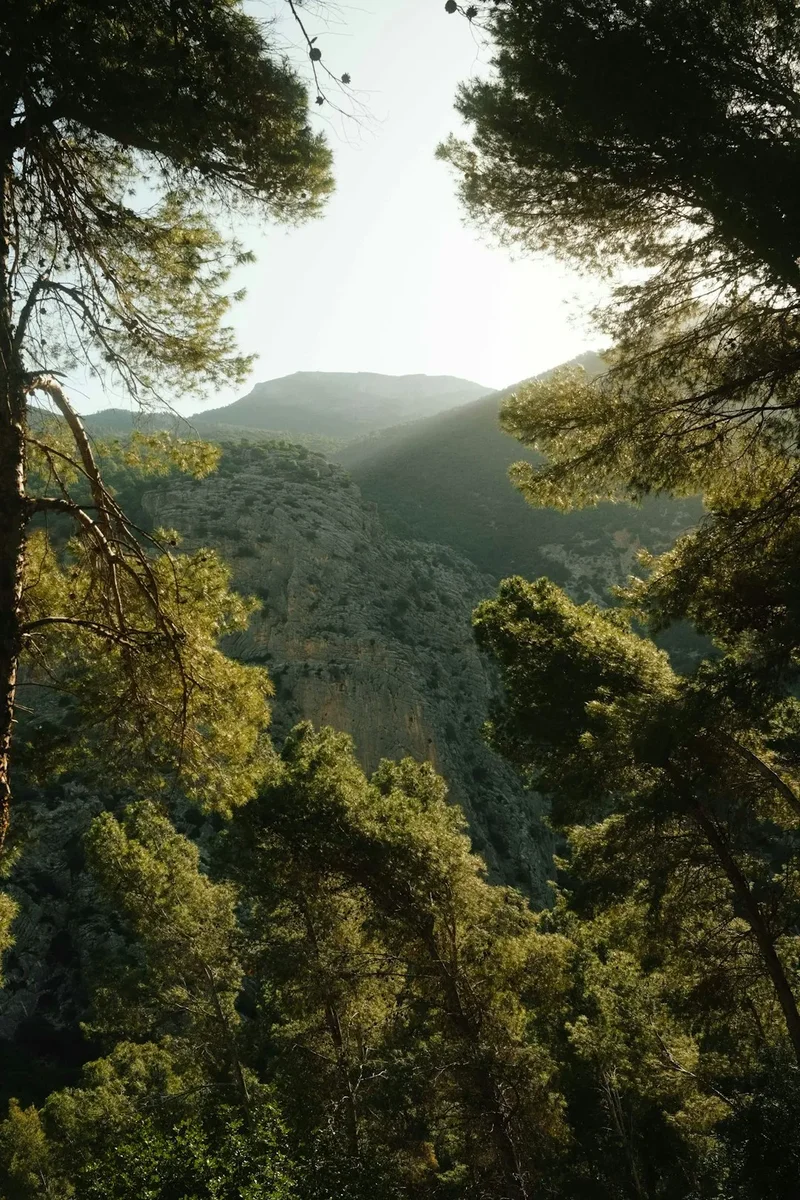
Siete Picos: A Challenging Ascent in the Sierra de Guadarrama
The Siete Picos trail, nestled within the stunning Sierra de Guadarrama mountain range, offers a demanding yet incredibly rewarding day hike just a stone's throw from Madrid. This route is not for the faint-hearted, presenting a significant elevation gain over a relatively short distance, culminating in breathtaking panoramic views across the Spanish heartland. The "Seven Peaks" themselves form a dramatic ridgeline, a formidable natural barrier that has shaped the region's history and ecology. This trail is a true test of endurance and a spectacular immersion into the rugged beauty of central Spain's high mountains, best experienced during the warmer months when the alpine meadows are in bloom and the skies are typically clear.
- Distance: 11.5 km one-way
- Elevation gain: 950 m
- Duration: 5–7 hours
- Difficulty: Challenging
- Best Time: May to October (Summer/Autumn)
- Closest City: Madrid
- Trailhead Access: From Madrid, take the A-6 highway towards Puerto de Navacerrada. Driving time ~1 hour. Parking available at Puerto de Navacerrada (40.7927, -4.0575). Bus line 691 from Madrid to Puerto de Navacerrada also available.
- Permits: No permits required for this day hike.
Overview
The Siete Picos hike is a classic ascent that begins at the well-known Puerto de Navacerrada, a popular mountain pass and ski resort. From this bustling hub, the trail immediately embarks on a relentless climb, a characteristic of many Spanish mountain routes that favour directness over gentle gradients. The path winds its way upwards through fragrant pine forests, gradually opening up to reveal increasingly expansive vistas. The ascent is sustained, requiring good physical fitness and a steady pace. As you gain altitude, the vegetation changes, transitioning from dense woodland to more open, rocky terrain dotted with hardy alpine flora.
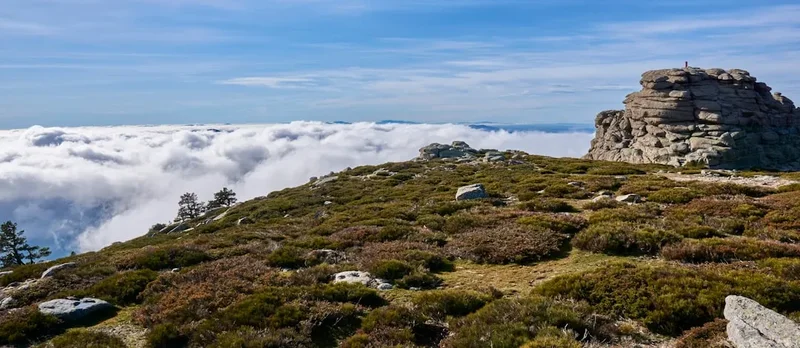
The "Seven Peaks" are not distinct, isolated summits but rather a series of prominent rocky outcrops and high points along a rugged ridge. The trail navigates across and between these peaks, offering constantly shifting perspectives. The summit of each peak, or the high points along the ridge, provide spectacular 360-degree views. To the north, the landscape stretches towards the plains of Segovia, while to the south, the vast expanse of the Community of Madrid unfolds, with the distant silhouette of the capital sometimes visible on exceptionally clear days. The sheer scale of the landscape, combined with the challenging climb, makes this a truly memorable experience.
The descent follows a different, though equally demanding, route, often utilising well-maintained paths that offer a different perspective on the terrain. This loop structure ensures that you experience a variety of landscapes and avoid retracing your steps, making the most of the day. The challenging nature of the Siete Picos hike means it is best suited for experienced day hikers or those with a high level of fitness looking for a strenuous workout combined with stunning natural beauty.
History and Cultural Context
The Sierra de Guadarrama has long been a natural boundary and a vital resource for the communities of central Spain. Historically, the passes through these mountains, such as Puerto de Navacerrada, served as crucial routes for trade and travel between the northern plains of Castile and the southern regions, including Madrid. The strategic importance of these routes meant that the mountains were often traversed by armies, merchants, and pilgrims throughout history.
The Siete Picos themselves, while not historically significant as specific strategic points in the same way as the main passes, represent the wilder, more untamed aspect of the range. Their ruggedness would have presented a natural barrier to easy passage, influencing the development of more established routes. The area around Puerto de Navacerrada has a more recent history of development as a recreational and sporting centre, particularly with the rise of skiing in the 20th century. This has led to the establishment of infrastructure, including roads and ski lifts, which now facilitate access for hikers and tourists.
The name "Siete Picos" (Seven Peaks) likely refers to the prominent series of rocky summits that form the distinctive ridgeline. While the exact historical origin of this naming convention is not widely documented, it reflects the visual impact of these peaks from various vantage points. The area is part of the Guadarrama National Park, a protected landscape that aims to preserve its unique ecosystems, geological formations, and historical significance for future generations.
Seasonal Highlights and Weather Reality
The Siete Picos hike is best undertaken during the late spring, summer, and early autumn months. From May to October, the weather is generally more stable, and the risk of snow and ice on the higher sections of the trail is significantly reduced.
Spring (May-June): This is a beautiful time to hike as the mountain meadows burst into bloom with wildflowers. The temperatures are pleasant, though occasional late snowfalls can still occur at higher elevations. The forests are lush and green, and the streams are full. The risk of thunderstorms increases as the month progresses.
Summer (July-August): These are the warmest months, offering the highest probability of clear skies and excellent visibility. However, summer can also bring intense heat, especially at lower elevations, and the risk of afternoon thunderstorms is significant. It is crucial to start early to avoid the midday sun and to be aware of changing weather patterns. Water sources can become less reliable in late summer.
Autumn (September-October): Autumn offers crisp air, stunning autumnal colours in the forests, and generally stable weather. The crowds of summer begin to thin, making for a more peaceful hiking experience. Visibility is often excellent, and the cooler temperatures make the strenuous climb more manageable. However, as October progresses, the risk of early snow and frost increases, particularly on the exposed ridgelines.
Winter (November-April): This period is generally unsuitable for this hike due to snow, ice, and extreme cold. Puerto de Navacerrada becomes a ski resort, and the trails can be covered in deep snow, requiring specialised winter mountaineering equipment and expertise. The "Seven Peaks" themselves would be treacherous and potentially impassable without ice axes and crampons.
Weather Considerations: The Sierra de Guadarrama is known for its rapidly changing weather. Even on a clear summer day, conditions can deteriorate quickly, with fog, rain, and strong winds appearing without much warning, especially at higher altitudes. Always check the mountain forecast before setting out and be prepared for all conditions.
Recommended Itinerary
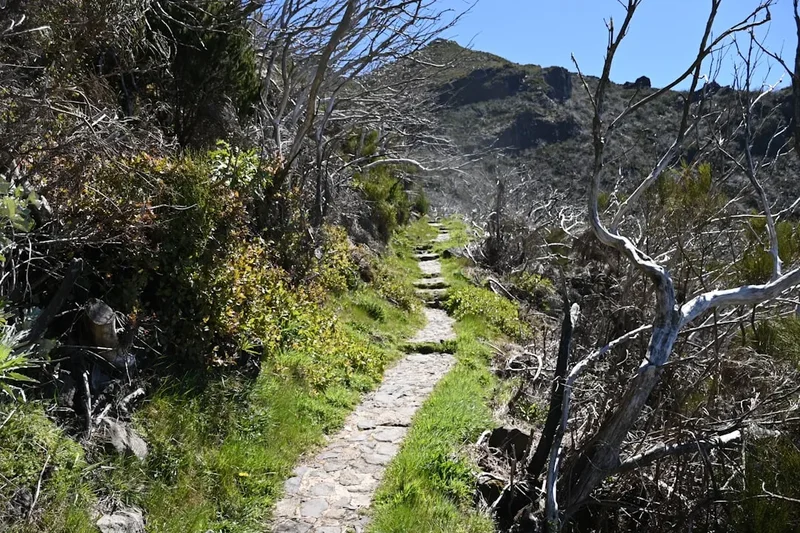
Siete Picos Day Hike Itinerary
Early Morning (08:00 - 09:00): Arrival and Preparation
- Arrive at Puerto de Navacerrada (40.7927, -4.0575).
- Park your vehicle or disembark from the bus.
- Utilise the facilities at Puerto de Navacerrada for last-minute preparations.
- Ensure you have all necessary gear, water, and snacks.
- Check the weather forecast one last time.
Morning (09:00 - 13:00): Ascent through Pine Forests and Rocky Terrain
- Begin the hike from Puerto de Navacerrada, following marked trails heading towards the Siete Picos ridgeline.
- The initial section involves a steady climb through dense pine forests.
- As you gain altitude, the forest thins, and the terrain becomes rockier.
- Look for waypoints and trail markers indicating the route towards the peaks.
- The path is often steep and can be uneven, requiring careful footing.
- Enjoy the emerging views of the surrounding valleys and mountains.
Midday (13:00 - 14:00): Reaching the Ridges and Peaks
- Arrive at the main ridgeline of Siete Picos.
- Navigate across the series of rocky outcrops that constitute the "Seven Peaks."
- Find a suitable spot for a well-deserved lunch break, taking in the expansive panoramic views.
- This is an excellent opportunity for photography, capturing the vastness of the landscape.
- The highest points offer commanding views stretching for many kilometres.
Afternoon (14:00 - 17:00): Descent and Return
- Begin the descent, typically following a different route than the ascent to complete a loop.
- The descent path can be steep and may involve scree or loose rock in places, so proceed with caution.
- Continue through varied terrain, potentially re-entering forested areas.
- Follow the trail markers diligently, ensuring you stay on the designated path.
- The descent offers new perspectives on the landscape you ascended.
- Arrive back at Puerto de Navacerrada, completing the challenging loop.
Important Notes:
- This is a strenuous hike with significant elevation gain. Ensure you are physically prepared.
- Carry ample water (at least 2-3 litres per person) as water sources can be scarce, especially in summer.
- Wear sturdy hiking boots with good ankle support.
- Be prepared for rapidly changing weather conditions.
- Carry a map, compass, or GPS device, and know how to use them. Mobile signal can be unreliable.
- Start early to maximise daylight and avoid the hottest part of the day.
Planning and Bookings
Book Your Trip
Everything you need to plan your journey
Accommodation
Find places to stay near Madrid
Flights
Search flights to Madrid
Essential Preparation
The Siete Picos hike is a challenging day walk that requires careful planning. Given its proximity to Madrid, it's a popular destination, especially on weekends and during good weather. Therefore, planning your trip, particularly regarding transport and timing, is crucial for an enjoyable experience. The closest major city is Madrid, from which you can drive or take public transport to the trailhead at Puerto de Navacerrada. The drive from Madrid typically takes around one hour via the A-6 highway. For those relying on public transport, Bus Line 691 operates from Madrid (Moncloa interchange) directly to Puerto de Navacerrada, offering a convenient alternative to driving. It is advisable to check bus schedules in advance, especially for return journeys, as services may be less frequent outside peak hours or on weekdays.
Puerto de Navacerrada itself is a well-developed mountain pass with amenities such as restaurants, cafes, and public toilets. There is ample parking available, though it can fill up quickly on busy days. Arriving early is recommended to secure a parking spot. The trailhead is clearly identifiable, and the initial sections of the hike are generally well-marked.
Trail Accommodation
This is a day hike requiring no overnight accommodation.
Required Gear
- Sturdy Hiking Boots: Waterproof and with good ankle support are essential due to the uneven and rocky terrain.
- Backpack: A comfortable daypack (20-30 litres) to carry essentials.
- Weather-Appropriate Clothing: Layers are key. Include a moisture-wicking base layer, an insulating mid-layer (fleece or down jacket), and a waterproof and windproof outer shell.
- Headwear: A warm hat or beanie for cooler conditions and a sun hat or cap for sun protection.
- Gloves: Lightweight gloves can be useful for cooler mornings or higher altitudes.
- Navigation Tools: A physical map of the Sierra de Guadarrama, a compass, and a GPS device or smartphone with offline maps downloaded. Mobile signal can be intermittent.
- First-Aid Kit: Comprehensive kit including blister treatment, bandages, antiseptic wipes, pain relievers, and any personal medications.
- Sun Protection: High SPF sunscreen, sunglasses, and lip balm. The sun at altitude can be intense.
- Head Torch: With spare batteries, in case of unexpected delays or early starts/late finishes.
What to Bring
- Water: Carry at least 2-3 litres of water per person. Refill options are extremely limited, especially on the higher sections. A water filter or purification tablets are advisable if you plan to use stream water, though sources can be unreliable in dry periods.
- Food: High-energy snacks such as nuts, dried fruit, energy bars, and sandwiches. Pack enough for the entire duration of the hike, plus extra in case of emergencies.
- Toiletries: Biodegradable toilet paper, hand sanitiser, and any personal hygiene items. Pack out all waste.
- Trekking Poles: Highly recommended for the steep ascents and descents, as they help reduce strain on knees and improve stability.
- Emergency Shelter: A lightweight emergency blanket or bivvy bag can be a lifesaver in unexpected situations.
- Mobile Phone: Fully charged, with a portable power bank if possible.
- Cash: For parking fees, bus tickets, or purchases at cafes if needed.
Permits
No specific permits are required to hike the Siete Picos trail. As a day hike within the Guadarrama National Park, access is generally open to the public. However, it is always advisable to check for any temporary restrictions or advisories issued by the park authorities, particularly in cases of extreme weather, fire risk, or conservation efforts.
While no permits are needed, responsible behaviour is expected. This includes adhering to Leave No Trace principles, staying on marked trails, and respecting the natural environment. The area is a protected national park, and its preservation is a shared responsibility.
Other Activities in the Area
The region surrounding Puerto de Navacerrada and the Sierra de Guadarrama offers a wealth of activities for outdoor enthusiasts:
- Skiing and Snowboarding: During the winter months, Puerto de Navacerrada transforms into a popular ski resort, offering slopes for various skill levels.
- Other Hiking Trails: The Sierra de Guadarrama is crisscrossed with numerous hiking trails, ranging from gentle forest walks to more challenging mountain ascents. Popular options include the hike to La Pedriza, a unique granite rock formation area, or the ascent of Peñalara, the highest peak in the range.
- Mountain Biking: Designated trails and fire roads provide opportunities for mountain biking, offering a different way to explore the landscape.
- Rock Climbing: La Pedriza is a world-renowned destination for rock climbing, with thousands of established routes on its distinctive granite domes and spires.
- Wildlife Watching: The national park is home to a variety of flora and fauna, including deer, wild boar, and numerous bird species. Birdwatching can be particularly rewarding in the forested areas.
- Visiting Nearby Towns: Explore charming mountain villages such as Cercedilla or Rascafría, which offer local culture, cuisine, and historical sites. The Monastery of El Paular in Rascafría is a notable historical landmark.
- Picnicking: Numerous scenic spots throughout the park are ideal for a relaxing picnic amidst nature.
Safety and Conditions
Pre-Departure Checks:
- Weather Forecast: Always check the mountain weather forecast for the Sierra de Guadarrama (e.g., AEMET or specific mountain forecast sites) before you depart. Conditions can change rapidly.
- Trail Conditions: While generally well-maintained, check for any advisories from the Guadarrama National Park authorities regarding trail closures or specific hazards.
- Personal Fitness: Assess your own fitness level honestly. The Siete Picos hike is strenuous and requires good cardiovascular health and leg strength.
On the Trail Hazards:
- Steep Terrain: The trail involves significant elevation gain and loss, with steep sections that can be challenging, especially on the descent.
- Uneven Surfaces: Expect rocky paths, loose scree, and potentially slippery sections, particularly after rain.
- Weather Changes: Be prepared for sudden shifts in weather, including strong winds, fog, rain, and a significant drop in temperature at higher altitudes. Hypothermia is a risk even in summer if you get wet and cold.
- Sun Exposure: At higher elevations, the sun's intensity is greater. Protect yourself from sunburn and heatstroke.
- Navigation: While trails are generally marked, visibility can be poor in fog. Carry and know how to use navigation tools. Do not rely solely on mobile phone apps, as signal can be lost.
- Water Sources: Water is not readily available on the trail, especially during drier months. Carry sufficient water.
- Wildlife: While encounters are rare, be aware of local wildlife. Do not approach or feed animals.
Emergency Preparedness:
- Inform someone of your hiking plans, including your intended route and estimated return time.
- Carry a fully charged mobile phone. Emergency numbers in Spain are 112. Be aware that signal may be weak or non-existent in some areas.
- Consider carrying a personal locator beacon (PLB) for remote areas.
- Know basic first-aid procedures.
Travel insurance is recommended for any hiking activity, especially for international visitors, to cover potential medical emergencies or evacuation.
Side Trips and Points of Interest
The Seven Peaks Themselves: The primary points of interest are the series of rocky summits that give the trail its name. While not individually named in a widely recognised way, navigating across this ridgeline offers a continuous series of viewpoints. Each high point provides a different angle and perspective on the surrounding landscape, allowing for excellent photographic opportunities.
Puerto de Navacerrada: The starting and ending point of the hike is a significant location in itself. It's a historic mountain pass that has been a hub for transport and recreation for centuries. The area has a lively atmosphere, especially on weekends, with cafes and restaurants offering a place to rest and refuel before or after your hike.
Pine Forests: The ascent and descent take you through extensive pine forests. These provide shade and a different sensory experience, with the scent of pine needles and the sounds of the forest. The transition from dense woodland to open alpine terrain is a key feature of the hike.
Panoramic Vistas: The most significant "point of interest" is the expansive scenery. From the ridgeline, you can see for miles in all directions. On clear days, the views extend across the plains of Castile and León to the north and the Community of Madrid to the south. The sheer scale of the landscape is awe-inspiring.
La Pedriza (Distant View): While not directly accessible from the Siete Picos trail, on very clear days, the distinctive granite formations of La Pedriza National Park may be visible in the distance, offering a glimpse of another unique geological area within the Sierra de Guadarrama.
Leave No Trace
The Siete Picos trail traverses a protected national park, and it is crucial for all visitors to practice Leave No Trace principles to preserve its natural beauty and ecological integrity. The Sierra de Guadarrama is a valuable natural resource, and responsible hiking ensures it remains so for future generations.
Your responsibility as a hiker:
- Plan Ahead and Prepare: Understand the trail, weather conditions, and your own capabilities. Pack appropriately and know your route.
- Travel and Camp on Durable Surfaces: Stick to marked trails to avoid damaging fragile vegetation and soil. The rocky nature of the Siete Picos means staying on established paths is paramount.
- Dispose of Waste Properly: Pack out everything you pack in, including all food scraps, wrappers, and any other litter. Use designated toilets where available, or dig catholes at least 70 metres away from water sources, trails, and campsites if necessary (though this is a day hike, so waste disposal is primarily about packing out).
- Leave What You Find: Do not remove or disturb natural objects such as rocks, plants, or historical artefacts.
- Minimise Campfire Impacts: Campfires are generally prohibited in national parks and are not relevant for this day hike.
- Respect Wildlife: Observe wildlife from a distance and never feed animals. Feeding them can disrupt their natural behaviours and diets.
- Be Considerate of Other Visitors: Keep noise levels down, yield to others on the trail, and maintain a respectful attitude towards fellow hikers.
By adhering to these principles, you contribute to the conservation of the Sierra de Guadarrama and ensure a positive experience for yourself and others.
 Spain
Spain