
Sierra de las Nieves Loop
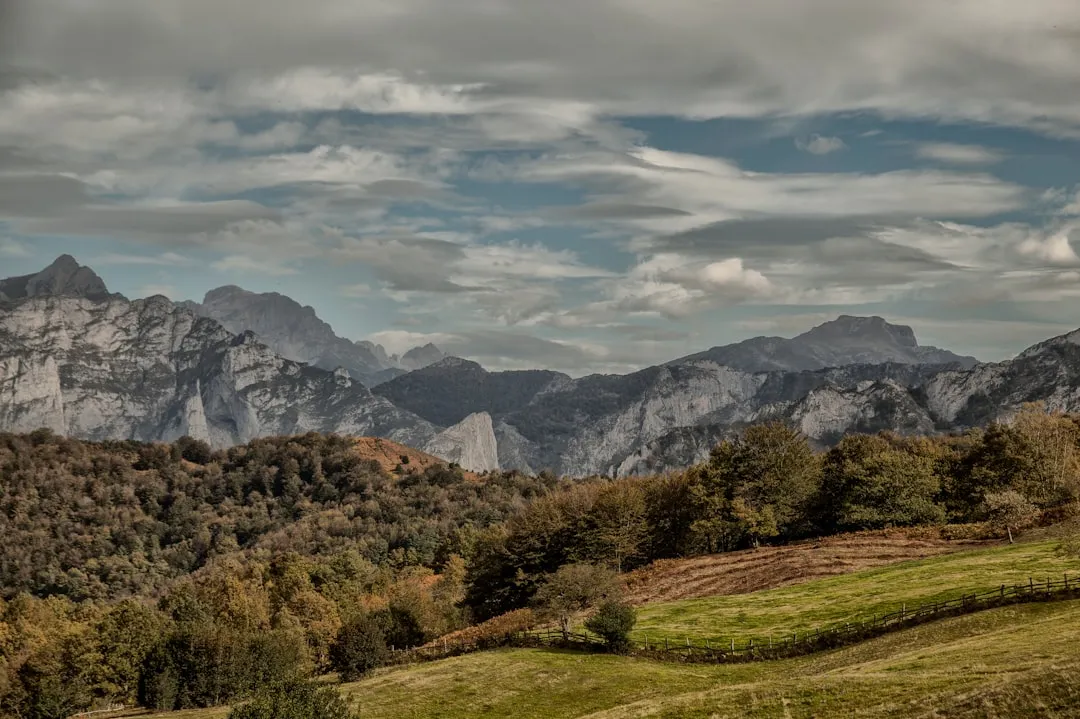
The Sierra de las Nieves Loop is a captivating day walk nestled within the heart of Andalusia, Spain, offering a profound immersion into the rugged beauty of the Sierra de las Nieves Natural Park. This circular route, accessible from the charming town of Ronda, winds through a diverse landscape of dramatic limestone peaks, ancient pine forests, and hidden valleys, culminating in breathtaking panoramic vistas. It's a journey that challenges the body with its elevation gain while rewarding the spirit with the raw, untamed essence of the Andalusian wilderness. The trail is a testament to the region's geological history and ecological richness, providing a memorable experience for those seeking an authentic connection with nature away from the bustling coastal resorts.
- Distance: 25.0 km
- Duration: 7–9 hours
- Season: Spring and Autumn (April–June & September–October)
- Elevation Gain: 900 m
- Difficulty: Moderate
- Closest City: Ronda
- Trailhead Access: Near Refugio de los Quejigales
- Permits: Not required
Overview
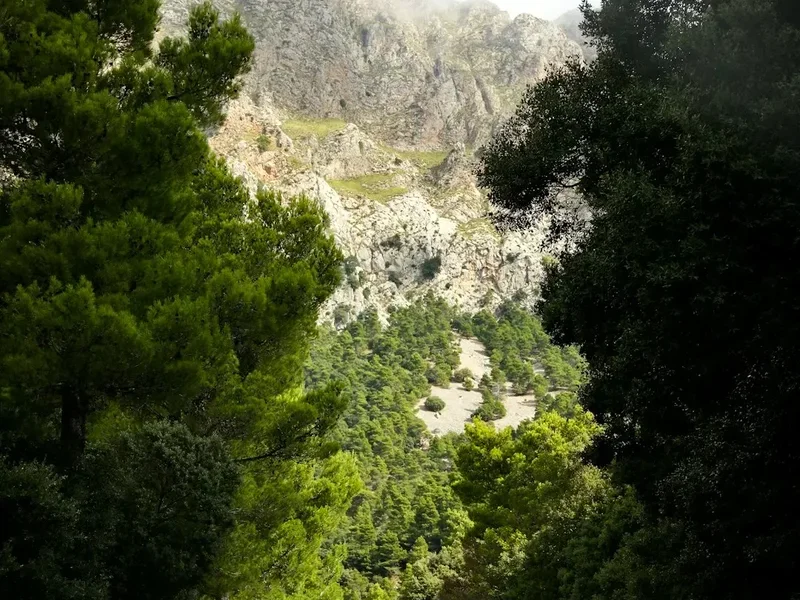
The Sierra de las Nieves Loop is a substantial day hike that demands a good level of fitness and preparation, but the rewards are immense. The trail begins its ascent from the vicinity of the Refugio de los Quejigales, a popular starting point for exploring the natural park. Initially, the path meanders through fragrant pine forests, where the air is thick with the scent of resin and the dappled sunlight filters through the canopy. As the elevation increases, the terrain transitions to more open, rocky landscapes, revealing the dramatic karst topography that characterises the Sierra de las Nieves. Limestone formations, sculpted by millennia of erosion, dominate the scenery, creating a rugged and imposing environment.
The loop is designed to showcase the park's most striking features. Key points include the ascent towards the higher peaks, offering expansive views that stretch across the Andalusian countryside, potentially reaching as far as the Mediterranean Sea on a clear day. The trail navigates through a series of ascents and descents, testing endurance and providing a dynamic walking experience. The highest points of the loop offer a true sense of wilderness, with vast, undulating landscapes that feel remote and untouched. The descent often follows different routes, providing new perspectives and showcasing the varied flora and fauna of the park, which is renowned for its Pinsapo fir trees (Abies pinsapo), a species endemic to this region of southern Spain.
This walk is best undertaken during the spring and autumn months. In spring, the landscape bursts into vibrant colour with wildflowers, and the temperatures are pleasantly mild. Autumn offers a similar climate, with the added beauty of changing foliage in the forests and a crispness to the air. Summer can be extremely hot, making strenuous activity challenging, while winter can bring cold temperatures and potential snow at higher elevations, though snow is less common and usually short-lived.
History and Cultural Context
The Sierra de las Nieves Natural Park, and the mountains surrounding the loop, have a rich history intertwined with human activity and natural phenomena. The name "Sierra de las Nieves" translates to "Mountains of the Snows," a direct reference to the historical importance of snow collection and storage in the region. For centuries, particularly from the 16th to the early 20th century, the higher reaches of these mountains were vital for harvesting snow. This snow was then transported down to the coastal cities, including Málaga and Marbella, to be stored in deep, ice-house-like structures known as "neveros." This ice was a valuable commodity, used for cooling drinks, preserving food, and in early forms of refrigeration before modern technology became widespread.
The presence of the Pinsapo fir (Abies pinsapo) is another significant historical and ecological element. This ancient species, a relic from the Tertiary period, is found naturally in only a few isolated mountain ranges in Andalusia. Its survival is a testament to the unique microclimates and geological conditions of the Sierra de las Nieves. The forests have also historically provided timber and acted as grazing land for livestock, shaping the rural economy of the surrounding villages for generations.
The area's strategic location has also meant it has witnessed various historical events, from Roman settlements to Moorish fortifications. The nearby city of Ronda, perched dramatically on a rocky outcrop, is a prime example of the region's historical significance, with its iconic Puente Nuevo bridge and ancient bullring. The natural park itself was officially established to protect its unique biodiversity, particularly the Pinsapo fir forests, and its distinctive geological formations. The trails, while not ancient pilgrimage routes in the same vein as some other European mountain ranges, have been used by shepherds, hunters, and snow harvesters for centuries, forming a network of paths that have been adapted and maintained for modern-day hikers.
Seasonal Highlights and Weather Reality
The Sierra de las Nieves Loop offers distinct experiences throughout the year, with spring and autumn being the most favourable for hiking.
Spring (April–June): This is arguably the most beautiful time to undertake the loop. The landscape awakens from winter dormancy, with a spectacular display of wildflowers carpeting the meadows and lower slopes. The air is fresh, and temperatures are generally mild, ranging from 15°C to 25°C. The Pinsapo fir forests are lush and green, and the higher peaks may still hold patches of snow, adding a dramatic contrast to the emerging greenery. Rainfall is more frequent than in summer but usually comes in short, refreshing showers.
Summer (July–August): The summer months bring intense heat to Andalusia. Daytime temperatures can easily exceed 30°C, and often reach 35°C or higher, especially at lower elevations. While the higher altitudes of the loop offer some respite, hiking during the midday sun can be extremely challenging and potentially dangerous due to heatstroke. If attempting the loop in summer, an early morning start is absolutely essential, and carrying ample water is paramount. The landscape can appear drier and more parched.
Autumn (September–October): Autumn is another prime season for hiking the Sierra de las Nieves Loop. The oppressive heat of summer subsides, and temperatures become pleasant again, typically between 18°C and 28°C. The forests begin to show autumnal colours, adding a different kind of beauty to the scenery. The risk of rain increases as the season progresses, but it is generally less frequent than in spring. The light is often softer, making for excellent photographic opportunities.
Winter (November–March): While the loop can be hiked in winter, it is less ideal for casual walkers. Temperatures can be cool to cold, with daytime highs often in the 10°C to 15°C range, dropping significantly at night. Frost is common, and snow can fall at higher elevations, potentially making sections of the trail impassable or requiring winter hiking gear such as microspikes or crampons. The landscape is more subdued, and the days are shorter, limiting hiking time. However, for those prepared for colder conditions, winter can offer a serene and dramatic experience with fewer crowds.
Weather Reality: Mountain weather can be unpredictable. Even in the shoulder seasons, sudden changes can occur. It is crucial to check the forecast immediately before setting out and be prepared for a range of conditions, including wind, rain, and temperature fluctuations, especially at higher altitudes.
Recommended Itinerary
Sierra de las Nieves Loop - Day Walk Itinerary
Early Morning (07:00 - 08:00): Departure from Ronda
- Drive from Ronda towards Yunquera via the MA-8901 road.
- The drive itself offers scenic views as you ascend into the natural park.
- Aim to reach the vicinity of Refugio de los Quejigales.
- Park your vehicle at the designated parking area.
Morning (08:00 - 12:00): Ascent through Pine Forests and Karst Landscapes
- Begin the hike from the Refugio de los Quejigales area.
- The initial section involves a steady climb through fragrant pine forests (Pinus halepensis and Pinus pinaster).
- Observe the transition in vegetation as you gain altitude.
- The path becomes rockier and more exposed as you approach the higher elevations.
- Look out for the distinctive limestone formations and sinkholes characteristic of the Sierra de las Nieves.
- Reach a significant viewpoint offering early panoramas of the surrounding mountains and valleys.
Midday (12:00 - 14:00): Summit Ridge and Panoramic Views
- Continue the ascent towards the highest points of the loop.
- The trail may involve some scrambling over rocky sections.
- Reach the main ridge line, offering expansive 360-degree views.
- On clear days, you may see as far as the Mediterranean Sea, the Strait of Gibraltar, and the Rif Mountains of Morocco.
- Identify prominent peaks within the natural park, such as Torrecilla (1,909 m), the highest point in the range.
- This is an ideal spot for a well-deserved lunch break, soaking in the immense scale of the landscape.
Afternoon (14:00 - 18:00): Descent and Return through Diverse Terrain
- Begin the descent, often following a different path to complete the loop.
- The descent may take you through areas with different geological features or vegetation types.
- If the season is right, look for endemic Pinsapo fir trees (Abies pinsapo) in specific areas.
- The terrain can be steep and loose in places, requiring careful footing.
- Pass through more open areas and potentially some shaded forest sections.
- The final part of the walk leads back towards the Refugio de los Quejigales area.
- Arrive back at the trailhead, completing the 25 km loop.
Late Afternoon (18:00 onwards): Return to Ronda
- Drive back to Ronda.
- Consider stopping in a local village for refreshments or a meal to celebrate the completion of your hike.
Important Notes:
- This is a demanding day hike requiring good physical condition.
- Carry sufficient water (at least 3-4 litres per person) as water sources are scarce and unreliable.
- Wear sturdy hiking boots with good ankle support.
- Pack layers of clothing, including waterproofs, as mountain weather can change rapidly.
- Sun protection (hat, sunglasses, sunscreen) is essential, even on cloudy days.
- A map, compass, and/or GPS device are highly recommended for navigation.
- Inform someone of your hiking plans and expected return time.
Planning and Bookings
Book Your Trip
Everything you need to plan your journey
Accommodation
Find places to stay near Ronda
Flights
Search flights to Ronda
Essential Preparation
The Sierra de las Nieves Loop is a significant undertaking, requiring careful planning to ensure a safe and enjoyable experience. Given its classification as a moderate to challenging day hike, physical fitness is paramount. Participants should be accustomed to long walks with substantial elevation gain. The closest major city with an airport is Málaga (AGP), approximately a 1.5-hour drive away. From Málaga, you can rent a car and drive to Ronda, which serves as the primary base town for accessing the natural park. The drive from Málaga to Ronda takes about 1 hour and 15 minutes via the A-357 and A-374 roads. From Ronda, the drive to the trailhead near Refugio de los Quejigales is approximately 30-40 minutes via the MA-8901, a paved but narrow and winding road. Ensure your vehicle is in good condition for mountain driving. It is advisable to book accommodation in Ronda or a nearby village the night before and after your hike, allowing for a relaxed start and finish. Familiarise yourself with the route using detailed maps or a GPS device, as mobile signal can be intermittent within the park.
Trail Accommodation
This is a day hike requiring no overnight accommodation. The Refugio de los Quejigales is a mountain refuge that may offer basic accommodation or facilities, but it is not a mandatory stop or a primary lodging option for the loop itself. Hikers typically start and finish their journey from the parking area near the refuge. For overnight stays, visitors should arrange accommodation in Ronda or the smaller villages surrounding the natural park, such as Yunquera or Tolox.
Required Gear
- Sturdy Hiking Boots: Waterproof, with good ankle support and a well-worn sole for grip on rocky and uneven terrain.
- Backpack: A comfortable daypack (25-35 litres) to carry essentials.
- Navigation Tools: Detailed topographic map of the Sierra de las Nieves Natural Park, compass, and a GPS device or smartphone with offline maps downloaded.
- Head Torch: Essential for early starts or unexpected delays, with spare batteries.
- First Aid Kit: Comprehensive kit including blister treatment, pain relievers, antiseptic wipes, bandages, and any personal medications.
- Sun Protection: High SPF sunscreen, wide-brimmed hat, and sunglasses.
- Waterproof Jacket: Lightweight and breathable, suitable for sudden rain showers.
- Warm Layers: A fleece or insulating jacket, as temperatures can drop significantly at higher altitudes, especially in the shade or if the wind picks up.
- Trekking Poles: Highly recommended for stability on ascents and descents, and to reduce strain on knees.
What to Bring
- Food: High-energy snacks (nuts, dried fruit, energy bars), sandwiches, and a packed lunch. Ensure you have enough for 7-9 hours of strenuous activity.
- Water: A minimum of 3-4 litres of water per person. Water sources on the trail are unreliable and should not be depended upon without proper treatment.
- Water Treatment: Water filter or purification tablets as a backup, though carrying sufficient water is the primary strategy.
- Toiletries: Biodegradable toilet paper, hand sanitiser, and a small trowel for burying human waste if away from designated areas (though this is a day hike, so facilities at the start/end are more likely).
- Mobile Phone: Fully charged, with emergency numbers saved. Consider a portable power bank.
- Camera: To capture the stunning scenery.
- Cash: For potential purchases at local establishments or for parking fees if applicable.
- Identification: Personal identification and any relevant emergency contact information.
Permits
No specific permits are required to hike the Sierra de las Nieves Loop. The area is designated as a Natural Park, and access for recreational hiking is generally open to the public. However, it is always advisable to check for any temporary restrictions or advisories issued by the Andalusian regional government or the park authorities, especially in cases of extreme fire risk during dry periods or for specific conservation efforts. These are typically communicated through local information boards or official park websites. The trail is well-established and maintained for public use, making it accessible without the need for advance booking or special permits, unlike some highly regulated national parks or protected areas.
Other Activities in the Area
The Sierra de las Nieves Natural Park and its surroundings offer a wealth of activities for visitors:
- Exploring Ronda: Visit the iconic Puente Nuevo bridge, the historic bullring (one of the oldest in Spain), and wander through the charming old town with its narrow streets and whitewashed houses.
- Visiting Yunquera and Tolox: These picturesque white villages offer a glimpse into traditional Andalusian life, with local markets, artisan shops, and authentic tapas bars.
- Pinsapo Fir Forest Walks: Beyond the main loop, there are shorter, dedicated trails within the park specifically designed to showcase the unique Pinsapo fir trees, offering a more focused ecological experience.
- Birdwatching: The park is a haven for various bird species, including birds of prey like eagles and vultures, as well as smaller woodland birds.
- Rock Climbing and Canyoning: For the more adventurous, the rugged terrain of the Sierra de las Nieves provides opportunities for climbing and canyoning in designated areas, often requiring local guides.
- Thermal Baths in Tolox: The town of Tolox is famous for its thermal springs, offering a relaxing spa experience amidst the natural beauty of the mountains.
- Olive Oil Tasting: The region is renowned for its olive oil production. Many local farms offer tours and tastings, providing insight into the cultivation and production process.
Safety and Conditions
Pre-Departure Checks:
- Weather Forecast: Always check the most up-to-date weather forecast for the Sierra de las Nieves region, paying close attention to temperature, wind speed, and precipitation, especially for higher altitudes. MetService or local Spanish meteorological agencies are good resources.
- Trail Conditions: While generally well-maintained, conditions can change. Be aware of potential hazards such as loose scree, slippery rocks after rain, and overgrown sections.
- Fire Risk: During dry summer months, the risk of wildfires is high. Adhere to any fire bans or access restrictions implemented by park authorities.
- Inform Someone: Let a trusted person know your hiking plans, including your intended route, start time, and estimated return time.
On-Trail Hazards:
- Dehydration and Heatstroke: Carry significantly more water than you think you will need, especially during warmer months. Hike during the cooler parts of the day (early morning and late afternoon).
- Navigation: The trail can be challenging to follow in places, particularly in poor visibility. Always carry and know how to use your navigation tools. Do not rely solely on mobile phone apps, as signal can be lost.
- Terrain: The loop involves steep ascents and descents over rocky, uneven ground. Proper footwear and trekking poles are highly recommended to prevent slips, trips, and falls.
- Wildlife: While large dangerous animals are not a concern, be aware of snakes (though encounters are rare and they are generally shy) and insects.
- Isolation: The trail can be remote, and you may not encounter other hikers for extended periods. Ensure you are self-sufficient and prepared for emergencies.
Emergency Procedures:
- In case of emergency, call the Spanish emergency number: 112.
- Provide your exact location, the nature of the emergency, and the number of people involved.
- If possible, stay put and conserve energy while waiting for assistance.
Travel Insurance: It is strongly recommended to have travel insurance that covers hiking and potential emergency evacuation.
Side Trips and Points of Interest
Torrecilla Peak (1,909 m): While the loop may skirt its higher reaches, a dedicated ascent to Torrecilla, the highest point in the Sierra de las Nieves, offers unparalleled panoramic views. This can be an optional extension from the main loop, requiring additional time and effort but rewarding hikers with a true sense of accomplishment and an even broader perspective of the Andalusian landscape.
Pinsapo Fir Forests: The Sierra de las Nieves is one of the last refuges for the Pinsapo fir (Abies pinsapo), an ancient species of fir tree endemic to this region. While the main loop passes through pine forests, specific areas within the park are dedicated to these magnificent trees. If time and interest permit, seeking out dedicated trails or information points about the Pinsapo fir can add a significant ecological dimension to your visit.
Caves and Karst Formations: The limestone geology of the Sierra de las Nieves has resulted in numerous caves and dramatic karst formations, including sinkholes and dolines. While many caves are not accessible to the public, observing these natural geological features from the trail provides insight into the powerful forces that have shaped the landscape over millennia.
Refugio de los Quejigales: This mountain refuge, often a starting or ending point for hikes, can be a point of interest in itself. It serves as a hub for outdoor enthusiasts and may offer basic amenities or information about the park. Its location at a significant altitude provides immediate access to the higher mountain environment.
Mirador del Guarda Forestal: Depending on the exact route of the loop, there may be designated viewpoints (miradores) offering spectacular vistas. These are often marked and provide excellent opportunities for photography and appreciating the scale of the natural park.
Leave No Trace
The Sierra de las Nieves Natural Park is a precious natural environment, and it is crucial for all visitors to practice Leave No Trace principles to preserve its beauty and ecological integrity for future generations. As a day hike, the impact is generally lower than multi-day treks, but responsible behaviour remains paramount.
Your responsibility as a walker:
- Pack It In, Pack It Out: Carry out all litter, including food scraps, wrappers, and any other waste you generate. Do not bury or burn trash.
- Stay on Marked Trails: Stick to the designated paths to avoid damaging fragile vegetation, preventing erosion, and protecting the natural habitat of local wildlife. Straying from the trail can also lead to getting lost.
- Respect Wildlife: Observe animals from a distance and never feed them. Feeding wildlife can alter their natural behaviour, diet, and health, and can make them dependent on humans.
- Dispose of Waste Properly: If you need to relieve yourself away from facilities, do so at least 70 metres away from water sources, trails, and campsites. Bury human waste in a cathole and disguise the site. Pack out all toilet paper.
- Minimise Campfire Impacts: Campfires are generally not permitted in Natural Parks, and this is a day hike. If you were to camp (which is not recommended or permitted on this loop), use established fire rings and keep fires small. However, for this day hike, the focus is on not leaving any trace of your presence.
- Leave What You Find: Do not take rocks, plants, or any other natural objects from the park. Leave them for others to enjoy and for the ecosystem to thrive.
- Be Considerate of Other Visitors: Keep noise levels down, yield to other hikers, and be respectful of the natural environment and the experience of others.
By adhering to these principles, you help ensure that the Sierra de las Nieves remains a pristine and enjoyable destination for everyone.
Useful Links
- Andalucia.org - Sierra de las Nieves Natural Park
- <a href="https://www.juntadeandalucia.es/medioambiente/site/portalweb/menuitem.799037014073443433744573/d3031313334373431313334373431313334373431313334373431313334373431313334373431313334373431313334373431313334373431313334373431313334373431313334373431313334373431313334373431313334373431313334373431313334373431313334373431313334373431313334373431313334373431313334373431313334373431313334373431313334373431313334373431313334373431313334373431313334373431313334373431313334373431313334373431313334373431313334373431313334373431313334373431313334373431313334373431313334373431313334373431313334373431313334373431313334373431313334373431313334373431313334373431313334373431313334373431313334373431313334373431313334373431313334373431313334373431313334373431313334373431313334373431313334373431313334373431313334373431313334373431313334373431313334373431313334373431313334373431313334373431313334373431313334373431313334373431313334373431313334373431313334373431313334373431313334373431313334373431313334373431313334373431313334373431313334373431313334373431313334373431313334373431313334373431313334373431313334373431313334373431313334373431313334373431313334373431313334373431313334373431313334373431313334373431313334373431313334373431313334373431313334373431313334373431313334373431313334373431313334373431313334373431313334373431313334373431313334373431313334373431313334373431313334373431313334373431313334373431313334373431313334373431313334373431313334373431313334373431313334373431313334373431313334373431313334373431313334373431313334373431313334373431313334373431313334373431313334373431313334373431313334373431313334373431313334373431313334373431313334373431313334373431313334373431313334373431313334373431313334373431313334373431313334373431313334373431313334373431313334373431313334373431313334373431313334373431313334373431313334373431313334373431313334373431313334373431313334373431313334373431313334373431313334373431313334373431313334373431313334373431313334373431313334373431313334373431313334373431313334373431313334373431313334373431313334373431313334373431313334373431313334373431313334373431313334373431313334373431313334373431313334373431313334373431313334373431313334373431313334373431313334373431313334373431313334373431313334373431313334373431313334373431313334373431313334373431313334373431313334373431313334373431313334373431313334373431313334373431313334373431313334373431313334373431313334373431313334373431313334373431313334373431313334373431313334373431313334373431313334373431313334373431313334373431313334373431313334373431313334373431313334373431313334373431313334373431313334373431313334373431313334373431313334373431313334373431313334373431313334373431313334373431313334373431313334373431313334373431313334373431313334373431313334373431313334373431313334373431313334373431313334373431313334373431313334373431313334373431313334373431313334373431313334373431313334373431313334373431313334373431313334373431313334373431313334373431313334373431313334373431313334373431313334373431313334373431313334373431313334373431313334373431313334373431313334373431313334373431313334373431313334373431313334373431313334373431313334373431313334373431313334373431313334373431313334373431313334373431313334373431313334373431313334373431313334373431313334373431313334373431313334373431313334373431313334373431313334373431313334373431313334373431313334373431313334373431313334373431313334373431313334373431313334373431313334373431313334373431313334373431313334373431313334373431313334373431313334373431313334373431313334373431313334373431313334373431313334373431313334373431313334373431313334373431313334373431313334373431313334373431313334373431313334373431313334373431313334373431313334373431313334373431313334373431313334373431313334373431313334373431313334373431313334373431313334373431313334373431313334373431313334373431313334373431313334373431313334373431313334373431313334373431313334373431313334373431313334373431313334373431313334373431313334373431313334373431313334373431313334373431313334373431313334373431313334373431313334373431313334373431313334373431313334373431313334373431313334373431313334373431313334373431313334373431313334373431313334373431313334373431313334373431313334373431313334373431313334373431313334373431313334373431313334373431313334373431313334373431313334373431313334373431313334373431313334373431313334373431313334373431313334373431313334373431313334373431313334373431313334373431313334373431313334373431313334373431313334373431313334373431313334373431313334373431313334373431313334373431313334373431313334373431313334373431313334373431313334373431313334373431313334373431313334373431313334373431313334373431313334373431313334373431313334373431313334373431313334373431313334373431313334373431313334373431313334373431313334373431313334373431313334373431313334373431313334373431313334373431313334373431313334373431313334373431313334373431313334373431313334373431313334373431313334373431313334373431313334373431313334373431313334373431313334373431313334373431313334373431313334373431313334373431313334373431313334373431313334373431313334373431313334373431313334373431313334373431313334373431313334373431313334373431313334373431313334373431313334373431313334373431313334373431313334373431313334373431313334373431313334373431313334373431313334373431313334373431313334373431313334373431313334373431313334373431313334373431313334373431313334373431313334373431313334373431313334373431313334373431313334373431313334373431313334373431313334373431313334373431313334373431313334373431313334373431313334373431313334373431313334373431313334373431313334373431313334373431313334373431313334373431313334373431313334373431313334373431313334373431313334373431313334373431313334373431313334373431313334373431313334373431313334373431313334373431313334373431313334373431313334373431313334373431313334373431313334373431313334373431313334373431313334373431313334373431313334373431313334373431313334373431313334373431313334373431313334373431313334373431313334373431313334373431313334373431313334373431313334373431313334373431313334373431313334373431313334373431313334373431313334373431313334373431313334373431313334373431313334373431313334373431313334373431313334373431313334373431313334373431313334373431313334373431313334373431313334373431313334373431313334373431313334373431313334373431313334373431313334373431313334373431313334373431313334373431313334373431313334373431313334373431313334373431313334373431313334373431313334373431313334373431313334373431313334373431313334373431313334373431313334373431313334373431313334373431313334373431313334373431313334373431313334373431313334373431313334373431313334373431313334373431313334373431313334373431313334373431313334373431313334373431313334373431313334373431313334373431313334373431313334373431313334373431313334373431313334373431313334373431313334373431313334373431313334373431313334373431313334373431313334373431313334373431313334373431313334373431313334373431313334373431313334373431313334373431313334373431313334373431313334373431313334373431313334373431313334373431313334373431313334373431313334373431313334373431313334373431313334373431313334373431313334373431313334373431313334373431313334373431313334373431313334373431313334373431313334373431313334373431313334373431313334373431313334373431313334373431313334373431313334373431313334373431313334373431313334373431313334373431313334373431313334373431313334373431313334373431313334373431313334373431313334373431313334373431313334373431313334373431313334373431313334373431313334373431313334373431313334373431313334373431313334373431313334373431313334373431313334373431313334373431313334373431313334373431313334373431313334373431313334373431313334373431313334373431313334373431313334373431313334373431313334373431313334373431313334373431313334373431313334373431313334373431313334373431313334373431313334373431313334373431313334373431313334373431313334373431313334373431313334373431313334373431313334373431313334373431313334373431313334373431313334373431313334373431313334373431313334373431313334373431313334373431313334373431313334373431313334373431313334373431313334373431313334373431313334373431313334373431313334373431313334373431313334373431313334373431313334373431313334373431313334373431313334373431313334373431313334373431313334373431313334373431313334373431313334373431313334373431313334373431313334373431313334373431313334373431313334373431313334373431313334373431313334373431313334373431313334373431313334373431313334373431313334373431313334373431313334373431313334373431313334373431313334373431313334373431313334373431313334373431313334373431313334373431313334373431313334373431313334373431313334373431313334373431313334373431313334373431313334373431313334373431313334373431313334373431313334373431313334373431313334373431313334373431313334373431313334373431313334373431313334373431313334373431313334373431313334373431313334373431313334373431313334373431313334373431313334373431313334373431313334373431313334373431313334373431313334373431313334373431313334373431313334373431313334373431313334373431313334373431313334373431313334373431313334373431313334373431313334373431313334373431313334373431313334373431313334373431313334373431313334373431313334373431313334373431313334373431313334373431313334373431313334373431313334373431313334373431313334373431313334373431313334373431313334373431313334373431313334373431313334373431313334373431313334373431313334373431313334373431313334373431313334373431313334373431313334373431313334373431313334373431313334373431313334373431313334373431313334373431313334373431313334373431313334373431313334373431313334373431313334373431313334373431313334373431313334373431313334373431313334373431313334373431313334373431313334373431313334373431313334373431313334373431313334373431313334373431313334373431313334373431313334373431313334373431313334373431313334373431313334373431313334373431313334373431313334373431313334373431313334373431313334373431313334373431313334373431313334373431313334373431313334373431313334373431313334373431313334373431313334373431313334373431313334373431313334373431313334373431313334373431313334373431313334373431313334373431313334373431313334373431313334373431313334373431313334373431313334373431313334373431313334373431313334373431313334373431313334373431313334373431313334373431313334373431313334373431313334373431313334373431313334373431313334373431313334373431313334373431313334373431313334373431313334373431313334373431313334373431313334373431313334373431313334373431313334373431313334373431313334373431313334373431313334373431313334373431313334373431313334373431313334373431313334373431313334373431313334373431313334373431313334373431313334373431313334373431313334373431313334373431313334373431313334373431313334373431313334373431313334373431313334373431313334373