
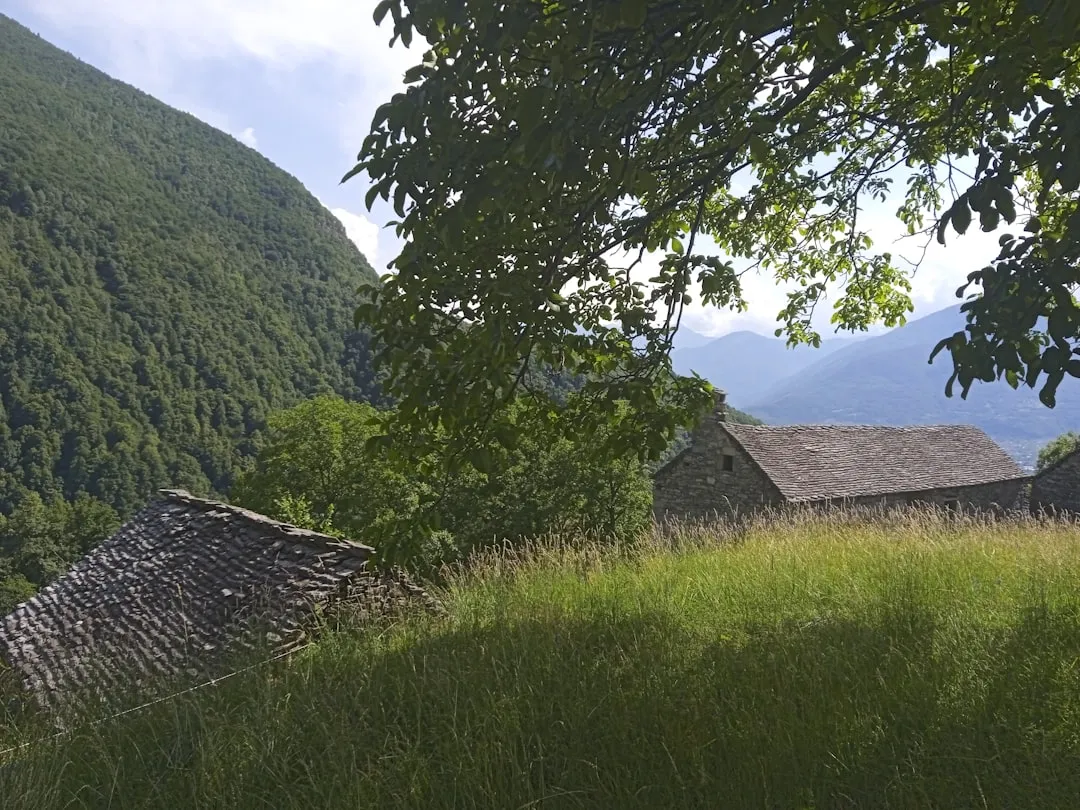
Sibillini Great Ring - An Apennine Odyssey
The Sibillini Great Ring (Grande Anello dei Sibillini) is a spectacular multi-day trek encircling the heart of the Monti Sibillini National Park in Italy's Marche and Umbria regions. This challenging yet immensely rewarding circuit offers a profound immersion into a landscape steeped in myth, history, and breathtaking natural beauty. Traversing rugged mountain terrain, ancient forests, high-altitude plateaus, and remote villages, the Sibillini Great Ring is a journey through a wild and untamed Apennine wilderness.
- Distance: 124 km one-way
- Duration: 8–10 days
- Season: June to September (summer months)
- Elevation Gain: Approximately 6,000 m
- Difficulty: Challenging
- Closest Town: Visso
- Trailhead Access: Nearest airport: Rome (FCO/CIA). Take a train to Civitanova Marche, then a bus to Visso. Alternatively, rent a car in Rome (approx. 3 hours drive). Road conditions are generally good. Parking available in Visso. Trailhead GPS: 42.8500, 13.2000. No permits generally needed, check local regulations before hiking.
Overview
The Sibillini Great Ring is more than just a hiking trail; it's an expedition into a land of legends and dramatic landscapes. The park is named after the Sibyl, a mythical prophetess said to reside in a cave on Monte Sibilla, and the mountains themselves are imbued with a mystical aura. The route winds through a diverse array of environments, from the stark, windswept beauty of the Piani di Castelluccio, one of Europe's most stunning high-altitude plains, to the dense, ancient beech forests of the Gola dell'Infernaccio, and the imposing limestone peaks that dominate the skyline.
This trek is designed for experienced hikers seeking a true wilderness experience. The terrain is often rugged, with steep ascents and descents, rocky paths, and sections that require careful navigation. The elevation gain of 6,000 metres over 124 kilometres signifies a significant physical challenge, demanding good fitness and stamina. The reward, however, is unparalleled: vast panoramas of rolling Apennine peaks, encounters with unique flora and fauna (including the rare Apennine wolf and golden eagle), and the discovery of remote hamlets that seem frozen in time.
The Sibillini Mountains are a geological marvel, formed from Mesozoic limestones and marls, resulting in dramatic karst formations, deep gorges, and high plateaus. The park's biodiversity is exceptional, with a rich variety of plant life adapted to the varied altitudes and microclimates. The trail passes through areas that have been shaped by both natural forces and centuries of human activity, including ancient pastoral routes and abandoned villages, offering a rich tapestry of natural and cultural history.
The best time to undertake the Sibillini Great Ring is during the summer months, from June to September. During this period, the weather is generally stable, though mountain conditions can change rapidly. Wildflowers bloom profusely on the Piani di Castelluccio in late spring and early summer, creating a breathtaking spectacle of colour. The autumn months offer crisp air and stunning foliage, but temperatures can drop significantly, and snow can fall at higher elevations.
History and Cultural Context
The Monti Sibillini have been inhabited since prehistoric times, with evidence of Neolithic settlements found throughout the region. The area's strategic location and rich natural resources made it a significant territory for various ancient peoples, including the Umbrians and later the Romans. The mountains, however, have always been a place of mystery and legend, most famously associated with the Sibyl, a pagan oracle whose prophecies were sought by rulers and commoners alike.
During the Middle Ages, the Sibillini region became a stronghold for various monastic orders and feudal lords. Many of the small villages and hamlets along the route, such as Visso, Norcia, and Castelluccio, have a long and complex history, marked by periods of prosperity and conflict. The Benedictine Order, in particular, played a significant role in the region's development, establishing monasteries and influencing the cultural landscape.
The Sibillini Mountains also hold a significant place in Italian folklore and literature. The legends of the Sibyl, witches, and mythical creatures have been passed down through generations, adding a layer of enchantment to the already dramatic scenery. The area was also a refuge for partisans during World War II, and remnants of this history can still be found in the remote mountain terrain.
In more recent times, the Monti Sibillini have faced challenges, including the devastating earthquakes of 2016, which significantly impacted many of the historic towns and villages. Despite the destruction, the spirit of resilience in the local communities remains strong, and efforts are underway to rebuild and preserve the cultural heritage of the region. The Sibillini Great Ring offers a unique opportunity to witness both the enduring beauty of the landscape and the strength of its people.
Seasonal Highlights and Weather Reality
The Sibillini Great Ring is best experienced during the summer months, from June to September. This period offers the most reliable weather for high-altitude trekking, with longer daylight hours and generally milder temperatures.
June: The beginning of summer brings a spectacular display of wildflowers, particularly on the Piani di Castelluccio. The landscape is vibrant green, and the air is fresh. Temperatures are pleasant, though evenings can still be cool at higher elevations. Snow may linger on the highest peaks in early June.
July and August: These are the warmest months, ideal for tackling the higher passes. The Piani di Castelluccio is in full bloom, creating a breathtaking floral carpet. However, these months can also see more visitors, and accommodation in smaller villages may be limited. Afternoon thunderstorms are possible, so starting hikes early is advisable.
September: Autumn begins to paint the landscape with warm hues. The air is crisp and clear, offering excellent visibility for panoramic views. The crowds thin out, providing a more tranquil experience. Temperatures start to drop, and the possibility of early snow increases towards the end of the month.
Weather Considerations: While summer offers the best conditions, mountain weather is notoriously unpredictable. Be prepared for rapid changes, including sudden downpours, strong winds, and significant temperature drops, especially at higher altitudes. Always check the weather forecast before setting out each day and carry appropriate gear for all conditions.
Off-Season: Spring (April-May) and autumn (October-November) can be beautiful but are more challenging. Snow can persist on higher routes well into spring, and early snow can make sections impassable in autumn. Many mountain refuges and accommodations may be closed outside the main summer season. Winter (December-March) is for experienced mountaineers only, with significant snow, ice, and avalanche risk.
Recommended Itinerary
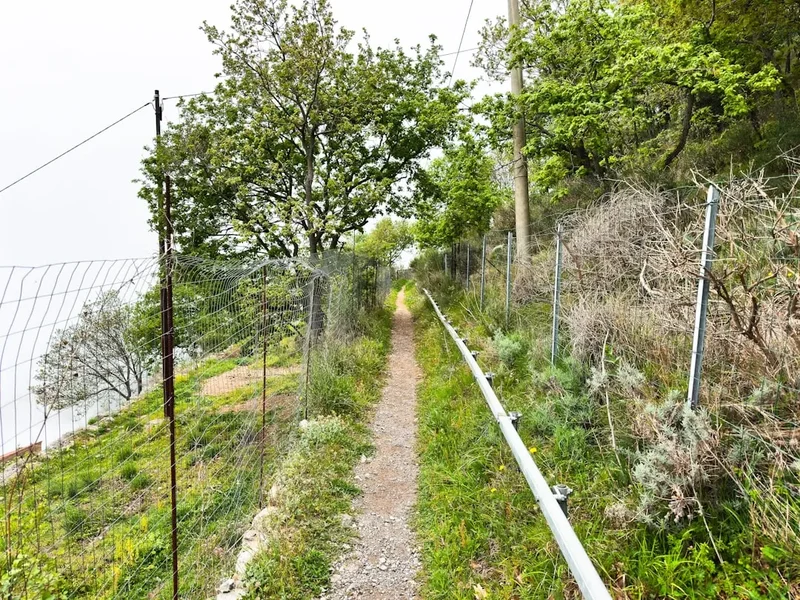
8-Day Sibillini Great Ring Itinerary (Challenging Pace)
Day 1: Visso to Rifugio del Fargno
- Distance: 15 km
- Elevation Gain: 1,200 m
- Time: 6–7 hours
- Start in the historic town of Visso
- Ascend through forests and open meadows
- Pass through the hamlet of Villa di Monti
- Reach the Rifugio del Fargno, a key mountain refuge
- Enjoy panoramic views of the surrounding peaks
Day 2: Rifugio del Fargno to Rifugio Sibilla
- Distance: 18 km
- Elevation Gain: 1,000 m
- Time: 7–8 hours
- Traverse high mountain ridges
- Pass near Monte Priore
- Descend towards the area of Rifugio Sibilla
- Potential for stunning views across the Sibillini range
Day 3: Rifugio Sibilla to Castelluccio di Norcia
- Distance: 12 km
- Elevation Gain: 600 m
- Time: 4–5 hours
- Descend towards the famous Piani di Castelluccio
- Experience the vastness of the high-altitude plain
- Arrive in the picturesque village of Castelluccio di Norcia
- Opportunity to rest and resupply
Day 4: Castelluccio di Norcia to Rifugio del Monte Vettore
- Distance: 14 km
- Elevation Gain: 800 m
- Time: 5–6 hours
- Ascend towards Monte Vettore, the highest peak in the Sibillini
- Explore the high alpine environment
- Reach the refuge near the summit area
- Spectacular views from this elevated position
Day 5: Rifugio del Monte Vettore to Forca di Gualdo
- Distance: 16 km
- Elevation Gain: 700 m
- Time: 6–7 hours
- Continue traversing the high ridges
- Pass through various mountain saddles (forche)
- Descend towards the Forca di Gualdo area
- Potential for encountering wild landscapes
Day 6: Forca di Gualdo to Rifugio Pian Grande
- Distance: 15 km
- Elevation Gain: 700 m
- Time: 5–6 hours
- Explore more of the Sibillini's rugged terrain
- Pass through diverse ecosystems
- Arrive at Rifugio Pian Grande
- Enjoy the remote mountain atmosphere
Day 7: Rifugio Pian Grande to Gola dell'Infernaccio
- Distance: 17 km
- Elevation Gain: 500 m
- Time: 6–7 hours
- Descend into the dramatic Gola dell'Infernaccio (Hell's Gorge)
- Experience the unique microclimate and lush vegetation
- Pass by the Hermitage of San Leonardo
- Camp or stay in basic accommodation near the gorge
Day 8: Gola dell'Infernaccio to Visso
- Distance: 17 km
- Elevation Gain: 600 m
- Time: 5–6 hours
- Final ascent out of the gorge
- Return through varied terrain towards Visso
- Complete the Sibillini Great Ring
Note: This is a challenging itinerary. Days can be adjusted based on fitness, weather, and accommodation availability. Some sections may require navigation skills. It is advisable to consult detailed maps and local guides.
Planning and Bookings
Book Your Trip
Everything you need to plan your journey
Accommodation
Find places to stay near Visso
Flights
Search flights to Visso
Essential Preparation
The Sibillini Great Ring is a demanding trek that requires thorough preparation. Given the challenging terrain and remote nature of some sections, a good level of physical fitness is paramount. Hikers should be comfortable with multi-day trekking, carrying a pack, and navigating varied mountain environments. It is highly recommended to have prior experience with long-distance hiking.
Logistics: The primary logistical hub for the Sibillini Great Ring is the town of Visso. This historic town offers accommodation, restaurants, and essential services. Access to Visso is typically via train to Civitanova Marche followed by a bus, or by car from major cities like Rome or Florence. Parking is available in Visso for those arriving by vehicle.
Base Town Information: Visso is a charming medieval town situated in the heart of the Sibillini Mountains. It provides a good starting and ending point for the trek, with a range of hotels, B&Bs, and agriturismos. It's advisable to spend at least one night in Visso before and after your trek to acclimatise and prepare.
Booking Coordination: Accommodation in mountain refuges (rifugi) and some villages can be limited, especially during peak season. It is crucial to book these in advance, particularly if you plan to hike during July and August. Some refuges may operate on a half-board basis (including dinner and breakfast), while others might be more basic. Researching and booking these accommodations well in advance is essential for a smooth trip.
Trail Accommodation
Accommodation along the Sibillini Great Ring varies from basic mountain refuges (rifugi) to guesthouses and hotels in villages. Some sections may also offer opportunities for wild camping in designated areas, though this should be done with respect for the environment and local regulations.
Rifugi (Mountain Refuges): These are typically simple, rustic shelters offering dormitory-style accommodation and often meals. They are usually staffed during the hiking season (June-September). Booking is highly recommended, and some may require advance payment. Facilities are generally basic, with shared dormitories, communal dining areas, and shared bathrooms. Hot showers may not always be available.
- Booking Requirements: Essential to book in advance, especially during peak season. Contact refuges directly via phone or email.
- Facilities Provided: Bunk beds with mattresses, blankets (sometimes), communal dining areas, basic kitchen facilities (for staff), toilets. Some offer half-board (dinner and breakfast).
- What's NOT Provided: Sleeping bags (often required), towels, toiletries, cooking equipment (unless specified), electricity for charging devices (limited availability).
- Seasonal Availability: Primarily open from June to September. Some may have limited opening outside these months.
- Costs: Varies significantly, typically €30-€60 per person per night for half-board.
Villages and Hamlets: Towns like Visso, Castelluccio di Norcia, and others along the route offer hotels, B&Bs, and agriturismos. These provide more comfortable accommodation and dining options.
- Booking Requirements: Recommended to book in advance, especially in smaller villages.
- Facilities Provided: Private rooms, en-suite bathrooms, restaurants, Wi-Fi (variable).
- What's NOT Provided: N/A (standard accommodation services).
- Seasonal Availability: Generally year-round, but services may be reduced outside peak season.
- Costs: €50-€120+ per night for a double room.
Camping: Wild camping is generally discouraged or prohibited in national parks. However, in some remote areas, discreet wild camping might be tolerated if done responsibly, away from water sources and trails, and with all waste removed. Always check local regulations.
Required Gear
- Sturdy Hiking Boots: Waterproof, broken-in boots with good ankle support are essential for the rugged terrain.
- Backpack: A comfortable backpack of 45-65 litres capacity, with a rain cover.
- Waterproof Jacket and Trousers: Essential for protection against rain and wind.
- Warm Layers: Fleece or down jacket, thermal base layers, hat, and gloves. Temperatures can drop significantly at higher altitudes, even in summer.
- Navigation Tools: Detailed topographic maps of the Sibillini Mountains, a compass, and a GPS device or smartphone with offline maps.
- Head Torch: With spare batteries, for use in refuges and for early morning starts.
- First-Aid Kit: Comprehensive kit including blister treatment, pain relievers, antiseptic wipes, bandages, and any personal medications.
- Sun Protection: High SPF sunscreen, sunglasses, and a wide-brimmed hat.
- Trekking Poles: Highly recommended for stability on ascents and descents, and to reduce strain on knees.
What to Bring
- Food Supplies: High-energy snacks (nuts, dried fruit, energy bars), and sufficient food for lunches and any meals not provided by accommodation.
- Water Bottles/Hydration Reservoir: Capacity for at least 2-3 litres.
- Water Purification Method: Filter or purification tablets, as water sources may not always be potable.
- Toiletries: Biodegradable soap, toothbrush, toothpaste, toilet paper, hand sanitiser.
- Sleeping Bag: A 3-season sleeping bag is recommended for refuges.
- Personal Items: Camera, power bank for electronics, book or journal, insect repellent (especially for lower altitudes and evenings).
- Cash: Many refuges and small establishments may not accept credit cards.
- Duct Tape and Repair Kit: For minor gear repairs.
Permits
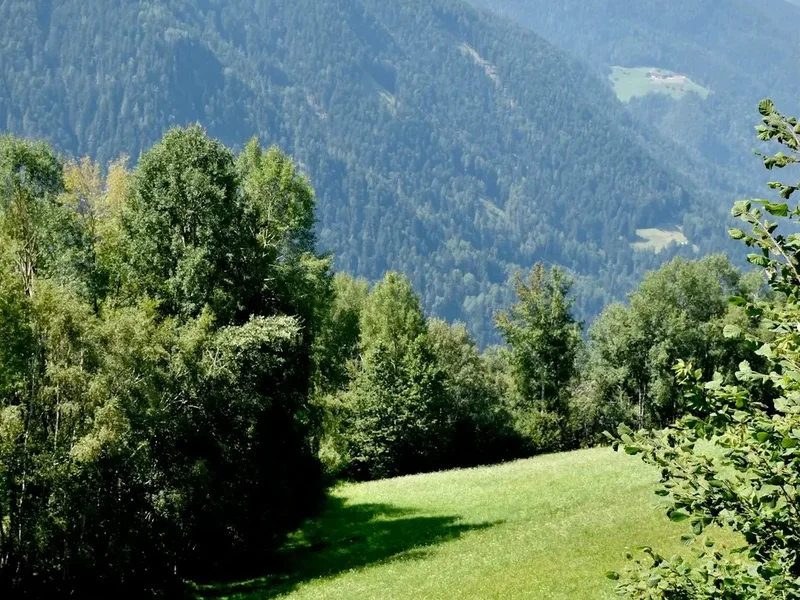
Generally, no specific permits are required to hike the Sibillini Great Ring itself. The trail passes through the Monti Sibillini National Park, which is freely accessible. However, it is always advisable to check for any local regulations or temporary restrictions that may be in place, especially in areas affected by recent seismic activity or during specific conservation periods.
National Park Access: Entry into the Monti Sibillini National Park is free. The park is managed by the Ente Parco Nazionale dei Monti Sibillini, which aims to protect the natural environment and promote sustainable tourism.
Accommodation Bookings: While no permits are needed for hiking, booking accommodation in advance is crucial, as mentioned in the planning section. This is particularly important for mountain refuges (rifugi) and popular guesthouses in villages like Castelluccio di Norcia.
Local Regulations: It is recommended to familiarise yourself with the park's regulations regarding camping, waste disposal, and respecting wildlife. Information can usually be found on the official website of the Monti Sibillini National Park or at visitor centres in towns like Visso.
Earthquake Impact: Due to the significant seismic events in recent years, some trails or facilities might be temporarily closed or rerouted. Always check the latest information from the National Park authority or local tourist offices before your trip. Information regarding the status of specific refuges or trails should be sought from the park's official channels.
Other Activities in the Area
The Sibillini Mountains offer a wealth of activities beyond the Great Ring trek:
- Paragliding and Hang Gliding: The Piani di Castelluccio is a renowned spot for paragliding and hang gliding, offering incredible aerial views of the plains and surrounding mountains.
- Cycling and Mountain Biking: Numerous trails and roads cater to cyclists, from scenic road rides to challenging mountain bike routes.
- Horse Riding: Explore the landscapes on horseback, with several stables offering guided rides.
- Canyoning: The Gola dell'Infernaccio and other gorges offer opportunities for guided canyoning adventures.
- Cultural Tourism: Visit the historic towns and villages of Visso, Norcia, Castelluccio, Amandola, and Arquata del Tronto to explore their medieval architecture, churches, and local traditions.
- Gastronomy: The Sibillini region is famous for its culinary delights, including lentils from Castelluccio, truffles, cured meats (especially from Norcia), pecorino cheese, and local wines.
- Wildlife Watching: The park is home to diverse wildlife, including wolves, chamois, eagles, and various bird species. Guided nature walks can enhance your chances of spotting them.
- Photography: The dramatic landscapes, wildflowers, and charming villages provide endless opportunities for stunning photography.
Safety and Conditions
Mountain Weather: The weather in the Sibillini Mountains can change rapidly. Be prepared for sudden storms, strong winds, and significant temperature drops, especially at higher altitudes. Always check the mountain forecast before setting out and carry appropriate layers and waterproof gear.
Navigation: While the Sibillini Great Ring is a marked trail in many sections, some parts can be remote and require good navigation skills. Carry detailed topographic maps, a compass, and a GPS device or smartphone with offline maps. Familiarise yourself with the route beforehand.
Terrain: The trail involves steep ascents and descents, rocky paths, and scree slopes. Sturdy hiking boots with good ankle support and trekking poles are highly recommended to prevent injuries and improve stability.
Water Sources: Water is generally available from streams and springs, but it is advisable to treat all water before drinking, especially in lower-lying areas or after heavy rainfall. Carry a water filter or purification tablets.
Wildlife: The Sibillini Mountains are home to wild animals, including wolves. While encounters are rare and wolves are generally shy, it's important to be aware of your surroundings and follow park guidelines for wildlife safety. Do not approach or feed wild animals.
Earthquake Impact: The region has experienced significant seismic activity. Some trails or facilities may be affected. Always check the latest information from the Monti Sibillini National Park authority regarding trail conditions and safety advisories before your trek. Be aware of potential hazards such as unstable slopes or damaged infrastructure.
Emergency Contacts: In case of emergency, contact the local emergency services. It is also advisable to inform someone of your itinerary and expected return time.
- Carabinieri Forestali (Forestry Police): 112 (European emergency number)
- Local Mountain Rescue: Information can be obtained from park authorities or local Carabinieri.
Travel Insurance: Ensure you have adequate travel insurance that covers hiking and potential medical evacuation.
Side Trips and Points of Interest
Piani di Castelluccio: This vast high-altitude plain is the jewel of the Sibillini. In late spring and early summer (May-July), it transforms into a breathtaking spectacle of wildflowers, with a riot of colours including poppies, cornflowers, lentils, and daisies. The sheer scale and beauty of the plain are unforgettable.
Monte Vettore: The highest peak in the Sibillini range (2,476 m). A challenging but rewarding ascent offers unparalleled panoramic views of the entire park and beyond. The route to the summit from the Rifugio del Monte Vettore is well-marked but demanding.
Gola dell'Infernaccio (Hell's Gorge): A dramatic and deeply carved gorge with lush vegetation, waterfalls, and a unique microclimate. The trail through the gorge leads to the Hermitage of San Leonardo, a peaceful sanctuary nestled within the canyon.
Lago di Pilato (Pilate's Lake): A small, high-altitude glacial lake located beneath Monte Vettore. Legend has it that Pontius Pilate's body was brought here and his ashes scattered, hence the name. The lake's water level fluctuates significantly throughout the year.
The Sibyl's Cave (Grotta della Sibilla): While the exact location is debated and access may be restricted, the mythical cave of the Sibyl is a significant point of interest, adding a layer of mystique to the mountains. The legend of the Sibyl is deeply woven into the fabric of the Sibillini.
Historic Villages: Explore the charming medieval towns and villages such as Visso, Norcia (famous for its cured meats and Benedictine heritage), Castelluccio di Norcia (renowned for its lentils and stunning plain), and Amandola. These offer a glimpse into the region's rich history and culture.
Leave No Trace
The Monti Sibillini National Park is a precious natural environment that requires careful stewardship. Adhering to Leave No Trace principles is essential to preserve its beauty and ecological integrity for future generations.
Plan Ahead and Prepare: Research the trail, understand the terrain, and be prepared for varying weather conditions. Book accommodation in advance to avoid overcrowding and ensure responsible use of facilities.
Travel and Camp on Durable Surfaces: Stick to marked trails to avoid damaging fragile vegetation. If camping is permitted in designated areas, choose established sites or durable surfaces like rock or gravel.
Dispose of Waste Properly: Pack out everything you pack in, including all food scraps, wrappers, and toilet paper. Use designated waste bins where available, or carry your waste back to civilisation. Use toilet facilities in refuges and villages; if wild camping, dig catholes at least 60 metres away from water sources, trails, and campsites.
Leave What You Find: Do not remove plants, rocks, or any natural or cultural artefacts. Take only photographs and memories.
Minimise Campfire Impacts: Campfires are generally prohibited in national parks. Use a lightweight stove for cooking. If fires are permitted in specific areas, use existing fire rings and ensure fires are completely extinguished before leaving.
Respect Wildlife: Observe wildlife from a distance. Never feed animals, as this can disrupt their natural behaviours and diets. Store food securely to prevent attracting animals.
Be Considerate of Other Visitors: Keep noise levels down, especially in refuges and natural areas. Yield to other hikers on narrow trails. Respect the local culture and traditions.
 Italy
Italy