
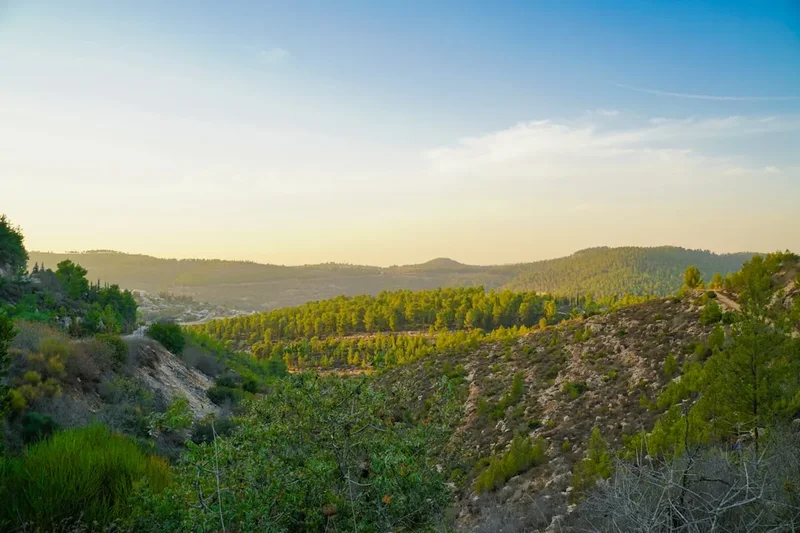
Shvil Israel - The Israel National Trail
The Shvil Israel, or Israel National Trail (INT), is a premier long-distance hiking route traversing the diverse landscapes of Israel. Stretching approximately 1,040 kilometres from the northernmost point of the country to its southernmost tip on the Red Sea, this trail offers an unparalleled journey through history, culture, and varied natural environments. From the lush forests and rolling hills of the Galilee and Carmel to the stark beauty of the Judean Desert and the arid expanses of the Negev, the INT is a testament to the country's geographical and cultural richness. It is a challenging yet profoundly rewarding experience, connecting ancient biblical sites with modern life, and offering a unique perspective on the land and its people. The trail is designed to be walked in sections or as a continuous thru-hike, typically taking between 45 to 60 days to complete.
- Distance: 1,040 km one-way
- Duration: 45–60 days
- Season: Autumn (September–November) or Spring (March–May)
- Difficulty: Challenging
- Highest point: Mount Hermon (though the trail does not ascend to the summit, it passes through high-altitude areas in the north)
- Lowest point: Dead Sea region (below sea level)
- Direction: South to North or North to South
- Accommodation: Mix of campsites, hostels, private homes, and basic shelters
Overview
The Shvil Israel is more than just a long-distance trek; it's a pilgrimage through the heart of a land steeped in millennia of history and diverse cultural influences. The trail is meticulously marked with the iconic blue-white-orange blaze, a symbol of adventure and discovery for hikers. Its path winds through a remarkable spectrum of ecosystems, showcasing Israel's surprising geographical variety. The northern sections are characterised by verdant forests, fertile agricultural lands, and the dramatic landscapes of the Galilee and Golan Heights, often dotted with ancient ruins and archaeological sites. As the trail progresses south, the terrain gradually transforms, leading walkers through the rugged hills of the West Bank and the Judean Desert, where stark canyons, ancient monasteries, and biblical landmarks dominate the scenery. The final stretch traverses the vast, arid beauty of the Negev Desert, culminating at the vibrant coral reefs of Eilat on the Red Sea.
The INT is renowned for its hospitality. Many Israelis open their homes to hikers, offering a bed, a meal, and a glimpse into local life. This tradition of "trail angels" and community support is a defining feature of the Shvil Israel experience, fostering a deep connection between hikers and the land they traverse. The trail's difficulty is significant, with considerable elevation changes, challenging desert conditions, and the need for careful logistical planning, especially regarding water and supplies in arid regions. However, the rewards are immense: breathtaking vistas, encounters with diverse wildlife, immersion in ancient history, and the profound personal growth that comes from undertaking such an epic journey.
The trail is not a single, continuous path in the same way as some other international trails; it often incorporates sections of roads, agricultural tracks, and sometimes requires navigating through towns and villages. This integration of the trail into the fabric of Israeli life is part of its unique charm. It allows for easy access to resupply points and cultural experiences, but also demands vigilance and adaptability from the hiker. The Shvil Israel is a journey that challenges the body, stimulates the mind, and nourishes the soul, offering a comprehensive exploration of one of the world's most historically and geographically significant regions.
History and Cultural Context
The concept of a national trail in Israel began to take shape in the late 1970s and early 1980s, inspired by similar long-distance paths in other countries. The primary driving force behind its creation was the Society for the Protection of Nature in Israel (SPNI), an organisation dedicated to preserving the country's natural and historical heritage. The vision was to create a route that would not only showcase Israel's diverse natural beauty but also connect its rich historical and archaeological sites, fostering a deeper appreciation for the land and its complex past.
The initial planning and marking of the trail were undertaken by volunteers and SPNI staff, who meticulously scouted routes, liaised with local communities, and established the iconic blue-white-orange blaze system. The trail was officially inaugurated in 1995, though it has undergone numerous revisions and improvements since then, with sections being rerouted to improve safety, accessibility, or to incorporate new discoveries. The trail's path often follows ancient routes, including biblical pathways, Roman roads, and Ottoman-era tracks, weaving through landscapes that have been inhabited and traversed for thousands of years.
Culturally, the Shvil Israel is significant as it traverses regions that hold deep religious and historical importance for Judaism, Christianity, and Islam. Hikers often pass through areas mentioned in the Bible, walk in the footsteps of prophets, and encounter archaeological sites that bear witness to ancient civilizations. The trail also passes through diverse modern communities, offering insights into the multicultural tapestry of Israel, including Jewish kibbutzim, Arab villages, Bedouin encampments, and bustling cities. This juxtaposition of ancient and modern, sacred and secular, is a hallmark of the Israeli experience and is vividly reflected in the Shvil Israel.
Seasonal Highlights and Weather Reality
The Shvil Israel can be hiked year-round, but certain seasons offer significantly more favourable conditions. The best times to undertake the thru-hike are during the autumn (September to November) and spring (March to May).
Autumn (September–November): This is widely considered the ideal season. The intense heat of the summer subsides, making hiking in the desert regions much more pleasant. Temperatures are generally mild, and the landscape begins to recover from the dry summer months, with the first rains often arriving in late autumn, bringing a touch of green to the arid south. The northern regions are particularly beautiful during this time, with pleasant temperatures for exploring forests and hills.
Spring (March–May): Spring is another excellent season, especially for the northern and central parts of the trail. Wildflowers bloom profusely, transforming the hillsides into vibrant carpets of colour. Temperatures are generally warm but not excessively hot, making it comfortable for hiking. However, the desert regions can still experience significant heat, particularly in May, and water sources may be less reliable than in autumn. Late spring can also bring occasional thunderstorms.
Summer (June–August): Hiking the Shvil Israel during summer is extremely challenging and generally not recommended for a thru-hike. Daytime temperatures, especially in the desert, can soar to over 40°C, posing a serious risk of heatstroke and dehydration. Water sources are scarce, and many sections become virtually impassable due to the extreme heat. If attempting a summer hike, it is essential to break it into short sections, hike only in the early morning and late evening, and carry copious amounts of water.
Winter (December–February): Winter can be a mixed bag. The northern parts of the country, including the Galilee and Jerusalem hills, can experience cold temperatures, heavy rain, and even snow. This can make hiking in these regions difficult and potentially dangerous, with muddy trails and flash flood risks in wadis. The desert regions are generally milder, with cooler daytime temperatures and occasional rain. However, flash floods in desert canyons are a significant hazard during winter storms. While possible, winter hiking requires careful planning, robust waterproof gear, and constant monitoring of weather forecasts.
Recommended Itinerary
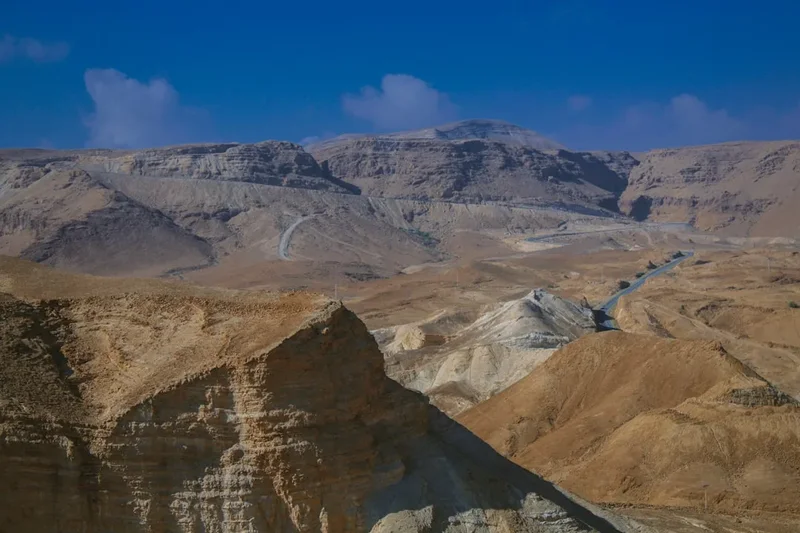
Shvil Israel - North to South (Example Itinerary)
This is a sample itinerary and can be adjusted based on individual pace, interests, and logistical considerations. The trail is often broken down into sections due to its length and the need for resupply.
Section 1: Northern Galilee & Golan Heights (Approx. 150 km)
- Start: Kibbutz Dan (Northernmost point)
- End: Beit She'an
- Duration: 7–10 days
- Highlights: Banias Nature Reserve, Mount Hermon foothills, Sea of Galilee views, ancient synagogues of Korazim and Capernaum, Jordan River, Tel Dan Nature Reserve, rolling hills, agricultural landscapes.
- Terrain: Forest paths, dirt tracks, some paved sections, moderate elevation changes.
Section 2: Carmel & Lower Galilee (Approx. 100 km)
- Start: Beit She'an
- End: Zichron Ya'akov
- Duration: 4–6 days
- Highlights: Beit She'an National Park, Mount Gilboa, Wadi Kelt (partially), Carmel National Park, ancient ruins, diverse flora and fauna.
- Terrain: Varied, including rocky ascents, forest trails, and agricultural land.
Section 3: Central Israel & Judean Hills (Approx. 200 km)
- Start: Zichron Ya'akov
- End: Arad
- Duration: 10–14 days
- Highlights: Caesarea National Park, Tel Aviv coastline (optional detour), Latrun Monastery, Jerusalem (major resupply and cultural hub), Ein Kerem, Mount Scopus, biblical landscapes, ancient villages.
- Terrain: Mix of coastal paths, rolling hills, urban sections, and rocky ascents/descents into valleys.
Section 4: Judean Desert & Dead Sea (Approx. 150 km)
- Start: Arad
- End: Masada
- Duration: 5–7 days
- Highlights: Arad, Ein Gedi Nature Reserve, Masada fortress, Dead Sea views, desert canyons (wadis), ancient monasteries (e.g., Mar Saba - requires detour and special permission).
- Terrain: Arid, rocky, significant elevation changes, potential for flash floods in wadis. Requires careful water planning.
Section 5: Negev Desert (Approx. 300 km)
- Start: Masada
- End: Mitzpe Ramon
- Duration: 12–18 days
- Highlights: Ramon Crater (Makhtesh Ramon), Timna Park, ancient Nabatean cities (Avdat, Mamshit), Bedouin culture, vast desert landscapes, stargazing opportunities.
- Terrain: Mostly arid, sandy, rocky, and exposed. Significant distances between water sources. Requires excellent navigation and self-sufficiency.
Section 6: Southern Negev & Eilat (Approx. 140 km)
- Start: Mitzpe Ramon
- End: Eilat
- Duration: 5–7 days
- Highlights: Southern Negev landscapes, Arava Valley, Timna Park (optional), Eilat mountains, Red Sea coast.
- Terrain: Increasingly arid, rocky, and mountainous towards Eilat.
Important Notes:
- This itinerary is a guideline; actual distances and times can vary.
- Resupply points are crucial. Plan your food and water drops carefully, especially in desert sections.
- Jerusalem is a major hub for rest, resupply, and sightseeing.
- Consider the weather: Autumn and Spring are best for thru-hiking.
- Accommodation varies: campsites, hostels, private homes (trail angels), and basic shelters. Book in advance where possible.
Planning and Bookings
Book Your Trip
Everything you need to plan your journey
Accommodation
Find places to stay near Jerusalem
Flights
Search flights to Jerusalem
Essential Preparation
The Shvil Israel is a demanding thru-hike that requires meticulous planning. Key aspects include physical fitness, logistical coordination for resupply, and understanding the seasonal weather patterns. Hikers should aim for a high level of cardiovascular fitness and strength training, as the trail involves significant elevation changes and long days of walking, often with a heavy pack. Familiarity with navigation, particularly in desert environments, is also crucial. Researching and mapping out resupply points is paramount, as water sources can be scarce and unreliable, especially in the southern sections. Many hikers opt to send resupply boxes to post offices or designated points along the trail. Accommodation needs to be considered, ranging from wild camping to organised campsites, hostels, and the invaluable hospitality of "trail angels" who offer beds and support. It is advisable to have a flexible itinerary, as weather conditions or personal fatigue may necessitate adjustments.
Trail Accommodation
Accommodation along the Shvil Israel is diverse and often relies on the generosity of the Israeli hiking community. There are no formal, bookable huts like those found on some European trails. Instead, hikers typically utilise a combination of:
- Campsites: Designated camping areas are available in national parks and nature reserves, often with basic facilities like toilets and water. Wild camping is also common in many rural and desert areas, though it's important to be aware of local regulations and respect the environment.
- Hostels and Guesthouses: In larger towns and cities, hikers can find budget-friendly hostels and guesthouses. These are excellent for rest days and resupply.
- "Trail Angels" and Private Homes: A unique aspect of the Shvil Israel is the tradition of "trail angels" – local residents who open their homes to hikers, offering a bed, shower, and often a meal. This is usually arranged through hiking forums or word-of-mouth. It is essential to be respectful of their hospitality and offer assistance where possible.
- Basic Shelters: In some remote sections, rudimentary shelters or abandoned structures may be found, offering basic protection from the elements.
Booking Requirements: For designated campsites and hostels, advance booking is recommended, especially during peak seasons. For private homes, arrangements are typically made closer to the time of arrival. There are no costs associated with "trail angel" stays, though a small gift or donation is always appreciated.
Facilities Provided: Varies greatly. Campsites may have toilets, water taps, and picnic tables. Hostels offer beds, shared bathrooms, and common areas. Private homes provide domestic amenities. Basic shelters offer minimal protection.
What's NOT Provided: No organised meal services, no dedicated hiking accommodation like huts, and no guaranteed water sources in many sections.
Seasonal Availability: Most accommodation options are available year-round, but weather conditions can impact the usability of campsites and the comfort of wild camping.
Costs: Campsites typically range from 20-50 ILS per person. Hostels can cost 80-150 ILS per person. Private homes are usually free, with donations encouraged.
Required Gear
- Backpack: 50-70 litre capacity, with a good hip belt and adjustable straps. A rain cover is essential.
- Tent: Lightweight, durable, and waterproof 3-season tent.
- Sleeping Bag: Rated for temperatures between 0-10°C, depending on the season and region.
- Sleeping Pad: For insulation and comfort.
- Hiking Boots: Sturdy, waterproof, and well broken-in hiking boots with ankle support.
- Water Bladder/Bottles: Minimum 3-4 litre capacity per person. Consider a combination of bottles and a bladder.
- Water Filter/Purifier: Essential for treating water from natural sources or taps where quality is uncertain.
- Navigation Tools: Detailed maps of the trail sections, a compass, and a GPS device or smartphone with offline mapping apps (e.g., Maps.me, Gaia GPS).
- Head Torch: With spare batteries.
- First-Aid Kit: Comprehensive kit including blister treatment, pain relievers, antiseptic wipes, bandages, and any personal medications.
- Sun Protection: Wide-brimmed hat, sunglasses, high SPF sunscreen.
- Trekking Poles: Highly recommended for stability, especially on descents and ascents, and for navigating rough terrain.
- Rain Gear: Waterproof and windproof jacket and trousers.
- Insect Repellent: Especially for northern sections and evenings.
What to Bring
- Food: Sufficient non-perishable food for 3-5 days between resupply points. This includes breakfast, lunch, dinner, and snacks. Dehydrated meals are a good option for weight saving.
- Cooking System: Lightweight camping stove, fuel, pot, mug, bowl, and utensils.
- Toiletries: Biodegradable soap, toothbrush, toothpaste, toilet paper, hand sanitiser, small trowel for digging catholes (if wild camping).
- Clothing: Moisture-wicking base layers (merino wool or synthetic), insulating mid-layers (fleece or down jacket), hiking trousers (quick-drying), hiking socks (wool or synthetic), camp shoes or sandals.
- Personal Items: Camera, power bank for electronics, book or journal, identification, cash (for small purchases and donations).
- Duct Tape and Repair Kit: For quick fixes to gear.
- Small Towel: Quick-drying microfibre towel.
- Trash Bags: To pack out all waste.
Permits
For the most part, the Shvil Israel does not require specific permits for hiking. The trail is marked and maintained by the Society for the Protection of Nature in Israel (SPNI), and general access to most natural areas is free. However, there are exceptions:
- National Parks and Nature Reserves: Entry into certain designated national parks and nature reserves along the trail may incur an entrance fee. These include popular sites like Masada, Ein Gedi, and Timna Park. It is advisable to check the Israel Nature and Parks Authority website for current fees and opening hours for specific locations you plan to visit.
- Archaeological Sites: Some ancient ruins or archaeological sites may have separate entrance fees or require guided tours.
- Private Land: While the trail aims to use public land or established rights-of-way, there may be sections that cross private property. Hikers are expected to respect private property and follow any posted signs or instructions.
- Military Zones: Certain areas may be restricted due to military activity. Hikers must adhere to all signage and avoid entering restricted zones.
Booking Requirements: For most sections, no advance booking is necessary. However, for popular sites like Masada, especially if planning to visit at sunrise, booking tickets in advance is highly recommended to avoid long queues or disappointment. Similarly, if planning to stay in designated campsites within national parks, booking a spot is often required.
Costs: Entrance fees for national parks and reserves typically range from 20 ILS to 70 ILS per person, depending on the site. Sunrise tickets for Masada are usually around 50-70 ILS. Camping fees can range from 20-50 ILS per person per night.
Important Note: Always carry identification and be prepared to pay any applicable fees. It is also wise to check the latest information on the Israel Nature and Parks Authority website or consult with SPNI for any updates regarding access or fees for specific sections of the trail.
Other Activities in the Area
The Shvil Israel passes through regions rich in cultural, historical, and natural attractions, offering numerous opportunities for exploration beyond the trail itself:
- Jerusalem: A major cultural and historical hub. Explore the Old City, visit the Western Wall, the Church of the Holy Sepulchre, the Dome of the Rock, walk the Via Dolorosa, and discover the Yad Vashem Holocaust Memorial.
- Dead Sea: Experience floating in the hypersaline waters, cover yourself in therapeutic mud, and visit the ancient fortress of Masada.
- Ein Gedi Nature Reserve: Hike through lush desert oases, discover waterfalls, and spot ibex and hyraxes.
- Tel Aviv: Enjoy the vibrant city life, explore the Bauhaus architecture of the White City, relax on the beaches, and visit the Jaffa Old City.
- Caesarea National Park: Explore the impressive Roman ruins of an ancient port city, including a theatre, hippodrome, and aqueduct.
- Galilee Region: Visit historical sites like Capernaum, the Mount of Beatitudes, and sail on the Sea of Galilee.
- Negev Desert: Explore the unique geological formations of the Ramon Crater, visit ancient Nabatean cities like Avdat and Mamshit, and experience Bedouin hospitality.
- Timna Park: Discover stunning rock formations, ancient copper mines, and unique desert landscapes near Eilat.
- Eilat: Snorkel or dive in the Red Sea's coral reefs, visit the Dolphin Reef, or explore the underwater observatory.
Safety and Conditions
Water Management: This is the most critical safety aspect, especially in the desert sections. Water sources can be infrequent and unreliable. Hikers must carry sufficient water (minimum 3-4 litres per person per day, more in extreme heat) and know the locations of reliable water sources or resupply points. Using a water filter or purification tablets is essential.
Heat and Sun Exposure: During spring and summer, temperatures can be extreme. Hiking during the hottest parts of the day should be avoided. Wear a wide-brimmed hat, sunglasses, and high SPF sunscreen. Seek shade whenever possible and stay hydrated. Heatstroke is a serious risk.
Flash Floods: Desert canyons (wadis) are prone to flash floods during and after rainfall, even if it's not raining directly over the hiker. Always check weather forecasts and be aware of the potential for sudden, dangerous floods. Avoid hiking in wadis during or immediately after rain.
Navigation: While the trail is generally well-marked, it is essential to have reliable navigation tools (maps, compass, GPS) and know how to use them. Some sections may be less clearly marked, and getting lost can be dangerous, especially in remote areas.
Wildlife: While most wildlife is harmless, be aware of snakes (especially vipers in warmer months) and scorpions. Avoid disturbing animals and never approach them. Keep food stored securely to avoid attracting rodents.
Trail Conditions: Sections can be rocky, uneven, and steep. Proper footwear and trekking poles are highly recommended to prevent sprains and falls. Mud can be an issue in the north during winter and spring.
Communication: Mobile phone reception can be patchy, especially in remote desert areas. Inform someone of your itinerary and expected check-in times. Consider carrying a personal locator beacon (PLB) for emergencies in very remote sections.
Respect Local Customs: When passing through villages or religious sites, dress modestly and be respectful of local customs and traditions.
Side Trips and Points of Interest
Masada: A UNESCO World Heritage site, this ancient fortress perched atop a rocky plateau overlooking the Dead Sea is a must-visit. Hike up the Snake Path at sunrise or take the cable car. Explore the ruins and learn about its dramatic history.
Ein Gedi Nature Reserve: A stunning oasis in the Judean Desert, featuring waterfalls, pools, and diverse flora and fauna. It's a refreshing stop for hikers, offering a chance to cool off and enjoy the natural beauty.
Ramon Crater (Makhtesh Ramon): The world's largest erosion crater, located in the Negev Desert. The surrounding national park offers spectacular geological formations, hiking trails, and opportunities for stargazing.
Ancient Nabatean Cities: Explore the well-preserved ruins of Avdat and Mamshit in the Negev, showcasing the ingenuity of the Nabateans who controlled ancient trade routes.
Jerusalem: While not a side trip in the traditional sense, spending several days in Jerusalem is highly recommended to explore its immense historical and religious significance.
Sea of Galilee: The northern sections offer opportunities to visit significant Christian and Jewish historical sites around the lake.
Timna Park: Located near Eilat, this park features striking sandstone formations, ancient copper mines, and the iconic "Mushroom" rock.
Leave No Trace
The Shvil Israel traverses a variety of sensitive environments, from fragile desert ecosystems to cultivated agricultural lands and historically significant sites. Adhering to Leave No Trace principles is crucial for preserving the trail and its surroundings for future generations and for maintaining good relations with local communities.
- Plan Ahead and Prepare: Research your route, understand water sources, and be aware of local conditions and regulations.
- Travel and Camp on Durable Surfaces: Stick to marked trails to avoid damaging vegetation. When camping, use established campsites or durable surfaces like sand or rock. Avoid camping in sensitive ecological areas.
- Dispose of Waste Properly: Pack out everything you pack in, including all food scraps, wrappers, and toilet paper. Use designated toilets where available. If wild camping, dig catholes at least 60 metres away from water sources, trails, and campsites.
- Leave What You Find: Do not remove plants, rocks, or historical artefacts. Take only photographs and memories.
- Minimise Campfire Impacts: Campfires are often prohibited or restricted, especially in dry areas. Use a stove for cooking. If fires are permitted, use existing fire rings and ensure they are completely extinguished.
- Respect Wildlife: Observe wildlife from a distance. Never feed animals, as it can disrupt their natural behaviours and diets. Store food securely.
- Be Considerate of Other Visitors: Keep noise levels down, especially in shared campsites or near residential areas. Yield to other hikers and be courteous.
By following these principles, hikers can help ensure that the Shvil Israel remains a beautiful and accessible trail for all.