
Shivapuri National Park Trail - Kathmandu's Green Lung
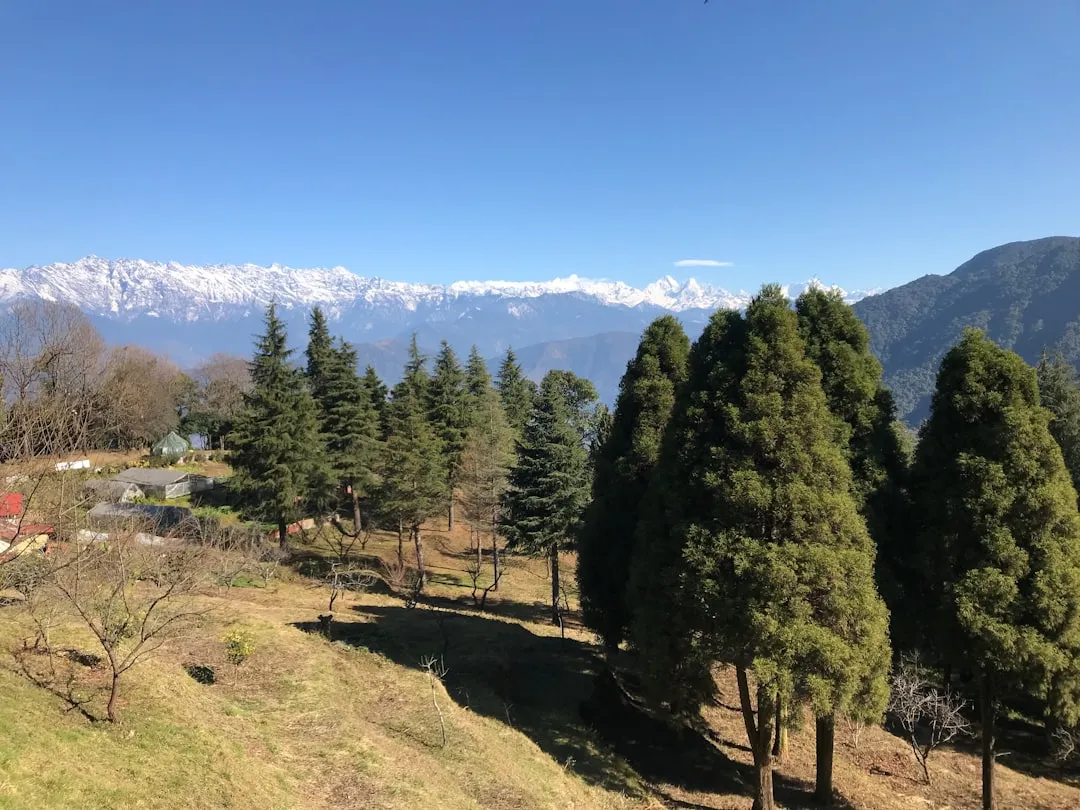
The Shivapuri National Park Trail offers a refreshing escape from the bustling energy of Kathmandu, providing a vital green lung for the capital city and a popular day hike for locals and visitors alike. This trail winds through the lush, biodiverse Shivapuri National Park, a protected area that serves as a crucial watershed for the Kathmandu Valley. The park is renowned for its rich flora and fauna, including a variety of bird species, monkeys, and even the elusive leopard. The trail culminates at the Shivapuri peak, the highest point in the park, offering panoramic views of the Kathmandu Valley and the distant Himalayan ranges on a clear day. It's a journey that combines natural beauty, spiritual significance, and a moderate physical challenge, making it an accessible yet rewarding adventure just a stone's throw from the city centre.
- Category: Day Walk
- Distance: 25.0 km (round trip)
- Elevation Gain: 1200 m
- Duration: 6-8 hours
- Difficulty: Moderate
- Best Time: October-November and March-May (dry season)
- Closest City: Kathmandu
- Trailhead Access: From Kathmandu, take a taxi or bus to Budhanilkantha. Road is paved. Driving time ~30-45 min. Limited parking available. Park entry permits required; obtain at the park entrance or Kathmandu Forestry Office.
- Coordinates: 27.7923, 85.3708
Overview
The Shivapuri National Park Trail is a testament to the natural beauty that can thrive even in close proximity to a major metropolitan area. As a designated national park, it plays a critical role in conserving biodiversity and protecting the water sources that sustain the Kathmandu Valley. The trail itself is a well-trodden path, yet it offers a profound sense of immersion in nature. Starting from the base near Budhanilkantha, the initial ascent is gradual, leading walkers through dense rhododendron and oak forests. The air becomes noticeably cooler and fresher as you gain altitude, and the sounds of the city fade, replaced by birdsong and the rustling of leaves.
The park is a haven for wildlife. While sightings of larger mammals like leopards are rare, the presence of langur monkeys is common, and their playful antics often entertain hikers. Birdwatchers will find the park particularly rewarding, with numerous species of resident and migratory birds calling it home. The trail is dotted with small streams and clearings, offering opportunities for rest and reflection. The higher you climb, the more expansive the views become. On a clear day, the summit of Shivapuri offers a breathtaking 360-degree panorama. To the south, the sprawling expanse of the Kathmandu Valley unfolds, a patchwork of urban development and agricultural land. To the north, the majestic snow-capped peaks of the Himalayas, including Ganesh Himal and Langtang Lirung, often pierce the horizon, providing a stunning backdrop.
The trail is also significant for its spiritual connections. The park is home to the Bagdwar, the source of the Bagmati River, a sacred river in Hinduism and Buddhism. This site is a popular pilgrimage destination, and you may encounter devotees offering prayers. The journey to the summit is a moderate challenge, requiring a good level of fitness due to the sustained elevation gain. However, the well-maintained path and the consistent beauty of the surroundings make the effort worthwhile. It's a hike that offers a perfect blend of natural exploration, cultural insight, and physical activity, making it an essential experience for anyone visiting Kathmandu.
History and Cultural Context
Shivapuri National Park, established in 2002, is one of Nepal's youngest national parks. Its designation was a crucial step in protecting the fragile ecosystem of the Kathmandu Valley and ensuring the sustainability of its water resources. Before its gazettement, the area was subject to deforestation and encroachment, threatening its ecological integrity. The park's creation was a collaborative effort involving local communities, conservation organisations, and the Nepalese government, recognising the vital role the forest played in regulating water flow and preventing soil erosion.
The area has a long history of human interaction, particularly with its spiritual sites. The Bagdwar, considered the source of the Bagmati River, has been a sacred pilgrimage site for centuries. The Bagmati River is central to the religious life of the Kathmandu Valley, flowing through the heart of the capital and being the site of numerous temples and cremation ghats, most notably Pashupatinath. The presence of this sacred source within the park underscores the deep cultural and spiritual connection Nepalese people have with their natural environment.
The Shivapuri peak itself has also held significance, likely as a vantage point and a place for meditation and contemplation. The trail leading to the summit has been used by locals for generations, serving as a route for accessing resources and for spiritual journeys. The establishment of the national park has helped to preserve not only the natural landscape but also the cultural heritage associated with these sacred sites. The park's history is thus a blend of ecological conservation efforts and the continuation of ancient spiritual practices, all set against the backdrop of the ever-evolving Kathmandu Valley.
Seasonal Highlights and Weather Reality
The best time to hike the Shivapuri National Park Trail is during the dry seasons, which generally fall between October and November, and again from March to May. These periods offer the most favourable weather conditions for hiking.
Autumn (October-November): This is arguably the prime season. The monsoon rains have subsided, leaving the air clear and crisp. Temperatures are pleasant, typically ranging from 15°C to 25°C. The skies are often clear, providing excellent visibility for panoramic views of the Himalayas from the summit. The forests are vibrant, and the overall atmosphere is serene, making for a truly enjoyable hiking experience.
Spring (March-May): Spring is another excellent time to visit. The weather is warm, with temperatures similar to autumn, though it can start to get hotter towards May. This season is particularly beautiful as the rhododendrons and other wildflowers bloom, adding splashes of colour to the forest landscape. The humidity begins to increase as the pre-monsoon period approaches, but it is generally manageable for a day hike.
Summer (June-September): This period coincides with the monsoon season. Expect heavy rainfall, high humidity, and cloudy skies. While the rain can make the forest incredibly lush and vibrant, it significantly reduces visibility, making the summit views unlikely. Trails can become muddy and slippery, increasing the risk of accidents. Hiking during the monsoon is generally not recommended unless you are experienced and well-prepared for wet conditions.
Winter (December-February): Winters in Shivapuri are generally mild but can be cold, especially at higher elevations. Daytime temperatures usually range from 5°C to 15°C. Frost is common in the mornings, and there can be occasional light snowfall on the higher peaks, though it rarely accumulates significantly on the trail itself. The skies are often clear, offering good visibility, but the cold can be a factor. It's a good season for hiking if you are prepared for cooler temperatures and shorter daylight hours.
Recommended Itinerary
Shivapuri National Park Day Hike Itinerary
Early Morning (7:00 AM - 8:00 AM): Departure from Kathmandu
- Arrange for a taxi or take a local bus from your accommodation in Kathmandu towards Budhanilkantha.
- The drive typically takes 30-45 minutes, depending on traffic conditions.
- Ensure you have your park entry permits ready or plan to purchase them at the park entrance.
Morning (8:00 AM - 9:00 AM): Arrival at Trailhead and Start of Hike
- Arrive at the Shivapuri National Park entrance near Budhanilkantha.
- Complete any necessary permit formalities.
- Begin your ascent on the well-marked trail. The initial section is a paved road leading to the park entrance, which then transitions into a dirt path.
- The first hour or so involves a steady climb through lower forest areas.
Mid-Morning (9:00 AM - 12:00 PM): Ascending Through Forest and Wildlife Spotting
- Continue your climb, entering the denser rhododendron and oak forests.
- Keep an eye out for langur monkeys and various bird species.
- The trail is generally well-maintained, with some steeper sections and occasional rocky terrain.
- Take short breaks to hydrate and enjoy the changing scenery.
Midday (12:00 PM - 1:00 PM): Reaching Bagdwar and Lunch Break
- Arrive at Bagdwar, the source of the Bagmati River. This is a significant spiritual site.
- Take a break here to explore the area, observe any pilgrims, and have your packed lunch.
- The atmosphere at Bagdwar is often serene and contemplative.
Afternoon (1:00 PM - 3:00 PM): Summit Push and Panoramic Views
- Continue the final ascent towards Shivapuri Peak (2,732 m).
- The trail becomes steeper in this final section.
- Upon reaching the summit, you will be rewarded with spectacular 360-degree views of the Kathmandu Valley and the surrounding Himalayan mountain ranges (weather permitting).
- Spend time taking photographs and soaking in the expansive vistas.
Late Afternoon (3:00 PM - 5:00 PM): Descent and Return to Trailhead
- Begin your descent back towards the park entrance.
- The descent can be faster but requires careful footing, especially on steeper or loose sections.
- Enjoy the changing light and sounds of the forest as you make your way down.
Evening (5:00 PM onwards): Return to Kathmandu
- Arrive back at the park entrance/trailhead.
- Take a taxi or bus back to your accommodation in Kathmandu.
- Reflect on a day of natural beauty and accomplishment.
Important Notes:
- Carry sufficient water and snacks, as facilities are limited within the park.
- Wear sturdy hiking boots and comfortable clothing suitable for varying temperatures.
- A good quality insect repellent is recommended, especially during warmer months.
- Check the weather forecast before you go and be prepared for sudden changes.
- The trail can be busy, especially on weekends and holidays.
Planning and Bookings
Book Your Trip
Everything you need to plan your journey
Accommodation
Find places to stay near Kathmandu
Flights
Search flights to Kathmandu
Essential Preparation
The Shivapuri National Park Trail is a day hike, meaning no overnight accommodation is required. However, essential preparation is still key to a successful and enjoyable experience. The closest major city and logistical hub is Kathmandu. From Kathmandu, you can easily arrange transport to the trailhead near Budhanilkantha. Taxis are readily available, and local buses offer a more budget-friendly option. The drive to Budhanilkantha typically takes between 30 to 45 minutes, but this can vary significantly depending on traffic congestion, which is a common characteristic of Kathmandu.
It is crucial to obtain your park entry permits before commencing your hike. These can usually be purchased at the park entrance itself or, for greater convenience, from the Kathmandu Forestry Office in advance. Confirming the operating hours of the Forestry Office and the park entrance is advisable. For those planning to drive, limited parking is available at the trailhead, so arriving early, especially on weekends, is recommended. Ensure you have sufficient cash for permits and any local transport, as card facilities may not be widely available at the park entrance.
Trail Accommodation
This is a day hike requiring no overnight accommodation.
Required Gear
- Sturdy Hiking Boots: Essential for navigating the varied terrain, which includes dirt paths, rocky sections, and potentially muddy areas after rain. Ensure they are well broken-in to prevent blisters.
- Comfortable Hiking Clothing: Layers are recommended. Lightweight, breathable trousers and a long-sleeved shirt are ideal for protection against the sun and insects. A fleece or warm jacket is advisable for cooler mornings or higher elevations.
- Waterproof Jacket: Even in the dry season, Fiordland's weather can change rapidly. A lightweight, waterproof and windproof jacket is a sensible precaution.
- Backpack: A daypack (20-30 litres) is sufficient to carry essentials like water, snacks, a first-aid kit, and extra clothing.
- Navigation: While the main trail is generally well-marked, a map of the park or a reliable GPS device/app with offline maps is recommended, especially if you plan to explore any less-travelled paths.
- Sun Protection: A wide-brimmed hat, sunglasses, and high SPF sunscreen are crucial, as the sun can be intense, particularly at higher altitudes.
- Insect Repellent: Mosquitoes and other biting insects can be present, especially during warmer months and near water sources.
- Head Torch: Useful in case of unexpected delays or if you start very early or finish late.
- First-Aid Kit: A basic kit including plasters, antiseptic wipes, pain relievers, and any personal medications.
What to Bring
- Water: Carry at least 2-3 litres of water per person. While there are streams, it is strongly advised to treat or filter any water collected from natural sources.
- Food: Pack plenty of high-energy snacks such as nuts, dried fruit, energy bars, and sandwiches for lunch. There are no food vendors within the park.
- Water Treatment: A water filter or purification tablets are highly recommended if you plan to refill your water bottles from natural sources.
- Toiletries: Hand sanitiser, biodegradable wet wipes, and any personal hygiene items.
- Camera: To capture the stunning scenery and wildlife.
- Binoculars: For enhanced wildlife viewing and appreciating distant mountain vistas.
- Cash: For park entry permits, local transport, and any small purchases.
- Mobile Phone: Fully charged, though signal coverage can be intermittent within the park.
Permits
To access Shivapuri National Park, visitors are required to obtain an entry permit. These permits are essential for conservation efforts and contribute to the maintenance of the park's infrastructure and wildlife protection programs. The permits can typically be purchased in two main locations:
- At the Park Entrance: Upon arrival at the main entrance of Shivapuri National Park near Budhanilkantha, you can purchase your entry permit. It is advisable to have local currency (Nepalese Rupees) readily available for this transaction.
- Kathmandu Forestry Office: For added convenience and to avoid potential queues at the park entrance, you can obtain your permits in advance from the Kathmandu Forestry Office. It is recommended to confirm their operating hours and location prior to your visit.
Permit Fees:
- The cost of the permit varies for Nepali citizens, SAARC nationals, and other foreign nationals. As of recent information, fees are generally nominal for Nepali citizens, slightly higher for SAARC nationals, and typically in the range of NPR 500-1000 for other foreign nationals. It is always best to confirm the current rates at the time of your visit, as these can be subject to change.
Important Considerations:
- Carry Your Permit: Always keep your permit with you during your hike, as park rangers may conduct checks within the park boundaries.
- Group Bookings: If you are travelling as part of a larger group or organised tour, your tour operator will usually handle the permit acquisition process.
- Conservation Contribution: The fees collected from permits directly support the conservation of Shivapuri National Park's unique biodiversity and its role as a vital watershed for the Kathmandu Valley.
Other Activities in the Area
While the Shivapuri National Park Trail is a primary attraction, the surrounding area offers several other points of interest and activities that can complement your visit:
- Budhanilkantha Temple: Located at the base of Shivapuri Hill, this ancient temple houses a colossal reclining statue of Lord Vishnu. It is a significant pilgrimage site and a beautiful example of Nepalese stone carving. Visiting the temple before or after your hike provides a cultural immersion into the spiritual heart of the region.
- Kathmandu Valley Exploration: As the gateway to the Shivapuri hike, Kathmandu itself offers a wealth of cultural and historical attractions. Explore UNESCO World Heritage Sites such as Durbar Square, Swayambhunath (Monkey Temple), and Boudhanath Stupa.
- Day trips to nearby hill stations: For those seeking more mountain views, consider day trips to Nagarkot or Dhulikhel, which offer stunning sunrise and sunset views of the Himalayas and the surrounding valleys. These locations are accessible from Kathmandu and provide a different perspective on the Nepalese landscape.
- Local Markets and Shopping: Immerse yourself in the vibrant local culture by exploring the bustling markets of Kathmandu, such as Thamel and Asan Tole, for souvenirs, handicrafts, and local delicacies.
- Culinary Experiences: Kathmandu boasts a diverse culinary scene. Enjoy traditional Nepalese cuisine, including Dal Bhat, momos, and various Newari dishes, at local restaurants.
Safety and Conditions
Pre-Hike Checks:
- Weather Forecast: Always check the local weather forecast for Kathmandu and the Shivapuri region before your hike. Be prepared for potential changes, especially during the monsoon season or shoulder months.
- Trail Conditions: While the main trail is generally well-maintained, heavy rainfall can make sections muddy and slippery. Inquire locally about current trail conditions if you are hiking during or immediately after the monsoon.
- Park Regulations: Familiarise yourself with the rules and regulations of Shivapuri National Park. These are in place for your safety and the protection of the environment.
On the Trail:
- Stay on Marked Trails: To avoid getting lost and to protect the fragile ecosystem, always stick to the designated paths.
- Wildlife Encounters: While most wildlife in Shivapuri is harmless, it's important to maintain a safe distance. Langur monkeys can be curious, so avoid feeding them. Be aware of your surroundings, especially in denser forest areas.
- Hydration and Nutrition: Carry ample water and high-energy snacks. Dehydration and fatigue can increase the risk of accidents.
- Pace Yourself: The trail involves a significant elevation gain. Hike at a comfortable pace, take regular breaks, and listen to your body.
- Communication: Mobile phone signal can be intermittent within the park. Inform someone of your hiking plans, including your expected return time.
- First Aid: Be prepared to administer basic first aid for minor injuries.
Specific Hazards:
- Slippery Trails: Especially after rain, sections of the trail can become very slippery. Use caution and good footwear.
- Sun Exposure: At higher altitudes and in open areas, the sun's intensity can be high. Ensure you use adequate sun protection.
- Insects: Mosquitoes and other biting insects can be present. Use repellent and wear long sleeves and trousers.
Emergency Contacts:
- In case of a serious emergency, contact local park authorities or emergency services in Kathmandu. It is advisable to have these numbers saved on your phone.
Side Trips and Points of Interest
Bagdwar (Source of the Bagmati River): Located approximately halfway to the summit, Bagdwar is a significant spiritual site and the revered source of the Bagmati River. This is a tranquil spot where pilgrims often come to offer prayers. The area is marked by small shrines and a natural spring. It's an excellent place to pause, reflect, and appreciate the cultural significance of the landscape. The atmosphere here is often serene, providing a stark contrast to the bustling city below.
Shivapuri Peak Summit (2,732 m): The ultimate destination of the hike. The summit offers a rewarding panoramic view of the entire Kathmandu Valley, stretching out below like a vast tapestry. On clear days, the majestic snow-capped peaks of the Himalayas, including Ganesh Himal, Langtang Lirung, and even Mount Everest in the far distance, form a breathtaking backdrop. There is often a small stupa or prayer flags at the summit, adding to the spiritual ambiance. It's the perfect spot for a well-deserved rest, a picnic lunch, and ample photo opportunities.
Forest Trails and Wildlife Viewing: While not a specific "side trip," the journey through the diverse forest ecosystems of Shivapuri National Park is an attraction in itself. The park is home to a variety of flora, including rhododendrons, oaks, and pines, as well as a rich birdlife. Keep an eye out for langur monkeys, barking deer, and numerous bird species. The changing vegetation as you ascend provides a dynamic and engaging hiking experience.
Viewpoints along the trail: As you ascend, there are several natural clearings and vantage points that offer glimpses of the valley and the surrounding hills. These spots are ideal for short breaks, allowing you to appreciate the scale of the landscape and the progress you've made.
Leave No Trace
Shivapuri National Park is a vital natural resource for the Kathmandu Valley, serving as a critical watershed and a sanctuary for biodiversity. Adhering to Leave No Trace principles is paramount to preserving this precious environment for future generations. Your actions on the trail have a direct impact on the health of the park.
Your responsibility as a hiker:
- Pack It In, Pack It Out: This is the golden rule. Carry out all your litter, including food scraps, wrappers, and any other waste you generate. Do not bury or burn trash.
- Stay on the Trail: Stick to marked paths to prevent erosion and protect fragile vegetation. Off-trail travel can damage delicate plant life and disturb wildlife habitats.
- Respect Wildlife: Observe animals from a distance and never feed them. Feeding wildlife can alter their natural behaviour, make them dependent on human food, and potentially lead to conflicts.
- Dispose of Waste Properly: Use designated toilet facilities where available. If not, dig a cathole at least 60 metres (60 m) away from water sources, trails, and campsites. Pack out all toilet paper.
- Leave What You Find: Do not take any natural objects, such as rocks, plants, or flowers, from the park. Leave them for others to enjoy and for the ecosystem to thrive.
- Minimise Campfire Impacts: As this is a day hike, campfires are generally not permitted. If you were to camp (which is not standard practice on this trail), use established fire rings and keep fires small.
- Be Considerate of Other Visitors: Keep noise levels down and yield to other hikers. Respect the peaceful nature of the park.
By following these principles, you help ensure that Shivapuri National Park remains a beautiful and healthy natural area for everyone to enjoy.
 Nepal
Nepal