
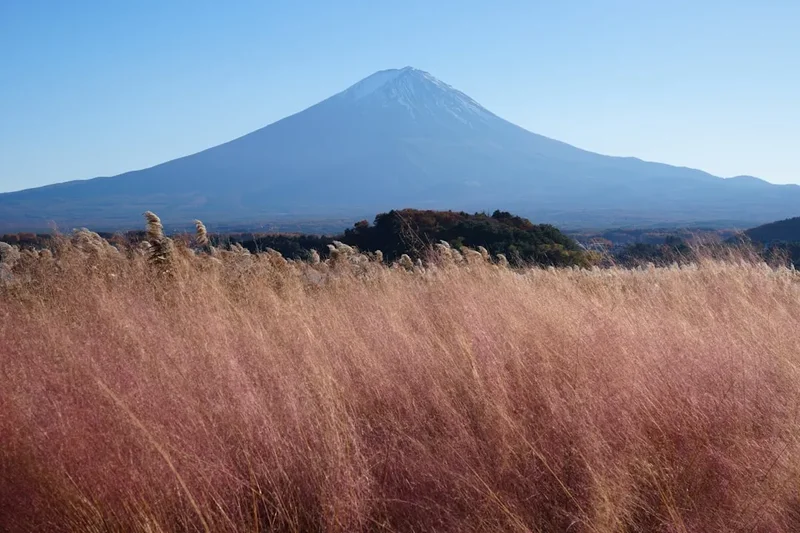
Shiretoko Five Lakes Trail - A Glimpse into Wild Hokkaido
The Shiretoko Five Lakes Trail is a captivating day walk located on the Shiretoko Peninsula, a UNESCO World Heritage site renowned for its pristine wilderness and abundant wildlife. This trail offers a unique opportunity to immerse yourself in the raw beauty of Hokkaido, Japan, with the chance to encounter brown bears, deer, and a diverse array of birdlife in their natural habitat. The well-maintained boardwalks and paths wind through ancient forests, past crystal-clear lakes, and offer breathtaking views of the surrounding mountains and the Sea of Okhotsk. It's a relatively short but incredibly rewarding experience, providing a profound connection to one of Japan's last truly wild frontiers.
- Distance: 3.0 km (loop)
- Elevation gain: 80 m
- Duration: 1-2 hours
- Season: May to October
- Difficulty: Easy
- Closest City: Shari
- Trailhead Access: Requires a bear safety briefing before entry.
Overview
The Shiretoko Five Lakes Trail is a jewel within the Shiretoko National Park, a region celebrated for its dramatic volcanic landscapes, dense forests, and rich marine ecosystems. This particular trail is designed to allow visitors to experience the heart of the peninsula's natural beauty while minimising human impact and ensuring visitor safety, particularly concerning the presence of brown bears (Higuma). The trail network comprises a main boardwalk loop and several smaller paths that lead to the shores of the five distinct lakes, each offering unique perspectives and photographic opportunities.
The journey begins with a mandatory bear safety briefing, a crucial step that educates visitors on how to behave in bear country and what to do in an encounter. This briefing underscores the wild nature of Shiretoko. Once on the trail, you'll find yourself enveloped by a temperate rainforest ecosystem, dominated by towering trees such as Mongolian oak, Japanese ash, and various species of birch. The air is fresh and often carries the scent of damp earth and pine. The boardwalks, elevated above the forest floor, protect the delicate undergrowth and provide a stable, accessible path for walkers.
As you progress, the lakes reveal themselves one by one. The first few lakes are often the most accessible, with clear waters reflecting the surrounding greenery and the imposing peaks of the Shiretoko mountain range. The trail then leads to the higher lakes, which offer more expansive views and a greater sense of seclusion. The highest point of the trail provides a panoramic vista, showcasing the interconnectedness of the lakes and the vastness of the wilderness stretching towards the horizon. The presence of wildlife is a constant possibility; keep an eye out for deer grazing in clearings or the distinctive tracks of bears. The soundscape is dominated by birdsong, the rustling of leaves, and the gentle lapping of water against the shore.
The Shiretoko Five Lakes Trail is more than just a walk; it's an immersion into a living, breathing ecosystem. It's a place where the power of nature is palpable, and visitors are reminded of their role as guests in a wild domain. The trail's design, balancing accessibility with conservation, makes it an exemplary model for eco-tourism, allowing people to witness the untamed beauty of Shiretoko responsibly.
History and Cultural Context
The Shiretoko Peninsula has a long and rich history of human habitation, primarily by the indigenous Ainu people. For centuries, the Ainu utilized the peninsula's abundant natural resources for sustenance and spiritual practices. The forests provided timber and medicinal plants, while the surrounding seas teemed with fish and marine mammals. The Ainu held a deep reverence for the natural world, viewing the animals and the land as spiritual entities. The brown bear, in particular, held a significant place in Ainu culture, often revered as a deity (kamuy).
The modern era of exploration and settlement in Shiretoko began in the late 19th and early 20th centuries, with Japanese settlers arriving to exploit the region's resources, including timber and marine products. This period saw the establishment of fishing villages and logging operations, which had a significant impact on the natural environment. However, the remoteness and harsh climate of Shiretoko meant that large-scale industrialisation was limited, preserving much of its wilderness character.
In recognition of its outstanding universal value, the Shiretoko Peninsula was designated a UNESCO World Heritage site in 2005. This designation highlighted the region's unique biodiversity, its role as a crucial habitat for migratory birds, and its importance as the southernmost breeding ground for the Steller sea lion. The establishment of the Shiretoko National Park in 1964 was a critical step in protecting this fragile ecosystem. The Five Lakes Trail, as part of the national park, was developed to provide controlled access for visitors, allowing them to experience the natural beauty while ensuring the protection of the environment and its wildlife, especially the brown bears.
The trail's infrastructure, including the boardwalks and safety measures, reflects a modern approach to conservation, balancing the desire for public access with the imperative to preserve a wild and ecologically significant area. The ongoing management of the trail is a testament to the commitment to safeguarding Shiretoko's natural heritage for future generations, respecting both its ecological importance and its historical significance to the Ainu people.
Seasonal Highlights and Weather Reality
The Shiretoko Five Lakes Trail is accessible from May to October, with each month offering a distinct experience shaped by the changing seasons and weather patterns of Hokkaido.
Spring (May to June): This is the beginning of the hiking season. The snow begins to melt, and the forest awakens. Wildflowers start to bloom, adding splashes of colour to the landscape. The lakes are often still and reflective, offering stunning mirror-like views. Wildlife is active as they emerge from hibernation and seek out fresh vegetation. However, early May can still see lingering snow patches, and the weather can be unpredictable, with cool temperatures and occasional rain or even late snowfalls. Bear activity also increases significantly during this period as they become more active.
Summer (July to August): These months offer the most stable weather conditions, with warmer temperatures and longer daylight hours. The forest is lush and green, and the lakes are at their most vibrant. This is peak season for visitors, and the trail can be busy. Wildlife sightings are common, though bears may be more dispersed as they forage across a wider area. Sandflies can be present, though generally less problematic than in some other coastal regions. The weather is generally pleasant, but occasional rain showers are still possible.
Autumn (September to October): This is arguably the most visually spectacular time to visit. The deciduous trees transform into a riot of colour, with vibrant reds, oranges, and yellows painting the hillsides. The air becomes crisp and cool, and the light takes on a golden hue, making for exceptional photography. The lakes provide a beautiful contrast to the autumn foliage. Wildlife, including bears, may be more visible as they prepare for winter. However, the weather can become more volatile, with increased chances of rain, wind, and colder temperatures, especially in October. Snowfall can occur at higher elevations towards the end of the season, potentially leading to trail closures.
Weather Considerations: Shiretoko's weather is notoriously changeable. Even during the summer months, it's essential to be prepared for rain, wind, and sudden drops in temperature. Fog can also roll in quickly, obscuring views and reducing visibility. Always check the weather forecast before your visit and be prepared for a range of conditions. The mandatory bear safety briefing will also cover specific weather-related precautions.
Recommended Itinerary
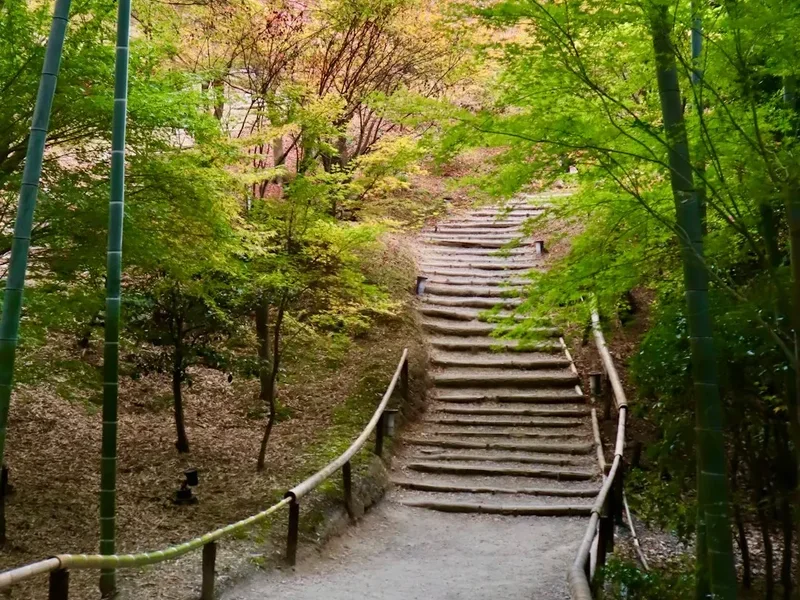
Shiretoko Five Lakes Trail - Day Walk Itinerary
Pre-Trail: Mandatory Bear Safety Briefing
- Location: Shiretoko Five Lakes Nature centre (near the trailhead)
- Time: Varies, check park opening hours. Arrive at least 30-60 minutes before your intended start time to allow for the briefing.
- Content: Essential information on bear behaviour, safety protocols, what to do in an encounter, and the importance of staying on marked paths. This briefing is mandatory for all visitors entering the trail area.
- Duration: Approximately 15-20 minutes.
Morning: Trailhead and First Lakes
- Access: Drive or take a local bus to the Shiretoko Five Lakes trailhead. Parking is available (fee may apply).
- Start Time: Aim to arrive early to secure parking and complete the briefing before the main crowds.
- Trailhead Facilities: Nature centre, restrooms, information boards.
- First Section: Begin on the main boardwalk, which is elevated and well-maintained. This section is designed for easy access and to minimise impact on the forest floor.
- Lake I (First Lake): The first of the five lakes you will encounter. Often a good spot for initial photos, with clear water and surrounding forest.
- Lake Ni (Second Lake): Continue along the boardwalk, passing through dense woodland.
Midday: Exploring the Middle Lakes and Boardwalk Loop
- Lake San (Third Lake): The trail may offer slightly different perspectives here, with opportunities to see more diverse flora.
- Lake Shi (Fourth Lake): This lake is often a highlight, with its expansive views and tranquil atmosphere.
- Boardwalk Network: The trail system is a loop, allowing you to circumnavigate the lakes. Some sections may involve short detours to viewpoints or lake shores.
- Wildlife Spotting: Keep a keen eye out for deer, foxes, and various bird species. Listen for the sounds of the forest.
Afternoon: Final Lake and Return
- Lake Go (Fifth Lake): The furthest lake on the loop, often offering a more secluded experience.
- Highest Point: The trail reaches its highest elevation near the fifth lake, providing panoramic views of the lake system and the surrounding Shiretoko mountain range.
- Return Journey: Follow the boardwalk back towards the trailhead. The return path may offer different lighting and perspectives compared to the outward journey.
- Exit: Arrive back at the Shiretoko Five Lakes Nature centre.
- Post-Walk: Visit the nature centre for further information or to purchase souvenirs.
Important Notes:
- The trail is a loop, but there are also smaller paths leading to individual lake shores.
- Always stay on the designated boardwalks and paths to protect the environment and for your own safety.
- Carry water and snacks, as there are no facilities along the trail itself.
- Be prepared for changing weather conditions.
- Respect all wildlife and maintain a safe distance. Never feed animals.
- Bear bells are often recommended, and carrying bear spray is advisable (check local regulations and availability).
Planning and Bookings
Book Your Trip
Everything you need to plan your journey
Accommodation
Find places to stay near Shari
Flights
Search flights to Shari
Essential Preparation
The Shiretoko Five Lakes Trail is a day walk, meaning no overnight accommodation is required. However, preparation is key to a safe and enjoyable experience. The primary logistical challenge is reaching the trailhead and completing the mandatory bear safety briefing. The closest major town is Shari, which serves as a gateway to the Shiretoko Peninsula. From Shari, you can access the trailhead via local bus services or by private vehicle. If driving, be aware that parking at the trailhead may have a fee and can fill up during peak season. It is highly recommended to check the official Shiretoko National Park website for the most up-to-date information on trail conditions, operating hours, and any specific entry requirements or advisories, especially concerning bear activity.
Trail Accommodation
This is a day hike requiring no overnight accommodation.
Required Gear
- Sturdy walking shoes or hiking boots: Waterproof and with good ankle support are recommended for comfort and stability on the boardwalks and any natural paths.
- Waterproof and windproof jacket: Essential for Hokkaido's unpredictable weather, even in summer.
- Warm layers: A fleece or insulated jacket is advisable, as temperatures can drop, especially in the morning and evening, or if fog rolls in.
- Comfortable walking trousers: Quick-drying material is preferable.
- Backpack: A small daypack (15-25 litres) to carry essentials.
- Navigation: While the trail is well-marked, a map of the park or a trail guide can be useful. A GPS device or smartphone with offline maps is also a good backup.
- First-aid kit: Including blister treatment, pain relievers, antiseptic wipes, and any personal medications.
- Sun protection: Sunscreen, sunglasses, and a hat, as the sun can be strong, especially at higher elevations.
- Insect repellent: Particularly for sandflies, which can be present during warmer months.
What to Bring
- Water: Carry at least 1-2 litres of water per person. Refill stations are not available on the trail.
- Food: Pack snacks and a packed lunch. There are no food vendors along the trail.
- Camera: To capture the stunning scenery and potential wildlife.
- Binoculars: For enhanced wildlife viewing.
- Bear bell: Often recommended to alert wildlife of your presence.
- Bear spray: Highly recommended for personal safety in bear country. Ensure you know how to use it and check local regulations regarding its carriage.
- Toilet paper and hand sanitiser: For personal hygiene.
- Trash bag: To pack out all your waste.
- Identification: Carry your passport or other identification.
Permits
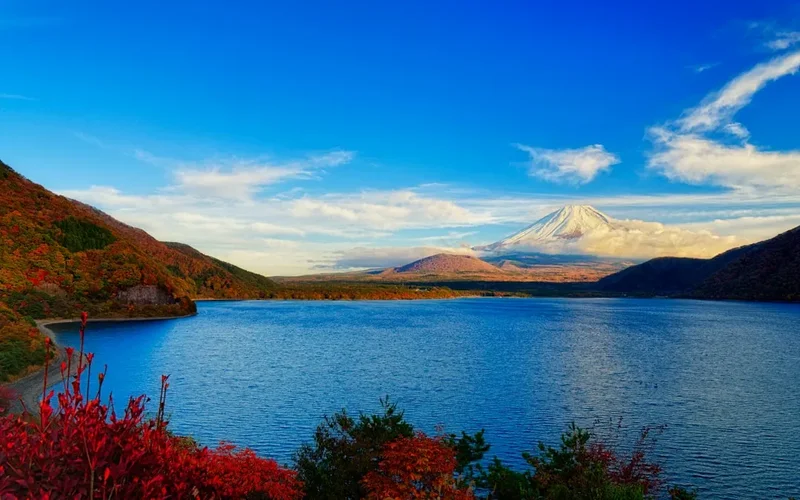
For the Shiretoko Five Lakes Trail, a permit is not typically required for general access to the main boardwalk trail during the standard operating season (May to October). However, entry to the trail area is contingent upon attending a mandatory bear safety briefing. This briefing is conducted at the Shiretoko Five Lakes Nature centre, located near the trailhead.
Bear Safety Briefing:
- Requirement: Mandatory for all visitors intending to walk the Five Lakes Trail or access the surrounding bear habitat.
- Location: Shiretoko Five Lakes Nature centre.
- Frequency: Briefings are held regularly throughout the day, typically starting from the park's opening time. It is advisable to arrive at least 30-60 minutes before your desired start time to ensure you can attend a briefing and begin your walk without delay.
- Content: The briefing covers essential information regarding brown bear behaviour, how to avoid encounters, what to do if you see a bear, the importance of staying on marked trails, and the use of bear bells and bear spray.
- Duration: Approximately 15-20 minutes.
- Cost: The briefing itself is usually free of charge, but there may be an entrance fee for the national park or parking fees at the trailhead.
Trail Access Fees:
- While the bear briefing is mandatory, there might be a small entrance fee for the Shiretoko National Park or a parking fee at the trailhead. These fees contribute to the maintenance and conservation efforts of the park. Always check the official Shiretoko National Park website for the most current information on fees and any potential changes to access regulations.
Seasonal Closures: The trail is generally open from May to October. However, due to bear activity or severe weather conditions, sections of the trail or the entire area may be temporarily closed. It is crucial to check the park's official website for any alerts or closures before your visit.
Advanced Trail Access (Optional): For those seeking a more in-depth experience, there is an "Advanced Trail" that extends beyond the main boardwalk loop. Access to this advanced trail may require additional registration or a guided tour, especially during peak bear activity periods. Information on this is usually available at the Nature centre.
Other Activities in the Area
The Shiretoko Peninsula offers a wealth of activities beyond the Five Lakes Trail, allowing visitors to fully appreciate this unique natural environment:
- Shiretoko Sightseeing Boat Tours: Embark on a boat trip from Utoro or Rausu to witness the dramatic coastal cliffs, waterfalls cascading directly into the sea, and abundant marine wildlife, including seals, sea lions, and various whale species. These tours offer a different perspective on the peninsula's rugged beauty and are excellent for spotting wildlife.
- Shiretoko Pass Drive: A scenic drive over the Shiretoko Pass connects Utoro and Rausu. The pass offers stunning panoramic views of the peninsula and the Sea of Okhotsk. It's a popular route for spotting wildlife, particularly deer and bears, from a safe distance.
- Utoro Onsen: Relax and rejuvenate in one of Utoro's hot spring resorts. Many offer rooms with ocean views and outdoor baths, providing a perfect way to unwind after a day of exploration.
- Shiretoko National Park Visitor Centre (Utoro): Learn more about the peninsula's natural history, geology, flora, and fauna through informative exhibits and displays.
- Kamuiwakka Hot Falls: Hike to a unique waterfall where hot spring water flows down a mountainside, creating a natural hot tub. This requires a moderate hike and is a popular, albeit sometimes crowded, natural attraction.
- Rausu: Known for its whale watching tours and its role as a gateway to the eastern side of the peninsula, Rausu offers a different, perhaps more rugged, feel than Utoro.
- Birdwatching: Shiretoko is a vital stopover for migratory birds. Depending on the season, you can spot numerous species, including various seabirds, raptors, and waterfowl.
- Steller Sea Lion Viewing: During certain times of the year, particularly in winter, large colonies of Steller sea lions can be observed along the coast.
Safety and Conditions
Bear Safety: This is paramount in Shiretoko. Always attend the mandatory bear safety briefing. Carry bear spray and know how to use it. Make noise while walking (bear bells are recommended, but talking or singing is more effective) to avoid surprising bears. Never approach or feed bears. If you encounter a bear, remain calm, do not run, and slowly back away. Follow the instructions provided during the briefing.
Trail Conditions: The main boardwalk trail is generally well-maintained and safe. However, always be aware of your surroundings. Uneven surfaces can occur, and the boardwalk can be slippery when wet. The advanced trail, if you choose to explore it, will be more rugged and may require more experience.
Weather: Shiretoko's weather can change rapidly. Be prepared for rain, wind, and cooler temperatures, even in summer. Fog can reduce visibility significantly. Always check the weather forecast before heading out and carry appropriate gear.
Wildlife Encounters: Besides bears, you may encounter deer, foxes, and various bird species. Maintain a respectful distance from all wildlife. Do not attempt to feed or touch any animals.
Navigation: The Five Lakes Trail is a loop and is generally well-signed. However, it's wise to carry a map and compass or a GPS device, especially if you plan to venture onto any less-travelled paths or the advanced trail. Mobile phone reception can be intermittent.
Emergency Preparedness: Carry a basic first-aid kit. Know the location of emergency contact points or park ranger stations. In case of a serious emergency, contact park authorities or local emergency services.
Hydration and Nutrition: Carry sufficient water and snacks, as there are no facilities on the trail. Dehydration can occur even in cooler weather.
Footwear: Wear sturdy, comfortable walking shoes or hiking boots with good grip. The boardwalk can be slippery when wet.
Side Trips and Points of Interest
Lake I (First Lake): The closest lake to the trailhead, often the first introduction to the serene beauty of the Five Lakes. It's a good spot to acclimatise and begin your photographic journey.
Lake Ni (Second Lake): As you progress along the boardwalk, this lake offers clear reflections of the surrounding forest and sky. Keep an eye out for waterfowl.
Lake San (Third Lake): This lake is often noted for its tranquil atmosphere. The boardwalk may offer slightly elevated views, allowing you to appreciate the depth of the forest.
Lake Shi (Fourth Lake): A popular spot for many visitors, the Fourth Lake often provides expansive views and a sense of openness. It's a great place to pause and absorb the natural surroundings.
Lake Go (Fifth Lake): The furthest lake on the main loop, the Fifth Lake is often considered the most picturesque. It sits at a slightly higher elevation, offering a broader panorama of the lake system and the majestic Shiretoko mountain range. The views from here are particularly rewarding, showcasing the interconnectedness of the landscape.
The Advanced Trail (Optional): For those seeking a more challenging and immersive experience, an advanced trail extends beyond the main boardwalk loop. This trail is less maintained, more rugged, and offers a deeper exploration of the wilderness. Access to this trail may be restricted or require additional registration, especially during peak bear season. It provides a more intimate encounter with the natural environment and potentially more opportunities for wildlife sightings, but requires greater caution and preparedness.
Observation Decks: Throughout the trail, there are strategically placed observation decks and viewpoints that offer excellent vantage points for photography and wildlife spotting. These are ideal places to pause, rest, and appreciate the scale and beauty of the Shiretoko wilderness.
Leave No Trace
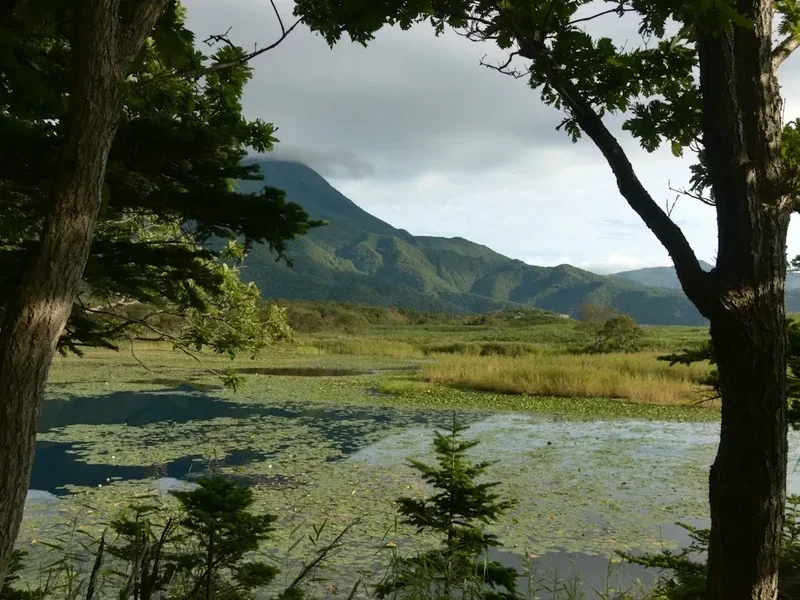
The Shiretoko Five Lakes Trail is a vital part of a UNESCO World Heritage site, a testament to the importance of preserving pristine natural environments. Adhering to Leave No Trace principles is not just a recommendation; it is essential for the continued health and integrity of this unique ecosystem and for the safety of both visitors and wildlife.
Your responsibility as a walker:
- Pack it in, pack it out: This is the golden rule. Carry out all your rubbish, including food scraps, wrappers, and any other waste. Do not bury or burn trash.
- Stay on the designated trails: The boardwalks and marked paths are there to protect the fragile forest floor, delicate plant life, and to minimise disturbance to wildlife habitats. Venturing off-trail can cause irreparable damage and increase your risk of encountering wildlife unexpectedly.
- Respect wildlife: Observe animals from a distance. Never feed them, as this can alter their natural behaviour, make them dependent on human food, and lead to dangerous encounters. This is especially critical for bears.
- Minimise campfire impacts: Campfires are not permitted on this trail. If you are visiting other areas of Shiretoko where campfires are allowed, use designated fire rings and ensure fires are completely extinguished.
- Leave what you find: Do not take any natural objects, such as rocks, plants, or flowers, from the park. These are part of the ecosystem and should be left for others to enjoy and for the environment to sustain.
- Be considerate of other visitors: Keep noise levels down to allow everyone to enjoy the natural sounds of the forest and to avoid startling wildlife.
- Dispose of waste properly: Use the designated toilets at the trailhead. If nature calls on the trail, be prepared to pack out all toilet paper.
- Travel and camp on durable surfaces: This is primarily relevant to the boardwalks and designated paths on this trail.
By following these principles, you help ensure that the Shiretoko Five Lakes Trail remains a wild and beautiful place for generations to come, a true sanctuary for nature.
Useful Links
- Shiretoko Five Lakes Official Information
- Shiretoko National Park (Ministry of the Environment, Japan)
- Hokkaido Tourism - Shiretoko
- Japan-Guide.com - Shiretoko
- Japan Mountain Forecasts (Note: Specific Shiretoko forecasts may vary, check local sources)
- Japan Meteorological Agency (for general weather)
 Japan
Japan