
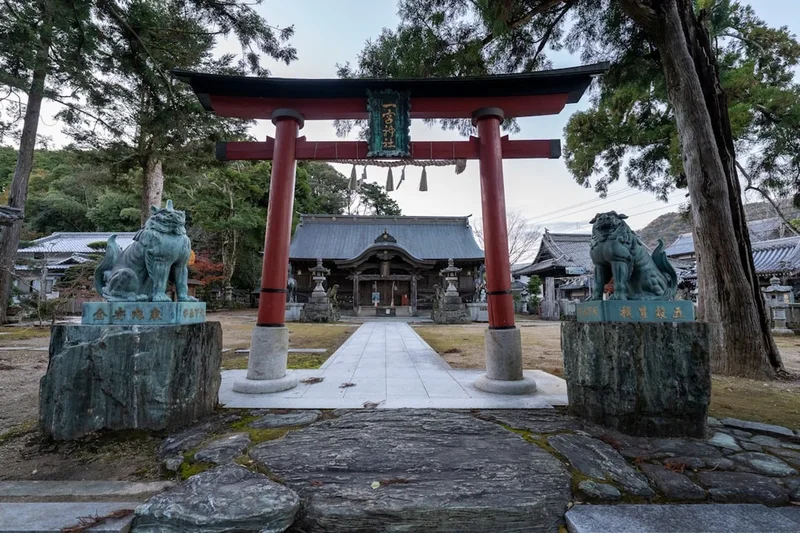
Shikoku Pilgrimage - The 88 Temple Journey
The Shikoku Pilgrimage, known in Japanese as the Shikoku Henro (四国遍路), is one of Japan's most significant and ancient spiritual journeys. This sacred route circumnavigates the island of Shikoku, visiting 88 Buddhist temples associated with the revered monk Kūkai, posthumously known as Kōbō Daishi (774–835). Spanning approximately 1,200 kilometres, the pilgrimage is a profound test of endurance, faith, and self-discovery. Walkers, known as 'o-henro-san', follow a path that winds through diverse landscapes—from bustling cities and serene coastal roads to remote mountain passes and verdant valleys. The journey is undertaken for a multitude of reasons: to pray for enlightenment, to atone for past deeds, to seek blessings for oneself or loved ones, or simply to experience the unique cultural and spiritual heritage of Shikoku.
- Distance: Approximately 1,200 km
- Duration: 40–60 days (variable based on pace and mode of transport)
- Season: Spring (March–May) and Autumn (September–November) are ideal
- Accommodation: Temple lodging (shukubo), minshuku (guesthouses), hotels, campsites
- Difficulty: Moderate to challenging, depending on chosen route and pace
- Starting Point: Ryozenji Temple (Temple 1) in Naruto City, Tokushima Prefecture
- Direction: Traditionally clockwise, but counter-clockwise is also common
Overview
The Shikoku Pilgrimage is far more than a physical trek; it is a spiritual odyssey designed to mirror the stages of Buddhist enlightenment. Each of the 88 temples represents a step in this journey, with the first 23 temples symbolising birth, the next 36 representing ascetic training, the subsequent 26 signifying enlightenment, and the final 13 representing nirvana. The route is not a single, clearly marked trail but a network of roads, paths, and sometimes rough terrain connecting the temples. Many pilgrims choose to walk the entire route, while others may use public transport or drive between certain points, especially for longer distances or to reach more remote temples.
The experience of the o-henro-san is deeply rooted in tradition. Pilgrims typically wear a white robe (hakui), a conical sedge hat (sugegasa), a staff (kongōzue), and a shoulder bag (sazai-do) containing prayer beads (juzu), a wooden prayer tablet (mokugyo), and a book of sutras. The distinctive 'clack-clack' sound of the staff is a familiar accompaniment to the pilgrimage. Along the way, locals often offer 'osettai'—acts of kindness and generosity, such as food, drink, or a place to stay—to pilgrims, a practice deeply ingrained in the pilgrimage culture.
The island of Shikoku itself offers a rich tapestry of landscapes and experiences. From the coastal plains of Tokushima and Kagawa prefectures, through the mountainous interior of Ehime and Kochi, the pilgrimage immerses walkers in Japan's natural beauty and traditional rural life. The journey is a profound opportunity for introspection, connecting with nature, and experiencing the enduring spirit of Japanese Buddhism.
History and Cultural Context
The origins of the Shikoku Pilgrimage are inextricably linked to the life and teachings of Kūkai (774–835), a highly influential Buddhist monk, scholar, and artist of the Heian period. Born on Shikoku, Kūkai travelled extensively throughout Japan and China, studying esoteric Buddhism. Upon his return, he established the Shingon sect of Buddhism and founded the temple complex of Tō-ji in Kyoto. Legend states that Kūkai himself established the 88 sacred sites on Shikoku, designating them as places of spiritual significance and practice. He is said to have visited these sites multiple times, leaving behind his spiritual presence and imprinting them with his teachings.
The pilgrimage route evolved over centuries. Initially, it was a more arduous and less defined journey undertaken by monks and ascetics. During the Kamakura period (1185–1333), the practice began to spread to the general populace. The Edo period (1603–1868) saw a significant increase in the number of pilgrims, and the route became more standardised, with the establishment of the 88-temple system becoming firmly entrenched. The development of printing technology allowed for the dissemination of guidebooks and maps, making the pilgrimage more accessible.
The concept of 'o-henro-san' as a distinct identity emerged, with pilgrims often seen as embodying a spiritual quest that transcended social strata. The practice of 'osettai' also became a vital component of the pilgrimage, fostering a unique bond between pilgrims and the communities they passed through. Even today, the pilgrimage remains a vibrant tradition, attracting hundreds of thousands of visitors annually, both Japanese and international, seeking spiritual renewal and a connection to Kūkai's legacy.
Seasonal Highlights and Weather Reality
The Shikoku Pilgrimage can be undertaken year-round, but certain seasons offer more favourable conditions for walking and experiencing the island's beauty.
Spring (March–May): This is widely considered the most ideal season. The weather is generally mild and pleasant, with temperatures ranging from 10°C to 20°C. Cherry blossoms (sakura) bloom in late March and early April, transforming the landscape into a picturesque spectacle. The lush greenery of new growth adds to the scenic beauty. However, spring can also bring occasional rain showers and the start of the sandfly season in some areas.
Summer (June–August): Summers on Shikoku are hot and humid, with average temperatures often exceeding 30°C. The rainy season (tsuyu) typically occurs in June and July, bringing heavy rainfall and high humidity, which can make walking challenging and increase the risk of heatstroke. Typhoons are also a possibility during this period. While the landscape is vibrant, the heat and humidity can be taxing for walkers.
Autumn (September–November): Another excellent season for the pilgrimage. The weather becomes cooler and drier, with comfortable temperatures ranging from 15°C to 25°C. The autumn foliage (kōyō) is spectacular, with mountainsides ablaze in vibrant shades of red, orange, and yellow, particularly in October and November. This season offers clear skies and pleasant walking conditions, making it a popular choice for many pilgrims.
Winter (December–February): Winters are generally mild, especially in coastal areas, with temperatures typically between 5°C and 10°C. Inland and mountainous regions can experience frost and occasional snow, particularly at higher elevations. While the cold can be bracing, winter offers fewer crowds and a serene, contemplative atmosphere. However, some remote mountain passes may be affected by snow, and daylight hours are shorter, requiring careful planning.
Recommended Itinerary
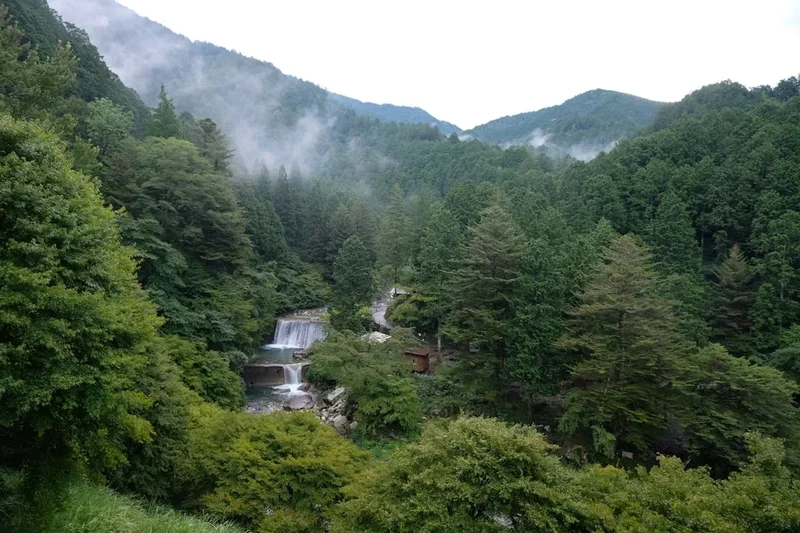
A Sample 40-Day Walking Itinerary (Clockwise)
This is a sample itinerary for walking the entire pilgrimage. Many variations exist, and pilgrims often adjust their pace and route based on personal needs and preferences. This plan assumes an average walking distance of 30 km per day.
Days 1–7: Tokushima Prefecture (Temples 1–23)
- Start at Ryozenji Temple (Temple 1) in Naruto City.
- Walk through coastal towns and rural landscapes.
- Key temples include Gokuraku-ji (Temple 2), Konsen-ji (Temple 3), and Awa-no-Kannon-ji (Temple 11).
- The initial days focus on acclimatisation and navigating the early stages of the pilgrimage.
- End of the week: Reach the vicinity of Temple 23, Yakuo-ji, in Mima City.
Days 8–14: Kōchi Prefecture (Temples 24–39)
- Journey south into the mountainous interior of Kōchi.
- The terrain becomes more challenging, with steeper ascents and descents.
- Key temples include Shimantō-ji (Temple 24), Hōrin-ji (Temple 36), and Kōchi-ji (Temple 37).
- Experience the rugged beauty of Kōchi's inland regions.
- End of the week: Reach the western part of Kōchi Prefecture, near Temple 39, Enkō-ji.
Days 15–24: Ehime Prefecture (Temples 40–60)
- Continue west through Ehime, a prefecture known for its diverse landscapes, from coastal areas to mountainous regions.
- Key temples include Ishite-ji (Temple 51), a significant temple within Matsuyama City, and Sōgō-ji (Temple 58).
- This section often involves navigating between cities and more remote mountain temples.
- End of the week: Reach the northern coast of Ehime, preparing to cross to Kagawa.
Days 25–33: Kagawa Prefecture (Temples 61–88)
- Cross to Kagawa Prefecture, known for its artistic heritage and the Seto Inland Sea.
- This section includes many temples located in scenic mountain settings.
- Key temples include Mandara-ji (Temple 63), Kongō-ji (Temple 65), and the final temple, Ōkubo-ji (Temple 88), often considered the symbolic end of the pilgrimage.
- The final temples are often in more remote, mountainous areas, requiring significant effort.
- End of the week: Reach the vicinity of Temple 88, Ōkubo-ji, in Sanuki City.
Days 34–40: Return to Tokushima and Completion (Temples 89–90, optional)
- After completing Temple 88, many pilgrims return to Ryozenji Temple (Temple 1) to symbolically complete the journey.
- Some also visit the two 'extra' temples: Daihō-ji (Temple 89) and Nankō-bō (Temple 90), which are not part of the main 88 but are often visited for completion.
- This final week allows for reflection, rest, and the formal conclusion of the pilgrimage.
- Final arrival back at Ryozenji Temple for completion ceremony or personal reflection.
Important Notes:
- This itinerary is a guideline; actual distances and times will vary.
- Many pilgrims use a combination of walking, buses, and trains to cover longer distances or reach remote temples.
- Accommodation availability can influence daily distances.
- The order of temples can be altered, especially for those using transport.
- The 'Henro Hut' system provides basic, free accommodation for walkers in some areas.
- Booking accommodation in advance is recommended, especially during peak seasons.
Planning and Bookings
Book Your Trip
Everything you need to plan your journey
Accommodation
Find places to stay near Tokushima
Flights
Search flights to Tokushima
Essential Preparation
Embarking on the Shikoku Pilgrimage requires careful planning, especially if you intend to walk a significant portion of the route. Consider your physical fitness, the time you have available, and your budget. Researching the route, understanding the cultural etiquette, and preparing mentally are crucial. Many pilgrims choose to base themselves in larger cities like Tokushima, Matsuyama, or Takamatsu for initial preparation and to access supplies. Familiarise yourself with Japanese public transport systems (trains and buses) as they are efficient and can be used to supplement walking.
Trail Accommodation
Accommodation options for pilgrims vary widely, catering to different budgets and preferences:
- Temple Lodging (Shukubo): Many of the 88 temples offer simple lodging for pilgrims. This typically includes a futon on a tatami mat floor, shared bathroom facilities, and often a communal vegetarian (shojin ryori) dinner and breakfast. This is a deeply immersive experience, allowing interaction with monks and fellow pilgrims. Booking in advance is highly recommended, especially for popular temples.
- Minshuku: These are family-run Japanese guesthouses, similar to bed and breakfasts. They offer a more personal experience than hotels and are often more affordable. Many minshuku are accustomed to hosting pilgrims and may offer special rates or services.
- Hotels and Business Hotels: Available in cities and larger towns, offering standard Western-style accommodation. These are more expensive but provide comfort and amenities.
- Hostels and Guesthouses: Increasingly available, offering dormitory-style or private rooms at budget-friendly prices.
- Campsites: Available in some rural and mountainous areas, offering a more rustic and affordable option.
- Henro Huts: Basic, often free, shelters found along some sections of the pilgrimage, particularly in more remote areas. These are very rudimentary, usually just a roof and a floor, and are intended for emergency or very basic overnight stays.
Booking Requirements: For shukubo and minshuku, it is advisable to book at least a few days in advance, and much earlier during peak seasons or for specific temples known for their hospitality. Hotels can often be booked closer to the date, but early booking is still recommended for better rates and availability.
Costs: Shukubo can range from ¥5,000 to ¥10,000 per night, including meals. Minshuku are typically ¥6,000 to ¥9,000. Hotels vary significantly. Campsites are usually ¥1,000 to ¥3,000.
Required Gear
- Walking Boots: Sturdy, waterproof, and well-broken-in hiking boots are essential.
- White Robe (Hakui): The traditional pilgrim's garment. Available for purchase at Ryozenji Temple or other supply shops.
- Sedge Hat (Sugegasa): Protects from sun and rain.
- Staff (Kongōzue): Aids balance and is a symbol of the pilgrim.
- Shoulder Bag (Sazai-do): Carries essentials, sutras, and prayer items.
- Prayer Beads (Juzu): Essential for chanting and prayer.
- Waterproof Jacket and Trousers: For protection against rain and wind.
- Warm Layers: Fleece or down jacket for cooler evenings and higher altitudes.
- Comfortable Walking Socks: Several pairs made of moisture-wicking material.
- Navigation Tools: Detailed maps, guidebook, and a reliable GPS device or smartphone app with offline maps.
- First-Aid Kit: Including blister treatment, pain relievers, antiseptic wipes, bandages, and any personal medications.
- Headlamp or Torch: For early morning starts or navigating in low light.
What to Bring
- Food and Water: Carry sufficient water bottles or a hydration pack. While convenience stores (konbini) and small shops are available in towns, they can be sparse in rural areas. Energy bars, dried fruit, and other non-perishable snacks are useful.
- Water Purification: A filter or purification tablets are recommended for refilling water from natural sources, though tap water in most towns is safe to drink.
- Toiletries: Biodegradable soap, toothbrush, toothpaste, small towel, and any personal hygiene items. Many accommodations provide basic toiletries.
- Sunscreen and Insect Repellent: Especially important during warmer months.
- Small Backpack or Daypack: For carrying daily essentials if using luggage transfer services or staying in hotels.
- Cash: While credit cards are accepted in larger establishments, many smaller shops, restaurants, and some temple lodgings operate on a cash-only basis.
- Travel Adapter: For charging electronic devices.
- Small Towel: Many accommodations do not provide towels.
- Plastic Bags: For wet clothing or rubbish.
- Phrasebook or Translation App: To assist with communication, as English is not widely spoken outside tourist areas.
Permits
No formal permits are required to undertake the Shikoku Pilgrimage. The route is open to all, and there are no restrictions on who can walk or visit the temples. However, it is important to note that while no permits are needed for the pilgrimage itself, some specific attractions or national parks within Shikoku might have their own entry fees or regulations, though these are generally not encountered on the main pilgrimage routes.
Temple Etiquette: While no permits are needed, adherence to temple etiquette is paramount. This includes dressing modestly, removing shoes before entering temple buildings, speaking softly, and respecting the sacred nature of the sites. Many pilgrims purchase a 'nokyocho' (納経帳), a special book where they can receive a calligraphic stamp and inscription from each temple visited, signifying their passage. This is a personal memento and a way to track progress.
Accommodation Bookings: As mentioned in the accommodation section, while no permits are required, booking lodging, especially temple stays (shukubo) and popular minshuku, is highly recommended, particularly during peak seasons (spring and autumn) and for specific temples known for their hospitality. This ensures you have a place to rest and avoid disappointment.
Transport: If you plan to use public transport (buses, trains) to supplement your walking, you will need to purchase tickets for these services. Japan Rail Pass can be a cost-effective option if you plan extensive train travel across multiple regions of Japan, though it may not cover all local lines or private railways on Shikoku.
Other Activities in the Area
Beyond the spiritual journey of the pilgrimage, Shikoku offers a wealth of cultural and natural attractions:
- Dogo Onsen: Located in Matsuyama, Ehime Prefecture, this is one of Japan's oldest and most famous hot spring resorts, known for its historic bathhouse.
- Naoshima Art Island: Accessible from Kagawa Prefecture, this island is a world-renowned destination for contemporary art, featuring museums, outdoor sculptures, and unique architectural installations.
- Uchiko: A beautifully preserved historic town in Ehime Prefecture, known for its traditional merchant houses and the Uchiko-za theatre.
- Kōchi Castle: A magnificent original castle in Kōchi City, offering panoramic views of the surrounding area.
- Shimanto River: Japan's last free-flowing river, located in Kōchi Prefecture, offering opportunities for cycling, canoeing, and enjoying scenic beauty.
- Takamatsu: The capital of Kagawa Prefecture, famous for Ritsurin Garden, one of Japan's most exquisite landscape gardens.
- Naruto Whirlpools: Off the coast of Tokushima Prefecture, these are some of the largest whirlpools in the world, best viewed from boats during specific tidal conditions.
- Local Cuisine: Shikoku is renowned for its regional specialities, including Sanuki Udon (Kagawa), Katsuo no Tataki (seared bonito, Kōchi), and Sudachi citrus fruits (Tokushima).
Safety and Conditions
Pre-Departure Checks:
- Weather: Monitor weather forecasts closely, especially during typhoon season (summer and early autumn) and winter. Be prepared for sudden changes, particularly in mountainous areas.
- Route Conditions: While most of the pilgrimage follows established roads and paths, some sections can be remote. Inform someone of your itinerary and expected arrival times.
- Health: Ensure you are in good physical condition. Consult your doctor before embarking on a long-distance pilgrimage.
On the Trail:
- Hydration: Carry ample water, especially during warmer months. Refill whenever possible.
- Navigation: While many pilgrims use guidebooks and maps, a GPS device or smartphone with offline maps is highly recommended, particularly for less-travelled sections.
- Communication: Mobile phone coverage can be spotty in remote mountain areas. Consider carrying a portable charger.
- Respect Local Customs: Be mindful of noise levels, dress appropriately when visiting temples, and always show respect to monks and locals.
- Sandflies: In certain regions and seasons (particularly summer), sandflies can be a nuisance. Use insect repellent and cover exposed skin.
- Emergency Services: In case of emergency, dial 110 for police or 119 for fire and ambulance services. While English-speaking operators may not always be available, they can often connect you to assistance.
- Pilgrim Etiquette: Be considerate of other pilgrims and residents. Share facilities, maintain quiet in accommodation, and practice 'osettai' if you are able to offer it.
Travel Insurance: It is strongly advised to have comprehensive travel insurance that covers medical emergencies, evacuation, and trip cancellation.
Side Trips and Points of Interest
The 'Extra' Temples (89 and 90): While the core pilgrimage focuses on the 88 temples, many pilgrims also visit Daihō-ji (Temple 89) and Nankō-bō (Temple 90). These are often visited after completing Temple 88 to signify a more complete journey. Daihō-ji is located in Kagawa Prefecture, and Nankō-bō is in Tokushima Prefecture. Visiting these adds a few extra days to the pilgrimage but is considered by some to be essential for full completion.
Kōbō Daishi's Footprints: Throughout Shikoku, there are numerous sites associated with Kōbō Daishi, including caves, springs, and rock formations where he is said to have meditated, performed miracles, or left his mark. These are often small, unmarked spots that add to the spiritual atmosphere of the pilgrimage.
Local Festivals: Depending on the timing of your pilgrimage, you may encounter local festivals (matsuri) in towns and villages. These offer a vibrant glimpse into Japanese rural culture and traditions.
Scenic Detours: The pilgrimage route often passes through areas of exceptional natural beauty. Consider taking short detours to explore local coastlines, mountain vistas, or river valleys that are not directly on the temple path but offer rewarding experiences.
Leave No Trace
The Shikoku Pilgrimage is a journey of spiritual purification, and this extends to respecting the natural environment and the communities through which it passes. Adhering to Leave No Trace principles is crucial for preserving the sanctity and beauty of the pilgrimage route for future generations.
Your responsibility as a pilgrim:
- Pack It In, Pack It Out: Carry all your rubbish with you until you find a suitable disposal point. This includes food wrappers, empty bottles, and any other waste. Avoid leaving anything behind, especially in natural areas or at temples.
- Stay on the Path: Stick to marked trails and roads. Venturing off-path can damage fragile vegetation, disturb wildlife, and potentially lead to getting lost.
- Respect Wildlife: Observe wildlife from a distance and never feed animals. Feeding animals can disrupt their natural behaviours and diets.
- Dispose of Waste Properly: Use designated bins where available. If no bins are present, carry your waste until you find one. For human waste, use toilets provided at temples, rest stops, or public facilities. If in a remote area, dig a cathole at least 70 metres away from water sources, trails, and campsites.
- Leave What You Find: Do not take rocks, plants, or any natural or cultural objects from the environment.
- Minimise Campfire Impacts: If camping, use established fire rings and keep fires small. Be aware of fire restrictions.
- Be Considerate of Others: Respect the peace and quiet of the pilgrimage. Keep noise levels down, especially at temples and in accommodation. Be mindful of local customs and traditions.
- Respect Cultural Sites: Temples are sacred places. Dress modestly, speak softly, and follow all posted rules and etiquette guidelines. Do not touch or deface religious artefacts or structures.
The spirit of the pilgrimage is one of humility and respect. By practising Leave No Trace principles, you contribute to the preservation of this sacred journey and the beautiful island of Shikoku.
 Japan
Japan