
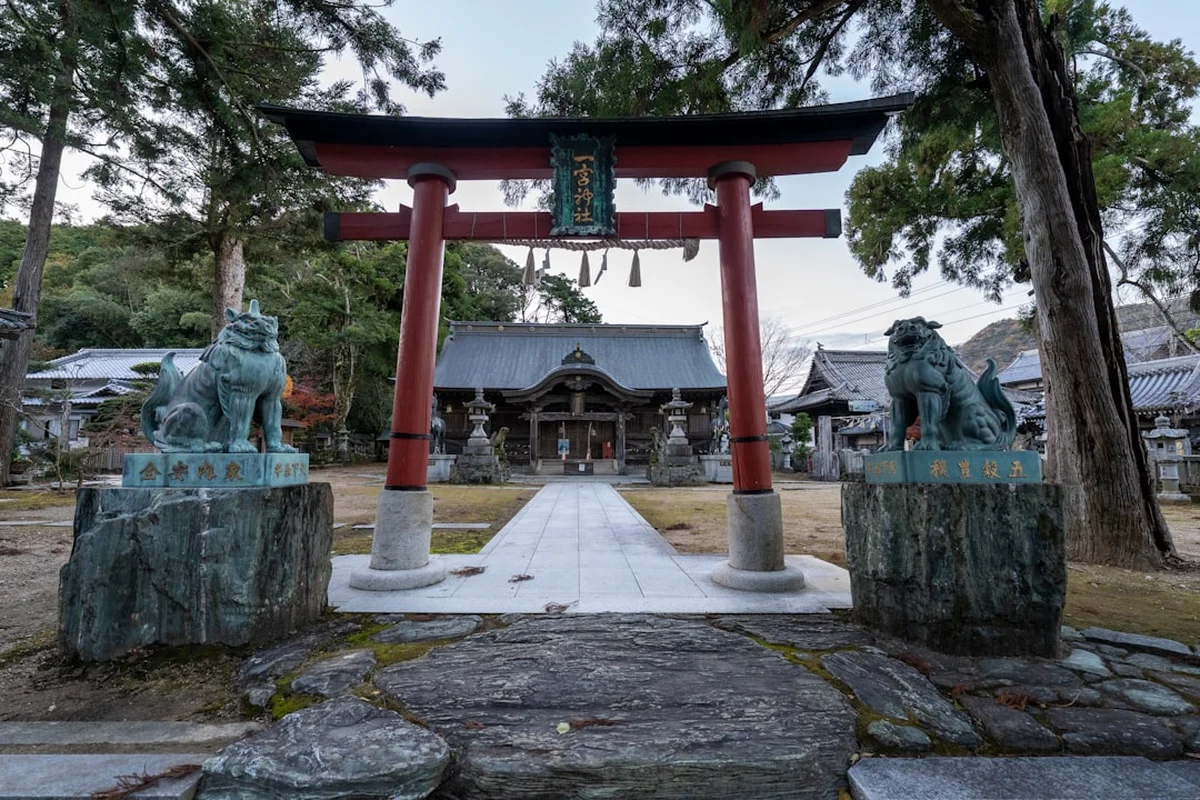
Shikoku 88 Temple Pilgrimage - A Journey of Sacred Steps
The Shikoku 88 Temple Pilgrimage (Shikoku Henro) is one of Japan's most significant and ancient spiritual journeys. This sacred route circumnavigates the island of Shikoku, visiting 88 Buddhist temples associated with the revered monk Kūkai (posthumously known as Kōbō Daishi). Spanning approximately 1,200 kilometres, the pilgrimage is a profound test of endurance, faith, and self-discovery. Walkers, known as 'o-henro-san', follow a path that winds through diverse landscapes—from bustling coastal towns and serene rice paddies to mist-shrouded mountains and ancient forests. Each temple marks a step in a spiritual progression, offering moments of reflection, connection, and personal growth. The journey is undertaken by people of all ages and backgrounds, seeking spiritual enlightenment, personal challenge, or simply a deeper connection with Japan's rich cultural heritage.
- Distance: Approximately 1,200 km
- Duration: 45–60 days (variable based on pace and mode of transport)
- Season: Spring (March–May) and Autumn (September–November) are ideal
- Accommodation: Temple lodging (shukubo), minshuku (guesthouses), hotels, campsites
- Highest point: Mount Tsurugi (1,955 m) - though not directly on the main pilgrimage route, some variations include it. The highest point on the standard route is around 1,000 m.
- Difficulty: Moderate to challenging, depending on chosen route and pace
- Starting Point: Ryozenji Temple (Temple 1) in Tokushima Prefecture
- Direction: Traditionally walked clockwise, but counter-clockwise is also common
Overview
The Shikoku 88 Temple Pilgrimage is far more than just a long-distance walk; it is a deeply spiritual and culturally immersive experience. The route is not a single, clearly marked trail in the Western sense but rather a network of roads, paths, and sometimes rough tracks connecting the 88 principal temples (and numerous smaller ones). The journey is structured around the life and teachings of Kōbō Daishi, with each temple representing a stage in his spiritual journey. The pilgrimage is traditionally undertaken on foot, a practice that allows for a profound connection with the land and its people. However, many modern pilgrims combine walking with bus or train travel to cover the vast distances.
The landscapes encountered are as varied as the spiritual experiences. The eastern coast of Shikoku offers gentle seaside paths and bustling port towns. As the pilgrimage moves inland, it ascends into the mountainous interior, traversing dense forests, crossing high passes, and passing through remote villages where time seems to stand still. The western and southern parts of the island feature rolling hills, agricultural plains, and a more rugged coastline. The physical demands are significant, with daily distances often ranging from 15 to 30 kilometres, and the terrain can be steep and challenging, especially in the mountainous regions.
Beyond the physical challenge, the pilgrimage is a journey of the spirit. The act of walking from temple to temple, chanting sutras, and receiving 'osettai' (gifts of food, drink, or money from locals and fellow pilgrims) fosters a sense of community and interconnectedness. The 'o-henro-san' are welcomed with warmth and generosity, embodying the spirit of hospitality that is central to Japanese culture. The pilgrimage is a path to purification, wisdom, and enlightenment, offering a unique opportunity to disconnect from the stresses of modern life and reconnect with oneself and the spiritual world.
History and Cultural Context
The origins of the Shikoku Henro are deeply intertwined with the life of Kūkai (774–835 AD), a Buddhist monk, scholar, and artist who founded the Shingon school of Buddhism. Kūkai, posthumously known as Kōbō Daishi, is one of the most revered figures in Japanese Buddhism. Legend states that he travelled to China to study esoteric Buddhism and returned to Japan with new teachings and practices. He established his headquarters at Mount Kōya in Wakayama Prefecture, but his spiritual connection to Shikoku is profound. It is believed that he travelled extensively throughout the island, meditating and practising asceticism, and that the 88 temples are sites where he attained enlightenment or performed miracles.
The pilgrimage as a structured route began to take shape during the Kamakura period (1185–1333 AD) and became more formalized during the Edo period (1603–1868 AD). Initially, it was primarily undertaken by monks and devout followers. However, over centuries, it evolved to include people from all walks of life. The concept of the pilgrimage as a symbolic journey through life and death, with each temple representing a stage of spiritual development, became central to its meaning.
The practice of 'osettai' (donations or gifts) is a crucial element of the pilgrimage's history and culture. Locals and fellow pilgrims often offer food, drinks, money, or a place to stay to those on the journey, seeing it as a way to accumulate merit and support the spiritual quest. This tradition fosters a unique bond between pilgrims and the communities they pass through.
The pilgrimage route itself has evolved over time. While Kōbō Daishi is said to have walked the entire island, the specific paths and temple order were not rigidly defined until much later. The current route is a composite of various historical paths, with some variations and alternative routes existing. The designation of the 88 temples as the core of the pilgrimage is widely attributed to the monk Tōken in the 17th century, who is said to have visited all 88 temples and established the order and significance of each.
Seasonal Highlights and Weather Reality
The Shikoku 88 Temple Pilgrimage is best undertaken during the spring and autumn months, offering the most pleasant weather conditions for walking.
Spring (March–May): This is a popular time for pilgrims. The weather is generally mild and pleasant, with temperatures ranging from 10°C to 20°C. Cherry blossoms bloom in early spring, adding a spectacular visual element to the journey, particularly in the lower elevations. However, spring can also bring unpredictable weather, including occasional rain showers and cooler temperatures at higher altitudes. The latter part of spring can see an increase in humidity and the emergence of insects.
Summer (June–August): Summer in Shikoku is hot and humid, with average temperatures often exceeding 30°C and high humidity levels. This period is generally not recommended for walking the entire pilgrimage due to the risk of heatstroke and exhaustion. Typhoons are also common during the summer months, which can cause significant disruptions and safety hazards.
Autumn (September–November): This is another ideal season for the pilgrimage. The weather is typically dry and crisp, with comfortable temperatures ranging from 15°C to 25°C. The autumn foliage, particularly in the mountainous regions, is stunning, offering vibrant colours that enhance the spiritual atmosphere. The risk of typhoons decreases significantly after September. This season is highly recommended for its stable weather and beautiful scenery.
Winter (December–February): Winter in Shikoku can be cold, especially in the mountainous interior, with temperatures often dropping below freezing. Snowfall is common at higher elevations, which can make some sections of the route impassable or hazardous. While fewer pilgrims undertake the journey in winter, it offers a unique experience of solitude and quiet reflection for those prepared for the cold and potential snow. Basic facilities at some temples and accommodations may be reduced during this period.
Recommended Itinerary
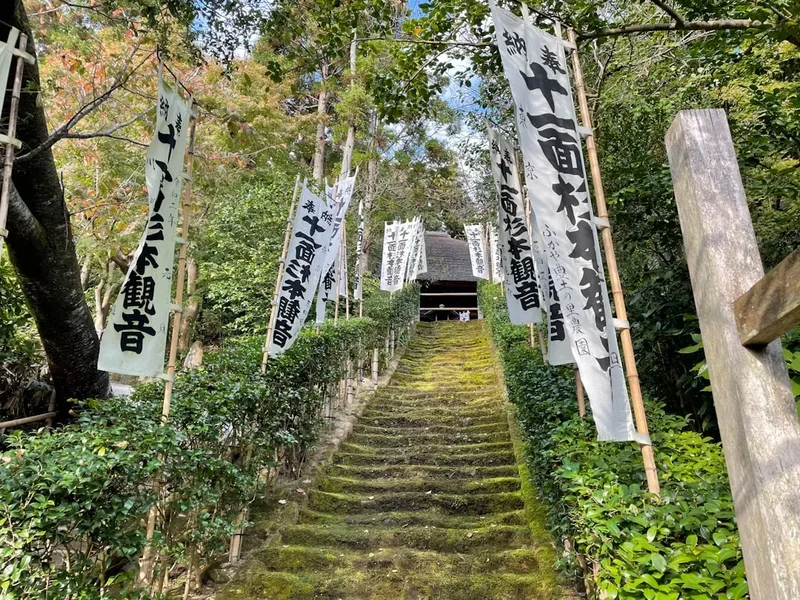
Shikoku 88 Temple Pilgrimage - Sample Itinerary (45 Days)
This is a sample itinerary for a walking pilgrimage. Actual duration can vary significantly based on individual pace, rest days, and chosen modes of transport for certain sections.
Days 1-7: Tokushima Prefecture (Temples 1-15)
- Start at Ryozenji Temple (Temple 1).
- Visit temples such as Gokurakuji (Temple 2), Konsenji (Temple 3), Dainichiji (Temple 5), Jizoji (Temple 6), and Anrakuji (Temple 7).
- Experience the coastal scenery and the initial inland ascents.
- Key Waypoints: Ryozenji, Gokurakuji, Konsenji, Jizoji, Anrakuji.
- Focus: Acclimatisation to walking and the pilgrimage rhythm.
Days 8-15: Kōchi Prefecture (Temples 16-36)
- Journey through the mountainous interior of Kōchi.
- This section includes some of the most challenging climbs, such as the ascent to Chikurinji (Temple 31) and the remote temples in the western part of the prefecture.
- Key Waypoints: Tosa Province, Mount Kōchi, numerous mountain passes.
- Focus: Physical endurance and mental fortitude.
Days 16-28: Ehime Prefecture (Temples 37-60)
- The route moves towards the western coast of Shikoku.
- This section often involves a mix of coastal paths and inland valleys.
- Temples like Ishiteji (Temple 51) in Matsuyama are significant cultural sites.
- Key Waypoints: Matsuyama City, Dōgo Onsen, coastal roads, inland valleys.
- Focus: Cultural immersion and varied landscapes.
Days 29-45: Kagawa Prefecture (Temples 61-88)
- The final leg of the pilgrimage, returning to the eastern side of the island.
- This section includes the iconic Mount Tsurugi (optional detour) and the final temples leading back to Tokushima.
- The journey concludes at Ōkuboji Temple (Temple 88), the final temple, often followed by a visit back to Ryozenji to complete the circuit.
- Key Waypoints: Mount Tsurugi, Takamatsu City, Ritsurin Garden (near Temple 85), Ōkuboji Temple.
- Focus: Spiritual culmination and reflection.
Important Considerations:
- This itinerary is a guideline; many pilgrims take longer or shorter periods.
- Daily distances can range from 10 km to 40 km, depending on terrain and personal preference.
- Rest days are crucial for recovery and can be taken at any point.
- Consider using local buses or trains for longer stretches or difficult terrain, especially in Kōchi and Ehime.
- Accommodation varies from temple lodging (shukubo) to minshuku, hotels, and campsites. Booking in advance is recommended, especially during peak seasons.
- Carry a detailed map or GPS device, as trail markings can be inconsistent.
Planning and Bookings
Book Your Trip
Everything you need to plan your journey
Accommodation
Find places to stay near Tokushima
Flights
Search flights to Tokushima
Essential Preparation
Embarking on the Shikoku 88 Temple Pilgrimage requires meticulous planning, especially regarding timing, logistics, and physical conditioning. The pilgrimage is a significant undertaking, and preparation is key to a safe and rewarding experience. Consider the following:
- Fitness: The pilgrimage involves walking long distances over varied terrain, including steep mountain passes. A good level of cardiovascular fitness and leg strength is essential. Begin a consistent training regimen several months in advance, incorporating long walks with a loaded backpack.
- Timing: The best times to undertake the pilgrimage are spring (March-May) and autumn (September-November) to avoid extreme heat, humidity, and potential typhoons or snow.
- Route Planning: While the 88 temples are fixed, the exact paths between them can vary. Research different route options, including traditional walking paths, road sections, and public transport links. Obtain detailed maps and consider using GPS devices or navigation apps.
- Accommodation: Plan your accommodation strategy. Temple lodging (shukubo) offers a unique spiritual experience but requires booking, especially during peak seasons. Minshuku (Japanese guesthouses) and hotels are also available. Camping is an option in some areas.
- Language: While many Japanese people are hospitable, English proficiency can be limited, especially in rural areas. Learning basic Japanese phrases or carrying a phrasebook can be invaluable.
- Base Towns: Tokushima City is the traditional starting point and offers good access via Tokushima Airport (TKS). Other major cities on Shikoku, such as Matsuyama and Takamatsu, serve as logistical hubs with better transport links and amenities.
Trail Accommodation
Accommodation options for pilgrims vary widely, catering to different budgets and preferences. The most traditional and spiritually enriching option is temple lodging.
- Temple Lodging (Shukubo): Many of the 88 temples offer lodging for pilgrims. This typically includes a simple room, often with tatami mats and futons, and shared bathroom facilities. Meals, usually vegetarian Buddhist cuisine (shojin ryori), are often provided. Staying at a temple allows for participation in morning prayers and a deeper connection with the monastic life. Booking in advance is highly recommended, especially during peak seasons.
- Minshuku: These are Japanese-style bed and breakfasts, often family-run. They offer a more intimate experience than hotels and are a good way to interact with local culture. Facilities are usually clean and comfortable, with shared or private bathrooms.
- Hotels: Western-style hotels are available in larger towns and cities, offering more amenities and privacy.
- Campsites: Some campsites are available, particularly in national parks and scenic areas, offering a more budget-friendly and nature-focused option.
- What's NOT Provided: Generally, sleeping bags are not provided in temple lodging or minshuku; you will need to bring your own or rent one. Cooking facilities are rarely available for guests.
- Seasonal Availability: Most accommodations are open year-round, but some smaller establishments or temple lodgings might have reduced services or closures during the winter months.
- Costs: Temple lodging can range from ¥5,000 to ¥10,000 per night, often including dinner and breakfast. Minshuku and hotels vary widely, from ¥4,000 to ¥15,000+ per night.
Required Gear
- Footwear: Sturdy, broken-in hiking boots or trail running shoes with good grip and ankle support. Bring a comfortable pair of sandals or slip-on shoes for use at temples and accommodations.
- Backpack: A comfortable backpack (40-60 litres) with a good hip belt and rain cover.
- Clothing:
- Moisture-wicking base layers (merino wool or synthetic)
- Insulating mid-layers (fleece or down jacket)
- Waterproof and windproof outer shell jacket and trousers
- Comfortable walking trousers or shorts (quick-drying)
- Several pairs of moisture-wicking socks
- Hat for sun protection and a warm hat for cooler weather
- Gloves (lightweight for spring/autumn, warmer for winter)
- Sleeping Gear: A lightweight sleeping bag (rated for 0-10°C depending on season) and a sleeping bag liner.
- Navigation: Detailed maps of the pilgrimage route, a compass, and a GPS device or smartphone with offline maps and navigation apps.
- Safety Gear: A comprehensive first-aid kit, including blister treatment, pain relievers, antiseptic wipes, bandages, and any personal medications. A headlamp or torch with spare batteries. A whistle for emergencies.
- Walking Poles: Highly recommended for reducing strain on knees, especially on descents and ascents.
What to Bring
- Food and Water: While food is available at temples and in towns, carry snacks (energy bars, nuts, dried fruit) for between stops. A reusable water bottle or hydration reservoir. Water purification tablets or a filter are advisable for remote sections.
- Toiletries: Biodegradable soap, toothbrush and toothpaste, quick-drying towel, sunscreen, insect repellent (especially for summer), hand sanitiser.
- Personal Items: Sunglasses, camera, portable charger for electronics, a journal and pen, basic repair kit (needle, thread, safety pins), small padlock for securing belongings.
- Pilgrimage Essentials:
- Kongōzue (金剛杖): A wooden walking staff, considered essential for the pilgrimage.
- Sugegasa (菅笠): A traditional straw hat for sun and rain protection.
- Oizuru (笈摺): A white vest worn by pilgrims.
- Tokin (頭陀袋): A shoulder bag for carrying essentials and collecting temple stamps.
- Nokyocho (納経帳): A temple stamp book where you collect a stamp and calligraphy from each temple visited.
- Money: Carry sufficient Japanese Yen in cash, as credit card acceptance is limited in rural areas and smaller establishments.
Permits
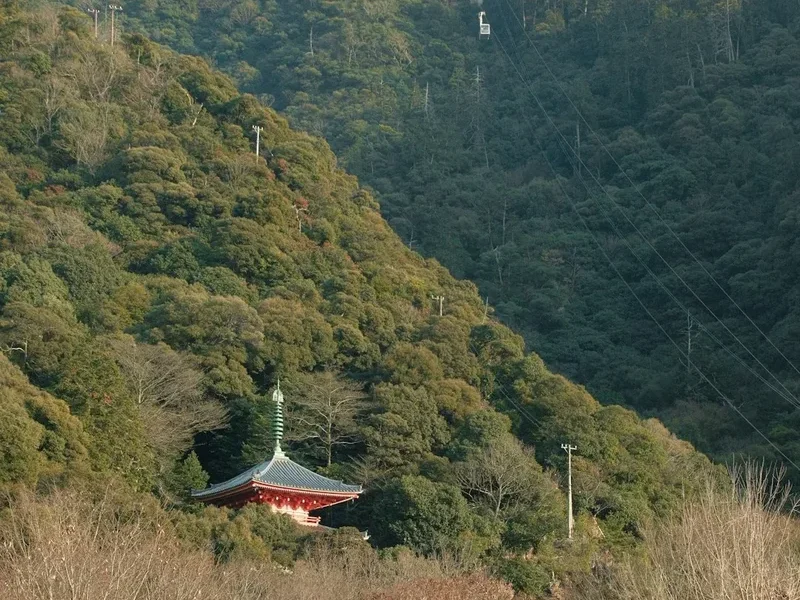
The Shikoku 88 Temple Pilgrimage does not require formal permits in the same way as some national park trails. The route largely follows public roads, paths, and trails that are open to the general public. However, there are specific considerations:
Temple Entry: While walking the pilgrimage, you will be visiting Buddhist temples. Entry to the temple grounds is generally free, but there may be fees for entering specific temple buildings, museums, or gardens. It is customary to make a small offering (osaisen) at the main hall of each temple.
Accommodation: If you plan to stay in temple lodging (shukubo), advance booking is essential. This is not a permit but a reservation system. Contact temples directly or use online booking platforms where available.
National Parks: Some sections of the pilgrimage may pass through national parks. While no specific permits are usually required for walking through these areas, it is important to adhere to park regulations regarding camping, waste disposal, and environmental protection.
Special Events: If your pilgrimage coincides with major festivals or events at specific temples, you may need to be aware of increased crowds or potential temporary access restrictions. Information about such events is usually available on temple websites or local tourism boards.
Respectful Conduct: The most important 'requirement' is to conduct yourself with respect and humility. Dress modestly when visiting temples, maintain a quiet demeanour, and follow the customs and etiquette of Buddhist sites. This includes removing shoes before entering buildings and refraining from loud conversations or disruptive behaviour.
Other Activities in the Area
While the pilgrimage is the primary focus, Shikoku offers a wealth of other experiences:
- Dōgo Onsen (Ehime Prefecture): One of Japan's oldest and most famous hot spring resorts, located near Matsuyama. Experience a traditional onsen bath in the historic Dōgo Onsen Honkan building.
- Ritsurin Garden (Kagawa Prefecture): Considered one of Japan's most beautiful landscape gardens, located in Takamatsu. It's a masterpiece of Japanese garden design, offering serene ponds, meticulously sculpted trees, and charming tea houses.
- Naoshima Art Island (Kagawa Prefecture): A short ferry ride from Takamatsu, Naoshima is a unique island dedicated to contemporary art and architecture, featuring museums, outdoor sculptures, and art installations.
- Uchiko (Ehime Prefecture): A beautifully preserved historic town known for its traditional merchant houses and the Uchiko-za Theatre, offering a glimpse into Japan's past.
- Mount Tsurugi (Tokushima/Kōchi Prefectures): The highest peak on Shikoku, offering stunning alpine scenery and hiking opportunities. While not always on the main pilgrimage route, it can be incorporated as a side trip.
- Local Cuisine: Shikoku is renowned for its regional specialities, including Sanuki Udon (Kagawa), Sudachi citrus fruits (Tokushima), Katsuobushi (dried bonito - Kōchi), and Iyokan citrus (Ehime).
- Festivals: Depending on the time of year, you might encounter local festivals (matsuri) celebrating harvests, historical events, or religious observances, offering vibrant cultural experiences.
Safety and Conditions
Pre-Departure Checks:
- Weather: Monitor weather forecasts closely, especially for the specific regions you will be traversing. Typhoons are a significant concern during summer and early autumn.
- Route Conditions: Be aware that sections of the pilgrimage route can be remote. Check for any reported closures or hazards, particularly after heavy rain or snow.
- Health: Ensure you are in good physical condition. Carry a comprehensive first-aid kit and know how to use it. Inform someone of your itinerary and expected completion date.
On the Trail:
- Hydration and Nutrition: Drink plenty of water and maintain a balanced diet. Dehydration and fatigue can lead to poor decision-making and accidents.
- Navigation: While the route is generally well-trodden, markings can be inconsistent. Always carry maps and a navigation device, and pay attention to signage. Do not rely solely on mobile phone signal, as it can be unreliable in mountainous areas.
- Terrain: Be prepared for steep ascents and descents, uneven surfaces, and potentially slippery conditions, especially after rain or in winter. Use walking poles for stability.
- Insects: Mosquitoes and other biting insects can be prevalent, particularly during warmer months. Use insect repellent and wear long sleeves and trousers when necessary.
- Wildlife: While encounters with dangerous wildlife are rare, be aware of your surroundings. Respect any wildlife you encounter and do not feed animals.
- Communication: Mobile phone coverage can be intermittent. Consider carrying a personal locator beacon (PLB) for remote sections if you are travelling alone or are concerned about communication.
- Cultural Etiquette: Always be respectful of local customs, especially when visiting temples and interacting with residents. Dress modestly and maintain a quiet demeanour.
- Osettai: While 'osettai' (gifts) are a cherished part of the pilgrimage, do not expect them. If offered, accept with gratitude.
Emergency Contacts: Know the emergency numbers in Japan (110 for police, 119 for fire and ambulance). Have contact details for your embassy or consulate readily available.
Side Trips and Points of Interest
Beyond the 88 temples, Shikoku offers numerous points of interest and potential side trips that can enrich the pilgrimage experience:
Mount Tsurugi (Tokushima/Kōchi Prefectures): As the highest peak on Shikoku (1,955 m), Mount Tsurugi offers breathtaking panoramic views and a different kind of spiritual experience in its alpine environment. While not a mandatory temple stop, it can be accessed via hiking trails and is a popular destination for nature lovers. The journey to the summit can be a rewarding detour for those seeking a more challenging natural encounter.
Dōgo Onsen (Ehime Prefecture): Located in Matsuyama, Dōgo Onsen is one of Japan's most celebrated hot spring resorts. The historic Dōgo Onsen Honkan building, with its distinctive architecture, is a must-visit. Experiencing a traditional onsen bath is a deeply relaxing and culturally significant activity, offering a perfect respite for weary pilgrims.
Naoshima Art Island (Kagawa Prefecture): A short ferry ride from Takamatsu, Naoshima is a unique destination that blends contemporary art with island life. It features world-class museums like the Chichu Art Museum and the Benesse House Museum, as well as numerous outdoor art installations. It offers a stark contrast to the traditional spiritual journey and can be a stimulating cultural interlude.
Uchiko Town (Ehime Prefecture): This beautifully preserved historic town offers a glimpse into Japan's past. Its Yokaichi district features traditional merchant houses, some of which are open to the public, showcasing the town's prosperous past in the wax and paper industries. The Uchiko-za Theatre is a beautifully restored Kabuki theatre.
Local Food Experiences: Each prefecture on Shikoku has its culinary specialities. In Kagawa, seek out Sanuki Udon. Tokushima is known for its Sudachi citrus and Awa Odori dance. Kōchi offers fresh seafood and its famous Katsuo no Tataki (seared bonito). Ehime is famous for its Iyokan citrus and Matsuyama sushi. Exploring these local flavours is an integral part of the Shikoku experience.
Shikoku Mura (Kagawa Prefecture): An open-air architectural museum near Takamatsu, showcasing traditional buildings from Shikoku and its surrounding islands. It provides an excellent overview of regional vernacular architecture and rural life.
Leave No Trace
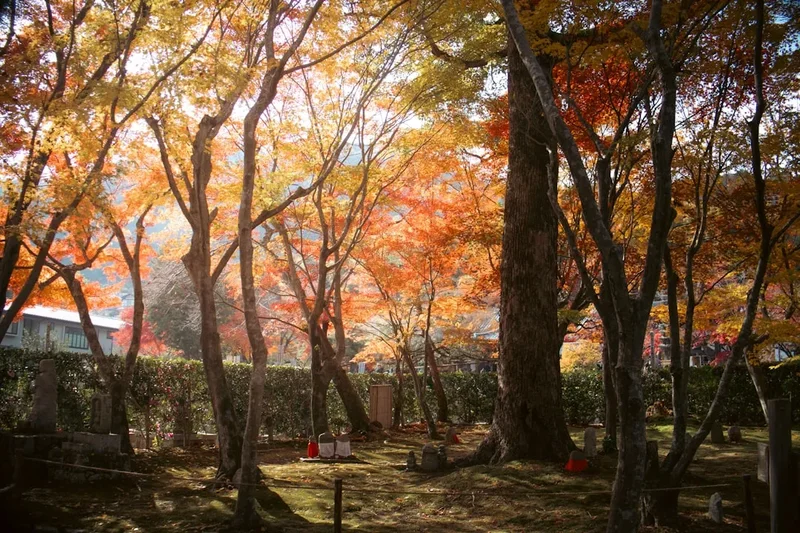
The Shikoku 88 Temple Pilgrimage traverses diverse environments, from urban areas to remote mountains, and it is crucial for pilgrims to practice Leave No Trace principles to preserve the natural beauty and cultural integrity of the island.
Plan Ahead and Prepare: Understand the route, weather conditions, and local customs. Pack appropriately to minimise waste and avoid needing to purchase single-use items. Research accommodation options and book in advance where necessary.
Travel and Camp on Durable Surfaces: Stick to established paths and roads. Avoid walking through sensitive vegetation, especially in mountainous or natural areas. When resting, choose durable surfaces like rocks or established clearings.
Dispose of Waste Properly: Pack out everything you pack in. This includes all food scraps, wrappers, and any other litter. Use designated waste bins where available, but be prepared to carry your rubbish until you find one. Use temple toilets or public facilities when available; do not defecate in natural areas.
Leave What You Find: Do not pick flowers, disturb wildlife, or remove natural or cultural objects. The beauty of the pilgrimage lies in experiencing the environment as it is.
Minimise Campfire Impacts: Campfires are generally not permitted or advisable on the pilgrimage route, especially given the prevalence of wooden structures at temples and in rural areas. Use a portable stove if cooking.
Respect Wildlife: Observe wildlife from a distance. Do not feed animals, as this can disrupt their natural behaviour and diet, and can lead to dependency or aggression.
Be Considerate of Other Visitors: The pilgrimage is a spiritual journey, and many pilgrims seek quiet reflection. Keep noise levels down, especially at temples and in accommodations. Be mindful of local residents and their privacy.
Respect Cultural Heritage: The temples and the route itself are steeped in history and spiritual significance. Be respectful of religious practices, dress modestly when visiting temples, and follow any posted rules or guidelines. Do not deface temple property or leave offerings outside designated areas.
Useful Links
- Shikoku Tourism - 88 Temple Pilgrimage Official Site
- Shikoku 88 Temple Pilgrimage - Detailed Guide
- Japan-Guide.com - Shikoku Pilgrimage
- Japan National Tourism Organization - Shikoku Region
- Japan-Guide.com - Shikoku Travel Information
- Japan-Guide.com - Tokushima Prefecture
- Japan-Guide.com - Kōchi Prefecture
- Japan-Guide.com - Ehime Prefecture
- Japan-Guide.com - Kagawa Prefecture
 Japan
Japan