
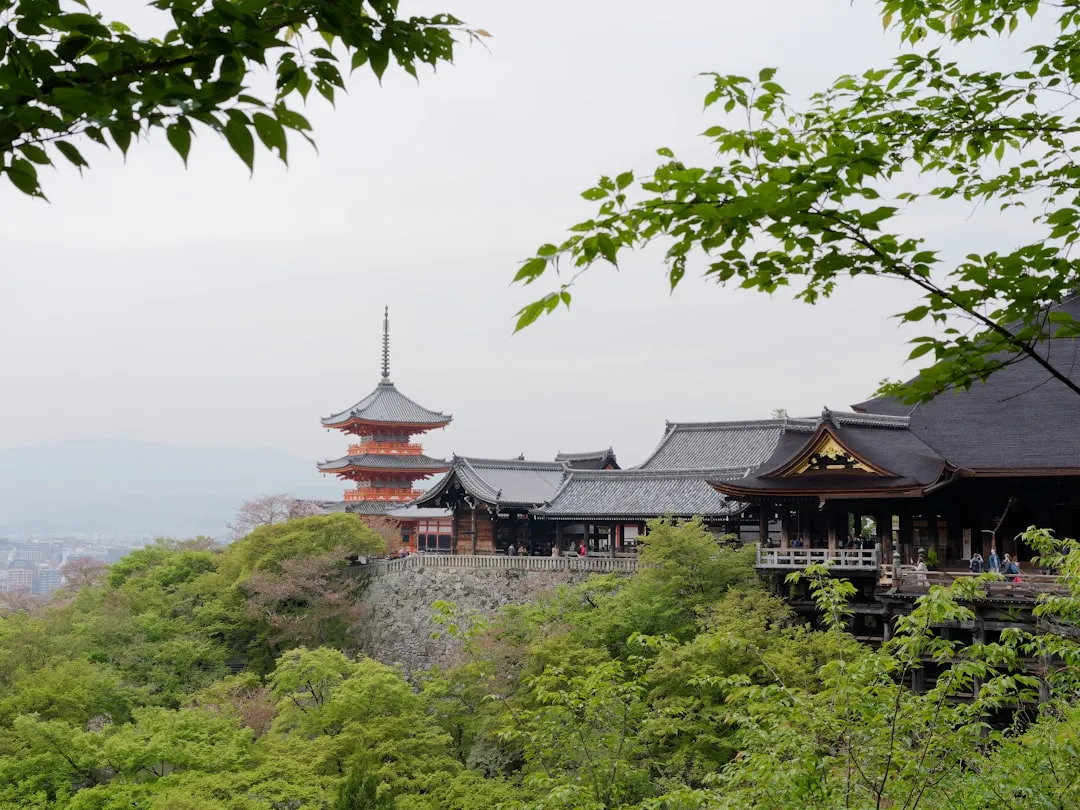
Shikoku 88 Temple Pilgrimage (Section)
The Shikoku 88 Temple Pilgrimage, or Shikoku Henro, is one of Japan's most significant and ancient spiritual journeys. This sacred route circles the island of Shikoku, visiting 88 Buddhist temples associated with the revered monk Kōbō Daishi (Kūkai). While the full pilgrimage covers approximately 1,200 kilometres and takes 40-60 days, it is often undertaken in sections, allowing pilgrims of all abilities and time constraints to experience its profound spiritual and cultural richness. The trail winds through diverse landscapes, from bustling cities and serene coastal paths to remote mountain passes and verdant valleys, offering a unique blend of natural beauty, historical immersion, and personal reflection. Each temple visited represents a step in Kōbō Daishi's spiritual journey, and the act of pilgrimage itself is a path towards enlightenment and purification.
- Distance: Approximately 1,200 km (full pilgrimage)
- Duration: 40-60 days (full pilgrimage); variable for sections
- Season: Spring (March-May) and Autumn (September-November)
- Difficulty: Moderate (variable by section)
- Accommodation: Temple lodging (shukubo), minshuku, hotels, campsites
- Starting Point: Ryozenji Temple (Temple 1) in Tokushima Prefecture
- Direction: Traditionally clockwise (o-henro), but counter-clockwise is also common
Overview
The Shikoku 88 Temple Pilgrimage is more than just a long-distance walk; it is a deeply spiritual and culturally significant journey that has been undertaken by countless individuals for over a millennium. The route is not a single, clearly marked trail in the Western sense but rather a network of paths, roads, and ancient pilgrimage routes connecting 88 Buddhist temples (and numerous smaller sites) scattered across the four prefectures of Shikoku: Tokushima, Kōchi, Ehime, and Kagawa. The pilgrimage is traditionally associated with Kōbō Daishi (774-835 AD), the founder of the Shingon school of Buddhism, who is believed to have trained and practised at these sites. Pilgrims, known as 'o-henro-san', wear distinctive white clothing (hakui), a conical sedge hat (sugegasa), and carry a staff (kongōzue), symbolising their detachment from worldly concerns and their commitment to the spiritual path.
The journey offers a profound immersion into Japanese culture, history, and spirituality. As pilgrims travel, they encounter a wide array of landscapes: the dramatic coastline of Kōchi, the mountainous interior of Ehime, the fertile plains of Kagawa, and the spiritual heartland of Tokushima. The experience is often described as transformative, fostering introspection, resilience, and a deep connection with nature and fellow pilgrims. The hospitality of the Japanese people, particularly the temple priests and local villagers, is legendary, with many offering food, shelter, and encouragement to the o-henro-san. The pilgrimage is a testament to the enduring power of faith and the human desire for spiritual growth, offering a unique opportunity to step away from the demands of modern life and embark on a journey of self-discovery.
History and Cultural Context
The origins of the Shikoku Henro are deeply intertwined with the life and legend of Kōbō Daishi (Kūkai), one of Japan's most revered Buddhist monks. Born in 774 AD in what is now Kagawa Prefecture, Kōbō Daishi travelled extensively throughout Japan, studying Buddhism in China and establishing the Shingon sect upon his return. He is said to have chosen Shikoku as a place for his spiritual training, visiting and meditating at the sites that would later become the 88 temples of the pilgrimage. Legend has it that he established these temples as a symbolic representation of the path to enlightenment, with each temple corresponding to a stage in his spiritual development.
The pilgrimage gained significant popularity during the Edo period (1603-1868) as travel became more accessible. Initially, it was primarily undertaken by devout Buddhists, but it gradually attracted people from all walks of life seeking spiritual merit, healing, or personal transformation. The distinctive white attire of the pilgrims symbolises purity and the shroud of death, signifying a rebirth and a shedding of worldly attachments. The pilgrimage is often seen as a metaphor for life itself, with its challenges, moments of beauty, and the ultimate goal of spiritual awakening.
Over the centuries, the route has evolved. While some sections follow ancient footpaths and mountain trails, others now traverse modern roads and urban areas. However, the spirit of the pilgrimage remains, with many pilgrims actively seeking out the more traditional and less-travelled paths. The 88 temples themselves represent a diverse range of Buddhist architecture and history, each with its own unique stories and significance. The Shikoku Henro is not merely a physical journey but a profound cultural and spiritual heritage that continues to inspire and attract people from around the world.
Seasonal Highlights and Weather Reality
The Shikoku 88 Temple Pilgrimage can be undertaken year-round, but certain seasons offer more favourable conditions for walking and experiencing the island's beauty. The best times to embark on the pilgrimage are during spring and autumn.
Spring (March-May): This is arguably the most popular season. The weather is generally mild and pleasant, with temperatures ranging from 10°C to 20°C. Cherry blossoms bloom in early spring, painting the landscape in delicate shades of pink and white, creating a truly magical atmosphere. The lush greenery of the island begins to emerge, and the days are long enough to allow for ample walking time. However, spring can also bring occasional rain showers, and mountain passes may still have lingering snow in early March.
Autumn (September-November): Autumn offers another ideal window for the pilgrimage. The weather is crisp and clear, with comfortable temperatures similar to spring. The island's foliage transforms into a spectacular display of vibrant reds, oranges, and yellows, making the mountain scenery particularly breathtaking. This season is less crowded than spring, offering a more tranquil experience. However, typhoons can occur in early autumn (September), so it's essential to monitor weather forecasts.
Summer (June-August): Summer on Shikoku can be hot and humid, with temperatures often exceeding 30°C. The rainy season (tsuyu) typically occurs in June and July, bringing heavy rainfall and increased humidity, which can make walking challenging and increase the risk of heatstroke. While some pilgrims choose to walk during summer, it requires careful planning, hydration, and an acceptance of potentially uncomfortable conditions.
Winter (December-February): Winter on Shikoku is generally mild compared to mainland Japan, especially in coastal areas. Temperatures typically range from 5°C to 10°C. While snow is rare in the lowlands, higher mountain passes can experience frost and occasional snow, requiring appropriate gear and caution. Winter offers fewer crowds and a serene, contemplative atmosphere, but daylight hours are shorter, and some smaller temples or accommodations might have reduced services.
Regardless of the season, it is crucial to be prepared for variable weather conditions. Fiordland's climate is known for its unpredictability, and even during the best seasons, sudden rain showers or temperature drops can occur, especially in mountainous regions.
Recommended Itinerary
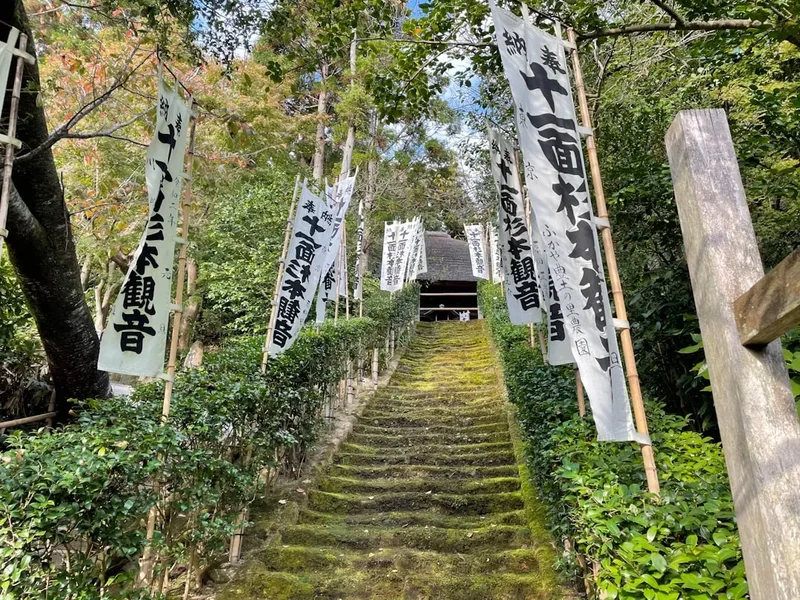
Shikoku 88 Temple Pilgrimage - Sample Section (Tokushima Prefecture)
This sample itinerary covers the initial section of the pilgrimage, focusing on Tokushima Prefecture, which is considered the spiritual starting point. It is designed for a moderate pace, allowing time for reflection and exploration.
Day 1: Arrival in Tokushima & Bando Station to Ryozenji Temple (Temple 1)
- Distance: Approximately 2 km
- Time: 30-45 minutes walking
- Morning: Arrive at Tokushima Airport (TKS). Take a bus to Tokushima Station.
- Late Morning: From Tokushima Station, take a local train to Bando Station.
- Afternoon: A short walk from Bando Station leads to Ryozenji Temple, the first temple on the pilgrimage.
- Activity: Register as a pilgrim, purchase a white robe (hakui), and begin the journey with a prayer at Ryozenji.
- Accommodation: Temple lodging (shukubo) at Ryozenji or nearby minshuku/hotel.
Day 2: Ryozenji Temple (Temple 1) to Gokurakuji Temple (Temple 2)
- Distance: Approximately 6 km
- Time: 1.5–2 hours walking
- Morning: Depart Ryozenji Temple. The path is a mix of quiet country roads and some urban sections.
- Midday: Arrive at Gokurakuji Temple.
- Activity: Offer prayers, collect temple stamps (goshuin) in your pilgrimage book (nōdai-chō).
- Accommodation: Temple lodging at Gokurakuji or nearby accommodation.
Day 3: Gokurakuji Temple (Temple 2) to Konsenji Temple (Temple 3)
- Distance: Approximately 4 km
- Time: 1–1.5 hours walking
- Morning: Depart Gokurakuji Temple. This is a relatively short and easy walking day.
- Midday: Arrive at Konsenji Temple.
- Activity: Explore the temple grounds and continue the spiritual practice.
- Accommodation: Temple lodging at Konsenji or nearby.
Day 4: Konsenji Temple (Temple 3) to Dainichiji Temple (Temple 4)
- Distance: Approximately 7 km
- Time: 2–2.5 hours walking
- Morning: Depart Konsenji Temple. The route continues through rural landscapes.
- Afternoon: Arrive at Dainichiji Temple.
- Activity: Experience the tranquility of the temple and its surroundings.
- Accommodation: Temple lodging at Dainichiji or nearby.
Day 5: Dainichiji Temple (Temple 4) to Jōrakuji Temple (Temple 5)
- Distance: Approximately 8 km
- Time: 2.5–3 hours walking
- Morning: Depart Dainichiji Temple. The path may involve some gentle inclines.
- Afternoon: Arrive at Jōrakuji Temple.
- Activity: Reflect on the progress made and the spiritual significance of the journey.
- Accommodation: Temple lodging at Jōrakuji or nearby.
Day 6: Jōrakuji Temple (Temple 5) to Jizoji Temple (Temple 6)
- Distance: Approximately 5 km
- Time: 1.5–2 hours walking
- Morning: Depart Jōrakuji Temple. A shorter day, allowing for rest or further exploration.
- Midday: Arrive at Jizoji Temple.
- Activity: Continue the practice of visiting temples and collecting stamps.
- Accommodation: Temple lodging at Jizoji or nearby.
Day 7: Jizoji Temple (Temple 6) to Anrakuji Temple (Temple 7)
- Distance: Approximately 10 km
- Time: 3–3.5 hours walking
- Morning: Depart Jizoji Temple. This section may involve more varied terrain.
- Afternoon: Arrive at Anrakuji Temple.
- Activity: Engage with the local culture and the spiritual atmosphere of the temple.
- Accommodation: Temple lodging at Anrakuji or nearby.
Day 8: Anrakuji Temple (Temple 7) to Hōraiji Temple (Temple 8)
- Distance: Approximately 12 km
- Time: 3.5–4 hours walking
- Morning: Depart Anrakuji Temple. This is a longer walking day, potentially with some ascents.
- Afternoon: Arrive at Hōraiji Temple.
- Activity: Appreciate the historical and spiritual significance of the temple.
- Accommodation: Temple lodging at Hōraiji or nearby.
Day 9: Hōraiji Temple (Temple 8) to Enmeiji Temple (Temple 9)
- Distance: Approximately 15 km
- Time: 4–5 hours walking
- Morning: Depart Hōraiji Temple. This section may involve more significant elevation changes.
- Afternoon: Arrive at Enmeiji Temple.
- Activity: Continue the journey, embracing the challenges and rewards.
- Accommodation: Temple lodging at Enmeiji or nearby.
Day 10: Enmeiji Temple (Temple 9) to Sanjakubo Temple (Temple 10)
- Distance: Approximately 10 km
- Time: 3–3.5 hours walking
- Morning: Depart Enmeiji Temple.
- Afternoon: Arrive at Sanjakubo Temple.
- Activity: Rest and prepare for the next stage of the pilgrimage.
- Accommodation: Temple lodging at Sanjakubo or nearby.
Important Notes:
- This is a sample itinerary and can be adjusted based on individual fitness, pace, and desired length of stay at each temple.
- Accommodation at temples (shukubo) is basic but offers a unique cultural experience. Bookings are often recommended, especially during peak seasons.
- Temple stamps (goshuin) are collected in a pilgrimage book (nōdai-chō) and are a cherished memento.
- The full pilgrimage requires significant planning and physical preparation. Consider breaking it into smaller sections if time or fitness is a concern.
- Public transport (trains and buses) is available between major towns, which can be used to skip sections or access trailheads.
Planning and Bookings
Book Your Trip
Everything you need to plan your journey
Accommodation
Find places to stay near Tokushima
Flights
Search flights to Tokushima
Essential Preparation
Embarking on the Shikoku 88 Temple Pilgrimage, whether in its entirety or as a section, requires careful planning. The journey is as much mental and spiritual as it is physical. Key preparation includes:
- Fitness: While the pilgrimage is not exclusively mountainous, it involves considerable walking, often on varied terrain including roads, trails, and sometimes steep inclines. A good level of cardiovascular fitness and endurance is essential. Begin a regular walking routine several months in advance, gradually increasing distance and incorporating hills.
- Route Research: The pilgrimage is not a single, continuously marked trail. While many sections are well-signposted with the pilgrimage symbol (a circle with a cross), others require navigation using maps, guidebooks, or GPS devices. Familiarise yourself with the route, especially if undertaking a less common section.
- Logistics: Plan your travel to and from Shikoku. The closest major airport is Tokushima Airport (TKS), with connections to Tokyo and other Japanese cities. Alternatively, you can fly into Osaka (KIX) and take a train or bus to Shikoku. Research public transport options (trains and buses) for accessing trailheads and moving between sections if needed.
- Base Town/City Information: Tokushima City is the traditional starting point and a convenient base for beginning the pilgrimage. It offers a range of accommodation, restaurants, and amenities. Other towns along the route, such as Kōchi City, Matsuyama, and Takamatsu, also serve as important hubs with good transport links and facilities.
- Language: While many Japanese people are hospitable, English proficiency can be limited, especially in rural areas. Learning basic Japanese phrases for greetings, directions, and ordering food will greatly enhance your experience. A translation app can also be invaluable.
Trail Accommodation
Accommodation options vary significantly along the Shikoku Henro, catering to different budgets and preferences:
- Temple Lodging (Shukubo): Many of the 88 temples offer basic accommodation for pilgrims. This is a unique cultural experience, often including simple meals (vegetarian Buddhist cuisine) and the opportunity to participate in morning prayers. Facilities are usually communal with shared sleeping areas (tatami mats), shared bathrooms, and sometimes communal baths (ofuro). Booking in advance is highly recommended, especially during peak seasons.
- Minshuku: These are Japanese-style bed and breakfasts, often family-run, offering a more intimate and authentic experience than hotels. They typically provide traditional Japanese rooms and meals.
- Hotels: Western-style hotels are available in larger towns and cities, offering more comfort and amenities.
- Guesthouses/Hostels: Budget-friendly options are increasingly available, particularly in popular pilgrimage areas.
- Campsites: Some areas may have campsites, though these are less common directly on the pilgrimage route.
Booking Requirements: For temple lodging and popular minshuku, advance booking is strongly advised, particularly during spring and autumn. This can often be done via phone or through online booking platforms. For hotels and hostels, standard booking procedures apply.
Facilities Provided: Temple lodging typically provides a futon (sleeping mat), blankets, and sometimes a simple yukata (robe). Meals, if included, are usually vegetarian. Shared bathrooms and toilets are standard.
What's NOT Provided: Personal toiletries, towels, sleeping bags (though blankets are usually provided), and often cooking facilities. In hotels, Western amenities are more common.
Seasonal Availability: Temple lodging and minshuku are generally available year-round, but services may be reduced during the off-season (winter). Hotels operate year-round. Peak seasons (spring and autumn) see higher demand.
Costs: Temple lodging can range from ¥4,000 to ¥7,000 per person per night, often including meals. Minshuku and guesthouses are typically in a similar range. Hotels vary widely based on star rating and location.
Required Gear
- Walking Boots: Sturdy, waterproof, and well-broken-in walking boots are essential. They should provide good ankle support for varied terrain.
- Waterproof Jacket and Trousers: Lightweight, breathable waterproofs are crucial for unpredictable weather, especially during the rainy season or in mountainous areas.
- Backpack: A comfortable backpack (40-60 litres) with a good hip belt is necessary to carry your gear. A rain cover for the backpack is highly recommended.
- Sleeping Bag: A lightweight, 3-season sleeping bag is advisable, especially if staying in temple lodging or guesthouses where bedding might be minimal or for added comfort.
- Head Torch: Essential for navigating in early mornings or evenings, and for use in temple lodging where lighting can be basic. Carry spare batteries.
- First Aid Kit: Include blister treatment (moleskin, plasters), pain relievers, antiseptic wipes, bandages, any personal medications, and insect repellent.
- Navigation Tools: A detailed guidebook, maps, and a compass are recommended. A GPS device or smartphone with offline maps can be a useful supplement.
- Walking Poles: Highly recommended for reducing strain on knees, especially on descents and ascents.
What to Bring
- Clothing: Pack layers of moisture-wicking clothing. Include thermal base layers, a fleece or insulating mid-layer, and comfortable walking trousers. Bring spare socks (wool or synthetic are best). A wide-brimmed hat for sun protection and a warm hat and gloves for cooler weather are also useful.
- Food and Water: While food is available in towns and some temples, carrying snacks (energy bars, nuts, dried fruit) and water is essential for longer walking days. A reusable water bottle or hydration reservoir is recommended. Water purification tablets or a filter can be useful for refilling from natural sources, though tap water in most areas is safe.
- Toiletries: Pack travel-sized toiletries, including biodegradable soap, toothbrush and toothpaste, sunscreen, and hand sanitiser. A quick-drying travel towel is also useful.
- Personal Items: Include a camera, portable charger/power bank for electronics, sunglasses, and any personal comfort items. A small notebook and pen for journaling can enhance the reflective aspect of the pilgrimage.
- Pilgrim's Essentials: A white robe (hakui), conical sedge hat (sugegasa), and a walking staff (kongōzue) are traditional items. These can be purchased at Ryozenji Temple or in shops catering to pilgrims. A pilgrimage book (nōdai-chō) for collecting temple stamps is also essential.
Permits
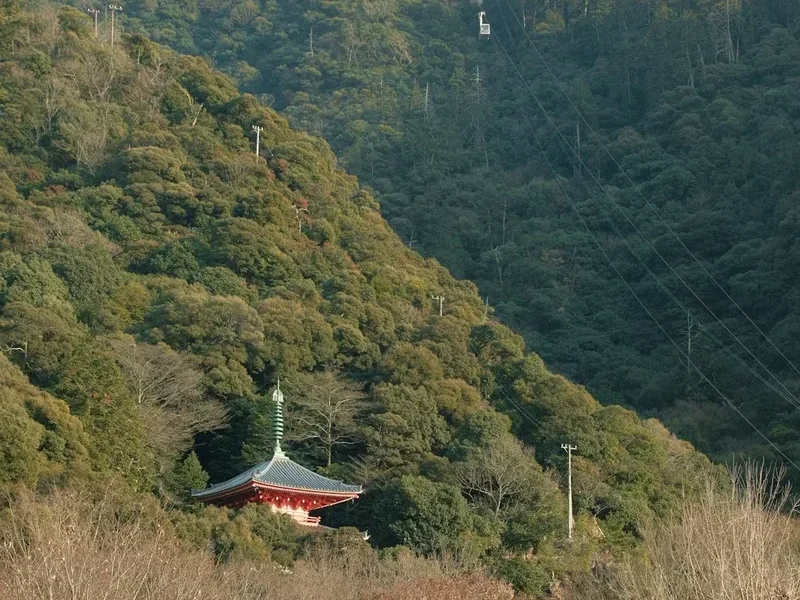
The Shikoku 88 Temple Pilgrimage does not require formal permits in the way that national parks or specific hiking trails might. The route largely follows public roads, existing walking paths, and access to temples is generally open to visitors. However, there are some considerations:
Temple Etiquette and Donations: While there is no entry fee for most temples, it is customary and highly appreciated to make a small donation (osaisen) at each temple. This donation contributes to the upkeep of the temple and is a sign of respect for the sacred site. Some temples may have specific donation boxes or collection points.
Temple Stamps (Goshuin): Collecting temple stamps (goshuin) in your pilgrimage book (nōdai-chō) is a significant part of the pilgrimage for many. Each temple has a unique stamp, and the calligraphy is often done by hand. There is usually a small fee (typically ¥300-¥500) for each stamp. This is not a permit but a cherished memento of your visit.
Accommodation Bookings: As mentioned in the planning section, booking accommodation, especially temple lodging (shukubo) and popular minshuku, is essential, particularly during peak seasons. This is a booking requirement, not a permit.
National Park Access (if applicable): Some sections of the pilgrimage may pass through or near national parks. While the pilgrimage route itself is usually not restricted, any side trips into protected areas should adhere to park regulations. However, the core pilgrimage route is generally not subject to such restrictions.
Respectful Conduct: While not a permit, adherence to temple etiquette is paramount. This includes dressing modestly, speaking softly, removing shoes when entering temple buildings, and refraining from photography in restricted areas. Understanding and respecting local customs is crucial for a positive experience.
Other Activities in the Area
Beyond the spiritual journey of visiting the 88 temples, Shikoku offers a wealth of other activities and attractions:
- Exploring Local Cuisine: Shikoku is renowned for its regional specialities. In Tokushima, try Awa Odori dance performances (if visiting during the festival) and the local delicacy, Awa-odori chicken. Kōchi is famous for its Katsuo no Tataki (seared bonito). Ehime is known for its Mikan (mandarin oranges) and Udon noodles. Kagawa is the birthplace of Sanuki Udon, a must-try noodle dish.
- Visiting Castles: Shikoku boasts several impressive historical castles, including Matsuyama Castle in Ehime (one of Japan's few original castles), Kochi Castle, and Takamatsu Castle.
- Onsen (Hot Springs): Relax and rejuvenate in one of Shikoku's many natural hot springs. Dogo Onsen in Matsuyama is one of Japan's oldest and most famous.
- Art Islands: Naoshima, Teshima, and Inujima in the Seto Inland Sea (accessible from Kagawa) are world-renowned for their contemporary art museums and installations, blending art with stunning natural landscapes.
- Coastal Exploration: The island's diverse coastline offers opportunities for scenic drives, beach visits, and enjoying fresh seafood. The Shimanto River in Kōchi is Japan's last free-flowing river and offers beautiful canoeing and cycling opportunities.
- Traditional Crafts: Explore local craft traditions, such as indigo dyeing (Aizome) in Tokushima, pottery in Ehime, and paper making.
- Festivals: If your timing aligns, experiencing local festivals like the Awa Odori dance festival in Tokushima (August) or the Yosakoi Festival in Kōchi (August) provides a vibrant glimpse into Japanese culture.
Safety and Conditions
Pre-Departure Checks:
- Weather: Always check the weather forecast before setting out each day, especially if your route involves mountain passes. MetService provides backcountry forecasts for Japan.
- Route Conditions: While most of the pilgrimage follows established paths and roads, landslides or temporary closures can occur, particularly after heavy rain or typhoons. Consult local information sources or ask at temples for any known issues.
- Health: Ensure you are in good physical condition. Carry a basic first-aid kit and any personal medications. Stay hydrated and eat well to maintain energy levels.
Walking Hazards:
- Terrain: The pilgrimage involves walking on paved roads, gravel paths, and sometimes uneven or steep trails. Be mindful of traffic, especially on roads.
- Weather: Fiordland's weather can change rapidly. Be prepared for heat and humidity in summer, rain and potential typhoons in early autumn, and cooler temperatures with possible frost or snow in winter. Hypothermia is a risk in cooler, wet conditions.
- Sandflies: While not as prevalent as in New Zealand's Fiordland, sandflies can be present, particularly in damp, shaded areas. Carry insect repellent.
- Navigation: While many sections are well-marked, some parts of the pilgrimage can be confusing. Always carry your map and guidebook, and pay attention to signage. If in doubt, ask locals for directions.
Cultural Considerations:
- Temple Etiquette: Always be respectful when visiting temples. Dress modestly, speak quietly, and follow any posted rules regarding photography or entry into certain areas.
- Donations: It is customary to make a small donation at each temple.
- Language Barrier: While many Japanese people are helpful, English may not be widely spoken in rural areas. Learning a few basic Japanese phrases will be very beneficial.
Emergency Contacts: Know the emergency numbers in Japan (110 for police, 119 for fire and ambulance). Consider carrying a mobile phone and ensuring it is charged. A portable power bank is highly recommended.
Travel Insurance: It is strongly recommended to have comprehensive travel insurance that covers medical emergencies, evacuation, and trip cancellations.
Side Trips and Points of Interest
While the primary focus of the Shikoku Henro is the journey between the 88 temples, numerous side trips and points of interest can enrich the pilgrimage experience:
Temple 12 - Shōjōji Temple (Tokushima): Known for its beautiful gardens and serene atmosphere, offering a peaceful respite.
Temple 21 - Tairyūji Temple (Tokushima): Accessible via a scenic ropeway, this temple offers stunning views of the surrounding mountains and the valley below. It's a good place to experience a different perspective of the pilgrimage route.
Temple 23 - Yakuōji Temple (Tokushima): This temple is famous for its association with longevity and is often visited by those seeking good health. The climb to the temple can be steep but rewarding.
Temple 31 - Chikurinji Temple (Kōchi): A significant temple with a beautiful five-storied pagoda and a tranquil moss garden. It's a popular stop for its aesthetic appeal and spiritual significance.
Temple 36 - Gōshōji Temple (Kōchi): This temple is known for its connection to the local history and legends, offering insights into the cultural heritage of the region.
Temple 44 - Daihōji Temple (Kōchi): Located in a more remote mountain setting, this temple provides a sense of solitude and a deeper connection with nature. The journey to reach it can be challenging but is often considered a highlight.
Temple 59 - Jōjōji Temple (Ehime): A temple with a rich history and impressive architecture, offering a glimpse into the Buddhist traditions of the region.
Temple 60 - Jōfukuji Temple (Ehime): Known for its peaceful surroundings and the opportunity for quiet contemplation, this temple is a welcome stop for weary pilgrims.
Temple 66 - Unpenji Temple (Kagawa/Ehime border): Situated on a mountaintop, this temple offers panoramic views of the Seto Inland Sea. It is accessible by ropeway, providing a unique way to reach a sacred site.
Temple 75 - Zentsūji Temple (Kagawa): This is the birthplace of Kōbō Daishi and one of the most important temples on the pilgrimage. It is a large complex with numerous sub-temples and a museum dedicated to Kōbō Daishi's life.
Temple 88 - Ōkuboji Temple (Kagawa): The final temple of the pilgrimage, marking the completion of the journey. It is a place of great significance and celebration for pilgrims.
Local Towns and Villages: Many small towns and villages along the route offer opportunities to experience authentic Japanese rural life, sample local delicacies, and interact with the friendly locals.
Leave No Trace
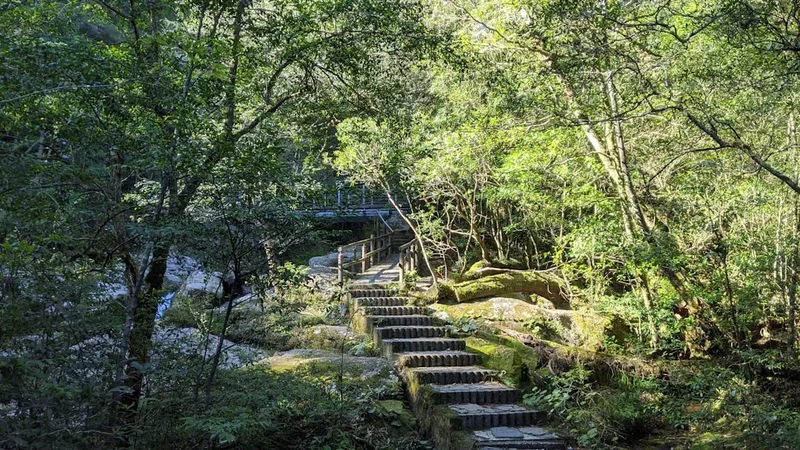
The Shikoku 88 Temple Pilgrimage traverses diverse landscapes, from urban areas to pristine natural environments. Practising Leave No Trace principles is crucial to preserving the beauty and spiritual integrity of the route for future pilgrims and residents.
Plan Ahead and Prepare: Research your route, understand the terrain, and be aware of local customs and regulations. Pack appropriately for the conditions and carry sufficient supplies.
Travel and Camp on Durable Surfaces: Stick to marked trails and roads. Avoid walking on fragile vegetation, especially in temple grounds or natural areas. If camping is an option, use designated campsites.
Dispose of Waste Properly: Pack out everything you pack in. This includes all food scraps, wrappers, and any other litter. Use designated bins where available, but be prepared to carry your rubbish until you find one. Use temple toilets or public facilities when available. If you must go in the backcountry, dig a cathole at least 70 metres away from water sources, trails, and campsites.
Leave What You Find: Do not disturb or remove any natural or cultural objects. This includes rocks, plants, historical artefacts, and anything else that contributes to the character of the place.
Minimise Campfire Impacts: Campfires are generally not permitted on the pilgrimage route, especially within temple grounds or natural reserves. Use a portable stove for cooking.
Respect Wildlife: Observe wildlife from a distance. Do not feed animals, as this can disrupt their natural behaviours and diets. Be aware of any local wildlife and take precautions if necessary.
Be Considerate of Other Visitors: The pilgrimage is a spiritual journey for many. Maintain a quiet and respectful demeanour, especially at temples and in shared accommodation. Avoid loud noises or disruptive behaviour. Yield to other pilgrims and locals on narrow paths.
By adhering to these principles, you contribute to the preservation of the Shikoku Henro's unique cultural and natural heritage, ensuring that the journey remains a meaningful experience for all.
 Japan
Japan