
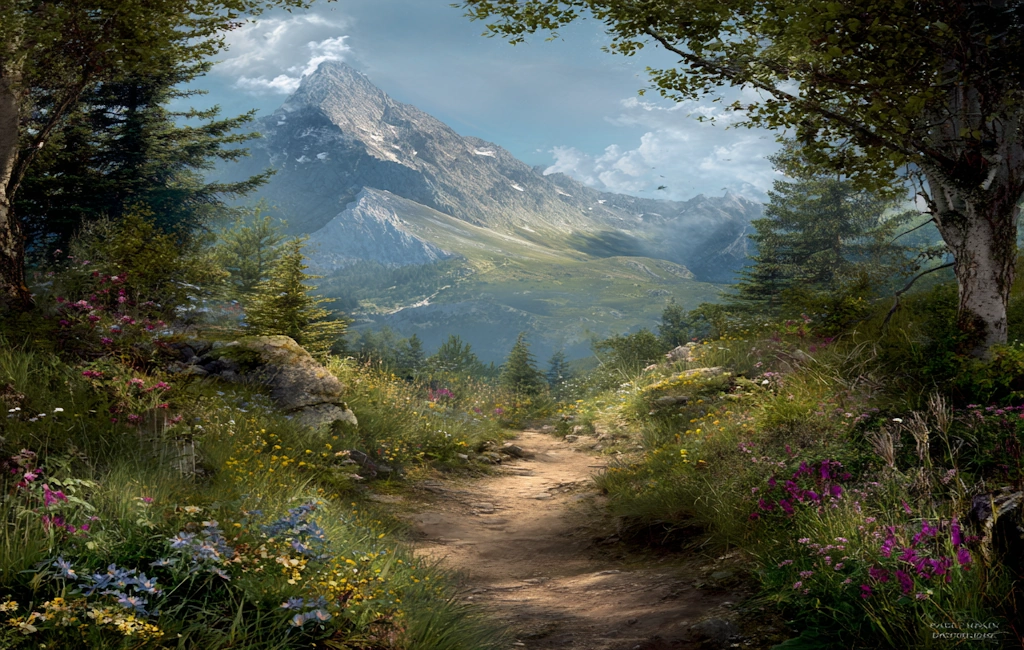
Sham Valley Trek - Ladakh's Hidden Gem
The Sham Valley Trek, often referred to as the "baby trek" of Ladakh, offers a captivating introduction to the high-altitude landscapes and rich Buddhist culture of the Indian Himalayas. This moderate, multi-day walk traverses a series of ancient villages, monasteries, and high mountain passes, providing stunning panoramic views of the surrounding snow-capped peaks and arid valleys. Unlike many of Ladakh's more demanding treks, the Sham Valley route stays at relatively lower altitudes, making it accessible to a wider range of hikers and an ideal choice for those acclimatising to the region or seeking a less strenuous yet equally rewarding experience.
The trek is renowned for its accessibility, cultural immersion, and the sheer beauty of its stark, dramatic scenery. It winds through landscapes dotted with prayer flags, chortens, and whitewashed stupas, connecting remote settlements where traditional Ladakhi life continues much as it has for centuries. The trail offers a unique opportunity to interact with local communities, visit ancient gompas (monasteries), and witness the resilience of life in one of the world's highest inhabited regions. The Sham Valley Trek is a journey that promises not only breathtaking vistas but also a profound connection with the spiritual heart of Ladakh.
- Distance: 31.0 km
- Duration: 3-4 days
- Season: June to October
- Difficulty: Moderate
- Highest point: Phobe La (3,580 m)
- Accommodation: Guesthouses and homestays in villages
- Starting Point: Likir Monastery
- Ending Point: Temisgam Monastery
- Closest City: Leh
Overview
The Sham Valley Trek is a quintessential Ladakhi experience, blending moderate physical challenge with unparalleled cultural and scenic rewards. The route typically begins near the historic Likir Monastery, a magnificent example of Ladakhi Buddhist architecture, and concludes in the vicinity of Temisgam, another significant monastic centre. The trek's moderate altitude profile, rarely exceeding 3,600 metres, makes it an excellent option for those new to high-altitude trekking or seeking a shorter, more accessible adventure.
The trail meanders through a landscape of stark beauty. Arid mountains in shades of ochre, brown, and grey dominate the horizon, punctuated by patches of hardy vegetation and the vibrant green of irrigated fields in the valleys. The path itself is a mix of well-trodden trails, ancient trade routes, and sometimes rougher terrain, offering a genuine sense of exploration. Each day presents a new panorama, from sweeping vistas of the Zanskar Range to intimate views of remote villages and their terraced fields.
Culturally, the Sham Valley is exceptionally rich. The trek passes through several villages that have preserved their traditional way of life. Here, walkers can witness the daily routines of the Ladakhi people, visit ancient monasteries adorned with intricate murals and statues, and experience the warm hospitality of homestay hosts. The presence of prayer flags fluttering in the wind, mani walls carved with Buddhist mantras, and the serene atmosphere of the gompas contribute to the trek's spiritual dimension. The Sham Valley Trek is more than just a walk; it's an immersion into a unique world where nature's grandeur meets human spirituality and tradition.
History and Cultural Context
The Sham Valley region of Ladakh has a history deeply intertwined with Buddhism and ancient trade routes. For centuries, this area served as a vital corridor connecting the Indus Valley with the more remote regions of Zanskar and Spiti. Caravans laden with goods, including salt, wool, and precious stones, traversed these paths, fostering cultural exchange and the spread of Buddhist teachings.
The monasteries scattered throughout the Sham Valley, such as Likir, Alchi, and Temisgam, are testament to this rich past. Likir Monastery, believed to have been founded in the 11th century, is one of the oldest and most important monastic institutions in Ladakh. Its impressive collection of ancient scriptures, thangkas (scroll paintings), and statues reflects its historical significance as a centre of learning and spiritual practice. Similarly, Alchi Monastery, though not directly on the typical Sham Valley trek route, is a UNESCO World Heritage site renowned for its unique Kashmiri-influenced art and architecture, dating back to the 10th and 11th centuries, highlighting the region's historical artistic and religious connections.
The villages along the trek route, like Yangthang, Hemis Shukpachan, and Ang, have maintained their traditional agrarian lifestyles. The terraced fields, irrigated by ancient water management systems, are a testament to the ingenuity of the local people in adapting to the harsh, arid environment. The presence of chortens (stupas) and mani walls, often built by villagers over generations, signifies the enduring spiritual beliefs that permeate daily life. The Sham Valley Trek offers a glimpse into this living history, where the past is not just remembered but actively preserved in the landscape, architecture, and the customs of its people.
Seasonal Highlights and Weather Reality
The best time to undertake the Sham Valley Trek is during the summer months, from June to October. During this period, the weather is generally favourable for trekking, with clear skies and pleasant temperatures, although variations can occur.
June: The start of the trekking season. The landscape begins to turn green as snow melts and water becomes more abundant. Temperatures are mild, and the days are long, offering ample time for exploration. However, some higher passes might still have lingering snow, and evenings can be cool.
July and August: These are the peak months for trekking in Ladakh. The weather is typically at its most stable, with warm, sunny days and cool, comfortable nights. The valleys are lush and vibrant, and the mountain views are spectacular. This is also the time when local festivals often take place, offering a chance to experience Ladakhi culture firsthand.
September: The autumn months bring crisp, clear air and stunning golden light, making it ideal for photography. The temperatures begin to drop, especially at night, but daytime trekking remains very pleasant. The crowds also start to thin out, offering a more serene experience.
October: The end of the trekking season. The weather can be more unpredictable, with a higher chance of early snowfalls, particularly on the passes. Daytime temperatures are cooler, and nights can be quite cold. However, the autumn colours can be beautiful, and the fewer trekkers make for a peaceful journey. It is essential to be prepared for colder conditions and potential route changes due to weather.
Weather Considerations: While generally favourable, the weather in Ladakh can change rapidly. Even during the summer, expect significant temperature fluctuations between day and night, and be prepared for strong winds, especially at higher altitudes. The sun is intense at this altitude, so sun protection is crucial. Rainfall is rare but can occur, especially during the monsoon season (July-August), though it typically affects lower regions more than the high-altitude desert of Ladakh.
Recommended Itinerary
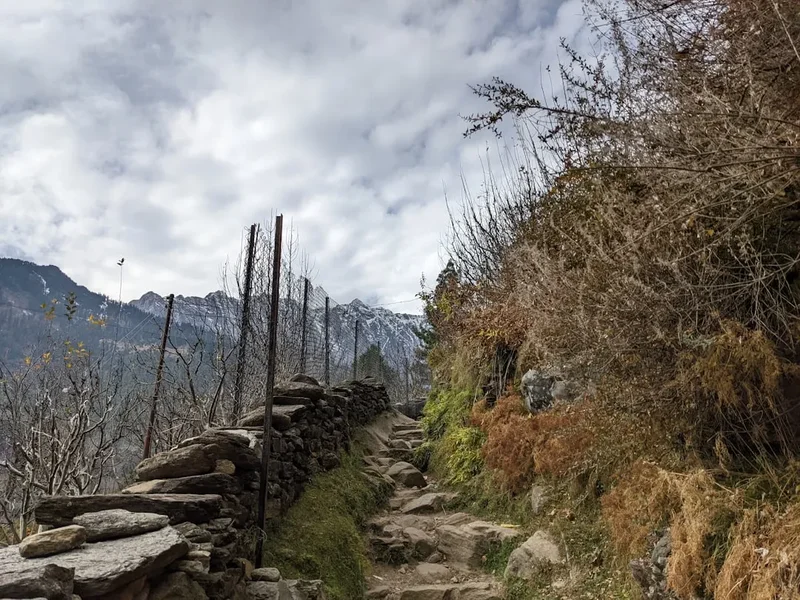
3-Day Sham Valley Trek Itinerary
Day 1: Likir Monastery to Yangthang Village
- Distance: 8.0 km
- Elevation gain: 300 m
- Time: 3–4 hours
- Start at Likir Monastery (3,650 m)
- Walk through arid landscapes and small streams
- Ascend to Phobe La (3,580 m), a relatively easy pass
- Descend into the village of Yangthang (3,450 m)
- Overnight stay in a local homestay or guesthouse
- Opportunity to visit Likir Monastery before starting the trek
- Gentle introduction to trekking in Ladakh, focusing on acclimatisation and cultural immersion
Day 2: Yangthang Village to Hemis Shukpachan Village
- Distance: 10.0 km
- Elevation gain: 400 m
- Time: 4–5 hours
- Trek from Yangthang to Hemis Shukpachan (3,600 m)
- Cross the Tsermangchen La (3,750 m), the highest point of the trek
- Pass through juniper forests and meadows
- Hemis Shukpachan is known for its ancient juniper trees and traditional Ladakhi houses
- Overnight stay in a local homestay or guesthouse
- This day offers more varied scenery, including higher passes and unique vegetation
Day 3: Hemis Shukpachan Village to Temisgam Village
- Distance: 13.0 km
- Elevation gain: 200 m
- Time: 4–5 hours
- Descend from Hemis Shukpachan towards Temisgam (3,150 m)
- The trail follows a stream and passes through more villages
- Arrive at Temisgam, known for its ancient monastery and scenic beauty
- End of the trek; option to arrange transport back to Leh from Temisgam
- This day offers a gradual descent and a final immersion into the Ladakhi countryside
Optional 4-Day Itinerary Extension:
An extra day can be added by extending the trek from Temisgam to explore further villages or by spending more time at the monasteries. Alternatively, a more leisurely pace can be adopted over the 3 days.
Important Notes:
- Homestays and guesthouses are basic but offer a genuine cultural experience
- Carry sufficient water or water purification methods
- Sun protection is paramount due to high altitude and intense sun
- Respect local customs and traditions when visiting villages and monasteries
- Flexibility is key; weather or personal acclimatisation may necessitate adjustments
Planning and Bookings
Book Your Trip
Everything you need to plan your journey
Accommodation
Find places to stay near Leh
Flights
Search flights to Leh
Essential Preparation
The Sham Valley Trek is relatively accessible, but proper preparation is still crucial for a safe and enjoyable experience. The closest major city and logistical hub is Leh, which has an airport (Leh Kushok Bakula Rimpochee Airport - IXH) with regular flights from major Indian cities like Delhi, Chandigarh, and Srinagar. Upon arrival in Leh, it is essential to spend at least 24-48 hours acclimatising to the altitude (3,500 m) before commencing any trekking. This period allows your body to adjust, significantly reducing the risk of altitude sickness.
Transportation from Leh to the trailhead at Likir Monastery (approximately 1-2 hours by road) can be arranged via taxi or pre-booked car. Similarly, transport from the trek's end point at Temisgam back to Leh can be organised. While the trek itself does not require specific permits for Indian nationals, foreign nationals will need an Inner Line Permit (ILP) to visit Ladakh, which can be obtained through travel agents in Leh or online. It is advisable to arrange your accommodation in Leh and your transport to and from the trek in advance, especially during the peak season (June-September).
Trail Accommodation
The Sham Valley Trek is primarily a village-based trek, meaning accommodation is in local homestays or basic guesthouses within the villages along the route. There are no formal campsites or designated trekking huts in the style of some other international trails.
Homestays/Guesthouses:
- Booking requirements: While some homestays can be booked in advance through local tour operators in Leh, it is also possible to arrange accommodation upon arrival in the villages, especially if travelling with a local guide. Booking ahead is recommended during peak season to ensure availability.
- Facilities provided: Typically include a basic room with beds and mattresses, blankets, and a common dining area. Meals (breakfast, lunch, and dinner) are usually provided and are a highlight of the experience, offering authentic Ladakhi cuisine. Basic toilet facilities (often pit latrines) and access to water are generally available.
- What's NOT provided: Sleeping bags are usually not provided, so bringing your own is advisable for warmth and hygiene. Personal toiletries, towels, and any specific medical supplies are also not provided. Electricity can be intermittent, so charging electronic devices might be challenging.
- Seasonal availability: Homestays and guesthouses are generally open from May/June to October, coinciding with the trekking season. Outside these months, many villages become inaccessible due to heavy snowfall, and facilities may be closed.
- Costs: Costs are typically very reasonable, ranging from INR 1,000 to INR 2,500 per person per night, often including meals. Prices can vary based on the village, the quality of the homestay, and whether meals are included.
Note: This is a village-based trek requiring no overnight accommodation in formal huts or campsites.
Required Gear
- Sturdy trekking boots: Waterproof and well broken-in to prevent blisters. Ankle support is recommended for uneven terrain.
- Waterproof jacket and trousers: Essential for protection against wind and any unexpected rain showers, even in the dry climate.
- Warm layers: Fleece jacket, thermal base layers (merino wool or synthetic), and a warm hat and gloves. Temperatures can drop significantly at night and on higher passes.
- Backpack: A comfortable daypack (25-35 litres) for daily essentials, or a larger pack (40-50 litres) if carrying all your gear. A rain cover for the backpack is advisable.
- Headlamp or torch: With spare batteries, as electricity can be unreliable in villages.
- Sun protection: High SPF sunscreen, lip balm with SPF, sunglasses, and a wide-brimmed hat or cap. The sun is extremely intense at high altitudes.
- First-aid kit: Including personal medications, blister treatment, pain relievers, antiseptic wipes, and any altitude sickness medication prescribed by your doctor.
- Navigation tools: While the trail is generally well-marked, a map, compass, and/or GPS device are recommended, especially if trekking independently.
What to Bring
- Food and snacks: While meals are provided in homestays, carry high-energy snacks like nuts, dried fruits, energy bars, and chocolate for during the day's trek.
- Water bottles or hydration reservoir: Capacity for at least 2 litres.
- Water purification: Water purification tablets or a filter are highly recommended, as drinking water sources may not always be treated.
- Personal toiletries: Toothbrush, toothpaste, biodegradable soap, hand sanitiser, and any personal hygiene items.
- Quick-dry towel: Lightweight and practical.
- Camera and extra batteries/power bank: To capture the stunning scenery.
- Personal identification and permits: Keep your ILP (for foreigners) and any other necessary documents easily accessible.
- Cash: Indian Rupees (INR) are essential, as ATMs are scarce outside Leh, and most transactions in villages are cash-based.
- Insect repellent: While not a major issue, it can be useful in certain areas.
- Book or journal: For downtime in the evenings.
Permits
For Indian nationals, the Sham Valley Trek does not require any specific trekking permits. The route passes through villages and established trails that are generally open to all.
Inner Line Permit (ILP) for Foreign Nationals:
Foreign nationals and Indian citizens residing abroad are required to obtain an Inner Line Permit (ILP) to visit certain restricted areas in Ladakh, including many of the regions where trekking routes are located. While the core Sham Valley villages like Likir, Yangthang, Hemis Shukpachan, and Temisgam are generally accessible with an ILP, it is crucial to verify the latest regulations and specific area restrictions before your trip.
How to Obtain an ILP:
- Online: The most convenient method is to apply online through the official Ladakh Tourism website or the Ministry of Home Affairs portal. This process typically requires uploading identification documents and passport-sized photographs.
- Through a Travel Agent: Local travel agents in Leh can assist with the ILP application process for a small fee. This is a good option if you are unfamiliar with the online procedure or prefer assistance.
- Permit Fees: There is a nominal fee associated with obtaining an ILP.
- Validity: ILPs are usually issued for a specific duration, typically covering the planned trekking period. Ensure your permit is valid for the entire duration of your stay in the restricted areas.
It is highly recommended to obtain your ILP well in advance of your trek, especially if applying online, as processing times can vary. Always carry a copy of your permit with you throughout the trek, as it may be checked by authorities at various points.
Other Activities in the Area
Beyond the trek itself, the Sham Valley region and its surroundings offer a wealth of cultural and natural attractions:
- Likir Monastery: A must-visit at the start of the trek. Explore its ancient prayer halls, admire the giant Maitreya Buddha statue, and learn about the Gelugpa sect of Tibetan Buddhism.
- Alchi Monastery: Although not directly on the trek route, Alchi is a UNESCO World Heritage site and a short drive from the main road. Its 11th-century Kashmiri-style murals and architecture are unparalleled in Ladakh.
- Lamayuru Monastery: Known as the "Moonland" due to its surreal, eroded landscape, Lamayuru is one of the oldest and most spectacular monasteries in Ladakh. It's a worthwhile detour if time permits.
- Leh Palace and Shanti Stupa: In Leh, explore the imposing Leh Palace, a former royal residence offering panoramic views of the town and surrounding mountains. The Shanti Stupa provides a serene spot for meditation and sunset views.
- Thiksey Monastery: Often called the "mini Potala Palace," Thiksey is a magnificent monastery perched on a hilltop, housing a large collection of Buddhist art and scriptures.
- Stok Palace and Museum: Located across the Indus River from Leh, Stok Palace is the former residence of the royal family of Ladakh and now houses a museum displaying royal artefacts.
- White Water Rafting on the Indus River: During the summer months, the Indus River offers opportunities for gentle rafting, providing a different perspective of the Ladakhi landscape.
- Local Festivals: If your visit coincides with a local festival (e.g., Losar, various monastery festivals), it's an incredible opportunity to witness vibrant masked dances, traditional music, and religious ceremonies.
Safety and Conditions
Altitude Sickness (Acute Mountain Sickness - AMS):
- The Sham Valley Trek stays at relatively lower altitudes compared to other Ladakhi treks, with the highest point being around 3,750 metres. However, AMS can still occur.
- Prevention: Acclimatise properly in Leh for at least 24-48 hours before starting the trek. Stay hydrated by drinking plenty of water. Avoid alcohol and strenuous activity on the first day.
- Symptoms: Headache, nausea, dizziness, fatigue, loss of appetite, and difficulty sleeping.
- Action: If symptoms appear, do not ascend further. Rest, hydrate, and if symptoms worsen, descend immediately. Consult a doctor if necessary. Diamox (acetazolamide) can be prescribed by a doctor for prevention and treatment.
Trail Conditions:
- The trails are generally well-defined but can be rocky, dusty, and uneven.
- Some sections involve ascents and descents, and crossing passes can be exposed to wind.
- The path may be shared with local villagers and their livestock.
- Weather can change rapidly; be prepared for sunny conditions, strong winds, and occasional dust storms.
Water Sources:
- Water is generally available from streams and village taps.
- However, it is strongly recommended to treat all water before drinking, either by boiling, using purification tablets, or a water filter.
Communication:
- Mobile phone coverage is limited and often unavailable in remote villages and on the trail.
- Carry a fully charged power bank for your devices.
- For emergencies, consider carrying a satellite phone or personal locator beacon (PLB), especially if trekking independently.
Guides and Porters:
- While the trek can be done independently, hiring a local guide is highly recommended. Guides provide invaluable knowledge of the terrain, culture, and safety protocols. They can also assist with arranging accommodation and meals in villages.
- Porters can be hired to carry heavier luggage, making the trek more comfortable.
General Safety Tips:
- Inform someone of your trekking plans and expected return date.
- Carry a comprehensive first-aid kit and know how to use its contents.
- Respect local customs and traditions. Dress modestly when visiting monasteries and villages.
- Be aware of the intense sun and protect yourself from sunburn and dehydration.
- Travel insurance that covers trekking and emergency evacuation is highly advisable.
Side Trips and Points of Interest
Likir Monastery: Even before the trek begins, Likir Monastery is a significant point of interest. Founded in the 11th century, it's renowned for its impressive 75-foot high statue of Maitreya Buddha, a striking sight against the arid landscape. The monastery complex itself is a beautiful example of Ladakhi architecture, with intricate murals and ancient artefacts.
Phobe La (3,580 m): This is the first major pass encountered on the trek, typically on Day 1. While not particularly high or challenging, it offers a good introduction to the mountain passes of Ladakh and provides a vantage point for initial panoramic views of the surrounding valleys and distant peaks.
Tsermangchen La (3,750 m): The highest point of the Sham Valley Trek, crossed on Day 2. This pass offers more expansive views and a sense of accomplishment. The surrounding landscape is rugged and beautiful, often dotted with prayer flags left by previous trekkers.
Hemis Shukpachan Village: This village is a highlight due to its ancient juniper trees, some of which are centuries old and considered sacred. The village itself is picturesque, with traditional Ladakhi houses and a serene atmosphere, offering a glimpse into rural life.
Temisgam Monastery: Located near the end of the trek, Temisgam Monastery is an important historical and religious site. It's known for its beautiful architecture and serene ambiance, providing a peaceful conclusion to the trekking portion of the journey.
Local Villages and Culture: The entire trek is a journey through living history. Each village—Likir, Yangthang, Hemis Shukpachan, Temisgam—offers unique insights into Ladakhi culture, architecture, and daily life. Interacting with locals, observing their farming practices, and experiencing their hospitality are integral parts of the Sham Valley experience.
Leave No Trace
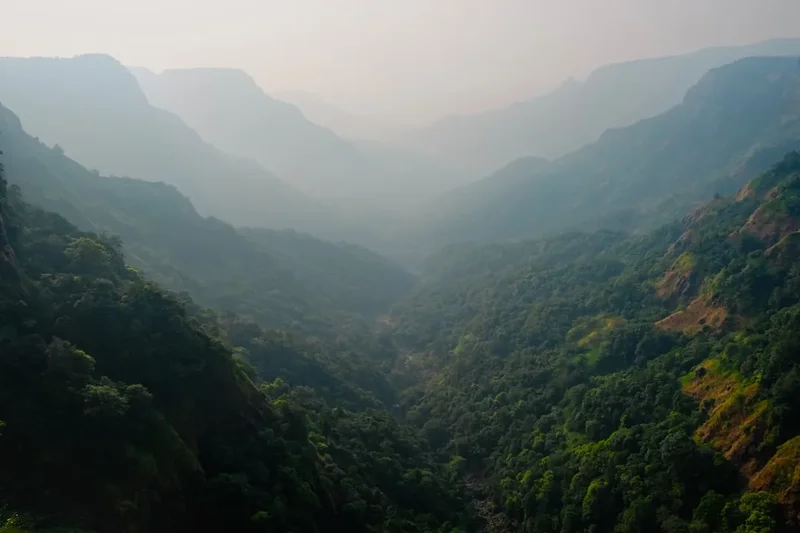
The Sham Valley, like all of Ladakh, is a fragile high-altitude desert ecosystem. Preserving its natural beauty and cultural heritage is paramount. Adhering to Leave No Trace principles ensures that this pristine environment remains for future generations and that the local communities are respected.
Plan Ahead and Prepare: Understand the conditions, pack appropriately, and be prepared for the challenges of high-altitude trekking. Familiarise yourself with local customs and regulations.
Travel and Camp on Durable Surfaces: Stick to established trails and paths. Avoid cutting across switchbacks or walking on fragile vegetation. In villages, use designated homestays or guesthouses.
Dispose of Waste Properly: Pack out everything you pack in. This includes all food scraps, wrappers, and any other litter. Use designated toilets in villages or dig catholes at least 60 metres away from water sources, trails, and campsites if necessary (though camping is not typical on this trek). Carry a small bag for your personal waste.
Leave What You Find: Do not remove any natural objects (rocks, plants) or cultural artefacts. Respect ancient sites, monasteries, and mani walls.
Minimise Campfire Impacts: Campfires are generally not permitted and are impractical in this region. Use a stove for cooking.
Respect Wildlife: Observe wildlife from a distance and never feed animals. Their natural behaviours are crucial for their survival.
Be Considerate of Other Visitors: Keep noise levels down, especially in villages and monasteries. Respect the local culture and traditions. Ask for permission before taking photographs of people.
By following these principles, you contribute to the preservation of the Sham Valley's unique environment and cultural integrity, ensuring a positive experience for both yourself and the local communities.