
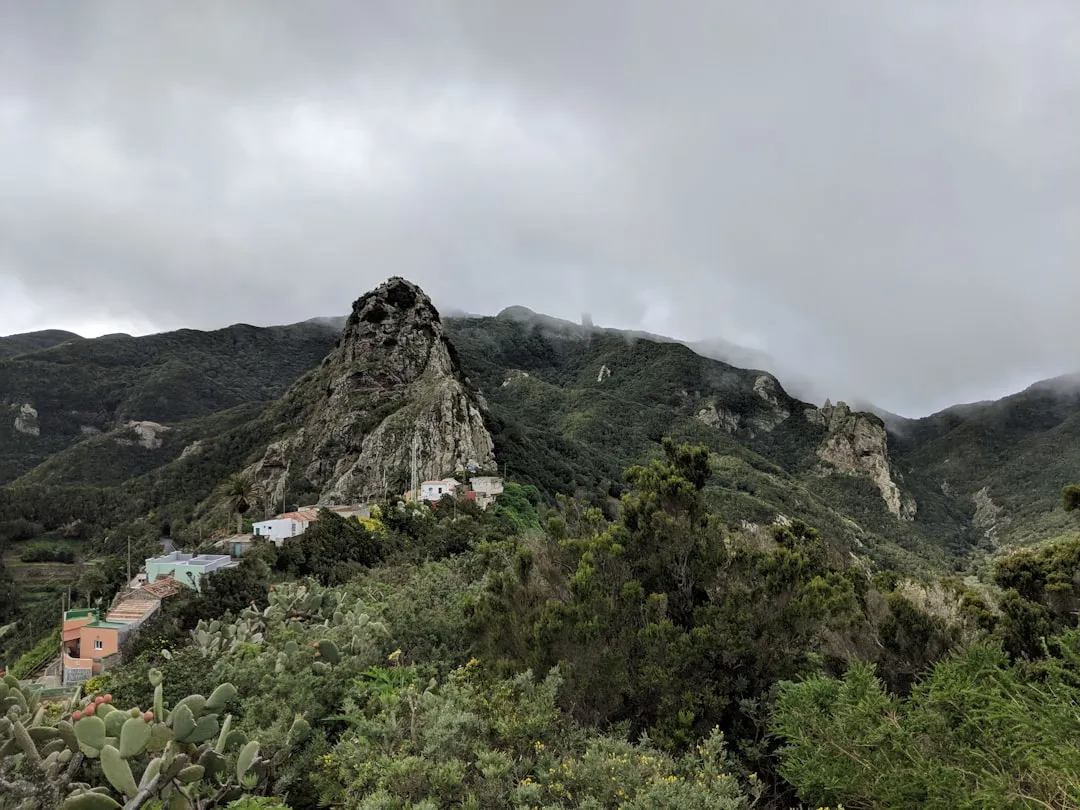
Serra de Tramuntana Traverse
The Serra de Tramuntana Traverse is a challenging multi-day trek across the dramatic mountain range that forms the backbone of Mallorca, Spain. This route, stretching approximately 120 kilometres, offers a profound immersion into the island's rugged interior, far from the bustling coastal resorts. It winds through ancient olive groves, past picturesque stone villages, and over high mountain passes, revealing breathtaking vistas of the Mediterranean Sea and the island's wild, untamed heart. The traverse is a journey through history, culture, and stunning natural beauty, showcasing the unique character of Mallorca's mountainous north-west.
- Distance: 120 km one-way
- Duration: 7–9 days
- Season: Spring (February–May) and Autumn (September–October)
- Difficulty: Challenging
- Highest point: Puig Major (1,445 m - accessible via detour)
- Accommodation: Refuges, rural hotels, guesthouses
- Closest City: Palma de Mallorca
Overview
The Serra de Tramuntana Traverse is a testament to Mallorca's diverse landscapes, a stark contrast to its famed sandy beaches. This long-distance path navigates the UNESCO World Heritage-listed mountain range, a rugged spine of limestone peaks that plunges dramatically towards the sea. The trail is a mosaic of ancient dry-stone walls, terraced olive and almond groves, fragrant pine forests, and dramatic rocky outcrops. It connects a series of charming, historic villages, each with its own unique character and architectural heritage, offering glimpses into traditional Mallorcan life.
The traverse is not a single, officially marked path but rather a network of interconnected trails, old mule tracks, and local paths that have been used for centuries. This means navigation can be a significant part of the challenge, requiring careful attention to signage and map reading. The terrain is varied, from well-trodden paths to steep, rocky ascents and descents, often on uneven surfaces. Elevation changes are substantial, with significant climbs and descents between villages and over mountain passes.
The best times to undertake this traverse are during the spring and autumn months. Spring (February to May) brings a riot of wildflowers, milder temperatures, and fewer crowds, though higher passes may still hold snow early in the season. Autumn (September to October) offers pleasant warmth, the golden hues of the changing landscape, and the opportunity to witness the olive and almond harvests. Summer can be excessively hot for strenuous hiking, while winter can bring cold temperatures and potential snow at higher elevations.
This trek is ideal for experienced hikers seeking a genuine challenge and a deep cultural experience. It demands good physical fitness, navigational skills, and a willingness to embrace the wilder side of Mallorca. The rewards are immense: unparalleled natural beauty, a rich historical context, and the satisfaction of completing a significant traverse of this magnificent island range.
History and Cultural Context
The Serra de Tramuntana has been inhabited and shaped by human activity for millennia. Archaeological evidence points to settlements dating back to the Talaiotic period (Bronze Age). Over centuries, the range served as a natural defence, a source of resources, and a vital agricultural area, particularly for olives and almonds, which thrive on its terraced slopes.
The dry-stone construction techniques, evident in the ubiquitous walls, terraces, and village architecture, are a defining feature of the Serra de Tramuntana. These structures, built without mortar, are a testament to the ingenuity and hard work of generations of Mallorcans. The villages themselves, such as Valldemossa, Deià, Sóller, and Fornalutx, retain their medieval charm, with narrow cobbled streets, stone houses, and historic churches.
The region's history is also intertwined with periods of Moorish rule, followed by the Christian conquest in the 13th century. This blend of cultures has left its mark on the architecture, language, and traditions of the area. The isolation of the mountain villages fostered a strong sense of local identity and preserved many ancient customs.
In more recent times, the Serra de Tramuntana has attracted artists, writers, and travellers drawn to its dramatic landscapes and tranquil atmosphere. The construction of the GR221, or "Ruta de Pedra en Sec" (Dry Stone Route), has helped to formalise and promote hiking in the region, making its historical paths more accessible to a wider audience while aiming to preserve its unique cultural and natural heritage.
Seasonal Highlights and Weather Reality
The Serra de Tramuntana Traverse is best enjoyed during the shoulder seasons, offering a balance of pleasant hiking conditions and natural beauty.
Spring (February–May): This is arguably the most beautiful time to hike. The landscape bursts into colour with wildflowers, including poppies, orchids, and almond blossoms. Temperatures are mild, typically ranging from 10°C to 20°C, making for comfortable hiking days. Higher elevations might still experience frost or even light snow in February and early March, but these conditions usually clear quickly. The air is fresh, and the light is often soft and picturesque.
Summer (June–August): Hiking during the summer months is generally not recommended due to extreme heat. Daytime temperatures can regularly exceed 30°C, and sometimes reach 40°C, especially at lower altitudes. The risk of dehydration and heatstroke is high, and water sources can be scarce. If attempting a summer hike, start extremely early, carry ample water, and focus on shaded routes or higher, cooler elevations, but even then, it is a significant challenge.
Autumn (September–October): Autumn offers a second prime hiking window. The intense heat of summer subsides, with temperatures typically ranging from 15°C to 25°C. The landscape takes on a golden hue as the almond and olive harvests begin. The sea is still warm enough for swimming, and the light is often spectacular for photography. Rainfall can increase towards the end of October, but prolonged periods of heavy rain are less common than in winter.
Winter (November–January): While cooler, winter can still be a viable hiking season for the resilient. Temperatures average between 5°C and 15°C. However, higher peaks can be covered in snow, and some mountain passes may become impassable or require winter mountaineering equipment and skills. Days are shorter, and the weather can be unpredictable, with potential for strong winds and heavy rain. Some refuges and rural accommodations may have reduced opening hours or be closed.
Weather Reality: The Serra de Tramuntana is a mountain range, and weather can change rapidly. Even in spring and autumn, be prepared for cooler temperatures at higher altitudes, strong winds, and sudden rain showers. Always check the forecast before setting out each day.
Recommended Itinerary
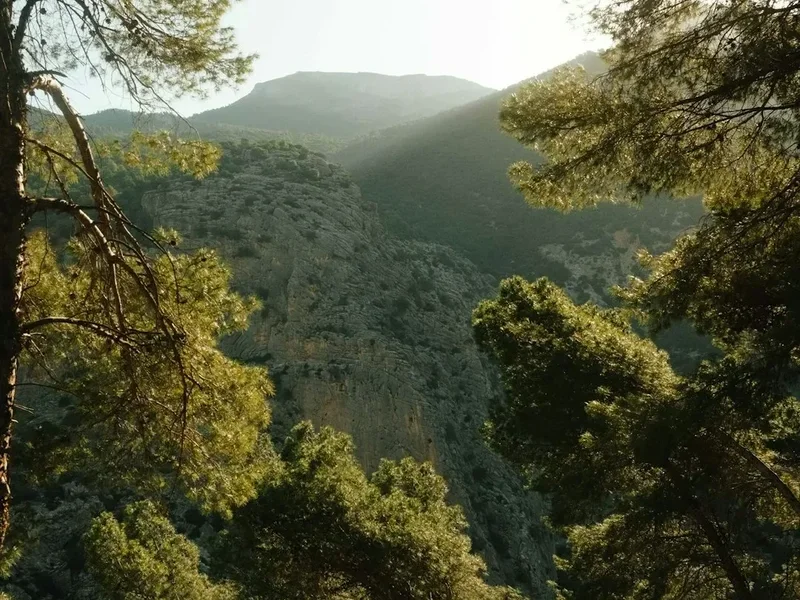
7-Day Serra de Tramuntana Traverse Itinerary
Day 1: Port d'Andratx to Estellencs
- Distance: 15 km
- Elevation gain: 700 m
- Time: 4–5 hours
- Start at the coastal town of Port d'Andratx.
- Follow coastal paths and then ascend into the hills.
- Pass through agricultural land and enjoy initial sea views.
- Arrive in the charming village of Estellencs, nestled in a valley.
Day 2: Estellencs to Banyalbufar
- Distance: 12 km
- Elevation gain: 500 m
- Time: 3–4 hours
- A shorter day, allowing for exploration of Estellencs.
- Walk along the coast, with dramatic cliffs and small coves.
- Pass through terraced vineyards and olive groves.
- Arrive in Banyalbufar, known for its unique terraced gardens.
Day 3: Banyalbufar to Esporles
- Distance: 18 km
- Elevation gain: 800 m
- Time: 5–6 hours
- Ascend inland towards the heart of the Tramuntana.
- Pass through pine forests and enjoy panoramic views.
- Descend into the picturesque town of Esporles.
Day 4: Esporles to Valldemossa
- Distance: 10 km
- Elevation gain: 600 m
- Time: 3–4 hours
- A relatively short but steep climb to the historic town of Valldemossa.
- Explore the famous Carthusian Monastery.
- Enjoy the charming streets and artisan shops.
Day 5: Valldemossa to Deià
- Distance: 15 km
- Elevation gain: 700 m
- Time: 4–5 hours
- A scenic route connecting two of Mallorca's most beautiful villages.
- Follow ancient paths through olive groves and pine forests.
- Descend towards the coastal village of Deià, an artists' haven.
Day 6: Deià to Sóller (via Fornalutx)
- Distance: 18 km
- Elevation gain: 900 m
- Time: 6–7 hours
- A challenging but rewarding day.
- Ascend from Deià towards the Coll de sa Gramola.
- Pass through the exceptionally beautiful village of Fornalutx, often called the most beautiful village in Spain.
- Descend into the Sóller valley.
Day 7: Sóller to Port de Sóller and onward
- Distance: 5 km (to Port de Sóller)
- Elevation gain: 100 m
- Time: 1–1.5 hours
- A gentle walk or tram ride down to the picturesque Port de Sóller.
- Option to continue further into the Tramuntana or arrange transport from Sóller.
- This marks the end of the main traverse, with options for further exploration or return to Palma.
Note: This itinerary is a suggestion and can be adapted. Distances and times are approximate and depend on fitness levels and weather conditions. Accommodation should be booked in advance, especially during peak seasons.
Planning and Bookings
Book Your Trip
Everything you need to plan your journey
Accommodation
Find places to stay near Palma de Mallorca
Flights
Search flights to Palma de Mallorca
Essential Preparation
The Serra de Tramuntana Traverse requires careful planning due to its varied terrain, potential for navigation challenges, and the need to book accommodation in advance. Given its status as a UNESCO World Heritage site, responsible tourism is paramount. The closest major city and transport hub is Palma de Mallorca. From Palma, you can reach the trailhead at Port d'Andratx via public bus (e.g., TIB bus line 102) or a taxi/rental car. Road conditions are generally good, but mountain roads can be narrow and winding. Parking is available in Port d'Andratx, though it can be busy during peak season.
Fitness is crucial. The trail involves significant daily elevation changes and long distances over uneven ground. Aim for a good level of cardiovascular fitness and strength, with particular attention to leg strength for ascents and descents. Practice hiking with a loaded backpack to get accustomed to the weight and balance.
Navigation is a key aspect of this traverse. While the GR221 is marked with red and white blazes, sections can be indistinct, and the network of paths can be confusing. Carrying detailed maps, a compass, and a GPS device or reliable navigation app is essential. Familiarise yourself with the route and potential bail-out points.
Trail Accommodation
Accommodation along the Serra de Tramuntana Traverse primarily consists of a mix of mountain refuges (refugis), rural hotels (fincas), guesthouses, and small hotels in the villages. Booking in advance is highly recommended, especially during spring and autumn, as capacity can be limited.
Refuges (Refugis):
- Booking Requirements: Essential to book in advance, often months ahead for popular locations. Bookings are typically made online through the Consell de Mallorca or individual refuge websites.
- Facilities Provided: Dormitory-style bunks with mattresses, common dining areas, sometimes basic kitchens (check specific refuge), and shared bathroom facilities (showers may be cold or limited). Some refuges offer meals (breakfast, dinner) for an additional cost.
- What's NOT Provided: Bedding (sleeping bags or liners are usually required), towels, toiletries, cooking equipment (unless specified), food (unless meals are booked).
- Seasonal Availability: Generally open year-round, but some may have reduced hours or be closed during winter months. Always check current opening status.
- Costs: Varies, but expect approximately €20-€40 per night for a bunk, with meals costing extra.
Rural Hotels and Guesthouses (Fincas, Hostales, Pensiones):
- Booking Requirements: Recommended to book in advance, especially in popular villages like Valldemossa and Deià.
- Facilities Provided: Private rooms with en-suite bathrooms, often with breakfast included. Many offer charming, traditional settings.
- What's NOT Provided: Specific to each establishment; generally, no specific hiking gear or services beyond standard accommodation.
- Seasonal Availability: Most are open year-round, but some may close during the low season (winter).
- Costs: Varies widely, from €60-€150+ per night depending on the establishment and season.
Campsites: Wild camping is generally prohibited in Mallorca. Designated campsites are rare along the traverse route itself, so relying on refuges and village accommodation is the standard approach.
Required Gear
- Sturdy Hiking Boots: Waterproof, well broken-in boots with good ankle support are essential for the varied and often rocky terrain.
- Waterproof Jacket: A breathable, waterproof and windproof jacket is crucial for protection against sudden rain showers and strong winds, especially at higher altitudes.
- Waterproof Overtrousers: Essential for staying dry and comfortable during prolonged rain.
- Backpack: A comfortable daypack (25-35 litres) for daily essentials if using village accommodation, or a larger multi-day pack (40-55 litres) if staying in refuges and carrying more gear. Ensure it has a good hip belt and rain cover.
- Navigation Tools: Detailed topographic maps of the Serra de Tramuntana, a compass, and a GPS device or smartphone with offline mapping capabilities (e.g., Maps.me, Komoot).
- Head Torch: With spare batteries, for use in refuges or if hiking in low light conditions.
- First-Aid Kit: Including blister treatment, pain relievers, antiseptic wipes, bandages, and any personal medications.
- Sun Protection: High SPF sunscreen, sunglasses, and a wide-brimmed hat or cap.
- Trekking Poles: Highly recommended for stability on descents and ascents, and to reduce strain on knees.
What to Bring
- Clothing Layers: Moisture-wicking base layers (merino wool or synthetic), insulating mid-layers (fleece or down jacket), and comfortable hiking trousers (quick-drying). Avoid cotton.
- Food and Snacks: High-energy snacks such as nuts, dried fruit, energy bars, and chocolate. For days where meals are not pre-booked, carry sufficient lunch and dinner supplies.
- Water Bottles/Hydration Reservoir: Capacity for at least 2-3 litres per person per day, especially during warmer months. Water sources can be infrequent between villages.
- Water Purification: Water filter or purification tablets are advisable, although water in villages is generally safe to drink.
- Toiletries: Biodegradable soap, toothbrush, toothpaste, small towel, hand sanitiser.
- Personal Items: Mobile phone (for emergencies), power bank, camera, book or journal.
- Cash: Some smaller establishments or refuges may not accept credit cards, so carry sufficient Euros for accommodation, food, and transport.
- Insect Repellent: Particularly useful during warmer months.
Permits
For the most part, the Serra de Tramuntana Traverse (GR221) does not require specific permits for hiking. The trails are generally public access routes. However, access to certain private fincas or specific sections might be restricted, and it is always advisable to respect private property signs.
Accommodation Bookings: The primary "permit" requirement is securing accommodation. As mentioned in the "Trail Accommodation" section, booking refuges and popular rural hotels well in advance is essential, especially during the peak hiking seasons of spring and autumn. Websites for the Consell de Mallorca (which manages many of the refuges) or individual accommodation providers are the best resources for this.
National Park Regulations: While the entire Serra de Tramuntana is a protected landscape, there are no specific entry fees or permits required for general hiking within the natural parks. However, visitors are expected to adhere to local regulations regarding waste disposal, fire safety, and respecting the environment. Wild camping is prohibited.
Puig Major Access: If you plan to ascend Puig Major, the island's highest peak (1,445 m), note that the summit area is a military zone and access may be restricted or require special permission. The standard GR221 route bypasses the summit itself, though there are routes that lead to viewpoints near the military installations. Always check current access regulations for Puig Major if this is a specific goal.
Other Activities in the Area
The Serra de Tramuntana offers a wealth of activities beyond hiking, allowing for a richer exploration of Mallorca's diverse offerings:
- Cycling: The mountain roads and some trails are popular with cyclists, offering challenging climbs and scenic descents.
- Exploring Villages: Dedicate time to wander through the charming streets of villages like Valldemossa, Deià, Fornalutx, and Sóller. Discover local artisan shops, historic churches, and enjoy the unique atmosphere.
- Gastronomy: Mallorca boasts a rich culinary scene. Sample local specialities such as 'ensaimada' (a sweet pastry), 'sobrassada' (cured sausage), 'tumbet' (vegetable dish), and fresh seafood in coastal towns.
- Beaches and Coves: While the traverse focuses on the mountains, many coastal villages offer access to beautiful coves and beaches, perfect for a refreshing dip after a day's hike. Cala Deià and Cala Banyalbufar are notable examples.
- Sóller Valley Tram and Train: Take a ride on the historic wooden tram from Sóller to Port de Sóller, or the vintage train from Palma to Sóller, for a scenic journey through orange groves and mountains.
- Olive Oil Tasting: The region is renowned for its olive oil production. Visit local 'molins' (mills) for tastings and to learn about the production process.
- Cultural Sites: Visit historical sites such as the Royal Carthusian Monastery in Valldemossa, the Robert Graves House in Deià, or the archaeological sites scattered throughout the region.
Safety and Conditions
Pre-Trip Checks:
- Weather Forecast: Always check the local weather forecast before and during your trek. Mountain weather can change rapidly. Websites like AEMET (Agencia Estatal de Meteorología) provide detailed forecasts for Spain.
- Trail Conditions: While the GR221 is generally well-maintained, sections can be affected by recent rainfall, landslides, or fallen trees. Check local tourist information or accommodation providers for any reported issues.
- Water Availability: Ensure you know where reliable water sources are located between villages, especially during drier periods. Carry enough water for each stage.
- Emergency Contacts: Save the European emergency number (112) on your phone. Have contact details for your accommodation and local emergency services.
On the Trail:
- Navigation: Do not underestimate the importance of navigation. Trails can be poorly marked in places, and the network of paths can be confusing. Always carry and know how to use your maps and compass/GPS.
- Terrain: Be prepared for steep, rocky, and uneven terrain. Good footwear and trekking poles are highly recommended to prevent slips and reduce strain.
- Sun Exposure: The Mallorcan sun can be intense, even outside of summer. Use high SPF sunscreen, wear a hat and sunglasses, and stay hydrated.
- Heat: During warmer months, hiking during the hottest part of the day (midday) should be avoided. Start early and finish before the heat peaks.
- Communication: Mobile phone signal can be intermittent in mountainous areas. Consider carrying a personal locator beacon (PLB) for remote sections.
- Respect Private Property: Stick to marked trails and respect signage indicating private land.
- Wildlife: While large predators are absent, be aware of potential hazards like snakes (though generally not aggressive) and insects.
Accommodation Safety: When staying in refuges, follow the warden's instructions regarding quiet hours, use of facilities, and safety procedures. Ensure your belongings are secure.
Travel Insurance: It is strongly recommended to have travel insurance that covers hiking and potential medical evacuation.
Side Trips and Points of Interest
Puig Major: While the summit itself is a military zone, the surrounding area offers spectacular views. Routes leading towards the peak provide panoramic vistas of the entire Serra de Tramuntana and the Mediterranean Sea. The drive or hike up to the military installations offers a sense of scale and grandeur.
Sa Calobra and Torrent de Pareis: A dramatic detour from the main traverse, accessible from Sóller. This stunning coastal road winds down to the picturesque cove of Sa Calobra, where the impressive Torrent de Pareis gorge meets the sea. A short walk through a tunnel leads to the gorge's mouth, a truly awe-inspiring natural wonder.
Cala Deià: A small, rocky cove near Deià, popular with locals and artists. It's a beautiful spot for a swim or to enjoy the rugged coastal scenery. Access is via a steep, winding path.
Fornalutx: Often cited as one of Spain's most beautiful villages, Fornalutx is a must-visit. Its perfectly preserved stone houses, narrow cobbled streets, and flower-filled balconies create an idyllic atmosphere. It's a delightful place to pause and soak in the traditional Mallorcan charm.
Olive and Almond Groves: The terraced landscapes are a significant feature of the Serra de Tramuntana. Taking time to appreciate the ancient olive trees and the blooming almond trees (in late winter/early spring) adds a unique dimension to the traverse.
Dry Stone Architecture: Throughout the traverse, pay attention to the intricate dry-stone walls, terraces, and buildings. These structures are a UNESCO World Heritage feature and represent a remarkable feat of traditional engineering and craftsmanship.
Leave No Trace
The Serra de Tramuntana is a precious natural and cultural landscape, designated as a UNESCO World Heritage site. Adhering to Leave No Trace principles is vital to preserve its beauty and integrity for future generations.
- Plan Ahead and Prepare: Research your route, understand the terrain, and book accommodation in advance. Be aware of local regulations and weather conditions.
- Travel and Camp on Durable Surfaces: Stick to marked trails to avoid damaging fragile vegetation and soil. When resting, use established viewpoints or clearings. Wild camping is prohibited.
- Dispose of Waste Properly: Pack out everything you pack in, including all food scraps, wrappers, and any other litter. Use designated bins in villages or carry your waste until you can dispose of it responsibly. Use toilet facilities in villages and refuges; if caught short in the backcountry, dig a cathole at least 60 metres away from water sources, trails, and campsites.
- Leave What You Find: Do not remove plants, rocks, or any natural or historical artefacts. Take only photographs and memories.
- Minimise Campfire Impacts: Campfires are generally prohibited in the Serra de Tramuntana due to fire risk. Use portable stoves for cooking.
- Respect Wildlife: Observe wildlife from a distance and never feed animals. They have specific diets and human food can be harmful.
- Be Considerate of Other Visitors: Keep noise levels down, especially in villages and refuges. Yield to other hikers on narrow paths. Respect the local culture and traditions.
By following these principles, you contribute to the ongoing preservation of this extraordinary mountain range and its unique heritage.
 Spain
Spain