
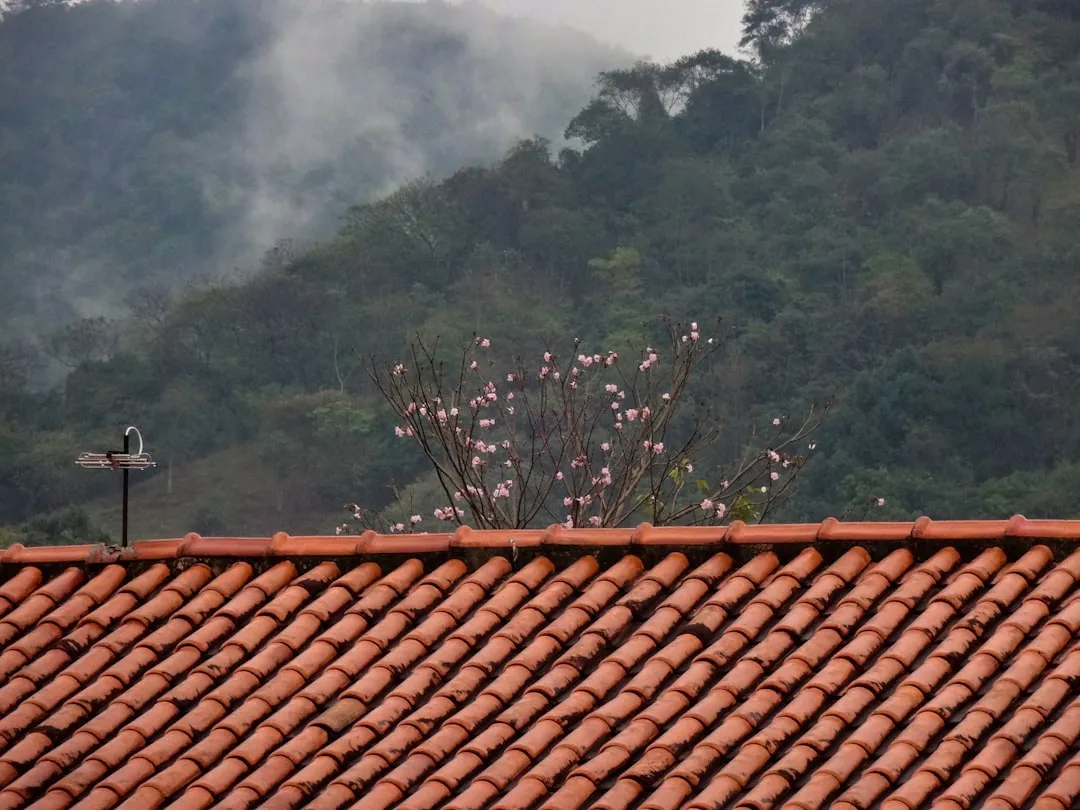
Trilha da Serra do Roncador - The Heart of Brazil's Mystical Highlands
The Trilha da Serra do Roncador is an epic multi-day trek traversing the enigmatic Serra do Roncador mountain range in the state of Mato Grosso, Brazil. This challenging 80 km journey unfolds over 5 to 7 days, immersing walkers in a landscape steeped in mystery, ancient geological formations, and unique biodiversity. Known for its dramatic plateaus, deep canyons, and the spiritual resonance attributed to its numerous caves and rock formations, the Roncador offers a profound connection to the raw, untamed heart of the Brazilian Cerrado. The trail is not merely a physical expedition but a passage through a region believed by many to be a nexus of spiritual energy, a place where the veil between worlds is thin.
- Distance: 80.0 km one-way
- Duration: 5–7 days
- Season: Dry season (May–September)
- Difficulty: Challenging
- Highest point: Variable, significant elevation changes across plateaus and canyons
- Daily walkers: No strict limit, but guided tours are highly recommended
- Direction: Variable, often circular or point-to-point depending on chosen route and logistics
- Closest City: Barra do Garças
Overview
The Serra do Roncador, translating to "Singing Saw Mountain Range," is a geological and spiritual marvel. Its name is derived from the peculiar sounds produced by the wind whistling through its numerous rock formations and caves, a phenomenon that has captivated local populations and visitors for centuries. This trail is a deep dive into the heart of the Cerrado biome, Brazil's vast tropical savanna, showcasing its unique flora and fauna adapted to a landscape of dry seasons and intense heat. The terrain is demanding, characterised by significant ascents and descents as the trail navigates between the high plateaus and the valley floors, often requiring careful route-finding and robust physical conditioning.
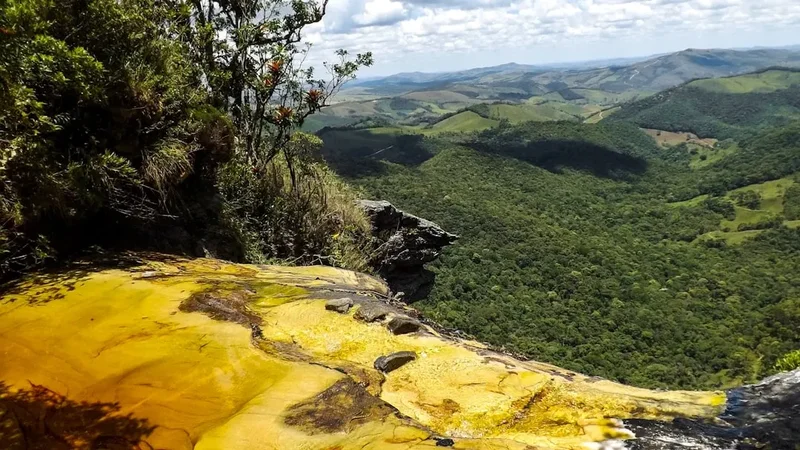
The journey is punctuated by awe-inspiring geological features. Expect to encounter towering sandstone formations, vast cave systems with ancient petroglyphs, and panoramic vistas that stretch across the seemingly endless savanna. The spiritual significance of the Serra do Roncador is palpable. Many believe the region to be a powerful energy centre, a place of healing and introspection, attracting spiritual seekers and those interested in esoteric phenomena. The presence of numerous indigenous petroglyphs within the caves hints at a long history of human connection to this land, suggesting it has been a place of reverence and ritual for millennia.
The Trilha da Serra do Roncador is not a well-trodden tourist path. It requires a spirit of adventure, self-reliance, and a deep respect for nature and local traditions. The remoteness of the region means that logistical planning, including experienced guides, is paramount for a safe and rewarding experience. This trek offers a rare opportunity to explore a less-visited, profoundly beautiful, and spiritually charged corner of Brazil, far from the usual tourist circuits.
History and Cultural Context
The Serra do Roncador has a rich and layered history, deeply intertwined with indigenous cultures and more recent esoteric beliefs. For millennia, indigenous peoples, including the Bororo and other groups, have inhabited and revered this region. The numerous caves scattered throughout the Serra contain ancient petroglyphs and rock art, testaments to their spiritual practices, astronomical observations, and daily lives. These markings are not just art; they are sacred narratives, maps of spiritual journeys, and evidence of a profound connection to the land that predates recorded history.
In the 20th century, the Serra do Roncador gained notoriety through the writings of spiritualists and ufologists, most notably Urandir Fernandes de Oliveira. He popularised the idea of the Serra as a powerful energy nexus, a landing site for extraterrestrial craft, and a place of profound spiritual healing. These beliefs have attracted a steady stream of spiritual seekers, researchers, and tourists interested in the region's mystical reputation. While these claims are not scientifically verified, they have undeniably shaped the modern perception and allure of the Serra do Roncador, adding a unique dimension to its exploration.
The region's geological history is equally fascinating. The Serra do Roncador is composed of ancient sandstone formations, sculpted over millions of years by erosion, wind, and water into the dramatic shapes seen today. These formations are not only visually striking but also hold clues to the Earth's past, offering a glimpse into geological processes that have shaped the planet. The combination of ancient indigenous heritage, modern esoteric beliefs, and dramatic geological landscapes makes the Serra do Roncador a truly unique destination, offering a journey that transcends mere physical trekking.
Seasonal Highlights and Weather Reality
The Serra do Roncador experiences a distinct tropical savanna climate with two primary seasons: a dry season and a wet season. The best time for trekking is undoubtedly during the dry season, which typically runs from May to September.
Dry Season (May–September): This period offers the most favourable conditions for hiking. Rainfall is minimal, and the skies are generally clear, providing excellent visibility for the expansive vistas. Temperatures can be warm during the day, often reaching the high 20s to low 30s Celsius, but nights can be cooler, especially at higher elevations. The reduced humidity and lower risk of heavy downpours make navigation and camping more comfortable. This is also the ideal time to explore the caves, as they are less likely to be affected by flooding.
Wet Season (October–April): The wet season brings significant rainfall, often in the form of intense thunderstorms. While the landscape becomes lush and vibrant, the trails can become muddy, slippery, and potentially hazardous. Rivers and streams swell, making crossings more difficult and dangerous. Some cave entrances might be inaccessible due to flooding. Temperatures remain warm, but humidity levels are high. While some intrepid travellers might attempt the trek during this period, it is generally not recommended due to the increased risks and logistical challenges.
Specific Considerations:
- Heat: Even in the dry season, daytime temperatures can be high. Proper hydration and sun protection are crucial.
- Wind: The "singing" of the Serra do Roncador is a constant phenomenon, especially on exposed plateaus. While often atmospheric, strong winds can sometimes pose a challenge.
- Flash Floods: Even during the dry season, sudden, localised downpours can occur, leading to flash floods in canyons and low-lying areas. Always be aware of the weather forecast and local conditions.
Recommended Itinerary
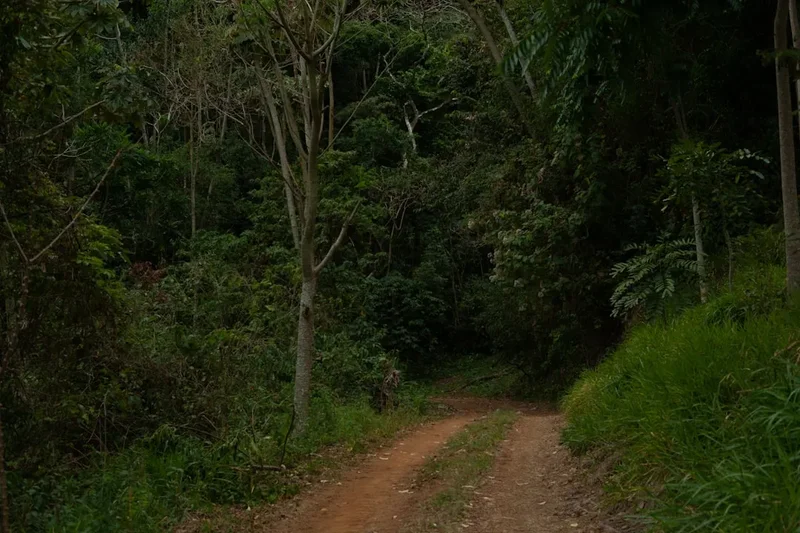
5-Day Trilha da Serra do Roncador Itinerary (Sample)
Day 1: Arrival in Barra do Garças & Transfer to Trailhead
- Morning: Arrive at Barra do Garças Airport (BPG).
- Meet your local guide and arrange for 4x4 transport.
- Afternoon: Drive towards the Serra do Roncador trailhead (approx. 2-3 hours). The road conditions can be challenging, making a 4x4 essential.
- Late Afternoon: Arrive at the designated starting point. Final gear check and briefing with your guide.
- Begin a short introductory hike to a nearby viewpoint or a first cave system to acclimatise.
- Evening: Set up camp near the trailhead or at a designated basic campsite.
- Focus: Logistics, acclimatisation, initial immersion into the landscape.
Day 2: Plateau Exploration & Cave Systems
- Morning: Ascend to one of the main plateaus of the Serra do Roncador.
- Hike across the plateau, marvelling at the unique rock formations and expansive views.
- Visit significant cave systems, such as the Gruta do Jacaré or Gruta do São Marcos, looking for petroglyphs and geological wonders.
- Afternoon: Continue exploring the plateau, potentially reaching a significant landmark like Pedra Furada (Holed Stone).
- Evening: Camp on the plateau, enjoying the sunset and the vastness of the Cerrado.
- Focus: Geological formations, ancient art, panoramic views.
- Distance: Approx. 15-20 km
- Elevation Gain: Significant ascents and descents throughout the day.
- Time: 6-8 hours hiking.
Day 3: Canyon Descent & River Crossings
- Morning: Begin a descent into one of the deep canyons carved into the Serra.
- Navigate challenging terrain, potentially involving steep slopes and rocky paths.
- Cross rivers and streams, which may require wading or using temporary bridges depending on the season and guide's setup.
- Afternoon: Explore the canyon floor, observing the different vegetation and rock strata.
- Evening: Set up camp in the canyon, often near a water source.
- Focus: Rugged terrain, canyon exploration, understanding the geological forces at play.
- Distance: Approx. 15-20 km
- Elevation Gain: Significant descent, followed by some ascents.
- Time: 6-8 hours hiking.
Day 4: Ascent to a New Plateau & Spiritual Sites
- Morning: Ascend from the canyon floor to a different plateau or a higher section of the Serra.
- This ascent will be physically demanding.
- Visit sites known for their spiritual significance, such as the "Pedra do Sol" (Sun Stone) or other energy points identified by local guides.
- Afternoon: Continue exploring the new area, perhaps reaching a viewpoint overlooking a vast expanse of the Cerrado.
- Evening: Camp on the plateau, reflecting on the journey and the unique energies of the region.
- Focus: Physical challenge, spiritual sites, diverse landscapes.
- Distance: Approx. 15-20 km
- Elevation Gain: Significant ascent.
- Time: 6-8 hours hiking.
Day 5: Final Hike & Return to Barra do Garças
- Morning: Embark on the final leg of the trek, descending from the plateau towards the trailhead or a pre-arranged pickup point.
- Enjoy a final opportunity to absorb the sights and sounds of the Serra do Roncador.
- Afternoon: Reach the pickup point and transfer back to Barra do Garças.
- Evening: Arrive in Barra do Garças, concluding the trek.
- Focus: Descent, reflection, return logistics.
- Distance: Approx. 10-15 km
- Elevation Gain: Primarily descent.
- Time: 4-5 hours hiking.
Important Notes:
- This itinerary is a sample and can be adapted based on group fitness, interests, and guide recommendations.
- A 4x4 vehicle is essential for accessing the trailhead.
- Guides are highly recommended due to the challenging terrain, navigation complexities, and the need for local knowledge regarding safety and spiritual sites.
- Accommodation is primarily camping; basic campsites may have rudimentary facilities, but self-sufficiency is key.
- Water sources can be scarce in some areas; carrying sufficient water and a reliable purification method is vital.
Planning and Bookings
Book Your Trip
Everything you need to plan your journey
Accommodation
Find places to stay near Chamonix
Flights
Search flights to Chamonix
Essential Preparation
The Trilha da Serra do Roncador is a remote and challenging trek that demands thorough preparation. Given its location and the nature of the terrain, engaging a local guide is not just recommended but essential for safety, navigation, and a deeper understanding of the region's cultural and spiritual significance. Guides will assist with logistics, including arranging 4x4 transport to the trailhead, which is crucial due to the poor road conditions. Base town information: Barra do Garças is the primary gateway city. It offers basic to mid-range accommodation, restaurants, and essential supplies. It's advisable to spend at least one night here before and after your trek to finalise arrangements and rest. Fitness requirements are high; expect long days of hiking over uneven, steep, and sometimes exposed terrain. A good level of cardiovascular fitness and leg strength is necessary.
Trail Accommodation
This is a wilderness trek requiring camping. There are no established huts or lodges along the Trilha da Serra do Roncador. Walkers will need to be fully self-sufficient and carry all necessary camping equipment.
Camping:
- Type: Wild camping is the norm. Designated basic campsites may exist in certain areas, often near water sources, but these are not formalised facilities.
- Booking Requirements: No booking is required for camping itself, but engaging a guide often includes arrangements for suitable camping spots.
- Facilities Provided: None. Campers must be entirely self-sufficient.
- What's NOT Provided: All camping equipment, food, water, sanitation facilities, shelter, and cooking equipment must be carried by the walker.
- Seasonal Availability: Camping is possible year-round, but the dry season (May-September) is strongly recommended for safety and comfort.
- Costs: No direct costs for camping spots, but guide fees will encompass logistical support for camping.
Required Gear
- Sturdy Hiking Boots: Waterproof, broken-in, with good ankle support for uneven and rocky terrain.
- Backpack: A robust 60-75 litre backpack with a comfortable harness and rain cover.
- Tent: A durable, lightweight, and waterproof tent suitable for potentially windy conditions.
- Sleeping Bag: Rated for temperatures down to 5-10°C, as nights can be cool.
- Sleeping Mat: For insulation and comfort.
- Waterproof Jacket and Trousers: Essential for protection against rain and wind.
- Warm Layers: Fleece or down jacket, thermal base layers (merino wool recommended).
- Navigation Tools: GPS device or reliable smartphone with offline maps, compass, and a physical map. Your guide will have primary navigation responsibility.
- Head Torch: With spare batteries.
- First-Aid Kit: Comprehensive, including blister treatment, pain relievers, antiseptic wipes, bandages, and any personal medications.
- Sun Protection: High SPF sunscreen, wide-brimmed hat, sunglasses.
- Insect Repellent: Strong repellent with DEET or Picaridin for mosquitoes and other biting insects.
- Trekking Poles: Highly recommended for stability on steep ascents and descents.
What to Bring
- Food: Lightweight, high-energy, non-perishable food for 5-7 days (breakfasts, lunches, dinners, snacks). Plan meals carefully to minimise weight.
- Water Treatment: Water filter or purification tablets. While water sources exist, they must be treated.
- Cooking Equipment: Lightweight camping stove, fuel, cooking pot, utensils, mug, plate/bowl.
- Toiletries: Biodegradable soap, toothbrush, toothpaste, toilet paper, hand sanitiser, trowel for burying human waste (follow Leave No Trace principles).
- Personal Items: Camera, power bank for electronics, book or journal, small towel.
- Cash: For any local purchases or emergencies in Barra do Garças.
- Duct Tape and Repair Kit: For gear repairs.
- Dry Bags: To keep essential items dry inside your backpack.
Permits
Formal permits are generally not required for trekking the Trilha da Serra do Roncador in the way they are for national parks in some other countries. However, the region is remote and often involves traversing private land or areas where local knowledge and permission are beneficial. The most critical aspect of "permitting" for this trek is securing the services of a reputable local guide. These guides are familiar with the terrain, potential land access issues, and safety protocols. They often act as the de facto permit holders by liaising with local communities or landowners if necessary.
Key Considerations:
- Guide Requirement: It is strongly advised to book your trek through a local tour operator based in Barra do Garças. They will arrange for experienced guides who possess the necessary knowledge and contacts.
- Land Access: While not formal permits, respecting local customs and obtaining informal permission from landowners if crossing private property is crucial. Your guide will manage this.
- National Park Status: The Serra do Roncador is not a designated national park with strict entry regulations. However, it is a region of significant ecological and cultural importance, and responsible tourism practices are expected.
- Safety Briefings: Guides will provide essential safety briefings and ensure you understand the risks and protocols for the area.
Costs:
- There are typically no direct permit fees for individuals.
- The primary cost will be for the guided tour, which includes guide fees, transportation (often 4x4), and logistical support. Prices vary significantly based on the duration, group size, and services included. Expect costs to range from approximately R$150 to R$300 per person per day for a guided experience.
Other Activities in the Area
While the Trilha da Serra do Roncador is the main draw, the region around Barra do Garças offers several other points of interest and activities:
- Parque Estadual da Serra de São José: Located near Barra do Garças, this state park offers opportunities for hiking, birdwatching, and exploring more of the Cerrado's natural beauty.
- Cachoeira da Usina: A beautiful waterfall accessible from Barra do Garças, offering a refreshing spot to cool off.
- Rio Araguaia: The mighty Araguaia River is a significant feature of the region. Boat trips, fishing, and enjoying the riverbanks are popular activities.
- Indigenous Culture: Engage with local indigenous communities (with respect and prior arrangement through guides) to learn about their traditions, history, and connection to the Serra do Roncador.
- Spiritual Tourism: For those interested in the esoteric aspects, visiting known energy points or attending local spiritual gatherings (if available and appropriate) can be part of the experience.
- Barra do Garças City: Explore the local markets, sample regional cuisine, and learn about the history of this frontier town.
Safety and Conditions
Pre-Departure Checks:
- Weather Forecast: Always check the local weather forecast for Barra do Garças and the Serra do Roncador region before departing. Be prepared for sudden changes, especially during the transition between seasons.
- Guide Briefing: Your guide will provide a comprehensive safety briefing covering potential hazards, emergency procedures, and communication protocols.
- Route Conditions: Trails can be poorly marked and subject to erosion or overgrowth, especially after rain. Your guide's knowledge is paramount.
- Health: Ensure you are up-to-date with vaccinations recommended for tropical regions of Brazil. Consult your doctor regarding malaria prophylaxis if travelling during the wet season.
Terrain Hazards:
- Steep and Uneven Ground: The trail involves significant ascents and descents over rocky, sandy, and sometimes slippery terrain. Falls are a risk.
- Canyons and Cliffs: Be cautious near cliff edges and in canyons. Maintain a safe distance and follow your guide's instructions.
- River Crossings: Rivers can become swollen and dangerous during the wet season or after heavy rainfall. Always assess the safety of crossings with your guide.
- Heat and Dehydration: The tropical climate can lead to heat exhaustion and dehydration. Drink plenty of treated water, wear sun protection, and take breaks.
Wildlife:
- The Cerrado is home to various wildlife, including snakes, spiders, and insects. Be aware of your surroundings, do not disturb animals, and follow your guide's advice on avoiding encounters.
- Insects: Mosquitoes, sandflies, and other biting insects can be prevalent, especially during dawn and dusk. Use repellent and wear protective clothing.
Communication:
- Mobile phone signal is virtually non-existent in most parts of the Serra do Roncador.
- Guides will typically carry satellite phones or personal locator beacons (PLBs) for emergencies. Ensure your guide has reliable emergency communication equipment.
Travel Insurance: Comprehensive travel insurance that covers remote trekking, medical evacuation, and emergency repatriation is highly recommended.
Side Trips and Points of Interest
Gruta do Jacaré (Alligator Cave): One of the most famous cave systems, known for its unique rock formations and the presence of ancient petroglyphs. The name is thought to derive from the shape of some formations resembling alligators.
Gruta do São Marcos (Saint Mark's Cave): Another significant cave system, often cited for its spiritual energy and the clarity of its petroglyphs. It's a place where many visitors report profound experiences.
Pedra Furada (Holed Stone): A striking natural rock arch or formation that allows light to pass through, creating dramatic visual effects. It's a popular spot for photography and contemplation.
Pedra do Sol (Sun Stone): A large, flat rock formation believed by some to be an ancient astronomical calendar or a focal point for solar energy. Its orientation and shape are often interpreted as having spiritual significance.
Canyons and Valleys: The deep canyons and valleys carved into the Serra offer dramatic landscapes, unique microclimates, and opportunities to observe different flora and fauna compared to the plateaus.
Petroglyphs: Throughout various cave systems, discover ancient rock carvings left by indigenous peoples. These are invaluable historical and cultural artefacts, offering glimpses into the past.
Panoramic Viewpoints: Numerous spots along the trail offer breathtaking, expansive views of the Cerrado savanna stretching to the horizon. These are particularly stunning at sunrise and sunset.
Leave No Trace
The Serra do Roncador is a fragile ecosystem and a place of deep cultural and spiritual significance. Adhering to Leave No Trace principles is paramount to preserving its natural beauty and integrity for future generations and respecting its heritage.
Your responsibility as a walker:
- Pack It In, Pack It Out: Carry out all litter, including food scraps, wrappers, and any other waste. Do not bury or burn trash.
- Dispose of Waste Properly: Human waste should be disposed of by digging catholes at least 10 metres away from water sources, trails, and campsites. Pack out all toilet paper.
- Leave What You Find: Do not remove rocks, plants, or cultural artefacts (like petroglyphs). Take only photographs and memories.
- Minimise Campfire Impacts: Campfires are generally discouraged in sensitive environments. If permitted and necessary, use existing fire rings and ensure fires are completely extinguished. Better yet, use a camp stove for cooking.
- Respect Wildlife: Observe wildlife from a distance. Do not feed animals, as this can disrupt their natural behaviours and diets. Be aware of potential hazards like snakes and insects.
- Be Considerate of Other Visitors: While solitude is a draw, if you encounter others, be respectful of their experience. Keep noise levels down.
- Travel and Camp on Durable Surfaces: Stick to established trails where they exist. If camping, choose established sites or durable surfaces like rock or dry grass to minimise impact.
- Respect Cultural Heritage: The petroglyphs and spiritual sites are sacred. Treat them with the utmost respect. Do not touch, deface, or disturb them in any way.
By following these principles, you help ensure that the mystical allure and natural wonder of the Serra do Roncador endure.