
Serra da Capivara Trail
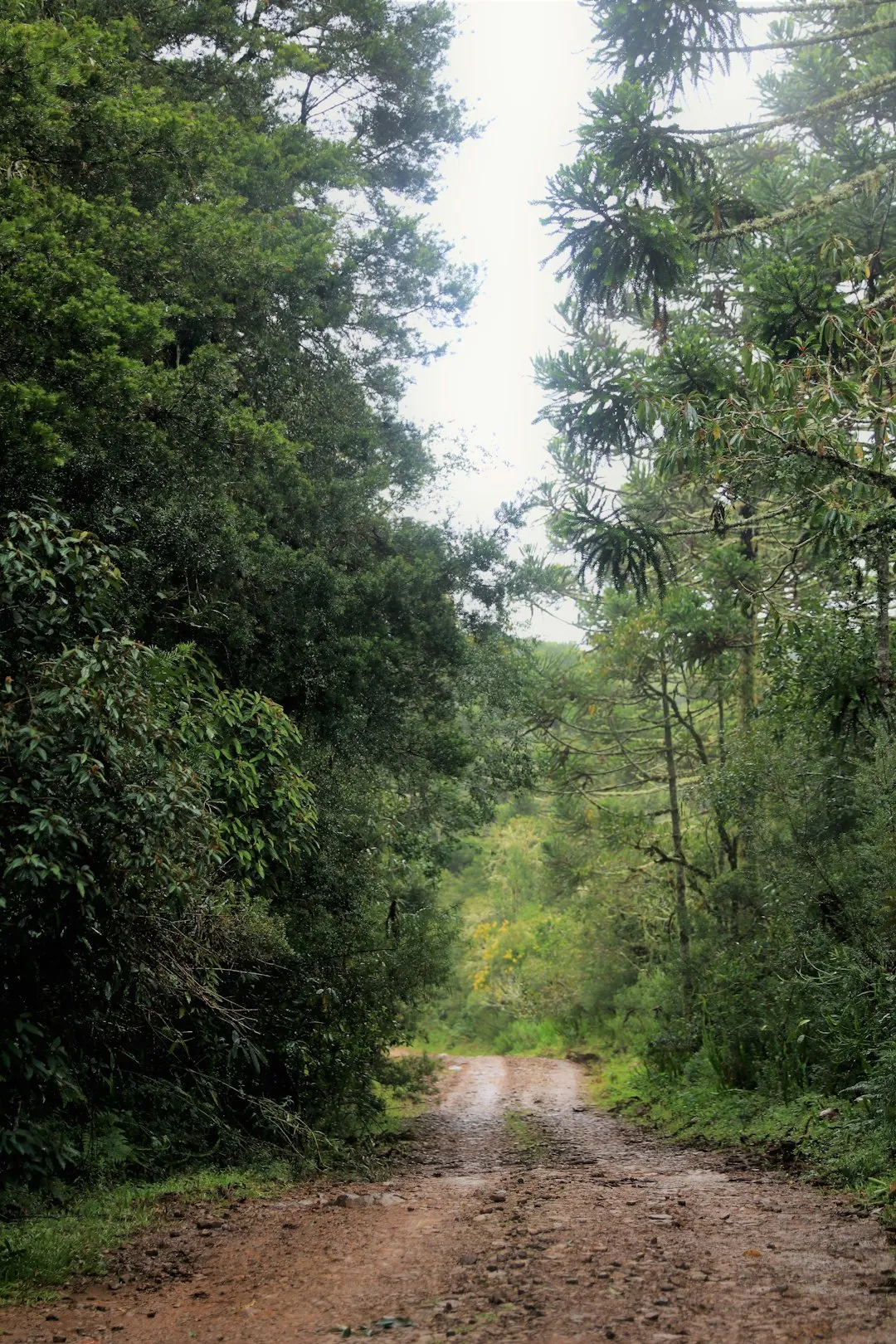
The Serra da Capivara Trail offers a unique journey through one of Brazil's most significant archaeological and natural landscapes. Located in the semi-arid Caatinga biome of Piauí state, this multi-day walk takes adventurers through a region renowned for its exceptional concentration of prehistoric rock art, ancient human settlements, and striking geological formations. The trail winds through a dramatic landscape of canyons, plateaus, and dry forests, revealing a rich tapestry of biodiversity and a profound connection to early human history in South America. It is a destination for those seeking to explore a less-travelled path, combining physical exploration with a deep dive into the ancient past and the resilient ecosystems of the Brazilian Northeast.
- Distance: 50.0 km
- Duration: 4-5 days
- Season: May to September (dry season)
- Difficulty: Moderate
- Closest City: São Raimundo Nonato
- Trailhead Access: Nearest airport: Petrolina (PNZ). Bus from Petrolina to São Raimundo Nonato. Taxi/local transport to trailhead (approx. 30km). Road is partially unpaved. Check conditions. Park entrance fees & registration required. Limited parking. GPS: -8.7032, -42.3478
Overview
The Serra da Capivara National Park is a UNESCO World Heritage site, celebrated for its unparalleled collection of rock paintings, estimated to be over 30,000 years old. These ancient artworks, found in hundreds of caves and rock shelters, depict scenes of daily life, rituals, and the region's fauna, offering an extraordinary window into the lives of its earliest inhabitants. The trail system within the park allows for exploration of these archaeological wonders, alongside the unique flora and fauna of the Caatinga, Brazil's only exclusively semi-arid biome.
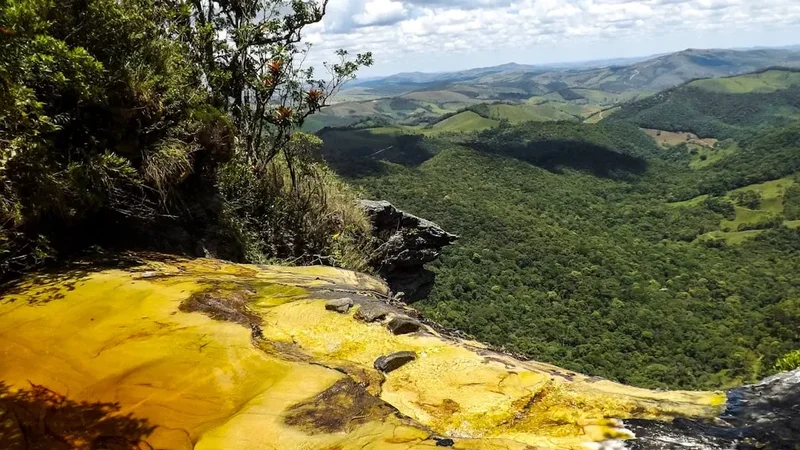
The landscape itself is a significant draw. Towering sandstone cliffs, carved by millennia of erosion, create dramatic canyons and overhangs that shelter the ancient art. The vegetation, adapted to extreme dry conditions, features thorny shrubs, cacti, and resilient trees that burst into bloom after infrequent rains. Wildlife, though often elusive, includes various bird species, reptiles, and mammals such as the maned wolf and the capybara. The moderate difficulty of the trail makes it accessible to a range of hikers, though the semi-arid climate necessitates careful planning regarding hydration and sun protection.
This trail is not just a physical journey but an immersion into a living museum. It offers a chance to connect with a landscape that has been inhabited for tens of thousands of years, to witness the enduring legacy of ancient peoples, and to appreciate the stark beauty and ecological resilience of the Caatinga.
History and Cultural Context
The Serra da Capivara region has been a cradle of human civilisation for millennia. Archaeological evidence, particularly the extensive rock art, points to continuous human occupation dating back at least 50,000 years, making it one of the oldest known human settlements in the Americas. The paintings, created by hunter-gatherer societies, are considered among the most important prehistoric art sites globally. They provide invaluable insights into the social structures, beliefs, and daily lives of these ancient communities.
The scientific exploration of the Serra da Capivara began in earnest in the 1970s, spearheaded by Brazilian archaeologist Niède Guidon. Her extensive work and that of her team have uncovered a wealth of information, leading to the park's designation as a UNESCO World Heritage site in 1991. The park protects over 1,000 archaeological sites, with more than 400 rock shelters containing paintings. These sites are not merely historical relics; they are considered sacred by local indigenous communities and hold deep cultural significance.
The Caatinga biome itself has a rich history of human interaction, with traditional communities developing sustainable practices to thrive in its challenging environment. The park's establishment aimed to preserve both its invaluable archaeological heritage and its unique ecological systems, ensuring that the stories etched on its rocks and the life that flourishes within its arid embrace can be understood and protected for generations to come.
Seasonal Highlights and Weather Reality
The best time to visit the Serra da Capivara Trail is during the dry season, which typically runs from May to September. During these months, the weather is more predictable, with lower humidity and less chance of rain, making hiking more comfortable and the archaeological sites more accessible.
Dry Season (May to September): This period offers sunny days with average temperatures ranging from 25°C to 30°C. Nights can be cooler, dropping to around 15°C to 20°C. The landscape is arid, with vegetation appearing dry and brown, but the clear skies provide excellent visibility for exploring the rock art and geological features. This is the ideal time for hiking and outdoor activities.
Wet Season (October to April): This season brings higher temperatures, often exceeding 35°C, and increased humidity. Rainfall is sporadic but can be intense, leading to flash floods in canyons and making some trails impassable. While the rain can temporarily bring a vibrant green hue to the Caatinga, the heat and potential for storms make this period less ideal for extensive trekking. However, the landscape is at its most lush, and the waterfalls, if any, are at their most impressive.
Regardless of the season, the semi-arid climate means that dehydration and sunstroke are constant risks. Visitors should always be prepared with ample water, sun protection, and appropriate clothing.
Recommended Itinerary
4-Day Serra da Capivara Trail Itinerary
Day 1: Arrival in São Raimundo Nonato & Trailhead Transfer
- Morning: Arrive at Petrolina Airport (PNZ), transfer to São Raimundo Nonato by bus (approx. 4-5 hours).
- Afternoon: Check into accommodation in São Raimundo Nonato. Arrange local transport (taxi or pre-booked guide with vehicle) for the following days.
- Late Afternoon: Briefing with guide, final gear check, and purchase of park entrance permits.
- Evening: Rest and prepare for the trek.
- This day focuses on logistics and preparation, ensuring a smooth start to the hiking portion.
Day 2: Trailhead to Toca do Boqueirão da Pedra Furada Area
- Morning: Transfer from São Raimundo Nonato to the park entrance (approx. 30 km, 1 hour).
- Begin hike from the designated trailhead near the park's visitor centre.
- Explore the immediate surroundings, including the iconic Pedra Furada (Pierced Rock), a natural arch and significant landmark.
- Visit nearby rock shelters with early examples of rock art, focusing on the Toca do Boqueirão da Pedra Furada, one of the most important sites.
- Learn about the geological formations and the initial phases of human settlement in the region.
- Camp or stay in basic park accommodation near the main archaeological sites.
- Distance: Approx. 10 km
- Elevation gain: Moderate, with ascents and descents through canyons and plateaus.
- Time: 4-5 hours hiking.
Day 3: Exploration of the Southern Canyons & Rock Shelters
- Morning: Hike deeper into the park, focusing on the southern canyon systems.
- Visit a series of less-frequented rock shelters, each with unique artistic styles and themes.
- Observe the diverse flora and fauna of the Caatinga, with opportunities for birdwatching.
- Learn about the different periods of rock art and their interpretations by archaeologists.
- The terrain will involve navigating through dry riverbeds, rocky paths, and potentially some steeper climbs to access higher shelters.
- Camp or stay in park accommodation.
- Distance: Approx. 15 km
- Elevation gain: Moderate to significant, depending on access to shelters.
- Time: 6-7 hours hiking.
Day 4: Northern Plateau & Return to São Raimundo Nonato
- Morning: Ascend to the northern plateau of the Serra da Capivara.
- Explore rock shelters and viewpoints offering panoramic vistas of the park and surrounding landscape.
- Focus on sites that illustrate the transition in human activity or different cultural expressions.
- Enjoy a final hike through the unique Caatinga vegetation.
- Afternoon: Descend from the plateau and hike back towards the park entrance/trailhead.
- Transfer back to São Raimundo Nonato.
- Distance: Approx. 15 km
- Elevation gain: Varied, including a significant ascent to the plateau.
- Time: 6-7 hours hiking.
Day 5: Departure from São Raimundo Nonato
- Morning: Enjoy a final breakfast in São Raimundo Nonato.
- Transfer back to Petrolina for your onward flight.
Important Notes:
- This itinerary is a suggestion and can be adapted based on fitness levels, interests, and guide recommendations.
- A local guide is essential for navigating the park, understanding the archaeological significance, and ensuring safety.
- Accommodation within the park is basic; camping or simple park lodges are the primary options.
- Carry sufficient water and food, as facilities are limited within the park.
- Respect all park regulations and archaeological site guidelines.
Planning and Bookings
Book Your Trip
Everything you need to plan your journey
Accommodation
Find places to stay near São Raimundo Nonato
Flights
Search flights to São Raimundo Nonato
Essential Preparation
The Serra da Capivara National Park is located in a remote region of Brazil, requiring careful logistical planning. The closest major city with an airport is Petrolina (PNZ) in Pernambuco state. From Petrolina, you will need to take a bus or arrange private transport to São Raimundo Nonato, the gateway town to the park, which is approximately 400 km away and takes about 4-5 hours by bus. São Raimundo Nonato offers basic accommodation and serves as the hub for arranging guides and park permits.
It is highly recommended to hire a local guide who is familiar with the park's trails, archaeological sites, and safety protocols. Guides can also assist with arranging transport within the park, which often involves navigating unpaved roads and rough terrain. Ensure your guide is officially registered with the park authorities. The park entrance fee and any specific site access fees must be paid upon arrival. Given the semi-arid climate, adequate preparation for heat, sun exposure, and hydration is paramount.
Trail Accommodation
Accommodation options within the Serra da Capivara National Park are limited and basic, primarily consisting of park-managed facilities or designated camping areas. Visitors typically stay in São Raimundo Nonato before and after their trek.
Within the Park:
- Park Lodges/Guesthouses: The park may offer very basic lodging facilities at or near key archaeological sites. These are often simple rooms with essential amenities. Booking in advance through the park administration or your guide is advisable.
- Camping: Designated camping areas are available. Campers will need to bring their own tents, sleeping bags, and cooking equipment. Facilities at campsites are usually minimal, often limited to basic sanitation.
What's Provided: Basic shelter, potentially a bed in a shared room (if lodge accommodation is used), and access to sanitation facilities. Water sources may be available but should always be treated.
What's NOT Provided: Food, cooking equipment, bedding (unless specified), electricity, charging facilities, Wi-Fi, or any form of luxury. Visitors must be self-sufficient for most needs.
Seasonal Availability: Park facilities are generally open year-round, but access can be affected by heavy rains during the wet season. The dry season (May-September) is the most comfortable for staying within the park.
Costs: Costs for park accommodation are generally low, but vary. Camping fees are minimal, while basic lodge rooms might cost between R$50-R$150 per night. It is essential to confirm current rates with your guide or park authorities.
São Raimundo Nonato: This town offers a range of accommodation from simple guesthouses (pousadas) to more comfortable hotels, catering to different budgets.
Required Gear
- Sturdy hiking boots: Broken-in, with good ankle support and grip for rocky and uneven terrain.
- Lightweight, breathable clothing: Long-sleeved shirts and trousers made of quick-drying material to protect from sun and insects.
- Sun hat: Wide-brimmed for maximum face and neck protection.
- Sunglasses: With UV protection.
- Rain gear: A lightweight, waterproof jacket and trousers, as sudden downpours can occur even in the dry season.
- Backpack: A comfortable daypack (20-30 litres) for carrying essentials during hikes, plus a larger pack if camping.
- Headlamp or torch: With spare batteries, essential for early mornings, evenings, and navigating in low light.
- First-aid kit: Including personal medications, blister treatment, antiseptic wipes, pain relievers, and any specific items for heat exhaustion or insect bites.
- Navigation tools: While a guide is essential, a map of the park and a compass or GPS device are recommended for preparedness.
- Insect repellent: Effective against mosquitoes and other biting insects common in semi-arid regions.
What to Bring
- Water bottles or hydration reservoir: Capacity for at least 3-4 litres per person per day. Water sources within the park may be scarce and require treatment.
- Water purification method: Filter, purification tablets, or UV steriliser.
- High-energy snacks: Trail mix, energy bars, dried fruit, nuts. Food supplies are not available within the park.
- Sunscreen: High SPF (50+), broad-spectrum, and water-resistant.
- Lip balm with SPF.
- Toiletries: Biodegradable soap, toothbrush, toothpaste, hand sanitiser.
- Toilet paper: Essential, as facilities may be basic or non-existent on some trails.
- Camera and extra batteries/power bank: To capture the incredible rock art and landscapes.
- Binoculars: For wildlife viewing.
- Small towel: Quick-drying.
- Cash: Brazilian Reais (R$) for park fees, local transport, and any purchases in São Raimundo Nonato. Card facilities are rare outside of major towns.
- A notebook and pen: For journaling or sketching.
Permits
Access to the Serra da Capivara National Park requires an entrance fee. This fee contributes to the park's conservation efforts and maintenance. It is crucial to confirm the current fee structure and payment methods with your guide or the park authorities prior to your visit, as these can change.
Park Entrance Fees:
- Foreign visitors typically pay a higher fee than Brazilian nationals.
- Fees are usually paid at the park's visitor centre upon arrival.
- It is advisable to carry sufficient cash (Brazilian Reais) as card payment facilities may be unreliable or unavailable.
Guide Requirements:
- While not always a mandatory permit, hiring a registered local guide is strongly recommended and often practically required for navigating the park safely and accessing the most significant archaeological sites.
- Guides are knowledgeable about the park's history, geology, and ecology, significantly enhancing the visitor experience.
- The cost of a guide is separate from the park entrance fee and should be negotiated in advance.
Booking Accommodation: If planning to stay in park-managed lodges or designated camping areas, advance booking is highly recommended, especially during peak season (dry season). This can often be arranged through your guide or directly with the park administration.
Archaeological Site Access: Some specific, highly sensitive archaeological sites might have restricted access or require special permission. Your guide will be aware of these regulations and ensure compliance.
Other Activities in the Area
Beyond the main trail, the Serra da Capivara region offers several enriching activities:
- Visit the Museu do Homem Americano (Museum of the American Man): Located in São Raimundo Nonato, this museum houses artefacts and exhibits related to the archaeological discoveries in the park, providing crucial context to the rock art and ancient human presence.
- Explore the Toca da Entrada do Pajaú: Another significant archaeological site within the park, known for its unique rock paintings and historical importance.
- Discover the Caatinga Ecosystem: Take guided nature walks focusing on the unique flora and fauna of the semi-arid Caatinga biome. Learn about the adaptations of plants and animals to survive in this challenging environment.
- Photography Expeditions: The dramatic landscapes, unique rock formations like Pedra Furada, and the ancient rock art provide exceptional photographic opportunities.
- Cultural Immersion: Engage with local communities to understand their traditional way of life, crafts, and relationship with the land.
- Stargazing: The remote location and minimal light pollution offer excellent conditions for observing the night sky.
Safety and Conditions
Climate and Heat: The Serra da Capivara experiences a semi-arid climate with high temperatures, especially during the wet season. Dehydration and heatstroke are significant risks. Always carry ample water (at least 3-4 litres per person per day), wear sun protection, and hike during the cooler parts of the day (early morning and late afternoon).
Terrain: The trails can be rocky, uneven, and steep in places. Sturdy hiking boots are essential. Be mindful of loose rocks and potential trip hazards.
Wildlife: While large dangerous animals are rare, be aware of snakes, scorpions, and biting insects. Wear long trousers and boots, and be cautious where you place your hands and feet. Sandflies and mosquitoes can be prevalent, especially near water sources; use repellent.
Flash Floods: During the wet season (October-April), heavy rainfall can cause flash floods in canyons and dry riverbeds. Always check weather forecasts and heed warnings from your guide. Avoid hiking in areas prone to flooding during or immediately after heavy rain.
Navigation: The park is vast and trails can be indistinct. Hiring a registered local guide is highly recommended for safety and to ensure you visit the most significant sites. Do not attempt to navigate the park alone without proper experience and equipment.
Health: Ensure you are up-to-date with vaccinations recommended for travel in Brazil. Carry a comprehensive first-aid kit and any personal medications. Travel insurance is strongly advised.
Park Regulations: Adhere strictly to park rules regarding the protection of archaeological sites. Do not touch, deface, or remove any rock art or artefacts. Stay on marked trails to prevent erosion and damage to fragile vegetation.
Side Trips and Points of Interest
Pedra Furada (Pierced Rock): This iconic natural sandstone arch is one of the most recognisable landmarks in the Serra da Capivara. It is not only a stunning geological formation but also a site of significant archaeological interest, with rock paintings found in its vicinity. The changing light throughout the day offers spectacular photographic opportunities, especially at sunrise and sunset.
Toca do Boqueirão da Pedra Furada: Considered one of the most important archaeological sites in the park, this large rock shelter contains a vast collection of rock paintings dating back thousands of years. The paintings depict various scenes, including human figures, animals, and abstract symbols, offering a rich narrative of prehistoric life. Your guide will explain the different layers of art and their interpretations.
Canyon Exploration: The park features numerous canyons carved by ancient water flows. Exploring these canyons, often with a guide, reveals hidden rock shelters, unique geological features, and a different perspective on the park's landscape. Some canyons may require wading through shallow water or navigating narrow passages.
Caatinga Flora and Fauna: While the focus is often on archaeology, the unique Caatinga biome is a point of interest in itself. Look for resilient plants like cacti (e.g., mandacaru), thorny shrubs, and trees adapted to drought. Wildlife sightings might include various bird species (e.g., seriema, parrots), reptiles, and mammals like the capybara or the elusive maned wolf. Guided nature walks can highlight these aspects.
Mirante da Serra (Serra Viewpoint): Several viewpoints within the park offer breathtaking panoramic vistas of the rugged landscape, the vast expanse of the Caatinga, and the distinctive rock formations. These are excellent spots for reflection and photography.
Leave No Trace
The Serra da Capivara National Park is a treasure trove of both natural and cultural heritage. Protecting its fragile ecosystems and irreplaceable archaeological sites is paramount. Adhering to Leave No Trace principles ensures that this unique environment remains intact for future generations.
Plan Ahead and Prepare: Research the park, understand its climate, and pack appropriately. Hire a knowledgeable local guide who can educate you on responsible practices within the park.
Travel and Camp on Durable Surfaces: Stick to designated trails and campsites. Avoid walking on or trampling fragile vegetation, especially around rock shelters and archaeological sites. The Caatinga ecosystem is slow to recover from damage.
Dispose of Waste Properly: Pack out everything you pack in, including all food scraps, wrappers, and any other refuse. Use designated waste disposal facilities where available. If camping, pack out all waste, including toilet paper.
Leave What You Find: Do not touch, deface, or remove any rock art, artefacts, or natural objects. These are protected heritage items and part of the living landscape.
Minimise Campfire Impacts: Campfires are generally discouraged or prohibited within national parks due to the risk of wildfires in the dry Caatinga. Use a portable stove for cooking if camping.
Respect Wildlife: Observe animals from a distance. Do not feed them, as this can alter their natural behaviour and diet, and can be harmful to their health. Secure your food to prevent attracting animals.
Be Considerate of Other Visitors: Maintain a low noise level, especially near archaeological sites, to allow others to appreciate the solitude and historical significance of the area. Respect the cultural importance of the sites to local communities.
Useful Links
- UNESCO World Heritage Centre - Serra da Capivara National Park
- ICMBio - Serra da Capivara National Park (Official Site - may require translation)
- Museu do Homem Americano (Museum of the American Man)
- Government News on Park Infrastructure (example - may require translation)
- Climate Information for São Raimundo Nonato (Climatempo - Portuguese)