
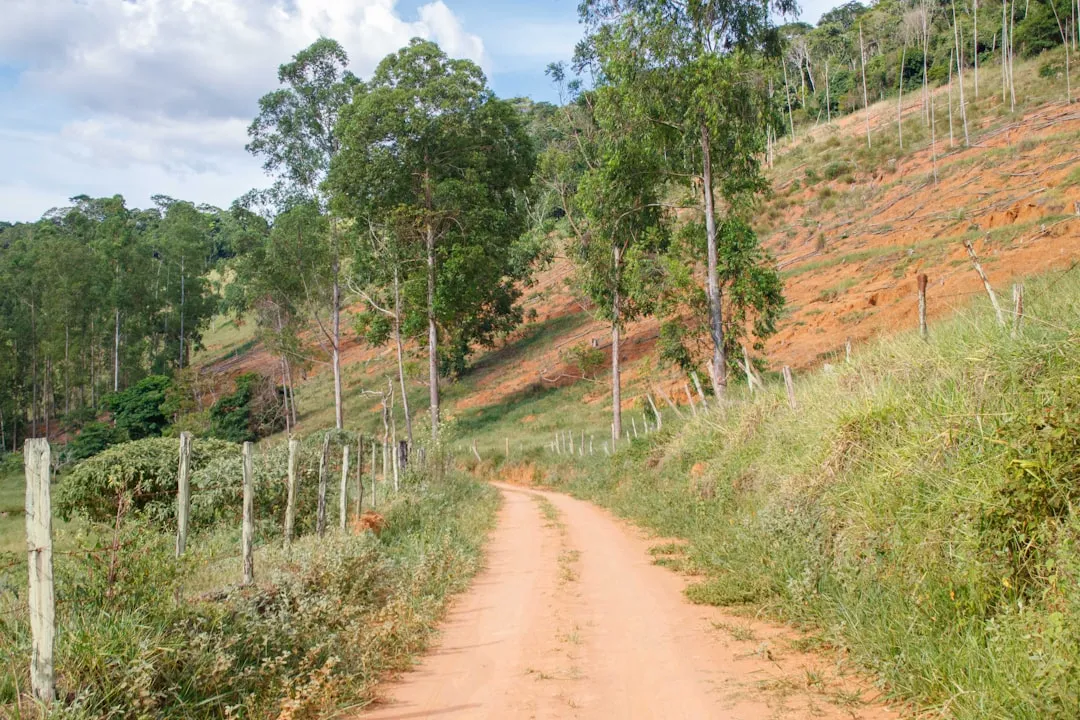
Parque Nacional da Serra da Canastra Trail
The Parque Nacional da Serra da Canastra Trail offers a captivating journey through one of Brazil's most ecologically significant plateaus, a vital source of the mighty São Francisco River. This multi-day walk traverses a landscape of rolling grasslands, dramatic canyons, and pristine waterfalls, providing a profound connection with the Cerrado biome. Unlike more manicured trails, the Serra da Canastra route is an immersion into a wilder, more remote Brazil, demanding self-sufficiency and a spirit of adventure. The trail winds through a region renowned for its biodiversity, including the endangered maned wolf and a spectacular array of birdlife. It's a challenging yet immensely rewarding experience for those seeking to explore the heart of Brazil's interior, far from the usual tourist paths.
- Distance: 70.0 km
- Duration: 4-5 days
- Season: May to September (dry season)
- Accommodation: Basic campsites and rustic lodges
- Highest point: Approximately 1,400 m
- Difficulty: Challenging
- Access: Fly to Belo Horizonte (CNF), then bus to São Roque de Minas (6-7 hours). Car rental recommended in São Roque.
Overview
The Serra da Canastra National Park, meaning "Chest National Park" due to the plateau's shape, is a vast tableland that forms the watershed for several major Brazilian rivers, most notably the São Francisco. The trail system here is less a single, defined path and more a network of routes connecting key points of interest, often requiring navigation through open grasslands and along riverbanks. The terrain is varied, ranging from gentle, rolling hills covered in characteristic Cerrado vegetation – a mosaic of grasslands, savannas, and scattered woodlands – to steep, dramatic descents into river canyons.
The dry season, from May to September, is the prime time to explore. During these months, the weather is generally clear and pleasant, with cooler temperatures and significantly less rainfall, making hiking more comfortable and reducing the risk of impassable river crossings. The landscape, while drier, still retains its beauty, with the golden hues of the grasslands contrasting with the deep blues of the sky and the vibrant green of riparian vegetation.
This trail is not for the faint of heart. It requires a good level of fitness due to the distances, elevation changes, and the need for self-sufficiency. Water sources can be scarce in some sections during the dry season, and accommodation is basic, often consisting of simple campsites or very rustic rural lodges. However, the rewards are immense: unparalleled solitude, breathtaking natural beauty, the chance to spot rare wildlife, and a genuine connection with the raw, untamed heart of Brazil. The journey culminates at the source of the São Francisco River, a powerful symbol of the region's ecological importance.
History and Cultural Context
The Serra da Canastra region has a rich history intertwined with the exploration and settlement of Brazil's interior. For centuries, indigenous peoples inhabited these lands, utilising the abundant natural resources. Later, during the colonial period and the expansion into the Brazilian interior, the region became a frontier for cattle ranching and agriculture. The establishment of the Parque Nacional da Serra da Canastra in 1972 was a crucial step in preserving this unique ecosystem, particularly the headwaters of the São Francisco River, which is vital for the economy and culture of several Brazilian states.
The name "Canastra" itself evokes a sense of discovery and the vastness of the plateau. The region's history is also tied to the development of local communities, many of whom still maintain traditional ways of life, relying on cattle farming and artisanal cheese production, particularly the famous Queijo Canastra. These communities often serve as points of contact and support for trekkers, offering a glimpse into the local culture and history.
The creation of the national park aimed to protect the unique Cerrado biome, which is one of the most biodiverse and threatened savanna ecosystems in the world. The park's establishment was a response to increasing pressures from agriculture and deforestation, highlighting a growing awareness of the need to conserve Brazil's natural heritage. The trail network, while not as formalised as in some other countries, follows routes that have been used by locals for generations, connecting farms, natural landmarks, and the river's source.
Seasonal Highlights and Weather Reality
The Serra da Canastra region experiences a tropical savanna climate with distinct wet and dry seasons. The best time for trekking is undoubtedly the dry season, which typically runs from May to September.
Dry Season (May to September): This period offers the most favourable conditions for hiking. Temperatures are generally pleasant, ranging from 15°C to 25°C during the day, with cooler nights. Rainfall is minimal, meaning trails are less muddy, river crossings are generally safer, and the risk of encountering impassable conditions is significantly reduced. The grasslands turn a beautiful golden-brown, creating a striking visual landscape. Wildlife viewing can also be excellent during this time, as animals may congregate around remaining water sources.
Wet Season (October to April): This season is characterised by heavy rainfall, high humidity, and warmer temperatures, often exceeding 30°C. While the landscape is lush and vibrant, hiking becomes considerably more challenging. Trails can become muddy and slippery, rivers can swell rapidly, and some routes may become impassable due to flooding. The increased humidity can also make trekking feel more strenuous. While wildlife is abundant, spotting it can be more difficult due to dense vegetation and frequent rain showers.
For trekkers planning a visit, the dry season is highly recommended to ensure a safer and more enjoyable experience. Even during the dry season, however, sudden, localised downpours can occur, so carrying appropriate rain gear is always advisable.
Recommended Itinerary
4-5 Day Serra da Canastra Trail Itinerary
Day 1: Arrival in São Roque de Minas and Trailhead Access
- Distance: Variable (access to trailhead)
- Elevation gain: Variable
- Time: Variable
- Arrive in São Roque de Minas, the gateway town to the park.
- Arrange for transport to the chosen starting point of the trail. A 4x4 vehicle is highly recommended due to variable road conditions.
- Possible starting points include areas near the park entrance or specific rural properties that grant access.
- Set up camp at a designated campsite or arrange accommodation at a local pousada/fazenda (farm stay).
- Final gear check and food preparation.
- Briefing with local guide if one is hired.
Day 2: São Roque de Minas to Casca D'Anta Waterfall (Upper Section)
- Distance: 15-20 km
- Elevation gain: 300-500 m
- Time: 5-7 hours
- Begin hiking from the access point, likely through rolling grasslands and scattered woodlands.
- The trail will lead towards the upper reaches of the Casca D'Anta waterfall.
- Navigate through the characteristic Cerrado landscape, keeping an eye out for local flora and fauna.
- Reach the viewpoint of the upper Casca D'Anta waterfall, a spectacular sight as the São Francisco River begins its descent.
- Set up camp near the waterfall or at a pre-arranged rustic lodge.
- Enjoy the vast open skies and the sounds of the wilderness.
Day 3: Casca D'Anta Waterfall (Lower Section) to Rio São Francisco Source Area
- Distance: 20-25 km
- Elevation gain: 400-600 m (including descents)
- Time: 6-8 hours
- Descend towards the base of the Casca D'Anta waterfall, a more challenging section with steeper gradients.
- The trail may follow riverbeds or established tracks through canyons.
- Continue towards the area designated as the source of the São Francisco River. This is often marked by a small spring or a more significant water feature.
- The landscape will transition, potentially featuring more dramatic rock formations and denser vegetation along the river's nascent path.
- Camp at a designated spot or a very basic rural accommodation.
- This day is physically demanding, with significant elevation changes.
Day 4: Source of São Francisco River to a Rural Lodge/Campsite
- Distance: 15-20 km
- Elevation gain: 200-400 m
- Time: 5-6 hours
- Explore the immediate vicinity of the São Francisco River's source.
- Begin hiking towards a pre-arranged rural lodge or campsite, often located on a working farm (fazenda).
- The terrain will likely involve traversing more open grasslands and potentially some dirt roads used by local farmers.
- This day offers a chance to interact with local communities and experience rural Brazilian life.
- Enjoy a more comfortable night's rest at a lodge, or set up camp in a scenic location.
- Reflect on the journey and the significance of the river's origin.
Day 5: Departure from São Roque de Minas
- Distance: Variable (access from lodge/campsite)
- Elevation gain: Variable
- Time: Variable
- Enjoy a final breakfast in the Serra da Canastra region.
- Arrange for transport back to São Roque de Minas.
- Depending on transport schedules, there might be time for a brief visit to local attractions in São Roque de Minas, such as the cheese market.
- Depart from São Roque de Minas for your onward journey.
Important Notes:
- This itinerary is a guideline and can be adapted based on fitness levels, available time, and local conditions.
- Hiring a local guide is highly recommended for navigation, safety, and cultural insights.
- Accommodation is basic; expect campsites or very rustic rural lodges. Bookings for lodges should be made in advance.
- Water sources can be unreliable in the dry season; carry sufficient water and a purification method.
- Road conditions to trailheads can be poor; a 4x4 vehicle is often necessary.
- Park entrance fees may apply depending on the specific access points used.
Planning and Bookings
Book Your Trip
Everything you need to plan your journey
Accommodation
Find places to stay near São Roque de Minas
Flights
Search flights to São Roque de Minas
Essential Preparation
The Serra da Canastra trail requires a high degree of self-sufficiency and careful planning. Unlike more developed trails, infrastructure is minimal, and you will be responsible for most of your needs. São Roque de Minas is the primary logistical hub. It offers basic amenities, including accommodation (pousadas), restaurants, and some general stores for supplies. However, it's advisable to purchase most of your food and specialised gear before arriving in São Roque de Minas, as options there can be limited.
Logistics: Accessing the park and trailheads often requires a 4x4 vehicle due to the unpaved and sometimes challenging road conditions. Car rental is available in larger cities like Belo Horizonte, but hiring a local driver with a suitable vehicle in São Roque de Minas is often a more practical and safer option. It's crucial to arrange transport in advance, especially if you are not bringing your own vehicle.
Fitness: The trail is classified as challenging due to its length, varied terrain, and potential for significant elevation changes. Trekkers should have a good level of cardiovascular fitness and be comfortable hiking for extended periods (5-8 hours per day) with a loaded backpack. Prior experience with multi-day hiking in remote areas is beneficial.
Trail Accommodation
Accommodation along the Serra da Canastra trail is very basic and often requires advance booking or arrangement with local landowners.
Campsites: Designated or informal campsites are available in various locations throughout the park. These are typically undeveloped sites with no facilities other than a relatively flat area for pitching a tent. Campers must be entirely self-sufficient, carrying all necessary camping gear, food, and water. Some rural properties (fazendas) may permit camping on their land with prior arrangement and a small fee.
Rustic Lodges/Rural Stays (Pousadas/Fazendas): A limited number of very basic rural lodges or farm stays are available, particularly near São Roque de Minas and in some more remote areas. These often offer simple rooms with shared bathrooms and may provide meals. Facilities are rudimentary, and electricity and running water can be intermittent. Booking these in advance is essential, as they have limited capacity and are often family-run.
What's Provided: At campsites, nothing is provided. At rustic lodges, you can expect a bed and possibly meals. Always confirm what is included when booking.
What's NOT Provided: At campsites, no facilities are provided. At lodges, do not expect modern amenities, heating, air conditioning, Wi-Fi, or extensive food options beyond what is agreed upon. Cooking equipment, sleeping bags, and toiletries are always the responsibility of the trekker.
Seasonal Availability: While camping is possible year-round, the dry season (May-September) is significantly more comfortable. Rustic lodges operate throughout the year, but access can be difficult during the wet season.
Costs: Campsite fees are generally minimal or non-existent if on public land, but may apply if on private property (typically R$20-50 per night). Rustic lodge stays can range from R$80-200 per person per night, often including meals.
Required Gear
- Sturdy hiking boots: Waterproof, well broken-in, with good ankle support.
- Backpack: 50-70 litre capacity, with a rain cover.
- Tent: Lightweight, waterproof, and durable, suitable for potentially windy conditions.
- Sleeping bag: Rated for cooler night temperatures (0-10°C).
- Sleeping mat: For insulation and comfort.
- Waterproof jacket and trousers: Essential, even in the dry season, for unexpected showers and wind protection.
- Warm layers: Fleece or down jacket, thermal base layers (merino wool or synthetic).
- Navigation tools: GPS device or smartphone with offline maps (e.g., Maps.me, Gaia GPS), compass, and a physical map of the park. Knowledge of how to use them is crucial.
- First-aid kit: Comprehensive kit including blister treatment, pain relievers, antiseptic wipes, bandages, and any personal medications.
- Headlamp or torch: With spare batteries.
- Sun protection: High SPF sunscreen, wide-brimmed hat, sunglasses.
- Insect repellent: Effective against mosquitoes and other biting insects.
What to Bring
- Food: Sufficient non-perishable food for the entire trek, including high-energy snacks. Plan meals carefully.
- Water bottles or hydration reservoir: Minimum 3-4 litre capacity per person.
- Water purification method: Filter, purification tablets, or UV steriliser.
- Cooking equipment: Lightweight stove, fuel, pot, utensils, mug, plate/bowl.
- Toiletries: Biodegradable soap, toothbrush, toothpaste, toilet paper, hand sanitiser.
- Trowel: For burying human waste if no toilet facilities are available (follow Leave No Trace principles).
- Trekking poles: Highly recommended for stability on uneven terrain and descents.
- Camera and spare batteries/power bank.
- Small towel.
- Cash: For local purchases, potential campsite fees, or small contributions to landowners.
- Duct tape and repair kit: For gear emergencies.
- Binoculars: For wildlife viewing.
Permits
Parque Nacional da Serra da Canastra does not typically require advance booking or permits for independent hikers to access the general park areas or use informal campsites. However, specific regulations can change, and it is always advisable to check with local authorities or park rangers upon arrival in São Roque de Minas.
Park Entrance Fees: There may be nominal entrance fees for certain access points or specific attractions within the park, such as the area around the Casca D'Anta waterfall. These fees are usually paid locally.
Private Land Access: If your route involves crossing private land (fazendas), it is essential to seek permission from the landowners in advance. Some may charge a small fee for passage or camping on their property. Hiring a local guide often includes arranging these permissions.
Guides and Tours: If you opt for a guided tour or hire a local guide, they will typically handle any necessary arrangements or fees as part of their service.
Recommendations:
- Upon arrival in São Roque de Minas, visit the local tourism office or inquire at your accommodation for the most up-to-date information on park access, fees, and any specific regulations.
- If planning to stay at any organised rural lodges, booking well in advance is crucial.
- Always be respectful of private property and local customs.
Other Activities in the Area
Beyond the main trail, the Serra da Canastra region offers several other attractions and activities for visitors:
- Casca D'Anta Waterfall: Even if not part of your main trek, visiting the upper and lower viewpoints of this magnificent waterfall is a must. The sheer scale of the drop and the power of the water are awe-inspiring.
- São Francisco River Source: A visit to the official source of the São Francisco River is a significant point of interest, offering a tangible connection to one of Brazil's most important waterways.
- Wildlife Spotting: The park is a haven for biodiversity. Keep an eye out for the endangered maned wolf (lobo-guará), giant anteaters (tamanduá-bandeira), capybaras (capivara), and a vast array of bird species, including rheas (ema) and various raptors. Early mornings and late afternoons are often the best times for sightings.
- Queijo Canastra Tasting: São Roque de Minas is famous for its artisanal Queijo Canastra, a unique cheese produced using traditional methods. Visiting local producers and tasting this regional delicacy is a cultural highlight.
- Rural Tourism (Agroturismo): Many farms in the region offer opportunities to experience rural Brazilian life, including cattle ranching, cheese making, and local cuisine.
- Hiking and Exploration: Numerous informal trails and dirt roads crisscross the plateau, offering opportunities for shorter hikes and exploration beyond the main route.
- Photography: The vast landscapes, unique flora, and potential wildlife encounters make Serra da Canastra a photographer's paradise, especially during the golden hours of sunrise and sunset.
Safety and Conditions
Navigation: The trail network in Serra da Canastra is not always well-marked. Relying solely on signage is not advisable. A reliable GPS device or smartphone with offline maps, a compass, and the ability to navigate using these tools are essential. Hiring a local guide is highly recommended, especially for first-time visitors.
Water: While the region is known for its rivers, water sources can become scarce during the dry season. Always carry sufficient water (at least 3-4 litres per person per day) and have a reliable water purification method (filter, tablets). Treat all water from natural sources.
Weather: Although the dry season is generally pleasant, weather can change unexpectedly. Be prepared for strong winds, especially on the open plateau, and occasional rain showers. Temperatures can drop significantly at night, so warm clothing is necessary.
Wildlife: While encounters with dangerous animals are rare, be aware of your surroundings. The maned wolf is shy but can be seen. Avoid approaching any wildlife. Ensure food is stored securely to prevent attracting animals to your campsite.
Terrain: The trail involves varied terrain, including grasslands, rocky paths, and potentially steep descents into canyons. Sturdy hiking boots with good ankle support are crucial. Trekking poles can help with stability.
Remote Location: The Serra da Canastra is a remote area. Mobile phone signal is often non-existent. Ensure you inform someone of your itinerary and expected return time. Carry a fully charged power bank for your electronic devices. In case of emergency, evacuation can be difficult and time-consuming.
Health: Consult your doctor about necessary vaccinations and malaria precautions for the region. Carry a comprehensive first-aid kit and know how to use it.
Local Support: If possible, establish contact with local guides or accommodation providers who can offer assistance in emergencies.
Side Trips and Points of Interest
Mirante da Casca D'Anta (Upper Viewpoint): This is a spectacular viewpoint overlooking the upper section of the Casca D'Anta waterfall, where the São Francisco River makes its dramatic initial plunge. The sheer drop and the vastness of the surrounding landscape are breathtaking. It's an ideal spot for photography and to appreciate the scale of the natural formations.
Mirante da Casca D'Anta (Lower Viewpoint): Reaching the base of the Casca D'Anta waterfall involves a more challenging descent, but the reward is an up-close experience of the waterfall's power and mist. The trail to the lower viewpoint can be steep and slippery, especially after rain, but offers a different perspective on the falls.
Nascente do Rio São Francisco (Source of the São Francisco River): This is a key landmark on the trail. While it might not be a dramatic gushing spring, it is the symbolic and geographical origin of one of Brazil's most important rivers. It's a place for quiet reflection on the journey of water and its significance to the region and the country.
Fazenda Vargem Grande: This working farm is often a point of contact for trekkers and may offer accommodation or camping. Visiting such a farm provides insight into the traditional cattle ranching and cheese-making practices of the Serra da Canastra region. It's an opportunity to interact with local culture and taste authentic Queijo Canastra.
Cerrado Flora and Fauna: While not a specific "side trip," actively observing the unique vegetation of the Cerrado – the twisted trees, resilient grasses, and vibrant wildflowers – and keeping an eye out for wildlife like the maned wolf, giant anteater, and diverse birdlife are integral parts of the experience. Designated viewpoints or quieter sections of the trail can be excellent for wildlife observation.
Leave No Trace
The Serra da Canastra National Park is a precious natural environment, and adhering to Leave No Trace principles is paramount to preserving its beauty and ecological integrity for future visitors and the local wildlife.
Plan Ahead and Prepare: Research the trail, understand the conditions, and pack appropriately. Inform someone of your plans and expected return time. Hire a local guide if needed.
Travel and Camp on Durable Surfaces: Stick to established trails and campsites. If camping in an undeveloped area, choose a site that is already impacted or a highly resilient surface like bare ground or rock. Avoid camping on fragile vegetation.
Dispose of Waste Properly: Pack out everything you pack in, including all food scraps, wrappers, and toilet paper. Use designated toilets where available. If no facilities exist, dig a cathole at least 60 metres (60 m) away from water, trails, and campsites. Pack out all toilet paper.
Leave What You Find: Do not remove natural objects such as rocks, plants, or cultural artifacts. Respect the environment and its heritage.
Minimise Campfire Impacts: Campfires are generally discouraged in national parks and can be dangerous in dry conditions. If permitted and necessary, use established fire rings and ensure fires are completely extinguished before leaving.
Respect Wildlife: Observe wildlife from a distance. Never feed animals, as it can disrupt their natural behaviours and diets, and can be harmful to their health. Secure your food properly.
Be Considerate of Other Visitors: Keep noise levels down, especially in natural areas. Yield to other hikers. Respect the solitude and tranquility of the wilderness.
By following these principles, you help ensure that the unique Cerrado ecosystem of Serra da Canastra remains a pristine and inspiring destination.
Useful Links
- ICMBio - Parque Nacional da Serra da Canastra (Official Park Information - Portuguese)
- Prefeitura de São Roque de Minas (Local Government - Portuguese)
- Guia de Minas - Serra da Canastra (Regional Tourism Guide - Portuguese)
- TripAdvisor - São Roque de Minas
- TravelByGPS - São Roque de Minas Attractions