
Sentiero del Viandante - The Walker's Path
The Sentiero del Viandante, or "Walker's Path," is a historic trail tracing the eastern shore of Lake Como in Lombardy, Italy. This ancient route, once a vital artery for local communities and merchants, offers a captivating journey through picturesque villages, terraced vineyards, olive groves, and lush Mediterranean vegetation. Unlike the dramatic alpine scenery of some Italian trails, the Sentiero del Viandante provides a gentler, more intimate experience, blending cultural heritage with stunning lake vistas. It's a walk that connects you to the history, agriculture, and timeless beauty of one of Italy's most iconic landscapes.
- Distance: 45.0 km one-way
- Duration: 3-4 days (6-8 hours per day)
- Season: Spring (April-June) and Autumn (September-October)
- Difficulty: Moderate
- Closest City: Lecco
- Trailhead Access: Nearest airport: Milan Bergamo (BGY). From Bergamo, take a train to Lecco, then a bus to Abbadia Lariana (start). Alternatively, drive; parking available in Abbadia Lariana. Road conditions good. No permits needed.
- Highest point: Varies with route, generally around 600-800 metres above lake level
Overview
The Sentiero del Viandante is a testament to the enduring connection between human settlement and the natural environment. This trail is not a single, rigidly defined path but rather a network of ancient mule tracks, cobbled lanes, and footpaths that have been used for centuries. Its charm lies in its authenticity, winding through villages that seem frozen in time, past stone farmhouses, and alongside ancient churches. The path offers breathtaking panoramas of Lake Como, its deep blue waters contrasting with the verdant slopes and distant mountains. Each day presents a new perspective, from the serene lakeside villages to higher vantage points offering sweeping views across the lake and towards the Alps.
The trail's character shifts subtly as you progress. Early sections might feature more dense olive groves and vineyards, while higher sections reveal wilder scrubland and more rugged terrain. The scent of wild herbs, the sound of distant church bells, and the gentle lapping of waves on the shore create a sensory tapestry that defines the experience. It's a walk that encourages a slower pace, inviting you to stop, admire the views, and perhaps sample local produce from a trattoria along the way. The moderate difficulty means it's accessible to most walkers with a reasonable level of fitness, making it an ideal choice for those seeking a cultural and scenic immersion without extreme physical demands.
The Sentiero del Viandante is best experienced during the shoulder seasons. Spring brings a riot of wildflowers and pleasant temperatures, while autumn offers golden hues and the harvest season. Summer can be quite hot, making early morning or late afternoon walks more comfortable. The trail's accessibility from major transport hubs like Milan and Bergamo makes it a convenient yet profoundly rewarding escape into the heart of Lombardy's natural and cultural heritage.
History and Cultural Context
The Sentiero del Viandante has a history stretching back to Roman times, though its most significant development occurred during the medieval period. It was originally a strategic route used by travellers, merchants, and pilgrims to navigate the eastern shore of Lake Como, connecting settlements and facilitating trade between the lake towns and the hinterland. The path's name, "Walker's Path," directly reflects its primary use by pedestrians and pack animals.
For centuries, this trail was the main thoroughfare for transporting goods such as wine, olive oil, grain, and timber. The terraced vineyards and olive groves that still characterise the landscape are a direct legacy of this agricultural past, meticulously carved into the steep hillsides by generations of farmers. The numerous small churches, chapels, and oratories dotted along the route also speak to the deep religious faith of the communities that lived and worked here. Many of these structures contain ancient frescoes and architectural elements, offering glimpses into the region's artistic and spiritual heritage.
During the 18th and 19th centuries, with the advent of better roads and eventually motorised transport, the Sentiero del Viandante gradually fell into disuse for its original purpose. However, its historical and scenic value was recognised, leading to efforts in recent decades to restore and promote it as a hiking destination. Today, walking the Sentiero del Viandante is an opportunity to step back in time, to experience the landscape and culture that shaped this beautiful corner of Italy, and to appreciate the enduring legacy of those who walked this path before us.
Seasonal Highlights and Weather Reality
The Sentiero del Viandante is a trail best enjoyed during the temperate months, offering distinct experiences throughout the year.
Spring (April-June): This is arguably the most idyllic time to walk the trail. The landscape bursts into vibrant life with wildflowers carpeting the hillsides, and the air is filled with the sweet scent of blooming flora. Temperatures are mild and pleasant, ideal for long days of walking. The lake is often calm, reflecting the clear blue skies, and the villages are beginning to buzz with pre-summer activity. Rainfall is possible but usually in the form of brief showers.
Summer (July-August): While beautiful, summer can be quite hot and humid, especially at lower elevations. Daytime temperatures can frequently exceed 30° Celsius. If you choose to walk during this period, it is essential to start very early in the morning, take frequent breaks in the shade, and stay well-hydrated. The evenings are long and pleasant, perfect for enjoying dinner in a lakeside village, but the midday heat can be challenging for strenuous hiking.
Autumn (September-October): Another prime season for the Sentiero del Viandante. The intense summer heat subsides, replaced by crisp, clear air and comfortable temperatures. The foliage begins to turn, offering a beautiful palette of reds, oranges, and yellows, particularly in the higher wooded areas. This is also harvest season, with local festivals celebrating grapes and olives, providing a wonderful cultural dimension to the walk. The lake remains a stunning backdrop, and the light is often soft and golden, perfect for photography.
Winter (November-March): While the trail remains accessible, winter is generally not recommended for a full multi-day trek. Temperatures can be cool to cold, and while snow is rare at lake level, it can occur at higher elevations, potentially making some sections impassable or hazardous. Many smaller establishments in the villages may also be closed during the winter months. However, for shorter day hikes on clear days, the stark beauty of the winter landscape and the quiet solitude can be appealing.
Recommended Itinerary
3-Day Sentiero del Viandante Itinerary
Day 1: Abbadia Lariana to Bellagio
- Distance: Approximately 15 km
- Elevation gain: Variable, with ascents and descents
- Time: 5-7 hours
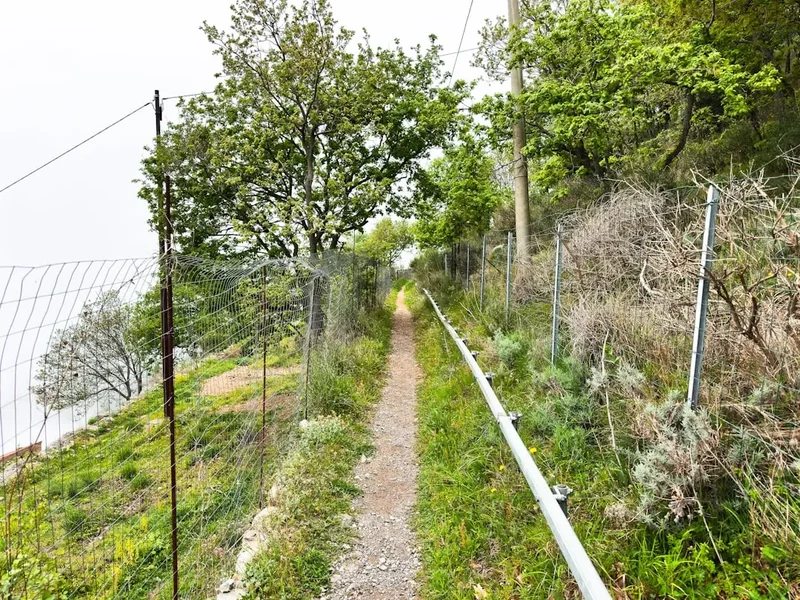
- Start in Abbadia Lariana, following signs for the Sentiero del Viandante.
- The initial section winds through olive groves and past small hamlets.
- Pass through the charming village of Lierna, known for its picturesque bay.
- Continue upwards, enjoying increasingly spectacular views of Lake Como and the surrounding mountains.
- The path may involve some steeper, cobbled sections and can be uneven.
- Arrive in Bellagio, a renowned town situated on the promontory where the lake splits into two branches.
- Explore Bellagio's elegant streets and waterfront.
Day 2: Bellagio to Varenna
- Distance: Approximately 12 km
- Elevation gain: Variable, with ascents and descents
- Time: 4-6 hours
- Depart Bellagio, continuing on the Sentiero del Viandante.
- The route may involve a short ferry crossing or a slightly different path depending on current trail markings and local advice.
- Ascend through terraced vineyards and chestnut woods.
- Pass through smaller villages like Civenna, offering different perspectives of the lake.
- Descend towards the picturesque town of Varenna, known for its colourful houses and romantic alleyways.
- Enjoy the beauty of Varenna, perhaps visiting Villa Monastero or Castello di Vezio.
Day 3: Varenna to Domaso (or further along the lake)
- Distance: Approximately 18 km (to Domaso)
- Elevation gain: Variable, with ascents and descents
- Time: 6-8 hours
- From Varenna, the trail continues north along the eastern shore.
- The terrain becomes slightly wilder in places, with more natural vegetation.
- Pass through villages such as Onno and Limonta.
- The path offers continuous lake views, with the northern part of the lake opening up.
- The endpoint can be flexible; Domaso is a common destination, offering good transport links. Other options include Gravedona or even Colico if a longer trek is desired.
- Consider the logistics of onward travel from your chosen endpoint.
Alternative 4-Day Itinerary:
For a more relaxed pace, consider breaking down Day 3 into two shorter days, perhaps stopping in a village between Varenna and Domaso, allowing more time for exploration and enjoyment of the scenery.
Important Notes:
- Trail markings can vary; always carry a map and/or GPS device.
- Accommodation is available in villages along the route (hotels, B&Bs, agriturismos). Book in advance, especially during peak season.
- Public transport (ferries and buses) is available between many villages, offering flexibility to shorten or extend days.
- Carry sufficient water and snacks, as services can be sparse between villages.
- Wear sturdy walking shoes or boots.
Planning and Bookings
Book Your Trip
Everything you need to plan your journey
Accommodation
Find places to stay near Lecco
Flights
Search flights to Lecco
Essential Preparation
The Sentiero del Viandante is a well-established walking route, but careful planning is still essential for an enjoyable experience. The primary logistical considerations involve accommodation and transport. Given the trail passes through numerous villages, booking your overnight stays in advance is highly recommended, particularly during the popular spring and autumn seasons. Researching the specific villages you intend to stay in will help you find suitable accommodation, ranging from charming B&Bs to more established hotels.
The closest major city with an international airport is Milan (Malpensa MXP, Linate LIN, or Bergamo BGY). From Milan, you can take a train to Lecco, which serves as a convenient gateway to the eastern shore of Lake Como. From Lecco, local buses or regional trains can take you to the starting point in Abbadia Lariana. Alternatively, if driving, there is parking available in Abbadia Lariana and other villages along the route, though parking can be limited in smaller hamlets.
Familiarise yourself with the trail markings, which can vary. While generally well-signposted, having a reliable map or GPS device is crucial. Consider the weather forecast and pack accordingly, as conditions can change, especially at higher elevations. The trail is not technically demanding, but good physical condition is necessary to comfortably complete the daily distances and elevation changes.
Trail Accommodation
The Sentiero del Viandante passes through numerous villages and hamlets, offering a variety of accommodation options. There are no designated "huts" in the alpine sense; instead, you will find:
- Hotels: Ranging from budget-friendly to more luxurious options, available in larger towns like Bellagio and Varenna, as well as smaller villages.
- Bed & Breakfasts (B&Bs): Often family-run, offering a more personal touch and local flavour.
- Agriturismos: Farm stays that provide accommodation and often serve meals made from local produce. These can be a wonderful way to experience rural Italian life.
- Apartment Rentals: Available in some villages for those seeking more independence.
Booking Requirements:
- Bookings are essential, especially during peak seasons (spring and autumn).
- It is advisable to book accommodation at least 2-3 months in advance for popular locations like Bellagio and Varenna.
- Consider booking your accommodation sequentially as you plan your daily stages.
Facilities Provided:
- Typically include a private room with an en-suite bathroom.
- Bedding and towels are standard.
- Breakfast is usually included in B&Bs and hotels.
What's NOT Provided:
- No communal cooking facilities are generally available in hotels or B&Bs.
- No specific "walker's gear" like drying rooms is standard, though hotels will usually accommodate drying wet clothing.
Seasonal Availability: Most accommodations operate year-round, but some smaller establishments may close during the winter months (November-March). Always check opening times and availability.
Costs: Prices vary significantly based on location, type of accommodation, and season. Expect to pay anywhere from €70-€150 per night for a double room in a mid-range hotel or B&B.
Required Gear
- Sturdy walking shoes or boots: Waterproof and with good ankle support are recommended, as the trail can be uneven and cobbled in places. Ensure they are well broken-in.
- Waterproof jacket: Essential for protection against rain showers, which can occur even in good weather.
- Waterproof overtrousers: Useful for prolonged rain.
- Backpack: A comfortable daypack (20-30 litres) is sufficient for daily essentials.
- Navigation tools: A detailed map of the Sentiero del Viandante and a compass, or a GPS device/smartphone with offline maps.
- First-aid kit: Including blister treatment, pain relievers, antiseptic wipes, and any personal medications.
- Sun protection: Sunscreen, sunglasses, and a wide-brimmed hat are important, especially during warmer months.
- Trekking poles: Optional but can be beneficial for steep ascents and descents, providing stability and reducing strain on joints.
What to Bring
- Food and Water: Carry sufficient water (at least 1.5-2 litres per person per day) and snacks (energy bars, fruit, nuts) for each day's walk, as services can be infrequent between villages.
- Toiletries: Personal hygiene items, including biodegradable soap if possible.
- Clothing: Layering is key. Bring moisture-wicking base layers, a warm mid-layer (fleece or light down jacket), and comfortable walking trousers.
- Evening wear: Comfortable clothing for evenings in villages.
- Camera: To capture the stunning lake views and charming villages.
- Mobile phone: For communication and emergencies. Ensure it's fully charged.
- Cash: While credit cards are widely accepted in hotels and restaurants, it's wise to carry some Euros for smaller purchases, local markets, or in case of card machine issues.
- Guidebook or trail notes: For detailed information on the route and points of interest.
Permits
The Sentiero del Viandante is a public footpath and does not require any specific permits or booking fees for access. It is an open trail that has been used by locals and travellers for centuries. This accessibility is one of its key attractions, allowing for flexible planning and spontaneous exploration.
However, while no permits are needed for the trail itself, it is crucial to book accommodation in the villages along the route in advance, especially during the peak seasons of spring (April-June) and autumn (September-October). Popular towns like Bellagio and Varenna can be very busy, and last-minute availability can be scarce.
Key Considerations for Planning:
- Accommodation: Research and book your hotels, B&Bs, or agriturismos well in advance. Websites like Booking.com, Airbnb, or local tourism sites can be helpful.
- Transport: Familiarise yourself with the local bus and ferry schedules. Ferries are a scenic and efficient way to travel between some of the lake towns, especially if you need to adjust your itinerary or shorten a day's walk.
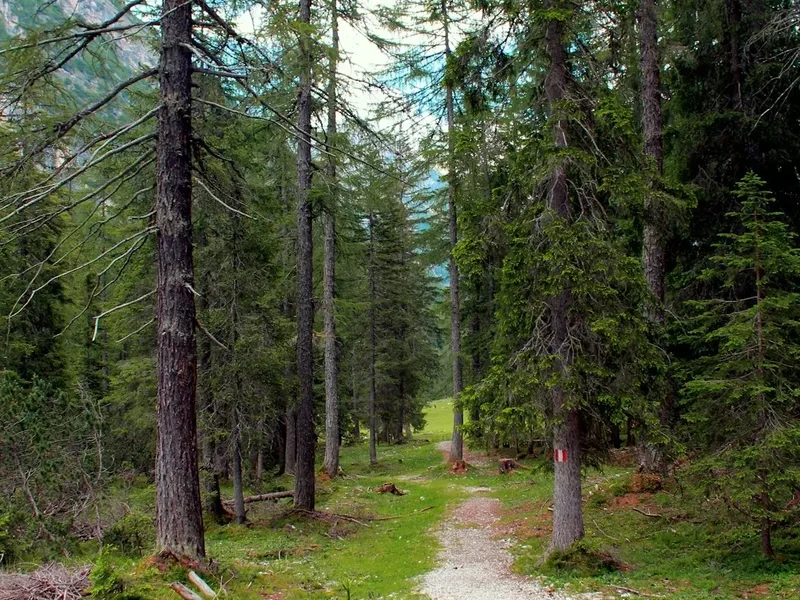
- Trail Markings: While generally well-marked with red and white paint flashes and occasional signs indicating "Sentiero del Viandante," it's always wise to have a map or GPS device as a backup.
- Flexibility: While planning is important, the trail's open nature allows for some flexibility. If you find a village particularly charming, you might decide to extend your stay or adjust your daily mileage.
Enjoy the freedom of walking this historic path without the constraints of permits or booking systems for the trail itself. Your primary focus should be on securing comfortable and well-located accommodation.
Other Activities in the Area
The Lake Como region offers a wealth of activities beyond hiking the Sentiero del Viandante, allowing for a rich and varied holiday experience:
- Lake Cruises: Explore Lake Como by ferry or private boat. This is an essential experience, offering stunning views of the villas, gardens, and mountains from the water. Regular ferry services connect most of the major towns.
- Visit Villas and Gardens: Lake Como is famous for its magnificent villas and their meticulously manicured gardens. Must-sees include Villa del Balbianello (famous from Star Wars and James Bond films), Villa Carlotta with its botanical gardens, and Villa Melzi in Bellagio.
- Explore Lakeside Towns: Wander through the charming streets of towns like Bellagio, Varenna, Menaggio, Como, and Cernobbio. Each has its unique character, architecture, and culinary offerings.
- Water Sports: Depending on the location, you can enjoy swimming, kayaking, paddleboarding, or even windsurfing on the lake.
- Hiking in the surrounding mountains: Beyond the Sentiero del Viandante, numerous other trails offer more challenging mountain hikes with panoramic views.
- Culinary Experiences: Indulge in the local Lombard cuisine. Enjoy fresh lake fish, regional pasta dishes, risotto, and local wines. Many restaurants offer outdoor seating with spectacular lake views.
- Shopping: Browse local artisan shops for silk products, ceramics, and regional delicacies.
- Day trips to nearby cities: Como, Bergamo, and even Milan are easily accessible by train for day trips, offering more urban exploration and cultural attractions.
Safety and Conditions
Trail Conditions: The Sentiero del Viandante is generally well-maintained, but sections can be steep, uneven, and cobbled. After rain, some parts may become slippery. It is advisable to check local weather forecasts before setting out each day and to wear appropriate footwear.
Navigation: While the trail is marked, it is not always consistently signed. It is highly recommended to carry a detailed map of the Sentiero del Viandante and a compass, or to use a GPS device or smartphone with offline maps. Familiarise yourself with the route for each day before you start.
Weather: Lake Como experiences a Mediterranean climate, but weather can change rapidly. Summers can be hot and humid, while spring and autumn offer milder temperatures but can also bring rain. Be prepared for varying conditions by packing layers, including waterproofs.
Water: Carry sufficient water for each day's walk, especially during warmer months. While you will pass through villages where you can refill, there can be long stretches between them. Treat any water taken directly from streams.
Emergencies: The European emergency number is 112. Ensure your mobile phone is fully charged. Inform your accommodation provider or a trusted contact of your daily hiking plans.
Wildlife: While large wildlife is uncommon on this trail, be aware of smaller creatures and insects. Ticks can be present in grassy or wooded areas, so it's advisable to wear long trousers and check yourself after walking.
Physical Fitness: The trail involves significant elevation changes and can be demanding. Ensure you have a reasonable level of fitness and are prepared for the daily distances and ascents/descents. If you have any health concerns, consult your doctor before undertaking the trek.
Respect Local Culture: Remember that you are walking through inhabited areas. Be mindful of local residents, respect private property, and keep noise levels down, especially in villages.
Side Trips and Points of Interest
Abbadia Lariana: The official starting point of the Sentiero del Viandante. Explore the charming village and its historic churches, including the Romanesque Church of San Giorgio.
Lierna: A picturesque village with a beautiful bay and a medieval castle (Castello di Vezio). The trail passes through Lierna, offering lovely views and a chance to stop for refreshments.
Bellagio: Often called the "Pearl of Lake Como," Bellagio is a must-visit. While the trail passes above it, a detour into the town is highly recommended. Explore its elegant streets, visit the gardens of Villa Melzi, and enjoy the stunning views from the promontory.
Varenna: Another jewel on the lake, Varenna is known for its colourful houses, steep alleyways, and the romantic "Passeggiata degli Innamorati" (Lovers' Walk). Visit the gardens of Villa Monastero and the historic Castello di Vezio for panoramic vistas.
Terraced Vineyards and Olive Groves: The landscape itself is a point of interest. The ancient terraces, carved into the steep hillsides, are a testament to centuries of agricultural tradition and human ingenuity. The scent of wild herbs and the sight of the shimmering olive trees are constant companions.
Panoramic Viewpoints: Numerous points along the trail offer breathtaking vistas of Lake Como, its islands, and the surrounding pre-Alpine mountains. These viewpoints are perfect for rest stops and photography.
Local Gastronomy: The trail offers opportunities to sample local specialities in the villages. Look for trattorias serving fresh lake fish, regional pasta dishes, polenta, and local wines. Many places offer outdoor seating with stunning lake views.
Leave No Trace
The Sentiero del Viandante traverses a landscape that is both beautiful and culturally significant. As a walker, you play a vital role in preserving its integrity for future generations. Adhering to Leave No Trace principles ensures that the natural environment and the cultural heritage of the region are respected.
Your responsibility as a walker:
- Pack it in, Pack it out: Carry out all your rubbish, including food scraps, wrappers, and any other waste. Do not leave anything behind, even organic materials like fruit peels, as they can disrupt the local ecosystem and are unsightly.
- Stay on the Trail: Stick to the marked path. Venturing off-trail can damage fragile vegetation, cause erosion, and disturb wildlife habitats. The ancient paths are designed to be sustainable.
- Respect Private Property: The trail passes through agricultural land and private gardens. Be mindful of where you walk and do not trespass on private property.
- Minimise Campfire Impacts: Camping is generally not permitted along the trail, and campfires are strictly prohibited due to the risk of wildfires, especially in dry conditions.
- Leave What You Find: Do not take any natural items (plants, rocks, etc.) or historical artefacts from the trail or its surroundings.
- Be Considerate of Others: Keep noise levels down, especially in villages and near residential areas. Greet other walkers and locals respectfully.
- Dispose of Waste Properly: Use designated bins in villages for rubbish. If no bins are available, carry your waste with you until you find one.
- Respect Wildlife: Observe wildlife from a distance and do not feed any animals.
By following these principles, you contribute to the preservation of the Sentiero del Viandante and the unique charm of the Lake Como region.
 Italy
Italy