
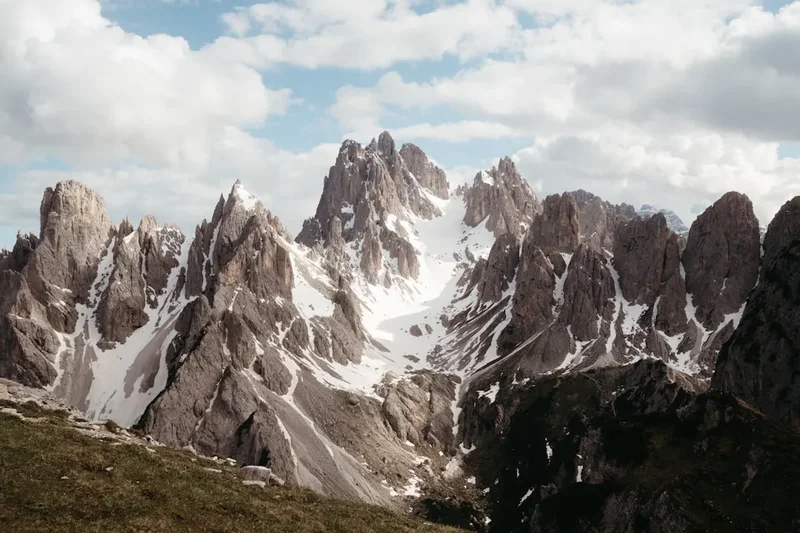
Sentiero degli Dei (Path of the Gods)
The Sentiero degli Dei, or Path of the Gods, is a legendary hiking trail winding along the dramatic Amalfi Coast in southern Italy. This iconic route offers unparalleled panoramic views of the Tyrrhenian Sea, the rugged coastline, and the picturesque villages clinging to the cliffs below. More than just a scenic walk, it's an immersion into the heart of Mediterranean beauty, a journey through ancient pathways trodden by shepherds and locals for centuries. The trail connects the charming mountain village of Bomerano (in Agerola) to the hamlet of Nocelle, perched high above Positano, before descending further to the coast. Its name, "Path of the Gods," hints at the divine vistas and the almost ethereal quality of the landscape. This is a walk that promises breathtaking scenery at every turn, a moderate challenge, and an unforgettable experience of one of Italy's most celebrated coastlines.
- Distance: 7.8 km one-way
- Duration: 4–5 hours
- Season: April to June, September to October (ideal weather, fewer crowds)
- Difficulty: Moderate
- Elevation Gain: 560 m (net descent from Bomerano to Nocelle, but with significant ups and downs)
- Highest point: Approximately 650 m above sea level
- Closest City: Naples
- Trailhead Access: Bomerano (Agerola) to Nocelle (Positano)
- Permits: Not required
Overview
The Sentiero degli Dei is a masterpiece of natural beauty and accessible adventure. Its moderate difficulty makes it suitable for most reasonably fit walkers, while its relatively short distance belies the sheer intensity of the views it offers. The trail is not a simple downhill stroll; it undulates, climbs, and descends, following the natural contours of the mountainside. This dynamic terrain ensures that the vistas constantly change, revealing new perspectives of the coastline, the islands of Capri and Li Galli, and the deep blue expanse of the sea.
The path itself is a mix of well-trodden dirt tracks, ancient stone steps, and occasional rocky sections. It winds through fragrant Mediterranean scrub, past terraced lemon groves and vineyards, and through small hamlets where time seems to have stood still. The air is often perfumed with wild herbs like rosemary and thyme, and the soundscape is dominated by the gentle lapping of waves far below and the chirping of cicadas.
The journey begins in Bomerano, a peaceful agricultural village situated at a higher elevation. From here, the path gradually ascends before reaching its highest point, offering the most spectacular, unobstructed views. As the trail progresses towards Nocelle, the descent becomes more pronounced, leading walkers towards the iconic cliffside town of Positano. The final descent into Nocelle is via a long series of stone steps, a fittingly dramatic conclusion to a walk that has elevated the senses.
The Sentiero degli Dei is more than just a hike; it's a sensory experience. The vibrant colours of the sea, the sky, and the flora, the scent of the Mediterranean vegetation, the feel of the ancient stones underfoot, and the sheer scale of the landscape combine to create a profound connection with nature. It's a place where one can truly feel the power and beauty of the natural world, a path that lives up to its divine moniker.
History and Cultural Context
The Sentiero degli Dei has a history deeply intertwined with the human settlement of the Amalfi Coast. For centuries, this path served as a vital link between the inland villages, such as Bomerano, and the coastal communities like Positano. Before the advent of modern roads, these ancient mule tracks and shepherd's paths were the primary arteries for trade, communication, and daily life.
Local lore and legend imbue the trail with a mystical aura. The name "Path of the Gods" is said to originate from a belief that the gods themselves created this path to descend from the heavens to admire the beauty of the coast. Another legend suggests that the path was used by ancient Greek sailors, guided by the gods, to reach the shores of Italy. The presence of ancient ruins and archaeological findings in the surrounding areas further hints at a long history of human habitation and activity along this route.
The trail was historically used by shepherds to move their flocks between higher pastures in the summer and lower coastal areas in the winter. The remnants of dry-stone walls and small shelters along the route bear testament to this pastoral heritage. The cultivation of terraced fields for lemons and olives, still visible today, also speaks to the ingenuity of the local people in adapting to the challenging terrain.
In more recent times, the Sentiero degli Dei has gained international recognition as one of the world's most beautiful hiking trails. Its transformation from a functional pathway into a celebrated tourist attraction reflects the growing appreciation for natural landscapes and active tourism. Despite its popularity, the trail retains much of its authentic character, offering a glimpse into the traditional way of life on the Amalfi Coast.
Seasonal Highlights and Weather Reality
The Amalfi Coast enjoys a Mediterranean climate, with distinct seasons that influence the hiking experience on the Sentiero degli Dei.
Spring (April to June): This is arguably the best time to walk the Path of the Gods. The weather is typically mild and pleasant, with average temperatures ranging from 15°C to 25°C. Wildflowers are in full bloom, painting the landscape with vibrant colours, and the sea is a brilliant azure. The crowds are manageable, especially in April and early May. Rainfall is possible but usually in short bursts.
Summer (July to August): While the days are long and sunny, summer can be very hot, with temperatures often exceeding 30°C. The trail can be crowded, particularly in August, and the intense sun can make the walk challenging. It is crucial to start early in the morning or hike in the late afternoon to avoid the midday heat. Hydration is paramount during these months.
Autumn (September to October): This is another excellent period for hiking. The heat of summer subsides, and the weather remains warm and stable, with temperatures typically between 20°C and 28°C. The sea is still warm enough for swimming, and the autumn light casts a beautiful glow over the landscape. The crowds begin to thin out after August, making for a more serene experience.
Winter (November to March): The winter months are cooler and wetter, with average temperatures around 10°C to 15°C. While the trail is still accessible, rain is more frequent, and fog can obscure the views. Some of the smaller hamlets and facilities might have reduced operating hours. However, for those seeking solitude and a different perspective, winter can offer a unique, dramatic beauty, provided one is prepared for changeable weather.
Weather Considerations: Regardless of the season, the weather on the Amalfi Coast can be unpredictable. Sudden changes can occur, especially in the higher sections of the trail. It is always advisable to check the local weather forecast before setting out and to be prepared for a range of conditions, including sun, wind, and occasional rain.
Recommended Itinerary
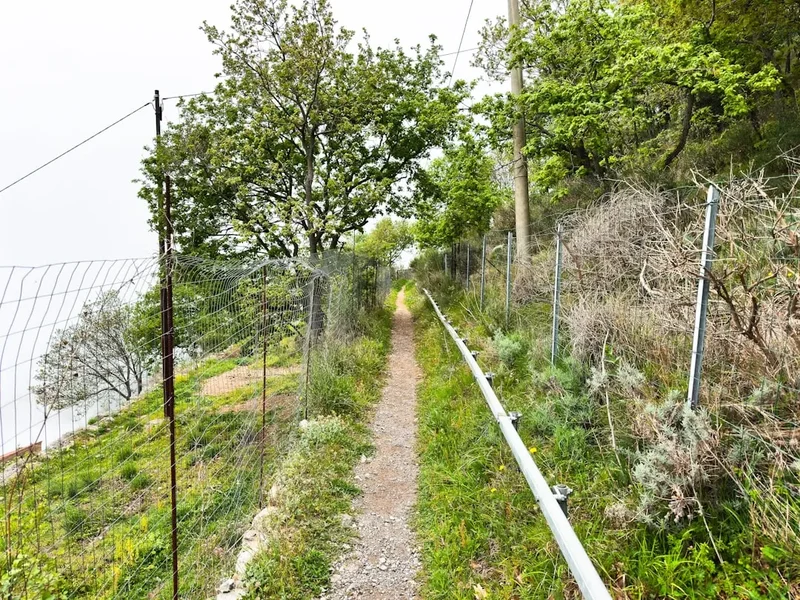
Sentiero degli Dei - Day Hike Itinerary
Early Morning (approx. 8:00 AM - 9:00 AM): Travel to Bomerano
- Start your day in Naples or a coastal town like Sorrento or Amalfi.
- Take public transport or a taxi to Agerola, specifically the hamlet of Bomerano, which is the primary trailhead for the Path of the Gods.
- If travelling from Naples, you'll likely need to take a train to Castellammare di Stabia and then a SITA bus towards Amalfi, alighting at Bomerano. Alternatively, direct buses from Amalfi to Agerola are available.
- Driving is possible, but parking in Bomerano can be limited and challenging.
Morning (approx. 9:00 AM - 12:00 PM): Bomerano to the High Point
- Begin your hike from the main piazza in Bomerano. Look for signs indicating the Sentiero degli Dei.
- The initial section is a gentle ascent through the village, quickly transitioning to a well-defined dirt path.
- You will soon reach the highest point of the trail, offering spectacular, unobstructed views of the coastline stretching towards Positano and the islands of Capri and Li Galli.
- This section is characterised by open terrain with Mediterranean scrub, aromatic herbs, and dramatic rock formations.
- Take your time to absorb the panoramic vistas and capture photographs.
Midday (approx. 12:00 PM - 2:00 PM): Descent towards Nocelle
- The trail begins its descent, winding through valleys and along cliff edges.
- You will pass through areas with terraced vineyards and lemon groves, showcasing the agricultural heritage of the region.
- The path becomes more rugged in places, with some rocky sections and narrow passages.
- Keep an eye out for ancient stone walls and shepherd's shelters, remnants of the trail's historical use.
- The views of Positano, nestled precariously on the cliffside, become increasingly prominent as you approach Nocelle.
Afternoon (approx. 2:00 PM - 4:00 PM): Arrival in Nocelle and Descent to Positano
- Arrive in the charming hamlet of Nocelle, a small village perched high above Positano.
- Nocelle offers a welcome respite with a few small cafes and restaurants where you can rest and refuel.
- From Nocelle, you have two options to reach Positano:
- Option 1 (Recommended for the full experience): Descend the approximately 1,700 stone steps that lead directly down to Positano. This is a significant descent and requires careful footing.
- Option 2 (Easier): Take a local bus from Nocelle down to Positano. This is a quicker and less strenuous option.
- Once in Positano, you can explore the town, enjoy a well-deserved gelato, and relax by the sea.
Late Afternoon/Evening: Return Journey
- From Positano, you can take a SITA bus back to Sorrento, Amalfi, or other coastal towns, or a ferry to Sorrento or Salerno.
- Ensure you check the bus and ferry schedules in advance, as they can be infrequent, especially outside peak season.
Important Notes:
- This is a one-way hike. Plan your transport accordingly.
- Wear sturdy walking shoes or hiking boots.
- Carry plenty of water, especially during warmer months.
- Sun protection (hat, sunscreen, sunglasses) is essential.
- A walking stick can be helpful for the descents.
- Mobile phone signal is generally good along most of the route.
Planning and Bookings
Book Your Trip
Everything you need to plan your journey
Accommodation
Find places to stay near Naples
Flights
Search flights to Naples
Essential Preparation
The Sentiero degli Dei is a day hike, meaning no overnight accommodation is required. However, careful planning is still essential to ensure a smooth and enjoyable experience. The primary logistical challenge is reaching the trailhead in Bomerano and arranging transport from the end point in Nocelle or Positano. Given its popularity, especially during peak season, it's advisable to plan your travel and accommodation in advance, particularly if you intend to stay in popular coastal towns like Positano or Amalfi.
Base Towns:
- Positano: The most famous and picturesque town on the coast, offering a wide range of accommodation, restaurants, and amenities. It's the most convenient base if you plan to end your hike here and explore the town.
- Amalfi: A historic maritime republic with a beautiful cathedral and a bustling centre. It's a good base for accessing Bomerano via public transport.
- Sorrento: Located on the Sorrentine Peninsula, it's a larger town with excellent transport links to Naples and Pompeii, and good bus connections to the Amalfi Coast.
- Agerola (Bomerano): For a more authentic, less touristy experience, consider staying in Agerola itself. This puts you right at the start of the trail, allowing for an early morning departure. Accommodation options are more limited and rustic.
Logistics:
- Public Transport: The SITA bus network is the most common way to travel along the Amalfi Coast. Buses can be crowded, especially in summer, and schedules should be checked in advance. Tickets are usually purchased from tabacchi shops or newsstands.
- Driving: Driving your own vehicle is possible, but the narrow, winding roads and limited parking can be stressful. Parking in Bomerano is scarce, and parking in Positano is notoriously expensive and difficult to find.
- Taxis/Private Transfers: These offer the most convenience but are also the most expensive option.
Trail Accommodation
This is a day hike requiring no overnight accommodation.
Required Gear
- Hiking Boots/Sturdy Shoes: Essential for navigating the uneven terrain, rocky sections, and stone steps. Ensure they are well broken-in to prevent blisters.
- Waterproof Jacket: While the Amalfi Coast has a Mediterranean climate, sudden rain showers can occur, especially in spring and autumn. A lightweight, breathable waterproof jacket is recommended.
- Backpack: A small to medium-sized daypack (20-30 litres) to carry essentials like water, snacks, camera, and a light layer.
- Sun Protection: A wide-brimmed hat, sunglasses, and high-SPF sunscreen are crucial, as much of the trail is exposed to the sun.
- Navigation: While the trail is generally well-marked, a map or a reliable offline navigation app on your smartphone is advisable.
- First-Aid Kit: A basic kit including plasters, antiseptic wipes, pain relievers, and any personal medications.
- Walking Stick/Trekking Poles: Highly recommended, especially for the descent into Positano, as they can help with balance and reduce strain on your knees.
What to Bring
- Water: Carry at least 1.5 to 2 litres of water per person, especially during warmer months. There are limited opportunities to refill water along the main trail, though small cafes may be available in Nocelle.
- Food: Pack plenty of snacks such as energy bars, fruit, nuts, and sandwiches. There are cafes in Bomerano and Nocelle, but it's wise to be self-sufficient.
- Camera: You'll want to capture the incredible scenery! Ensure your phone or camera is fully charged.
- Toiletries: Hand sanitiser, tissues, and any personal hygiene items.
- Cash: While many places accept cards, it's always good to have some Euros for small purchases, bus tickets, or cafes where card machines might not be available.
- Swimsuit and Towel: If you plan to swim in Positano after your hike.
Permits
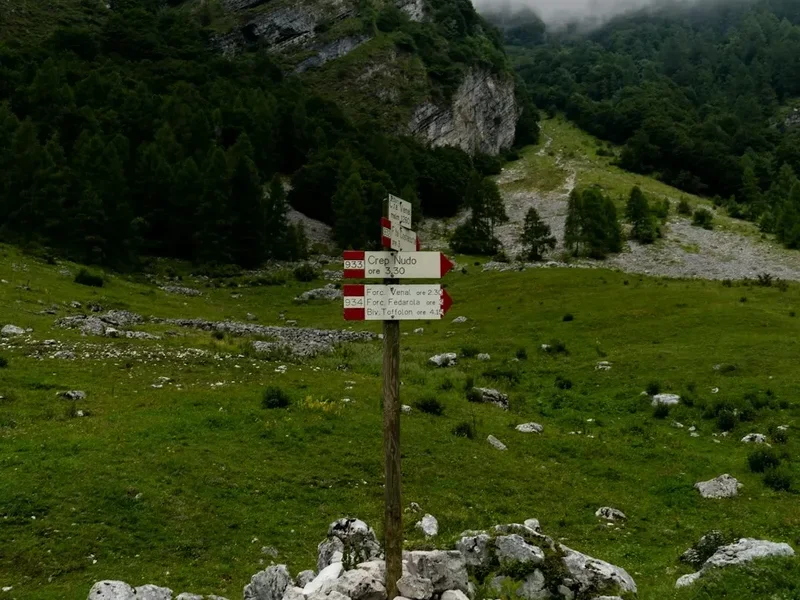
No permits are required to walk the Sentiero degli Dei. The trail is part of the public domain and is freely accessible to all. This makes it a very accessible and popular hiking destination.
However, due to its popularity, especially during the peak season (summer and early autumn), the trail can become quite crowded. To enhance your experience and avoid the largest crowds, consider hiking during the shoulder seasons (spring and late autumn) or starting your hike very early in the morning.
Important Considerations:
- Trail Conditions: While generally well-maintained, sections can be uneven, rocky, or steep. Always be aware of your footing.
- Weather: Always check the weather forecast before you go. The Amalfi Coast can experience sudden changes in weather, and heavy rain can make the trail slippery and more hazardous.
- Footwear: Appropriate footwear is essential. Trainers might suffice for a dry, quick walk, but hiking boots offer better ankle support and grip on the varied terrain.
- Hydration and Food: Carry ample water and snacks, as facilities along the trail itself are scarce.
Other Activities in the Area
The Amalfi Coast is brimming with activities beyond the Sentiero degli Dei:
- Explore Positano: Wander through its steep, narrow streets, browse the boutiques selling linen clothing and ceramics, and relax on the Spiaggia Grande beach.
- Visit Amalfi: Discover the historic town's impressive Duomo di Sant'Andrea, its paper museum, and enjoy the lively atmosphere.
- Discover Ravello: Perched high above the coast, Ravello offers stunning gardens (Villa Rufolo and Villa Cimbrone) with breathtaking views, and a more tranquil atmosphere.
- Boat Tours: Take a boat trip along the coast to see the villages from the sea, visit hidden coves, and swim in secluded bays. A trip to the island of Capri is also a popular option.
- Culinary Experiences: Indulge in the region's renowned cuisine, from fresh seafood and pasta dishes to the famous limoncello liqueur. Consider a cooking class to learn local recipes.
- Visit Pompeii and Herculaneum: These remarkably preserved ancient Roman cities are easily accessible from Sorrento or Naples and offer a fascinating glimpse into history.
- Path of the Lemons (Sentiero dei Limoni): A beautiful, less strenuous walk connecting Maiori and Minori, passing through fragrant lemon groves.
Safety and Conditions
Trail Safety:
- Footing: The trail can be uneven, with loose stones and steep sections, particularly the steps down to Positano. Always watch your step and wear appropriate footwear.
- Weather: Be prepared for rapid weather changes. The sun can be intense, and rain can make the path slippery. Check the forecast before you leave and carry layers.
- Hydration: Carry more water than you think you'll need, especially during the summer months. Dehydration can lead to dizziness and fatigue, increasing the risk of accidents.
- Sun Exposure: Much of the trail is exposed. Use sunscreen, wear a hat, and sunglasses. Consider starting early or hiking later in the day to avoid the peak heat.
- Getting Lost: While the main path is generally well-marked, it's always wise to have a map or use a navigation app. Stick to the marked trail to avoid getting lost in the rugged terrain.
Emergency Contacts:
- The European emergency number is 112.
- Local emergency services can be contacted via this number.
- It is advisable to have a fully charged mobile phone. Signal is generally good along the main route, but can be intermittent in some secluded sections.
Health Considerations:
- Heatstroke: Be aware of the symptoms of heatstroke and take precautions during hot weather.
- Insect Bites: While not as prevalent as in some other regions, be aware of potential insect bites.
- Physical Fitness: The trail is moderately challenging, with ascents and descents. Ensure you have a reasonable level of fitness. The steps down to Positano can be particularly demanding on the knees.
General Advice:
- Inform someone of your hiking plans, including your intended route and estimated return time.
- Hike with a companion if possible.
- Carry a basic first-aid kit.
Side Trips and Points of Interest
Nocelle Village: While not a side trip in the traditional sense, the hamlet of Nocelle is a significant point of interest and a welcome stop on the trail. This small, picturesque village offers a glimpse into a more traditional way of life on the coast. It features a few charming cafes and restaurants where hikers can rest, enjoy a refreshing drink, and savour local specialities before continuing their descent.
The Steps to Positano: The descent from Nocelle to Positano is an experience in itself. This iconic staircase, comprising approximately 1,700 steps, winds down the steep cliff face, offering increasingly dramatic views of the colourful town below. While physically demanding, the journey down is a memorable part of the Sentiero degli Dei experience, leading you directly into the heart of Positano.
Terraced Vineyards and Lemon Groves: As you walk, you'll notice the extensive terracing on the hillsides, a testament to centuries of agricultural ingenuity. These terraces are often planted with lemon trees, the source of the region's famous limoncello, and grapevines. The scent of lemons and wild herbs fills the air, adding to the sensory richness of the hike.
Ancient Stone Walls and Shepherds' Huts: Scattered along the trail are remnants of dry-stone walls and small stone shelters, hinting at the historical use of this path by shepherds and farmers. These structures add a layer of historical depth to the natural beauty of the landscape.
Panoramic Viewpoints: The entire trail is punctuated by breathtaking viewpoints. The most spectacular vistas are found in the higher sections, offering sweeping panoramas of the Tyrrhenian Sea, the islands of Capri and Li Galli, and the dramatic coastline. These natural balconies provide perfect spots for rest and contemplation.
Leave No Trace
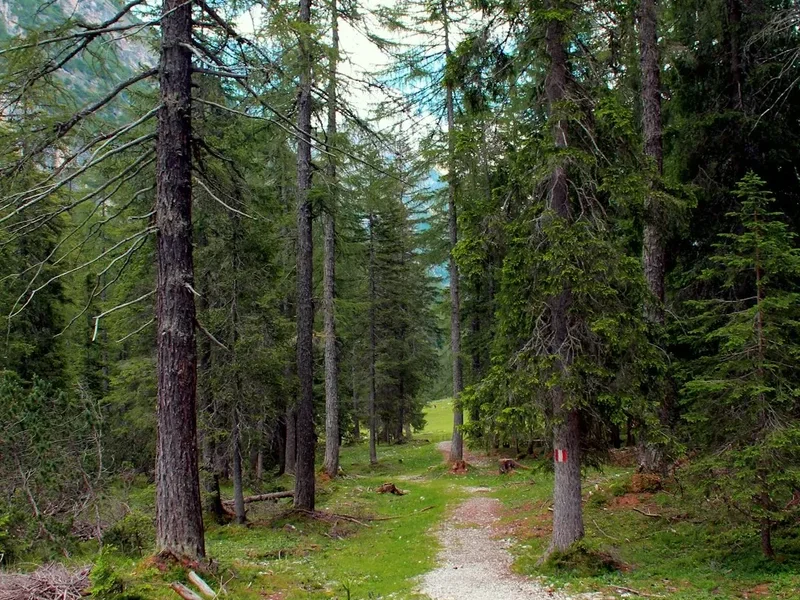
The Sentiero degli Dei, like any natural environment, deserves our utmost respect. Practising Leave No Trace principles ensures that this beautiful trail remains pristine for future generations of walkers and for the local ecosystem.
Plan Ahead and Prepare:
- Familiarise yourself with the trail and its conditions before you go.
- Pack appropriate gear to avoid needing to leave anything behind.
- Check weather forecasts and be prepared for changing conditions.
Travel and Camp on Durable Surfaces:
- Stay on the marked trail at all times. Avoid shortcuts, as they can cause erosion and damage fragile vegetation.
- The trail itself is the designated durable surface.
Dispose of Waste Properly:
- Pack out everything you pack in. This includes all food scraps, wrappers, and any other litter.
- Use designated bins where available, but be prepared to carry your rubbish back with you if bins are full or unavailable.
- If you need to use the toilet, do so discreetly away from water sources and the trail, and bury human waste at least 15 cm deep. Pack out used toilet paper.
Leave What You Find:
- Do not take any natural objects, such as rocks, plants, or flowers.
- Avoid carving or marking trees or rocks.
Minimise Campfire Impacts:
- Campfires are not permitted on the Sentiero degli Dei, as it is a day hike and not an area for overnight camping.
Respect Wildlife:
- Observe wildlife from a distance. Do not feed any animals, as this can disrupt their natural behaviour and diet.
- Keep pets under control if you bring them along (though generally not recommended on this trail).
Be Considerate of Other Visitors:
- Yield to other hikers, especially on narrow sections.
- Keep noise levels down to allow everyone to enjoy the natural sounds and tranquility of the environment.
- Be courteous and respectful to local residents and other walkers.
 Italy
Italy