
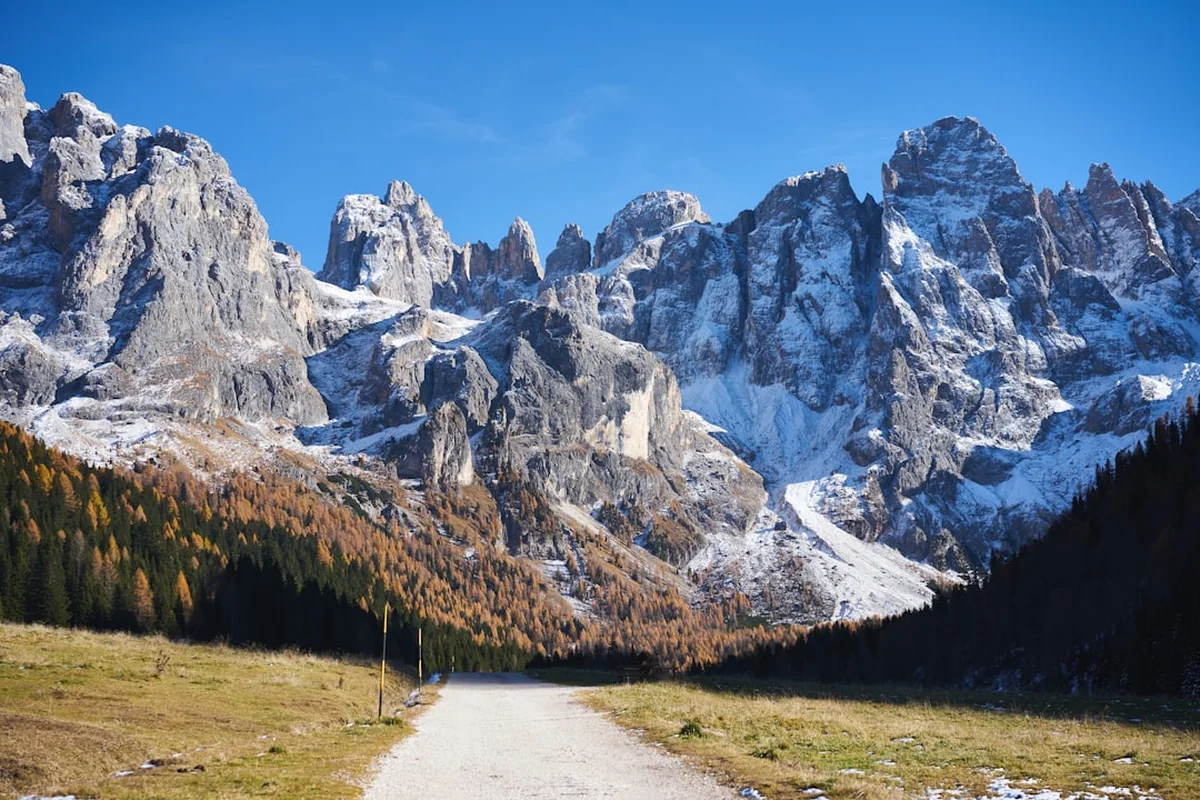
Sentiero Azzurro (Blue Trail) - The Jewel of the Italian Riviera
The Sentiero Azzurro, or the Blue Trail, is arguably the most famous coastal hiking route in Europe. Stretching along the rugged coastline of the Italian Riviera, this 12-kilometre path connects the five world-renowned villages of the Cinque Terre: Monterosso al Mare, Vernazza, Corniglia, Manarola, and Riomaggiore. Designated as a UNESCO World Heritage site in 1997, the trail offers a breathtaking journey through a landscape where human ingenuity and natural beauty have coexisted for over a millennium. Walkers traverse ancient stone staircases, wind through fragrant lemon groves, and navigate narrow paths carved into sheer cliffs, all while the turquoise waters of the Ligurian Sea shimmer hundreds of metres below. This is not merely a hike; it is a passage through living history, where the scent of wild thyme and salty air accompanies every step through one of Italy's most protected and cherished national parks.
- Distance: 12.0 km (total length of the coastal route)
- Duration: 5–7 hours (excluding extended village exploration)
- Difficulty: Moderate (significant vertical gain via steep stone stairs)
- Elevation Gain: Approximately 500 m total
- Highest Point: Near Prevo (208 m)
- Best Time: April–May and September–October
- Access: Train access to all five villages via the Cinque Terre Express
- Permit: Cinque Terre Card required for the two paid sections
Overview
The Sentiero Azzurro is the primary artery of the Cinque Terre National Park, a narrow ribbon of earth and stone that has served as the sole land connection between these isolated fishing communities for centuries. Unlike many modern hiking trails designed for recreation, the Blue Trail was born of necessity. It follows the natural contours of the coastline, linking the villages via the most direct—though often the steepest—routes possible. The experience is defined by its dramatic transitions: one moment you are immersed in the quiet shade of an olive grove, and the next, you emerge onto a sun-drenched terrace with a panoramic view of a pastel-coloured village clinging to a rocky promontory.
The trail is traditionally walked from north to south, starting in Monterosso al Mare and ending in Riomaggiore, though it can be completed in either direction. The northern sections, particularly between Monterosso and Vernazza, are the most demanding, featuring hundreds of uneven stone steps that test the knees and lungs. However, the reward is a series of iconic vistas that have graced countless postcards. As you move south, the landscape shifts from the wild, rugged cliffs of the north to the meticulously manicured vineyards of the central sections near Corniglia and Manarola. These vineyards are supported by an estimated 6,700 kilometres of dry-stone walls—a feat of engineering often compared to the Great Wall of China in terms of the sheer volume of material moved by hand over centuries.
It is important to note that the Sentiero Azzurro is subject to the whims of nature. The fragile shale and limestone cliffs are prone to landslides, particularly after heavy autumn rains. Consequently, certain sections—most notably the famous Via dell'Amore between Riomaggiore and Manarola—have faced long-term closures for extensive safety works. Despite these challenges, the open sections of the trail remain a bucket-list experience for hikers worldwide. The ability to walk from one historic village to the next, stopping for a glass of local Sciacchetrà wine or a dip in the Mediterranean, creates a rhythm of travel that is uniquely Italian and profoundly memorable.
History and Cultural Context
The history of the Sentiero Azzurro is inextricably linked to the agricultural evolution of the Ligurian coast. For over a thousand years, the inhabitants of the Cinque Terre have transformed these near-vertical slopes into productive farmland. This was achieved through the construction of "fasce"—narrow terraces supported by dry-stone walls built without mortar. These terraces allowed for the cultivation of grapes, olives, and lemons in a region where flat land is virtually non-existent. The Blue Trail originated as the network of paths used by farmers to reach their crops and by villagers to trade goods between the isolated settlements.
Until the arrival of the railway in the late 19th century, these paths and the sea were the only ways to reach the Cinque Terre. This isolation preserved the unique linguistic dialects, culinary traditions, and architectural styles of the region. The villages themselves were founded at different times; Monterosso and Vernazza are the oldest, dating back to the 11th century, established as defensive positions against Saracen pirate raids. The watchtowers and fortifications still visible along the trail are remnants of this turbulent maritime history. Corniglia, the only village not located directly on the water, sits atop a high promontory, reflecting its Roman origins as a farming community named after the "Gens Cornelia" family.
In the 20th century, as the local economy shifted from subsistence farming to tourism, the paths were formalised into the Sentiero Azzurro. The creation of the Cinque Terre National Park in 1999 further protected the route, ensuring that the traditional methods of wall maintenance and land management continue. Today, the trail is a symbol of "man-made nature," where the landscape is as much a product of human labour as it is of geological forces. Walking the trail is an act of respect for the generations of "contadini" (farmers) who carried stones on their backs to build the very ground you walk upon.
Want more background? Read extended notes on history and cultural context → Learn more
Seasonal Highlights and Weather Reality
The Mediterranean climate of the Ligurian coast makes the Sentiero Azzurro accessible for much of the year, but the experience varies dramatically between seasons. Choosing the right time to visit is crucial for both comfort and safety.
Spring (April to May): This is arguably the best time to hike. The hillsides are a vibrant green, and the wildflowers—including wild orchids, red poppies, and yellow broom—are in full bloom. The temperatures are mild, typically ranging from 15°C to 22°C, which is ideal for the strenuous climbs. However, spring can also bring occasional rain showers, which can make the stone steps slippery.
Summer (June to August): Summer brings long, sunny days and the warmest sea temperatures, perfect for swimming after a hike. However, it is also the most challenging time to be on the trail. Temperatures often exceed 30°C, and the humidity can be high. There is very little shade on the trail, and the reflection of the sun off the sea and the rocks can lead to heat exhaustion. Furthermore, the trail becomes extremely crowded, which can lead to "traffic jams" on narrow sections. If hiking in summer, an early start (before 8:00 AM) is essential.
Autumn (September to October): The "second spring" of the Cinque Terre. The sea remains warm enough for swimming, but the air temperature drops to a comfortable 20°C. September is the time of the "vendemmia" (grape harvest), and you may see local farmers using the monorail systems to transport crates of grapes up the steep slopes. Be aware that October is statistically the wettest month; heavy rain can lead to immediate trail closures due to landslide risk.
Winter (November to March): The villages are quiet and peaceful, offering a glimpse into local life without the crowds. While the weather can be crisp and sunny, it can also be cold, windy, and wet. Many restaurants and shops close for the season, and the ferry service is suspended. The trail is often muddy, and the lack of maintenance during the off-season means you must exercise extra caution. However, for the solitary hiker, a clear winter day in the Cinque Terre is magical.
Recommended Itinerary
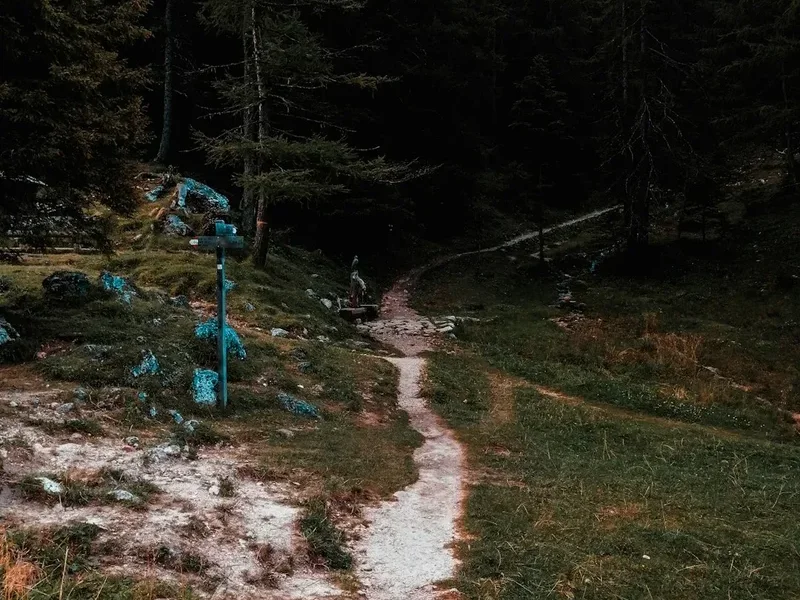
Full Day Sentiero Azzurro Route
Early Morning: Monterosso al Mare to Vernazza
- Distance: 3.5 km
- Elevation gain: 175 m
- Time: 1.5–2 hours
- Start at the eastern end of Monterosso's old town (near the Porto Roca hotel)
- Begin with a long, steep ascent of stone steps through lemon orchards
- Pass through the narrowest sections of the trail where hikers must yield to oncoming traffic
- Enjoy the first iconic view of Vernazza's harbour from the high cliffs
- Descend into Vernazza via a series of winding paths and stairs
- This is the most physically demanding section but offers the most classic scenery
Mid-Morning: Vernazza to Corniglia
- Distance: 4 km
- Elevation gain: 150 m
- Time: 1.5–2 hours
- Exit Vernazza near the church of Santa Margherita d'Antiochia
- Climb through olive groves and Mediterranean scrub (macchia)
- Reach the hamlet of Prevo, the highest point on the Blue Trail (208 m), perfect for a quick rest
- Walk along the level terraces with views of the sea and the upcoming village of Corniglia
- Arrive in Corniglia, the only village without a harbour, perched on a 100-metre-high cliff
- Explore the narrow "carruggi" (alleys) of Corniglia and enjoy a lemon granita
Midday: Corniglia to Manarola (via Volastra)
- Distance: 5.5 km (Alternative High Route)
- Elevation gain: 350 m
- Time: 2.5–3 hours
- NOTE: The direct coastal path (7a) is frequently closed; the high route via Volastra is the recommended alternative
- Take the shuttle bus or climb the "Lardarina" steps from Corniglia station
- Hike up to the village of Volastra through ancient pine forests
- Walk through the most spectacular terraced vineyards in the region
- Descend steeply into Manarola, passing the famous Nativity scene hill (Presepe)
- Manarola is widely considered the most photogenic of the five villages
Afternoon: Manarola to Riomaggiore
- Distance: 1.5 km
- Elevation gain: Minimal (if Via dell'Amore is open) or 150 m (via Beccara)
- Time: 30 minutes to 1 hour
- The Via dell'Amore is the flat, paved coastal path connecting the two villages
- If closed, the "Via Beccara" is a very steep, strenuous alternative over the ridge
- Finish the journey in Riomaggiore, the southernmost village
- Walk down to the rocky harbour to watch the sunset over the colourful houses
- Celebrate the completion of the trail with a cone of "fritto misto" (fried seafood)
Important Notes:
- Check the official Cinque Terre National Park website for real-time trail closures before starting
- The Cinque Terre Card is mandatory for the Monterosso-Vernazza and Vernazza-Corniglia sections
- Trains run frequently between all villages, allowing you to skip sections if tired
- Always carry at least 1.5 litres of water; there are refill fountains in every village
- Footwear is strictly regulated; park wardens may fine hikers wearing flip-flops or sandals
Planning and Bookings
Book Your Trip
Everything you need to plan your journey
Accommodation
Find places to stay near La Spezia
Flights
Search flights to La Spezia
Essential Preparation
Planning a hike on the Sentiero Azzurro requires more logistical coordination than a standard day walk, primarily due to the popularity of the region and the variability of trail conditions. The first step is to decide on your base. Most hikers choose to stay in one of the five villages, but La Spezia (to the south) and Levanto (to the north) offer more affordable accommodation and are only minutes away by train. If staying in the villages, book at least 4–6 months in advance for the peak season.
Physical preparation is also key. While the total distance is relatively short, the trail consists of thousands of uneven stone steps. If you have knee issues, trekking poles are highly recommended. You should also download the "Cinque Terre Hiking Guide" app, which provides real-time updates on trail status, as paths can close without warning due to weather or maintenance.
Trail Accommodation
The Sentiero Azzurro is designed as a day hike, and there is no camping or mountain hut accommodation directly on the trail. However, the unique nature of the Cinque Terre means you are never more than a few kilometres from a village. Each village offers a range of accommodation types:
Accommodation Types:
- Affittacamere: Local guest houses or rooms for rent. This is the most common type of accommodation in the villages.
- Hotels: Mostly found in Monterosso (the largest village), ranging from 3-star to boutique 4-star options.
- Hostels: There are limited hostel options in Manarola and Corniglia for budget travellers.
- Agriturismi: Farm stays located on the hillsides above the villages, offering a more rural experience.
Booking Requirements:
- There are no "trail bookings" required other than the Cinque Terre Card for access.
- Accommodation in the villages is in extremely high demand from May to September.
- Expect to pay €120–€250 per night for a standard double room in peak season.
- Many properties require a minimum 2-night stay during weekends.
Required Gear
- Sturdy Footwear: Hiking boots or trail runners with good grip are mandatory. The park authority has the power to fine hikers wearing inappropriate footwear (flip-flops, pumps, or dress shoes).
- Trekking Poles: Highly recommended for the steep descents into Vernazza and Manarola to protect your knees.
- Daypack: A 15–25L pack is sufficient for water, snacks, and extra layers.
- Sun Protection: A wide-brimmed hat, high-SPF sunscreen, and quality sunglasses. The Mediterranean sun is intense, and there is little shade.
- Lightweight Clothing: Moisture-wicking fabrics are essential. Even in spring, the humidity can make cotton clothing uncomfortable.
- Rain Shell: A lightweight, breathable waterproof jacket for sudden coastal squalls.
What to Bring
- Water: At least 1.5 litres per person. There are public water fountains (fontanelle) in the main square of every village where you can refill for free.
- Snacks: High-energy snacks like nuts, dried fruit, or local focaccia. While there are restaurants in the villages, you'll want fuel for the sections in between.
- Cinque Terre Card: Either a digital copy on your phone or a printed version.
- Identification: A copy of your passport or ID (required if you are using the Treno Card).
- Swimwear and Microfibre Towel: For a post-hike dip in Monterosso or Vernazza.
- First Aid: Blister plasters (moleskin), antiseptic wipes, and any personal medications.
- Power Bank: Taking photos and using GPS will drain your phone battery quickly.
Permits
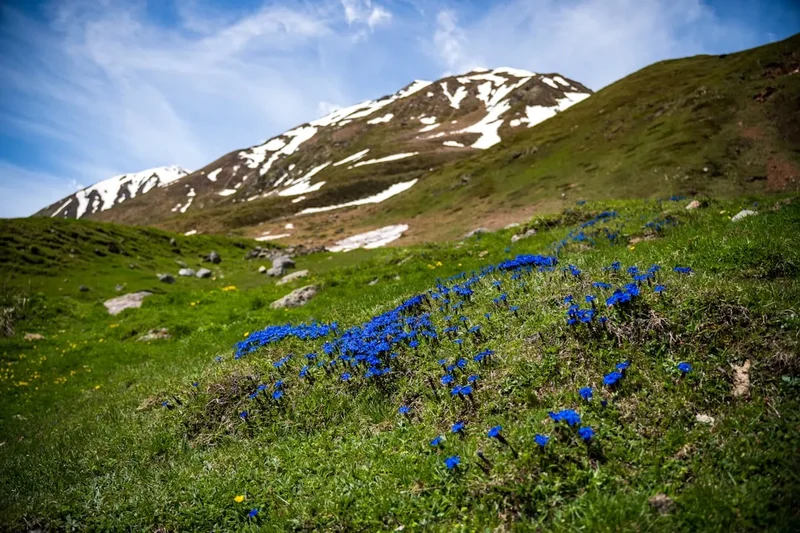
To hike the two most popular sections of the Sentiero Azzurro (Monterosso–Vernazza and Vernazza–Corniglia), you must purchase a Cinque Terre Card. This permit system was introduced to fund the maintenance of the trails and the dry-stone walls, as well as to provide a shuttle bus service within the park.
Types of Cards:
- Cinque Terre Trekking Card: Provides access to all footpaths, use of the park's shuttle buses, and free use of toilets in the villages (which otherwise cost €1).
- Cinque Terre Treno MS Card: Includes all the benefits of the Trekking Card plus unlimited train travel on the Cinque Terre Express line (Levanto–Cinque Terre–La Spezia). This is generally the best value for most hikers.
Costs (2024 Pricing):
- Trekking Card (1 Day): €7.50 for adults.
- Treno Card (1 Day): Prices vary by season (Low/Medium/High), ranging from €19.50 to €32.50 per day.
- Children and Seniors: Discounted rates are available for children (4–12 years) and those over 65.
Where to Buy:
- Online: The official Cinque Terre National Park website (highly recommended to avoid queues).
- Welcome Centres: Located at every train station in the five villages, plus La Spezia and Levanto.
- Trail Checkpoints: There are small huts at the start of the paid sections where you can buy the Trekking Card (cash or card).
Important: The card must be validated (if paper) or have your name written on it. It is non-transferable. Park rangers frequently check cards at various points along the trail; failure to produce a valid card can result in a significant fine.
Other Activities in the Area
The Cinque Terre offers much more than just hiking. Consider these activities to round out your visit:
- Boat Tours: Seeing the villages from the water provides a completely different perspective. You can take the public ferry that hops between the villages (except Corniglia) or hire a private "gozzo" (traditional wooden boat) for a sunset cruise.
- Wine Tasting: Visit a local "cantina" to try the dry white Cinque Terre DOC wine and the rare, sweet Sciacchetrà. Many vineyards offer tours that explain the heroic viticulture required to grow grapes on these slopes.
- Pesto Making Classes: Liguria is the birthplace of pesto. Several restaurants in Vernazza and Manarola offer workshops where you can learn to make authentic pesto using a marble mortar and wooden pestle.
- Swimming and Kayaking: Monterosso has the only large sandy beach, but the rocky coves of Vernazza and Manarola are perfect for snorkelling. You can also rent kayaks in Riomaggiore to explore hidden sea caves.
- The Sanctuary Walk: Each village has a "Santuario" (sanctuary) located high on the hill above it. These are connected by a higher, less crowded trail (Sentiero n. 1) and offer profound peace and spectacular views.
Safety and Conditions
Pre-Departure Checks:
- Check the weather forecast; the trail is closed by the park authorities if an "Orange" or "Red" weather alert is issued.
- Verify trail status on the official park website or app. Landslides can close sections for months or years.
- Ensure your phone is fully charged and you have the local emergency number (112) saved.
Terrain Hazards: The Sentiero Azzurro is a rugged coastal path, not a city stroll. Hazards include uneven stone steps that become extremely slippery when wet, narrow sections with steep drop-offs (though most have railings), and loose scree on the unpaved sections. Always stay on the marked path; the shale cliffs are unstable and venturing off-trail is dangerous.
Heat and Hydration: Heat exhaustion is the most common medical issue on the trail. There is very little shade between the villages. Wear a hat, use sunblock, and drink water constantly. If you feel dizzy or nauseous, stop in the shade immediately and do not attempt to continue until you have cooled down.
Footwear Regulations: As of 2019, the Cinque Terre National Park has strictly banned the use of flip-flops, sandals, or smooth-soled shoes on the trails. This is due to the high number of rescues required for hikers who slip or twist ankles. Fines for non-compliance range from €50 to €2,500 depending on the circumstances.
Wildlife: While generally safe, be aware of wild boar (cinghiale) which are common in the hills. They are usually shy but can be aggressive if they have young or feel cornered. If you see one, keep your distance and do not feed them.
Side Trips and Points of Interest
Punta Mesco: For those starting in Monterosso, a short detour to Punta Mesco (on the way to Levanto) offers the best panoramic view of all five villages at once. You can see the ruins of the 11th-century Hermitage of Sant'Antonio and an old lighthouse.
The Lardarina: In Corniglia, if you arrive by train, you must climb the Lardarina—a brick staircase with 33 flights and 382 steps—to reach the village. It is a rite of passage for any Cinque Terre visitor and offers great views of the coastline as you ascend.
Guardiola Viewpoint: Located between Riomaggiore and Manarola, this spot offers a stunning view of the coastline. It was once a military lookout and now serves as a peaceful place to watch the waves crash against the rocks.
Volastra: This tiny hamlet above Manarola is one of the oldest settlements in the area. Its name comes from the Latin "Vicus Oleaster" (the village of the olive trees). The walk through the vineyards surrounding Volastra is arguably the most beautiful agricultural landscape in Italy.
The Giant (Il Gigante): At the end of Fegina Beach in Monterosso, you will find a massive 14-metre-high concrete statue of Neptune. Built in 1910, it once supported a large villa's terrace and has become a symbol of the village's resilience against the sea.
Leave No Trace
The Cinque Terre is a fragile ecosystem under immense pressure from millions of annual visitors. Practising Leave No Trace principles is essential to ensure the trail remains open and beautiful for future generations.
Your responsibility as a walker:
- Pack it in, pack it out: There are no bins on the trail between villages. Carry all your rubbish (including fruit peels and tissues) back to the villages where recycling bins are available.
- Respect the Walls: Do not sit on, climb over, or remove stones from the dry-stone walls. These walls are the foundation of the entire landscape and are expensive and difficult to repair.
- Stay on the Path: Short-cutting switchbacks causes erosion and destroys the delicate Mediterranean flora.
- Do Not Pick the Produce: The grapes, olives, and lemons along the trail are the livelihood of local farmers. Stealing crops is not only disrespectful but illegal.
- Respect the Silence: Keep noise levels down, especially when passing near homes or through the quiet sections of the forest.
- Use Toilets in Villages: There are no toilet facilities on the trail. Use the public toilets in the villages (free with your Cinque Terre Card) before you start each section.
By walking mindfully, you help preserve the "cultural landscape" that makes the Cinque Terre a world treasure.
 Italy
Italy