
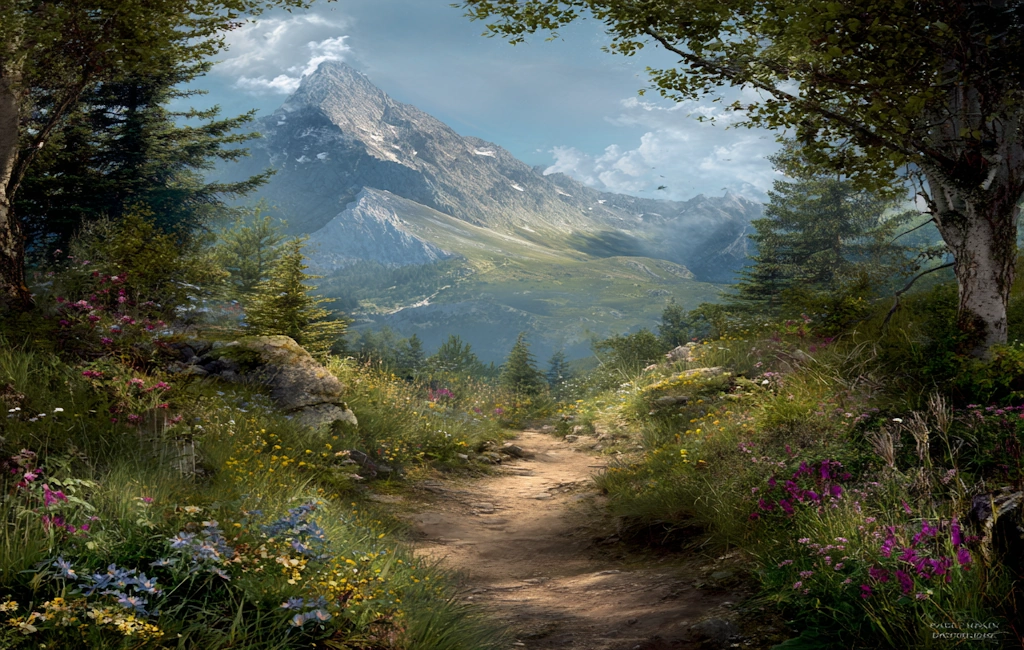
Sentier de l'Imbut - The Imbut Trail
The Sentier de l'Imbut, or Imbut Trail, is a challenging and rewarding day hike located in the heart of the Gorges du Verdon Natural Regional Park in the Alpes-de-Haute-Provence department of France. This trail offers a dramatic descent into the depths of the Verdon Gorge, one of Europe's most spectacular canyons, culminating at the Imbut, a unique geological feature where the river disappears underground. Known for its rugged terrain, steep ascents and descents, and breathtaking views, the Imbut Trail is a true test of endurance and a journey into a wild, untamed landscape. It is a route that demands respect for its formidable nature and rewards the determined hiker with unparalleled natural beauty and a profound sense of accomplishment.
- Distance: 10.0 km one-way
- Elevation gain: 800 m
- Duration: 6-8 hours
- Difficulty: Challenging
- Season: May to October (avoiding extreme heat)
- Closest City: Castellane
- Trailhead Access: Nearest airport: Nice (NCE). Drive to Castellane (approx. 2 hours). Follow D952 to Route des Crêtes. Parking at Martel Trailhead. Road can be narrow. No permits typically needed. GPS: 43.7432, 6.4018
Overview
The Sentier de l'Imbut is a testament to the raw power of nature and the ingenuity of those who carved a path through it. This is not a gentle stroll; it is a demanding expedition into the very core of the Verdon Gorge. The trail begins with a significant descent, immediately immersing the hiker in the dramatic topography of the canyon. As you descend, the scale of the gorge becomes increasingly apparent, with sheer limestone cliffs rising hundreds of metres on either side. The path is often narrow, winding, and can be steep, requiring careful footing and a good level of physical fitness. The air grows cooler and more humid as you approach the gorge floor, and the sound of the Verdon River becomes a constant companion.
The highlight of the trail is reaching the Imbut itself. This is a place where the river, after carving its way through the rock for millennia, dramatically disappears into a series of subterranean passages. The sight of the powerful Verdon River vanishing into the earth is both awe-inspiring and humbling. The surrounding rock formations are sculpted by the relentless action of water, creating a landscape that feels ancient and primal. The return journey involves a strenuous ascent, retracing your steps back up the steep slopes to the rim of the gorge. This climb is as challenging as the descent, testing stamina and resolve. The views from the trail are spectacular throughout, offering panoramic vistas of the gorge, the turquoise waters of the Verdon, and the surrounding Provençal landscape.
The Imbut Trail is best undertaken during the warmer months, from May to October, but hikers must be mindful of the intense summer heat, which can make the ascent particularly arduous. Early morning starts are highly recommended to avoid the midday sun and to allow ample time to complete the hike comfortably. The trail is well-marked in most sections, but its challenging nature means that hikers should be prepared with appropriate gear, ample water, and a good understanding of their own physical capabilities.
History and Context
The Verdon Gorge has a long history of human interaction, though much of it has been focused on the rim rather than the treacherous depths. For centuries, the gorge was a formidable natural barrier, traversed only by the most daring individuals or used as a natural defence. The development of trails into the gorge is a relatively recent phenomenon, largely driven by the burgeoning interest in outdoor recreation and tourism in the 20th century.
The Sentier de l'Imbut, in particular, was established to provide access to the unique geological phenomenon of the river disappearing underground. While the exact date of its formal creation as a marked trail is difficult to pinpoint, its existence is tied to the efforts to make the Gorges du Verdon accessible to hikers and nature enthusiasts. The construction of such a trail would have involved significant labour, carving steps and pathways into the sheer rock faces, often in challenging conditions. The trail's existence is a testament to the human desire to explore and connect with even the most inaccessible natural wonders.
Historically, the region surrounding the Verdon Gorge has been inhabited by communities who relied on agriculture and pastoralism. The dramatic landscape, while beautiful, presented significant challenges for settlement and farming. The development of tourism in the latter half of the 20th century transformed the local economy, with the Gorges du Verdon becoming a major draw for visitors from around the world. The Imbut Trail, while demanding, is a key part of this attraction, offering an authentic and challenging experience of the gorge's wild heart.
Seasonal Considerations
The Sentier de l'Imbut is a trail best enjoyed during specific times of the year to ensure safety and comfort. The primary consideration is the temperature, as the gorge can become extremely hot during the peak summer months.
Spring (May to June): This is an excellent time to hike the Imbut Trail. The weather is generally mild, with temperatures conducive to both descent and ascent. The landscape is often lush and green, and the Verdon River, fed by snowmelt from the Alps, can be a vibrant turquoise. Wildflowers are in bloom, adding to the scenic beauty. However, water levels in the river can be higher, and some smaller streams might still be flowing strongly.
Summer (July to August): While the most popular time for tourism in the region, summer can be challenging for this particular hike. Midday temperatures within the gorge can soar, making the strenuous ascent back to the rim extremely difficult and potentially dangerous due to heat exhaustion. Hikers attempting the trail during these months must start very early in the morning (before sunrise) and carry an abundance of water. The river's colour may be less vibrant due to lower water levels and increased sediment.
Autumn (September to October): This is another ideal season for the Imbut Trail. The intense heat of summer subsides, and the weather remains pleasant for hiking. The autumn colours can add a different dimension to the landscape, and the crowds tend to thin out after the summer holidays. The river's colour is often at its most striking during this period.
Winter (November to April): The trail is generally not recommended during winter. While temperatures might be cooler, the risk of ice and snow on the steeper, shaded sections of the trail increases significantly, making it hazardous. Many of the amenities and services in the surrounding area may also be closed during the off-season.
Recommended Itinerary
Sentier de l'Imbut - Day Hike Itinerary
Early Morning (Approx. 7:00 AM): Start at Martel Trailhead
- Begin at the designated parking area near the Martel Trailhead, accessible via the Route des Crêtes.
- Ensure you have all necessary gear, including ample water, food, and sun protection.
- Check the weather forecast one last time.
- Begin the descent into the Verdon Gorge. The initial section is steep and well-marked, leading you down towards the river.
Morning (Approx. 7:30 AM - 10:00 AM): Descent into the Gorge
- Follow the marked path as it winds downwards. The terrain is rocky and uneven, requiring careful footing.
- Pass through varied vegetation, from scrubland on the upper slopes to denser trees as you descend.
- Enjoy the increasingly dramatic views of the gorge walls towering above you.
- The path may include sections with steps carved into the rock or natural rock scrambles.
Midday (Approx. 10:00 AM - 1:00 PM): Reaching the Imbut
- Arrive at the Imbut, where the Verdon River disappears underground.
- Take time to observe the powerful flow of water and the unique geological formations.
- This is an excellent spot for a break, a snack, and to take photographs.
- Note the signs and information boards that explain the geological significance of the Imbut.
- The return journey begins from this point.
Afternoon (Approx. 1:00 PM - 4:00 PM): Ascent and Return
- Begin the strenuous ascent back to the Martel Trailhead.
- Pace yourself, taking regular breaks to drink water and rest.
- The climb is demanding, and it is crucial to conserve energy.
- Continue to appreciate the changing perspectives of the gorge as you gain elevation.
- Arrive back at the Martel Trailhead parking area.
Important Considerations:
- This is a challenging hike; assess your fitness level realistically.
- Start as early as possible, especially during warmer months.
- Carry at least 2-3 litres of water per person.
- Wear sturdy hiking boots with good ankle support.
- Sun protection (hat, sunscreen, sunglasses) is essential.
- A basic first-aid kit is recommended.
- Mobile phone reception can be intermittent within the gorge.
Planning and Bookings
Book Your Trip
Everything you need to plan your journey
Accommodation
Find places to stay near Castellane
Flights
Search flights to Castellane
Essential Preparation
The Sentier de l'Imbut is a day hike, meaning no overnight accommodation is required. However, thorough preparation is crucial due to the trail's challenging nature and the remote location. The closest significant town is Castellane, which serves as a convenient base for accessing the Gorges du Verdon. Castellane offers a range of accommodation options, from hotels and guesthouses to campsites, as well as essential services like supermarkets, pharmacies, and outdoor equipment shops. It is advisable to stock up on supplies, particularly water and food, in Castellane before heading to the trailhead. The drive from Castellane to the Martel Trailhead takes approximately 30-45 minutes, following scenic but often narrow roads. Ensure your vehicle is in good condition, and be prepared for potentially slow travel times due to the winding routes. It is also wise to inform someone of your hiking plans, including your intended route and estimated return time.
Trail Accommodation
This is a day hike requiring no overnight accommodation.
Required Gear
- Sturdy Hiking Boots: Waterproof and with good ankle support are essential due to the rocky, uneven, and steep terrain.
- Backpack: A comfortable daypack (20-30 litres) to carry essentials.
- Navigation: A map of the area and a compass, or a reliable GPS device/smartphone with offline maps. While the trail is generally marked, it's wise to have backup navigation.
- First-Aid Kit: Including blister treatment, bandages, antiseptic wipes, pain relievers, and any personal medications.
- Head Torch: With spare batteries, in case of unexpected delays or if starting very early/finishing late.
- Sun Protection: A wide-brimmed hat, sunglasses, and high-SPF sunscreen are vital, especially during warmer months.
- Whistle: For emergency signalling.
What to Bring
- Water: Carry a minimum of 2-3 litres of water per person. Refill points are non-existent on the trail.
- Food: High-energy snacks and a packed lunch. Consider items that don't require cooking and are easy to eat on the go or during breaks.
- Clothing: Wear moisture-wicking base layers, a warm mid-layer (fleece or down jacket), and a waterproof and windproof outer shell. Even in summer, temperatures can drop in the gorge, and weather can change.
- Trekking Poles: Highly recommended for both the descent and ascent, as they reduce strain on knees and provide stability.
- Insect Repellent: Especially important during warmer months to ward off biting insects.
- Toilet Paper and Hand Sanitiser: For personal hygiene.
- Small Knife or Multi-tool: Can be useful for various minor tasks.
- Camera: To capture the spectacular scenery.
Permits
Typically, no specific permits are required to hike the Sentier de l'Imbut. The trail is part of the Gorges du Verdon Natural Regional Park, which is generally accessible to the public. However, it is always advisable to check with the local park authorities or tourist information centres in Castellane or the surrounding area for any last-minute regulations, temporary closures, or specific advisories, especially if visiting during peak season or if there have been recent weather events that might affect trail conditions.
Important Notes:
- Park Regulations: Familiarise yourself with the general rules and regulations of the Gorges du Verdon Natural Regional Park. These usually pertain to respecting the environment, not littering, and staying on marked trails.
- Trail Conditions: While generally well-maintained, sections of the trail can be affected by rockfalls or erosion, particularly after heavy rain. Always be aware of your surroundings.
- Access: The Route des Crêtes, which leads to the Martel Trailhead, is a scenic road but can be narrow and winding. Ensure your vehicle is suitable for mountain driving.
Other Activities in the Area
The Gorges du Verdon region offers a wealth of activities for visitors looking to extend their stay or explore beyond the Imbut Trail:
- Kayaking and Canoeing: The turquoise waters of the Verdon River and the Sainte-Croix Lake are ideal for kayaking, canoeing, and paddleboarding. Rentals are available at various points around the lake and in towns like Moustiers-Sainte-Marie.
- Swimming and Sunbathing: Sainte-Croix Lake is a popular spot for swimming and relaxing on its beaches.
- Rock Climbing: The Verdon Gorge is world-renowned for its challenging rock climbing routes, attracting climbers from across the globe. Guided climbs are available for various skill levels.
- Via Ferrata: Several Via Ferrata routes are set up in the gorge, offering a thrilling way to experience the cliffs with the aid of cables and ladders.
- Scenic Drives: The Route des Crêtes (D23) offers spectacular viewpoints along the rim of the gorge. Other scenic drives in the region provide access to charming Provençal villages.
- Hiking: Numerous other hiking trails exist within the Gorges du Verdon, ranging from short, easy walks to multi-day treks.
- Paragliding: The thermals in the region make it a popular spot for paragliding, offering a bird's-eye view of the gorge.
- Visiting Villages: Explore picturesque villages such as Moustiers-Sainte-Marie (famous for its faience pottery), La Palud-sur-Verdon, and Castellane.
Safety and Conditions
Trail Conditions: The Sentier de l'Imbut is a challenging trail with steep ascents and descents, loose scree, and uneven surfaces. It is not suitable for those with mobility issues, a fear of heights, or young children who cannot be safely carried. The trail can be slippery when wet, and extreme caution is advised.
Weather: The weather in the Verdon Gorge can change rapidly. Summers can be extremely hot, with temperatures inside the gorge reaching dangerous levels. Always check the weather forecast before setting out. Be prepared for sudden changes in temperature, wind, and potential rainfall, especially at higher elevations.
Heat Exhaustion and Dehydration: This is a significant risk, particularly during the summer months. Start your hike as early as possible to avoid the midday sun. Carry more water than you think you will need, and drink regularly, even if you don't feel thirsty. Take breaks in shaded areas.
Navigation: While the trail is generally marked, it is essential to carry a map and compass or a GPS device. Do not rely solely on mobile phone reception, as it can be unreliable within the gorge.
Wildlife: Be aware of local wildlife. While large dangerous animals are rare, snakes and insects are present. Do not approach or feed any animals you encounter.
Emergency: In case of an emergency, call the local emergency services (112 in Europe). Be prepared to give your exact location, as mobile reception can be poor. It is advisable to carry a whistle for signalling.
Respect the Environment: Stay on marked trails to prevent erosion and protect fragile vegetation. Do not litter; pack out everything you pack in.
Side Trips and Points of Interest
The Imbut: The primary destination and highlight of this trail. Witnessing the Verdon River disappear into the subterranean passages is a unique and awe-inspiring geological spectacle. The sheer power of the water carving through the rock over millennia is palpable here. The surrounding rock formations are a testament to the erosive forces at play.
The Martel Trailhead and Route des Crêtes: The starting point itself offers initial glimpses into the vastness of the gorge. The drive along the Route des Crêtes to reach the trailhead provides numerous viewpoints (belvederes) that offer panoramic vistas of the Verdon Gorge from above. These viewpoints are excellent for appreciating the scale and depth of the canyon before or after your hike.
Geological Formations: Throughout the descent and ascent, the trail passes through various fascinating geological formations. The limestone cliffs, sculpted by water and wind, display intricate patterns and textures. Keep an eye out for fossilised marine life, remnants of the time when this region was covered by the sea.
Flora and Fauna: Depending on the season, you may encounter diverse plant life adapted to the harsh gorge environment. Look for hardy shrubs, wildflowers, and various bird species that inhabit the cliffs and surrounding scrubland. The cooler, more humid microclimate near the river supports different vegetation compared to the upper rim.
Leave No Trace
The Sentier de l'Imbut traverses a sensitive natural environment within the Gorges du Verdon Natural Regional Park. Adhering to Leave No Trace principles is paramount to preserving this beautiful landscape for future generations.
Plan Ahead and Prepare: Research the trail, understand its difficulty, and be prepared for the conditions. Know the regulations of the park.
Travel and Camp on Durable Surfaces: Stay on the marked trail at all times. The vegetation on the gorge slopes is fragile and can be easily damaged by off-trail travel, leading to erosion.
Dispose of Waste Properly: Pack out everything you pack in, including all food scraps, wrappers, and any other litter. There are no bins on the trail. Use designated toilet facilities where available, or if not, dig a cathole at least 60 metres away from water sources, trails, and campsites, and bury human waste.
Leave What You Find: Do not remove or disturb natural objects, plants, or rocks. Take only photographs and memories.
Minimise Campfire Impacts: Campfires are generally not permitted on this day hike. If you are on a multi-day trip in the wider park, use established fire rings where permitted and ensure fires are completely extinguished.
Respect Wildlife: Observe wildlife from a distance. Never feed animals, as it can disrupt their natural behaviours and diets, and can be harmful to their health.
Be Considerate of Other Visitors: Keep noise levels down, yield to other hikers on narrow sections, and maintain a respectful attitude towards fellow visitors and the natural environment.
 France