
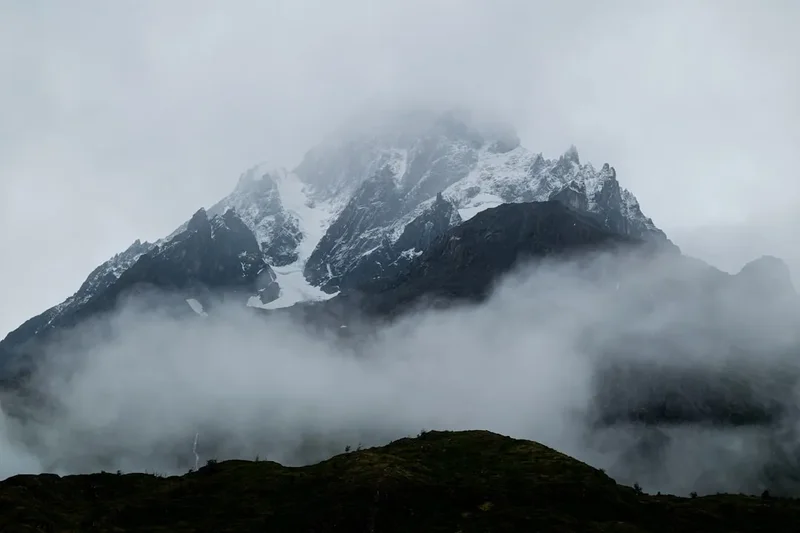
Sendero Ventisquero Colgante - Hanging Glacier Trail
The Sendero Ventisquero Colgante, or Hanging Glacier Trail, is a captivating day walk located within Chile's vast Parque Nacional Patagonia. This trail offers a remarkable opportunity to experience the raw beauty of the Patagonian landscape, culminating in breathtaking views of a hanging glacier and its cascading waterfalls. It's a relatively short but rewarding hike, suitable for those seeking a concentrated dose of natural wonder without the commitment of a multi-day trek. The trail winds through diverse ecosystems, from dense southern beech forests to open, windswept slopes, providing a microcosm of the region's ecological richness. Access to the trailhead requires travel to the remote town of Cochrane, followed by a drive into the national park, adding to the sense of adventure and discovery.
- Category: Day Walk
- Distance: 10.0 km return
- Elevation Gain: 400 m
- Duration: 4–5 hours
- Difficulty: Moderate
- Best Time: October to April (Chilean summer)
- Closest City: Cochrane
- Trailhead Access: Nearest airport: Balmaceda (BBA). Bus to Cochrane (approx. 6 hours). From Cochrane, taxi or private car to Parque Nacional Patagonia (Lago Cochrane sector) trailhead. Gravel road, allow extra driving time. Limited parking. Check park website for entry fees/reservations.
- Coordinates: -46.5422, -72.9056
Overview
The Sendero Ventisquero Colgante is a gem within the Parque Nacional Patagonia, offering a concentrated yet profound Patagonian experience. This moderate day walk is designed to immerse visitors in the dramatic landscapes that define this remote corner of Chile. The trail begins its ascent through the dense, verdant forests characteristic of the region, where ancient southern beech trees (Nothofagus) create a cool, shaded canopy. As the path climbs, the forest gradually thins, opening up to more exposed terrain that offers increasingly expansive views of the surrounding valleys and the distant, snow-capped peaks of the Andes. The air here is crisp and clean, carrying the scent of damp earth and alpine flora.
The moderate elevation gain of 400 metres is spread over approximately 5 kilometres, making for a steady but manageable climb. This gradual ascent allows walkers to acclimatise and appreciate the changing vegetation and geological features. The trail is well-maintained, though sections can be rocky or uneven, requiring sturdy footwear. The true reward of the Sendero Ventisquero Colgante lies at its terminus: a spectacular viewpoint overlooking the Ventisquero Colgante, or Hanging Glacier. This impressive ice formation clings precariously to a steep cliff face, and from it, numerous waterfalls cascade down into the valley below. The sheer volume and power of these falling waters, especially after rain, create a mesmerising spectacle. The sound of the water, combined with the vastness of the landscape, provides a deeply sensory and unforgettable experience.
The trail's orientation and the surrounding topography mean that different sections offer varied perspectives. Early on, the focus is on the intimate details of the forest floor, the moss-covered trunks, and the filtered sunlight. Higher up, the panorama expands dramatically, revealing the rugged grandeur of Patagonia. The return journey offers a different perspective on the landscape, allowing for reflection on the journey and the natural wonders encountered. The Sendero Ventisquero Colgante is an ideal choice for those who want to experience the essence of Patagonia's wild beauty in a single day, combining forest exploration with awe-inspiring glacial and waterfall vistas.
History and Cultural Context
The region encompassing Parque Nacional Patagonia, including the area around the Sendero Ventisquero Colgante, has a rich and complex history. For millennia, this land was the ancestral territory of indigenous peoples, including the Tehuelche (Aonikenk) and Kawésqar (Alacalufe) nomadic groups. These peoples were intimately connected to the land, relying on its resources for sustenance and navigating its vast expanses. Their presence is etched into the landscape through ancient trails, hunting grounds, and cultural practices, though direct archaeological evidence within the immediate vicinity of the trail may be sparse due to the remote and challenging nature of the terrain.
European exploration and settlement in this part of Patagonia began in earnest in the late 19th and early 20th centuries. Sheep farming became a dominant industry, leading to the establishment of large estancias (ranches) that shaped the land use patterns. The rugged terrain and harsh climate, however, meant that human settlement remained sparse and often transient. The concept of national parks and conservation in Chile gained momentum in the mid-20th century, driven by a growing awareness of the need to protect the unique natural heritage of Patagonia from unchecked development and resource extraction.
The creation of Parque Nacional Patagonia itself is a relatively recent and significant conservation success story. Much of the land that now forms the park was privately owned by the Tompkins Conservation foundation, established by Douglas and Kris Tompkins. Their vision was to rewild vast tracts of land and eventually donate them to the Chilean state to create protected areas. The Sendero Ventisquero Colgante, as a designated trail within this park, represents a modern effort to balance conservation with public access, allowing visitors to experience the natural wonders while ensuring their preservation. The trail's name, "Ventisquero Colgante" (Hanging Glacier), directly reflects the prominent geological feature it leads to, a testament to the enduring power of nature to shape the landscape and inspire its naming.
Seasonal Highlights and Weather Reality
The Sendero Ventisquero Colgante is best experienced during the warmer months in the Southern Hemisphere, which correspond to the spring, summer, and early autumn in Chile. The period from October to April offers the most favourable conditions for hiking in this region.
Spring (October–November): This is a time of renewal in Patagonia. Wildflowers begin to bloom, adding splashes of colour to the landscape. The weather can be unpredictable, with a mix of sunny days, rain, and even occasional snow showers. Wildlife becomes more active as the seasons change. The trails are generally less crowded than in peak summer.
Summer (December–February): This is the most popular time to visit. Days are longer, offering ample daylight for hiking. The weather is typically at its most stable, with a higher chance of sunny, clear days. However, Patagonia is renowned for its changeable weather, and even in summer, visitors should be prepared for wind, rain, and sudden temperature drops. This is also when sandflies can be most prevalent, particularly in sheltered, damp areas.
Autumn (March–April): This season offers a spectacular display of autumn colours as the southern beech forests turn shades of gold, red, and orange. The crowds thin out considerably, and the air becomes crisp and cool. While the weather can be more unpredictable, with a higher chance of rain and early snow, the visual beauty of the landscape is unparalleled. The trails may become muddier, and daylight hours shorten.
Winter (May–September): The Sendero Ventisquero Colgante is generally not recommended for hiking during the winter months. Snowfall can make the trail impassable, and the weather is harsh, with very cold temperatures, strong winds, and limited daylight. Access roads may also be affected by snow and ice. Park facilities might be closed or have reduced services during this period.
Regardless of the season, visitors must be prepared for Patagonia's notoriously fickle weather. Layers of clothing, waterproof and windproof outer shells, and sturdy footwear are essential at all times. The elevation gain means temperatures can be significantly cooler at the higher points of the trail compared to the trailhead.
Recommended Itinerary
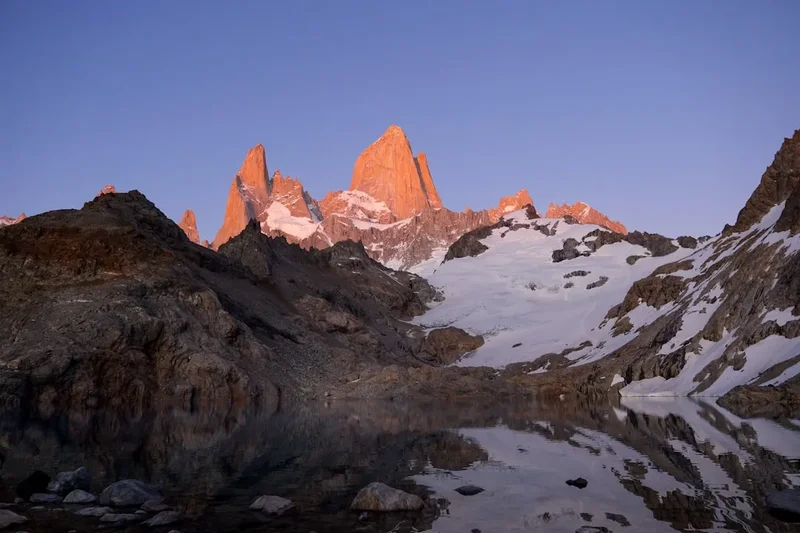
Sendero Ventisquero Colgante - Day Walk Itinerary
Early Morning: Arrival and Trailhead Preparation
- Depart from Cochrane or your accommodation in the vicinity.
- Drive to the Parque Nacional Patagonia (Lago Cochrane sector) trailhead. Allow ample time for the gravel road journey.
- Arrive at the trailhead, locate parking, and prepare your day pack.
- Check trail conditions and any posted information at the trailhead.
- Begin the hike.
Morning: Forest Ascent
- Distance: Approx. 3 km
- Elevation Gain: Approx. 150 m
- Time: 1–1.5 hours
- The trail commences with a gentle to moderate climb through dense southern beech forest.
- Experience the cool, damp atmosphere of the Patagonian rainforest, with moss-covered trees and a rich understory.
- Listen to the sounds of the forest and look for native birdlife.
- The path is well-defined but can be uneven and occasionally muddy.
Midday: Transition to Open Terrain and Views
- Distance: Approx. 2 km
- Elevation Gain: Approx. 150 m
- Time: 1–1.5 hours
- The forest begins to thin, and the trail opens up to more exposed slopes.
- Panoramic views of the surrounding valleys, mountains, and potentially Lago Cochrane begin to emerge.
- The gradient may become steeper in sections as you gain altitude.
- Take breaks to appreciate the expanding vistas and the changing vegetation.
- Look for alpine flora adapted to the harsher conditions.
Afternoon: Glacier Viewpoint and Descent
- Distance: Approx. 5 km (return to trailhead)
- Elevation Gain/Loss: Approx. 100 m gain to viewpoint, then 400 m descent
- Time: 1.5–2 hours (to viewpoint and back to trailhead)
- Reach the primary viewpoint for the Ventisquero Colgante (Hanging Glacier).
- Marvel at the glacier clinging to the cliff face and the numerous waterfalls cascading down.
- Spend time taking photographs and soaking in the impressive scenery.
- Begin the descent, retracing your steps back through the open terrain and then the forest.
- The descent can be faster but requires careful footing on loose or wet sections.
- Return to the trailhead, completing the 10 km walk.
Late Afternoon: Departure
- Depart from the trailhead.
- Return to Cochrane or your next destination.
Important Notes:
- This is a day hike; no overnight accommodation is required on the trail itself.
- Carry sufficient water and snacks, as there are no facilities along the route.
- Be prepared for rapidly changing weather conditions.
- Wear sturdy, waterproof hiking boots.
- Check park opening times and any specific regulations before your visit.
Planning and Bookings
Book Your Trip
Everything you need to plan your journey
Accommodation
Find places to stay near Cochrane
Flights
Search flights to Cochrane
Essential Preparation
The Sendero Ventisquero Colgante is located within Parque Nacional Patagonia, a vast and relatively remote protected area in Chilean Patagonia. Planning is crucial to ensure a smooth and enjoyable experience. The nearest significant town is Cochrane, which serves as the primary gateway for accessing this sector of the park. Visitors should plan their travel to Cochrane well in advance. The nearest major airport is Balmaceda (BBA), from which a bus service operates to Cochrane, a journey of approximately six hours. Alternatively, private car hire or organised transfers are available.
From Cochrane, the drive to the trailhead involves travelling on gravel roads, which can be rough and slow-going, especially after rain. It is advisable to have a vehicle suitable for such conditions, or to arrange transport with a local operator who is familiar with the roads. Limited parking is available at the trailhead, and it is recommended to arrive early, particularly during peak season (December to February), to secure a spot. It is essential to check the official park website for the most up-to-date information regarding park entry fees, opening hours, and any specific access restrictions or advisories before your visit. Mobile phone reception is likely to be non-existent along the trail and in much of the park, so download offline maps and inform someone of your hiking plans.
Trail Accommodation
This is a day hike requiring no overnight accommodation.
Required Gear
- Hiking Boots: Sturdy, waterproof hiking boots with good ankle support are essential. The trail can be uneven, rocky, and muddy.
- Waterproof Jacket: A high-quality waterproof and windproof jacket is non-negotiable. Patagonian weather can change rapidly, and rain and strong winds are common.
- Waterproof Overtrousers: Essential for staying dry and comfortable during rain showers.
- Layered Clothing: Bring a base layer (merino wool or synthetic), an insulating mid-layer (fleece or down jacket), and an outer shell. Avoid cotton, as it retains moisture and loses its insulating properties when wet.
- Backpack: A comfortable day pack (20-30 litres) to carry essentials like water, food, extra layers, and safety equipment. A rain cover for the pack is also recommended.
- Navigation: While the trail is generally well-marked, a map of the park and a compass or GPS device are advisable, especially if you are unfamiliar with the area. Download offline maps on your phone.
- First Aid Kit: A basic first aid kit including blister treatment, pain relievers, antiseptic wipes, and any personal medications.
- Sun Protection: Even on cloudy days, the Patagonian sun can be intense. Bring sunscreen (SPF 30+), sunglasses, and a wide-brimmed hat.
What to Bring
- Food: Pack plenty of high-energy snacks and a substantial lunch. There are no food services available on the trail or at the trailhead.
- Water: Carry at least 1.5 to 2 litres of water per person. While there may be streams along the trail, it is advisable to treat or filter water from natural sources if you need to refill.
- Water Treatment: A water filter or purification tablets are recommended for refilling water bottles from streams.
- Insect Repellent: Especially during the warmer months (December to February), sandflies can be present. Bring a repellent containing DEET or picaridin.
- Trekking Poles: Optional, but can be very helpful for stability on ascents and descents, especially on uneven terrain.
- Camera: To capture the stunning scenery.
- Binoculars: For wildlife spotting.
- Headlamp: In case of unexpected delays, a headlamp with spare batteries is a sensible safety precaution.
Permits
Access to Parque Nacional Patagonia and its trails, including the Sendero Ventisquero Colgante, typically requires an entrance fee. These fees contribute to the maintenance and conservation efforts within the park. It is crucial to check the official website of CONAF (Corporación Nacional Forestal), the Chilean National Forest Corporation, or the Parque Nacional Patagonia website for the most current information regarding entry fees, operating hours, and any specific booking requirements. While many day-use areas within national parks in Chile do not require advance booking for individual hikers, it is always prudent to verify this closer to your travel date, especially during peak season.
Key points regarding permits and fees:
- Entrance Fee: Expect to pay a fee to enter the park. This fee is usually paid at the park entrance or a designated visitor centre.
- Booking Requirements: For day hikes like the Sendero Ventisquero Colgante, advance booking is generally not required for individuals. However, for organised groups or specific activities, booking might be necessary. Always confirm this beforehand.
- Park Hours: Ensure you are aware of the park's opening and closing times to plan your hike accordingly.
- Vehicle Access: If driving, be aware of any specific regulations or restrictions for vehicles within the park.
- Official Information: The most reliable source for permit and fee information is the official CONAF website or the dedicated website for Parque Nacional Patagonia. Search for "Parque Nacional Patagonia Chile" or "CONAF" to find these resources.
It is highly recommended to have Chilean Pesos (CLP) available for any fees, as card payment facilities may not always be available, especially in more remote park sectors.
Other Activities in the Area
The region surrounding Parque Nacional Patagonia and the town of Cochrane offers a wealth of activities for nature enthusiasts and adventurers:
- Exploring Lago Cochrane: The lake itself is a stunning turquoise body of water. Boat tours are available, offering opportunities to explore its shores, visit islands, and enjoy the dramatic mountain scenery from the water. Kayaking and fishing are also popular activities.
- Other Trails within Parque Nacional Patagonia: The park is extensive and features numerous other hiking trails catering to various fitness levels and interests. The Lagunas Altas trail offers spectacular alpine lake scenery, while shorter walks explore different forest types and viewpoints.
- Ruta de los Parques: The Sendero Ventisquero Colgante is part of the larger "Ruta de los Parques de la Patagonia," a network of protected areas stretching along the Chilean Patagonia. Exploring other sections of this route can provide a broader understanding of the region's diverse ecosystems.
- Wildlife Viewing: Patagonia is home to a rich array of wildlife. Keep an eye out for guanacos, condors, various bird species, and if you are very fortunate, perhaps even a puma.
- Horseback Riding: Many local operators offer guided horseback riding tours, allowing you to experience the Patagonian landscape in a traditional way.
- Visiting Cochrane: The town itself offers a glimpse into Patagonian life. Visit local artisan shops, enjoy regional cuisine, and learn about the area's history and culture at small museums or information centres.
- Scenic Drives: The roads around Cochrane, including the Carretera Austral, offer incredibly scenic drives with numerous viewpoints and opportunities for spontaneous stops to admire the landscape.
Safety and Conditions
Pre-Trip Checks:
- Weather Forecast: Always check the most up-to-date weather forecast for the Cochrane region and the specific area of Parque Nacional Patagonia before you set out. Weather in Patagonia can change with extreme rapidity.
- Park Conditions: Visit the official CONAF or Parque Nacional Patagonia website for any alerts, trail closures, or advisories.
- Road Conditions: If driving, be aware that gravel roads can be affected by weather. Check local conditions if possible.
- Inform Someone: Let your accommodation provider or a friend know your hiking plans, including your intended route and expected return time.
Trail Hazards:
- Weather: The primary hazard is the unpredictable and often severe weather. Be prepared for strong winds, heavy rain, fog, and sudden temperature drops, even in summer. Hypothermia is a risk if you become wet and cold.
- Terrain: The trail can be uneven, rocky, and slippery, especially after rain. Wear appropriate footwear and watch your step.
- Insects: Sandflies can be a nuisance, particularly during warmer, damp conditions. Carry effective insect repellent and consider wearing long sleeves and trousers when stationary.
- Wildlife: While generally not aggressive, maintain a respectful distance from any wildlife you encounter.
- Remoteness: The park is remote, and mobile phone reception is unreliable. Ensure you have adequate supplies and are self-sufficient.
Recommendations:
- Carry sufficient water and food.
- Wear appropriate layered clothing and waterproofs.
- Use sturdy, broken-in hiking boots.
- Carry a basic first aid kit.
- Download offline maps and carry a physical map and compass.
- Consider carrying a personal locator beacon (PLB) for emergencies.
- Do not rely on mobile phone coverage for communication.
While this is a day hike, treating it with the same respect and preparation as a longer trek is essential for safety.
Side Trips and Points of Interest
The Hanging Glacier (Ventisquero Colgante): The primary point of interest and the destination of the trail. The sight of the glacier clinging to the sheer rock face, with numerous waterfalls plunging from its edge, is the highlight. The scale and power of the water are awe-inspiring, especially after rainfall when the cascades are at their most dramatic.
Forest Ecosystem: The trail passes through a beautiful southern beech forest. Take time to appreciate the diverse flora, including mosses, lichens, ferns, and various understory plants. The sounds of the forest, the filtered light, and the scent of damp earth create a unique sensory experience.
Panoramic Viewpoints: As the trail ascends, it opens up to several viewpoints offering expansive vistas of the surrounding Patagonian landscape. These include views of the valleys, distant mountain ranges, and potentially Lago Cochrane. These spots are ideal for photography and for appreciating the vastness of the park.
Alpine Flora: Higher up the trail, you will encounter alpine vegetation adapted to the harsher conditions. Look for hardy grasses, low-lying shrubs, and colourful wildflowers (especially in spring and summer).
Wildlife Spotting: While not guaranteed, keep an eye out for native birdlife within the forest, such as Magellanic woodpeckers or various songbirds. In the more open areas, you might spot guanacos grazing on the slopes or condors soaring overhead.
Leave No Trace
The Sendero Ventisquero Colgante, like all trails within Parque Nacional Patagonia, traverses a fragile and ecologically significant environment. Adhering to Leave No Trace principles is paramount to preserving this natural beauty for future visitors and for the health of the ecosystem.
Your responsibility as a walker:
- Pack It In, Pack It Out: Carry out all litter, including food scraps, wrappers, and any other waste you generate. Do not bury or burn trash.
- Stay on the Trail: Stick to the marked path to avoid damaging vegetation, preventing erosion, and protecting delicate plant life. Venturing off-trail can cause irreparable harm to the ecosystem.
- Respect Wildlife: Observe animals from a distance and never feed them. Feeding wildlife can alter their natural behaviour, diet, and health.
- Dispose of Waste Properly: Use designated toilet facilities if available. If not, dig a cathole at least 70 metres away from water sources, trails, and campsites, and bury human waste. Pack out all toilet paper.
- Leave What You Find: Do not take any natural objects, such as rocks, plants, or flowers. Leave them for others to enjoy and for the ecosystem to thrive.
- Minimise Campfire Impacts: Campfires are generally not permitted on day hikes and should be avoided. If camping is permitted in other areas of the park, use established fire rings and ensure fires are completely extinguished.
- Be Considerate of Other Visitors: Keep noise levels down, yield to others on the trail, and maintain a respectful attitude towards fellow hikers.
By following these principles, you help ensure that the Sendero Ventisquero Colgante remains a pristine and inspiring natural experience.
 Chile
Chile