
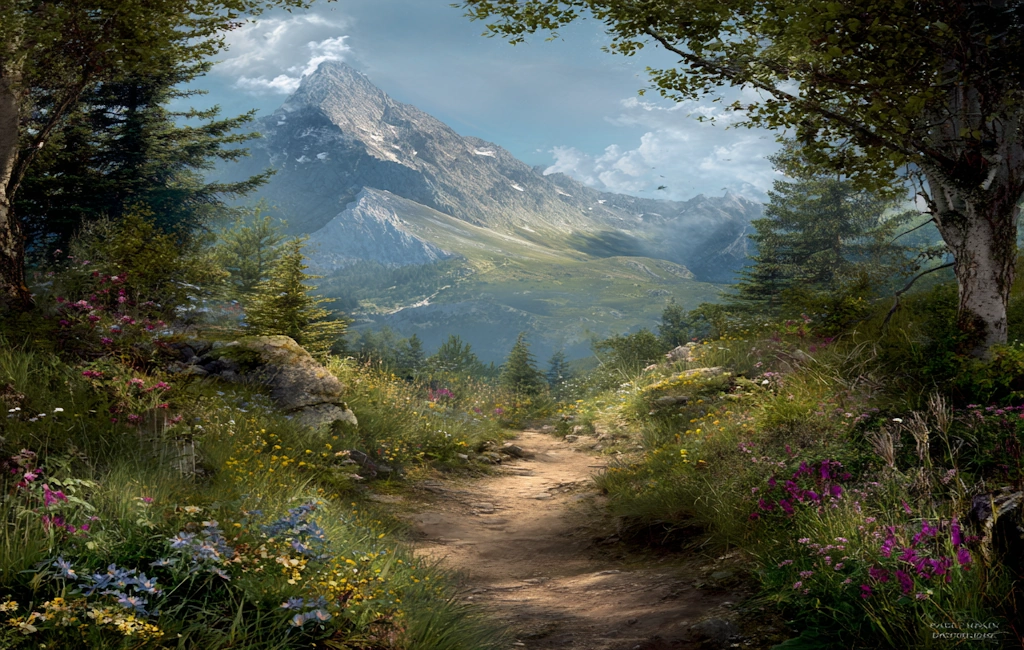
Sendero Los Lagos - The Lake Trail of the Andes
The Sendero Los Lagos, or "Lake Trail," is a captivating multi-day trek nestled within the heart of Chile's stunning Lake District. This 70-kilometre journey offers a profound immersion into a landscape sculpted by volcanic forces and glacial activity, traversing ancient Valdivian rainforests, skirting the shores of pristine turquoise lakes, and ascending to panoramic Andean vistas. Unlike more remote wilderness routes, Sendero Los Lagos provides a unique blend of accessibility and wild beauty, making it a premier choice for those seeking an authentic Patagonian hiking experience without extreme remoteness. The trail is a testament to the region's rich biodiversity, its dramatic geological history, and the enduring allure of its natural wonders.
- Distance: 70.0 km one-way
- Duration: 4–5 days
- Season: November to March (Summer in Chile)
- Difficulty: Moderate
- Closest City: Puerto Varas
- Trailhead Access: From Puerto Varas, take a bus towards Ensenada, then a taxi or transfer to the trailhead near Lago Todos los Santos.
- Elevation Gain: 1500 m
Overview
Sendero Los Lagos is a journey through a landscape of unparalleled beauty, a region where the Andes meet the Pacific's influence, creating a temperate rainforest ecosystem teeming with life. The trail is renowned for its diverse scenery, transitioning from dense, moss-laden forests to open alpine meadows and dramatic lake shores. Each day presents a new facet of this extraordinary environment, from the vibrant greens of the Valdivian jungle to the stark, majestic peaks that frame the horizon.
The trail's moderate difficulty makes it accessible to a wide range of hikers, yet it offers sufficient challenge and reward to satisfy seasoned trekkers. The elevation gain of 1500 metres is spread across its 70 kilometres, allowing for a gradual ascent and acclimatisation, culminating in breathtaking views from higher elevations. The presence of numerous lakes, including the iconic Lago Todos los Santos, provides constant visual splendour and opportunities for reflection. The trail is a celebration of water in all its forms—from the gentle lapping of lake shores to the roar of mountain streams and the distant shimmer of snow-capped peaks.
The experience is enhanced by the rich biodiversity of the region. Hikers can expect to encounter a variety of native flora and fauna, including ancient trees, vibrant ferns, and a chorus of birdlife. The trail's proximity to Puerto Varas, a charming city with a strong German heritage, offers a comfortable base for preparation and post-hike relaxation, blending the adventure of the wilderness with the comforts of civilisation.
History and Cultural Context
The region traversed by Sendero Los Lagos has a long and complex history, shaped by indigenous peoples, European colonisation, and the enduring power of its natural environment. For millennia, the lands surrounding these lakes and mountains were home to the indigenous Mapuche people, who developed a deep spiritual and practical connection with the territory. Their knowledge of the land, its resources, and its seasonal rhythms was integral to their survival and culture.
European settlement in the Lake District began in earnest in the mid-19th century, driven by Chilean government efforts to colonise and integrate the southern territories. German immigrants, in particular, played a significant role in establishing towns like Puerto Varas, bringing with them architectural styles, agricultural practices, and a distinct cultural influence that is still evident today. The development of infrastructure, including roads and early trails, gradually opened up the region to exploration and, eventually, tourism.
The Sendero Los Lagos itself, while not a single ancient route like some of the world's most famous treks, has evolved from a network of local paths and access routes used by settlers, loggers, and early explorers. Over time, these paths have been consolidated and improved by national park authorities and local tourism bodies to create a cohesive and well-marked hiking experience. The trail's current form reflects a balance between preserving the natural environment and facilitating access for hikers to appreciate its beauty. The ongoing management of the trail by CONAF (Corporación Nacional Forestal) ensures its sustainability and accessibility for future generations, honouring both its natural heritage and its human history.
Seasonal Highlights and Weather Reality
The Sendero Los Lagos is best experienced during the Southern Hemisphere's summer months, from November to March. This period offers the most favourable weather conditions for hiking, with longer daylight hours and generally milder temperatures.
Summer (December to February): This is the peak season. Days are long and often sunny, with temperatures typically ranging from 15°C to 25°C. The Valdivian rainforest is lush and vibrant, and the alpine meadows may be dotted with wildflowers. However, summer can also bring occasional rain showers and strong winds, especially at higher elevations. Sandflies can be present, though generally less aggressive than in some other parts of Chile.
Shoulder Seasons (November and March): These months offer a good balance of pleasant weather and fewer crowds. Temperatures are slightly cooler, and the landscape is still beautiful. November can see lingering snow at higher altitudes, while March offers stunning autumn colours in some areas. Rain is still a possibility, and it's essential to be prepared for variable conditions.
Autumn (April to May): While the trail is still technically open, temperatures drop significantly, and rainfall increases. The forests can display spectacular autumn foliage, but snow can begin to fall at higher elevations, potentially making sections of the trail impassable without winter gear and experience. This period is best suited for experienced hikers comfortable with unpredictable weather.
Winter (June to October): This is the off-season for Sendero Los Lagos. Heavy snowfall is common, particularly in the higher sections, making the trail impassable and dangerous for most hikers. Access to trailheads may also be restricted due to snow. This period is only suitable for highly experienced mountaineers with appropriate winter equipment and knowledge.
Weather Variability: It is crucial to understand that weather in the Andes can change rapidly at any time of year. Hikers should always be prepared for rain, wind, and temperature fluctuations, even on seemingly clear days. Layering clothing is essential for managing comfort in these dynamic conditions.
Recommended Itinerary
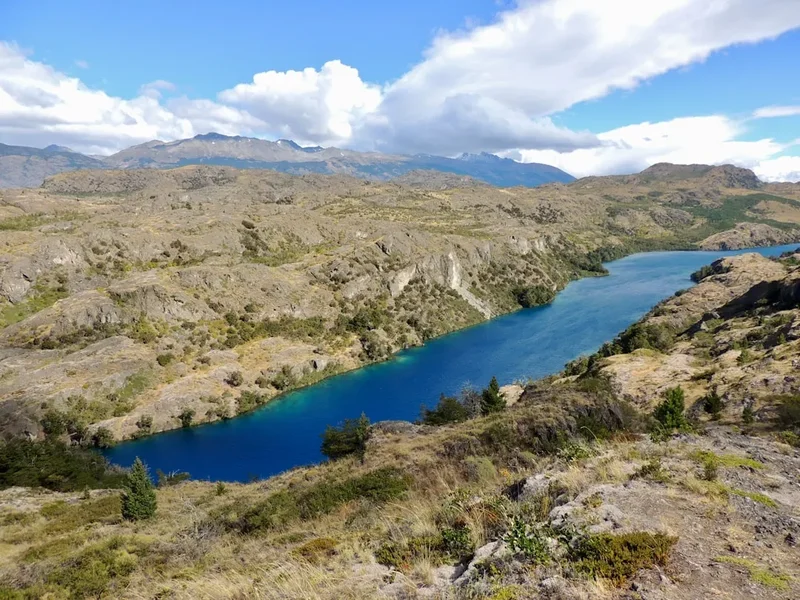
4-Day Sendero Los Lagos Itinerary
Day 1: Trailhead to Refugio Las Cascadas
- Distance: 15 km
- Elevation gain: 300 m
- Time: 4–5 hours
- Start at the designated trailhead near Lago Todos los Santos.
- The initial section winds through dense Valdivian rainforest, characterised by ancient trees, abundant ferns, and moss-covered branches.
- Follow well-maintained paths alongside smaller streams and through shaded forest clearings.
- The trail gradually ascends, offering glimpses of the surrounding volcanic peaks through breaks in the canopy.
- Arrive at Refugio Las Cascadas, a comfortable mountain lodge offering basic amenities and a welcome respite.
- Settle in, enjoy the sounds of the forest, and prepare for the days ahead.
Day 2: Refugio Las Cascadas to Campamento El Mirador
- Distance: 18 km
- Elevation gain: 500 m
- Time: 6–7 hours
- Continue through varied forest terrain, with sections opening up to views of the lake.
- The trail begins a more sustained climb, leading towards higher elevations.
- Pass by several smaller waterfalls and streams, providing opportunities for water refills (treatment recommended).
- The landscape starts to transition from dense forest to more open alpine meadows as you gain altitude.
- Arrive at Campamento El Mirador, a scenic campsite offering spectacular panoramic views of Lago Todos los Santos and the surrounding mountains.
- Set up camp and enjoy the sunset over the lake.
Day 3: Campamento El Mirador to Refugio Los Volcanes
- Distance: 20 km
- Elevation gain: 450 m
- Time: 7–8 hours
- This day involves traversing alpine terrain, with significant ascents and descents.
- The trail reaches its highest points, offering breathtaking views of the entire lake system and distant volcanoes.
- Sections may be exposed to wind and weather, so preparedness is key.
- Descend into a new valley, where the forest reappears, leading towards the next accommodation.
- Arrive at Refugio Los Volcanes, situated in a picturesque valley with views of the imposing volcanic peaks.
- A challenging but rewarding day, showcasing the dramatic scale of the Andean landscape.
Day 4: Refugio Los Volcanes to Puerto Varas Trailhead (via transfer)
- Distance: 17 km
- Elevation loss: 250 m
- Time: 4–5 hours
- A final descent through mixed forest and open terrain.
- The trail follows a river valley, with the sounds of rushing water accompanying your final kilometres.
- Enjoy the last views of the Andean landscape before reaching the end of the trail.
- The trail concludes at a designated point where pre-arranged transport will be waiting to take you back to Puerto Varas.
- Reflect on your journey through the stunning Sendero Los Lagos.
Important Notes:
- Accommodation options (refugios and campsites) must be booked in advance, especially during peak season.
- Transport to and from the trailhead needs to be arranged separately.
- Weather can be unpredictable; always carry appropriate gear for all conditions.
- Water sources are generally plentiful but should be treated.
- This itinerary is a suggestion and can be adapted based on fitness levels and preferences.
Planning and Bookings
Book Your Trip
Everything you need to plan your journey
Accommodation
Find places to stay near Puerto Varas
Flights
Search flights to Puerto Varas
Essential Preparation
The Sendero Los Lagos is a multi-day trek that requires careful planning to ensure a safe and enjoyable experience. The closest major city and logistical hub is Puerto Varas, a charming town on the shores of Llanquihue Lake, approximately 1,000 kilometres south of Santiago. Puerto Varas offers a range of accommodation, from hostels to boutique hotels, as well as outdoor gear shops, supermarkets for food supplies, and restaurants.
Access to the trailhead near Lago Todos los Santos typically involves a bus journey from Puerto Varas to a town like Ensenada, followed by a taxi or pre-arranged transfer to the starting point. It is advisable to book these transfers in advance, especially during the peak hiking season. Road conditions can vary, with some sections being unpaved, so ensure your transport is suitable.
Given the trail's popularity during the summer months (November to March), booking accommodation along the route is essential. Refugios and campsites often have limited capacity and can fill up quickly. It is also wise to check the latest weather forecasts and trail conditions with local CONAF offices or tourism providers before you depart.
Trail Accommodation
Accommodation along the Sendero Los Lagos consists of a combination of mountain refugios (lodges) and designated campsites. These facilities are managed by local operators or CONAF and require advance booking.
Refugios:
- Facilities: Refugios typically offer basic dormitory-style sleeping arrangements (bunk beds), communal dining areas, and sometimes a small kitchen or cooking shelter. Some may have limited electricity for charging devices, but this should not be relied upon. Toilets are usually basic but functional.
- What's Provided: Bunk beds with mattresses.
- What's NOT Provided: Bedding (sleeping bags are essential), cooking equipment, food, electricity for charging (usually), hot showers (rare).
- Seasonal Availability: Generally open from November to March.
- Costs: Varies by refugio, typically ranging from US$30-US$60 per person per night for a bunk.
Campsites:
- Facilities: Designated camping areas, often with access to water sources and basic toilet facilities. Some campsites may be adjacent to refugios, offering access to their amenities for a fee.
- What's Provided: A place to pitch your tent.
- What's NOT Provided: Tents, sleeping bags, cooking equipment, food, water treatment facilities (though water sources are usually available).
- Seasonal Availability: Generally open from November to March.
- Costs: Varies, typically US$15-US$30 per person per night.
Booking Requirements: Advance booking is mandatory for all refugios and campsites. Bookings can usually be made online through the respective operator's website or through local tourism agencies. It is highly recommended to book several months in advance, especially for travel during December, January, and February.
Required Gear
- Waterproof and windproof jacket: Essential for protection against Andean weather, which can change rapidly. Look for breathable materials like Gore-Tex.
- Waterproof overtrousers: Crucial for staying dry during rain showers.
- Sturdy hiking boots: Waterproof, ankle-supporting boots that are well broken-in are vital for comfort and preventing injuries on varied terrain.
- Warm layers: Including a fleece or down jacket, thermal base layers (merino wool or synthetic), and a warm hat and gloves. Temperatures can drop significantly, especially at higher elevations and at night.
- Sleeping bag: A 3-season sleeping bag (rated for 0-5°C comfort) is recommended, as refugios are unheated.
- Backpack: A comfortable backpack of 45-65 litres, with a good hip belt and a rain cover.
- Head torch: With spare batteries, as refugios and campsites may have limited or no lighting.
- First-aid kit: Including personal medications, blister treatment, pain relievers, antiseptic wipes, and bandages.
- Navigation tools: A map of the trail, a compass, and a GPS device or smartphone with offline maps downloaded. While the trail is generally well-marked, it's wise to have backups.
- Sun protection: High SPF sunscreen, sunglasses, and a wide-brimmed hat, as the sun can be intense at altitude.
What to Bring
- Food: Sufficient non-perishable food for the duration of your trek, including breakfast, lunch, dinner, and snacks. Lightweight, high-energy options are best.
- Water treatment: A water filter, purification tablets, or a UV steriliser. While water sources are generally available, treating all water is recommended for safety.
- Cooking equipment: A lightweight camping stove, fuel, a pot, utensils, a mug, and a plate or bowl.
- Toiletries: Biodegradable soap, toothbrush and toothpaste, toilet paper, hand sanitiser, and any personal hygiene items.
- Trekking poles: Highly recommended for reducing strain on knees during ascents and descents, and for stability on uneven terrain.
- Insect repellent: Especially important during warmer months to ward off sandflies and other biting insects.
- Dry bags: To keep essential items like electronics, clothing, and sleeping bags dry inside your backpack.
- Camera: To capture the stunning scenery.
- Personal identification and cash: For any unexpected expenses or emergency situations.
Permits
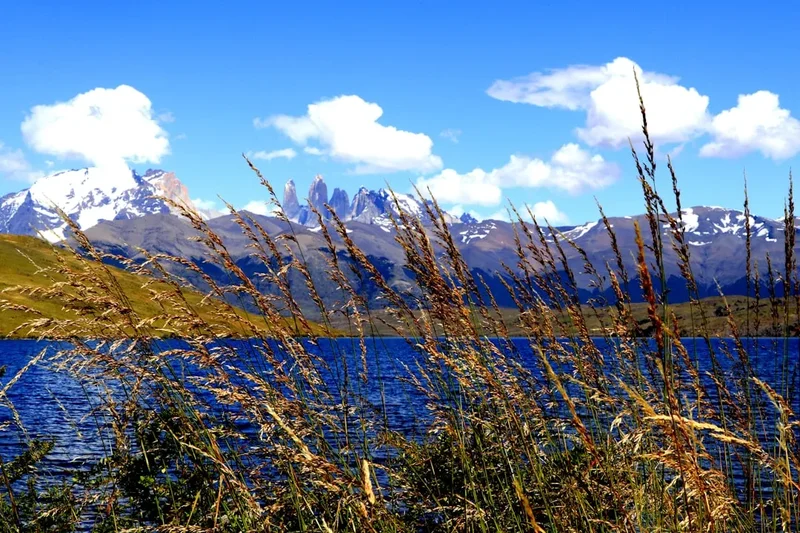
While Sendero Los Lagos is a popular trek, it does not typically require the same stringent, lottery-based permit system as some of New Zealand's Great Walks. However, booking accommodation in the refugios and campsites along the route is essential and often mandatory. These bookings are managed by the concessionaires or park authorities responsible for each facility.
Booking Accommodation:
- When to Book: It is highly recommended to book your accommodation at least 2–3 months in advance, especially if you plan to hike during the peak season (December to February). For popular refugios, booking even earlier may be necessary.
- How to Book: Bookings are typically made online through the websites of the refugio operators or through authorised Chilean tourism agencies. Some CONAF offices may also provide information or facilitate bookings.
- What to Book: You will need to book your bed in a refugio or a spot in a campsite for each night of your trek. Ensure you book consecutive nights that align with your planned itinerary.
Park Entrance Fees: Depending on the specific sector of the national park you are entering, there may be small entrance fees payable at designated points or collected by CONAF rangers. These are usually nominal and can often be paid in cash.
Trail Access: While no specific "trail permit" is usually required for day hikers or those using the designated accommodation, it is always advisable to check with CONAF or local tourism offices for any specific regulations or requirements that may be in place for the sector you are visiting. Registering your trek with CONAF at the start of your journey is also a good safety practice.
Costs:
- Refugio Beds: Approximately US$30–US$60 per person per night.
- Campsite Spots: Approximately US$15–US$30 per person per night.
- Park Entrance Fees: Typically nominal, around US$5–US$10 per person for multi-day access.
Other Activities in the Area
The Lake District surrounding Sendero Los Lagos offers a wealth of activities for those looking to extend their stay or explore beyond the trail:
- Kayaking and Boating on Lago Todos los Santos: Experience the stunning turquoise waters of the lake up close. Guided tours and kayak rentals are available from various points around the lake, offering a unique perspective of the surrounding mountains and islands.
- Volcano Climbing: For the adventurous, nearby volcanoes like Osorno and Villarrica (though further afield) offer challenging climbs with rewarding summit views. Guided ascents are recommended for safety.
- Exploring Puerto Varas: This charming city boasts a unique German heritage, evident in its architecture and cuisine. Visit the local market, enjoy fresh seafood, and explore the scenic waterfront.
- Petrohué Falls: A spectacular series of waterfalls formed by lava flows, located near the eastern end of Lago Todos los Santos. The vibrant green water cascading over dark basalt rock is a photographer's dream.
- Horseback Riding: Explore the scenic countryside surrounding Puerto Varas and Ensenada on horseback, with tours offering routes through forests and along lake shores.
- Hot Springs: Relax and rejuvenate in one of the region's natural hot springs, such as those found near Ensenada, offering a perfect way to soothe muscles after hiking.
- Llanquihue Lake Circuit: Drive or cycle around the vast Llanquihue Lake, stopping at picturesque towns and viewpoints, including the iconic views of Volcán Osorno.
Safety and Conditions
Weather Preparedness: The most significant safety consideration on Sendero Los Lagos is the unpredictable Andean weather. Conditions can change rapidly, with clear skies giving way to rain, strong winds, and even snow at higher elevations within a short period. Always check the weather forecast before setting out each day and be prepared for all eventualities. Layering clothing is crucial.
Trail Conditions: While generally well-maintained, sections of the trail can become muddy, slippery, or overgrown, especially after rain. Be mindful of your footing, particularly on descents and near water crossings. Some sections may involve steep ascents and descents, requiring careful navigation.
Water Safety: Water sources along the trail are generally abundant, originating from mountain streams and lakes. However, it is strongly recommended to treat all water before drinking, using a filter, purification tablets, or boiling. Giardia and other waterborne pathogens can be present.
Wildlife: While large dangerous wildlife is uncommon, be aware of smaller creatures. Sandflies can be a nuisance, so carry effective insect repellent. Respect any wildlife you encounter and maintain a safe distance.
Navigation: Although the trail is generally well-marked, it is essential to carry a map and compass and know how to use them. A GPS device or smartphone with offline maps can be a valuable backup. Inform someone of your hiking plans, including your intended route and expected return time.
Communication: Mobile phone reception is likely to be intermittent or non-existent for much of the trail. Consider carrying a personal locator beacon (PLB) or satellite messenger for emergencies, especially if hiking solo or in remote sections.
Emergency Contacts: In case of emergency, contact CONAF or local emergency services. The numbers for these services should be noted before your trek. It is also advisable to have travel insurance that covers hiking and potential medical evacuation.
Side Trips and Points of Interest
Petrohué Falls: Located a short distance from the eastern end of Lago Todos los Santos, these falls are a must-see. Formed by ancient lava flows from the Osorno volcano, the water cascades over dark, sculpted basalt rock, creating a dramatic and visually stunning spectacle. The vibrant turquoise colour of the water against the black rock is particularly striking.
Mirador del Lago (Lake Viewpoint): Several points along the trail, particularly on Day 2 and Day 3, offer breathtaking panoramic views of Lago Todos los Santos. These viewpoints provide excellent opportunities for photography and for appreciating the sheer scale and beauty of the glacial lake and its surrounding volcanic landscape.
Volcán Osorno Views: While not a direct part of the Sendero Los Lagos, the majestic cone of Volcán Osorno is a prominent feature of the landscape throughout much of the trek. Its snow-capped peak and imposing presence serve as a constant reminder of the region's volcanic origins.
Valdivian Rainforest Exploration: The trail passes through some of the most pristine Valdivian temperate rainforests in Chile. Take time to appreciate the unique flora, including ancient Alerce trees (though protected and rarely seen on trails), various species of ferns, mosses, and epiphytes that create a lush, verdant environment. The sounds of the forest, with its diverse birdlife, add to the immersive experience.
Lago Esmeralda: Depending on the exact route and any minor detours, hikers might encounter smaller, unnamed glacial lakes or tarns that rival the beauty of the main lake. These hidden gems offer moments of quiet contemplation and stunning reflections of the surrounding peaks.
Leave No Trace
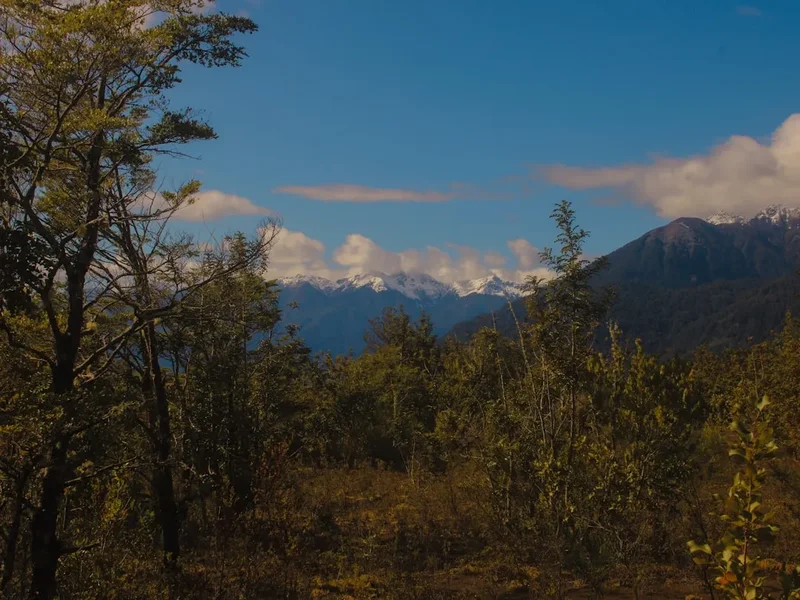
The Sendero Los Lagos traverses a fragile ecosystem that is a vital part of Chile's natural heritage. Adhering to Leave No Trace principles is paramount to preserving its beauty and ecological integrity for future generations. As a visitor, you play a crucial role in minimising your impact.
Plan Ahead and Prepare: Research the trail, understand its challenges, and pack appropriately. Know the regulations for the area you will be visiting.
Travel and Camp on Durable Surfaces: Stick to the marked trails to avoid damaging vegetation. Camp only in designated campsites. Avoid creating new campsites.
Dispose of Waste Properly: Pack out everything you pack in, including all food scraps, wrappers, and any other litter. Use designated toilet facilities where available. If not, dig catholes at least 60 metres away from water sources, trails, and campsites.
Leave What You Find: Do not remove or disturb natural objects such as rocks, plants, or cultural artefacts. Take only photographs and memories.
Minimise Campfire Impacts: Campfires are often prohibited or restricted in national parks. If permitted, use established fire rings and keep fires small. Ensure fires are completely extinguished before leaving.
Respect Wildlife: Observe wildlife from a distance. Never feed animals, as this can disrupt their natural behaviours and diets. Store your food securely to prevent attracting animals.
Be Considerate of Other Visitors: Keep noise levels down, especially in refugios and campsites. Yield to other hikers on the trail. Respect the solitude and natural quiet of the wilderness.
By following these principles, you help ensure that the Sendero Los Lagos remains a pristine and enjoyable experience for everyone.
 Chile
Chile