
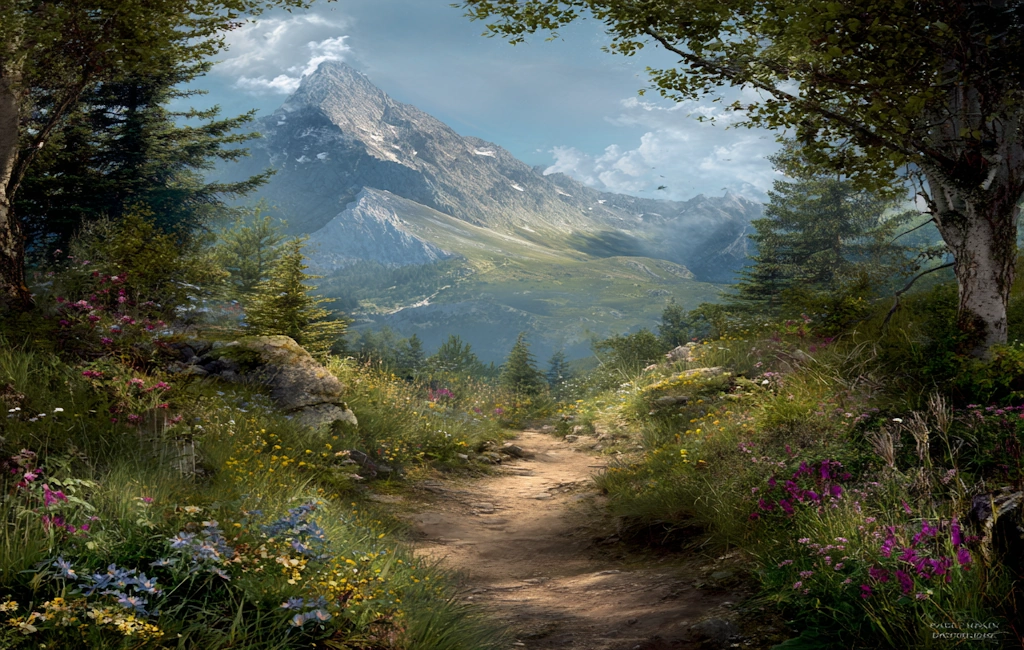
Scarisoara Glacier Cave Trail
The Scarisoara Glacier Cave Trail is a captivating day walk in the Apuseni Mountains of Romania, leading to one of Europe's most remarkable subterranean ice formations. This trail offers a unique blend of natural beauty, geological wonder, and a moderate physical challenge, making it an accessible adventure for many visitors. The journey takes you through picturesque mountain landscapes before descending into the cool, ancient depths of the Scarisoara Ice Cave, home to a permanent glacier that has persisted for thousands of years. The cave's impressive ice formations, including stalagmites and stalactites composed of ice, create an otherworldly environment that is both awe-inspiring and educational. This walk is a perfect introduction to the geological treasures of the Apuseni Natural Park.
- Distance: 8.5 km (round trip)
- Elevation gain: 350 m
- Duration: 3-4 hours
- Difficulty: Moderate
- Best Time: May to October
- Closest City: Cluj-Napoca
- Trailhead Access: From Cluj-Napoca, drive south on DN1/E60 and DN75 towards Garda de Sus (approx. 2 hours). Then follow local roads to Scarisoara village. Parking available near the cave entrance. Road conditions are generally good, but may be narrow and winding in places. No permits required.
- Coordinates: 46.5283, 22.8903
Overview
The Scarisoara Glacier Cave Trail is a relatively short but rewarding day walk that culminates in the exploration of a significant natural monument. The trail begins in the vicinity of Scarisoara village, a small settlement nestled within the rolling hills and forested slopes of the Apuseni Mountains. The initial part of the walk is characterised by a gentle ascent through meadows and woodlands, offering glimpses of rural Romanian life and the surrounding mountain scenery. As you progress, the terrain becomes more rugged, with a steady climb that prepares you for the descent into the cave.
The highlight of the trail is undoubtedly the Scarisoara Ice Cave (Peștera Scărișoara). This is not just any cave; it is home to a substantial block of perennial ice, a glacier that has survived for an estimated 10,000 years. The cave entrance is a dramatic sinkhole, a natural pit that plunges into the earth. The trail leads you to this entrance, from where you descend into the cave itself. Inside, the temperature remains consistently low, typically around 0-2° Celsius, regardless of the season. The cave is divided into two main parts: the Upper Cave, which houses the impressive ice block, and the Lower Cave, which features more traditional karst formations like stalactites and stalagmites, though these are often coated in a thin layer of ice.
The ice block in the Upper Cave is a truly astonishing sight. It measures approximately 3,500 cubic metres and is estimated to be around 4,000 years old. The cave's structure, with its large sinkhole entrance, allows cold air to accumulate and remain trapped, creating the conditions necessary for the ice to persist. The trail within the cave is well-maintained with walkways and lighting, making it safe and accessible for visitors. The moderate difficulty of the trail is primarily due to the elevation gain and the descent into the cave, but the overall experience is one of discovery and wonder, offering a unique encounter with a frozen relic of the past.
History and Cultural Context
The Scarisoara Ice Cave has been known to local communities for centuries, though its scientific exploration and popularisation are more recent. The cave's existence and the persistent ice within it have long been a source of local folklore and wonder. The Apuseni Mountains, in general, have a rich history of human settlement, with communities traditionally relying on agriculture, forestry, and animal husbandry. The isolation of these mountain regions has helped preserve traditional ways of life and a deep connection to the natural environment.
The formal scientific study of Scarisoara Ice Cave began in the late 19th and early 20th centuries. Speleologists and geologists were fascinated by the presence of such a large perennial ice mass in a temperate climate. The cave was officially declared a natural monument in 1937, recognising its unique geological and scientific importance. Over the years, infrastructure has been developed to allow public access, including pathways, stairs, and lighting, transforming it into a significant tourist attraction.
The surrounding region of the Apuseni Mountains is also known for its traditional villages, unique architecture (such as wooden churches and houses), and the resilient spirit of its inhabitants. The area has a history of mining, particularly for gold and silver, which has shaped its economic and social development. The Scarisoara Glacier Cave Trail, therefore, is not just a walk to a geological marvel but also an opportunity to connect with the broader cultural and historical landscape of this distinctive part of Romania.
Seasonal Highlights and Weather Reality
The Scarisoara Glacier Cave Trail is best enjoyed during the warmer months, from May to October. During this period, the weather is generally more favourable for hiking, and the surrounding natural scenery is at its most vibrant.
Spring (May-June): The landscape begins to awaken after winter. Wildflowers bloom, and the forests turn a lush green. The weather can be variable, with occasional rain showers, but temperatures are pleasant for hiking. The cave itself offers a cool respite from warmer spring days.
Summer (July-August): This is the peak season for visitors. The weather is typically warm and sunny, ideal for exploring the mountains. However, summer can also bring thunderstorms, so it's wise to check the forecast and start your hike early. The cave's constant cool temperature makes it a welcome escape from the summer heat.
Autumn (September-October): The autumn colours in the Apuseni Mountains are spectacular, with the forests ablaze in shades of red, orange, and gold. The air is crisp, and the crowds tend to thin out. This is an excellent time for photography and a more tranquil hiking experience. The cave remains a constant, cool environment.
Winter (November-April): While the cave itself is accessible year-round, the trail conditions can be challenging due to snow and ice. The surrounding mountain roads may also be affected by winter weather. For those equipped for winter conditions, the cave offers a unique experience of a frozen world, but it is generally not recommended for casual hikers during this period.
Weather Considerations: Even during the summer months, mountain weather can change rapidly. It is essential to be prepared for rain, wind, and cooler temperatures, especially at higher elevations and within the cave. Always check the local weather forecast before setting out.
Recommended Itinerary
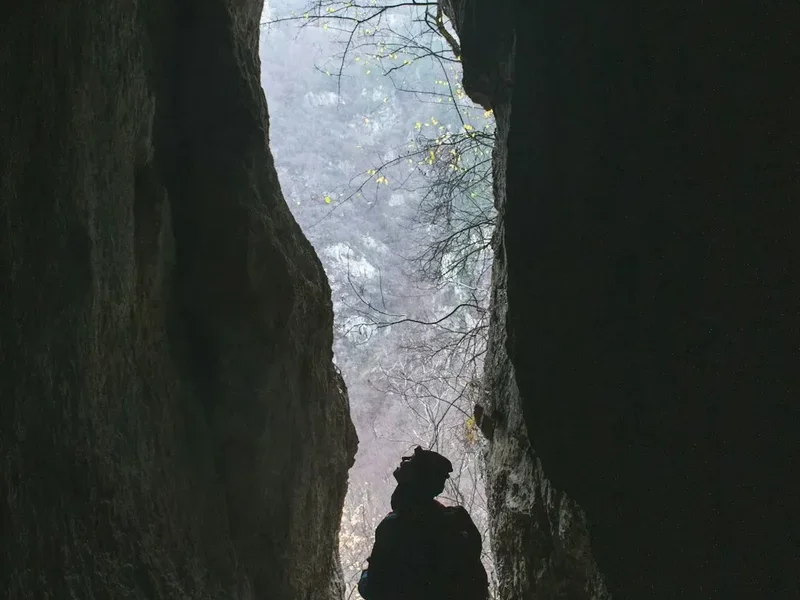
Scarisoara Glacier Cave Trail - Day Walk Itinerary
Early Morning: Travel to Trailhead
- Depart from Cluj-Napoca or your accommodation in the Apuseni region.
- Drive towards Garda de Sus and then follow signs for Scarisoara village.
- The drive takes approximately 2 hours from Cluj-Napoca.
- Enjoy the scenic journey through the Romanian countryside and mountain roads.
Morning: Arrival and Trail Start
- Arrive at the parking area near the Scarisoara Ice Cave entrance.
- Pay any applicable parking fees.
- Begin the hike from the designated trailhead.
- The initial part of the trail involves a moderate ascent through meadows and forests.
- Distance covered: Approximately 2-3 km.
- Elevation gain: Around 100-150 m.
- Time: 45-60 minutes.
Midday: Cave Exploration
- Reach the entrance of the Scarisoara Ice Cave.
- Purchase your entrance ticket for the cave tour.
- Descend into the cave via the well-maintained pathways and stairs.
- Explore the Upper Cave, marvelling at the perennial ice block and ice formations.
- Continue into the Lower Cave to see traditional karst features.
- The guided tour within the cave typically lasts 30-45 minutes.
- Temperature inside the cave is consistently around 0-2° Celsius.
Afternoon: Return Journey and Departure
- Exit the cave and begin the ascent back to the trailhead.
- The return hike is primarily downhill, making it quicker than the ascent.
- Distance covered: Approximately 2-3 km.
- Elevation loss: Around 100-150 m.
- Time: 30-45 minutes.
- Optional: Visit local craft shops or enjoy a traditional Romanian meal in Scarisoara village or Garda de Sus.
- Begin your drive back to Cluj-Napoca or your next destination.
Total Estimated Time: 3-4 hours (including cave exploration and moderate pace for hiking).
Important Notes:
- Wear sturdy, comfortable walking shoes with good grip.
- Bring layers of clothing, as the cave is cold (0-2°C). A light jacket or fleece is recommended even in summer.
- Carry water and snacks, although there are facilities near the cave entrance.
- Check the opening hours of the cave in advance, especially outside of peak season.
- The trail involves some steep sections and stairs within the cave, so a moderate level of fitness is beneficial.
Planning and Bookings
Book Your Trip
Everything you need to plan your journey
Accommodation
Find places to stay near Cluj-Napoca
Flights
Search flights to Cluj-Napoca
Essential Preparation
The Scarisoara Glacier Cave Trail is a day walk, meaning no overnight accommodation is required. The primary planning involves logistics for reaching the trailhead and ensuring you have the necessary gear for the hike and cave exploration. The closest major city and transport hub is Cluj-Napoca. From Cluj-Napoca, the drive to Scarisoara village takes approximately 2 hours. The roads are generally paved but can be narrow and winding as you approach the mountain areas, so allow ample time for travel. It is advisable to have a car for this trip, as public transport options to Scarisoara village can be infrequent and time-consuming. Ensure your vehicle is in good condition for mountain driving. Near the cave entrance, there is a designated parking area, which may have a small fee.
Trail Accommodation
This is a day hike requiring no overnight accommodation.
Required Gear
- Sturdy walking shoes: Waterproof hiking boots or trail shoes with good ankle support and excellent grip are essential for the varied terrain and potential dampness.
- Waterproof jacket: A lightweight, breathable waterproof jacket is recommended, as mountain weather can change quickly, and rain is possible even in summer.
- Warm layers: Even on a warm day, the temperature inside the Scarisoara Ice Cave is consistently around 0-2° Celsius. A fleece jacket, jumper, or a warm mid-layer is crucial for comfort during the cave exploration.
- Head torch or small flashlight: While the cave is lit, having your own light source can be useful for personal exploration or in case of any unexpected power outages, though this is rare.
- Backpack: A small daypack (15-25 litres) is sufficient to carry water, snacks, extra clothing, and personal items.
- First aid kit: A basic kit with plasters, antiseptic wipes, pain relievers, and any personal medications.
What to Bring
- Water: Carry at least 1-1.5 litres of water per person.
- Snacks: High-energy snacks such as trail mix, energy bars, fruit, or sandwiches are recommended for the hike.
- Camera: To capture the stunning mountain scenery and the unique ice formations within the cave.
- Cash: For parking fees, cave entrance tickets, and any local purchases (some smaller vendors may not accept cards).
- Insect repellent: While not usually a major issue on the trail itself, it can be useful in the surrounding areas during warmer months.
- Sun protection: Sunscreen, sunglasses, and a hat are advisable, especially during spring and summer, as the sun can be strong at higher altitudes.
- Toiletries: Hand sanitiser, tissues.
Permits
No specific permits are required to access the Scarisoara Glacier Cave Trail or the surrounding Apuseni Natural Park for day hiking. The trail is open to the public, and access to the cave is managed through ticket sales at the entrance.
Cave Entrance Fees:
- There is a fee to enter the Scarisoara Ice Cave. The price is typically modest and covers the maintenance of the cave infrastructure and guided tours.
- Prices can vary, so it is advisable to check the most current information upon arrival or through local tourism websites if available.
- Expect to pay a fee per person for entry and guided access.
Parking Fees:
- A small parking fee may be applicable at the designated parking area near the cave entrance.
- Ensure you have some local currency (Romanian Leu - RON) available for these minor charges.
General Access:
- The Apuseni Natural Park is a protected area, and visitors are expected to adhere to general conservation guidelines.
- Stay on marked trails, do not litter, and respect the natural environment.
- There are no restrictions on the number of visitors for day hikes, unlike some more regulated national parks.
Other Activities in the Area
The Apuseni Mountains offer a wealth of activities beyond the Scarisoara Glacier Cave Trail, making it a worthwhile destination for a longer stay:
- Explore other caves: The Apuseni region is renowned for its karst landscape and numerous caves. Other notable caves include the Bears' Cave (Peștera Urșilor) near Chișcău, famous for its well-preserved cave bear fossils, and the Poarta lui Ionele cave.
- Hiking and Trekking: Numerous marked trails crisscross the Apuseni Natural Park, offering opportunities for longer hikes through diverse landscapes, including forests, meadows, and rocky outcrops. Popular areas include the Padiș Plateau and the Bihor Mountains.
- Visit traditional villages: Discover the unique rural architecture and way of life in villages like Garda de Sus, Albac, and Mărișel. Many villages feature traditional wooden houses and churches, offering a glimpse into Romania's rich cultural heritage.
- Discover local crafts: The Apuseni region is known for its traditional crafts, including wood carving, pottery, and weaving. You can often find local artisans selling their work in villages and at markets.
- Scenic drives: The mountain roads themselves offer spectacular views. Enjoy leisurely drives through the Apuseni Mountains, stopping at viewpoints to admire the scenery.
- Adventure sports: Depending on the season and specific locations, activities like rock climbing, mountain biking, and even paragliding may be available in the broader region.
Safety and Conditions
Trail Conditions: The Scarisoara Glacier Cave Trail is generally well-maintained, but conditions can vary. The path leading to the cave entrance is a mix of dirt track and some rocky sections, with a moderate incline. Within the cave, there are metal walkways and stairs, which can be slippery due to moisture and ice. Always wear appropriate footwear with good grip.
Weather: Mountain weather is unpredictable. Be prepared for sudden changes in temperature, wind, and precipitation. Check the weather forecast before you go and carry appropriate clothing layers. Even on a hot summer day, the cave is very cold (0-2°C), so a warm jacket is essential.
Cave Safety: The cave is equipped with lighting and safety railings. However, it is important to stay on the designated paths and follow the instructions of any guides. The air inside the cave can be damp and cool, so avoid touching the ice formations unnecessarily, as this can contribute to their degradation.
Fitness Level: The trail is considered moderate. It involves an ascent to the cave entrance and a descent into the cave, followed by an ascent out. A reasonable level of fitness is required to comfortably complete the hike and navigate the cave's stairs. If you have significant mobility issues, the descent and ascent within the cave might be challenging.
Hydration and Nutrition: Carry sufficient water and snacks, as facilities at the trailhead might be limited, especially outside peak season. There are usually vendors or small cafes near the cave entrance, but it's wise to be self-sufficient.
Emergency Contacts: In case of an emergency, note down local emergency numbers. While mobile signal can be patchy in mountainous areas, it's advisable to have your phone fully charged.
Respect the Environment: Adhere to Leave No Trace principles. Do not litter, stay on marked paths, and do not disturb the natural environment or cave formations.
Side Trips and Points of Interest
Scarisoara Ice Cave Interior: The primary point of interest is the cave itself. The Upper Cave houses the magnificent perennial ice block, a natural glacier that has persisted for millennia. Visitors can marvel at its sheer size and the intricate ice formations that have developed over time. The cave guides will explain the geological processes that have led to the formation and preservation of this unique ice mass. The Lower Cave offers a contrast with its more typical karst features, such as stalactites and stalagmites, often coated in a fine layer of frost or ice, creating a surreal, frozen landscape.
The Sinkhole Entrance: The dramatic entrance to the Scarisoara Ice Cave is a large doline, or sinkhole, a natural geological feature formed by the collapse of the ground surface. The descent into the cave begins from the rim of this sinkhole, offering a sense of entering another world. The sheer drop and the surrounding rock formations are impressive even before you enter the cave proper.
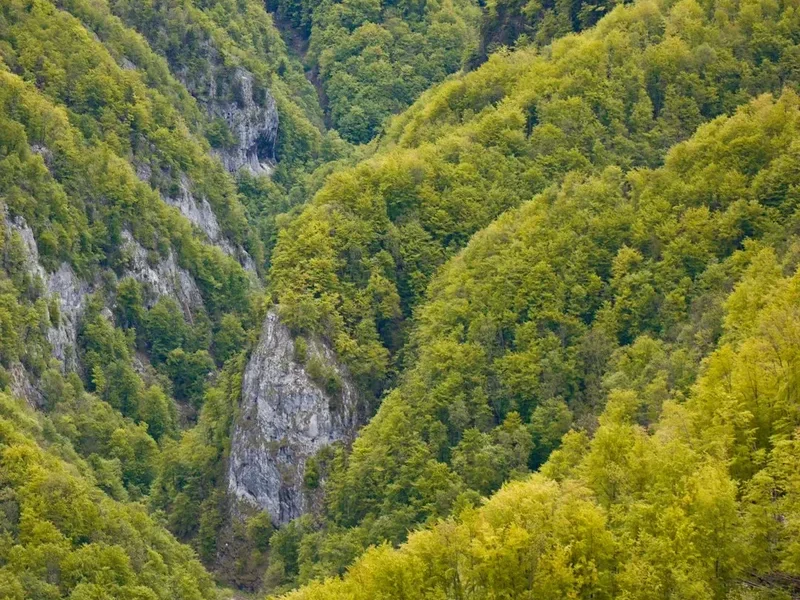
Surrounding Landscape: The trail leading to the cave offers pleasant views of the Apuseni Mountains. The route passes through meadows dotted with wildflowers in spring and summer, and vibrant autumn foliage in the fall. The forests are typical of the region, with a mix of deciduous trees. While not a challenging trek, the walk provides a gentle introduction to the natural beauty of the Apuseni Natural Park.
Local Village Life: The village of Scarisoara itself, and the nearby larger settlement of Garda de Sus, offer a glimpse into traditional Romanian rural life. Observing the local architecture, agricultural practices, and the pace of life can be a point of interest for visitors seeking a more authentic cultural experience.
Leave No Trace
The Scarisoara Glacier Cave Trail and the surrounding Apuseni Natural Park are precious natural environments that deserve our utmost respect. Practicing Leave No Trace principles ensures that these beautiful places can be enjoyed by future generations.
Plan Ahead and Prepare: Familiarise yourself with the trail and cave conditions before you go. Check the weather forecast and pack accordingly. Know the opening hours of the cave.
Travel and Camp on Durable Surfaces: Stick to the marked trails and pathways. Within the cave, use the designated walkways and stairs. Avoid walking on vegetation or disturbing the cave floor.
Dispose of Waste Properly: Pack out everything you pack in. This includes all food wrappers, fruit peels, and any other litter. Use the bins provided at the trailhead or take your waste with you. Do not leave any waste inside the cave.
Leave What You Find: Do not take any souvenirs from the cave, such as rocks, ice, or plant material. Appreciate the natural formations and leave them for others to enjoy.
Minimize Campfire Impacts: This is a day hike, so campfires are not applicable. However, if you were to camp in the wider park, always use established fire rings and ensure fires are completely extinguished.
Respect Wildlife: Observe any wildlife from a distance and do not feed the animals. While large wildlife is less common on this specific trail, the surrounding areas are home to various species.
Be Considerate of Other Visitors: Keep noise levels down, especially within the cave, to allow everyone to appreciate the unique atmosphere. Yield to others on narrow paths.
By following these principles, you help preserve the natural integrity and beauty of the Scarisoara Glacier Cave and its surroundings.