
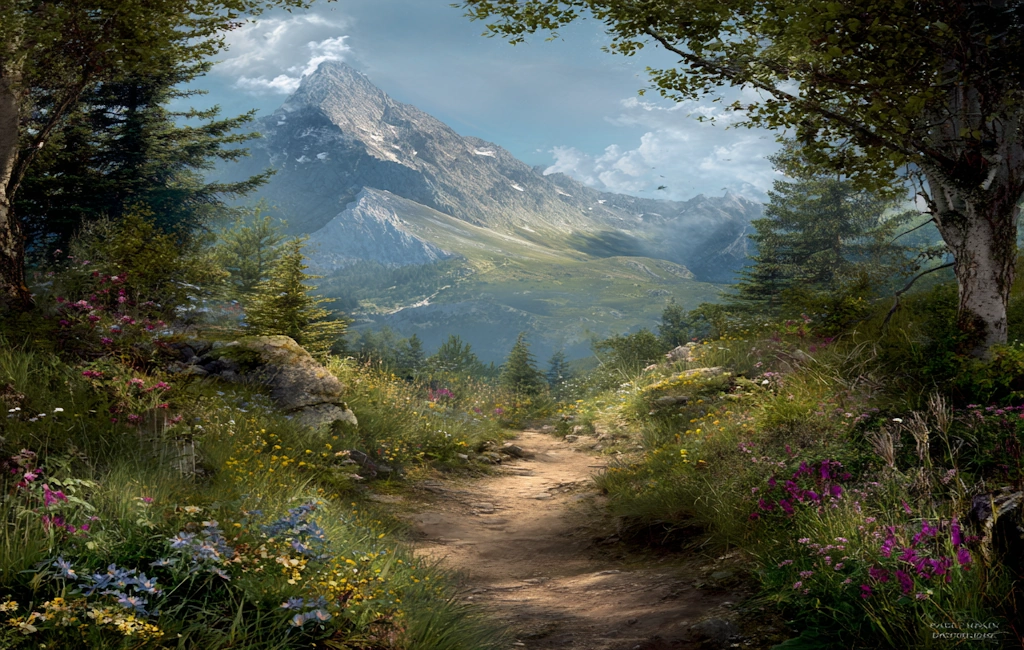
Sawtooth Lake Trail - The Crown Jewel of the Sawtooth Wilderness
The Sawtooth Lake Trail is widely considered the premier day hike in Idaho’s Sawtooth National Recreation Area, offering a quintessential distillation of the American West’s rugged alpine beauty. Spanning 16.1 kilometres return, this trek leads hikers through a dramatic transition of landscapes—from the dense lodgepole pine forests of the Iron Creek drainage to the stark, glaciated granite basins that cradle the largest lake in the Sawtooth Wilderness. The journey culminates at the northern shore of Sawtooth Lake, where the jagged, tooth-like spire of Mount McGown (2,918 metres) rises abruptly from the deep indigo waters, creating one of the most photographed vistas in the United States. This is a landscape defined by its verticality and its silence, a place where the geological violence of the past has left behind a serene, high-altitude sanctuary.
- Distance: 16.1 km return
- Duration: 5–7 hours
- Elevation Gain: 520 m
- Difficulty: Moderate
- Highest Point: 2,571 m (Sawtooth Lake)
- Best Time: July to September (post-snowmelt)
- Trailhead: Iron Creek Trailhead, near Stanley, Idaho
- Permits: Self-issued at trailhead (free for day hikers)
Overview
Located just outside the charming mountain town of Stanley, the Sawtooth Lake Trail serves as the primary gateway for those seeking to experience the raw majesty of the Sawtooth Range without committing to a multi-day expedition. The trail is a masterclass in environmental progression. It begins at an elevation of approximately 2,040 metres, winding through a lush valley floor where the air is thick with the scent of pine and the sound of Iron Creek rushing nearby. As the path ascends, the forest thins, giving way to subalpine fir and eventually to the exposed granite slabs and talus slopes characteristic of the high Sawtooths.
The hike is strategically paced, offering several "rewards" before reaching the final destination. Approximately 5.5 kilometres into the journey, hikers encounter Alpine Lake, a stunning turquoise gem tucked into a lower cirque. While many choose to detour here, the main trail continues upward, conquering a series of well-engineered switchbacks that reveal increasingly expansive views of the surrounding peaks and the valley below. Upon reaching the high ridge, the first glimpse of Sawtooth Lake is often met with a sharp intake of breath. The lake is vast, cold, and incredibly clear, often holding onto floating ice well into July. The surrounding basin is a cathedral of grey granite, sculpted by ancient glaciers into a series of bowls and ridges that feel ancient and immovable.
This trail is not merely a physical challenge; it is a sensory immersion. The transition from the sheltered forest to the wind-swept alpine ridge provides a profound sense of scale. Hikers will find themselves dwarfed by the sheer walls of Mount McGown and the surrounding spires. Despite its popularity, the sheer size of the Sawtooth Lake basin allows for moments of profound solitude, especially for those who take the time to wander along the lake's western shore or explore the smaller, unnamed tarns nearby. It is a hike that demands a steady pace and rewards the observant traveller with sightings of pikas, marmots, and the occasional mountain goat perched precariously on the cliffs above.
History and Cultural Context
The Sawtooth Mountains have long held spiritual and practical significance for the indigenous peoples of the region. For centuries, the Shoshone-Bannock tribes utilised these high valleys during the summer months, following the migration of game and gathering seasonal plants. The mountains were not just a source of sustenance but a sacred landscape, with many of the peaks and lakes featuring in oral traditions and spiritual practices. The arrival of European explorers and fur trappers in the early 19th century marked the beginning of a new era of land use, though the ruggedness of the Sawtooths largely protected them from large-scale settlement.
In the late 1800s, the discovery of gold and silver in the nearby Yankee Fork and Vienna districts brought a surge of miners to the area. While the Sawtooth Lake basin itself was never a major mining hub, the surrounding valleys are dotted with the remains of old cabins and prospect holes, silent witnesses to the "fever" that once gripped the region. The town of Stanley, established in the 1890s, served as a supply hub for these remote outposts. As the mining boom faded, the area’s value shifted from extraction to recreation and conservation. The Sawtooth National Forest was established in 1905, but it wasn't until 1972 that the Sawtooth National Recreation Area (SNRA) was created by an act of Congress, formally protecting 756,000 acres of this pristine wilderness from development.
The naming of the peaks and lakes often reflects the early surveyors and climbers who explored the range. Mount McGown, the dominant feature of the Sawtooth Lake skyline, was named for a local pioneer family. The trail itself has been refined over decades by the U.S. Forest Service, evolving from a rough pack trail into the well-maintained route hikers enjoy today. In 2017, the region gained further international recognition when the Central Idaho Dark Sky Reserve was established, encompassing the Sawtooth Wilderness. This ensures that the pristine nature of the area extends from the granite beneath one's feet to the stars above, preserving the "wild" character of the landscape for future generations.
Want more background? Read extended notes on history and cultural context → Learn more
Seasonal Highlights and Weather Reality
The window for hiking the Sawtooth Lake Trail is relatively narrow due to its high elevation and the significant snowfall the region receives. The "prime" season typically runs from early July through late September, though this can vary significantly based on the previous winter's snowpack.
Summer (July and August): This is the most popular time to visit. By mid-July, the majority of the snow has usually melted from the trail, though patches often remain in the shaded switchbacks and around the lake's edge. Wildflowers are at their peak during this window; expect to see Indian paintbrush, lupine, and mountain heather carpeting the meadows. Daytime temperatures are generally pleasant, ranging from 20°C to 28°C, but the sun is intense at this altitude. Afternoon thunderstorms are a common occurrence in the Sawtooths; these can develop rapidly, bringing heavy rain, lightning, and sudden temperature drops. Hikers should aim to be off the high ridges by early afternoon.
Autumn (September to early October): Many locals consider September the best month for the Sawtooth Lake Trail. The crowds thin out, the biting insects disappear, and the air becomes crisp and clear. The huckleberry bushes and alpine willows turn vibrant shades of red and gold, contrasting beautifully with the grey granite. While daytime temperatures remain comfortable (15°C to 22°C), night-time temperatures frequently drop below freezing. Early season snowstorms can occur as early as mid-September, potentially making the upper sections of the trail slick or impassable without traction devices.
Winter and Spring (November to June): During these months, the trail is buried under several metres of snow. The road to the Iron Creek Trailhead is not ploughed in winter, adding several kilometres of road walking or skiing just to reach the start. The trail becomes a serious mountaineering or backcountry skiing objective, requiring expert navigation skills and avalanche awareness. The "spring" melt-out in June is often the most difficult time to hike, as the trail becomes a muddy morass and creek crossings can be dangerously high and fast.
Recommended Itinerary
Sawtooth Lake Day Hike Itinerary
Early Morning: Departure from Stanley
- Start time: 7:00 AM – 8:00 AM
- Drive from Stanley to Iron Creek Trailhead (approx. 15 minutes)
- Ensure you have a full water supply; while there is water on the trail, it requires treatment
- Complete the free self-issue wilderness permit at the trailhead kiosk
- The early start is crucial to secure parking and avoid the midday heat and potential afternoon storms
Morning: The Forest Ascent
- Distance: 0 km – 5.5 km
- Elevation gain: 250 m
- The first 2 kilometres are relatively flat, winding through lodgepole pine forest
- Cross the wilderness boundary and begin a steady, moderate climb
- The trail follows the Iron Creek drainage, with occasional views of the creek through the trees
- At the 5.5 km mark, you reach the junction for Alpine Lake
- Take the short 0.5 km detour down to Alpine Lake for a rest and a snack; the turquoise water is a perfect preview of the alpine scenery to come
Midday: The Switchbacks and the Ridge
- Distance: 5.5 km – 8.0 km
- Elevation gain: 270 m
- Return to the main trail and begin the most strenuous part of the hike
- A series of long, well-graded switchbacks climb the headwall above Alpine Lake
- As you gain elevation, the forest disappears, replaced by expansive views of the Sawtooth Valley and the White Cloud Mountains to the east
- Reach the high ridge and pass a smaller, unnamed pond (often called "Little Sawtooth Lake")
- The trail levels out briefly before the final reveal of Sawtooth Lake
Afternoon: Sawtooth Lake and Descent
- Distance: 8.0 km – 16.1 km
- Time at lake: 1–2 hours
- Explore the northern shore of Sawtooth Lake, find a flat granite slab for lunch, and admire the reflection of Mount McGown
- For those with extra energy, follow the trail along the western shore for another kilometre to see the lake from different angles
- Begin the descent by 1:30 PM or 2:00 PM to stay ahead of any building clouds
- The descent is much faster but requires care on the rocky switchbacks to avoid ankle injuries
- Arrive back at Iron Creek Trailhead by 4:00 PM – 5:00 PM
Important Notes:
- Total moving time is typically 5–6 hours, but allow 7–8 hours for breaks and photography
- The trail is well-marked, but a map or GPS app is recommended for the junction areas
- Water is available at Alpine Lake and Sawtooth Lake but must be filtered
- Cell phone service is non-existent once you leave the trailhead
Planning and Bookings
Book Your Trip
Everything you need to plan your journey
Accommodation
Find places to stay near Stanley
Flights
Search flights to Stanley
Essential Preparation
The Sawtooth Lake Trail is a high-altitude hike that requires a baseline level of physical fitness. You will be exerting yourself at elevations between 2,000 and 2,600 metres, where the air is thinner and dehydration occurs more rapidly. If you are travelling from sea level, it is highly recommended to spend at least one or two days in Stanley (1,905 m) to acclimatise before attempting the hike. This will significantly reduce the risk of altitude headaches and fatigue.
Stanley serves as the primary base for this hike. It is a small but well-equipped town with several motels, guest ranches, and a variety of Forest Service campgrounds. During the peak months of July and August, accommodation in Stanley can book out months in advance. The town has a small grocery store (Mountain Village Mercantile) for basic supplies, several outdoor shops for gear rentals or last-minute purchases, and a handful of excellent restaurants. The nearest major airport is in Boise (BOI), approximately a three-hour drive away via Highway 21 (the Ponderosa Pine Scenic Byway). This drive is spectacular but involves winding mountain roads that can be slow-going.
Trail Accommodation
This is a day hike requiring no overnight accommodation on the trail itself. However, for those wishing to extend their stay, the Sawtooth Wilderness offers numerous backcountry camping opportunities. If you choose to camp at Sawtooth Lake, you must follow specific wilderness regulations to protect the fragile alpine environment.
Camping Near the Trail:
- Iron Creek Campground: Located right at the trailhead. It is a small, primitive Forest Service campground with vault toilets and fire rings. It is first-come, first-served and fills up very quickly in summer.
- Backcountry Camping: Camping is permitted at Sawtooth Lake and Alpine Lake. You must camp at least 30 metres (30 m) from water sources and trails.
- Fire Restrictions: Campfires are strictly prohibited in the Sawtooth Lake basin to prevent resource damage and wildfire risk. You must use a lightweight backpacking stove for cooking.
- Group Size: Maximum group size for backcountry travel and camping is 12 people.
What is NOT provided:
- There are no huts, shelters, or established campsites with facilities on the trail.
- There is no rubbish collection; you must pack out everything you bring in.
- There are no toilets beyond the trailhead; you must follow LNT principles for waste disposal (digging a cat-hole at least 60 metres from water).
Required Gear
- Hiking Boots or Shoes: Sturdy footwear with good traction is essential. The trail is rocky and uneven in sections, particularly on the switchbacks. Ensure your boots are well broken-in to avoid blisters.
- Navigation: A physical topographic map of the Sawtooth Wilderness or a reliable offline GPS app (like Gaia GPS or AllTrails). Do not rely on live mobile data.
- Sun Protection: High-altitude sun is exceptionally strong. Bring a wide-brimmed hat, high-SPF sunscreen, and UV-rated sunglasses.
- Insulating Layers: Even in mid-summer, temperatures at Sawtooth Lake can be 10°C cooler than at the trailhead. Bring a lightweight fleece or down jacket and a windbreaker.
- Rain Gear: A high-quality waterproof jacket with a hood. Afternoon storms are frequent and can be intense.
- First Aid Kit: A basic kit including blister pads (moleskin), antiseptic wipes, bandages, and any personal medications.
- Headlamp: Even if you plan to be back by daylight, always carry a headlamp with extra batteries in case of unexpected delays.
What to Bring
- Water: Carry at least 2–3 litres of water per person. The climb is exposed and dry in sections.
- Water Treatment: A lightweight filter (like a Sawyer Squeeze) or purification tablets. The water in the lakes and creeks may look pristine but can carry Giardia or other pathogens.
- High-Energy Food: Bring a substantial lunch and plenty of snacks (nuts, energy bars, dried fruit). You will burn significant calories on the ascent.
- Electrolytes: Powdered electrolyte mixes can help maintain hydration and prevent cramping in the heat.
- Insect Repellent: Mosquitoes and biting flies can be relentless in July, especially near Alpine Lake and the lower forest sections.
- Emergency Whistle: Often built into the chest strap of modern hiking packs; useful for signalling in an emergency.
- Trekking Poles: Highly recommended for the descent to reduce impact on knees and provide stability on loose granite sections.
Permits
One of the great appeals of the Sawtooth Wilderness is the relative ease of access compared to other major US mountain ranges. For day hikers, there is no complex lottery system or advance booking required. However, a permit system is in place to track usage and ensure visitors are aware of wilderness regulations.
Day Hiking Permits:
- Permits are self-issued at the Iron Creek Trailhead kiosk.
- The process is free and takes only a minute. You simply fill out a paper form with your name, group size, and destination, and attach a portion of the tag to your pack.
- These permits are mandatory. Forest Service rangers frequently patrol the trail and will ask to see your permit.
Overnight Permits:
- If you plan to camp overnight at Sawtooth Lake or anywhere within the wilderness boundary, you must also use the self-issue permit system at the trailhead.
- There is currently no quota for backcountry camping in this specific area, but this is subject to change if impact levels become too high.
Parking and Fees:
- There is no fee to park at the Iron Creek Trailhead.
- However, the parking lot is relatively small and serves several popular trails. During July and August, the lot is often full by 8:30 AM. If the lot is full, you must park in designated overflow areas along the access road; do not park in a way that obstructs traffic or damages vegetation.
Regulations to Note:
- Dogs are permitted on the Sawtooth Lake Trail but must be on a leash between July 1st and Labour Day. This is to protect wildlife and ensure a positive experience for other hikers.
- Drones are strictly prohibited within the Sawtooth Wilderness boundary. This is a federal regulation designed to preserve the quiet and solitude of the area.
Other Activities in the Area
The Sawtooth National Recreation Area is a vast playground. If you have extra days in the Stanley area, consider these activities:
- Redfish Lake: Located just 15 minutes south of Stanley, this is the largest and most developed lake in the area. You can rent kayaks, paddleboards, or motorboats, or take a shuttle boat across the lake to access the trailheads for Baron Lakes or the Redfish Lake Creek drainage.
- Rafting the Salmon River: Known as the "River of No Return," the Salmon River offers world-class whitewater rafting. Several outfitters in Stanley offer half-day, full-day, and multi-day trips ranging from scenic floats to Class IV rapids.
- Natural Hot Springs: The region is geologically active, and several natural hot springs are located along the Salmon River (Highway 75). Boat Box Hot Springs and Sunbeam Hot Springs are popular spots to soak tired muscles after a long hike.
- Mountain Biking: While bikes are not allowed in the Wilderness area, there are hundreds of kilometres of world-class singletrack in the surrounding National Forest. The Fisher Creek Loop is a local favourite.
- Stanley Museum: A small but fascinating museum housed in an old ranger station, detailing the mining, ranching, and indigenous history of the Sawtooth Valley.
- Stargazing: As part of the Dark Sky Reserve, the night skies here are world-class. Simply drive a few kilometres away from town lights on a clear night for an incredible view of the Milky Way.
Safety and Conditions
Altitude Awareness: Altitude sickness can affect anyone, regardless of fitness level. Symptoms include headache, nausea, dizziness, and fatigue. If you experience these, the only cure is to descend. Stay hydrated and avoid alcohol the night before your hike.
Weather Hazards: The Sawtooths are notorious for rapid weather shifts. A clear blue sky at 10:00 AM can transform into a violent thunderstorm by 2:00 PM. Lightning is a significant threat on the exposed ridges near Sawtooth Lake. If you see clouds building or hear thunder, do not continue to the lake; begin your descent immediately. If caught in a storm above the treeline, move away from high points and isolated trees, and crouch on your pack to minimise contact with the ground.
Wildlife Encounters: The Sawtooth Wilderness is home to black bears, mountain lions, wolves, and moose. While encounters are rare, they do happen.
- Bears: Carry bear spray and know how to use it. Keep a clean camp if staying overnight and never leave food unattended.
- Moose: Often found in the lower forest and willow thickets. They can be aggressive if they feel cornered or if a calf is nearby. Give them a wide berth (at least 25 metres).
- Mountain Goats: Often seen near Sawtooth Lake. Do not approach or feed them; they can be salt-deficient and may approach humans for the salt in their sweat or urine.
Creek Crossings: Early in the season (June/early July), Iron Creek can be high and fast due to snowmelt. Use caution when crossing and unbuckle your pack's waist strap so you can jettison it if you fall.
Terrain: The trail is well-maintained but rocky. Loose "scree" on the switchbacks can be slippery on the descent. Watch your footing to avoid twisted ankles, which are the most common injury on this trail.
Side Trips and Points of Interest
Alpine Lake: This is the most common side trip and is highly recommended. The lake sits in a deep granite bowl at 2,385 metres. The water is a striking shade of blue-green, and the surrounding cliffs provide a dramatic backdrop. It is a quieter alternative to Sawtooth Lake and a great spot for a mid-morning break. The detour adds about 1 kilometre and 50 metres of elevation gain to your total trip.
Mount McGown Scramble: For experienced scramblers with mountaineering knowledge, the ascent of Mount McGown (2,918 m) from the Sawtooth Lake basin is a popular objective. This is not a maintained trail and involves Class 3 scrambling on loose rock. It should only be attempted by those with proper skills and equipment. The views from the summit encompass the entire Sawtooth Range and the Frank Church River of No Return Wilderness to the north.
The Western Shore: Most hikers stop at the northern end of Sawtooth Lake where the trail first arrives. However, a faint but followable trail continues along the western shore. Walking even 500 metres along this path provides a much better perspective of the lake's scale and allows you to see the "hidden" southern end of the lake, which is often blocked from view by granite ribs.
Little Sawtooth Lake: Just before the final descent to the main lake, you will pass a small, shallow tarn on your left. While less dramatic than its larger neighbour, it often warms up enough in late summer for a (very) quick dip and offers beautiful reflections of the surrounding ridges in the early morning light.
Leave No Trace
The Sawtooth Wilderness is a fragile ecosystem that sees thousands of visitors each year. To preserve its beauty and ecological integrity, all hikers must strictly adhere to Leave No Trace principles. The high-altitude environment is particularly slow to recover from human impact; a single footstep off-trail can destroy alpine plants that have taken years to grow.
Core Principles for the Sawtooths:
- Plan Ahead and Prepare: Know the regulations, check the weather, and ensure you have the right gear to avoid emergencies that put rescuers at risk.
- Travel and Camp on Durable Surfaces: Stay on the established trail. Do not cut switchbacks, as this causes severe erosion and destroys the trail's integrity. If camping, use existing sites at least 30 metres from water.
- Dispose of Waste Properly: Pack out all rubbish, including organic waste like orange peels and apple cores, which do not decompose quickly at this altitude and can attract wildlife. For human waste, use a cat-hole 15–20 cm deep and at least 60 metres from water, or better yet, use a "WAG bag" to pack it out.
- Leave What You Find: Do not pick wildflowers or remove rocks or historical artefacts. Leave the landscape as you found it for others to enjoy.
- Minimise Campfire Impacts: Remember that fires are prohibited in the Sawtooth Lake basin. Use a stove for all cooking needs.
- Respect Wildlife: Observe animals from a distance. Never feed wildlife, as this habituates them to humans and often leads to the animal's death.
- Be Considerate of Other Visitors: Keep noise levels down. Yield to uphill hikers. If you are hiking with a dog, keep it leashed and pack out its waste.
 USA
USA