
Savandurga Hill Trek
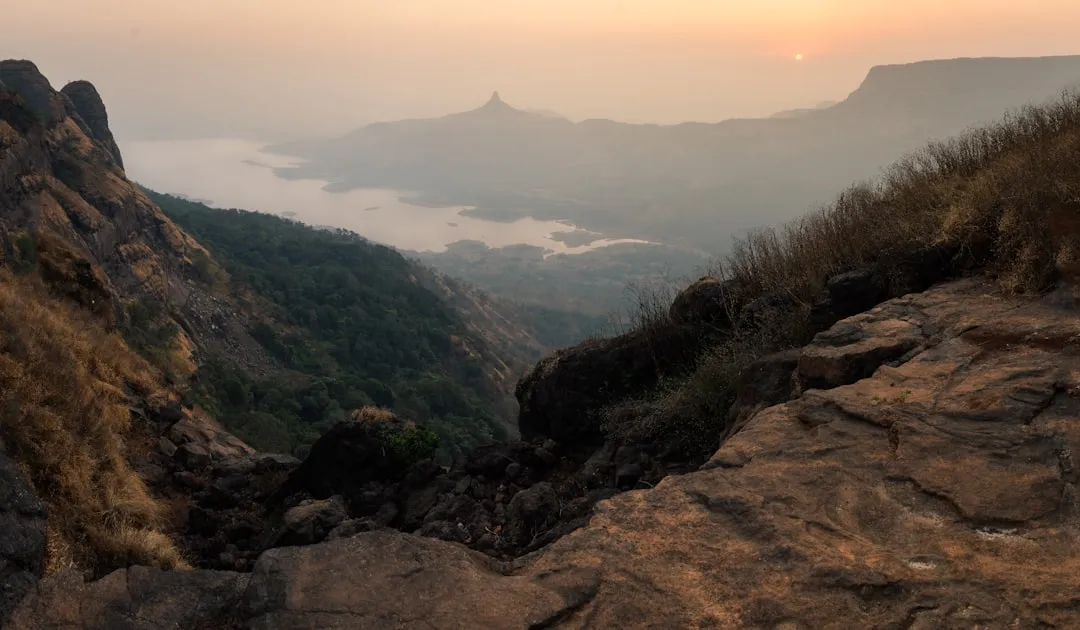
Savandurga Hill, located near Bangalore, India, is a popular destination for trekkers seeking a moderate day hike with panoramic views. Comprising two distinct hills, Biligudda (the smaller one) and Savandurga (the larger one), the trek offers a challenging yet rewarding experience. The ascent involves navigating rocky terrain and steep inclines, culminating in breathtaking vistas of the surrounding landscape. It's a favoured spot for sunrise and sunset views, attracting both local adventurers and tourists looking for an escape into nature.
- Distance: 6.5 km (round trip)
- Elevation Gain: 300 m
- Duration: 3-4 hours
- Difficulty: Moderate
- Best Time: October to March
- Closest City: Bangalore
- Trailhead Access: Bangalore (approx. 2 hours drive)
- Permits: Generally not required, but check local regulations
Overview
The Savandurga Hill Trek is a quintessential day hike for those based in or visiting Bangalore. The trek is renowned for its accessibility and the rewarding views it offers, especially during the cooler months. The trail begins at the base of the hill and gradually ascends, presenting a mix of rocky paths and steeper sections that require a reasonable level of fitness. The primary attraction is the summit, which provides a commanding 360-degree view of the plains, lakes, and smaller hills that dot the landscape. The two prominent hills, Biligudda and Savandurga, are often referred to together, though the main trek usually focuses on the larger Savandurga peak.
The trek is particularly popular for sunrise expeditions. Starting in the pre-dawn hours allows hikers to reach the summit in time to witness the sun painting the sky with vibrant colours, casting a golden glow over the vast expanse below. Similarly, sunset treks offer a tranquil end to the day with spectacular twilight views. The terrain is predominantly rocky, with some sections featuring well-trodden paths and others requiring careful foot placement. The elevation gain of 300 metres is spread over approximately 3.25 km of ascent, making it a moderate challenge that can be completed within a few hours.
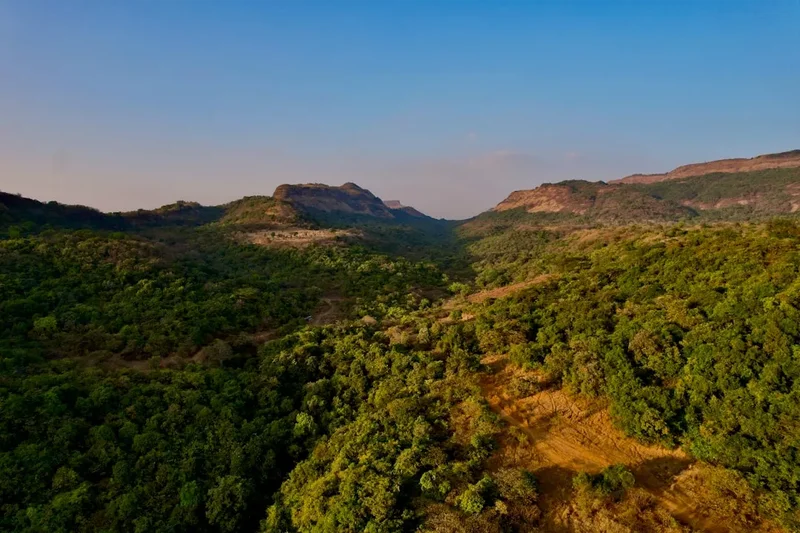
The surrounding area is characterised by dry deciduous forests and scrubland, which can be quite dry during the summer months. The best time to visit is between October and March, when the weather is pleasant and the humidity is lower. During the monsoon season (June to September), the hills can become slippery and dangerous, and the views may be obscured by clouds. The presence of a fort on the hill, though largely in ruins, adds a historical dimension to the trek, hinting at its past strategic importance.
History and Cultural Context
Savandurga Hill holds a significant place in the history of the region, particularly concerning its role as a strategic military outpost. The hill fort, parts of which still stand today, was built by the local rulers of Mysore. Historical records suggest that the fort was a key stronghold during various periods of conflict and rule in the Deccan plateau. It is believed to have been constructed by the Hoysala rulers in the 16th century, and later expanded and fortified by the Vijayanagara Empire. It subsequently fell under the control of the Marathas and later Hyder Ali and Tipu Sultan, rulers of the Kingdom of Mysore.
The fort's strategic location, offering commanding views of the surrounding plains, made it an ideal defensive position. The ruins of the fort, including ramparts, bastions, and a temple dedicated to Narasimha Swamy, are testaments to its historical importance. The Narasimha Swamy temple, located at the base of the hill, is a popular pilgrimage site and often the starting point for the trek. The presence of these historical remnants adds a layer of cultural depth to the natural beauty of Savandurga, attracting not only trekkers but also history enthusiasts.
The hill is also considered sacred, with local legends and folklore associated with it. The name "Savandurga" itself is believed to be derived from "Savan" (a local deity) and "Durga" (fort). The hill's dual peaks, Biligudda and Savandurga, are often mentioned in local lore, with each having its own significance. The historical context of the fort and its rulers provides a fascinating backdrop to the modern-day trekking experience, allowing visitors to connect with the past while enjoying the present natural landscape.
Seasonal Highlights and Weather Reality
The Savandurga Hill Trek is best enjoyed during the post-monsoon and winter months, from October to March. During this period, the weather is generally pleasant, with cooler temperatures and lower humidity, making the ascent more comfortable and enjoyable. The landscape, having received ample rainfall, is often lush and green, offering picturesque views.
October to March (Post-Monsoon/Winter): This is the prime trekking season. The skies are usually clear, offering excellent visibility for panoramic views from the summit. Daytime temperatures typically range from 20°C to 30°C, with evenings and early mornings being cooler. This period is ideal for sunrise and sunset treks. The trails are dry and stable, making the climb safer and more accessible.
April to May (Summer): These months are characterised by hot and humid weather. Daytime temperatures can soar above 35°C, making the trek strenuous and potentially uncomfortable. Water sources might be scarce, and the risk of dehydration is high. While still possible, it is advisable to start very early in the morning and carry plenty of water. The landscape can appear dry and parched.
June to September (Monsoon): While the monsoon season brings a dramatic transformation to the landscape, turning it verdant and creating numerous temporary waterfalls, it also presents significant challenges and risks for trekkers. The trails become extremely slippery and muddy, increasing the chances of falls and injuries. Visibility can be severely reduced due to fog and clouds, obscuring the much-anticipated views. Heavy rainfall can also lead to flash floods in certain areas, making the trek dangerous. Therefore, trekking during the peak monsoon months is generally not recommended unless experienced and equipped for such conditions, and with careful monitoring of weather forecasts.
Recommended Itinerary
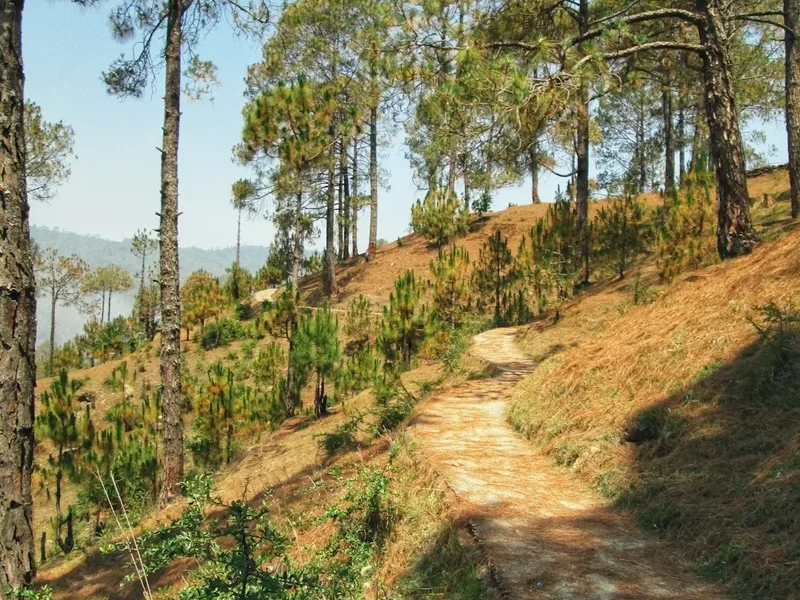
Savandurga Hill Trek - Day Hike Itinerary
Early Morning (4:00 AM - 5:00 AM): Departure from Bangalore
- Depart from Bangalore in a private vehicle or taxi.
- Ensure you have sufficient fuel and snacks for the journey.
- The drive typically takes around 2 hours, depending on traffic conditions.
Morning (6:00 AM - 7:00 AM): Arrival at Trailhead and Start of Trek
- Arrive at the base of Savandurga Hill, near the Narasimha Swamy temple.
- Park your vehicle at the designated parking area.
- Begin the trek towards the summit. The initial part of the trail is relatively gentle.
- Carry sufficient water and start hydrating immediately.
Mid-Morning (7:00 AM - 9:00 AM): Ascent to the Summit
- The trail becomes steeper and rockier as you ascend.
- Navigate through the well-marked paths and occasional rocky scrambles.
- Take short breaks to catch your breath and admire the changing scenery.
- Observe the ruins of the ancient fort along the way.
- Reach the summit of Savandurga Hill.
Late Morning (9:00 AM - 10:30 AM): Summit Exploration and Sunrise Viewing
- Spend time at the summit, enjoying the panoramic 360-degree views.
- If you started early for sunrise, this is the prime time to witness the spectacular dawn.
- Explore the remnants of the fort and the temple at the summit.
- Take photographs and soak in the serene atmosphere.
Late Morning/Midday (10:30 AM - 12:00 PM): Descent from the Summit
- Begin your descent from the summit.
- Exercise caution on the rocky and steep sections during the descent.
- The descent is generally quicker than the ascent.
Midday (12:00 PM - 1:00 PM): Return to Trailhead and Breakfast/Brunch
- Arrive back at the base of the hill.
- Enjoy a well-deserved breakfast or brunch at a local eatery near the temple or pack your own.
Afternoon (1:00 PM onwards): Return Journey to Bangalore
- Begin your drive back to Bangalore.
- Reflect on the invigorating trek and the beautiful views.
Important Notes:
- This is a day hike; no overnight accommodation is required.
- Start your trek early to avoid the midday heat, especially during warmer months.
- Carry at least 2-3 litres of water per person.
- Wear sturdy trekking shoes with good grip.
- Sunscreen, hats, and sunglasses are essential.
- A basic first-aid kit is recommended.
- Check weather forecasts before you go.
Planning and Bookings
Book Your Trip
Everything you need to plan your journey
Accommodation
Find places to stay near Bangalore
Flights
Search flights to Bangalore
Essential Preparation
Savandurga Hill Trek is a popular day trip from Bangalore, making it relatively easy to plan. The primary logistical consideration is transportation. Most visitors travel from Bangalore by car or taxi, which takes approximately 2 hours. It's advisable to start your journey early in the morning, especially if you aim to catch the sunrise from the summit. This also helps in avoiding the peak heat of the day. Ensure your vehicle is in good condition and has sufficient fuel. For those without private transport, local buses run from Bangalore to Magadi, a town near Savandurga, from where you can hire an auto-rickshaw or a local taxi to reach the base of the hill. It's wise to confirm bus timings and availability in advance. Basic amenities like food and water are available at the base of the hill, but it's always recommended to carry your own supplies, especially water, as the climb can be strenuous.
Trail Accommodation
This is a day hike requiring no overnight accommodation.
Required Gear
- Trekking Shoes: Sturdy, well-gripped trekking shoes are essential for navigating the rocky and sometimes steep terrain.
- Backpack: A small to medium-sized backpack (20-30 litres) to carry essentials like water, snacks, and personal items.
- Clothing: Lightweight, breathable clothing suitable for warm weather. Layers are advisable as temperatures can vary between early morning and midday.
- Headwear: A hat or cap to protect from the sun.
- Sun Protection: High SPF sunscreen, sunglasses.
- Navigation: While the trail is generally well-marked, a GPS device or a reliable offline map on your smartphone can be useful.
- First-Aid Kit: A basic kit including bandages, antiseptic wipes, pain relievers, and any personal medications.
- Insect Repellent: Especially useful during certain times of the year.
What to Bring
- Water: Carry at least 2-3 litres of water per person. Hydration is crucial, especially during warmer months.
- Food: High-energy snacks such as fruits, nuts, energy bars, and sandwiches. You can also have breakfast or brunch at local eateries near the base.
- Camera: To capture the stunning views and the historical fort ruins.
- Power Bank: For charging your mobile phone or camera.
- Hand Sanitiser: For maintaining hygiene.
- Toilet Paper: Basic facilities might be available, but it's good to be prepared.
- Cash: For local purchases, transport, or donations at the temple.
Permits
Typically, no specific permits are required for the Savandurga Hill Trek. The hill and its surrounding areas are generally accessible to the public for day trekking. However, it is always advisable to check with local authorities or the forest department for any updated regulations or entry fees, especially if visiting during peak seasons or if there are any specific conservation efforts underway. The Narasimha Swamy temple at the base may have its own visiting hours and rules.
Local Regulations: While formal permits are usually not mandated, it's good practice to be aware of local customs and rules. Respecting the environment and the historical sites is paramount. Avoid littering and ensure you follow any guidelines provided by local guides or temple authorities.
Best Time to Visit: The ideal period for this trek is from October to March, when the weather is pleasant and conducive to outdoor activities. Avoid the monsoon season (June to September) due to slippery conditions and poor visibility, and the peak summer months (April to May) due to extreme heat.
Other Activities in the Area
While the Savandurga Hill Trek is the primary attraction, the surrounding region offers several other points of interest and activities for visitors:
- Narasimha Swamy Temple: Located at the base of Savandurga, this ancient temple is dedicated to Lord Narasimha, an avatar of Lord Vishnu. It's a significant pilgrimage site and often the starting point for the trek. Visitors can explore the temple's architecture and soak in the spiritual atmosphere.
- Magadi Fort: A short drive from Savandurga, Magadi Fort is another historical site with remnants of fortifications and watchtowers. It offers a glimpse into the region's past military significance and provides good views of the surrounding countryside.
- Manchanabele Dam: This reservoir, located a few kilometres from Savandurga, is a scenic spot popular for picnics and enjoying the natural beauty. The calm waters and the surrounding hills create a tranquil environment. It's a good place to relax after the trek.
- Ramanagara: Famous for its rocky hills and as a filming location for the iconic Bollywood movie 'Sholay', Ramanagara is another trekking and bouldering destination nearby. It offers a different kind of rocky landscape and is worth visiting for those interested in more challenging climbs or exploring unique geological formations.
- Local Villages and Culture: Exploring the nearby villages can offer insights into the rural life and culture of Karnataka. Interacting with locals and experiencing their way of life can be a rewarding cultural immersion.
- Birdwatching: The scrub forests and water bodies around Savandurga can be good spots for birdwatching, especially during the cooler months when migratory birds might be present.
Safety and Conditions
Trail Conditions: The Savandurga Hill Trek involves a moderate ascent over rocky terrain. The path is generally well-defined, but can be steep and slippery, especially after rain. Sturdy trekking shoes with good grip are essential to prevent slips and falls. The summit area is exposed, so be mindful of the weather.
Weather: The best time to trek is from October to March. During summer (April-May), temperatures can be very high, making the trek strenuous. The monsoon season (June-September) brings heavy rains, making the trails extremely slippery and potentially dangerous. Always check the weather forecast before you go. If heavy rain is predicted, it is advisable to postpone the trek.
Hydration and Nutrition: Carry ample water (at least 2-3 litres per person) as there are limited water sources on the trail. High-energy snacks are also recommended to maintain stamina. Dehydration can be a serious risk, especially during warmer months.
Sun Protection: The summit is exposed, and the sun can be intense. Wear a hat, sunglasses, and apply sunscreen liberally. Start your trek early in the morning to avoid the harshest sun rays.
First Aid: Carry a basic first-aid kit for minor injuries, blisters, or cuts. It's also wise to have any personal medications you might need.
Wildlife: While major wildlife encounters are rare on this popular trail, be aware of your surroundings. Small reptiles and insects are common. Avoid disturbing any wildlife you may encounter.
Guides: For those unfamiliar with the area or seeking historical insights, hiring a local guide can enhance the experience and ensure safety. However, the trail is generally considered safe for independent trekkers.
Emergency Contacts: Keep a fully charged mobile phone with you. Note down emergency contact numbers for local police or ambulance services in the Bangalore rural district.
Side Trips and Points of Interest
Narasimha Swamy Temple: Located at the foot of the hill, this ancient temple is a significant landmark and often the starting point for the trek. It's dedicated to Lord Narasimha, an incarnation of Lord Vishnu. The temple's architecture and spiritual ambiance make it a worthwhile visit before or after the trek. It's a place of worship and a historical monument.
Ruins of Savandurga Fort: As you ascend Savandurga Hill, you will encounter remnants of the ancient fort that once stood here. These include crumbling walls, bastions, and gateways. Exploring these ruins offers a glimpse into the hill's historical past as a strategic military outpost. The fort was built by the Vijayanagara rulers and later controlled by various dynasties, adding layers of history to the trek.
Biligudda (Smaller Peak): Savandurga is often described as having two peaks. While the main trek focuses on the larger Savandurga peak, the smaller Biligudda peak is also visible. Some trekkers might choose to explore this peak as well, though it is less commonly ascended. The views from Biligudda can also be rewarding.
Panoramic Summit Views: The primary point of interest is the summit itself. From the top, you are rewarded with breathtaking 360-degree views of the surrounding landscape. This includes the plains, the Arkavathi River, the Manchanabele Dam in the distance, and other smaller hills. The view is particularly spectacular during sunrise and sunset, offering a vast canvas of colours.
Rock Formations: The hill is composed of granite, and the trek involves navigating through interesting rock formations. These natural geological features add to the visual appeal of the trek and provide opportunities for photography.
Leave No Trace
The Savandurga Hill Trek, like any natural area, requires visitors to practice Leave No Trace principles to preserve its beauty and ecological integrity. As a popular day-hike destination, it faces pressure from visitor numbers, making responsible behaviour crucial.
Plan Ahead and Prepare: Before your visit, check weather conditions and trail status. Understand the terrain and your own capabilities. Carry appropriate gear, including sufficient water and food, to minimise reliance on the natural environment.
Travel and Camp on Durable Surfaces: Stick to the marked trails. Avoid creating new paths, as this can lead to erosion and damage fragile vegetation. The summit area is rocky, so tread carefully to avoid disturbing the natural rock formations.
Dispose of Waste Properly: Pack out everything you pack in. This includes all food wrappers, plastic bottles, and any other refuse. There are limited waste disposal facilities at the base, so it's best to carry your trash back to Bangalore. Use designated toilets if available, or follow proper cathole procedures if necessary, far from water sources.
Leave What You Find: Do not remove any natural objects, such as rocks, plants, or historical artefacts from the fort ruins. Take only photographs and memories.
Minimise Campfire Impacts: Campfires are generally not permitted or advisable on this day hike. If you are planning a longer excursion or camping nearby (though not on Savandurga itself), use established fire rings and be aware of fire restrictions.
Respect Wildlife: Observe wildlife from a distance and do not feed them. Feeding animals can disrupt their natural behaviours and diets, and can be harmful to their health.
Be Considerate of Other Visitors: Keep noise levels down, especially during sunrise and sunset, to allow everyone to enjoy the tranquility of the natural environment. Yield to other hikers on narrow sections of the trail.