
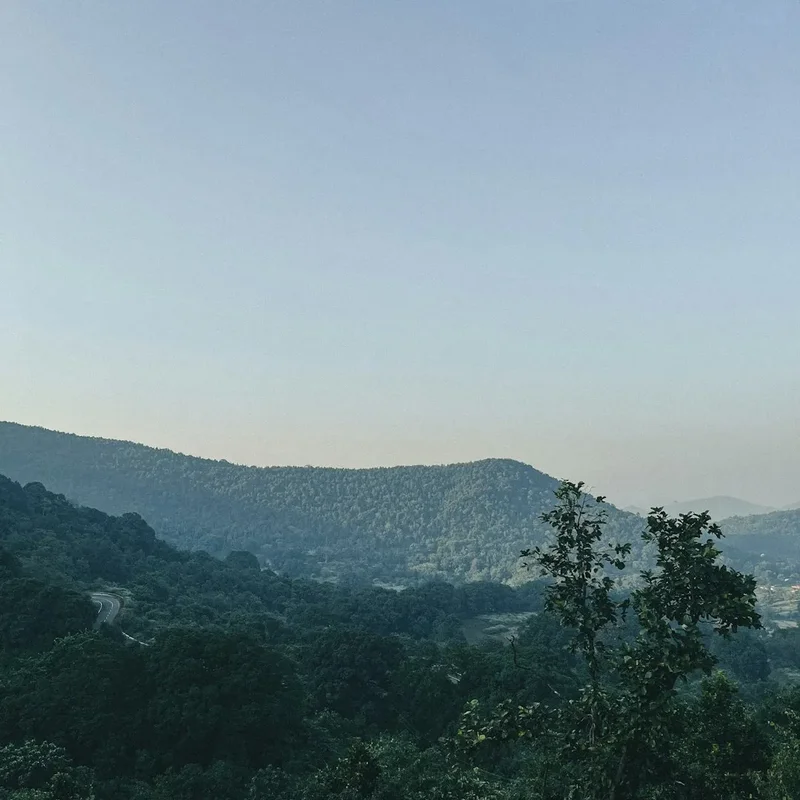
Sandakphu Phalut Trek - The Roof of the World
The Sandakphu Phalut Trek, often referred to as the Singalila Ridge Trek, is a Himalayan journey that offers unparalleled views of four of the world's five highest peaks: Mount Everest, Kanchenjunga, Lhotse, and Makalu. This trek, primarily situated in the Darjeeling district of West Bengal, India, and extending into Nepal, traverses the Singalila Ridge, a natural border between India and Nepal. It's renowned for its breathtaking panoramas, diverse flora and fauna, and the unique cultural tapestry of the region, inhabited by Sherpa, Bhutia, and Nepali communities.
Unlike many high-altitude treks that involve arduous climbs and remote wilderness, the Sandakphu Phalut trek is accessible and relatively moderate, making it suitable for trekkers with a reasonable level of fitness. The trail winds through rhododendron forests, alpine meadows, and charming villages, offering a rich experience of the Eastern Himalayas. The highest point, Sandakphu, at 3,636 metres, provides a legendary sunrise view of Kanchenjunga, often described as the most beautiful mountain vista in the world. Phalut, the second highest point, offers equally stunning, albeit different, perspectives.
- Distance: Approximately 51.0 km one-way
- Duration: 5-6 days
- Season: October to early December (Autumn) and March to May (Spring)
- Highest point: Sandakphu (3,636 m)
- Difficulty: Moderate
- Base Town: Manebhanjan (accessible from Darjeeling)
- Accommodation: Trekkers' huts and lodges
- Direction: Typically starts from Manebhanjan and ends at Rimbick, or vice-versa.
Overview
The Sandakphu Phalut Trek is a journey that unfolds gradually, revealing its grandeur with each step. The trek begins in Manebhanjan, a small town on the Indo-Nepal border, and ascends through dense forests of rhododendron, oak, and fir. The initial days are characterised by steady climbs, offering glimpses of the lower Himalayan ranges and the verdant valleys below. As you gain altitude, the vegetation changes, and the air becomes crisper. The trail is well-defined, often following the ridge line, which provides continuous, expansive views.
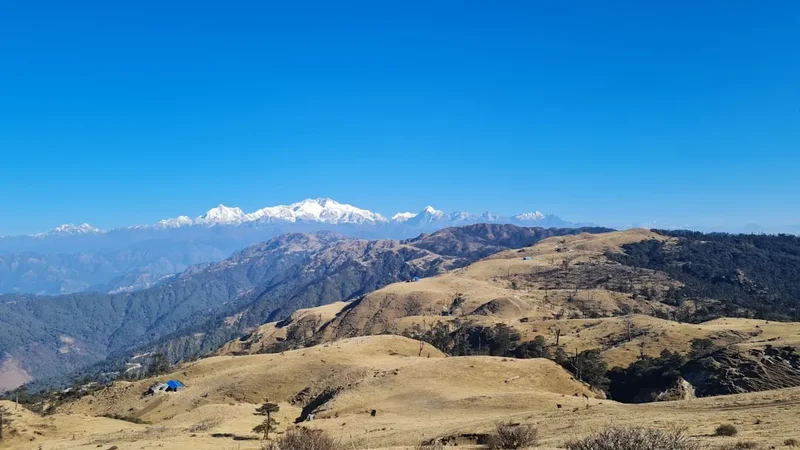
The highlight of the trek is undoubtedly the view from Sandakphu. At 3,636 metres, it is the highest point in West Bengal and offers a panoramic vista of the Kanchenjunga massif, appearing like a sleeping giant. On a clear day, one can also see Mount Everest, Lhotse, and Makalu, forming an awe-inspiring "Everest Massif" view. The sunrise from Sandakphu is a spectacle that draws trekkers from around the globe, painting the snow-capped peaks in hues of orange and gold.
From Sandakphu, the trail continues along the Singalila Ridge towards Phalut. This section of the trek is more exposed and offers continuous views of the Himalayas. Phalut, at 3,600 metres, provides another magnificent vantage point, particularly for Kanchenjunga. The descent from Phalut is gradual, leading through charming villages and forests towards Rimbick, the traditional end point of the trek. The trek is not just about the mountains; it's also about the experience of walking through diverse ecosystems, interacting with local communities, and immersing oneself in the serene beauty of the Himalayas.
The trek's moderate difficulty makes it an excellent choice for those seeking a Himalayan experience without extreme altitude challenges. The presence of trekkers' huts and lodges along the route ensures a comfortable stay, and the well-trodden paths make navigation relatively straightforward, though a guide is always recommended for deeper insights and safety.
History and Cultural Context
The Singalila Ridge, forming the backbone of this trek, has historically been a significant geographical and cultural boundary. For centuries, it served as a natural demarcation between the kingdoms of Sikkim and Nepal, and later, between India and Nepal. The region's strategic importance has led to a rich history of trade, migration, and cultural exchange.
The area around Sandakphu and Phalut has been a favoured vantage point for observing the majestic Himalayan peaks for a long time. Early explorers and surveyors recognised its potential for unparalleled mountain views. The development of the trek as a popular route is relatively recent, gaining traction in the latter half of the 20th century as tourism infrastructure in Darjeeling and the surrounding regions improved.
The local communities, primarily of Sherpa, Bhutia, and Nepali descent, have inhabited these hills for generations. Their lives are deeply intertwined with the land, agriculture, and the mountains. Many of the lodges and tea houses along the trek are run by these local families, offering trekkers a chance to experience their warm hospitality and learn about their unique customs and traditions. The cultural landscape is as rich as the natural one, with Buddhist monasteries, prayer flags fluttering in the wind, and the gentle rhythm of village life adding another dimension to the trekking experience.
The region also holds significance in the context of border management and trade between India and Nepal. The Singalila National Park, which the trek passes through, plays a crucial role in conservation efforts, protecting the unique biodiversity of the Eastern Himalayas.
Seasonal Highlights and Weather Reality
The Sandakphu Phalut Trek is best undertaken during two distinct seasons, each offering a unique experience:
Autumn (October to early December): This is arguably the most popular time to trek. The monsoon rains have cleared, leaving the skies exceptionally clear and offering pristine, unobstructed views of the Himalayan giants. The air is crisp and cool, and the temperatures are pleasant for walking. Rhododendron forests, though past their blooming prime, still offer a beautiful backdrop. Visibility is at its peak during this period, making the mountain panoramas truly spectacular. Daytime temperatures can range from 10-15°C, dropping to 0-5°C at night, especially at higher altitudes.
Spring (March to May): Spring brings a vibrant transformation to the landscape. The rhododendron forests burst into bloom, carpeting the hillsides with a riot of colours—red, pink, and white. The weather is generally pleasant, with warming temperatures. While the views can be as stunning as in autumn, there's a slightly higher chance of occasional cloud cover or brief showers compared to the dry autumn months. Daytime temperatures are similar to autumn, perhaps a few degrees warmer, while nights remain cool. This season is ideal for photographers and nature lovers who wish to witness the region's floral beauty.
Monsoon (June to September): This period is generally not recommended for trekking. Heavy rainfall can lead to landslides, making the trails treacherous and often impassable. Visibility is severely reduced due to persistent cloud cover, obscuring the magnificent mountain views. The trails can become muddy and slippery, increasing the risk of accidents.
Winter (Late December to February): While the skies can be clear, winter brings extreme cold, especially at Sandakphu and Phalut. Temperatures can plummet well below freezing, with heavy snowfall common. While the snow-covered landscape can be beautiful, the extreme cold and potential for blizzards make this season challenging and require specialised winter trekking gear and experience. The trails might be covered in snow, requiring navigation skills and potentially snowshoes.
Weather Reality: Even during the best seasons, Himalayan weather is notoriously unpredictable. Sudden changes can occur, with fog rolling in rapidly, reducing visibility to mere metres. It is crucial to be prepared for all conditions, including rain, wind, and cold, regardless of the season. Layering clothing is essential to adapt to fluctuating temperatures.
Recommended Itinerary
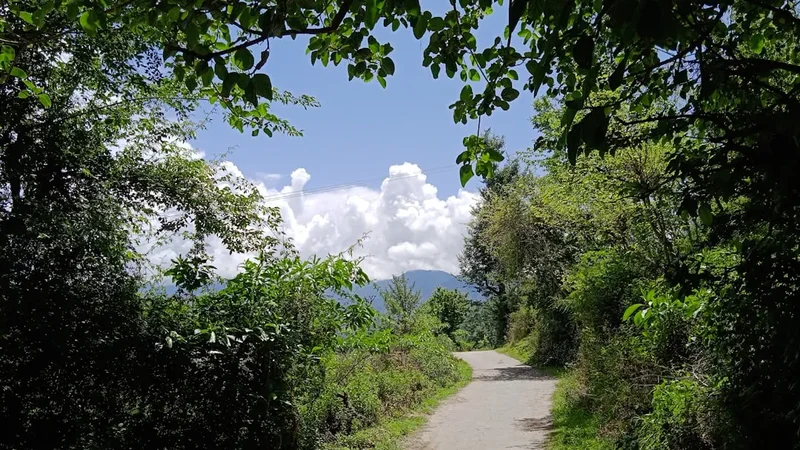
5-Day Sandakphu Phalut Trek Itinerary
Day 1: Manebhanjan to Tonglu
- Distance: Approximately 11 km
- Elevation gain: ~1,000 m
- Time: 4–5 hours
- Start from Manebhanjan (2,134 m)
- The trail is a mix of jeep track and footpaths
- Gradual ascent through rhododendron and oak forests
- Pass through small villages and settlements
- Arrive at Tonglu (3,070 m), a scenic spot with excellent views of Kanchenjunga
- Overnight stay in a trekkers' hut or lodge
Day 2: Tonglu to Garibas
- Distance: Approximately 9 km
- Elevation gain: ~400 m
- Time: 3–4 hours
- Continue along the Singalila Ridge
- The trail offers continuous views of the Kanchenjunga range
- Pass through meadows and scattered villages
- Arrive at Garibas (3,200 m), a small settlement offering basic accommodation
- Enjoy the serene mountain landscape and the quietude of the ridge
Day 3: Garibas to Sandakphu
- Distance: Approximately 6 km
- Elevation gain: ~436 m
- Time: 2–3 hours
- A shorter day, allowing ample time to acclimatise and enjoy the surroundings
- The trail ascends steadily towards Sandakphu
- Reach Sandakphu (3,636 m), the highest point of the trek
- Witness the spectacular panoramic views of Everest, Lhotse, Makalu, and Kanchenjunga
- Overnight stay in a trekkers' hut or lodge at Sandakphu
- Prepare for the iconic sunrise view the next morning
Day 4: Sandakphu to Phalut
- Distance: Approximately 15 km
- Elevation gain: ~300 m, with ups and downs
- Time: 5–6 hours
- Trek along the Singalila Ridge towards Phalut
- The trail is more exposed and offers continuous, breathtaking views
- Pass through the beautiful Sabargram area
- Arrive at Phalut (3,600 m), another high point with stunning vistas
- Phalut offers a different perspective of Kanchenjunga and the surrounding peaks
- Overnight stay in a trekkers' hut or lodge at Phalut
Day 5: Phalut to Rimbick
- Distance: Approximately 14 km
- Elevation loss: ~1,500 m
- Time: 4–5 hours
- Begin the descent from Phalut
- The trail gradually descends through forests and villages
- Pass through Srikhola, a picturesque village with a river
- Arrive at Rimbick (2,200 m), the end point of the trek
- From Rimbick, you can arrange transport back to Darjeeling or other destinations
Note: This is a sample itinerary and can be adjusted based on fitness levels and preferences. Some trekkers opt for a 6-day itinerary by adding an extra day at Sandakphu for acclimatisation or exploration, or by breaking the descent into two days.
Planning and Bookings
Book Your Trip
Everything you need to plan your journey
Accommodation
Find places to stay near Darjeeling
Flights
Search flights to Darjeeling
Essential Preparation
The Sandakphu Phalut Trek is a moderate-level trek that requires good physical fitness. Begin your preparation at least 2-3 months in advance by engaging in regular cardiovascular exercises such as jogging, hiking, and stair climbing. Focus on building stamina and strengthening your legs and core. Familiarise yourself with trekking in varying weather conditions.
Logistics: The nearest major city and gateway to the trek is Darjeeling. From Bagdogra Airport (IXB) or NJP Railway Station, you will need to arrange transport to Darjeeling (approx. 3-4 hours). From Darjeeling, a jeep or taxi is required to reach Manebhanjan, the starting point of the trek (approx. 1.5-2 hours). The road conditions to Manebhanjan can be rough, and sometimes a 4x4 vehicle is recommended, especially during or after the monsoon. It is advisable to book your transport in advance, particularly during peak trekking seasons.
Base Town Information: Darjeeling offers a wide range of accommodation options, from budget guesthouses to luxury hotels. It has well-stocked markets for any last-minute gear purchases, ATMs, and numerous restaurants. Manebhanjan is a small border town with basic amenities, including a few lodges and tea houses. It's advisable to spend a night in Darjeeling to acclimatise slightly and make final arrangements before heading to Manebhanjan.
Trail Accommodation
Accommodation along the Sandakphu Phalut Trek primarily consists of trekkers' huts and lodges, often run by local communities. These provide basic but comfortable shelter for trekkers.
Tonglu: A trekkers' hut managed by the West Bengal Forest Department is available. It offers basic rooms with beds. Booking in advance is highly recommended, especially during peak season. Facilities are rudimentary, with shared bathrooms and limited electricity (often solar-powered for a few hours). Food can usually be arranged through the caretaker.
Garibas: A few small lodges and tea houses are available. These are often run by local families and offer simple rooms. Facilities are basic, and food is typically prepared on order. Electricity might be limited.
Sandakphu: Sandakphu has several trekkers' huts and lodges, including government-run facilities and private accommodations. These are the most developed options on the trek. Booking in advance is crucial, as Sandakphu is a popular destination. Facilities include rooms with beds, attached or shared bathrooms, and dining areas. Hot water might be available at an extra cost. Food is readily available.
Phalut: Similar to Sandakphu, Phalut has trekkers' huts and lodges. Accommodation is basic, and advance booking is advised. The views from Phalut are spectacular, making it a worthwhile stop.
Rimbick: The end point of the trek, Rimbick, has a few lodges and guesthouses offering more comfortable accommodation compared to the higher altitude huts.
Booking Requirements: For government-run trekkers' huts, booking can often be done through the West Bengal Forest Department or designated tourism offices in Darjeeling. Private lodges can usually be booked directly or through local tour operators. It is strongly advised to book accommodation at least a few weeks, if not months, in advance, especially for Sandakphu and Phalut during peak seasons.
Facilities Provided: Basic bedding (mattresses and blankets), a roof over your head, and usually a common dining area. Some places may offer charging points for electronic devices, but this is not guaranteed.
What's NOT Provided: Sleeping bags (though some lodges might offer them for rent), toiletries, towels, cooking equipment, electricity (often intermittent), heating, and hot water (may be available at extra cost).
Seasonal Availability: Accommodation is generally available year-round, but services might be reduced or unavailable during the monsoon season or extreme winter conditions. Peak seasons (Autumn and Spring) see the highest demand.
Costs: Costs vary significantly. Trekkers' huts might range from ₹800-₹2,000 per night, while private lodges can cost ₹1,500-₹4,000 or more, depending on the location and facilities. Food costs are additional and can range from ₹500-₹1,000 per day per person.
Required Gear
- Trekking Boots: Sturdy, waterproof, ankle-supporting trekking boots that are well broken-in.
- Backpack: A comfortable trekking backpack (40-55 litres) with a rain cover.
- Clothing Layers:
- Base Layers: Thermal innerwear (merino wool or synthetic) for warmth.
- Mid Layers: Fleece jacket or down vest for insulation.
- Outer Layer: Waterproof and windproof jacket (Gore-Tex or similar) and trousers.
- Headwear: Warm beanie or woollen hat, and a sun hat or cap for daytime.
- Gloves: Warm, waterproof gloves or mittens.
- Socks: Several pairs of woollen or synthetic trekking socks.
- Headlamp/Torch: With extra batteries, essential for early mornings and evenings.
- Sunglasses: High UV protection sunglasses.
- First-Aid Kit: Comprehensive kit including personal medications, blister treatment, pain relievers, antiseptic wipes, bandages, and any personal prescriptions.
- Navigation: Map of the trekking route, compass, and a GPS device or smartphone with offline maps. A guide is highly recommended.
- Trekking Poles: Highly recommended for stability and reducing strain on knees, especially during descents.
- Water Bottles/Hydration Reservoir: At least 2 litres capacity.
- Water Purification: Water filter, purification tablets, or UV steriliser.
What to Bring
- Food Supplies: While lodges provide meals, it's wise to carry high-energy snacks like nuts, dried fruits, energy bars, and chocolates for consumption during the trek.
- Toiletries: Biodegradable soap, toothbrush, toothpaste, sunscreen (SPF 30+), lip balm with SPF, hand sanitiser, and toilet paper.
- Personal Items: Camera with extra batteries and memory cards, power bank for charging devices, a small towel, and any personal comfort items.
- Documents: Identification (ID card/passport), permits, and any necessary booking confirmations. Keep them in a waterproof pouch.
- Cash: Sufficient Indian Rupees (INR) for accommodation, food, transport, and any miscellaneous expenses. ATMs are scarce on the trail.
- Small Backpack/Daypack: For carrying essentials during day hikes or short excursions from the lodge.
- Insect Repellent: Especially useful during warmer months.
- Duct Tape: Useful for quick repairs to gear.
- Whistle: For emergencies.
Permits
For the Sandakphu Phalut Trek, permits are generally required for entry into the Singalila National Park. The specific requirements and issuing authorities can vary, but typically:
Singalila National Park Entry Permit: This permit is usually obtained at the entry point of the park, most commonly at Manebhanjan or a designated checkpoint along the route. The permit fee is nominal and covers entry for trekkers and sometimes for guides and porters. It's advisable to confirm the exact location and procedure for obtaining this permit before starting your trek.
Inner Line Permit (ILP): While not always strictly enforced for Indian nationals on this specific route, foreign nationals may require an Inner Line Permit (ILP) to visit certain border areas. It is best to check with local authorities or your tour operator regarding ILP requirements for your nationality. These permits are typically obtained from the District Magistrate's office in Darjeeling or through the tourism department.
Booking and Fees:
- Permits are usually issued on the spot at the respective checkpoints.
- Fees are generally modest, typically ranging from ₹100-₹300 per person for the national park permit, with additional charges for vehicles if applicable.
- Foreign nationals might have different permit fees and requirements.
- It is always recommended to carry photocopies of your ID and permits.
Important Considerations:
- Always confirm the latest permit regulations with local tourism offices or your trekking agency before your trip.
- Ensure your guide is aware of all permit requirements and assists in obtaining them.
- Keep your permits safe throughout the trek, as they may be checked at various points.
Other Activities in the Area
Beyond the trek itself, the Darjeeling region and its surroundings offer several other attractions and activities:
- Darjeeling City Exploration: Visit the iconic Darjeeling Himalayan Railway (Toy Train), the Padmaja Naidu Himalayan Zoological Park, the Himalayan Mountaineering Institute, the Peace Pagoda, and the vibrant local markets.
- Tea Gardens Tour: Darjeeling is world-famous for its tea. Visit a tea estate, learn about the tea-making process, and enjoy a tasting session. Popular estates include Makaibari, Glenburn, and Happy Valley.
- Tiger Hill Sunrise: While the trek offers its own sunrise views, a visit to Tiger Hill near Darjeeling for sunrise over Kanchenjunga is a classic experience.
- Mirik Lake: A picturesque tourist spot about an hour's drive from Darjeeling, known for its serene lake, boating facilities, and orange orchards.
- Kalimpong: Another charming hill station known for its monasteries, flower nurseries, and colonial-era bungalows.
- Local Cuisine: Savour the local delicacies of Darjeeling, including momos, thukpa, and various Tibetan dishes.
- Photography: The entire region is a paradise for photographers, with stunning landscapes, vibrant cultures, and unique flora and fauna.
Safety and Conditions
Altitude Sickness (AMS): Sandakphu (3,636 m) and Phalut (3,600 m) are at moderate altitudes. While AMS is less common than on higher treks, it is still a risk. Symptoms include headache, nausea, dizziness, and fatigue. The best prevention is gradual ascent, adequate hydration, and avoiding strenuous activity on the first day at higher altitudes. If symptoms appear, descend immediately. The itinerary is designed with gradual ascents to minimise this risk.
Weather: Himalayan weather is unpredictable. Be prepared for sudden changes, including fog, rain, wind, and cold, even during the trekking season. Always check the weather forecast before you set out each day and carry appropriate gear.
Trail Conditions: The trails are generally well-defined but can be steep and rocky in places. During and after the monsoon, trails can become muddy and slippery. Trekking poles are highly recommended for stability.
Health and Hygiene: Drink only purified water. Carry a water filter or purification tablets. Maintain good personal hygiene to avoid stomach upsets. Wash hands frequently, especially before eating.
Communication: Mobile network coverage is intermittent and often unavailable on the higher ridges. Inform your family or friends about your itinerary and expected return date. Consider carrying a satellite phone or personal locator beacon (PLB) for emergencies, especially if trekking solo or in remote areas.
Guides and Porters: Hiring a local guide is highly recommended. They possess invaluable knowledge of the terrain, weather patterns, local culture, and emergency procedures. Porters can help carry your load, making the trek more enjoyable.
Emergency Evacuation: In case of a serious medical emergency, evacuation might be necessary. This can be arranged via jeep from Manebhanjan or Rimbick, or in critical cases, helicopter evacuation might be considered (though extremely expensive). Ensure you have adequate travel insurance that covers high-altitude trekking and emergency evacuation.
Wildlife: The Singalila National Park is home to various wildlife, including red pandas, barking deer, and various bird species. While encounters are rare, maintain a safe distance and do not feed any animals.
Side Trips and Points of Interest
Sunrise at Sandakphu: This is the undisputed highlight of the trek. Waking up before dawn to witness the sun illuminating the world's highest peaks—Everest, Lhotse, Makalu, and the majestic Kanchenjunga—is an unforgettable experience. The "Sleeping Buddha" formation of Kanchenjunga is particularly striking.
Phalut Views: While Sandakphu offers the most famous panorama, Phalut provides a different, equally stunning perspective. The views of Kanchenjunga from Phalut are often considered more direct and imposing. The ridge walk between Sandakphu and Phalut is also a scenic delight.
Rhododendron Forests: During spring (March-May), the trails are lined with vibrant rhododendron blooms, creating a spectacular display of colour. The forests are a photographer's dream during this season.
Singalila National Park: The trek passes through this protected area, which is home to diverse flora and fauna. Keep an eye out for unique bird species and, if you're very lucky, the elusive red panda.
Local Villages: The trail passes through small hamlets and villages where you can observe the daily life of the local communities, their unique architecture, and their warm hospitality. Interacting with locals offers a deeper cultural insight.
Srikhola River: On the descent from Phalut towards Rimbick, the trail often passes by the beautiful Srikhola river. It's a serene spot for a break, with clear waters and lush surroundings.
Leave No Trace
The Sandakphu Phalut Trek traverses pristine natural landscapes and passes through sensitive ecosystems. Adhering to Leave No Trace principles is crucial to preserve the beauty and integrity of this region for future generations.
- Plan Ahead and Prepare: Familiarise yourself with the route, weather conditions, and local regulations. Pack appropriately to minimise waste.
- Travel and Camp on Durable Surfaces: Stick to the established trails and designated camping areas (if applicable). Avoid walking on fragile vegetation.
- Dispose of Waste Properly: Pack out everything you pack in, including all food scraps, wrappers, and toilet paper. Use designated toilets where available. If not, dig a cathole at least 70 metres away from water sources, trails, and campsites.
- Leave What You Find: Do not disturb or remove natural objects such as rocks, plants, or flowers. Take only photographs and memories.
- Minimise Campfire Impacts: Campfires are generally discouraged or prohibited on this trek due to the risk of environmental damage and fire hazards. Use portable stoves for cooking.
- Respect Wildlife: Observe wildlife from a distance. Never feed animals, as it can disrupt their natural behaviours and diets.
- Be Considerate of Other Visitors: Keep noise levels down, respect local customs, and yield to other trekkers on narrow paths.
By following these principles, you contribute to the conservation of the Himalayan environment and ensure a positive experience for yourself and others.