
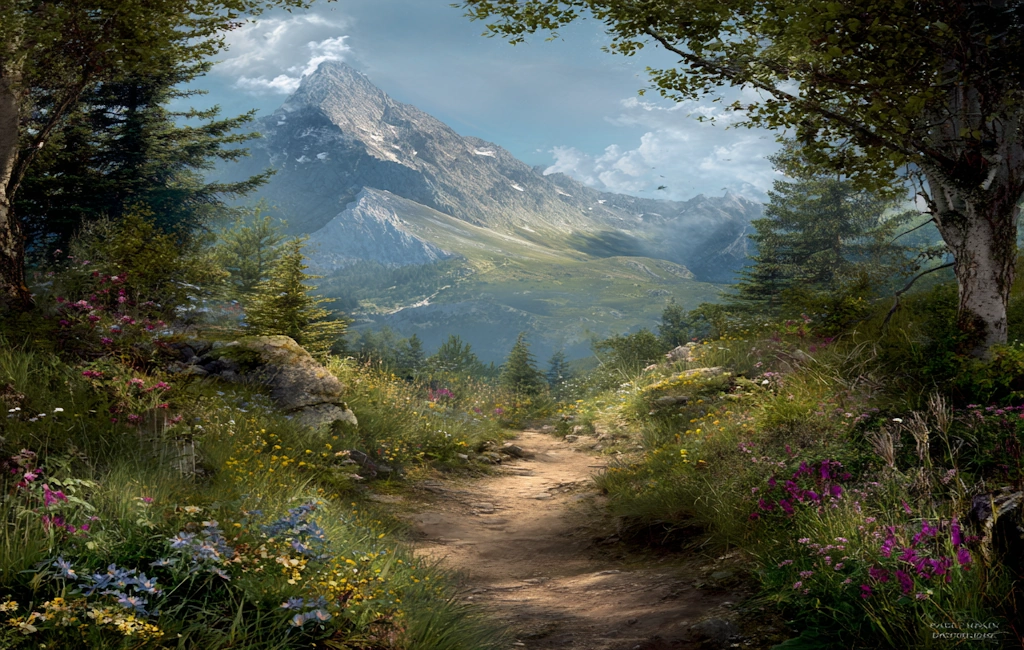
San Juan Huts: Telluride to Moab - A Grand Traverse
The San Juan Huts: Telluride to Moab is an epic multi-day bikepacking route traversing the rugged and breathtaking San Juan Mountains of Colorado and the dramatic desert landscapes of Utah. This challenging expedition connects the historic mining town of Telluride, Colorado, with the world-renowned mountain biking mecca of Moab, Utah, offering a profound journey through diverse ecosystems and geological wonders. Spanning approximately 338 kilometres with an astonishing 11,277 metres of elevation gain, this route is designed for experienced and highly fit riders seeking an immersive wilderness experience. It winds through high alpine passes, remote mountain valleys, and eventually descends into the iconic red rock canyons of the Colorado Plateau. The San Juan Huts system provides essential, rustic backcountry accommodation along the route, offering a unique blend of self-sufficiency and support for this demanding adventure.
- Distance: 338.0 km
- Elevation Gain: 11,277 m
- Duration: 6-7 days
- Difficulty: Challenging
- Best Time: Late spring to early fall (June-October), avoiding snow and extreme heat
- Closest City: Moab, Utah
- Trailhead Access: Nearest airport: Montrose Regional Airport (MTJ). Drive to Telluride (1.5hrs). Parking available in Telluride, though limited. Confirm long-term parking options. No permits needed to start. Trailhead GPS: 37.9375, -107.8125 (approximate Telluride location).
- Huts: San Juan Huts system (reservations essential)
- Direction: West to East (Telluride to Moab)
Overview
The San Juan Huts: Telluride to Moab route is a true test of endurance, skill, and spirit. It is not a single, well-defined trail but rather a curated network of high-altitude dirt roads, rugged singletrack, and historic mining tracks that link the San Juan Huts. The journey begins in the picturesque alpine setting of Telluride, Colorado, nestled in a box canyon surrounded by 13,000-foot peaks. From here, riders ascend into the heart of the San Juan Mountains, a range renowned for its dramatic scenery, challenging terrain, and rich mining history. The initial days are characterised by steep, sustained climbs, high mountain passes often above 3,500 metres, and remote wilderness that demands self-reliance.
As the route progresses westward, the landscape gradually transforms. The alpine meadows and dense forests give way to more arid, high-desert environments. Riders will traverse vast plateaus, descend into deep canyons, and navigate technical sections of trail that require proficient mountain biking skills. The San Juan Huts, strategically placed along the route, offer basic but vital shelter, providing a welcome respite from the elements and a place to resupply and rest. These huts are typically simple structures with bunks, a wood stove, and basic amenities, requiring riders to be fully self-sufficient in terms of food, water treatment, and gear.
The final leg of the journey sees the landscape shift dramatically as riders descend into the iconic red rock country surrounding Moab, Utah. The stark beauty of sandstone formations, vast desert vistas, and the unique geological features of places like Arches National Park (accessible as a detour) provide a stunning contrast to the alpine grandeur of the San Juans. Completing this route is a significant accomplishment, offering an unparalleled adventure through some of the most spectacular and varied terrain in the American West.
History and Cultural Context
The San Juan Mountains have a deep and complex history, shaped by indigenous peoples, Spanish explorers, and later, American prospectors and miners. For centuries, Ute tribes utilized these mountains for hunting and seasonal migration. The discovery of gold and silver in the mid-19th century triggered a mining boom, leading to the establishment of towns like Telluride. The network of roads and trails that form the basis of this bikepacking route often originated as mining access roads, pack trails, and routes used by early settlers and prospectors. Many of these routes are still maintained, albeit in varying conditions, by local land management agencies and the San Juan Huts organization.
The San Juan Huts themselves are a testament to the vision of individuals who sought to make this remote and challenging terrain more accessible for outdoor enthusiasts. Established by the San Juan Hut System, these shelters were conceived to provide a unique backcountry experience, allowing riders and hikers to traverse vast distances with a degree of support. The system aims to preserve the wild character of the region while offering a safe haven for adventurers. The transition from the high alpine environment of Colorado to the desert landscapes of Utah also reflects the geological and ecological diversity of the American West, a region shaped by millennia of natural processes and human interaction.
Seasonal Highlights and Weather Reality
The optimal season for the San Juan Huts: Telluride to Moab route is from late spring to early autumn, generally from June through October. This period offers the best balance of manageable weather conditions, though significant variations are to be expected.
Late Spring (June): Following the winter snowmelt, the high passes begin to open up. Wildflowers are abundant in the alpine meadows, creating spectacular scenery. However, snow can linger at higher elevations well into June, potentially blocking passes and requiring detours or delays. Rivers and streams will be at their fullest, which can make water crossings challenging. Temperatures can be cool, especially at night, and afternoon thunderstorms are common.
Summer (July-August): This is generally the most popular time to ride. The high passes are typically clear of snow, and the days are longer. However, this period also brings the highest risk of intense afternoon thunderstorms, which can bring lightning, heavy rain, hail, and flash floods. Temperatures in the desert sections of Utah can become extremely hot, often exceeding 35°C, making early morning and late evening riding essential. Sandflies and mosquitoes can be prevalent in wetter areas.
Early Autumn (September-October): This is often considered the prime season. The intense heat of summer subsides, and the risk of thunderstorms decreases. The aspen trees in Colorado begin to turn golden, offering breathtaking autumnal colours. The air is crisp and clear, providing excellent visibility. However, early snowstorms are possible, especially in late October, which can quickly make the high passes impassable. Daylight hours shorten, requiring careful planning for daily mileage.
Winter (November-May): The route is generally impassable due to heavy snow at higher elevations. The San Juan Huts are typically closed or require advanced winter camping skills and equipment. Extreme cold, deep snow, and avalanche risk make this period unsuitable for this bikepacking route.
Recommended Itinerary
6-Day San Juan Huts: Telluride to Moab Itinerary
Day 1: Telluride to Alta Lakes Hut
- Distance: ~35 km
- Elevation Gain: ~1,500 m
- Time: 5-7 hours
- Start in Telluride, Colorado
- Ascend via Jud Wiebe Trail or other local trails to access high-altitude roads
- Gradual but sustained climb towards Alta Lakes
- Pass through aspen groves and open meadows
- Arrive at Alta Lakes Hut, a rustic shelter offering stunning views
- Focus on acclimatisation and enjoying the initial alpine scenery
Day 2: Alta Lakes Hut to Telluride (via Imogene Pass)
- Distance: ~50 km
- Elevation Gain: ~1,800 m
- Time: 7-9 hours
- Continue ascent towards Imogene Pass (3,962 m)
- Navigate challenging 4x4 roads and potentially some rocky singletrack
- Experience dramatic alpine vistas and historic mining ruins
- Descend towards Telluride, potentially via the Black Bear Pass road (check conditions and rider skill) or return via Imogene Pass
- This day is a significant test of climbing ability and technical descending skills
Day 3: Telluride to Rico (via Lizard Head Pass)
- Distance: ~60 km
- Elevation Gain: ~1,200 m
- Time: 6-8 hours
- Depart Telluride, heading south towards Lizard Head Pass
- Ride on a mix of paved roads and gravel tracks
- Lizard Head Pass offers beautiful mountain scenery
- Descend into the small town of Rico for potential resupply or a brief stop
- Continue on gravel roads towards the next San Juan Hut
Day 4: Rico to Dunton Hot Springs Area Hut
- Distance: ~55 km
- Elevation Gain: ~1,600 m
- Time: 7-9 hours
- This day involves significant climbing and remote travel
- Navigate high-altitude dirt roads and potentially rougher tracks
- Pass through remote valleys and potentially near historic mining sites
- Arrive at a San Juan Hut in the vicinity of Dunton Hot Springs (note: Dunton Hot Springs resort itself is private, but huts are accessible)
- Enjoy the solitude and rugged beauty of this section
Day 5: Dunton Area Hut to Dolores River Valley
- Distance: ~70 km
- Elevation Gain: ~1,500 m
- Time: 8-10 hours
- A long day transitioning from high mountains towards lower elevations
- Descend into the Dolores River Valley
- Ride on a mix of gravel roads and potentially some faster, smoother sections
- The landscape begins to change, with more open terrain and drier vegetation
- Aim to reach a suitable camping spot or a designated area near the Dolores River
Day 6: Dolores River Valley to Moab, Utah
- Distance: ~70 km
- Elevation Gain: ~1,677 m
- Time: 7-9 hours
- The final push into Utah and towards Moab
- The terrain becomes increasingly desert-like, with red rock formations appearing
- Navigate a mix of dirt roads, potentially some slickrock sections, and established trails near Moab
- The final kilometres will likely involve riding some of Moab's famous trails (e.g., Slickrock Bike Trail, depending on route choice and skill)
- Arrive in Moab, Utah, completing the epic traverse
Important Notes:
- This itinerary is a guideline; actual distances and times will vary based on route choices, rider fitness, and conditions.
- San Juan Hut reservations are mandatory and must be booked well in advance.
- Water sources can be scarce, especially in Utah; plan resupply points carefully.
- Navigation is critical; carry reliable GPS devices and maps.
- Be prepared for extreme weather changes at any time.
- This route requires significant self-sufficiency.
Planning and Bookings
Book Your Trip
Everything you need to plan your journey
Accommodation
Find places to stay near Moab, Utah
Flights
Search flights to Moab, Utah
Essential Preparation
The San Juan Huts: Telluride to Moab route demands meticulous planning and a high level of preparedness. Riders must be in excellent physical condition, capable of sustained climbing and technical riding over multiple days. Familiarity with bikepacking, navigation, and backcountry survival skills is essential. Given the remote nature of much of the route, self-sufficiency is paramount. This includes carrying sufficient food, water treatment methods, repair tools, and emergency supplies. Coordinating hut bookings with the San Juan Hut System is the first critical step. Riders should also research current trail conditions, especially regarding snowpack at high elevations and potential road closures. Base towns like Telluride and Moab offer amenities for pre- and post-ride logistics, including accommodation, bike shops, and grocery stores. Montrose Regional Airport (MTJ) is the closest major airport to Telluride, requiring a 1.5-hour drive. For those flying into Moab, Canyonlands Field Airport (CNY) is nearby, or Salt Lake City International Airport (SLC) offers more flight options but requires a longer drive.
Trail Accommodation
The San Juan Huts system provides the primary accommodation along this route. These are rustic, backcountry shelters designed for bikepackers and hikers. They are not luxurious lodges but functional havens in remote locations.
Hut Facilities:
- Bunk beds with mattresses (bring your own sleeping bag and pad)
- Wood-burning stove for heating (bring fire starter and be mindful of fire restrictions)
- Basic cooking area (bring your own stove, fuel, pots, and utensils)
- Composting toilet (typically an outhouse or simple pit toilet)
- Often a water source nearby (stream, spring), but treatment is always recommended
- No electricity, running water (other than natural sources), or cell service
What's NOT Provided:
- Food, cooking fuel, or cooking equipment
- Sleeping bags, sleeping pads, or pillows
- Toiletries or personal items
- Water treatment supplies
- Tools or spare parts for bicycles
- First aid supplies
Booking Requirements:
- Reservations are mandatory for all San Juan Huts. Bookings are made through the San Juan Hut System website.
- Demand is high, especially during peak season (summer and early autumn). Book as far in advance as possible.
- Huts are typically available from late May/early June through October, weather permitting.
- Costs vary per hut and per night, generally ranging from $30-$60 USD per person per night. Check the official San Juan Hut System website for current pricing and availability.
- This is a bikepacking route; while camping near huts is sometimes possible, the primary intention is to use the huts.
Required Gear
- Mountain bike: A robust hardtail or full-suspension mountain bike with durable components suitable for rough terrain, long climbs, and descents. Tubeless setup is highly recommended.
- Panniers or bikepacking bags: A reliable system to carry all gear and supplies.
- Helmet: A high-quality mountain biking helmet is essential.
- Navigation tools: GPS device (e.g., Garmin, Wahoo) with pre-loaded routes, backup battery pack, and physical maps/compass.
- Repair kit: Multi-tool, tire levers, patch kit, spare tubes, pump, chain tool, master link, spoke wrench, zip ties, duct tape.
- First aid kit: Comprehensive kit including bandages, antiseptic wipes, pain relievers, blister treatment, personal medications, and any specific items for backcountry emergencies.
- Water filter or purification tablets: Essential for treating water from natural sources.
- Headlamp/torch: With spare batteries, for early morning starts, late finishes, or hut use.
- Sun protection: High SPF sunscreen, sunglasses, wide-brimmed hat or cycling cap.
- Insect repellent: Especially for higher elevations and near water sources.
- Appropriate clothing: Layering system including moisture-wicking base layers, insulating mid-layers (fleece or down), and a waterproof/windproof outer shell jacket and trousers.
- Sturdy cycling gloves and shoes.
What to Bring
- Food: Sufficient non-perishable food for the entire duration of the trip, plus extra for emergencies. Plan meals and snacks carefully, considering calorie density and weight.
- Water bottles or hydration reservoir: Capacity for at least 3-4 litres per person, as water sources can be infrequent.
- Sleeping bag: Rated for temperatures down to 0°C or colder, as mountain nights can be chilly.
- Sleeping pad: For insulation and comfort on hut bunks.
- Toiletries: Biodegradable soap, toothbrush, toothpaste, toilet paper, hand sanitiser.
- Camp stove and fuel: Lightweight backpacking stove and sufficient fuel for cooking all meals.
- Cookware: Pot, mug, bowl, utensils.
- Trash bags: To pack out all waste.
- Personal items: Camera, book, journal, identification, cash for emergencies or small purchases.
- Bear spray: Recommended in Colorado, know how to use it.
- Emergency communication device: Satellite messenger (e.g., Garmin inReach, SPOT) for areas with no cell service.
Permits
The San Juan Huts: Telluride to Moab route primarily utilizes existing roads and trails managed by various land management agencies, including the U.S. Forest Service and the Bureau of Land Management (BLM). For the most part, no specific permits are required for bikepacking on these public lands, provided you adhere to regulations. However, it is crucial to be aware of specific rules and regulations for the areas you will be traversing.
San Juan Hut System Reservations: The most critical "permit" or booking required is for accommodation within the San Juan Hut System. These huts are privately managed and require advance reservations. Failure to book a hut will mean you are without shelter, which can be dangerous in the backcountry. Bookings are made directly through the San Juan Hut System's official website and should be secured months in advance, especially for peak season travel.
Land Management Agency Regulations:
- U.S. Forest Service (USFS): Much of the Colorado portion of the route passes through National Forests. Generally, dispersed camping is allowed in designated areas, but always check for fire restrictions and specific regulations regarding camping and group size.
- Bureau of Land Management (BLM): The Utah sections are largely on BLM land. Similar to USFS lands, dispersed camping is often permitted, but regulations regarding fire, waste disposal, and travel routes must be followed.
- Motor Vehicle Use Maps (MVUMs): For areas where you are riding on designated routes, consult the relevant MVUMs for the National Forests or BLM districts. These maps indicate which roads are open to motorized vehicles (which often includes bicycles, but always verify) and which are closed.
Wilderness Areas: Be aware that some sections of the route may pass through or adjacent to designated Wilderness Areas. Bicycles are typically prohibited within designated Wilderness Areas. Routes are carefully chosen to avoid these areas, but it is essential to be aware of boundaries and adhere to regulations.
Fire Restrictions: Always check current fire restrictions for the specific counties and land management areas you will be in. Dry conditions can lead to widespread fire bans, impacting the ability to use camp stoves or build fires.
No Permits for Trail Use: Unlike some national parks or specific trails, there are generally no "entry permits" required for riding the roads and trails that constitute this bikepacking route. The primary requirement is responsible backcountry conduct and adherence to local regulations.
Other Activities in the Area
The regions surrounding the San Juan Huts: Telluride to Moab route offer a wealth of additional outdoor activities for those looking to extend their adventure or explore before or after their bikepacking journey:
- Mountain Biking in Telluride: Telluride boasts an extensive network of world-class mountain bike trails, from flowy singletrack to challenging technical descents. Explore trails like the Prospect Trail, Sneffels Highline, or the Galloping Goose.
- Hiking in the San Juans: Numerous hiking opportunities exist, including trails leading to alpine lakes, waterfalls, and panoramic viewpoints. Consider hikes to Ice Lake Basin or the Blue Lakes.
- Exploring Telluride: Wander through the historic streets of Telluride, visit local art galleries, enjoy its vibrant dining scene, or take a scenic gondola ride for stunning mountain vistas.
- Jeeping and Off-Roading: Many of the same roads used by bikepackers are popular with off-road vehicles. Guided tours or rentals can offer a different perspective on the rugged terrain.
- Hot Springs: The Dunton Hot Springs area offers a luxurious, albeit private, hot springs resort. While not directly accessible on the bikepacking route, it's a notable nearby attraction.
- Moab's Red Rock Country: Upon arrival in Moab, immerse yourself in the iconic desert landscape. Activities include:
- Arches National Park: Hike to Delicate Arch, Landscape Arch, and explore other geological wonders.
- Canyonlands National Park: Discover vast canyons, mesas, and buttes.
- Slickrock Bike Trail: A legendary, challenging loop renowned worldwide.
- Other Moab Trails: Explore trails like Klondike Bluffs, Gemini Bridges, or the Whole Enchilada (seasonal).
- Colorado River Activities: Enjoy rafting, kayaking, or paddleboarding on the Colorado River.
- Canyoneering: Moab is a hub for canyoneering adventures, offering guided trips for various skill levels.
Safety and Conditions
Pre-Departure Checks:
- Weather Forecasts: Monitor detailed mountain weather forecasts for Colorado (e.g., NOAA, MetService backcountry) and desert forecasts for Utah. Pay close attention to temperature fluctuations, precipitation, wind, and lightning potential.
- San Juan Hut System Status: Confirm hut availability and any specific advisories or closures directly with the San Juan Hut System.
- Road and Trail Conditions: Research current conditions for the specific routes you plan to use. Websites for the relevant National Forests (e.g., San Juan National Forest) and BLM districts often provide updates on road status, closures, and potential hazards. Local bike shops in Telluride and Moab can also be valuable sources of information.
- Emergency Plan: Inform a reliable contact person of your detailed itinerary, expected start and end dates, and emergency contact information. Establish check-in times.
Alpine Hazards (Colorado):
- Altitude Sickness: Many sections of the route are above 3,000 metres. Ascend gradually, stay hydrated, and be aware of symptoms (headache, nausea, dizziness).
- Rapid Weather Changes: Mountain weather can shift dramatically and without warning. Be prepared for sudden storms, including lightning, hail, snow, and high winds, even in summer.
- Snow and Ice: High passes can hold snow well into summer. Be prepared for potential snow crossings, especially in June and early July. Ice can form on shaded sections.
- Water Crossings: Spring snowmelt can create high, fast-flowing rivers and streams. Assess crossings carefully; if in doubt, do not cross.
- Wildlife: Be aware of bears (carry bear spray and know how to use it), moose, and other large wildlife. Store food properly.
Desert Hazards (Utah):
- Extreme Heat: Summer temperatures can exceed 40°C. Ride during cooler parts of the day (early morning, late evening), carry ample water, and use electrolytes.
- Dehydration and Heatstroke: These are serious risks. Drink frequently, even if you don't feel thirsty.
- Flash Floods: Desert thunderstorms can cause sudden, dangerous flash floods in canyons and dry washes. Seek higher ground immediately if you hear or see signs of flooding.
- Navigation: The desert landscape can be disorienting. Rely on GPS and maps, and be aware of your surroundings.
- Spines and Cacti: Be cautious when dismounting or walking your bike.
General Safety:
- Bike Maintenance: Ensure your bike is in excellent mechanical condition before you start.
- Communication: Cell service is virtually non-existent for most of the route. A satellite messenger is highly recommended for emergencies.
- Self-Sufficiency: Carry all necessary food, water, repair items, and first aid. You will be far from immediate assistance.
- Leave No Trace: Practice LNT principles to minimise your impact on the environment.
Side Trips and Points of Interest
Imogene Pass (Colorado): At 3,962 metres, Imogene Pass is one of the highest drivable (and bikable) passes in North America. The views from the top are spectacular, offering panoramic vistas of the surrounding San Juan Mountains. The road is a rugged 4x4 track, demanding careful riding and a capable bike. Historic mining ruins dot the landscape, a testament to the area's past.
Dunton Hot Springs Resort Area: While the resort itself is private and exclusive, the surrounding area offers stunning alpine scenery. The San Juan Huts in this vicinity provide access to remote valleys and high mountain terrain, offering a sense of true wilderness isolation.
Lizard Head Pass: This scenic pass on the route between Telluride and Rico offers beautiful views of the distinctive Lizard Head peak. It's a relatively accessible pass, often clear of snow earlier than higher routes.
Dolores River Valley: As the route descends into Utah, the landscape transitions dramatically. The Dolores River Valley offers a glimpse into a more arid, high-desert environment, with different flora and fauna. It serves as a transition zone before the iconic red rock country.
Moab's Red Rock Country: The culmination of the journey is the arrival in Moab. This area is world-famous for its unique geological formations and extensive network of mountain bike trails. Key points of interest include:
- Arches National Park: Home to over 2,000 natural sandstone arches, including the iconic Delicate Arch.
- Canyonlands National Park: A vast and rugged landscape carved by the Colorado and Green Rivers, offering dramatic canyon views.
- Slickrock Bike Trail: A challenging and iconic 10.6-mile loop over sandstone domes, offering incredible views and a unique riding experience.
- Other Moab Trails: Numerous other trails cater to all skill levels, from beginner-friendly paths to expert-level technical routes.
Leave No Trace
The San Juan Huts: Telluride to Moab route traverses some of the most pristine and ecologically sensitive landscapes in the American West. Practicing Leave No Trace (LNT) principles is not just recommended; it is essential for preserving these areas for future generations and ensuring the continued viability of the San Juan Hut System.
Your responsibility as a rider:
- Plan Ahead and Prepare: Research your route, understand regulations, and pack appropriately to minimise your impact. Know the weather forecast and potential hazards.
- Travel and Camp on Durable Surfaces: Stick to established roads and trails. Avoid riding or camping on fragile vegetation, especially in the desert environment where recovery can take decades. Use designated campsites or hut facilities.
- Dispose of Waste Properly: Pack it in, pack it out. This includes all food scraps, packaging, and any other trash. Use designated toilets or the backcountry "cathole" method (digging a hole 15-20 cm deep, at least 60 metres from water, camp, and trails, and burying waste). Pack out used toilet paper.
- Leave What You Find: Do not disturb or remove natural objects, cultural artifacts, or historical remnants. Take only photographs and memories.
- Minimise Campfire Impacts: Use a camp stove for cooking. If fires are permitted and necessary, use existing fire rings and keep fires small. Ensure fires are completely extinguished before leaving. Be aware of extreme fire danger and bans.
- Respect Wildlife: Observe wildlife from a distance. Never feed animals, as it alters their natural behaviour and diet. Store food securely to prevent attracting animals.
- Be Considerate of Other Visitors: Yield to other users on the trail (hikers, equestrians, other cyclists). Keep noise levels down and respect the solitude of the backcountry.
By adhering to these principles, you help protect the natural beauty and ecological integrity of the San Juan Mountains and Utah's desert landscapes, ensuring that this incredible bikepacking experience remains sustainable.
 USA
USA