
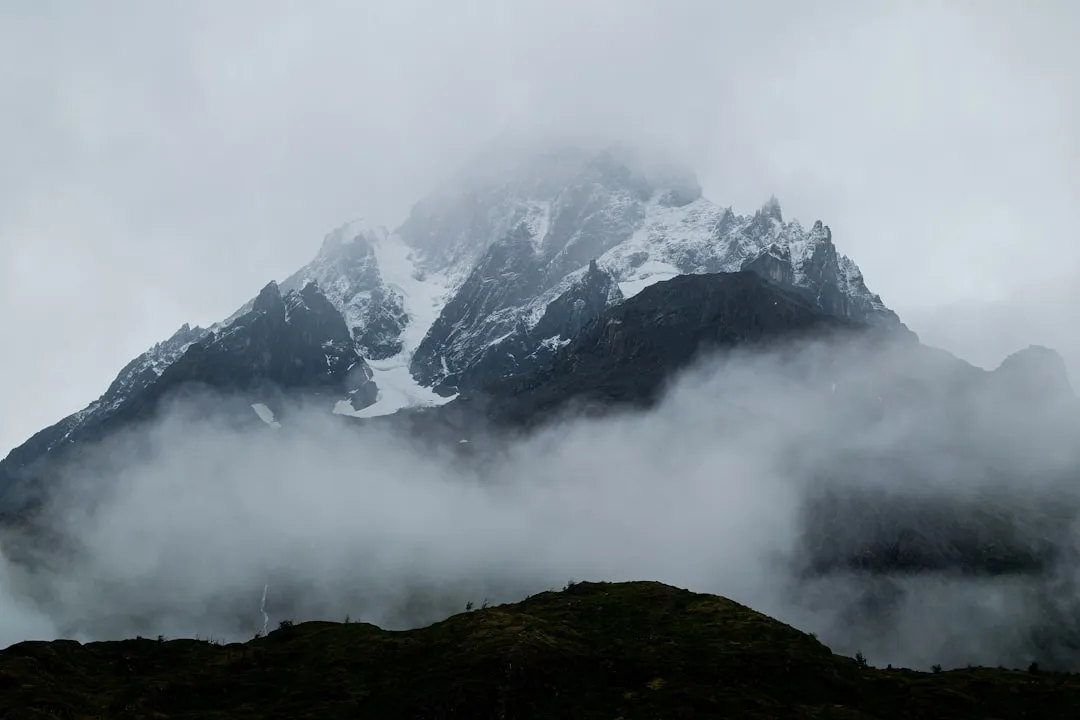
Saltos del Laja Trail
The Saltos del Laja Trail is a captivating day walk located in the Biobío Region of Chile, renowned for its spectacular series of waterfalls and lush natural surroundings. This accessible trail offers a refreshing escape into nature, making it a popular destination for locals and tourists alike. The path winds through verdant landscapes, leading visitors to breathtaking viewpoints of the cascading waters of the Laja River. It's an ideal excursion for those seeking natural beauty without an arduous trek, providing a memorable experience of Chile's stunning natural heritage.
- Distance: 5.0 km one-way
- Duration: 2-3 hours
- Season: Spring to Autumn (September to May)
- Closest City: Los Ángeles
- Trailhead Access: Route Q-90, well-paved road
- Parking: Ample available at the falls
- Permits: Not required
- Difficulty: Easy
- Elevation Gain: 100 m
Overview
The Saltos del Laja Trail is a relatively short but incredibly rewarding day walk that showcases the raw power and beauty of the Laja River. The trail is designed for easy access, allowing visitors of all fitness levels to enjoy the natural spectacle. As you progress along the path, the sound of rushing water grows, building anticipation for the stunning vistas that await. The route meanders through a landscape dotted with native flora, offering glimpses of the diverse ecosystem that thrives in this region.
The primary attraction, of course, is the series of waterfalls, known collectively as Saltos del Laja. These falls are not a single, monolithic drop but rather a collection of cascades and plunges that tumble over a series of rocky ledges. The most impressive is the main fall, which plunges dramatically into a deep, clear pool below. The surrounding cliffs are often draped in vibrant green vegetation, especially after rainfall, creating a picturesque scene that is a photographer's delight. The trail itself is well-maintained, making it a comfortable walk even for families with young children.
Beyond the visual splendour of the waterfalls, the trail offers a chance to connect with nature. The air is fresh, filled with the mist from the falls, and the sounds of birdsong can be heard amongst the roar of the water. The area around the falls is a popular spot for picnics, allowing visitors to relax and soak in the atmosphere. The ease of access from the nearby city of Los Ángeles makes it a perfect day trip for those looking to experience the natural wonders of Chile without extensive travel or preparation.
History and Cultural Context
The Saltos del Laja area has a rich history, deeply intertwined with the indigenous peoples of Chile and the subsequent development of the region. For centuries, the Laja River and its powerful waterfalls have been a significant natural landmark, likely used by indigenous Mapuche communities for spiritual and practical purposes. The sheer force and beauty of the falls would have undoubtedly held cultural importance, perhaps seen as a place of power or a source of life.
With the arrival of Spanish colonisers and the subsequent establishment of settlements, the area began to see more human activity. The fertile lands surrounding the river made it an attractive location for agriculture and ranching. Over time, the natural beauty of the Saltos del Laja began to attract attention beyond the local communities. As transportation networks improved, particularly with the development of Route Q-90, the falls became more accessible to a wider population.
In the 20th century, the Saltos del Laja gained recognition as a significant natural attraction. Efforts were made to preserve its beauty and manage visitor access. The development of infrastructure, such as parking areas and well-defined trails, facilitated its growth as a popular tourist destination. Today, the Saltos del Laja is a protected natural monument, managed to ensure its preservation while allowing public enjoyment. It stands as a testament to the enduring natural beauty of the Biobío Region and a place where history and nature converge.
Seasonal Highlights and Weather Reality
The Saltos del Laja Trail is a year-round destination, but its appeal varies significantly with the seasons. The best time to visit is generally from Spring to Autumn, which in Chile corresponds to the months of September through May.
Spring (September to November): This is a particularly beautiful time to visit. The landscape comes alive with blooming wildflowers, and the surrounding vegetation turns a vibrant green. The waterfalls are often at their most powerful due to increased rainfall and snowmelt from the Andes. The weather is typically mild, with temperatures ranging from 10°C to 20°C, making for pleasant hiking conditions. However, occasional rain showers are common.
Summer (December to February): Summer offers the warmest weather, with temperatures often reaching 25°C or higher. The long daylight hours are ideal for spending a full day exploring the area. The falls are still impressive, though they may be slightly less voluminous than in spring. This is the peak tourist season, so expect more crowds, especially on weekends and holidays. The risk of thunderstorms, though infrequent, increases during this period.
Autumn (March to May): Autumn brings a spectacular display of colours as the deciduous trees change from green to shades of red, orange, and yellow. The air becomes crisp and cool, with temperatures ranging from 5°C to 15°C. The crowds thin out considerably, offering a more tranquil experience. The waterfalls remain strong, and the autumn foliage creates a stunning backdrop.
Winter (June to August): While the trail is technically accessible in winter, it is generally not recommended for casual visitors. Temperatures can drop significantly, often near freezing, and rainfall is frequent and heavy. The waterfalls are at their most powerful during this season, but the cold, wet conditions and potential for slippery trails can make the walk challenging and less enjoyable. Snowfall is rare at the falls themselves but can occur at higher elevations in the surrounding Andes.
Weather Reality: Regardless of the season, it is always advisable to check the local weather forecast before your visit. The Biobío Region can experience unpredictable weather patterns, and rain is common throughout the year. Carrying waterproof clothing is recommended at any time.
Recommended Itinerary
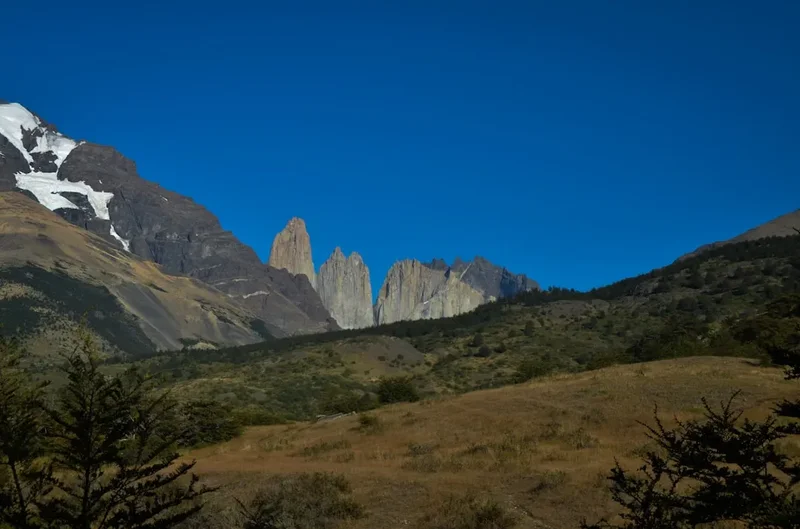
Day Walk: Saltos del Laja Trail
Early Morning (Approx. 9:00 AM): Departure from Los Ángeles
- Begin your journey from Los Ángeles.
- Drive approximately 20 minutes west on Route Q-90 towards the Saltos del Laja.
- The road is well-paved and clearly signposted.
- Ample parking is available at the entrance to the falls area.
Morning (Approx. 9:30 AM - 10:00 AM): Arrival and Trailhead
- Arrive at the Saltos del Laja complex.
- Pay any entrance fees if applicable (note: currently no permits are required for general access).
- Locate the main trailhead for the Saltos del Laja Trail.
- Take a moment to orient yourself and prepare for the walk.
Morning (Approx. 10:00 AM - 11:30 AM): Exploration of the Upper Falls and Main Trail
- Begin walking the main trail, which is generally well-maintained and easy to follow.
- The initial section may lead you to viewpoints overlooking the upper cascades of the Laja River.
- Observe the power of the water as it navigates the rocky terrain.
- The trail gains a modest elevation of around 100 metres, providing increasingly impressive views.
- Distance covered: Approximately 2.0 km.
- Time taken: 1.5 hours.
Midday (Approx. 11:30 AM - 1:00 PM): Reaching the Main Falls and Picnic Break
- Continue along the trail towards the most spectacular section of the falls.
- Arrive at the primary viewpoint for the main Saltos del Laja.
- Spend time admiring the dramatic plunge of the water into the pool below.
- This is an excellent spot for photography.
- Find a designated picnic area or a safe, flat spot to enjoy your packed lunch.
- Distance covered: Approximately 2.5 km (cumulative).
- Time taken: 1.5 hours (including break).
Afternoon (Approx. 1:00 PM - 2:30 PM): Return Journey and Optional Detours
- Begin your return walk along the same trail back towards the parking area.
- Take the opportunity to revisit any viewpoints you particularly enjoyed or explore any small, marked side paths.
- Note any flora or fauna you may have missed on the way in.
- Distance covered: Approximately 2.5 km (return).
- Time taken: 1.5 hours.
Late Afternoon (Approx. 2:30 PM onwards): Departure
- Arrive back at the parking area.
- Depart from Saltos del Laja and return to Los Ángeles or your next destination.
Important Notes:
- This is a day hike; no overnight accommodation is required.
- Wear comfortable walking shoes with good grip.
- Carry water and snacks, as facilities may be limited.
- Check the weather forecast and dress in layers.
- Be mindful of slippery surfaces near the waterfalls.
Planning and Bookings
Book Your Trip
Everything you need to plan your journey
Accommodation
Find places to stay near Los Ángeles
Flights
Search flights to Los Ángeles
Essential Preparation
The Saltos del Laja Trail is a straightforward day walk, making preparation relatively simple. The closest major city is Los Ángeles, which serves as the primary gateway for visitors. Los Ángeles offers a range of accommodation options, from budget-friendly hostels to comfortable hotels, as well as supermarkets for purchasing supplies and restaurants for dining. It's advisable to base yourself in Los Ángeles the night before your visit to the falls, allowing for an early start and a relaxed journey.
Access to the trailhead is via Route Q-90, a well-maintained paved road that is easily navigable by car. The drive from Los Ángeles to Saltos del Laja takes approximately 20 minutes. Ample parking is available at the falls, which is convenient for day visitors. Since this is a day hike, there is no need for complex booking coordination for accommodation along the trail itself. However, it's always wise to check for any local events or holidays that might affect crowd levels or road access.
Trail Accommodation
This is a day hike requiring no overnight accommodation.
Required Gear
- Comfortable walking shoes: Sturdy trainers or hiking boots with good grip are essential, especially as the terrain near the falls can be slippery.
- Waterproof jacket: The area can experience sudden rain showers, so a lightweight, waterproof jacket is highly recommended, regardless of the season.
- Sun protection: A hat, sunglasses, and sunscreen are advisable, particularly during the spring and summer months when the sun can be intense.
- Small backpack: To carry water, snacks, and personal items.
- Camera: To capture the stunning scenery of the waterfalls.
What to Bring
- Water: Carry at least 1-2 litres of water per person, especially during warmer months.
- Snacks: Energy bars, fruit, or other portable snacks to keep you fuelled during your walk.
- Picnic lunch: There are designated areas where you can enjoy a packed lunch with a view of the falls.
- Insect repellent: While not usually a major issue, it's wise to have some on hand, particularly during warmer months.
- First-aid kit: A basic kit with plasters, antiseptic wipes, and any personal medications.
- Cash: For any small purchases at local vendors or potential parking fees (though parking is generally ample and free).
Permits
No specific permits are required to access the Saltos del Laja Trail or the surrounding natural monument. The area is generally open to the public for day use. While there are no formal booking requirements for the trail itself, it is always advisable to check for any local advisories or temporary closures that might be in effect, especially if planning a visit during a public holiday or a period of significant weather events.
The accessibility of the Saltos del Laja makes it a popular spot, particularly on weekends and during peak seasons (spring and summer). While no permits are needed, being aware of potential crowds can help in planning your visit for a more serene experience. Early morning visits are often recommended to avoid the busiest times.
Other Activities in the Area
The region surrounding Saltos del Laja offers several other attractions and activities for visitors looking to extend their stay or explore further:
- Exploring Los Ángeles: The nearby city of Los Ángeles provides a good base with various amenities. Visitors can explore local markets, enjoy regional cuisine, and experience Chilean city life.
- Parque Nacional Laguna de Laja: Located further afield, this national park offers a different natural landscape, featuring a large lagoon and opportunities for hiking and wildlife viewing. It's a more rugged and less developed area compared to Saltos del Laja.
- Wine Tasting: The Biobío Region is an emerging wine-producing area. While not as famous as other Chilean wine regions, there are several vineyards that offer tours and tastings for those interested in sampling local wines.
- Cultural Sites: The region has a rich history, and exploring local museums or historical sites in Los Ángeles or surrounding towns can provide insight into the area's past, including its indigenous heritage.
- Adventure Sports: Depending on the season and specific locations, activities like white-water rafting or kayaking might be available on other rivers in the Biobío Region, offering a more adrenaline-filled experience.
Safety and Conditions
Trail Conditions: The Saltos del Laja Trail is generally well-maintained and easy to navigate. However, the terrain near the waterfalls can be slippery due to mist and spray. It is crucial to wear appropriate footwear with good grip and to exercise caution when walking close to the water's edge.
Weather: The weather in the Biobío Region can be unpredictable. While spring and autumn offer mild temperatures, rain is common. Summer can be hot, and winter can be cold and wet. Always check the local weather forecast before your visit and be prepared for changing conditions. Carrying a waterproof jacket is advisable at any time of year.
Water Safety: The currents around the waterfalls are strong and dangerous. Swimming is not recommended in the immediate vicinity of the falls due to the powerful undertow and submerged rocks. Stick to designated viewing areas and exercise extreme caution if you choose to approach the water's edge.
Wildlife: While the area is rich in birdlife, there are no significant dangerous animals to be concerned about on the main trail. However, as with any natural environment, it's good practice to be aware of your surroundings.
Emergency Contacts: In case of an emergency, it is advisable to have the local emergency numbers readily available. For Chile, the general emergency number is 133 for Carabineros (police), 131 for SAMU (medical emergency), and 132 for Bomberos (fire department). Ensure your mobile phone is fully charged before you set out.
General Advice: Inform someone of your plans, including your estimated return time. Carry sufficient water and snacks, as facilities at the falls may be limited. Respect the natural environment and follow any posted guidelines or warnings.
Side Trips and Points of Interest
The Main Falls: The primary point of interest is, of course, the spectacular main waterfall. This is where the Laja River plunges over a significant drop, creating a breathtaking display of natural power. The viewpoint here offers panoramic vistas and is an ideal spot for photography. The sheer volume of water and the surrounding lush vegetation make it a truly memorable sight.
Upper Cascades: Before reaching the main fall, the trail passes by a series of smaller cascades and rapids. These upper falls, while less dramatic than the main event, are beautiful in their own right and offer a different perspective on the river's journey. They are perfect for a brief stop to appreciate the intricate rock formations and the flow of the water.
Vegetation and Flora: The trail is surrounded by a diverse range of plant life, typical of the central Chilean landscape. Depending on the season, you may see various wildflowers, ferns, and native trees. The vibrant green foliage, especially after rain, adds to the scenic beauty of the area and provides a pleasant contrast to the white spray of the waterfalls.
Picnic Areas: Strategically located near the main falls are designated picnic spots. These areas offer a chance to rest, refuel, and simply soak in the atmosphere. They are often situated to provide excellent views of the waterfalls, making for a delightful dining experience amidst nature.
Lookout Points: Throughout the trail, there are several natural lookout points that offer different angles and perspectives of the falls and the surrounding valley. Taking the time to explore these can lead to discovering unique photographic opportunities and a deeper appreciation of the landscape's grandeur.
Leave No Trace
The Saltos del Laja Trail, like any natural area, benefits greatly from visitors adhering to Leave No Trace principles. These guidelines help preserve the beauty and ecological integrity of the site for future generations.
Plan Ahead and Prepare: Familiarise yourself with the trail and its conditions before you go. Pack appropriately for the weather and carry all necessary supplies, including water and food, as facilities may be limited. This also means understanding that no permits are required, simplifying your planning.
Travel and Camp on Durable Surfaces: Stick to the marked trails. Avoid venturing off-path, as this can damage fragile vegetation and lead to erosion. The designated paths at Saltos del Laja are designed to protect the environment.
Dispose of Waste Properly: Pack out everything you pack in. This includes all food scraps, wrappers, and any other litter. There are typically bins available at the main visitor areas, but it's best practice to carry your rubbish with you until you find a suitable disposal point.
Leave What You Find: Do not remove any natural objects, such as rocks, plants, or flowers. Take only photographs and memories.
Minimize Campfire Impacts: As this is a day-use area, campfires are generally not permitted. If they were, you would need to use established fire rings and ensure fires are completely extinguished.
Respect Wildlife: Observe wildlife from a distance and never feed them. Feeding animals can disrupt their natural behaviours and diets, and can be harmful to their health.
Be Considerate of Other Visitors: Keep noise levels down, especially near other visitors. Yield to others on the trail, and be mindful of those seeking a peaceful experience in nature.
By following these principles, you contribute to the preservation of the Saltos del Laja's natural beauty and ensure it remains a pristine destination for all to enjoy.
 Chile
Chile