
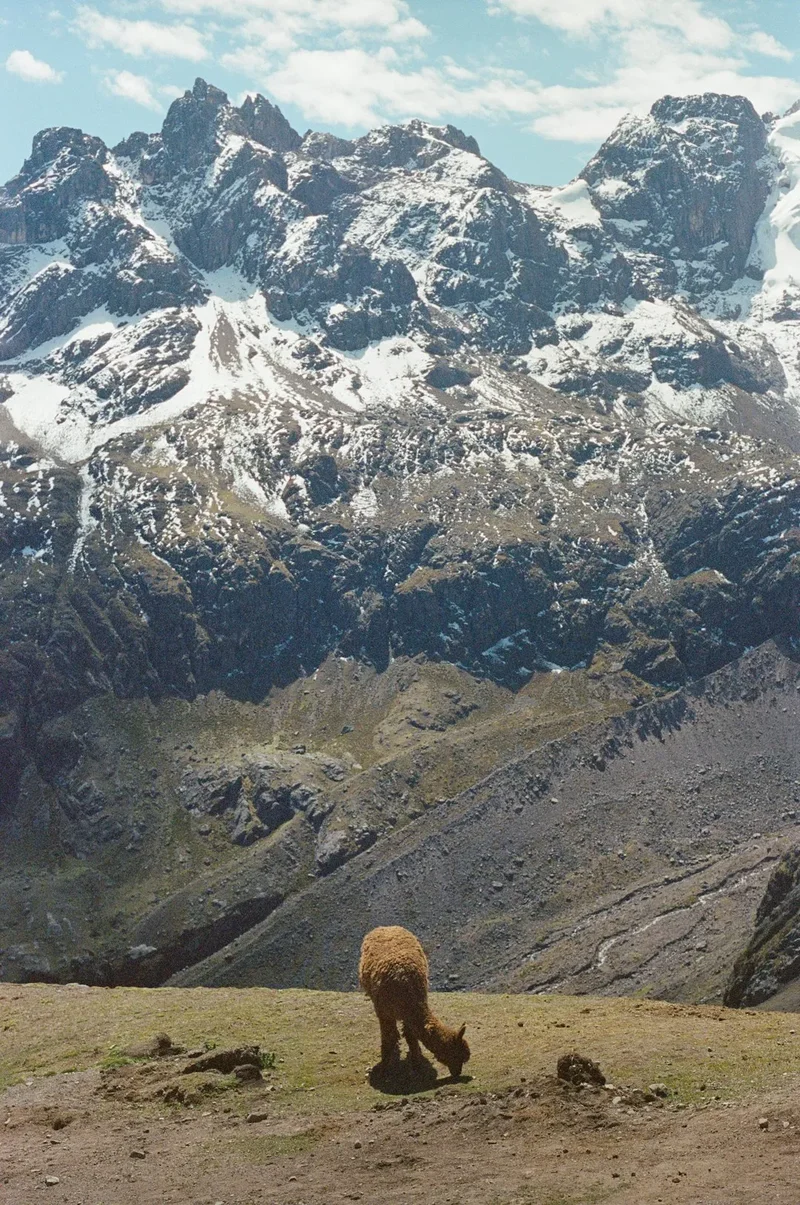
Salkantay Pass Trek - A Majestic Andean Adventure
The Salkantay Pass Trek is a challenging and breathtaking multi-day walk in the Peruvian Andes, renowned for its dramatic mountain scenery, high alpine passes, and the ultimate reward of reaching Machu Picchu. This trek offers a spectacular alternative to the more crowded Inca Trail, traversing diverse landscapes from snow-capped peaks and glacial lakes to cloud forests and lush valleys. It is a journey that tests physical endurance while immersing walkers in the raw, untamed beauty of the Andes, culminating in an unforgettable arrival at the iconic Inca citadel.
- Distance: Approximately 72.0 km
- Duration: 4-5 days
- Season: May to September (dry season)
- Difficulty: Challenging
- Highest point: Salkantay Pass (4,650 m)
- Closest City: Cusco
- Trailhead Access: From Cusco, transport to Mollepata or Soraypampa
- Accommodation: Camping and basic lodges
- Permits: Required for Machu Picchu entry; no specific trek permit needed for Salkantay itself
Overview
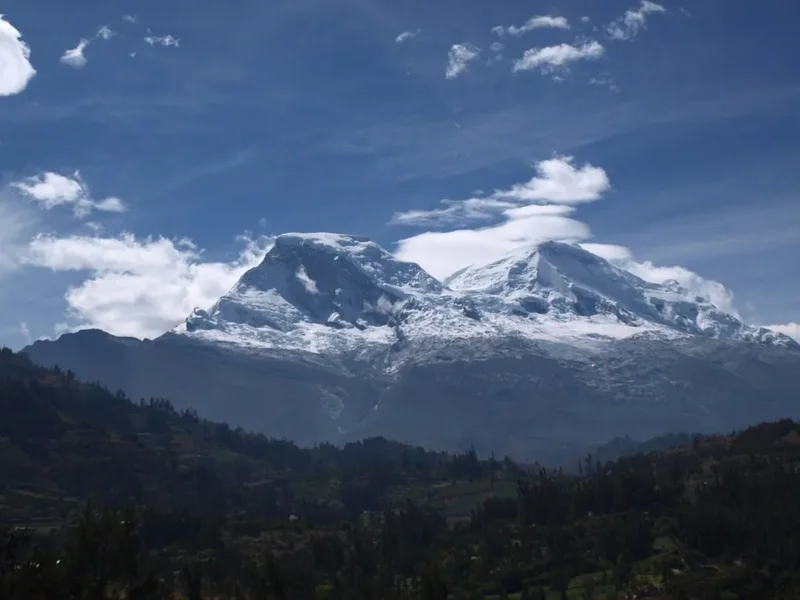
The Salkantay Pass Trek is a pilgrimage through some of the most awe-inspiring landscapes in the Peruvian Andes. Named after the majestic Salkantay mountain (Apu Salkantay), meaning "Savage Mountain" in Quechua, this trek takes you through a realm of towering peaks, turquoise glacial lakes, and stark, high-altitude deserts before descending into vibrant cloud forests. Unlike the Inca Trail, Salkantay is not a protected national park route with strict daily limits, offering a more wild and adventurous experience. However, this also means less infrastructure and a greater reliance on self-sufficiency and preparedness.
The trek typically spans four to five days, with the most challenging section being the ascent to Salkantay Pass at an elevation of 4,650 metres. From this dizzying height, walkers are rewarded with unparalleled views of Salkantay and its surrounding snow-capped giants. The descent from the pass is equally dramatic, leading into the humid, verdant cloud forest, a stark contrast to the alpine environment. This ecological transition is one of the trek's most striking features, showcasing the incredible biodiversity of the region. The journey culminates with a walk through the Urubamba Valley and an eventual arrival at the magnificent Inca ruins of Machu Picchu, often via Aguas Calientes.
The Salkantay Pass Trek is a true test of resilience and spirit. It demands respect for the altitude, the weather, and the rugged terrain. For those who embrace the challenge, the rewards are immense: a profound connection with the Andean landscape, a deep appreciation for the ancient Inca civilisation, and the satisfaction of completing one of South America's most spectacular treks.
History and Cultural Context
The Salkantay region has been a sacred landscape for the Inca and pre-Inca civilisations for centuries. The towering peak of Apu Salkantay was revered as a powerful deity, an 'Apu' or mountain spirit, believed to control weather and fertility. Ancient Inca roads, part of the vast Qhapaq Ñan network, crisscrossed these mountains, connecting important settlements and serving as vital trade and communication routes. The Inca built ceremonial sites and agricultural terraces in the valleys, harnessing the fertile land watered by glacial melt. The trek passes through areas where these ancient pathways are still visible, offering a tangible link to the past.
The discovery of Machu Picchu by Hiram Bingham in 1911 brought renewed global attention to the Inca legacy in the region. While Machu Picchu was the ultimate destination for many Inca travellers, routes like Salkantay were crucial for accessing and sustaining this remote citadel. The Salkantay Pass itself was a significant natural barrier, and its successful navigation by the Inca demonstrated their remarkable engineering and survival skills in extreme environments.
In more recent times, the Salkantay Pass Trek has emerged as a popular alternative to the Inca Trail, attracting trekkers seeking a more rugged and less regulated experience. The trek's popularity has grown due to its stunning scenery and the fact that it does not require the same stringent booking procedures as the Inca Trail, although access to Machu Picchu itself still necessitates advance booking. The local Quechua communities continue to live in these valleys, maintaining traditions and offering insights into the cultural heritage that is deeply intertwined with the land.
Seasonal Highlights and Weather Reality
The Salkantay Pass Trek is best undertaken during the dry season, which runs from May to September. This period offers the most favourable weather conditions for high-altitude trekking.
Dry Season (May to September): This is the prime trekking season. Days are generally sunny and clear, offering excellent visibility of the surrounding snow-capped peaks, including Salkantay. Temperatures during the day can be pleasant, often reaching 15-20°C in the lower valleys. However, nights at higher altitudes, especially near Salkantay Pass and at campsites like Huayracmachay, can be extremely cold, frequently dropping below freezing point (0°C) and sometimes reaching -10°C or lower. Snowfall is possible at higher elevations even during the dry season, particularly on the pass.
Shoulder Seasons (April and October): These months can offer a good balance. April may still see some lingering rain from the wet season, but the landscapes are lush and green. October marks the beginning of the transition back to the wet season, with increasing chances of rain. Weather can be more unpredictable during these periods, with a higher possibility of cloud cover obscuring the views.
Wet Season (November to March): This period is characterised by heavy rainfall, particularly in the afternoons. The trails can become muddy, slippery, and prone to landslides. River crossings can be hazardous, and visibility at high altitudes is often poor due to persistent cloud and fog. While the landscapes are incredibly vibrant and less crowded, the trekking conditions are significantly more challenging and potentially dangerous. Many tour operators suspend operations during the peak of the wet season.
Weather Considerations: Regardless of the season, weather in the Andes is notoriously unpredictable. Rapid changes are common, and trekkers should always be prepared for sun, rain, wind, and cold, even within the same day. Altitude sickness is a significant concern, and acclimatisation is crucial.
Recommended Itinerary
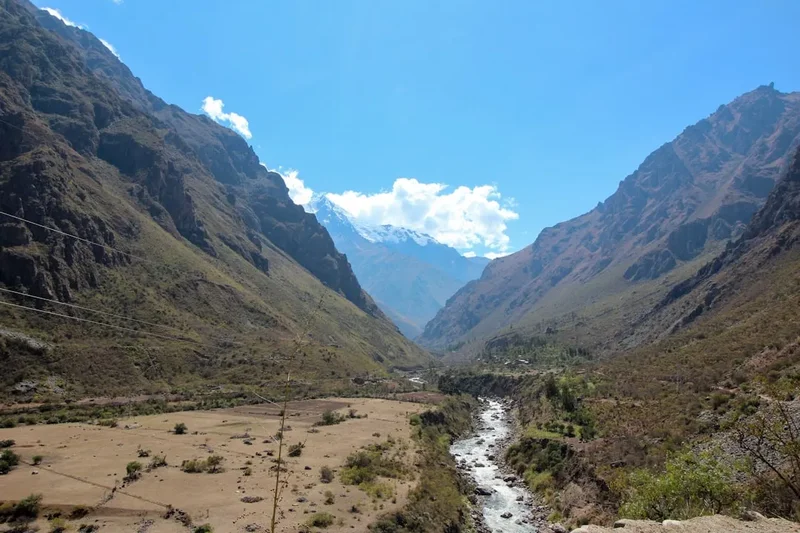
4-Day Salkantay Pass Trek Itinerary
Day 1: Cusco to Soraypampa (Base of Salkantay)
- Distance: Approximately 60 km by vehicle, 7 km trekking
- Elevation gain: ~1,000 m trekking
- Time: 3-4 hours by vehicle, 2-3 hours trekking
- Morning pick-up from Cusco and transfer by private vehicle or bus to Mollepata (approx. 3 hours).
- Brief stop in Mollepata for breakfast and to purchase last-minute supplies.
- Continue by vehicle to Challacancha, the starting point for the trek.
- Trek along the Challacancha canal, enjoying views of the Apurimac River valley.
- Arrive at Soraypampa (3,900 m), the campsite for the night, with stunning views of Apu Salkantay.
- Optional afternoon hike to Humantay Lake (4,200 m), a beautiful turquoise glacial lake.
- Set up camp or check into a lodge at Soraypampa.
Day 2: Soraypampa to Huayracmachay (Crossing Salkantay Pass)
- Distance: Approximately 12 km
- Elevation gain: ~750 m to the pass, ~300 m descent
- Time: 7-9 hours
- Early morning start to tackle the highest point of the trek.
- Steep ascent towards Salkantay Pass (4,650 m).
- Reach the summit of Salkantay Pass, marked by prayer flags and offering panoramic views of Salkantay, Humantay, and surrounding peaks.
- Descend from the pass into the stark, rocky landscape of Huayracmachay (approx. 3,900 m), the campsite for the night.
- This is the most physically demanding day due to the altitude and steep ascents/descents.
- Weather can change rapidly; be prepared for cold, wind, and potential snow.
Day 3: Huayracmachay to La Playa Sahuayaco (Descent into Cloud Forest)
- Distance: Approximately 20 km
- Elevation loss: ~1,500 m
- Time: 7-8 hours
- Begin the long descent from the high Andes into the warmer, humid cloud forest.
- The landscape transforms dramatically, with vegetation becoming more lush and tropical.
- Pass through small villages and agricultural areas.
- Arrive at La Playa Sahuayaco (approx. 2,050 m), a small settlement where most groups camp or stay in basic lodges.
- Opportunity to visit a local coffee plantation and learn about coffee production.
- Enjoy the warmer temperatures and the change in scenery.
Day 4: La Playa Sahuayaco to Aguas Calientes (Machu Picchu Pueblo)
- Distance: Approximately 12 km trekking, plus bus/train
- Elevation gain: ~400 m
- Time: 4-5 hours trekking, plus travel time
- Trek from La Playa towards Hidroelectrica (approx. 2-3 hours).
- From Hidroelectrica, walk along the train tracks to Aguas Calientes (Machu Picchu Pueblo) (approx. 2-3 hours). This is a relatively flat walk through the Urubamba Valley.
- Alternatively, take a short taxi ride from Hidroelectrica to Aguas Calientes.
- Arrive in Aguas Calientes, the town at the base of Machu Picchu.
- Check into your hotel and relax.
- Optional visit to the hot springs in Aguas Calientes.
- Prepare for your visit to Machu Picchu the following day.
Optional Day 5: Machu Picchu Exploration and Return to Cusco
- Early morning bus from Aguas Calientes to Machu Picchu.
- Guided tour of the citadel.
- Time for independent exploration, hiking Huayna Picchu or Machu Picchu Mountain (requires separate booking).
- Afternoon bus back to Aguas Calientes.
- Train from Aguas Calientes to Ollantaytambo, then transfer by vehicle back to Cusco.
Important Notes:
- This itinerary is a guideline; variations exist depending on the tour operator.
- Altitude acclimatisation in Cusco (3,400 m) for at least 2-3 days before starting the trek is highly recommended.
- All meals are typically provided by tour operators on organised treks.
- Accommodation varies from camping to basic lodges and hotels in Aguas Calientes.
- Machu Picchu entrance tickets and bus tickets must be booked in advance.
Planning and Bookings
Book Your Trip
Everything you need to plan your journey
Accommodation
Find places to stay near Cusco
Flights
Search flights to Cusco
Essential Preparation
The Salkantay Pass Trek requires significant physical preparation due to its high altitude and challenging terrain. It is crucial to spend at least 2-3 days in Cusco (3,400 m) before starting the trek to acclimatise properly. This involves resting, drinking plenty of water, and avoiding strenuous activity. Light walks around the city and consuming coca tea can aid acclimatisation.
Logistics for the Salkantay trek typically involve booking a tour package with a reputable operator based in Cusco. These packages usually include transportation from Cusco to the trailhead, meals during the trek, camping equipment (tents, sleeping mats), and a guide. Some operators offer lodge-to-lodge options, which provide more comfortable accommodation but are generally more expensive.
Cusco is the primary gateway city for the Salkantay trek. It offers a wide range of accommodation options, from budget hostels to luxury hotels, as well as numerous restaurants, gear shops, and travel agencies. It is advisable to book your trek and Machu Picchu entrance tickets well in advance, especially if travelling during the peak dry season (June to August).
Trail Accommodation
Accommodation on the Salkantay Pass Trek varies significantly depending on the chosen itinerary and operator. The most common options are:
Camping: Most Salkantay treks involve camping. Tents are typically provided by the tour operator and are set up at designated campsites. Campsites are often basic, with communal dining tents and portable toilets. Some campsites have more developed facilities, such as basic showers or common areas.
- Booking Requirements: Included in most organised trek packages.
- Facilities Provided: Tents, sleeping mats, dining tent, cooking equipment, portable toilets.
- What's NOT Provided: Sleeping bags, pillows, personal toiletries, food (unless on a full-board package).
- Seasonal Availability: Available year-round, but conditions are best during the dry season.
- Costs: Included in trek package price.
Lodges/Hostels: Some sections of the trek, particularly around Soraypampa and La Playa, offer basic lodges or hostels. These provide more comfortable accommodation than tents, often with beds and shared bathrooms. Some higher-end treks may include stays in more established lodges.
- Booking Requirements: Usually arranged by the tour operator as part of the package. Can sometimes be booked independently if travelling without a group.
- Facilities Provided: Beds, blankets, shared bathrooms, common areas. Some may offer meals.
- What's NOT Provided: Private bathrooms (usually), heating, electricity for charging devices (often limited).
- Seasonal Availability: Available year-round.
- Costs: Typically included in lodge-to-lodge trek packages or as an upgrade option.
Aguas Calientes (Machu Picchu Pueblo): Upon arrival in Aguas Calientes, trekkers usually stay in a hotel. Options range from budget hostels to mid-range and higher-end hotels. This is the only point on the trek where standard hotel accommodation is typically provided.
- Booking Requirements: Usually included in trek packages, or can be booked independently.
- Facilities Provided: Private rooms, en-suite bathrooms, hot water, restaurants, Wi-Fi (often unreliable).
- What's NOT Provided: All-inclusive services (meals usually separate unless specified).
- Seasonal Availability: Available year-round.
- Costs: Varies widely based on hotel standard.
This is a multi-day trek requiring overnight accommodation.
Required Gear
- Sturdy hiking boots: Waterproof, broken-in, with good ankle support. Essential for varied terrain and potential wet conditions.
- Waterproof and windproof jacket: Gore-Tex or similar, with taped seams. Crucial for protection against rain and high-altitude winds.
- Waterproof overtrousers: To keep legs dry during downpours.
- Warm layers: Fleece jacket, down jacket or synthetic equivalent. Essential for cold nights and high-altitude passes.
- Thermal base layers: Merino wool or synthetic, to wick away moisture and provide insulation.
- Trekking trousers: Quick-drying and comfortable.
- Hat: Warm beanie for cold weather and a sun hat for protection during the day.
- Gloves: Warm, waterproof gloves for high altitudes.
- Backpack: 40-65 litre capacity, with a rain cover. Should be comfortable for carrying essentials for 4-5 days.
- Sleeping bag: Rated to at least -10°C (-17°C) for comfort at high altitudes.
- Sleeping mat: For insulation and comfort if camping.
- Head torch: With spare batteries, for navigating in the dark and around camp.
- First-aid kit: Including personal medications, blister treatment, pain relievers, antiseptic wipes, and bandages.
- Sunscreen: High SPF (50+), as the sun is intense at altitude.
- Sunglasses: With UV protection.
- Insect repellent: Especially for lower altitudes and Aguas Calientes.
What to Bring
- Food and snacks: While most organised treks include meals, it's wise to carry high-energy snacks like nuts, dried fruit, energy bars, and chocolate for between meals and for personal consumption.
- Water bottles or hydration reservoir: Capacity of at least 2-3 litres.
- Water purification method: Water filter, purification tablets, or the ability to boil water. While water sources are generally available, purification is recommended.
- Toiletries: Biodegradable soap, toothbrush, toothpaste, small towel, hand sanitiser.
- Personal medications: Any prescription medications you require.
- Camera: With spare batteries and memory cards.
- Power bank: For charging electronic devices, as charging opportunities are limited.
- Trekking poles: Highly recommended for stability on ascents and descents, and to reduce strain on knees.
- Small daypack: For carrying essentials during daily hikes (water, snacks, camera, rain gear).
- Duct tape and cord: For emergency repairs.
- Cash: Peruvian Soles (PEN) for tips, souvenirs, drinks, and any personal expenses. ATMs are available in Cusco and Aguas Calientes, but not on the trail.
- Passport: For entry into Machu Picchu and for identification.
- Book or journal: For downtime in the evenings.
Permits
The Salkantay Pass Trek itself does not require a specific trekking permit for the trail itself, unlike the Inca Trail. However, access to Machu Picchu at the end of the trek is strictly controlled and requires advance booking of entrance tickets.
Machu Picchu Entrance Tickets:
- Booking: Tickets must be purchased online through the official Peruvian Ministry of Culture website or via authorised tour operators. It is highly recommended to book these tickets several months in advance, especially if you wish to climb Huayna Picchu or Machu Picchu Mountain, as these have very limited daily quotas.
- Types of Tickets:
- Machu Picchu Only: Allows entry to the main citadel.
- Machu Picchu + Huayna Picchu: Includes entry to the citadel and the hike up Huayna Picchu mountain (a steep, challenging climb with incredible views).
- Machu Picchu + Machu Picchu Mountain: Includes entry to the citadel and the hike up Machu Picchu Mountain (a longer, less steep climb than Huayna Picchu, offering panoramic views).
- Circuits: Machu Picchu now operates on a circuit system, guiding visitors along a predetermined route through the citadel. Ensure your ticket allows access to the areas you wish to see.
- Cost: Prices vary depending on the ticket type and nationality, but typically range from approximately US$40 to US$70 for standard entry.
Train Tickets to Aguas Calientes:
- Tickets for the train from Ollantaytambo (or Poroy) to Aguas Calientes and back are also required and should be booked in advance, especially during peak season. PeruRail and Inca Rail are the primary train operators.
Bus Tickets to Machu Picchu:
- A shuttle bus operates from Aguas Calientes up to the entrance of Machu Picchu. These tickets can be purchased in Aguas Calientes or online in advance.
Important Note: While the Salkantay trek itself doesn't require a permit, your tour operator will handle the logistics of getting you to the starting point and often assist with booking Machu Picchu tickets and train/bus transport. Confirm what is included in your package.
Other Activities in the Area
Beyond the Salkantay Pass Trek and the visit to Machu Picchu, the Cusco region and the Sacred Valley offer a wealth of cultural and natural attractions:
- Cusco City Tour: Explore the historic capital of the Inca Empire, including the Plaza de Armas, Cusco Cathedral, Qorikancha (Temple of the Sun), and the Inca ruins of Sacsayhuamán, Q'enqo, Puka Pukara, and Tambomachay.
- Sacred Valley Tour: Visit the picturesque towns and Inca sites of Pisac (famous for its market and ruins), Ollantaytambo (a remarkably preserved Inca town with a formidable fortress), and Chinchero (known for its traditional weaving and colonial church).
- Maras Salt Mines and Moray Terraces: Explore the unique, ancient salt evaporation ponds of Maras and the fascinating circular agricultural terraces of Moray, believed to have been an Inca agricultural laboratory.
- Rainbow Mountain (Vinicunca): A popular day trip from Cusco, this trek leads to a mountain with striking, multi-coloured mineral deposits. Requires good acclimatisation and is at a high altitude (over 5,000 m).
- Palccoyo Rainbow Mountains: A less crowded alternative to Vinicunca, offering multiple rainbow-coloured mountains with a shorter and less strenuous hike.
- Cusco Museums: Visit the Inca Museum, the Pre-Columbian Art Museum (MAP), and the Chocolate Museum for deeper insights into Inca history and culture.
- Local Markets: Immerse yourself in the vibrant atmosphere of local markets in Cusco and Pisac to find handicrafts, textiles, and local produce.
- Culinary Experiences: Cusco is a gastronomic hub. Enjoy traditional Peruvian cuisine, including ceviche, lomo saltado, and cuy (guinea pig), and sample world-renowned Peruvian chocolate.
Safety and Conditions
Altitude Sickness (Soroche): This is the most significant risk on the Salkantay trek. Symptoms include headache, nausea, dizziness, fatigue, and shortness of breath. Proper acclimatisation in Cusco for 2-3 days before starting is crucial. Coca tea, hydration, and avoiding alcohol and heavy meals can help. If symptoms are severe, descend immediately.
Weather: Andean weather is highly unpredictable. Be prepared for extreme temperature fluctuations, strong winds, rain, and even snow, especially at Salkantay Pass. Always carry layers of clothing, waterproofs, and sun protection.
Trail Conditions: The trail can be steep, rocky, and slippery, particularly after rain. Good hiking boots and trekking poles are essential for stability and to prevent injuries. Landslides can occur during the wet season, potentially blocking the trail or causing hazards.
River Crossings: Some sections may involve crossing streams or rivers. These can become swollen and dangerous during the wet season. Tour operators will assess conditions and ensure safe crossings, but caution is always advised.
Remoteness: The Salkantay trek is more remote than the Inca Trail, with fewer facilities and emergency services. It is essential to trek with a reputable tour operator who provides guides, communication devices (satellite phones), and a first-aid kit.
Food and Water: Ensure you drink purified water and eat food prepared by your tour operator to avoid gastrointestinal issues. Carry personal snacks for energy.
Personal Safety: While generally safe, be aware of your surroundings, especially in towns and on the trail. Keep valuables secure and inform your guide of any health concerns.
Emergency Contacts: Have the contact details for your tour operator, local emergency services, and your embassy readily available.
Travel Insurance: Comprehensive travel insurance that covers high-altitude trekking and emergency evacuation is highly recommended.
Side Trips and Points of Interest
Humantay Lake: Located near Soraypampa, this stunning turquoise glacial lake is a popular side trip on the first day. The hike up to the lake (approx. 4,200 m) offers breathtaking views of the surrounding snow-capped peaks, including Humantay and Salkantay. It's a relatively short but steep climb, well worth the effort for the incredible scenery.
Salkantay Pass (4,650 m): The highest point of the trek, this is a major landmark and a significant achievement. The pass is adorned with colourful prayer flags left by trekkers and locals, symbolising wishes and blessings. The panoramic views from the summit are spectacular, offering a 360-degree vista of the imposing Salkantay massif and the vast Andean landscape.
Cloud Forest Transition: The dramatic shift in scenery from the high alpine desert to the lush cloud forest on Day 3 is a key point of interest. Witnessing the change in flora and fauna as you descend is a remarkable experience, showcasing the incredible biodiversity of the Andes.
Coffee Plantations: In the lower regions, particularly around La Playa, you can visit local coffee plantations. Learn about the cultivation and processing of Peruvian coffee, and enjoy a fresh cup. This offers a glimpse into the local economy and agricultural practices.
Inca Ruins along the Route: While not as extensive as the Inca Trail, remnants of ancient Inca pathways and small ruins can be spotted along the Salkantay route, particularly in the early stages. These serve as reminders of the historical significance of this region as a vital Inca travel corridor.
Aguas Calientes Hot Springs: After the trek, the natural hot springs in Aguas Calientes offer a relaxing way to soothe tired muscles. A visit here is a popular way to unwind before exploring Machu Picchu.
Leave No Trace
The Salkantay Pass Trek traverses pristine natural environments and culturally significant landscapes. Adhering to Leave No Trace principles is paramount to preserving these areas for future generations and respecting the local communities.
Plan Ahead and Prepare: Understand the conditions and regulations for the trek. Book with responsible tour operators who follow LNT principles. Pack appropriately to avoid needing to dispose of items on the trail.
Travel and Camp on Durable Surfaces: Stick to established trails to avoid damaging fragile vegetation. Camp in designated areas or on durable surfaces like rock or dry grass, well away from water sources.
Dispose of Waste Properly: Pack out everything you pack in, including all food scraps, wrappers, and toilet paper. Use designated toilets where available, or dig catholes at least 60 metres away from water, trails, and campsites. Human waste can contaminate water sources and spread disease.
Leave What You Find: Do not remove natural objects like rocks, plants, or artefacts. Do not carve into trees or rocks. Respect historical sites and cultural heritage.
Minimise Campfire Impacts: Campfires are generally not permitted on the Salkantay trek due to the risk of wildfires and the lack of suitable fuel. Use a portable stove for cooking.
Respect Wildlife: Observe wildlife from a distance. Do not feed animals, as this can disrupt their natural behaviours and diets, and can make them dependent on humans or aggressive.
Be Considerate of Other Visitors: Keep noise levels down, especially in campsites and on the trail. Yield to other hikers and allow them to pass. Respect the local culture and traditions of the communities you encounter.
By following these principles, you help ensure that the Salkantay Pass Trek remains a spectacular and sustainable experience.