
Salkantay Pass Day Trek - The Gateway to the Savage Mountain
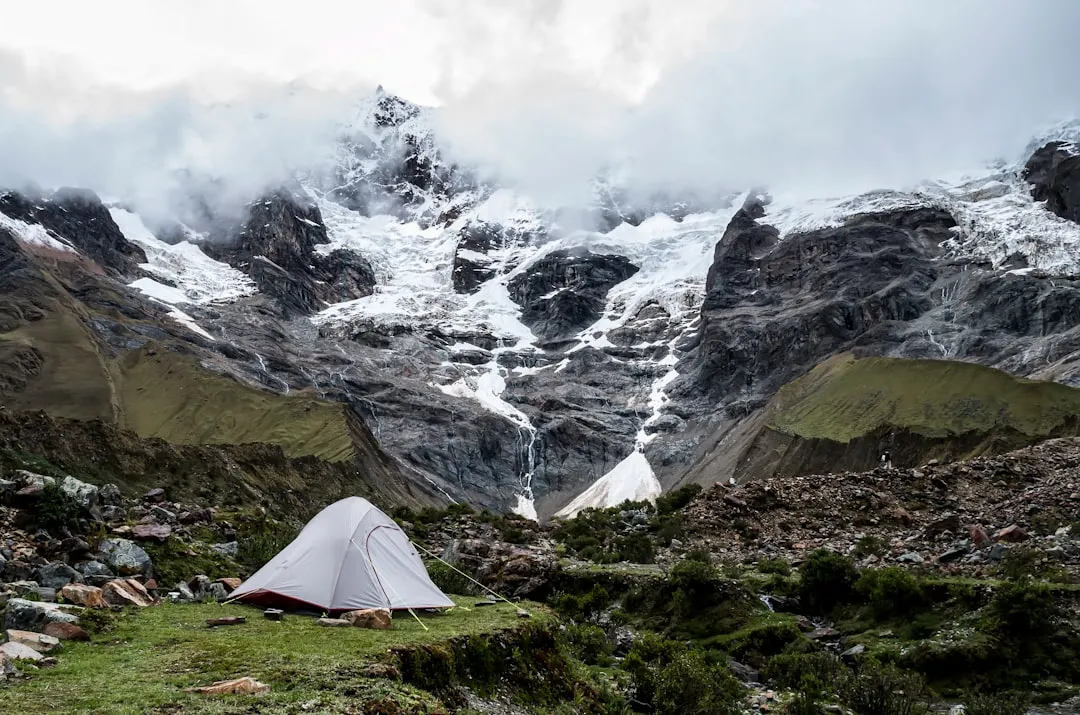
The Salkantay Pass Day Trek is one of the most formidable and visually spectacular high-altitude challenges in the Peruvian Andes. While most travellers experience the Salkantay route as part of a multi-day pilgrimage to Machu Picchu, the single-day ascent to the pass offers an intense, condensed version of this legendary journey. Reaching an altitude of 4,630 metres above sea level, this trek takes you to the very feet of Nevado Salkantay, the "Savage Mountain," which towers at 6,271 metres. This is not merely a walk; it is a vertical odyssey through the heart of the Cordillera Vilcabamba, transitioning from the high-altitude grasslands of the puna to the stark, glacial moraines of the alpine zone. The route is defined by its raw, unbridled power—a landscape of turquoise glacial lakes, crumbling granite spires, and the constant, thundering presence of the ice-clad peaks that the Inca people worshipped as powerful deities.
Starting from the remote outpost of Soraypampa, the trek demands a rigorous 1,500-metre elevation gain over a relatively short distance, testing the cardiovascular limits of even the most seasoned hikers. The reward is a perspective of the Andes that few day-trippers ever witness: a 360-degree panorama of the Vilcabamba range, where the air is thin, the light is crystalline, and the silence is broken only by the cracking of glaciers or the whistle of the Andean wind. This trek is an essential experience for those who seek the majesty of the high mountains without the commitment of a week-long expedition, providing a profound connection to the geological and spiritual heart of Peru.
- Distance: 22.0 km return
- Duration: 10–12 hours
- Elevation Gain: 1,500 m
- Highest Point: Salkantay Pass (4,630 m)
- Difficulty: Challenging / Strenuous
- Closest City: Cusco (approx. 4.5 hours away)
- Trailhead: Soraypampa (3,900 m)
Overview
The Salkantay Pass Day Trek is a masterclass in Andean topography. It begins in the Soraypampa valley, a high-altitude basin surrounded by the towering peaks of Humantay and Salkantay. The initial stages of the trek wind through the "ichu" (Andean feather grass) slopes, where local muleteers and their caravans are a common sight, carrying supplies for the longer treks to Machu Picchu. As you ascend, the vegetation thins, replaced by the hardy flora of the high Andes—small, resilient wildflowers and the occasional polylepis tree, one of the few woody plants capable of surviving at these extreme altitudes.
The physical core of the trek is the "Siete Culebras" or Seven Snakes—a series of steep, relentless switchbacks that climb the final headwall toward the pass. This section is where the altitude becomes a tangible force, slowing your pace and demanding a rhythmic, meditative approach to movement. Upon reaching the pass, the landscape transforms into a lunar world of grey rock and white ice. The proximity to the Salkantay glacier is staggering; you are close enough to see the deep blue crevasses and hear the occasional roar of ice shifting on the mountain's southern face. The descent follows the same route, offering a different perspective on the Humantay massif and the sprawling valley below, often bathed in the golden light of the late afternoon.
This trek is often chosen as a high-altitude training run or as a standalone adventure for those with limited time in the Cusco region. Unlike the heavily regulated Inca Trail, the Salkantay route offers a sense of wildness and unpredictability. There are no stone steps or manicured paths here; the trail is a rugged mix of dirt, loose scree, and glacial till. It is a journey that requires respect for the elements and a deep understanding of one's own physical limits in an environment where oxygen is scarce and the weather can turn from blistering sun to a snowstorm in a matter of minutes.
History and Cultural Context
The name "Salkantay" is derived from the Quechua word "Salka," meaning wild, uncivilised, or savage. In Andean cosmology, mountains are not merely geological features but "Apus"—living spirits that protect the surrounding lands and the people who inhabit them. Salkantay is considered one of the most powerful Apus in the Cusco region, second only to Ausangate. For the Inca, Salkantay was the "Lord of the Mountains," a deity that controlled the weather and the fertility of the valleys below. The pass itself has been a vital transit point for centuries, connecting the high Andean plateau with the lush cloud forests of the Amazon basin.
Historically, this route was part of the vast Qhapaq Ñan, the Inca road system that spanned over 30,000 kilometres across South America. While the Salkantay Pass was not the primary royal road to Machu Picchu, it served as a critical secondary route for pilgrims, soldiers, and traders. The mountain's alignment with the Southern Cross and its role in the Inca calendar suggest it held significant astronomical and religious importance. Even today, you will see "apachetas"—small stone cairns built by trekkers and locals alike—at the summit of the pass. These are offerings to the Apu, a tradition that has persisted for over half a millennium, asking for safe passage and expressing gratitude for the mountain's protection.
The local communities around Mollepata and Soraypampa continue to live in a way that is deeply intertwined with the mountain. They rely on the glacial meltwater for their crops and livestock, and many work as "arrieros" (muleteers), maintaining a tradition of high-altitude transport that predates the arrival of the Spanish. Walking this trail is an opportunity to witness this enduring relationship between the Andean people and their sacred landscape, a connection that remains vibrant despite the increasing pressures of modern tourism.
Want more background? Read extended notes on history and cultural context → Learn more
Seasonal Highlights and Weather Reality
The weather in the Peruvian Andes is defined by two distinct seasons: the dry season and the wet season. Understanding these cycles is critical for a successful and safe ascent of the Salkantay Pass.
Dry Season (May to September): This is the optimal window for trekking. During these months, you can expect clear, blue skies and stable weather conditions. The visibility is at its peak, offering unobstructed views of the Salkantay and Humantay glaciers. However, the dry season also brings the coldest temperatures. At the trailhead in Soraypampa, pre-dawn temperatures can drop to -5°C, and at the pass, the wind chill can make it feel significantly colder. Sun protection is vital during this time, as the thin atmosphere provides little protection against intense UV radiation.
Shoulder Seasons (April and October): These months can be unpredictable. You may experience beautiful, clear mornings followed by heavy afternoon rain or snow at higher elevations. The landscape is often greener and more vibrant during these periods as the rains begin or end, but the risk of cloud cover obscuring the peaks is higher. These months are excellent for those looking to avoid the peak crowds of July and August.
Wet Season (November to March): Trekking the Salkantay Pass during the height of the wet season is a serious undertaking. Heavy rain is frequent, and at altitudes above 4,000 metres, this often falls as snow or sleet. The trail can become extremely muddy and slippery, and the risk of landslides or rockfalls increases. Visibility is often poor, with the mountains frequently shrouded in thick mist. While the temperatures are slightly warmer than in the dry season, the dampness makes it difficult to stay warm once you stop moving. This season is recommended only for experienced trekkers with high-quality waterproof gear.
Recommended Itinerary
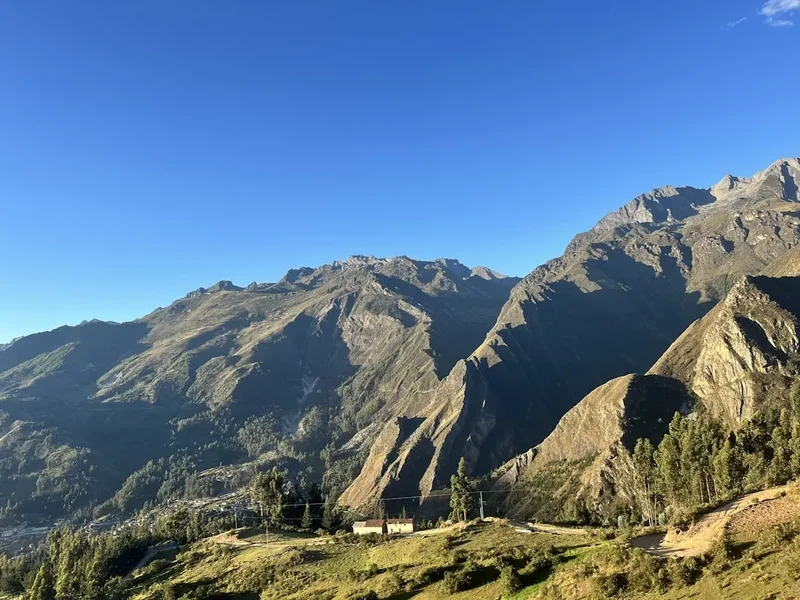
Salkantay Pass Day Trek Itinerary
Early Morning: The Journey from Cusco
- 03:00 – 03:30: Private pick-up from your accommodation in Cusco.
- 03:30 – 06:00: Drive through the Anta plains and down into the Limatambo valley.
- 06:00 – 07:00: Arrival in Mollepata (2,900 m) for a quick breakfast and final supply check.
- 07:00 – 08:00: Continue the drive on a winding dirt road to the Soraypampa trailhead (3,900 m).
- 08:00 – 08:15: Final gear adjustment, briefing, and commencement of the trek.
Morning: The Ascent to Soyrococha
- 08:15 – 10:00: Begin the steady climb from Soraypampa. The trail follows the valley floor before beginning a series of long, gradual inclines.
- 10:00 – 11:00: Reach the "Siete Culebras" (Seven Snakes) switchbacks. This is the steepest part of the morning climb.
- 11:00 – 11:30: Arrive at Soyrococha (4,400 m), a small glacial lake at the base of the final pass. This is an ideal spot for a short rest and hydration.
- The views of the Humantay glacier behind you and the Salkantay massif ahead become increasingly dramatic as you gain elevation.
Midday: Reaching the Salkantay Pass
- 11:30 – 12:30: The final push from Soyrococha to the Salkantay Pass (4,630 m). The air is noticeably thinner here, requiring a slow and steady pace.
- 12:30 – 13:15: Summit of the Salkantay Pass. Time for photographs, exploring the apachetas (stone cairns), and taking in the 360-degree views.
- Observe the transition from the southern glacial face to the northern valley that leads toward the cloud forest.
- Enjoy a packed lunch while sheltered from the wind behind the rock outcrops.
Afternoon: The Descent and Return
- 13:15 – 15:30: Begin the descent back to Soraypampa. The downhill section is hard on the knees; trekking poles are highly recommended.
- 15:30 – 16:30: Optional quick detour to the base of Humantay Lake if energy levels permit (though most day trekkers head straight back).
- 16:30 – 17:00: Arrival back at the Soraypampa trailhead. Meet your transport for the return journey.
- 17:00 – 18:00: Drive back to Mollepata for a celebratory coffee or snack.
- 18:00 – 21:00: Return drive to Cusco, arriving back at your accommodation in the evening.
Important Notes:
- This is a high-altitude trek; previous acclimatisation in Cusco (at least 2–3 days) is mandatory.
- The weather at the pass can be 15°C colder than at the trailhead; layers are essential.
- Mules can be hired at Soraypampa for those struggling with the ascent, but they must be arranged early.
- Ensure your transport is confirmed for the return journey, as colectivos from Soraypampa are infrequent in the late afternoon.
Planning and Bookings
Book Your Trip
Everything you need to plan your journey
Accommodation
Find places to stay near Cusco
Flights
Search flights to Cusco
Essential Preparation
The most critical element of preparation for the Salkantay Pass is altitude acclimatisation. Cusco sits at 3,400 metres, while the pass reaches 4,630 metres. Attempting this trek on your first or second day in the region is a recipe for altitude sickness. It is strongly recommended to spend at least three days in Cusco or the Sacred Valley performing light activity before attempting this trek. Physical fitness is also paramount; while the trail is technically straightforward, the combination of steep gradients and low oxygen levels makes it a strenuous endeavour.
Logistically, you must decide between an organised tour or an independent trek. Organised tours from Cusco typically include transport, a guide, breakfast, and lunch. If going independently, you will need to arrange a private taxi or take a "colectivo" (shared van) from Cusco to Mollepata, and then another from Mollepata to Soraypampa. Private transport is significantly more expensive but allows for an earlier start, which is crucial for beating the crowds and ensuring you return before dark.
Trail Accommodation
This is a day hike requiring no overnight accommodation on the trail itself. However, for those who wish to start the trek even earlier or break up the journey, there are several options at the trailhead in Soraypampa.
Soraypampa Options:
- Sky Domes / Glass Cabins: Several luxury glamping operators offer transparent domes with views of the stars and the mountains. These must be booked well in advance and are relatively expensive.
- Basic Lodges: There are several rustic lodges in Soraypampa offering simple rooms with shared bathrooms. Facilities are basic, and heating is rarely provided.
- Campsites: Designated camping areas are available for those with their own gear. Expect very cold nights (often below freezing).
- Mollepata: The town of Mollepata (1 hour from the trailhead) has more traditional hotel and hostel options for those who want to stay closer to the start than Cusco.
What is NOT provided: There are no facilities, shelters, or accommodation options between Soraypampa and the Salkantay Pass. Once you leave the trailhead, you are in a remote wilderness environment.
Required Gear
- Trekking Boots: Sturdy, waterproof boots with good ankle support are essential. The terrain is uneven and can be slippery when wet.
- Layered Clothing: A moisture-wicking base layer, a fleece or down mid-layer, and a high-quality waterproof/windproof outer shell.
- Trekking Poles: Highly recommended for the steep ascent and to protect your knees during the 1,500-metre descent.
- Head Torch: Essential if you start before dawn or are delayed on the descent.
- Daypack: A 20–30 litre pack with a rain cover.
- Gloves and Beanie: Essential for the freezing temperatures at the pass.
- Sun Protection: High-SPF sunscreen, lip balm with SPF, and polarised sunglasses to protect against glacial glare.
What to Bring
- Water: At least 3 litres per person. Hydration is key to combating altitude sickness.
- Water Treatment: If you plan to refill from streams, use a filter or purification tablets (livestock are present throughout the valley).
- High-Energy Snacks: Trail mix, chocolate, energy bars, and coca leaves (a traditional Andean remedy for altitude).
- Packed Lunch: A substantial meal to eat at the pass (most tours provide this, but independent hikers must bring their own).
- Personal First Aid Kit: Including blister plasters, ibuprofen, and altitude medication (consult your doctor regarding Acetazolamide/Diamox).
- Cash: Small denominations of Peruvian Soles for the Mollepata entrance fee, snacks at the trailhead, or hiring a mule in an emergency.
- Identification: A copy of your passport (sometimes requested at checkpoints).
Permits
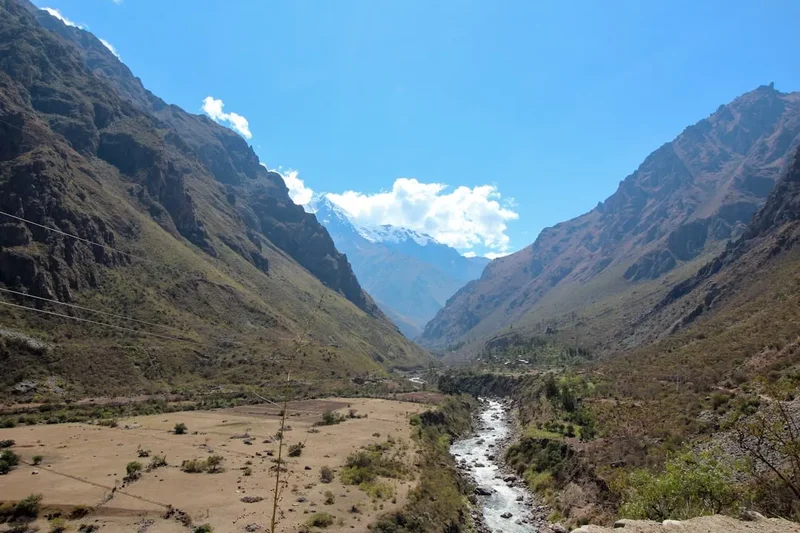
Unlike the Classic Inca Trail, the Salkantay Pass Day Trek does not currently require a government-issued permit that must be booked months in advance. This makes it an excellent "last-minute" alternative for those who were unable to secure Inca Trail spots. However, there are local access fees and logistical considerations to keep in mind.
Entrance Fees:
- Mollepata Access Fee: Most visitors are required to pay a small entrance fee (typically 10–20 Peruvian Soles) at a checkpoint in the town of Mollepata. This fee goes toward the maintenance of the road and local infrastructure. Ensure you receive a paper ticket, as you may be asked to show it later.
- Soraypampa Parking/Access: If you are travelling independently in a private vehicle, there may be a small parking fee at the trailhead.
Regulations:
- While no formal permit is required, it is highly recommended to trek with a registered guide. The high altitude and unpredictable weather make the route potentially dangerous for those unfamiliar with Andean conditions.
- There are no daily limits on the number of hikers, but the trail can become crowded during the peak months of June, July, and August. Starting early (before 08:00) is the best way to manage this.
- If you intend to continue past the pass toward Machu Picchu on a multi-day trek, you will need to ensure your tour operator has the necessary licences for the Santa Teresa or Lucmabamba sections.
Booking Strategy: If you are booking through an agency in Cusco, you can usually do so just 24–48 hours in advance. However, during the peak season, the best guides and transport options may be booked out a week or more ahead of time. Always verify what is included in your "permit" or "entrance fee" when booking with an agency.
Other Activities in the Area
The region around Salkantay and Mollepata offers several other world-class attractions that can be combined with your trek:
- Humantay Lake (Laguna Humantay): A stunning turquoise glacial lake located just a 1.5-hour climb from Soraypampa. Many people visit this as a standalone day trip, but it can be visited the day before or after your Salkantay ascent.
- Cusco City Tour: Explore the ancient Inca capital, including the Qorikancha (Temple of the Sun) and the massive stone walls of Sacsayhuamán.
- The Sacred Valley: Visit the ruins of Pisac and Ollantaytambo, and the circular agricultural terraces of Moray. This is also an excellent area for lower-altitude acclimatisation.
- Coffee Tours in Lucmabamba: If you extend your trek toward Machu Picchu, you can visit local organic coffee plantations and participate in the roasting process.
- Cocalmayo Hot Springs: Located near Santa Teresa, these natural thermal baths are the perfect way to soothe tired muscles after a high-altitude trek.
- Choquequirao Trek: For those seeking a truly remote experience, the multi-day trek to the "sister city" of Machu Picchu is one of the most challenging in Peru.
Safety and Conditions
Altitude Sickness (Acute Mountain Sickness - AMS): This is the primary safety concern on the Salkantay Pass. At 4,630 metres, the available oxygen is significantly less than at sea level. Symptoms include headache, nausea, dizziness, and fatigue. If symptoms persist or worsen, the only cure is immediate descent. More severe forms, such as HAPE (High Altitude Pulmonary Edema) or HACE (High Altitude Cerebral Edema), are life-threatening emergencies. Never ignore the signs of altitude sickness in yourself or your companions.
Weather Volatility: The weather at the pass can change in an instant. Even on a sunny day, a sudden "friaje" (cold front) can bring snow and freezing winds. Hypothermia is a genuine risk if you are not properly layered. Always carry waterproof gear, even if the sky is clear when you start. Lightning is also a concern during afternoon storms; if you see lightning or hear thunder while near the pass, descend immediately to lower ground.
Terrain Hazards: The trail is rugged and consists of loose rock and scree, particularly on the "Seven Snakes" section. Slips and falls are common, especially on the descent. Use trekking poles to maintain stability. Be aware of mule trains; always stand on the "mountain side" of the trail (away from the cliff edge) to let them pass, as they can be unpredictable.
Emergency Evacuation: There is no cell phone service on most of the trail. In the event of an injury or severe altitude sickness, the primary method of evacuation is by mule back to Soraypampa, and then by vehicle to Mollepata or Cusco. Ensure your travel insurance specifically covers high-altitude trekking up to 5,000 metres and includes emergency medical evacuation.
Hydration and Nutrition: Dehydration accelerates the onset of altitude sickness. Drink at least 3–4 litres of water throughout the day. Avoid alcohol and heavy meals the night before your trek. Eat small, frequent snacks high in carbohydrates to maintain your energy levels in the cold.
Side Trips and Points of Interest
The Salkantay Glacier: As you reach the pass, the southern face of Nevado Salkantay looms directly over the trail. This is one of the most accessible places in the Peruvian Andes to see a massive hanging glacier up close. Listen for the "thunder" of the mountain—the sound of ice cracking and shifting deep within the glacier. The scale of the ice walls is a humbling reminder of the power of the natural world.
Soyrococha Lake: This small, high-altitude lake sits at approximately 4,400 metres. It often serves as a mirror for the surrounding peaks on calm mornings. It is a place of profound stillness and a great spot to observe Andean birdlife, such as the Andean Goose or the occasional Caracara.
The Apachetas: At the summit of the pass, you will find numerous stone cairns. These are not just markers; they are spiritual offerings. It is traditional to carry a small stone from the bottom of the climb and place it on a cairn at the top as a gesture of respect to the Apu Salkantay. This simple act connects you to centuries of Andean tradition.
Humantay Viewpoint: While the Salkantay Pass is the goal, the views of Nevado Humantay (5,917 m) during the first half of the ascent are equally spectacular. The mountain's sharp, pyramidal peak and steep ice flutings make it one of the most photogenic mountains in the range. The perspective from the Salkantay trail offers a much grander view of the entire Humantay massif than you get from the lake itself.
Leave No Trace
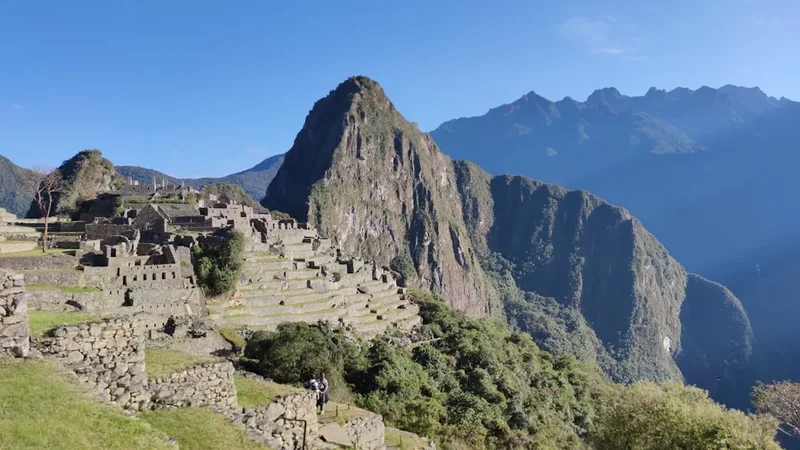
The Salkantay region is a fragile high-alpine ecosystem that is under increasing pressure from tourism. It is the responsibility of every trekker to minimise their impact on this sacred landscape. The "Savage Mountain" deserves our utmost respect.
Leave No Trace Principles for Salkantay:
- Pack it in, pack it out: Carry all your rubbish back to Cusco. This includes organic waste like orange peels or banana skins, which decompose very slowly in the cold, thin air of the high Andes.
- Stay on the trail: Avoid taking shortcuts on the switchbacks. This causes severe soil erosion and destroys the delicate high-altitude vegetation that takes years to grow.
- Respect the water: Do not wash yourself or your gear in the glacial lakes or streams. These are vital water sources for the communities and livestock downstream.
- No fires: Wood is extremely scarce at these altitudes, and the dry ichu grass is highly flammable. Use a portable stove if you are camping.
- Respect wildlife: Observe Andean condors, foxes, and viscachas from a distance. Never feed them, as it disrupts their natural foraging behaviour.
- Cultural respect: Treat the apachetas and other local landmarks with reverence. Do not remove stones from ancient structures or cairns.
- Human waste: Use the basic toilet facilities at Soraypampa before you start. If you must go on the trail, ensure you are at least 60 metres from water sources and bury waste in a "cathole" 15–20 cm deep, packing out your toilet paper.