
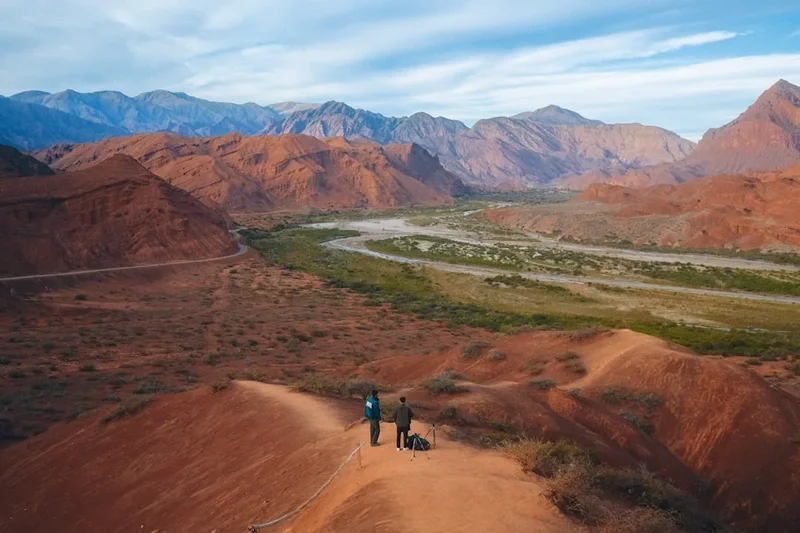
Salinas Grandes Rim Walk
The Salinas Grandes Rim Walk offers a unique and accessible introduction to one of Argentina's most striking natural wonders: the vast Salinas Grandes salt flats. Located in the heart of the Puna de Atacama, this walk provides panoramic views over an immense expanse of white, crystalline salt, stretching to the horizon under the intense high-altitude sun. It's a relatively short and easy trail, making it ideal for travellers seeking a memorable experience without a strenuous physical commitment. The walk is best enjoyed during the dry season, when the salt flats are most accessible and the weather is stable, offering a starkly beautiful landscape that feels almost otherworldly.
- Distance: 8.0 km
- Duration: 2-3 hours
- Elevation Gain: 50 m
- Difficulty: Easy
- Season: April to November (dry season)
- Closest City: Purmamarca
- Trailhead Access: From Jujuy airport (JUJ), take a bus or taxi to Purmamarca. From Purmamarca, drive approx. 45 min (65km) on Ruta 52 towards Paso de Jama. Road is paved but can be winding. Parking available at Salinas Grandes. No permits required. Trailhead GPS: -23.6667, -66.3333.
Overview
The Salinas Grandes are one of Argentina's largest salt flats, covering an area of approximately 6,000 square kilometres. Formed by the evaporation of ancient lakes, the flats present a dazzling white landscape dotted with hexagonal salt formations and, in some areas, shallow pools of brine. The Rim Walk specifically follows the perimeter of a section of these flats, offering a safe and elevated perspective of the immense scale and unique geology. Unlike walking directly on the flats, which can be hazardous due to unstable crusts and brine pools, the rim walk provides a stable path with commanding views.
The walk is characterised by its stark beauty and the intense sensory experience of the high-altitude environment. The air is thin and dry, the sun is powerful, and the silence is profound, broken only by the crunch of salt underfoot and the occasional gust of wind. The visual impact of the endless white expanse, contrasted with the deep blue sky and the distant, rugged mountains of the Puna, is unforgettable. This is a landscape that demands attention and rewards observation, offering a glimpse into a geological process that has shaped the region over millennia.
The easy gradient and short distance make this walk accessible to most fitness levels. However, the altitude (over 3,400 metres) is a significant factor. Visitors should acclimatise properly before undertaking this walk, drinking plenty of water and avoiding strenuous activity on their first day at altitude. The best time to visit is during the dry season (April to November), when the salt crust is firm and the weather is generally clear and sunny. During the wet season (December to March), parts of the salt flats can be covered by shallow water, making access more difficult and potentially altering the visual landscape.
History and Cultural Context
The Salinas Grandes have been a vital resource for local communities for centuries. Indigenous peoples of the Puna region have harvested salt from these flats for millennia, using it for food preservation, trade, and medicinal purposes. The salt was a valuable commodity, traded across vast distances with communities in the valleys and along the coast. The traditional methods of salt extraction, often involving manual labour and simple tools, are still practised in some areas, a testament to the enduring relationship between the people and this unique environment.
During the colonial era and into the 19th century, the salt flats continued to be an important economic zone. The Spanish conquistadors recognised the value of salt, and its extraction became a significant activity, contributing to the regional economy. The development of roads and trade routes, such as the historic Camino Real, facilitated the transport of salt to distant markets. The Salinas Grandes were also strategically important, situated along routes connecting the Andean highlands with the lowlands.
In more recent times, the Salinas Grandes have become a significant tourist attraction, drawing visitors from around the world who are captivated by their surreal beauty. The development of tourism infrastructure, including improved road access and local services, has made the salt flats more accessible. However, efforts are ongoing to balance tourism with the preservation of the delicate ecosystem and the cultural heritage associated with the salt extraction traditions. The Rim Walk itself is a modern development, designed to offer a safe and scenic way for visitors to appreciate the grandeur of the Salinas Grandes without disturbing the fragile salt crust.
Seasonal Highlights and Weather Reality
The Salinas Grandes Rim Walk is best experienced during the dry season, which typically runs from April to November. This period offers the most stable weather conditions and the most accessible salt flats.
Dry Season (April to November): This is the prime time for visiting. The skies are generally clear, and the sun is intense. The salt crust is firm and dry, making walking comfortable and safe. Temperatures can vary significantly; daytime highs can be pleasant, but mornings and evenings can be quite cold, often dropping below freezing due to the high altitude and clear skies. The stark white of the salt flats reflects sunlight intensely, so sun protection is paramount. This season offers the classic, dazzling white landscape that the Salinas Grandes are famous for.
Wet Season (December to March): This period is characterised by higher humidity and the possibility of rainfall. While rain is not constant, it can occur, and when it does, it can transform the salt flats. Shallow pools of brine may form, creating mirror-like reflections of the sky and surrounding mountains. This can be visually stunning but also makes walking directly on the flats more challenging and potentially hazardous. The Rim Walk remains accessible, but the views might be altered by the presence of water. Temperatures are generally warmer during the wet season, but the humidity can make it feel more oppressive. It's advisable to check local weather forecasts before visiting during this time.
Altitude Considerations: Regardless of the season, the altitude (over 3,400 metres) is a significant factor. Visitors should be aware of the symptoms of altitude sickness and take precautions, such as acclimatising gradually, staying hydrated, and avoiding alcohol and strenuous activity on arrival. The dry air at this altitude can also lead to dehydration, so carrying and drinking plenty of water is essential year-round.
Recommended Itinerary
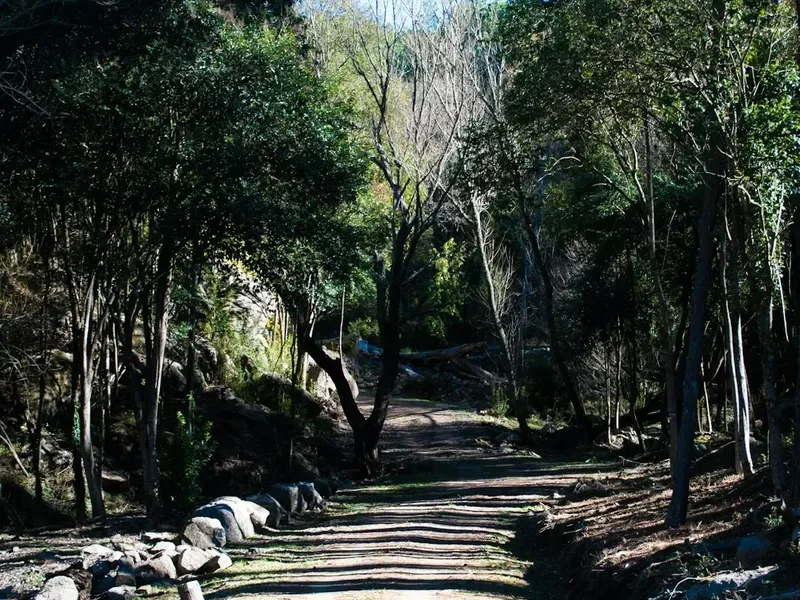
Salinas Grandes Rim Walk - Day Itinerary
Early Morning (Approx. 8:00 AM - 9:00 AM): Departure from Purmamarca
- Depart from Purmamarca, a charming colonial town known for its Hill of Seven Colours.
- Begin the scenic drive along Ruta 52 towards Paso de Jama. The road is paved but winding, ascending into the high-altitude Puna landscape.
- Enjoy the changing scenery as you gain altitude, passing through arid plains and dramatic mountain vistas.
- The drive takes approximately 45 minutes to 1 hour, covering about 65 km.
Morning (Approx. 9:00 AM - 9:30 AM): Arrival at Salinas Grandes and Trailhead
- Arrive at the designated parking area near the edge of the Salinas Grandes.
- Take time to adjust to the altitude and admire the initial views of the vast salt flats.
- Locate the start of the Rim Walk, typically marked by a small sign or a discernible path along the elevated edge of the salt flats.
- Ensure you have applied sunscreen, put on a hat, and are carrying sufficient water.
Midday (Approx. 9:30 AM - 11:30 AM): The Salinas Grandes Rim Walk
- Begin the walk along the rim of the salt flats.
- Distance: 8.0 km (round trip if returning to the start point, or a linear walk if a shuttle is arranged).
- Elevation Gain: Approximately 50 metres, as the path follows the natural contours of the rim.
- Duration: 2-3 hours, allowing for stops to take photographs and absorb the scenery.
- Key Waypoints:
- Follow the well-defined path along the elevated edge of the salt flats.
- Observe the hexagonal patterns of the salt crust up close.
- Look for areas where shallow brine pools may have formed, creating reflective surfaces.
- Admire the panoramic views of the expansive white desert stretching to the horizon.
- Note the contrast between the stark white salt and the colourful, rugged mountains of the Puna in the distance.
- Experience the profound silence and the intense high-altitude sunlight.
Late Morning/Early Afternoon (Approx. 11:30 AM - 12:30 PM): Return and Exploration
- Complete the walk, returning to the parking area.
- Spend some time exploring the immediate vicinity of the salt flats. Some areas may have small artisanal salt processing operations or souvenir stalls.
- Take final photographs and appreciate the unique environment.
Afternoon (Approx. 12:30 PM onwards): Departure and Return Journey
- Begin the drive back towards Purmamarca.
- Consider stopping at viewpoints along Ruta 52 to capture more of the Puna landscape.
- Arrive back in Purmamarca for lunch or to continue your onward journey.
Important Notes:
- Altitude: The Salinas Grandes are located at over 3,400 metres. Acclimatise properly before attempting this walk.
- Sun Protection: The sun is extremely intense at this altitude. Wear high SPF sunscreen, a wide-brimmed hat, and sunglasses.
- Hydration: Carry at least 1-2 litres of water per person. The dry air and altitude can lead to rapid dehydration.
- Footwear: Sturdy walking shoes or hiking boots are recommended.
- Footwear Protection: Salt can be corrosive. Consider wearing shoes you don't mind getting salt on, or clean them thoroughly afterwards.
- Weather: While the dry season is generally stable, weather can change rapidly in the mountains. Be prepared for wind and temperature fluctuations.
- Respect the Environment: Stay on marked paths to avoid damaging the fragile salt crust and surrounding vegetation.
Planning and Bookings
Book Your Trip
Everything you need to plan your journey
Accommodation
Find places to stay near Purmamarca
Flights
Search flights to Purmamarca
Essential Preparation
The Salinas Grandes Rim Walk is a day hike, meaning no overnight accommodation is required. The primary logistical considerations involve reaching the trailhead and preparing for the high-altitude environment. Purmamarca is the closest town and a good base for acclimatisation and accessing the salt flats. It offers a range of accommodation options, from hostels to boutique hotels, and has restaurants and shops for supplies.
Getting to Purmamarca: The nearest major airport is Jujuy (JUJ). From Jujuy, you can take a bus or a taxi to Purmamarca. The journey takes approximately 1.5 to 2 hours by road. Alternatively, if arriving from Salta, it's a longer bus journey (around 3-4 hours).
Getting to Salinas Grandes from Purmamarca: The most convenient way to reach the Salinas Grandes is by car. Rental cars are available in Jujuy or Salta. The drive from Purmamarca to the salt flats is approximately 65 km (about 45 minutes) along Ruta 52. The road is paved but can be winding as it ascends into the Puna. If you do not have a rental car, you can hire a taxi or join an organised tour from Purmamarca or Tilcara.
Acclimatisation: Given the altitude of the Salinas Grandes (over 3,400 metres), it is crucial to acclimatise. Spend at least one night in Purmamarca (around 2,300 metres) or a similar altitude before attempting the Rim Walk. Drink plenty of water, avoid alcohol and heavy meals, and take it easy on your first day.
Trail Accommodation
This is a day hike requiring no overnight accommodation.
Required Gear
- Sturdy walking shoes or hiking boots: Essential for navigating the uneven terrain along the rim.
- Sun hat: A wide-brimmed hat is crucial for protection against the intense high-altitude sun.
- Sunglasses: High UV protection sunglasses are necessary due to the glare from the salt flats.
- Lightweight, breathable clothing: Layers are recommended as temperatures can fluctuate.
- Windbreaker or light jacket: The Puna can be windy, even during sunny days.
- Backpack: A small daypack to carry water, snacks, and personal items.
- Camera: To capture the unique landscape.
What to Bring
- Water: At least 1-2 litres per person. Dehydration is a significant risk at altitude.
- Sunscreen: High SPF (50+) sunscreen, applied liberally and reapplied frequently.
- Snacks: Energy bars, fruit, or other light snacks to maintain energy levels.
- Lip balm with SPF: To protect lips from sun and wind.
- Personal medications: If you have any specific medical needs.
- Hand sanitiser: For hygiene.
- Small first-aid kit: Including plasters for blisters and antiseptic wipes.
- Cash: For any small purchases at local stalls or for potential taxi services.
Permits
No permits are required to access the Salinas Grandes or to undertake the Rim Walk. The area is generally open to visitors, and there are no specific entry fees or booking systems in place for this particular trail. Access is managed by local authorities and is largely unregulated, allowing for free exploration within designated areas.
Important Considerations:
- Respect Private Property: While the salt flats are vast, be mindful of any areas that may be privately owned or used for traditional salt harvesting.
- Environmental Protection: Visitors are expected to adhere to Leave No Trace principles and avoid damaging the fragile salt crust or disturbing the local wildlife.
- Safety: Always prioritise your safety. The altitude and intense sun are the primary concerns. Inform someone of your plans if you are hiking alone.
Other Activities in the Area
The region surrounding the Salinas Grandes offers a wealth of cultural and natural attractions:
- Purmamarca: Explore the charming adobe village, visit the Hill of Seven Colours (Cerro de los Siete Colores), and browse the artisan market for local crafts.
- Tilcara: Discover the Pucará de Tilcara, an impressive pre-Inca fortification, and visit the botanical garden showcasing regional flora.
- Humahuaca Gorge: A UNESCO World Heritage site, this stunning valley features dramatic rock formations like the Paleta del Pintor (Painter's Palette) and the Monument to the Heroes of Independence.
- Iruya: A remote and picturesque village perched precariously on a mountainside, accessible via a challenging but rewarding drive.
- Laguna de los Pozuelos: A high-altitude wetland and protected area, home to a variety of bird species, including flamingos.
- Scenic Drives: The routes through the Puna offer breathtaking landscapes, including vast salt flats, colourful mountains, and stark desert plains.
Safety and Conditions
Altitude Sickness: The most significant safety concern is the high altitude (over 3,400 metres). Symptoms can include headache, nausea, dizziness, and fatigue. To mitigate risk:
- Acclimatise gradually by spending at least 24-48 hours at a lower altitude (e.g., Purmamarca) before visiting the Salinas Grandes.
- Stay well-hydrated by drinking plenty of water.
- Avoid alcohol and strenuous physical activity on your first day at altitude.
- If symptoms persist or worsen, descend to a lower altitude immediately.
Sun Exposure: The sun's rays are extremely intense at this altitude due to the thin atmosphere and high reflectivity of the salt flats. Always wear high SPF sunscreen, a wide-brimmed hat, and sunglasses. Seek shade when possible, although shade is scarce on the salt flats themselves.
Dehydration: The dry air and high altitude can lead to rapid dehydration. Carry and drink at least 1-2 litres of water per person for the duration of the walk. Electrolyte drinks can also be beneficial.
Terrain: While the Rim Walk is considered easy, the ground can be uneven. Sturdy walking shoes are recommended. Walking directly on the salt flats can be hazardous due to unstable crusts, brine pools, and sharp salt formations. Stick to the designated rim path.
Weather: While the dry season generally offers stable weather, conditions can change rapidly in the Puna. Be prepared for strong winds and significant temperature drops, especially in the early morning and late afternoon. Carry layers of clothing.
Driving: Ruta 52 is paved but winding and can be narrow in places. Drive cautiously, especially if you are not accustomed to mountain roads. Be aware of potential hazards such as livestock on the road.
Communication: Mobile phone reception can be intermittent or non-existent in remote areas. Inform someone of your travel plans and expected return time.
Side Trips and Points of Interest
Salt Extraction Areas: Near the edges of the Salinas Grandes, you may encounter small-scale artisanal salt extraction operations. These are often marked by piles of salt and simple processing equipment. While not a formal "side trip," observing these traditional practices can offer insight into the cultural significance of the salt flats. Some local vendors may also sell salt products directly.
Brine Pools and Reflections: Depending on recent rainfall, shallow brine pools may form on the salt flats. These can create stunning mirror-like reflections of the sky, clouds, and surrounding mountains, offering incredible photographic opportunities. If you encounter these, exercise extreme caution if venturing off the rim path, as the crust can be unstable.
Geological Formations: Observe the unique hexagonal patterns that form on the salt crust as it dries and contracts. These natural geometric shapes are a fascinating aspect of the salt flats' geology.
Panoramic Vistas: The Rim Walk itself is designed to offer the best vantage points. Take time to simply stand and absorb the immense scale of the salt flats, the stark contrast between the white expanse and the colourful Puna mountains, and the vast, clear sky.
Leave No Trace
The Salinas Grandes are a fragile ecosystem and a culturally significant landscape. Practising Leave No Trace principles is essential to preserve its beauty and integrity for future visitors and local communities.
- Plan Ahead and Prepare: Understand the conditions, especially altitude and weather. Pack appropriately and know your limits.
- Travel and Camp on Durable Surfaces: Stick to the designated Rim Walk path. Avoid walking directly on the salt flats unless you are with a local guide who can ensure safety and minimise impact. The salt crust is delicate and can be easily damaged.
- Dispose of Waste Properly: Pack out everything you pack in. This includes all food scraps, wrappers, and any other litter. There are no waste disposal facilities in the immediate area.
- Leave What You Find: Do not take any salt crystals, rocks, or natural objects from the salt flats or surrounding areas. These are part of the natural environment and should be left for others to enjoy.
- Minimise Campfire Impacts: This is a day hike, so campfires are not applicable.
- Respect Wildlife: Observe any wildlife from a distance and do not feed them. While large fauna is scarce on the flats themselves, the surrounding Puna supports various bird species.
- Be Considerate of Other Visitors: The Salinas Grandes can be a place of profound peace and quiet. Keep noise levels down and respect the experience of others.
By following these principles, you help ensure that the Salinas Grandes remain a pristine and awe-inspiring destination.
 Argentina