
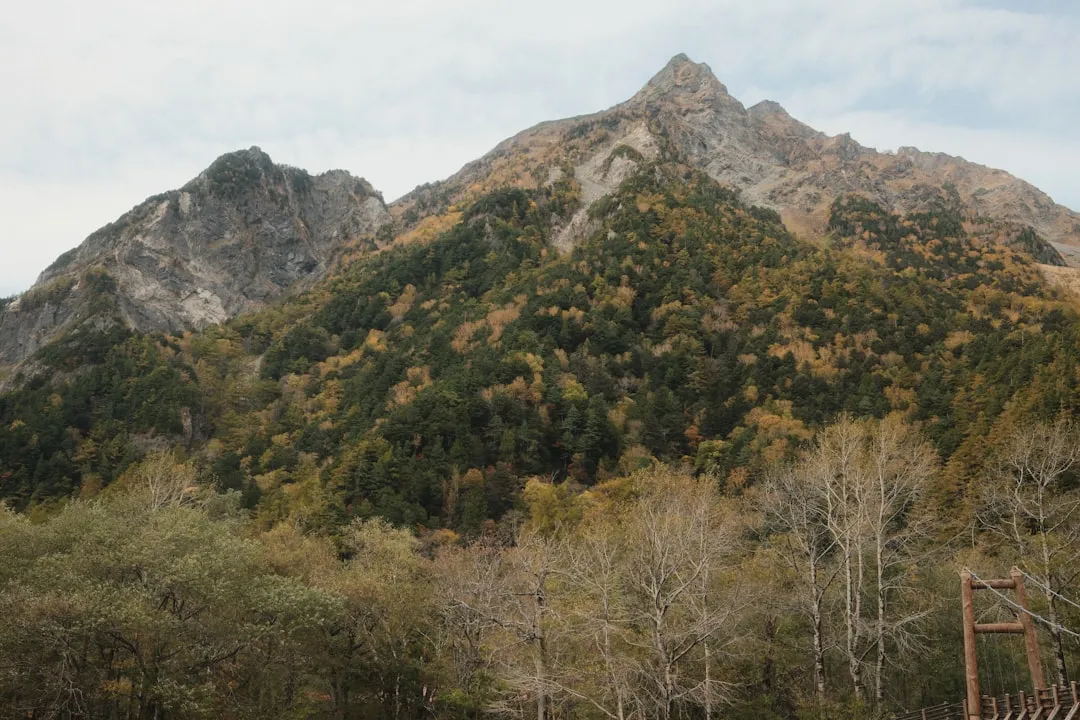
Sakurajima Lava Trail - A Volcanic Walk
The Sakurajima Lava Trail offers a unique and accessible day walk on the iconic Sakurajima volcano, an active stratovolcano in Kagoshima Bay, Japan. This trail provides an unparalleled opportunity to walk directly on recent lava flows, experiencing the raw power and geological dynamism of one of Japan's most active volcanoes. While not a multi-day trek, it delivers a profound connection to volcanic landscapes, showcasing the dramatic effects of eruptions and the resilience of nature. The trail is relatively short but packed with visual interest, from the stark, rugged lava fields to panoramic views of Kagoshima City and the surrounding bay. It's a journey into a landscape shaped by fire, offering a tangible sense of geological time and the ongoing forces that define this region.
- Distance: 3.0 km one-way
- Duration: 2-3 hours
- Season: Spring and Autumn (milder temperatures)
- Difficulty: Moderate
- Highest point: Approximately 150 m elevation gain
- Access: Ferry from Kagoshima Port to Sakurajima Port, then local bus or car
- Permits: Not required
Overview
The Sakurajima Lava Trail is a testament to the volcano's persistent activity. It winds through an area dramatically reshaped by past eruptions, most notably the massive Taisho eruption of 1914, which produced an enormous lava flow that connected the island to the mainland. Walking this trail means traversing solidified lava fields, observing the textures and colours of volcanic rock, and understanding the scale of volcanic events. The path is well-maintained, making it accessible for most fitness levels, though the uneven terrain and potential for heat can make it feel more challenging than its distance suggests.
The trail begins near the Sakurajima Visitor centre, a crucial starting point for understanding the volcano's history and geology. From here, the path leads you onto the lava fields, where the landscape is stark and otherworldly. You'll see evidence of vegetation attempting to reclaim the land, a powerful symbol of nature's enduring ability to adapt and regenerate. The views are a significant part of the experience. To one side, the imposing silhouette of Sakurajima's active craters looms, often emitting plumes of smoke. To the other, the glittering expanse of Kagoshima Bay unfolds, with the cityscape of Kagoshima providing a striking contrast to the volcanic terrain.
The moderate difficulty rating comes from the elevation gain and the nature of the terrain. While not technically demanding, the path can be rocky and uneven, requiring sturdy footwear. The sun can be intense, especially during warmer months, and there is limited shade. Therefore, preparation is key to enjoying this unique volcanic walk. It's an opportunity to witness geological processes in action and appreciate the dramatic beauty of a landscape forged by volcanic fire.
History and Geological Context
Sakurajima has a long and tumultuous history of volcanic activity, dating back thousands of years. It was originally an independent island in Kagoshima Bay. However, the catastrophic Taisho eruption in 1914 dramatically altered its geography and its relationship with the mainland.
The 1914 eruption was one of the most significant in Japan's recorded history. It lasted for several days, spewing vast quantities of ash and lava. The lava flow from this eruption was immense, estimated at over 3 cubic kilometres, and it was so extensive that it formed a land bridge, connecting Sakurajima to the Ōsumi Peninsula and effectively making it a peninsula itself. This event buried villages and farmland, forcing thousands of residents to evacuate. The scale of this lava flow is what forms the basis of the Sakurajima Lava Trail, allowing visitors to walk upon the solidified remnants of this immense geological event.
Before the 1914 eruption, Sakurajima was known for its frequent, smaller eruptions. The island's three peaks—Kitadake (North Peak), Nakadake (Middle Peak), and Minamidake (South Peak)—are the active cones. Minamidake is the most active and is the source of much of the ash and lava that continues to shape the landscape. The Sakurajima Visitor centre provides detailed exhibits on the volcano's geological history, eruption patterns, and the impact on the local population, offering crucial context for the walk.
The ongoing activity of Sakurajima means that the landscape is constantly evolving. While the trail itself is on older, solidified lava flows, the volcano remains a potent symbol of Japan's position on the Pacific Ring of Fire. The trail offers a tangible connection to this powerful geological force, allowing visitors to walk on land that was molten rock less than a century ago.
Seasonal Highlights and Weather Considerations
The best time to walk the Sakurajima Lava Trail is during the spring (March to May) and autumn (September to November). During these seasons, the weather is generally milder, with more comfortable temperatures for walking and hiking. The average temperatures in spring range from 10°C to 20°C, while autumn temperatures are typically between 15°C and 25°C. These conditions minimise the risk of heat exhaustion and make the uneven terrain more manageable.
Spring (March-May): This period offers pleasant temperatures and clear skies, providing excellent visibility of the surrounding bay and the volcano's craters. Cherry blossoms may be in bloom in Kagoshima City, adding a touch of natural beauty to the broader landscape.
Summer (June-August): Summers in Kagoshima are hot and humid, with average temperatures often exceeding 30°C and high humidity levels. The lava fields can become extremely hot under the direct sun, and the lack of shade makes walking uncomfortable and potentially hazardous. While possible, summer walks require significant preparation, including ample water, sun protection, and early morning or late afternoon timing.
Autumn (September-November): Similar to spring, autumn provides ideal conditions. The air is crisp, and the humidity drops, making for enjoyable walking. The changing colours of the foliage in the surrounding areas can also add to the scenic appeal.
Winter (December-February): Winters are generally mild, with average temperatures around 5°C to 15°C. While cooler, the days are shorter, and there's a higher chance of rain or overcast skies. However, winter can offer clear views of the volcano and a less crowded experience. The lava fields themselves are not significantly affected by winter weather, but the overall comfort of the walk is dependent on the ambient temperature and precipitation.
Regardless of the season, it is crucial to check the weather forecast before visiting. Sakurajima is an active volcano, and ashfall can occur. Local authorities provide regular updates on volcanic activity and safety advisories. The Sakurajima Visitor centre is the best source for current conditions and any potential trail closures due to volcanic activity.
Recommended Itinerary
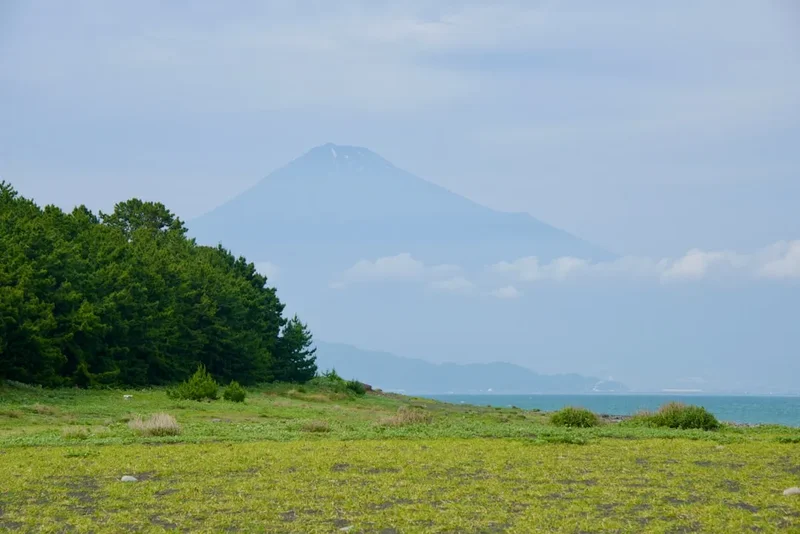
Sakurajima Lava Trail - Day Walk Itinerary
Early Morning (Approx. 9:00 AM): Arrival and Preparation
- Depart from Kagoshima Port via Sakurajima Ferry (approx. 15-minute journey).
- Arrive at Sakurajima Port.
- Take the "Sakurajima Island View Bus" (a tourist loop bus) or a local bus towards the Sakurajima Visitor centre. Alternatively, drive and park at the Visitor centre.
- Spend approximately 30-45 minutes at the Sakurajima Visitor centre to familiarise yourself with the volcano's history, geology, and safety information.
- Ensure you have adequate water, sun protection, and appropriate footwear.
Morning (Approx. 10:00 AM): Trailhead and Ascent
- Begin the Sakurajima Lava Trail from the designated trailhead near the Visitor centre.
- The trail starts with a gradual ascent over the solidified lava fields.
- Distance: Approximately 0.5 km to the first major viewpoint.
- Elevation Gain: Initial climb of around 50 metres.
- Key Waypoints: Observe the stark, rugged texture of the lava rock, noting its various colours (black, grey, reddish-brown). Look for signs of pioneer vegetation attempting to colonise the barren landscape.
Midday (Approx. 11:00 AM - 12:30 PM): Exploring the Lava Fields and Viewpoints
- Continue along the trail, which may involve some uneven terrain and rocky sections.
- Distance: Approximately 1.5 km of walking within the main lava field area.
- Elevation Gain: Further gradual gain, reaching the highest point of approximately 150 metres above sea level.
- Key Waypoints:
- Panoramic Viewpoints: Several designated spots offer breathtaking views across Kagoshima Bay, the city of Kagoshima, and the active craters of Sakurajima.
- Lava Formations: Observe different types of volcanic rock, including scoria and basalt, and understand how they were formed.
- Ash Deposits: Note areas where ash from recent eruptions has settled, creating distinct layers.
- Sakurajima Summit Views: Depending on the weather and volcanic activity, you may see smoke or steam rising from the summit craters.
- Allow ample time for photography and contemplation of the volcanic landscape.
Afternoon (Approx. 1:00 PM): Descent and Return
- Begin the descent back towards the Visitor centre. The return path may follow a slightly different route or retrace steps, depending on the trail design.
- Distance: Approximately 1.0 km for the return journey.
- Elevation Loss: Gradual descent back to the starting point.
- Key Waypoints: Reflect on the experience of walking on a live volcano.
- Upon returning to the Visitor centre, you can explore the exhibits further or enjoy a rest.
- Consider taking the Island View Bus to other points of interest on Sakurajima, such as the Yunohira Observatory or the Lava Nagisa Park Foot Bath.
Important Notes:
- Wear sturdy, closed-toe walking shoes or hiking boots.
- Carry plenty of water (at least 1-2 litres per person).
- Use high-SPF sunscreen, wear a hat, and sunglasses.
- Check the Sakurajima Visitor centre for any safety advisories or trail status updates due to volcanic activity.
- The trail can be exposed to sun and wind; be prepared for changing conditions.
Planning and Bookings
Book Your Trip
Everything you need to plan your journey
Accommodation
Find places to stay near Kagoshima
Flights
Search flights to Kagoshima
Essential Preparation
The Sakurajima Lava Trail is a day walk, meaning no overnight accommodation is required. The primary logistical challenge is reaching Sakurajima from Kagoshima City. The most common and scenic method is by the Sakurajima Ferry, which operates frequently from Kagoshima Port. The ferry ride itself offers excellent views of the volcano and the bay.
Upon arrival at Sakurajima Port, local transport is available. The "Sakurajima Island View Bus" is a convenient hop-on, hop-off service that stops at major attractions, including the Sakurajima Visitor centre, which is the starting point for the lava trail. Alternatively, local buses run on various routes, and taxis are available. Driving is also an option, with parking available at the Visitor centre and other key locations.
Kagoshima City is the main base for most visitors, offering a wide range of accommodation from budget hostels to luxury hotels. It also has excellent transport links, including a Shinkansen (bullet train) station and an airport. Ensure you have comfortable walking shoes, sun protection, and sufficient water, as these are the most critical items for this walk.
Trail Accommodation
This is a day hike requiring no overnight accommodation.
Required Gear
- Sturdy Walking Shoes/Boots: Essential for navigating the uneven, rocky lava terrain. Ensure they are well broken-in to prevent blisters.
- Sun Protection: A wide-brimmed hat, sunglasses, and high-SPF sunscreen are crucial due to the exposed nature of the trail and the intensity of the sun, especially on the dark lava rock which can reflect sunlight.
- Waterproof Jacket: While not a high-altitude trek, sudden rain showers can occur, particularly during the wetter seasons.
- Lightweight Backpack: To carry water, snacks, and personal items.
- Navigation Aids: While the trail is generally well-marked, a map of the area or a GPS device can be useful, especially if exploring beyond the main path.
- First Aid Kit: A basic kit with plasters, antiseptic wipes, pain relievers, and any personal medications.
What to Bring
- Water: At least 1-2 litres per person. There are limited opportunities to refill water bottles on the trail itself.
- Food/Snacks: Energy bars, fruit, or a packed lunch. There are no food facilities directly on the lava trail, though options are available near the Visitor centre and port.
- Camera: To capture the dramatic volcanic landscapes and panoramic views.
- Insect Repellent: While not a major issue on the lava fields, it can be useful in surrounding vegetated areas, especially during warmer months.
- Hand Sanitiser: For hygiene, especially before eating.
- Cash: For ferry tickets, bus fares, and any small purchases. While many places accept cards, smaller vendors or ticket machines might be cash-only.
- Mobile Phone: For communication and potentially accessing online maps or information. Ensure it is fully charged.
Permits
No permits are required to walk the Sakurajima Lava Trail. Access to the trail and the surrounding volcanic areas is generally free and open to the public, provided there are no active volcanic alerts that necessitate closures for safety reasons.
Safety Advisories:
- It is essential to check the current volcanic activity status of Sakurajima before your visit. Information is usually available from the Sakurajima Visitor centre, local tourism offices, or official websites of the Japan Meteorological Agency (JMA) or Kagoshima City.
- In the event of high volcanic activity, ashfall, or seismic events, certain areas, including the lava trail, may be temporarily closed to the public for safety. Always heed any warnings or instructions from local authorities.
- The trail is located on an active volcano, and while efforts are made to ensure visitor safety, inherent risks are associated with such environments.
Visitor centre Information: The Sakurajima Visitor centre is an invaluable resource. Staff can provide up-to-date information on trail conditions, volcanic activity, and safety recommendations. They also offer exhibits that provide crucial context for understanding the geological forces at play.
Other Activities in the Area
Sakurajima offers more than just the lava trail. Consider these activities to enhance your visit:
- Sakurajima Visitor centre: A must-visit for understanding the volcano's history, geology, and impact on the region. It features informative displays and exhibits.
- Sakurajima Port Area: Enjoy the bustling atmosphere and take the frequent ferry back and forth to Kagoshima City for scenic views.
- Sakurajima Island View Bus: This tourist loop bus connects many of the island's key attractions, making it easy to explore without a car.
- Yunohira Observatory: Located at the highest point accessible by road on Sakurajima, this observatory offers spectacular panoramic views of Kagoshima City and the bay. It's a great spot for photography.
- Lava Nagisa Park Foot Bath: A long, free foot bath where you can relax your feet while enjoying views of Kagoshima Bay. It's a unique way to experience the local culture and volcanic landscape.
- Sakurajima Magma Onsen: For those seeking relaxation, this hot spring facility offers a chance to soak in mineral-rich waters with views of the volcano.
- Kagoshima City Exploration: Spend time in Kagoshima City itself, visiting Sengan-en Garden, the Museum of the Meiji Restoration, or enjoying local cuisine like Kurobuta pork and shochu.
Safety and Conditions
Volcanic Activity: Sakurajima is an active volcano. While the lava trail is generally safe during periods of normal activity, visitors must be aware of potential hazards. Ashfall can occur, and in rare cases, larger eruptions may lead to temporary closures. Always check the latest volcanic activity reports from the Japan Meteorological Agency (JMA) or the Sakurajima Visitor centre.
Trail Conditions: The lava trail is primarily composed of solidified volcanic rock. The terrain can be uneven, rocky, and sometimes loose. Sturdy, closed-toe footwear with good grip is essential. There is very little shade along the trail, so sun exposure can be intense.
Weather: Kagoshima experiences hot, humid summers and mild winters. Be prepared for the prevailing weather conditions. In summer, heatstroke is a significant risk; carry ample water and avoid strenuous activity during the hottest parts of the day. In wetter seasons, rain can make the rocks slippery.
Water and Food: Carry sufficient water, as there are no water sources or facilities along the lava trail itself. Similarly, bring snacks or a packed lunch, as food options are limited to the Visitor centre area or other parts of the island.
Emergency Procedures: In case of an emergency, contact local authorities or emergency services. The Sakurajima Visitor centre staff can provide assistance and contact information. Ensure your mobile phone is charged.
Respect the Environment: Stay on marked trails to avoid disturbing fragile volcanic ecosystems and to prevent injury. Do not remove any rocks or volcanic material from the site.
Side Trips and Points of Interest
Sakurajima Visitor centre Exhibits: Before or after your walk, spend time exploring the Visitor centre. It houses detailed exhibits on Sakurajima's geological history, eruption patterns, the impact of the 1914 Taisho eruption, and the ongoing monitoring of the volcano. Interactive displays and informative videos make it an engaging experience.
Sakurajima's Summit Craters (View from afar): While direct access to the active summit craters is restricted for safety reasons, the lava trail and various viewpoints on the island offer excellent vantage points to observe the plumes of smoke and ash that frequently emanate from the summit. Witnessing this active volcanic process is a primary draw for visitors.
The 1914 Lava Flow Landscape: The trail itself is the main point of interest, allowing you to walk directly on the solidified lava from the 1914 eruption. Observe the vastness of the flow, the textures of the cooled magma, and the stark beauty of this geologically recent landscape. The sheer scale of the lava that once connected Sakurajima to the mainland is awe-inspiring.
Panoramic Views of Kagoshima Bay: From various points along the trail and at designated viewpoints, you are treated to stunning vistas of Kagoshima Bay. The contrast between the rugged, dark volcanic terrain and the sparkling blue water, with Kagoshima City nestled on the opposite shore, creates a dramatic and memorable scene.
Leave No Trace
The Sakurajima Lava Trail traverses a unique and geologically significant landscape. Practising Leave No Trace principles is crucial to preserving this environment for future visitors and for scientific study.
Stay on Marked Trails: The lava fields, while appearing barren, can have fragile crusts and underlying structures. Staying on the designated path prevents erosion and protects any nascent plant life that may be attempting to colonise the area. Venturing off-trail can also be dangerous due to unstable ground.
Pack It In, Pack It Out: Carry out all litter, including food wrappers, drink containers, and any other waste you generate. There are limited waste disposal facilities directly on the trail. Ensure you take everything you brought with you back to the designated bins near the Visitor centre or port.
Respect Wildlife and Vegetation: While the lava fields are largely devoid of significant wildlife, any plant life that manages to grow is a testament to nature's resilience. Do not disturb or remove any plants or rocks. The volcanic rock itself is a geological record and should be left in place.
Minimise Impact: Avoid loud noises that could disturb the natural environment or other visitors. The focus here is on the powerful natural forces at play, and a sense of quiet contemplation is often appreciated.
Dispose of Waste Properly: Use the bins provided at the Sakurajima Visitor centre or the port area. If bins are full, carry your waste with you until you can find an appropriate disposal point.
By adhering to these principles, you help ensure that the Sakurajima Lava Trail remains a pristine and accessible experience, allowing others to appreciate the raw beauty and geological power of this active volcano.
 Japan
Japan