
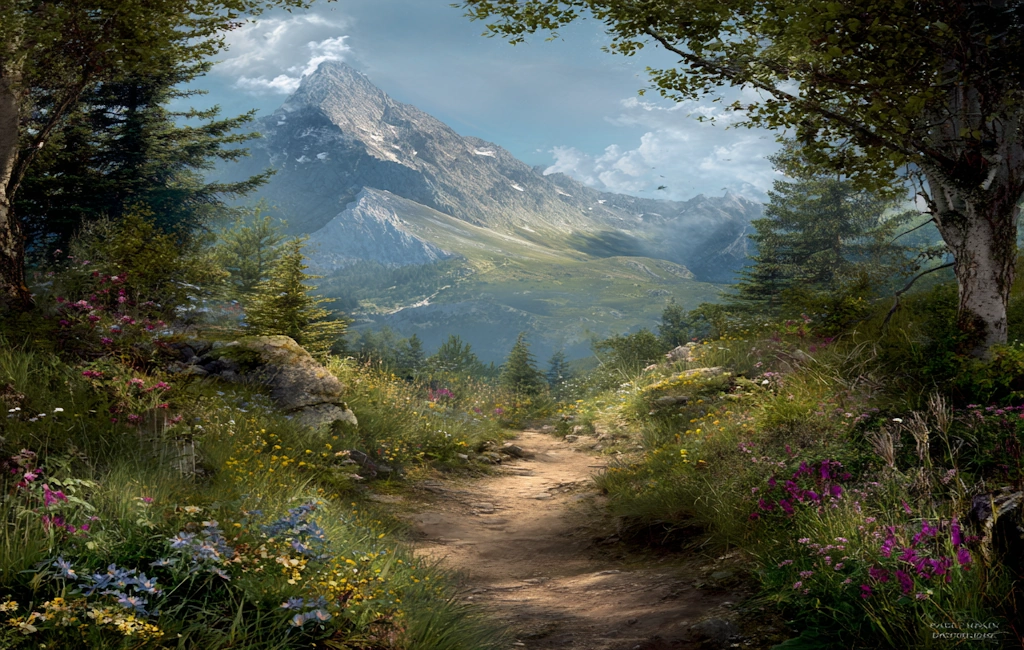
Saklıkent Gorge Trail - A Journey into Turkey's Grand Canyon
The Saklıkent Gorge Trail offers a unique and exhilarating day walk through one of Turkey's most spectacular natural wonders. Located in the Muğla Province, near the ancient city of Tlos, Saklıkent Gorge is a breathtaking 18-kilometre-long canyon carved by the waters of the Karaçay River over thousands of years. This trail is not a typical mountain trek; it's an immersive adventure into a cool, shaded, and often dramatic environment where water is the primary sculptor and companion. The experience is a stark contrast to the arid landscapes often associated with Turkey, providing a refreshing and awe-inspiring escape. The gorge's sheer limestone walls, reaching up to 200 metres in height, create a dramatic natural amphitheatre, while the crystal-clear, icy waters of the river flow through its heart, inviting exploration. This is a walk that engages all the senses, from the sound of rushing water to the feel of cool spray and the sight of ancient rock formations.
- Distance: 18.0 km (one-way, can be walked out-and-back or with transport arrangements)
- Elevation Gain: Approximately 450 m (cumulative, with significant ups and downs within the gorge)
- Duration: 6-8 hours (depending on pace and time spent exploring)
- Difficulty: Moderate (due to uneven terrain, water crossings, and potential for slippery surfaces)
- Best Time: April to October (avoiding peak summer heat and potential flash flood risks in early spring/late autumn)
- Closest City: Fethiye
- Trailhead Access: Entrance of Saklıkent Gorge, accessible by local dolmuş (minibus) or car
- Coordinates: 36.4294° N, 29.3316° E
Overview
The Saklıkent Gorge Trail is a remarkable journey into a geological marvel, offering a refreshing and adventurous day out. Unlike many traditional hiking trails that traverse open landscapes, this route takes you deep into a narrow, winding canyon. The primary challenge and delight of Saklıkent is navigating the river that flows through its base. In many sections, the path *is* the river, requiring walkers to wade through cool, clear water, sometimes up to waist-deep, depending on the season and recent rainfall. Sturdy, waterproof footwear is essential, and many visitors opt for special water shoes or rent them at the entrance.
The gorge walls are a testament to millennia of erosion, displaying fascinating rock formations, mineral deposits, and evidence of ancient geological activity. Sunlight filters down from above, creating a dappled, ethereal light that plays on the water and the towering rock faces. The air is noticeably cooler within the gorge, offering a welcome respite from the Mediterranean sun, especially during the warmer months. The soundscape is dominated by the constant murmur and rush of the Karaçay River, punctuated by the calls of birds and the echoes of fellow explorers.
The trail is not always clearly defined in the traditional sense. While there are sections of gravel paths and wooden walkways built over the water, much of the journey involves following the riverbed. This requires a degree of agility and a willingness to embrace the aquatic nature of the walk. The 18-kilometre distance is significant for a day hike, particularly with the added challenge of water crossings and uneven terrain. It's advisable to start early to allow ample time to complete the full length and enjoy the experience without feeling rushed. The journey culminates at the far end of the gorge, where the river emerges from a narrower, more inaccessible section, often marked by a small waterfall or a change in the canyon's character.
Saklıkent Gorge is more than just a walk; it's an exploration of a living landscape. The constant flow of water shapes the gorge, and its presence is felt at every step. The sheer scale of the canyon, combined with the refreshing coolness of the water, makes for an unforgettable adventure that appeals to nature lovers, adventure seekers, and those looking for a unique cultural and natural experience in Turkey.
History and Cultural Context
Saklıkent Gorge, meaning "Hidden City" or "Hidden Paradise" in Turkish, is a relatively recent discovery in terms of its popularity as a tourist destination. While the gorge itself is an ancient geological formation, its accessibility and recognition as a significant natural attraction are more modern phenomena. The gorge was officially declared a national park in 1990, highlighting its ecological and geological importance.
The area surrounding Saklıkent is rich in history, with the ancient Lycian city of Tlos located nearby. Tlos was a major city in Lycia, a region in southwestern Anatolia, and its ruins include a theatre, acropolis, and rock-cut tombs, offering a glimpse into the lives of its ancient inhabitants. The presence of such historical sites in the vicinity suggests that the gorge may have been known to the Lycians, perhaps used as a source of water or a natural refuge, though its full extent and accessibility would have been limited by the technology and exploration methods of the time.
The Karaçay River, which flows through Saklıkent, has been a vital water source for the region for millennia, supporting agriculture and settlements. The gorge's formation is a result of the river's persistent erosive power over millions of years, carving through the limestone bedrock. The sheer walls, some reaching up to 200 metres, are a testament to this slow but powerful geological process.
In more recent times, Saklıkent Gorge has become a popular destination for both local Turkish tourists and international visitors. Its unique environment—a cool, water-filled canyon in a region that can experience significant summer heat—makes it an attractive escape. Local businesses have sprung up around the entrance, offering amenities such as restaurants, cafes, and equipment rentals (like water shoes and walking sticks), catering to the influx of visitors. The development of the trail and associated infrastructure has allowed for greater access, transforming it from a hidden natural wonder into a celebrated adventure destination.
Seasonal Highlights and Weather Reality
The best time to visit Saklıkent Gorge is during the spring and autumn months, from April to October. During this period, the weather is generally pleasant, and the water levels in the gorge are manageable for walking.
Spring (April - May): This is an ideal time to visit. The weather is mild, and the surrounding landscape is often lush and green. The water in the gorge will be at its coldest and potentially highest due to snowmelt from the mountains. While invigorating, the cold water may be a deterrent for some. The risk of flash floods is slightly higher in early spring due to rapid snowmelt, so checking weather forecasts is crucial.
Summer (June - August): While the gorge offers a cool escape from the intense Mediterranean heat, summer is also the busiest period. The water levels tend to be lower and warmer than in spring, making wading more comfortable. However, the gorge can become crowded, and the surrounding areas will be very hot. It's advisable to start your walk very early in the morning to avoid the midday heat and the largest crowds.
Autumn (September - October): This is another excellent time to visit. The weather is typically warm and sunny, but less intensely hot than in mid-summer. The water levels are usually moderate, and the crowds begin to thin out. The autumn colours in the surrounding vegetation can also add to the scenic beauty.
Winter (November - March): Saklıkent Gorge is generally not recommended for walking during the winter months. Heavy rainfall can lead to dangerous flash floods, making the gorge impassable and extremely hazardous. The water will also be very cold. While the gorge is geologically impressive year-round, its accessibility and safety for walking are significantly reduced during this period.
Weather Considerations: Always check the local weather forecast before your visit. Sudden, heavy rainfall in the mountains upstream can cause flash floods within the gorge, even if the weather appears clear at the entrance. Local authorities monitor these conditions, and the gorge may be temporarily closed if there is a risk of flooding.
Recommended Itinerary
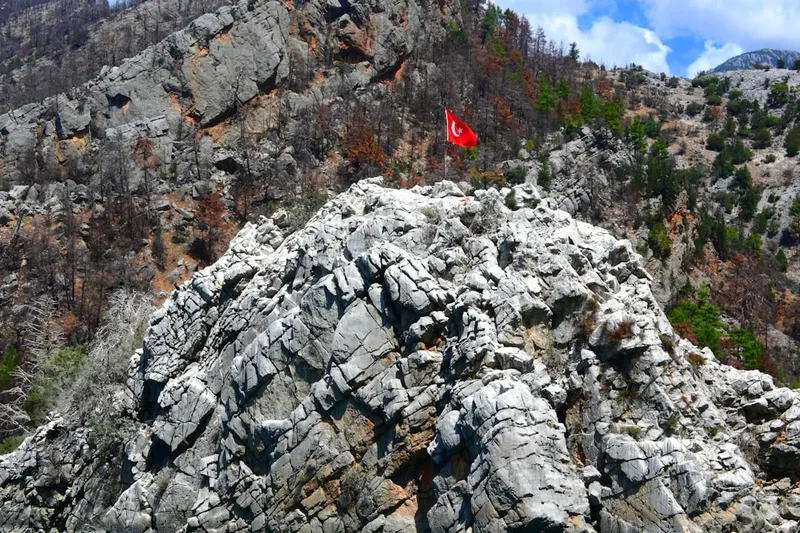
Saklıkent Gorge Trail - Day Walk Itinerary
Early Morning (Approx. 8:00 AM - 9:00 AM): Arrival and Preparation
- Travel to the Saklıkent Gorge entrance. This can be done via local dolmuş from Fethiye or Kalkan, or by private vehicle. Parking is available near the entrance.
- Upon arrival, you'll find facilities offering food, drinks, and importantly, rental of water shoes and walking sticks. It is highly recommended to rent appropriate footwear for navigating the riverbed.
- Pay the entrance fee for the national park.
- Brief yourself on the conditions and any safety advice provided by local staff.
Morning (Approx. 9:00 AM - 12:00 PM): Initial Gorge Exploration
- Begin your walk by crossing the wooden bridge over the Karaçay River to reach the gorge entrance.
- The first section of the gorge is often a well-maintained path or boardwalk, allowing you to acclimatise to the environment.
- As you progress, the path will transition into the river itself. Start wading through the cool, clear water. The depth will vary depending on the season and recent rainfall, typically ranging from ankle to waist-deep.
- Admire the towering limestone walls, which can reach up to 200 metres high, and observe the fascinating rock formations and mineral deposits.
- Take your time to enjoy the refreshing coolness of the water and the dramatic scenery.
Midday (Approx. 12:00 PM - 2:00 PM): Deeper into the Gorge
- Continue following the river upstream. The gorge will narrow in places, and the water may become deeper or faster flowing.
- Look out for small waterfalls and side channels. The terrain can be uneven and slippery, so use your walking stick for balance.
- This section offers the most immersive experience, with the canyon walls closing in and the sound of the river echoing around you.
- Find a suitable spot to rest, perhaps on a larger rock or a slightly drier section of the bank, to enjoy a packed lunch or snacks.
Afternoon (Approx. 2:00 PM - 4:00 PM): Reaching the End and Return Journey
- The trail typically extends for about 18 km in total (one-way). The point at which most walkers turn back is often dictated by time, water depth, and the increasing difficulty of the terrain. A common turnaround point is around the 8-10 km mark, where the gorge becomes more challenging and less accessible.
- The return journey follows the same path back through the gorge. This allows you to see the formations from a different perspective and perhaps discover sections you missed on the way in.
- Be mindful of the time to ensure you exit the gorge before dusk.
Late Afternoon (Approx. 4:00 PM onwards): Exit and Relaxation
- Upon exiting the gorge, you can relax at one of the riverside restaurants or cafes located at the entrance. Many offer seating right by the water, providing a pleasant spot to dry off and enjoy a meal or drink.
- Return to your accommodation in Fethiye or the surrounding area.
Important Notes:
- Wear appropriate footwear that can get wet and provides good grip. Water shoes or sturdy sandals are recommended.
- Carry a waterproof bag for your electronics and valuables.
- Bring plenty of water and snacks, as options within the gorge are limited.
- Check the weather forecast and local conditions before you go, especially for any risk of flash floods.
- The full 18 km is a significant undertaking; consider walking as far as you feel comfortable and turning back.
Planning and Bookings
Book Your Trip
Everything you need to plan your journey
Accommodation
Find places to stay near Fethiye
Flights
Search flights to Fethiye
Essential Preparation
Saklıkent Gorge is a day-use area, and while no advance booking is strictly required for entry, planning your visit is essential for a comfortable and safe experience. The closest major town and transport hub is Fethiye, approximately 50 kilometres away. From Fethiye, you can hire a car, take a taxi, or catch a local dolmuş (minibus) service that runs regularly to the gorge entrance. If travelling from other popular tourist destinations like Antalya or Kaş, it's advisable to arrange transport in advance or consider a guided tour, which often includes transport and sometimes other nearby attractions like Tlos Ancient City and Yakapark.
The gorge is a natural environment, and preparation should focus on the unique conditions. The water temperature can be quite cold, especially in spring and early summer, so dressing in layers and having dry clothes for afterwards is recommended. The terrain within the gorge is uneven and involves walking through water, so appropriate footwear is paramount. Local vendors at the entrance offer rentals for water shoes and walking sticks, which are highly advisable for navigating the slippery rocks and varying water depths.
Trail Accommodation
This is a day hike requiring no overnight accommodation. Saklıkent Gorge is typically explored as a day trip from Fethiye, Kaş, or other nearby towns. Visitors spend several hours exploring the gorge and then return to their base accommodation.
Required Gear
- Waterproof Footwear: Essential for walking through the river. Water shoes, sturdy sandals with good grip, or hiking boots that you don't mind getting wet are recommended. Avoid flip-flops or open-toed shoes that offer no protection or grip.
- Waterproof Bag: A dry bag or waterproof backpack cover is crucial for protecting your phone, camera, wallet, and any other valuables from the water.
- Quick-Drying Clothing: Lightweight, quick-drying trousers or shorts are ideal. Avoid heavy cotton materials that will become waterlogged and heavy.
- Towel: A small, quick-drying towel for drying off after wading.
- Change of Clothes: A dry set of clothes to change into after your exploration.
- Sun Protection: Hat, sunglasses, and high SPF sunscreen are important, especially for the areas outside the gorge and during the warmer months.
- Walking Stick/Trekking Pole: Highly recommended for balance and stability on slippery rocks and in the water. These can often be rented at the gorge entrance.
What to Bring
- Food and Water: While there are restaurants and cafes at the gorge entrance, carrying your own water and some snacks is advisable, especially if you plan to spend a significant amount of time exploring.
- Camera/Phone: Ensure they are protected in a waterproof bag.
- Cash: For entrance fees, shoe/stick rentals, and any purchases at the entrance facilities. While some places may accept cards, it's always good to have cash.
- Insect Repellent: Depending on the season, mosquitoes or other insects might be present, particularly in the shaded, damp areas.
- Small Backpack: To carry your essentials comfortably.
Permits
Saklıkent Gorge is a designated National Park in Turkey. An entrance fee is required to access the gorge itself. This fee is typically modest and payable at the ticket booth located at the gorge entrance. The fee covers access to the gorge and its immediate surroundings. There are no specific permits required for day hiking within the gorge, as it is a well-defined and managed tourist attraction.
Entrance Fee: The exact cost can vary, but it is generally a few Turkish Lira per person. It is advisable to have some cash on hand, although card payments may be accepted at some points.
Rental Fees: Additional costs may apply if you choose to rent water shoes or walking sticks from vendors at the entrance. These rentals are highly recommended for a safer and more comfortable experience.
Opening Hours: The gorge is typically open daily during daylight hours, but it's always a good idea to check the most current opening times, especially if visiting during shoulder seasons or public holidays. The park may close temporarily in case of adverse weather conditions, such as heavy rain that could lead to flash floods.
Other Activities in the Area
The region around Saklıkent Gorge offers a wealth of historical and natural attractions, making it possible to combine your visit into a full-day or multi-day exploration:
- Tlos Ancient City: Located just a short drive from Saklıkent, Tlos is one of the oldest and most important Lycian settlements. Explore its well-preserved theatre, acropolis, Roman baths, and numerous rock-cut tombs, offering a fascinating glimpse into ancient history.
- Yakapark: A beautiful trout farm and restaurant set in a lush, shaded valley with natural springs and waterfalls. It's a perfect spot for a relaxing lunch or a cool respite after visiting the gorge. The tranquil atmosphere and fresh mountain air make it a delightful stop.
- Gizlikent Waterfall: A lesser-known but equally beautiful waterfall located a short distance from Saklıkent. It's often less crowded and offers a more secluded natural experience.
- Jeep Safari Tours: Many local operators offer jeep safaris that combine visits to Saklıkent Gorge with other nearby attractions like Tlos, Yakapark, and hidden villages, providing a convenient way to explore the region.
- Rafting/Canoeing: In certain sections of the river outside the main gorge, there are opportunities for gentle rafting or canoeing, offering a different perspective on the river and its surroundings.
- Local Villages: Explore the nearby traditional Turkish villages to experience local life, sample authentic cuisine, and perhaps purchase local handicrafts.
Safety and Conditions
Flash Flood Risk: This is the most significant safety concern at Saklıkent Gorge. The gorge is carved by a river, and heavy rainfall upstream can cause water levels to rise rapidly, leading to dangerous flash floods. Always check the weather forecast before your visit, and heed any warnings or closures issued by park authorities. If you hear thunder or see the water level rising quickly, exit the gorge immediately.
Water Depth and Current: Water depth can vary significantly depending on the season and recent rainfall. In spring, it can be waist-deep or even higher in some sections. The current can also be strong, especially in narrower parts of the gorge. Use a walking stick for stability and be aware of your footing.
Slippery Surfaces: The rocks within the gorge are often wet and covered in moss, making them very slippery. Wearing appropriate footwear with good grip is essential to prevent falls and injuries.
Uneven Terrain: The path through the gorge is not always well-defined. You will be walking on rocks, pebbles, and through water. Be prepared for an uneven and challenging walking surface.
Temperature: While the gorge offers a cool escape, the water can be very cold, especially in spring. Hypothermia is a risk if you spend too long in the cold water without adequate protection or a change of dry clothes. The air temperature outside the gorge can be very high during summer, so be prepared for temperature fluctuations.
Navigation: The gorge is a linear path, making it relatively easy to follow. However, in some wider sections, it might be possible to stray from the main riverbed path. Stick to the most obvious route following the river upstream.
What to Carry: A waterproof bag for your valuables is essential. Consider carrying a small first-aid kit for minor cuts or scrapes. Ensure you have enough water and snacks, as facilities are only available at the entrance.
Supervision: If visiting with children, ensure they are closely supervised at all times, especially when wading through water. The cold water and slippery surfaces pose a higher risk for younger children.
Side Trips and Points of Interest
While the main attraction is the gorge itself, the journey to and from the entrance, as well as the surrounding area, offers several points of interest:
The Entrance Restaurants and Cafes: Located right at the mouth of the gorge, these establishments offer a unique dining experience with seating areas built over the river. Enjoying a meal or a drink with your feet in the cool water is a popular way to relax before or after your gorge exploration. They also provide essential services like rental of water shoes and walking sticks.
Wooden Walkways and Bridges: The initial section of the trail features well-constructed wooden walkways and bridges that allow visitors to cross the river and enter the gorge without immediately getting wet. These structures are impressive feats of engineering, designed to withstand the river's flow and provide access.
Rock Formations and Erosion Features: As you venture deeper into the gorge, pay close attention to the walls. You'll see incredible examples of erosion, with smooth, sculpted rock faces, stalactites, and mineral deposits in various colours. The sheer scale of the canyon walls, reaching up to 200 metres, is a constant point of awe.
The "Hidden City" Aspect: The name "Saklıkent" translates to "Hidden City." While there are no actual ruins of a city within the gorge, the feeling of entering a secret, hidden world is palpable. The narrow passages, echoing sounds, and cool, shaded environment contribute to this sense of discovery.
The End of the Accessible Gorge: Most visitors will not walk the full 18 km length of the gorge due to time and difficulty. The point at which the gorge becomes significantly narrower, more challenging, or impassable due to deeper water or waterfalls often serves as a natural turnaround point. Reaching this point, often marked by a small cascade or a dramatic narrowing of the canyon, feels like a significant achievement.
Leave No Trace
Saklıkent Gorge is a natural treasure, and it's crucial for visitors to practice Leave No Trace principles to preserve its beauty and ecological integrity for future generations. As a national park, it is protected, and responsible behaviour is expected from everyone who visits.
Pack It In, Pack It Out: This is the golden rule. Carry out everything you carry in. This includes all food wrappers, plastic bottles, fruit peels, and any other waste. There are limited waste disposal facilities within the gorge itself, so plan to take all your rubbish back with you to dispose of it properly.
Stay on the Path: While the "path" in Saklıkent is often the river itself, avoid venturing off into fragile vegetation or disturbing the rock formations unnecessarily. Stick to the established route to minimise your impact on the delicate ecosystem.
Respect Wildlife: Observe any wildlife from a distance and do not feed them. While large mammals are unlikely within the gorge, small insects and birds are present. Their natural behaviours should not be disrupted by human interaction.
Minimise Campfire Impacts: Campfires are not permitted within Saklıkent Gorge. If you are visiting other areas nearby, always use designated fire rings and ensure fires are completely extinguished.
Be Considerate of Other Visitors: Saklıkent can get busy, especially during peak season. Keep noise levels down to allow everyone to enjoy the natural sounds of the gorge. Be patient when navigating narrow sections or water crossings.
Proper Waste Disposal: Use the designated bins at the entrance of the gorge for any waste you bring out. If bins are full, take your rubbish with you until you find an appropriate disposal point.
By adhering to these principles, you help ensure that Saklıkent Gorge remains a pristine and awe-inspiring destination for years to come.