
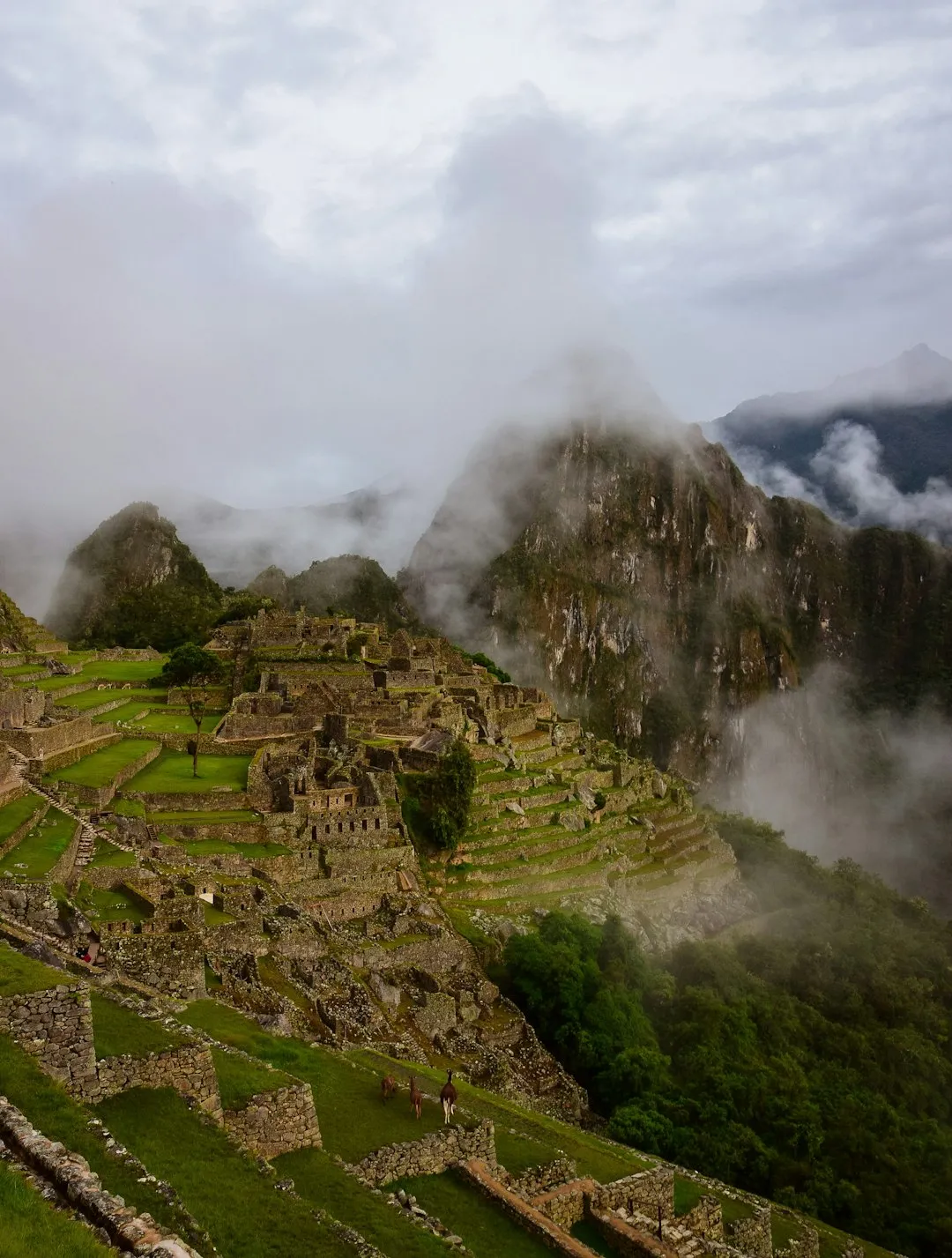
Sacsayhuaman to Qenqo Trail
The Sacsayhuaman to Qenqo Trail is a short, accessible, and historically rich day walk located just outside the vibrant city of Cusco, Peru. This trail offers a fascinating glimpse into the Inca civilization's engineering prowess and spiritual practices, connecting two significant archaeological sites with stunning Andean scenery. It's an ideal excursion for those seeking a blend of light physical activity, cultural immersion, and breathtaking vistas without venturing far from urban comforts. The path winds through rugged terrain, offering panoramic views of Cusco and the surrounding Sacred Valley, making it a rewarding experience for walkers of all fitness levels.
- Distance: 5.0 km
- Elevation Gain: 200 m
- Duration: 2-3 hours
- Difficulty: Easy
- Best Time: April to October (dry season)
- Closest City: Cusco
- Trailhead Access: From Cusco Airport (CUZ), take a taxi (approx. 30 mins) or bus to Cusco city centre. From there, hire a taxi or local bus to Sacsayhuaman (approx. 15 mins). Road is paved. Limited parking available. No permits required.
Overview
This relatively short but rewarding trail serves as a perfect introduction to the archaeological wonders and natural beauty of the Cusco region. Beginning at the imposing Inca fortress of Sacsayhuaman, the path immediately immerses you in a landscape dotted with ancient stone structures and dramatic geological formations. As you ascend gently, the sprawling city of Cusco unfolds below, offering a spectacular panoramic view that stretches across the valley and towards the distant Andes. The trail is well-defined, though occasionally rocky, and winds through sparse vegetation typical of the high-altitude Andean environment.
The journey culminates at Qenqo, a fascinating ceremonial site featuring a subterranean chamber and intricate rock carvings. The transition from the monumental architecture of Sacsayhuaman to the more intimate, spiritual atmosphere of Qenqo highlights the diverse functions of Inca settlements. The trail's elevation gain is moderate, making it suitable for most walkers, and its proximity to Cusco ensures easy access and a flexible schedule. The dry season, from April to October, provides the most favourable conditions, with clear skies and minimal rainfall, allowing for unobstructed views and comfortable walking.
The Sacsayhuaman to Qenqo Trail is more than just a walk between two sites; it's an opportunity to connect with the history and spirit of the Inca Empire. The sheer scale of Sacsayhuaman, with its massive, precisely cut stones, speaks of an advanced civilisation capable of monumental construction. Qenqo, with its underground passages and carved rock, hints at the complex rituals and astronomical observations that were central to Inca life. This trail offers a tangible link to this ancient past, set against a backdrop of stunning natural beauty.
History and Cultural Context
The region surrounding Cusco was the heartland of the Inca Empire, known as Tawantinsuyu. The Inca, who rose to prominence in the 13th century, established Cusco as their capital and expanded their dominion across much of western South America. Their architectural and engineering achievements are legendary, and the sites connected by this trail are prime examples of their sophisticated understanding of stonework, astronomy, and ceremonial practices.
Sacsayhuaman: This colossal fortress-temple complex, overlooking Cusco, is one of the most impressive Inca constructions. Its name, in Quechua, means "satisfied falcon." Built with enormous, perfectly fitted polygonal stones, some weighing over 100 tonnes, Sacsayhuaman was likely a ceremonial centre and a defensive stronghold. Its construction, which began in the 15th century, involved quarrying stones from distant sites and transporting them to the hilltop, a feat that continues to baffle modern engineers. The zigzagging walls, designed to mimic the teeth of a puma (the sacred animal of the Inca), are a testament to their architectural ingenuity and symbolic thinking.
Qenqo: Located a short distance from Sacsayhuaman, Qenqo (meaning "labyrinth" or "zigzag" in Quechua) is a smaller but equally significant archaeological site. It is believed to have been a major ceremonial centre, possibly used for astronomical observations and religious rituals. The most striking feature is its subterranean chamber, a carved-out underground temple accessible via a narrow passage. Inside, a large carved rock, resembling a puma, is thought to have been an altar. The site also features a natural amphitheatre and intricate carvings on its rock faces, including channels that may have been used for libations or blood offerings. The precise purpose of Qenqo remains a subject of scholarly debate, adding to its mystique.
The trail connecting these two sites traverses land that was once part of the Inca's vast network of roads and ceremonial pathways. Walking this route offers a direct connection to the historical landscape, allowing visitors to appreciate the strategic placement of these sites and the enduring legacy of the Inca civilization.
Seasonal Highlights and Weather Reality
The best time to undertake the Sacsayhuaman to Qenqo Trail is during the dry season, which typically runs from April to October. This period offers the most stable and pleasant weather conditions for walking in the high Andes.
Dry Season (April to October):
- April-May: The end of the rainy season. Landscapes are lush and green, and the crowds are generally smaller than in peak months. Mornings can be cool, but days are often sunny and mild.
- June-August: This is the peak of the dry season and the most popular time to visit Cusco. Days are typically sunny and clear, with cool to cold temperatures, especially in the mornings and evenings. Daytime temperatures can reach pleasant levels, but the sun's intensity at altitude is significant. Nights can drop below freezing.
- September-October: The landscape begins to dry out, and temperatures remain mild. This is a good shoulder season with fewer tourists than the winter months. The transition towards the rainy season can bring occasional cloud cover.
Rainy Season (November to March):
- This period is characterised by frequent, heavy rainfall, often in the afternoons. While mornings can sometimes be clear, the risk of downpours is high. Trails can become muddy and slippery, and visibility may be reduced. However, the landscape is incredibly vibrant and green, and there are significantly fewer tourists. If you choose to walk during this season, be prepared for wet conditions and carry appropriate waterproof gear.
Altitude Considerations: Regardless of the season, remember that Cusco and the trail are at high altitude (Sacsayhuaman is around 3,700 metres). Acclimatisation is crucial. Spend at least a day or two in Cusco before undertaking any strenuous activity. The weather can change rapidly in the mountains, so always be prepared for variations in temperature and conditions, even within the dry season.
Recommended Itinerary
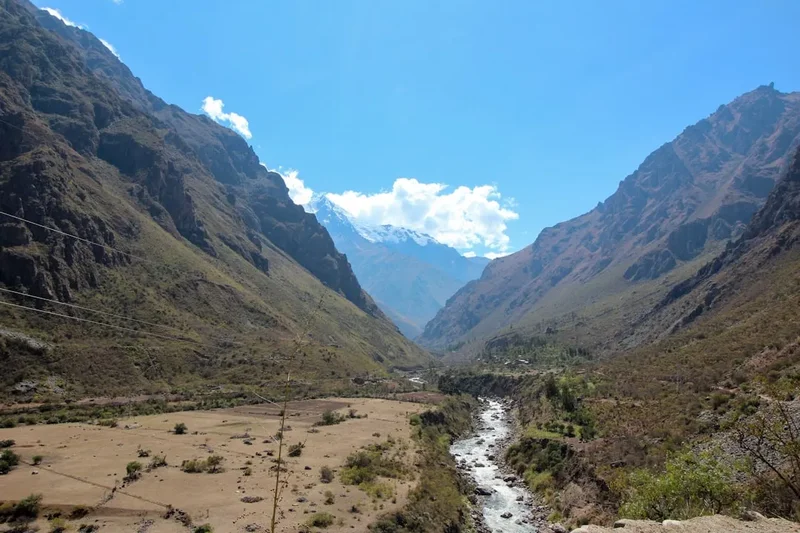
Sacsayhuaman to Qenqo Trail Itinerary
Start: Sacsayhuaman
- Morning (approx. 9:00 AM): Arrive at Sacsayhuaman. Allow ample time to explore the main fortress complex, marvel at the massive stone walls, and take in the initial panoramic views of Cusco.
- Late Morning (approx. 10:00 AM): Begin the walk from the Sacsayhuaman site towards Qenqo. The trail is generally well-marked, heading east from the main Sacsayhuaman complex.
- Mid-Morning (approx. 10:30 AM): The trail ascends gradually, offering increasingly expansive views of Cusco and the surrounding valleys. You will pass through open, grassy areas interspersed with rocky outcrops and sparse vegetation.
- Late Morning (approx. 11:00 AM): Continue following the path. You may encounter local vendors selling handicrafts or snacks along the route, especially closer to the main sites.
- Midday (approx. 11:30 AM): Arrive at Qenqo. Explore the archaeological site, including the intriguing underground chamber, the carved altar, and the amphitheatre.
- Early Afternoon (approx. 12:30 PM): Conclude your exploration of Qenqo. From here, you can arrange for a taxi to return to Cusco or continue exploring the surrounding area if time permits.
End: Qenqo
Alternative Itinerary (if starting from Cusco city):
- Early Morning (approx. 8:00 AM): Travel from Cusco city centre to Sacsayhuaman via taxi or local bus.
- Morning (approx. 8:30 AM - 10:00 AM): Explore Sacsayhuaman.
- Late Morning (approx. 10:00 AM): Commence the walk to Qenqo.
- Midday (approx. 11:30 AM): Arrive and explore Qenqo.
- Early Afternoon (approx. 12:30 PM): Depart from Qenqo.
Important Notes:
- This is a day walk; no overnight accommodation is required.
- The trail is exposed to the sun; wear a hat, sunscreen, and sunglasses.
- Carry sufficient water, as facilities are limited along the trail itself.
- Wear comfortable walking shoes with good grip, as the terrain can be uneven and rocky.
- Be aware of the altitude; take it slow and stay hydrated.
Planning and Bookings
Book Your Trip
Everything you need to plan your journey
Accommodation
Find places to stay near Cusco
Flights
Search flights to Cusco
Essential Preparation
The Sacsayhuaman to Qenqo Trail is a straightforward day walk, but proper preparation ensures a more enjoyable experience. The primary logistical consideration is reaching the trailhead at Sacsayhuaman and arranging transport from Qenqo. Cusco is the main hub for all travel arrangements. It is highly recommended to spend at least two days in Cusco to acclimatise to the altitude (approximately 3,400 metres) before undertaking this walk, which reaches higher elevations.
Getting to Sacsayhuaman: From Cusco city centre, taxis are readily available and offer a quick (approx. 15-minute) and convenient way to reach the site. Negotiate the fare before starting your journey. Local buses also run to Sacsayhuaman, offering a more budget-friendly option, though they may take slightly longer and involve more walking from the bus stop. There is limited parking available at Sacsayhuaman for those who hire a car.
Getting from Qenqo: Upon completing the walk at Qenqo, taxis can be hired to return to Cusco. It's advisable to arrange this in advance with your taxi driver from Sacsayhuaman, or to have the contact details of a reliable taxi service in Cusco. Local buses do not typically service Qenqo directly, so a taxi is the most practical option.
Altitude Acclimatisation: This is paramount. Symptoms of altitude sickness can include headaches, nausea, dizziness, and fatigue. Drink plenty of water, avoid alcohol and heavy meals on your first day or two, and consider coca tea, a traditional remedy available in Cusco. Gentle walks like this one are excellent for acclimatisation.
Trail Accommodation
This is a day hike requiring no overnight accommodation.
Required Gear
- Sturdy walking shoes: Comfortable, broken-in hiking boots or trail shoes with good ankle support and grip are essential due to the uneven and rocky terrain.
- Daypack: A small to medium-sized backpack (20-30 litres) to carry essentials.
- Sun protection: High SPF sunscreen (50+), a wide-brimmed hat, and sunglasses are crucial due to the intense sun at high altitude.
- Waterproof jacket: Even in the dry season, mountain weather can change rapidly. A lightweight, waterproof and windproof jacket is advisable.
- Warm layers: While daytime temperatures can be pleasant, mornings and evenings can be cool. A fleece or light jumper is recommended.
- First-aid kit: A basic kit including plasters, antiseptic wipes, pain relievers, and any personal medications.
- Navigation: While the trail is generally well-marked, a map or GPS device with offline maps of the area is recommended, especially if you plan to explore beyond the main path.
What to Bring
- Water: Carry at least 1.5-2 litres of water per person. Refill options are scarce along the trail itself.
- Snacks: High-energy snacks such as nuts, dried fruit, energy bars, or chocolate are recommended to maintain energy levels.
- Camera: To capture the stunning views and archaeological sites.
- Insect repellent: While not as prevalent as in jungle areas, some biting insects can be present, especially closer to vegetation.
- Hand sanitiser: For hygiene, especially before eating snacks.
- Cash: For taxi fares, entrance fees (if applicable to specific areas within Sacsayhuaman, though the trail itself is generally free to walk), and any local vendors.
- Identification: Carry your passport or a copy.
Permits
No specific permits are required to walk the trail between Sacsayhuaman and Qenqo. However, entrance fees may apply to the archaeological sites themselves. The main entrance fee for Sacsayhuaman is typically included in the Cusco Tourist Ticket (Boleto Turístico del Cusco), which grants access to multiple archaeological sites and museums in and around Cusco. There are different versions of the Boleto Turístico, so check which one best suits your itinerary.
Boleto Turístico del Cusco:
- Full Ticket (Boleto Turístico Integral): Valid for 10 days, includes access to 16 sites, including Sacsayhuaman, Qenqo, Puka Pukara, Tambomachay, Pisac, Ollantaytambo, Chinchero, and several museums in Cusco. This is the most comprehensive option.
- Partial Tickets: Shorter validity periods (1 or 2 days) and access to fewer sites are also available.
It is advisable to purchase the Boleto Turístico from official ticket offices in Cusco or online in advance, especially during peak tourist season. The ticket can be purchased at the entrance to Sacsayhuaman, but queues can be long. Qenqo is usually included in the same ticket as Sacsayhuaman.
Important Considerations:
- Ensure you have your passport with you when purchasing or using the Boleto Turístico, as it is often required for verification.
- Check the current prices and validity periods of the Boleto Turístico on the official website or at tourist information centres in Cusco, as these can change.
- The trail itself, the path connecting the sites, is generally accessible without an additional fee, but access to the archaeological structures within Sacsayhuaman and Qenqo requires the appropriate ticket.
Other Activities in the Area
The vicinity of Cusco offers a wealth of activities and attractions that can complement your walk:
- Explore Cusco City: Wander through the historic Plaza de Armas, visit the Cusco Cathedral and the Qorikancha (Temple of the Sun), and explore the charming San Blas neighbourhood with its artisan workshops.
- Visit Puka Pukara and Tambomachay: These two smaller Inca sites are located further along the road from Qenqo and are often included in the same tourist ticket. Puka Pukara was a military fortress, while Tambomachay is known for its water fountains, suggesting a ceremonial purpose.
- Maras Salt Mines and Moray: A popular day trip from Cusco, these sites showcase unique Inca agricultural terraces (Moray) and ancient salt evaporation ponds (Maras).
- The Sacred Valley: Embark on a longer excursion to explore the stunning Pisac ruins and market, the impressive fortress of Ollantaytambo, and the picturesque town of Chinchero.
- Culinary Experiences: Cusco is a gastronomic hub. Enjoy traditional Peruvian cuisine, from ceviche to cuy (guinea pig), and explore the vibrant local markets.
- Museums: Visit the Inca Museum, the Pre-Columbian Art Museum (MAP), or the Museum of Religious Art to deepen your understanding of Inca and colonial history.
- Hiking and Trekking: For more adventurous walkers, Cusco is the gateway to iconic treks such as the Inca Trail to Machu Picchu, the Salkantay Trek, and the Lares Trek.
Safety and Conditions
Altitude Sickness: As mentioned, this is the primary concern. Ascend gradually, stay hydrated, and listen to your body. If symptoms worsen, descend to a lower altitude.
Trail Conditions: The trail is generally well-maintained but can be uneven, rocky, and dusty, especially during the dry season. In the rainy season, sections can become muddy and slippery. Wear appropriate footwear.
Weather: Mountain weather is unpredictable. Be prepared for strong sun, wind, and potential rain showers, even during the dry season. Layering clothing is key.
Sun Exposure: The sun's rays are intense at high altitudes. Use high SPF sunscreen, wear a hat and sunglasses, and consider lip balm with SPF.
Hydration: Carry ample water. Dehydration can exacerbate altitude sickness symptoms and lead to fatigue.
Navigation: While the main trail is clear, it's wise to have a map or GPS device, especially if you plan to deviate or explore less-trodden paths. Stick to marked routes to avoid getting lost or disturbing sensitive archaeological areas.
Personal Safety: While generally safe, be aware of your surroundings. Keep valuables secure and avoid walking alone at dawn or dusk, especially in less populated areas. Inform someone of your hiking plans.
Emergency Contacts: Have the numbers for local emergency services and your accommodation readily available. Taxis are the most common way to get assistance or return to Cusco if needed.
Side Trips and Points of Interest
Sacsayhuaman's Zigzag Walls: The most striking feature of Sacsayhuaman is its massive, interlocking stone walls, constructed in a distinctive zigzag pattern. These walls are a marvel of Inca engineering, with some stones weighing over 100 tonnes. Exploring the different levels and angles of these walls offers a sense of the scale and precision of Inca construction.
The Intihuatana Stone at Sacsayhuaman: While not as famous as the one at Machu Picchu, Sacsayhuaman has its own Intihuatana ("hitching post of the sun") stone, a carved pillar believed to have been used for astronomical observations and calendrical purposes.
Sacsayhuaman's Three Terraces: The site is built on three massive terraces, each with imposing walls. Walking along these terraces provides different perspectives of the fortress and the city below.
Qenqo's Subterranean Chamber: The highlight of Qenqo is its underground temple, a cave-like structure carved directly into the rock. Inside, you can see a large, carved rock that resembles a puma, believed to have served as an altar for rituals. The narrow passages and intricate carvings create a mysterious and sacred atmosphere.
Qenqo's Amphitheatre: A natural amphitheatre carved into the rock face, likely used for ceremonies or gatherings. The acoustics are surprisingly good.
The Carved Rock Formations at Qenqo: Beyond the main chamber, Qenqo features numerous other carved rocks and channels, hinting at complex water rituals or astronomical alignments. The zigzagging channels carved into the rock are particularly distinctive.
Panoramic Views of Cusco: From Sacsayhuaman and various points along the trail, you are treated to breathtaking, sweeping views of Cusco city nestled in its valley, surrounded by the majestic Andean peaks. These vistas are particularly stunning in the morning light or during sunset.
Leave No Trace
The Sacsayhuaman to Qenqo Trail traverses an area of immense historical and cultural significance, as well as a fragile high-altitude ecosystem. Practising Leave No Trace principles is essential to preserve these sites for future generations and to minimise your impact on the environment.
1. Plan Ahead and Prepare: Research the trail, understand the weather conditions, and pack accordingly. Know the regulations regarding archaeological sites and be aware of any specific rules for Sacsayhuaman and Qenqo.
2. Travel and Camp on Durable Surfaces: Stick to marked trails. Avoid walking on or trampling vegetation, especially around the archaeological sites, as it can be fragile and slow to recover. The trail itself is the designated durable surface.
3. Dispose of Waste Properly: Pack out everything you pack in. This includes all food scraps, wrappers, and any other litter. There are no bins along the trail. Use designated toilets at Sacsayhuaman and Qenqo if available.
4. Leave What You Find: Do not remove any rocks, plants, or artefacts from the archaeological sites or the natural environment. These sites are protected heritage areas.
5. Minimise Campfire Impacts: This is a day walk, so campfires are not applicable. However, if you were to picnic, ensure you use a portable stove if cooking and pack out all associated waste.
6. Respect Wildlife: Observe wildlife from a distance and do not feed any animals you may encounter. While large wildlife is scarce at this altitude, smaller creatures and birds inhabit the area.
7. Be Considerate of Other Visitors: Keep noise levels down, especially at archaeological sites. Allow others to enjoy the experience. Yield to uphill walkers where appropriate.
By adhering to these principles, you help protect the integrity of these ancient sites and the natural beauty of the Andean landscape.