
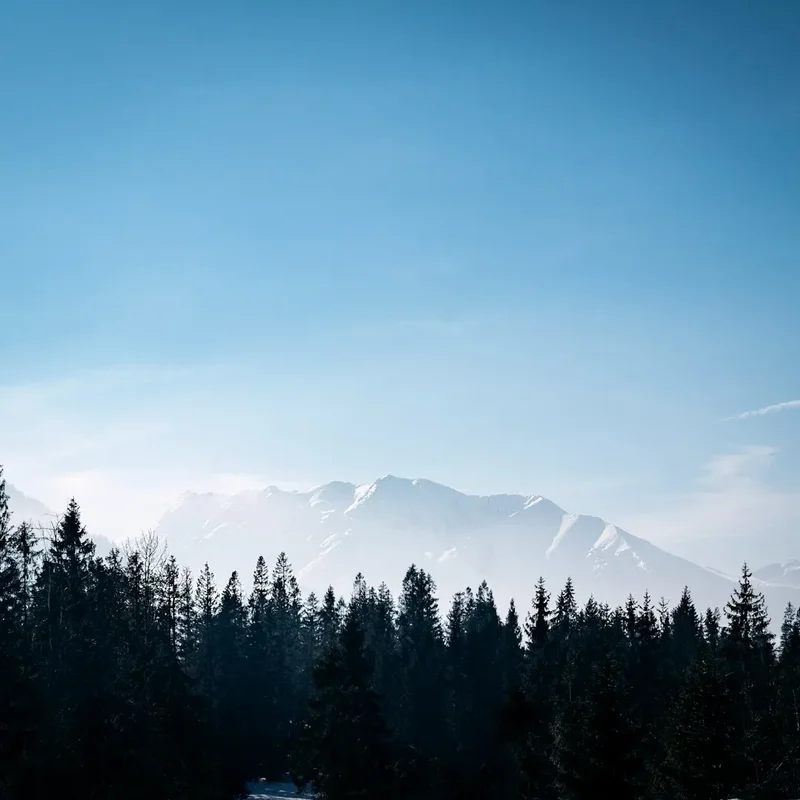
Rysy Peak from Slovakia - The Crown of the High Tatras
Rysy is the most iconic peak in the High Tatras, standing as a literal and metaphorical bridge between two nations. While the mountain possesses three distinct summits, the middle peak reaches an elevation of 2,501 metres, making it the highest point in Poland. However, the most accessible and arguably most scenic route to the top begins in Slovakia, ascending the southern slopes from the glacial basin of Popradske Pleso. This 15-kilometre return journey is a rite of passage for hikers in Central Europe, offering a profound transition from lush Swiss pine forests to a stark, lunar landscape of granite and ice. Unlike many of the higher peaks in the Tatras that require a certified mountain guide, Rysy remains the highest summit in the range accessible via a marked tourist trail, providing experienced hikers with an unparalleled sense of alpine achievement without the need for technical climbing equipment.
- Distance: 15.0 km return
- Elevation Gain: 1,100 m
- Duration: 6–8 hours
- Difficulty: Challenging (requires good fitness and a head for heights)
- Highest Point: 2,501 m (Middle Peak / Polish Border)
- Best Time: June 15 to October 31 (strictly closed in winter)
- Trailhead: Popradske Pleso (accessible from Štrbské Pleso)
- Technical Features: Fixed steel chains and metal steps on the final approach to the hut
Overview
The ascent of Rysy from the Slovak side is a masterclass in alpine progression. The High Tatras, though small in geographical footprint compared to the Alps or the Rockies, are often described as "miniature Alps" due to their sheer verticality and dramatic glacial topography. The Rysy trail encapsulates this character perfectly. The journey begins at the emerald waters of Popradske Pleso (1,494 m), a lake cradled by the towering walls of the Mengusovská Valley. From here, the path winds through the last remnants of the forest before emerging into the realm of the "kosodrevina" (dwarf pine), where the views begin to open up toward the jagged ridges of the Bašty and the massive pyramid of Vysoká.
As you ascend, the landscape becomes increasingly dominated by water and stone. You will pass the Žabie plesá (Frog Lakes), a series of turquoise tarns that remain frozen well into the summer months. The trail then tackles the "Váha" pass, a steep section equipped with fixed chains and metal ladders that assist hikers over polished granite slabs. This section is the most technically demanding part of the hike, requiring focus and steady footing, especially in damp conditions. Above the chains lies the legendary Chata pod Rysmi, the highest mountain hut in the Tatras, where hikers can rest before the final push to the summit. The summit itself offers a 360-degree panorama that is arguably the finest in the entire Carpathian range. To the north, the ground drops away precipitously toward the Polish side, revealing the deep blue eyes of Morskie Oko and Czarny Staw lakes, nearly a vertical kilometre below. To the south, the entire Slovak Tatra range unfolds in a jagged line of granite peaks, stretching toward the horizon.
This is a hike of significant physical demand. The 1,100 metres of vertical gain are concentrated in the latter half of the ascent, and the thin air at 2,500 metres adds an extra layer of exertion. However, the infrastructure—from the well-maintained stone paths to the welcoming atmosphere of the high-altitude hut—makes this an accessible challenge for any fit hiker. It is a journey that combines natural beauty, technical interest, and a unique cultural experience found only in the Slovak mountain tradition.
History and Cultural Context
The history of Rysy is inextricably linked to the development of mountaineering in Central Europe. The first recorded ascent of the peak was made in 1840 by Ede Blásy and his guide Ján Ruman Driečny the Elder. However, it is likely that local chamois hunters and herbalists had reached the lower summits long before then. By the late 19th century, Rysy had become a popular destination for the burgeoning class of European tourists, leading to the construction of the first trails and, eventually, the Chata pod Rysmi in 1933. The hut has a storied history of its own, having been destroyed or damaged by avalanches multiple times, most notably in 2000 and 2001, before being completely rebuilt into the modern, resilient structure that stands today.
One of the most unique aspects of the Rysy trail is the tradition of the "Tatranskí nosiči" (Tatra Porters). Because the Chata pod Rysmi is inaccessible by road or cable car, all supplies—food, beer, gas canisters, and building materials—must be carried up on the backs of human porters. These incredible athletes carry loads weighing between 60 and 100 kilograms up the same steep, chain-assisted path used by hikers. At the trailhead near Popradske Pleso, you will often see a wooden rack with goods (usually 5-10 kg bags of coal or potatoes) and a sign inviting hikers to carry them up to the hut in exchange for a cup of tea. This tradition is a point of immense national pride in Slovakia and adds a layer of human endurance to the natural spectacle of the mountain.
Rysy also holds a peculiar place in political history. During the socialist era, it was famously claimed that Vladimir Lenin climbed the peak in 1913 while staying in the nearby village of Biały Dunajec. While historians debate the veracity of this claim, the "Lenin Trail" became a mandatory pilgrimage for youth groups across the Eastern Bloc for decades. Today, the political overtones have faded, replaced by a shared appreciation for the mountain's natural beauty. The summit marks the border between Slovakia and Poland; before both countries joined the Schengen Area, there was a permanent border guard post at the top. Now, hikers can freely step across the border marker, standing with one foot in each nation while surveying the vast wilderness of the Tatra National Park (TANAP).
Want more background? Read extended notes on history and cultural context → Learn more
Seasonal Highlights and Weather Reality
The Rysy trail is subject to strict seasonal closures enforced by the Tatra National Park (TANAP). The trail is officially open to the public from June 15 to October 31. Outside of these dates, the higher elevations are the exclusive domain of chamois, marmots, and experienced alpinists with specific permits. This closure is designed both for the safety of hikers—as the Tatras are prone to severe avalanches—and to protect the fragile alpine flora and fauna during the nesting and breeding seasons.
Summer (July and August): This is the peak season. The weather is generally at its most stable, though afternoon thunderstorms are a frequent and dangerous occurrence. Hikers should aim to be off the summit and below the chain section by 2:00 PM to avoid lightning risks. This is also the busiest time; the trail can become congested, particularly at the chain section, where queues can form. Temperatures at the summit can range from 5°C to 15°C, even when the valleys are experiencing 30°C heat.
Autumn (September and October): Many locals consider this the best time to climb Rysy. The air is typically clearer, providing the best visibility for the panoramic views, and the summer crowds have thinned. The "kosodrevina" and alpine grasses turn shades of gold and rust, creating a stunning visual contrast against the grey granite. However, the days are shorter, and the first dustings of snow can appear as early as September. Ice on the chain section is a serious hazard in late October, requiring extra caution.
Spring (June 15 to June 30): When the trail first opens, significant snow patches often remain, particularly in the "Váha" pass and the couloirs leading to the summit. Hikers should be prepared for soft snow and potentially slippery conditions. The Žabie plesá are often still partially frozen, offering a beautiful, wintry aesthetic even as the lower valleys bloom with spring gentians.
Recommended Itinerary
Rysy Peak Day Hike Route
Phase 1: Štrbské Pleso to Popradske Pleso
- Distance: 4 km
- Elevation gain: 150 m
- Time: 1 hour – 1 hour 15 minutes
- Start at the Štrbské Pleso railway station or parking area.
- Follow the red-marked "Tatranská magistrála" trail. This is a wide, well-maintained path that winds through the forest with occasional views of the High Tatras' southern peaks.
- Alternatively, take the green-marked trail (winter route) which follows the asphalt road; it is slightly less scenic but easier on the knees.
- Arrive at Popradske Pleso, a stunning glacial lake. This is the last point with full facilities (hotels and restaurants) before the high-altitude ascent.
Phase 2: Popradske Pleso to Žabie plesá
- Distance: 3.5 km
- Elevation gain: 430 m
- Time: 1.5 hours – 2 hours
- From the lake, follow the blue-marked trail toward the Mengusovská Valley.
- After about 30 minutes, reach the junction (Rázcestie nad Žabím potokom) and switch to the red-marked trail heading toward Rysy.
- The path begins to climb steeply in a series of zig-zags through the dwarf pine zone.
- Arrive at the Žabie plesá (Frog Lakes). This is a perfect spot for a short break and to refill water from the streams (treatment recommended).
Phase 3: Žabie plesá to Chata pod Rysmi
- Distance: 1.5 km
- Elevation gain: 320 m
- Time: 1 hour – 1 hour 30 minutes
- The terrain becomes purely rocky. You will approach the "Váha" pass.
- This section contains the fixed chains, metal steps, and ladders. It is not a vertical climb, but a steep scramble over slabs. Use the chains for balance and security.
- After the chains, the gradient eases slightly as you approach the Chata pod Rysmi (2,250 m).
- Stop here for a legendary "Horský čaj" (mountain tea) or a hot meal. Check the weather before proceeding to the summit.
Phase 4: Chata pod Rysmi to Rysy Summit
- Distance: 1 km
- Elevation gain: 250 m
- Time: 45 minutes – 1 hour
- Follow the red markers from the hut up to the Sedlo Váha (Váha Pass).
- From the pass, the trail turns left and follows the ridge. This section is steep and involves some light scrambling over large granite blocks.
- Reach the summit of Rysy (2,501 m). The border marker is located here.
- Enjoy the views of the Polish Tatras and the High Tatras of Slovakia.
Phase 5: The Descent
- Time: 3 – 4 hours
- Retrace your steps exactly. Exercise extreme caution on the chain section during the descent, as tired legs are more prone to slips.
- Return to Popradske Pleso for a celebratory meal before the final flat walk back to Štrbské Pleso.
Important Notes:
- Start early (no later than 7:00 AM) to avoid afternoon storms and crowds.
- The trail is a return route; do not attempt to descend into Poland unless you have arranged transport from the Morskie Oko area (which is a long way from Poprad).
- Mountain rescue insurance is highly recommended for all hikers in Slovakia.
- The Chata pod Rysmi has a famous "panoramic toilet" located about 100 metres from the hut—don't miss the view!
Planning and Bookings
Book Your Trip
Everything you need to plan your journey
Accommodation
Find places to stay near Poprad
Flights
Search flights to Poprad
Essential Preparation
The primary requirement for Rysy is physical fitness. You will be ascending 1,100 metres over a relatively short distance, much of it on uneven stone steps or loose rock. If you are not accustomed to steep mountain hiking, consider a "warm-up" hike to Predné Solisko or Popradske Pleso first. Logistics are straightforward: the gateway to the High Tatras is the city of Poprad. From Poprad, the "Tatranská elektrická železnica" (Tatra Electric Railway) provides frequent and cheap transport to Štrbské Pleso, the start of the hike. If you are driving, arrive at Štrbské Pleso before 8:00 AM, as the parking lots fill up rapidly during the summer months.
Another critical preparation step is checking the mountain rescue insurance. In Slovakia, if you require assistance from the Horská záchranná služba (HZS), you are liable for the costs unless you have specific mountain insurance. This can be purchased online for a few Euros per day or is often included in premium travel insurance policies. Finally, download the "HZS" mobile app, which allows you to call for help and send your exact GPS coordinates in an emergency.
Trail Accommodation
While Rysy is typically done as a day hike, staying overnight in the mountains can be a magical experience. There are two primary options on or near the trail:
Chata pod Rysmi (2,250 m): This is the highest hut in the Tatras. It offers basic dormitory-style accommodation. Because of its popularity and limited capacity (approx. 14 beds), bookings must be made weeks or even months in advance via email or phone. If the beds are full, they sometimes allow hikers to sleep on the floor in the dining room for a reduced fee, but this is not guaranteed. The hut provides blankets, but a lightweight silk liner is recommended. There is no running water for showers, and the toilets are located outside. Meals are available for purchase.
Horský Hotel Popradské Pleso (1,494 m): Located at the start of the steep ascent, this offers a much higher level of comfort, including private rooms with bathrooms, a restaurant, and a sauna. It is an excellent base for those who want to start the hike early without the 4 km approach from Štrbské Pleso. Bookings can be made through standard online travel platforms.
Majláthova Chata: Situated right next to the Popradské Pleso hotel, this smaller hut offers a more traditional mountain atmosphere with dormitory beds and excellent local food. It is often quieter than the larger hotel.
Required Gear
- Hiking Boots: Sturdy, high-cut boots with a Vibram-style sole are essential. The granite in the Tatras is unforgiving, and ankle support is crucial for the descent.
- Layered Clothing: Even in July, the summit can be near freezing. Bring a moisture-wicking base layer, a fleece or down mid-layer, and a high-quality waterproof shell.
- Gloves: Even in summer, lightweight gloves are useful for handling the cold steel chains in the Váha pass.
- Sun Protection: The UV radiation at 2,500 metres is intense. Bring SPF 50+ sunscreen, a hat, and category 3 or 4 sunglasses.
- Backpack: A 20-30 litre daypack with a rain cover is sufficient for most hikers.
- Head Torch: Essential if you start before dawn or are delayed on the descent.
What to Bring
- Water: Bring at least 2 litres per person. You can refill at Chata pod Rysmi, but it is expensive as the water must be carried up or processed from snowmelt.
- Food: High-energy snacks (nuts, chocolate, energy bars) and a packed lunch. While hot meals are available at the huts, having your own supplies is safer.
- Cash: While the hotels at Popradske Pleso accept cards, the Chata pod Rysmi often requires cash (Euros) for food and drinks due to unreliable internet connections for card terminals.
- First Aid: A basic kit including blister plasters (Compeed), antiseptic wipes, and ibuprofen.
- Identification: You are crossing an international border at the summit. While there are no checks, it is a legal requirement to carry a national ID card or passport.
Permits
One of the great appeals of hiking in the Slovak High Tatras is the lack of a formal permit system for standard tourist trails. Unlike many North American or Himalayan peaks, you do not need to apply for a climbing permit or pay an entrance fee to the Tatra National Park (TANAP) for the Rysy hike. Access is free and open to everyone during the official season.
Regulations to Note:
- Seasonal Closure: The most important "permit" is the calendar. The trail is strictly closed from November 1 to June 14. Walking on the trail during this time is a violation of park rules and can result in heavy fines from park rangers.
- Staying on Trails: It is strictly forbidden to leave the marked trails. This is to protect the alpine environment and prevent erosion. Rysy is marked with red and blue signs; following these is mandatory.
- Camping: Wild camping is strictly prohibited throughout the National Park. You must stay in designated huts or hotels.
- Dogs: As of recent regulation changes, dogs are no longer permitted on most high-altitude trails in the Tatras, including the route to Rysy, to protect local wildlife like the Tatra chamois.
If you intend to climb Rysy via a non-tourist route (i.e., technical climbing), you must be a member of a recognised alpine club (like Alpenverein or JAMES) and follow specific mountaineering regulations. For the standard hike described here, no such membership is required.
Other Activities in the Area
The High Tatras and the surrounding Spiš and Liptov regions offer a wealth of activities for those looking to extend their stay:
- Štrbské Pleso: Explore the resort town, walk around the lake, or take the chairlift to Predné Solisko (2,117 m) for an easier peak experience with great views of the Rysy massif.
- Lomnický štít: Take the spectacular cable car from Tatranská Lomnica to the second-highest peak in the Tatras. There is an astronomical observatory at the top and a small café where you can enjoy the view without the hike.
- Belianska Cave: Located in the eastern part of the Tatras, this is the only cave in the range open to the public, featuring impressive dripstone formations and underground lakes.
- AquaCity Poprad: After a grueling 1,100-metre descent, the thermal pools and saunas in Poprad are the perfect way to recover. The water is sourced from geothermal springs deep underground.
- Spiš Castle: A UNESCO World Heritage site located about an hour's drive from Poprad. It is one of the largest castle complexes in Central Europe and offers a fascinating look into the region's medieval history.
- The Symbolic Cemetery (Symbolický cintorín): Located near Popradske Pleso, this is a moving memorial to those who have lost their lives in the Tatras. It features hand-carved wooden crosses and plaques set among the granite boulders.
Safety and Conditions
Weather Awareness: The High Tatras create their own microclimate. A sunny morning in Poprad does not guarantee clear skies on Rysy. The most significant danger is the afternoon thunderstorm. If you see dark clouds gathering or hear distant thunder, turn back immediately. The chain section and the summit ridge are extremely dangerous during lightning strikes. Check the forecast on the HZS (Mountain Rescue) website or the SHMÚ (Slovak Hydrometeorological Institute) before setting out.
The Chain Section: The section above Žabie plesá is equipped with fixed steel chains. While not a vertical rock climb, it requires three points of contact at all times. In wet or icy conditions, these granite slabs become incredibly slippery. If you suffer from severe vertigo, this section may be challenging. Take your time, let faster hikers pass at wider sections, and never pull on a chain if someone else is already using that segment.
Terrain and Footing: Much of the trail consists of "mačacie hlavy" (cat's heads)—large, uneven stones placed by trail builders. These can be unstable and are very hard on the ankles and knees. Trekking poles are highly recommended for the descent to reduce the impact on your joints. Be wary of loose scree on the final ridge to the summit.
Hydration and Altitude: While 2,500 metres is not high enough for most people to experience severe altitude sickness, you may feel short of breath or develop a mild headache. Drink plenty of water and maintain a steady, sustainable pace. Do not drink directly from the lakes; use a filter or purification tablets, as the area is home to a large population of marmots and chamois.
Emergency Contacts: The emergency number for the Mountain Rescue Service (HZS) is 18 300. Ensure your phone is fully charged and consider carrying a power bank. Signal is generally good on the Slovak side of Rysy but can be spotty in the deep valleys.
Side Trips and Points of Interest
The Highest Toilet in Slovakia: Located a short walk from Chata pod Rysmi, this colourful outhouse is perched on the edge of a cliff. It features a large glass window that allows you to contemplate the Mengusovská Valley while "attending to business." It is frequently cited as one of the most scenic toilets in the world and has become a minor tourist attraction in its own right.
The Symbolic Cemetery: On your way back from Popradske Pleso to Štrbské Pleso, take the short detour to the Symbolický cintorín. It is a place of quiet reflection, nestled in a grove of Swiss pines. The motto of the cemetery is "To the dead in honour, to the living as a warning." It serves as a sobering reminder of the power of the mountains.
The Border Marker: At the summit, look for the red and white stone marker. One side is marked with an 'S' (Slovensko) and the other with a 'P' (Polska). Standing here, you are at the highest point of Poland. If the weather is clear, you can look down the northern face and see the famous "Morskie Oko" (Eye of the Sea) lake. The trail from the Polish side is much steeper and more technical, often involving long queues at the chains.
The Porter's Load: At the start of the red trail near Popradske Pleso, look for the wooden carrying frames. If you feel exceptionally strong, you can strap on a load of supplies for the hut. Even if you don't carry anything, watching a professional porter pass you with 80 kg on his back is a highlight of the trip and provides a deep appreciation for the effort required to keep the mountain huts operational.
Leave No Trace
The High Tatras are a small and heavily visited mountain range. To preserve their wild character, hikers must adhere to strict Leave No Trace principles. The ecosystem above the treeline is particularly fragile; a single footstep off the trail can destroy alpine plants that have taken years to grow in the short summer season.
Key Guidelines:
- Pack it in, pack it out: There are no rubbish bins on the trail or at the Chata pod Rysmi. Every piece of litter, including organic waste like orange peels or banana skins (which decompose very slowly at high altitudes), must be carried back to the valley.
- Respect the Wildlife: You are likely to see Tatra chamois (kamzík) or marmots (svišť). Do not approach them, do not feed them, and do not make loud noises. These animals need to conserve energy for the harsh winter months.
- Water Protection: Do not wash in the glacial lakes or streams. Even biodegradable soap can disrupt the delicate chemical balance of these nutrient-poor waters.
- No Stone Towers: Do not build "cairns" or stone towers. While they may look artistic, they contribute to soil erosion and can mislead other hikers in foggy conditions.
- Human Waste: Use the toilets at Popradske Pleso or Chata pod Rysmi. If you are caught short on the trail, ensure you are at least 50 metres from water sources and bury your waste deeply.
 New Zealand