
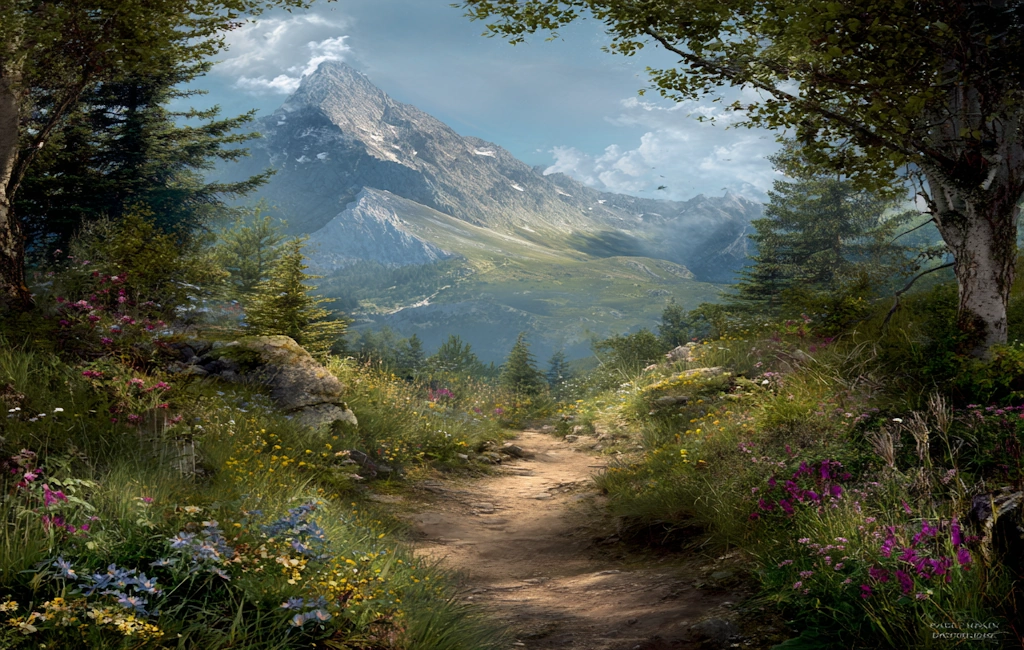
Rydal Water and Grasmere Loop
The Rydal Water and Grasmere Loop is a classic Lake District day walk, offering a delightful immersion into the heart of Wordsworth country. This moderate circuit showcases two of the region's most picturesque lakes, Rydal Water and Grasmere, connected by gentle woodland paths and open fellside. The route provides a perfect blend of serene lakeside strolls, charming village exploration, and rewarding, albeit modest, ascents for panoramic views. It's an ideal walk for those seeking a taste of the Lakes' beauty without an overly strenuous commitment, suitable for families and walkers of varying abilities. The loop is easily accessible from the popular villages of Grasmere and Rydal, making it a convenient and highly rewarding experience.
- Distance: 9.5 km
- Elevation Gain: 300 m
- Duration: 3 hours
- Difficulty: Moderate
- Best Time: April–October
- Closest City: Ambleside
- Trailhead Access: Nearest city: Ambleside. From Ambleside: Drive north on the A591 for approximately 3.2 km. Look for the Rydal Water car park on the left. Limited parking available. No permits required. GPS: 54.4433, -3.0183.
Overview
This circular route is a quintessential Lake District experience, weaving through landscapes that have inspired poets and artists for centuries. Starting from the shores of Rydal Water, the walk initially follows a relatively flat path along the lake's edge, offering tranquil views across the water to the surrounding fells. The path then ascends gently through woodland, providing glimpses of Grasmere and the iconic Loughrigg Fell. A key highlight is the climb up to Loughrigg Terrace, a natural balcony offering breathtaking vistas over both Rydal Water and Grasmere, with the village of Grasmere nestled between them.
The trail continues around the northern end of Grasmere, passing Wordsworth's former home, Dove Cottage, and the village itself. You can choose to explore the charming village centre, with its array of shops, cafés, and the historic St. Oswald's Church, before continuing the loop. The return leg often involves a section of open fellside, offering a different perspective and a chance to experience the wilder beauty of the fells. The path then descends back towards Rydal Water, completing a circuit that is rich in natural beauty, literary history, and stunning Lakeland scenery. The moderate elevation gain ensures that the panoramic views are earned without excessive exertion, making it a popular choice for a half-day or full-day excursion.
History and Cultural Context
The landscape surrounding Rydal Water and Grasmere is inextricably linked with the Romantic poet William Wordsworth. He lived in this area for much of his life, finding profound inspiration in its natural beauty. His former homes, Dove Cottage in Grasmere and Rydal Mount near Rydal Water, are now popular visitor attractions, drawing literary enthusiasts from around the globe. Wordsworth's poetry often celebrated the simple, yet profound, beauty of the Lake District, and walking this loop allows one to tread in his footsteps and experience the very scenes that fuelled his imagination.
Beyond its literary connections, the area has a long history of human habitation and land use. The drystone walls crisscrossing the fells are testament to centuries of agricultural practice, shaping the landscape into the patchwork of fields and pastures seen today. The villages of Grasmere and Rydal themselves have evolved from humble farming communities into popular tourist destinations, yet they retain much of their traditional charm. The ancient church of St. Oswald in Grasmere, for instance, has stood for centuries, a silent witness to the changing times. The very paths you walk may have been ancient drovers' routes or tracks used by local farmers for generations, connecting communities and providing access to the fells for grazing and resources.
Seasonal Highlights and Weather Reality
The Rydal Water and Grasmere Loop is a year-round destination, but each season offers a distinct experience. Spring (April–May) brings a vibrant freshness to the landscape, with wildflowers blooming along the paths and the fells turning a lush green. The weather can be variable, with bright, sunny days interspersed with showers, but the longer daylight hours are a bonus.
Summer (June–August) is the most popular time to visit, offering the warmest weather and the longest days. The landscape is at its most verdant, and the lakes are inviting. However, this is also the busiest period, and popular spots can be crowded. The weather can still be unpredictable, with thunderstorms a possibility, so always be prepared for rain.
Autumn (September–October) is a spectacular time for this walk. The deciduous trees surrounding the lakes and in the valleys turn to a riot of gold, russet, and crimson, creating a breathtaking spectacle. The air is often crisp and clear, offering excellent visibility, and the crowds begin to thin. This is arguably one of the most beautiful times to experience the loop.
Winter (November–March) offers a different kind of beauty, with the possibility of snow dusting the fells, creating a serene and dramatic scene. The days are short, and the weather can be harsh, with cold winds and rain or snow. However, for those prepared for winter conditions, the solitude and stark beauty can be incredibly rewarding. Ice can form on paths, making them slippery, and visibility can be severely reduced in fog or snow. Always check weather forecasts and be equipped for cold conditions.
Recommended Itinerary
Rydal Water and Grasmere Loop - Day Walk Itinerary
Early Morning: Arrival and Rydal Water Start
- Arrive at Rydal Water car park (approx. 54.4433, -3.0183).
- Begin the walk by heading south along the western shore of Rydal Water.
- Enjoy the peaceful atmosphere and reflections on the water.
- Pass Rydal Hall and its grounds.
Morning: Woodland Ascent and Loughrigg Terrace
- Follow the path as it enters woodland, ascending gradually.
- The path becomes steeper in places as you climb towards Loughrigg Terrace.
- Reach Loughrigg Terrace, a natural shelf offering superb panoramic views.
- Take time to admire the vistas over Rydal Water, Grasmere, and the surrounding fells.
- This section offers excellent photographic opportunities.
Midday: Descent to Grasmere Village
- Descend from Loughrigg Terrace towards the village of Grasmere.
- The path may be rocky and uneven in sections.
- Arrive in Grasmere village.
- Opportunity for lunch at a local café or pub, or a picnic by the river.
- Visit Dove Cottage, Wordsworth's former home, and the Wordsworth Museum.
- Explore the village centre and St. Oswald's Church.
Afternoon: Grasmere Lakeside and Return
- Depart Grasmere village, heading towards the eastern shore of Grasmere lake.
- Follow the path along the lakeside, enjoying views across the water.
- The path may involve some open fellside walking with gentle undulations.
- Pass through sections of woodland and open pasture.
- The path eventually leads back towards the Rydal Water area.
- Rejoin the path near the northern end of Rydal Water.
Late Afternoon: Completion
- Complete the loop by returning to the Rydal Water car park.
- Total walking time approximately 3 hours, excluding stops.
Alternative Start Point: The walk can also be started from Grasmere village, reversing the order of the lakes.
Planning and Bookings
Book Your Trip
Everything you need to plan your journey
Accommodation
Find places to stay near Ambleside
Flights
Search flights to Ambleside
Essential Preparation
This is a day walk, so extensive pre-booking is not required. However, planning your visit to coincide with favourable weather is crucial for enjoying the experience. The closest major town with comprehensive amenities is Ambleside, located approximately 3.2 km south of the Rydal Water car park. Ambleside offers a wide range of accommodation, from budget hostels to hotels, as well as numerous shops for outdoor gear, supermarkets for supplies, and a variety of dining options. It's advisable to check the weather forecast for the Lake District National Park in the days leading up to your walk and on the morning of your excursion. The Rydal Water car park has limited capacity, especially during peak season, so arriving early is recommended. If the car park is full, alternative parking can be found in Grasmere village, though this may add to your walking distance.
Trail Accommodation
This is a day hike requiring no overnight accommodation.
Required Gear
- Footwear: Sturdy walking boots or trail shoes with good grip are essential. The terrain can be uneven, rocky, and potentially muddy, especially after rain.
- Waterproofs: A waterproof and windproof jacket and overtrousers are highly recommended. The weather in the Lake District can change rapidly, and rain is common throughout the year.
- Clothing: Wear comfortable, moisture-wicking layers. Avoid cotton, as it retains moisture and can make you cold. A fleece or warm mid-layer is advisable, even in summer, due to the altitude and potential for wind chill.
- Navigation: While the loop is generally well-signposted, a map (OS Explorer OL7 - The English Lakes: North East) and compass are recommended, especially if visibility is poor. A GPS device or smartphone with a mapping app can also be useful.
- Safety Gear: A basic first-aid kit including blister plasters, pain relievers, and any personal medication is advisable. A fully charged mobile phone is essential for emergencies. A head torch is useful if you anticipate being out after dark, though unlikely on this route.
What to Bring
- Food and Drink: Carry sufficient water for the duration of your walk (at least 1-1.5 litres per person). Snacks such as energy bars, fruit, and nuts are recommended to maintain energy levels. If you plan to have lunch in Grasmere, you may wish to bring a picnic to enjoy by the lake or in the village.
- Toiletries: Hand sanitiser and any personal toiletries you may need. Toilet facilities are available in Grasmere village.
- Sun Protection: Sunscreen, sunglasses, and a sun hat are advisable, even on cloudy days, as the sun's rays can be strong at higher elevations.
- Insect Repellent: Midges can be present, particularly in the early morning and late evening, and near water during warmer months.
- Camera: To capture the stunning scenery.
- Small Backpack: To carry all your essentials comfortably.
Permits
No permits are required for walking the Rydal Water and Grasmere Loop. This is a public footpath and open access land. Parking at the Rydal Water car park may incur a fee, and payment is typically made via pay-and-display machines or a mobile app. It is advisable to check current parking charges before your visit. If parking in Grasmere village, similar charges will apply.
Other Activities in the Area
The Rydal Water and Grasmere Loop offers access to a wealth of other attractions and activities in the surrounding area:
- Dove Cottage and Wordsworth Museum: Immerse yourself in the life and works of William Wordsworth by visiting his former home and the adjacent museum in Grasmere.
- Grasmere Village Exploration: Spend time wandering through the charming village, browsing independent shops, art galleries, and craft stores. Enjoy a traditional Lakeland cream tea or a pint at a local pub.
- St. Oswald's Church: Visit the historic parish church in Grasmere, the final resting place of William Wordsworth and his family.
- Loughrigg Fell Summit: For those seeking a more challenging climb, the summit of Loughrigg Fell (692 m) offers even more expansive 360-degree views of the surrounding lakes and mountains. This can be incorporated into a longer walk from the loop.
- Waterhead (Ambleside): A short drive or bus ride from Rydal leads to Waterhead, the head of Windermere lake. From here, you can take a boat trip on England's largest natural lake, explore the town of Ambleside, or visit the Bridge House.
- Rydal Hall: Explore the gardens and grounds of Rydal Hall, a historic country house with beautiful woodland walks and a picturesque waterfall.
- Cycling: The quiet country lanes around Rydal and Grasmere are popular with cyclists, offering scenic routes with moderate gradients.
Safety and Conditions
Weather: The most significant safety consideration is the unpredictable weather. Always check the MetOffice forecast for the Lake District before you set out and be prepared for rapid changes. Fog can descend quickly, reducing visibility to near zero, especially on higher sections of the route. Hypothermia is a risk, even in summer, if you get wet and cold.
Terrain: While much of the loop is on well-maintained paths, sections can be rocky, uneven, and slippery, particularly after rain. Ensure you have appropriate footwear with good ankle support and grip. Be mindful of exposed sections, especially on Loughrigg Terrace and any open fellside walking.
Navigation: The route is generally well-signposted, but it is always wise to carry a map and compass and know how to use them. If visibility is poor, it is easy to stray from the intended path.
Midges: During warmer months, particularly in the early morning and late evening, midges can be a nuisance. They are small biting insects that can swarm. Using an effective midge repellent and wearing long sleeves can help mitigate this.
Crowds: During peak season (summer holidays and weekends), popular sections of the walk, especially around Grasmere village and Loughrigg Terrace, can become very busy. Be patient and courteous to other walkers.
Emergency: In case of an emergency, dial 999 or 112 and ask for the Police, then Mountain Rescue. Be prepared to give your exact location (grid reference if possible) and the nature of the emergency. A mobile phone signal can be intermittent in some areas.
Side Trips and Points of Interest
Wordsworth's Homes: A significant point of interest is the opportunity to visit Dove Cottage, where William Wordsworth lived from 1799 to 1813, and Rydal Mount, his family home from 1813 to his death in 1850. Both offer a fascinating glimpse into the life of the celebrated poet and the era in which he lived. The Wordsworth Museum adjacent to Dove Cottage provides further context and exhibits.
Rydal Cave: A short detour from the main path near Rydal Water leads to Rydal Cave, a large natural cavern accessible by a short walk. It's a popular spot for families and offers a sense of adventure. Be aware that the cave floor can be wet and slippery.
Grasmere Gingerbread: No visit to Grasmere is complete without sampling the famous Grasmere Gingerbread, a unique spicy biscuit sold from a small shop in the village. It's a delightful local delicacy and a perfect treat to enjoy on your walk.
The Coffin Route: A section of the loop, particularly between Rydal and Grasmere, follows part of the historic Coffin Route. This ancient path was used by villagers to carry their dead to the parish church in Grasmere for burial. Walking this route offers a tangible connection to the area's past.
Views from Loughrigg Terrace: This natural balcony is a major point of interest, offering unparalleled panoramic views. To the north, Grasmere village nestles between the lake and the surrounding fells. To the south, Rydal Water is spread out below, with Windermere visible in the distance. The fells of Fairfield Horseshoe and the Langdale Pikes dominate the western skyline.
Leave No Trace
The Lake District is a cherished natural environment, and it's vital that all visitors help to preserve its beauty and character for future generations. Adhering to Leave No Trace principles ensures that your visit has a minimal impact on the landscape.
- Plan Ahead and Prepare: Check weather forecasts, know your route, and pack appropriate gear.
- Travel and Camp on Durable Surfaces: Stick to marked paths and trails to avoid damaging fragile vegetation. Avoid walking on boggy ground where possible.
- Dispose of Waste Properly: Pack out everything you pack in, including all litter, food scraps, and wrappers. Use designated toilet facilities in Grasmere village. If caught short in the countryside, dig a cathole at least 70 metres away from water sources, trails, and campsites.
- Leave What You Find: Do not disturb or remove any natural objects, plants, or historical artefacts.
- Minimise Campfire Impacts: Campfires are not permitted on this walk.
- Respect Wildlife: Observe wildlife from a distance and do not feed any animals.
- Be Considerate of Other Visitors: Keep noise levels down, yield to other walkers on narrow paths, and be courteous to local residents.
By following these principles, you help to maintain the pristine condition of this beautiful area.