
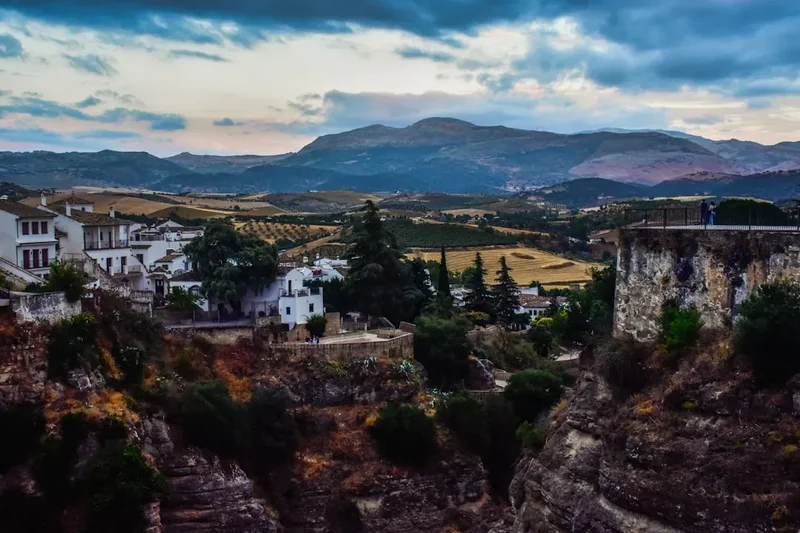
Ruta del Cares - The Gorge of Wonders
The Ruta del Cares is a spectacular gorge walk in the Picos de Europa National Park, northern Spain. This 12-kilometre trail is carved into the sheer rock face of the Cares River gorge, offering breathtaking views of dramatic cliffs, lush vegetation, and the turquoise waters far below. It's a walk that combines natural beauty with impressive human engineering, as the path itself is a testament to the effort required to construct it. While not a multi-day trek, its moderate difficulty and stunning scenery make it a highlight for any visitor to the region. The trail is well-maintained but requires a good level of fitness due to its length and elevation changes, particularly the significant ascent if starting from Poncebos.
- Distance: 12.0 km one-way
- Duration: 3-4 hours
- Season: Late spring to early autumn (May-October)
- Difficulty: Moderate
- Closest City: Oviedo
- Trailhead Access: From Oviedo, bus to Arenas de Cabrales, then taxi to Poncebos or Cain. Driving approx. 1.5 hours to Poncebos or Cain. Paved but narrow roads. Limited parking.
- No permits required.
Overview
The Ruta del Cares is a truly unique walking experience, often described as one of the most beautiful in Spain. The trail traces the path of an irrigation channel constructed in the mid-20th century to bring water from the high mountain reservoirs of Caín to the hydroelectric power plant in Poncebos. This engineering marvel has created a pathway that winds precariously along the steep walls of the Cares Gorge, a dramatic canyon carved over millennia by the relentless flow of the river. The sheer scale of the gorge is awe-inspiring, with limestone cliffs soaring hundreds of metres above the riverbed. The path itself varies from wide, well-trodden sections to narrower passages, often with tunnels and bridges that add to the adventure.
The flora and fauna of the gorge are as captivating as the geology. In spring and early summer, the slopes are carpeted with wildflowers, and the air is filled with the scent of wild herbs. Birds of prey, such as griffon vultures and golden eagles, can often be seen soaring on the thermals above. The sound of the Cares River, sometimes a gentle murmur, at other times a powerful roar, is a constant companion. The walk is typically undertaken in one direction, either starting from Poncebos (Asturias) and finishing in Caín (León), or vice versa. Starting from Poncebos involves a significant initial ascent, while starting from Caín offers a more gradual introduction to the gorge.
The popularity of the Ruta del Cares means it can be busy, especially during peak season and weekends. However, the sheer length of the gorge and the fact that it's a linear walk mean that crowds tend to disperse, and moments of solitude can still be found. The walk is best enjoyed on a clear day to fully appreciate the vastness of the landscape and the vibrant colours of the river and vegetation. The moderate difficulty rating reflects the sustained effort required, particularly the elevation changes and the need for sure-footedness on uneven terrain.
History and Construction
The history of the Ruta del Cares is intrinsically linked to the development of hydroelectric power in the Picos de Europa region. The construction of the irrigation channel, known as the "Canal de la Reguera," began in the 1940s and was completed in the 1950s. This ambitious project aimed to harness the power of the Cares River, which originates in the high peaks and flows through a deep, inaccessible gorge. The primary goal was to transport water from the high-altitude reservoirs of Oseja and Los Lagos de Covadonga to the hydroelectric power station located in Poncebos.
The construction was a monumental feat of engineering and human endeavour. Workers, often local villagers, had to carve the path directly into the solid rock of the gorge walls. This involved dangerous manual labour, using basic tools and explosives to create the narrow walkway and tunnels. The sheer cliffs presented immense challenges, and the risk of falling was ever-present. The path was designed to maintain a consistent gradient, allowing water to flow by gravity, but this also meant that the trail itself follows this gentle, continuous incline or decline, depending on the direction of travel.
The creation of this channel not only served its industrial purpose but also inadvertently opened up one of the most spectacular walking routes in Spain. Before its construction, the Cares Gorge was largely impassable, a wild and untamed landscape known only to a few intrepid mountaineers and shepherds. The trail's existence has transformed the gorge into a major tourist attraction, drawing hikers from around the world who come to marvel at both the natural beauty and the human ingenuity that made this walk possible. The legacy of the workers who built the canal is etched into the very stone of the gorge, a permanent reminder of their perseverance and skill.
Seasonal Considerations and Weather
The Ruta del Cares is best enjoyed during the warmer months, from late spring to early autumn. The period between May and October generally offers the most favourable weather conditions for walking.
Spring (May-June): This is an excellent time to visit. The landscape is vibrant with wildflowers, and the temperatures are pleasant, typically ranging from 15°C to 25°C. The snow from higher elevations has melted, ensuring the river flows strongly, and the risk of encountering ice or snow on the path is minimal. However, spring can still bring unpredictable rain showers, so waterproof gear is always advisable.
Summer (July-August): This is the peak season, and the trail can be quite busy, especially on weekends and holidays. Temperatures can reach 30°C or higher, making early morning or late afternoon walks more comfortable. The long daylight hours are an advantage. However, the heat can be intense in the exposed gorge, and it's crucial to carry plenty of water and sun protection.
Autumn (September-October): Autumn offers a beautiful display of changing colours in the surrounding forests, and the crowds begin to thin. The temperatures are cooler and more comfortable for walking, usually between 10°C and 20°C. The light can be particularly beautiful in the gorge during this season. However, as autumn progresses, the weather can become more unsettled, with increased chances of rain and fog.
Winter (November-April): While technically possible to walk in winter, it is generally not recommended for casual hikers. The Picos de Europa can experience heavy snowfall, ice, and freezing temperatures. Sections of the path may be covered in snow and ice, making them treacherous and requiring specialised equipment such as crampons and ice axes. The hydroelectric channel may also be less active, and some facilities in the nearby villages might be closed. The roads leading to the trailheads can also be affected by snow.
Weather in the Gorge: The weather in the gorge can be microclimatic and change rapidly. Even on a sunny day, the deep gorge can be cooler than the surrounding areas. Wind can also be a factor, especially in exposed sections. It is always advisable to check the local weather forecast before setting out.
Recommended Itinerary
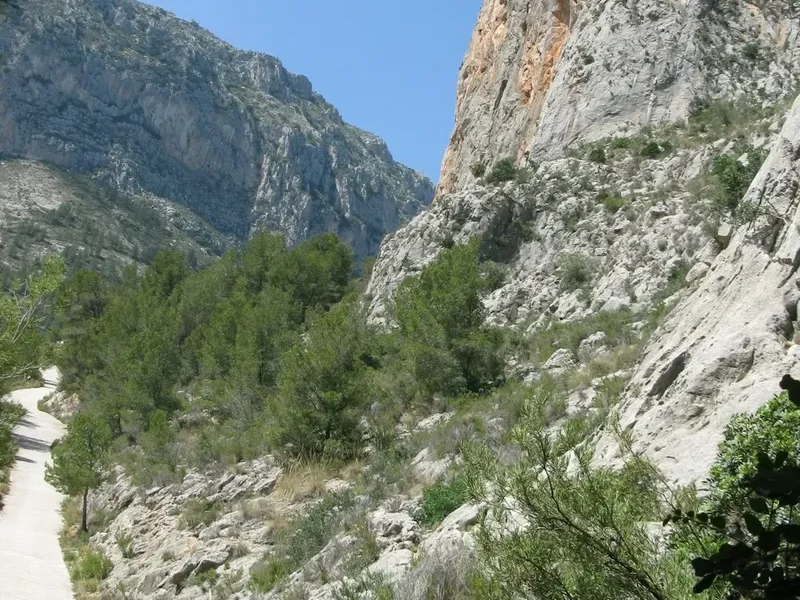
Ruta del Cares - One-Day Walk
This description assumes a start from Poncebos and finishing in Caín, which involves a significant initial ascent but offers the reward of a more gradual descent into Caín.
Early Morning (Approx. 8:00 AM - 9:00 AM): Arrival and Preparation
- Arrive at Poncebos. If driving, find parking (can be limited, especially during peak season).
- If arriving by bus from Arenas de Cabrales, you will likely be dropped off near the start.
- Final gear check: ensure you have water, snacks, sun protection, and appropriate footwear.
- Locate the start of the trail, clearly marked from Poncebos.
Morning (Approx. 9:00 AM - 12:00 PM): Ascent to the Gorge Entrance
- Distance: Approx. 3-4 km
- Elevation Gain: Approx. 400-500 m
- Time: 1.5-2 hours
- The initial section from Poncebos is a steep, paved path that climbs steadily towards the entrance of the Cares Gorge.
- This section is challenging but offers increasingly spectacular views back towards Poncebos and the surrounding mountains.
- You will pass through small hamlets and agricultural land before entering the more rugged terrain.
- The path eventually leads to the point where the gorge truly begins, and the main trail along the channel starts.
Midday (Approx. 12:00 PM - 2:00 PM): Traversing the Gorge - The Heart of the Walk
- Distance: Approx. 6-7 km
- Elevation Change: Gradual ascent/descent following the channel's gradient
- Time: 2-3 hours
- This is the most iconic part of the walk. The trail is carved directly into the cliff face.
- You will encounter numerous tunnels, some short and well-lit, others longer and requiring a head torch.
- The views are immense: sheer rock walls rise on one side, and the deep gorge plunges on the other.
- The turquoise waters of the Cares River are visible far below.
- Look out for griffon vultures and other birds of prey soaring overhead.
- Take breaks to admire the scenery and rehydrate.
- You will pass several small bridges crossing side ravines.
Afternoon (Approx. 2:00 PM - 3:30 PM): Descent into Caín
- Distance: Approx. 2-3 km
- Elevation Loss: Approx. 200-300 m
- Time: 1-1.5 hours
- As you approach Caín, the gorge begins to widen, and the path becomes more accessible.
- The final section involves a descent into the village of Caín.
- Caín is a small village with amenities such as restaurants, cafes, and accommodation.
- It's a welcome sight after the dramatic walk through the gorge.
Late Afternoon: Departure from Caín
- Enjoy a well-deserved meal or drink in Caín.
- Arrange onward transport from Caín back to your starting point or next destination. Taxis are available, but pre-booking is recommended, especially outside peak hours.
Alternative Itinerary (Starting from Caín):
If starting from Caín, the initial 2-3 km will be an ascent into the gorge, followed by the main traverse, and then a steeper ascent back towards Poncebos. This is generally considered the more challenging direction due to the sustained climb at the end.
Planning and Bookings
Book Your Trip
Everything you need to plan your journey
Accommodation
Find places to stay near Oviedo
Flights
Search flights to Oviedo
Essential Preparation
The Ruta del Cares is a day walk, but its length and terrain require careful preparation. The closest major city with good transport links is Oviedo. From Oviedo, you can take a bus to Arenas de Cabrales, a charming Asturian town known for its cheese. From Arenas de Cabrales, you will need to take a taxi or arrange a private transfer to either Poncebos or Caín, depending on your chosen starting point. The drive from Oviedo to Poncebos/Caín is approximately 1.5 hours and involves driving on paved but narrow and winding mountain roads. Limited parking is available at both trailheads, and it can fill up quickly during peak times, so arriving early is highly recommended.
Consider the time of year carefully. While the trail is open year-round, the best conditions are from May to October. If visiting during summer, be prepared for heat and crowds. If visiting in spring or autumn, pack for variable weather. It is advisable to book accommodation in Arenas de Cabrales or nearby villages in advance, especially during the summer months.
Trail Accommodation
This is a day hike requiring no overnight accommodation.
Required Gear
- Sturdy walking boots: Essential for navigating the uneven terrain, loose gravel, and rocky sections. Ensure they are well broken-in to prevent blisters.
- Waterproof jacket: Weather in the Picos de Europa can change rapidly. A lightweight, waterproof and windproof jacket is crucial.
- Layers of clothing: Wear moisture-wicking base layers and a fleece or insulating mid-layer. Avoid cotton, as it retains moisture.
- Sun protection: A wide-brimmed hat, sunglasses, and high SPF sunscreen are vital, as much of the trail is exposed.
- Backpack: A comfortable day pack (20-30 litres) to carry essentials.
- Head torch: Absolutely essential for the tunnels along the route. Ensure it has fresh batteries.
- First-aid kit: Include blister plasters, antiseptic wipes, pain relievers, and any personal medications.
- Walking poles: Highly recommended, especially for the ascent from Poncebos and the descent into Caín, as they help with balance and reduce strain on knees.
What to Bring
- Water: Carry at least 2-3 litres of water per person. There are no reliable water sources along the main gorge trail, and the water in the channel is for industrial use.
- Food: Plenty of high-energy snacks and a packed lunch. There are no facilities along the gorge itself, though Caín offers options at the end.
- Toiletries: Hand sanitiser, tissues.
- Mobile phone: For emergencies, though signal can be intermittent.
- Camera: To capture the stunning scenery.
- Cash: For taxis, food, and drinks in Caín, as card facilities may not always be available.
Permits
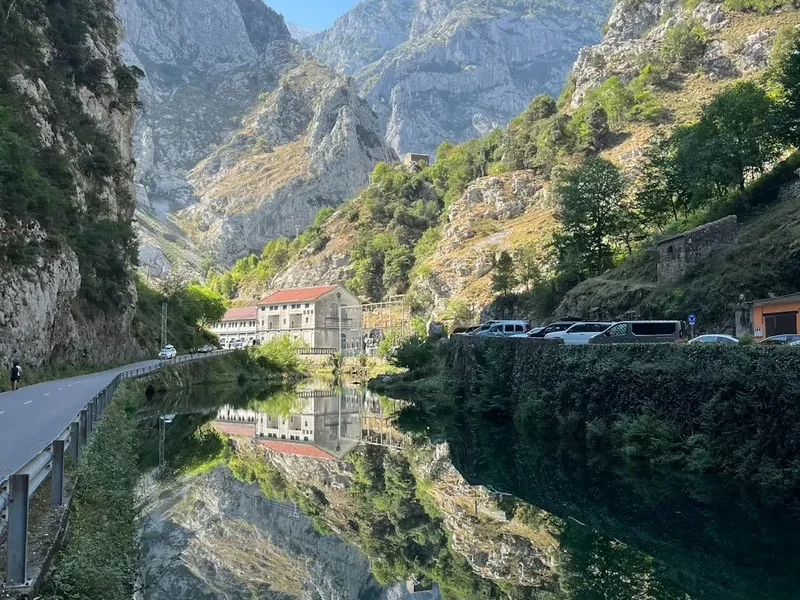
No permits are required to walk the Ruta del Cares. The trail is part of the Picos de Europa National Park, which is freely accessible to the public. However, it is important to be aware of park regulations regarding waste disposal and respecting the natural environment.
Parking: Parking is available at both Poncebos and Caín, but it is limited and can fill up quickly, especially during peak season (July and August) and on weekends. Arriving early in the morning is highly recommended to secure a parking spot. There may be a small fee for parking.
Access:
- Poncebos: Accessible by car from Arenas de Cabrales. The road is paved but narrow and winding. There is a small car park at Poncebos.
- Caín: Accessible by car from Posada de Valdeón. The road is also narrow and winding. Parking is available in Caín, but it is also limited.
Public Transport: Buses run from Oviedo to Arenas de Cabrales. From Arenas de Cabrales, you will need to take a taxi or pre-arranged transfer to either Poncebos or Caín. This is often the most convenient option if you do not wish to drive on the narrow mountain roads.
Best Time to Visit: Late spring to early autumn (May to October) is ideal. Avoid mid-summer weekends if you prefer fewer crowds. Check weather forecasts before you go.
Other Activities in the Area
The Picos de Europa National Park offers a wealth of activities beyond the Ruta del Cares:
- Hiking in the Picos de Europa: Numerous other trails exist, ranging from gentle valley walks to challenging alpine ascents. The Cares Gorge is just one highlight.
- Fuente Dé Cable Car: Located near the village of Espinama (Cantabria), this spectacular cable car ascends over 750 metres in just four minutes, offering incredible panoramic views and access to high-altitude walking routes.
- Covadonga Lakes (Lagos de Covadonga): A stunning glacial lake system accessible by car (with restrictions during peak season) or bus from Cangas de Onís. The area is renowned for its natural beauty and the historic Sanctuary of Covadonga.
- Climbing and Mountaineering: The Picos de Europa are a mecca for climbers, with routes for all skill levels.
- Exploring Asturian and Leonese Villages: Discover charming mountain villages like Arenas de Cabrales, Poncebos, Caín, Potes, and Posada de Valdeón, each with its own unique character, local cuisine, and traditional architecture.
- Caving: The region is rich in karst landscapes and offers opportunities for caving expeditions.
- Gastronomy: Sample local specialities such as Asturian cider, Cabrales cheese (a strong blue cheese), Fabada Asturiana (a hearty bean stew), and various game dishes.
Safety and Conditions
Trail Conditions: The Ruta del Cares is generally well-maintained, but it is a mountain trail. The path can be uneven, rocky, and slippery, especially after rain. Sections are narrow, and there are steep drop-offs. Always wear appropriate footwear and be mindful of your footing.
Tunnels: Several tunnels are along the route. While some are short and open, others are longer and completely dark. It is essential to carry a reliable head torch with spare batteries. Be aware of other walkers and potential cyclists (though cycling is often discouraged or prohibited on certain sections).
Weather: Mountain weather can change very quickly. Be prepared for sun, wind, and rain, even on the same day. Check the forecast before you go and carry appropriate clothing layers. Hypothermia is a risk even in summer if you get wet and cold.
Water: Carry more water than you think you will need. There are no reliable water sources along the main gorge trail. The water in the channel is for industrial use and should not be drunk.
Crowds: The Ruta del Cares is a very popular walk, especially during peak season and on weekends. If you prefer solitude, try to visit on a weekday during the shoulder seasons (May, June, September, October) and start early in the morning.
Emergencies: Mobile phone signal can be intermittent in the gorge. It is advisable to carry a fully charged phone and inform someone of your plans. In case of emergency, contact the park rangers or local emergency services. The nearest medical facilities will be in larger towns like Cangas de Onís or Posada de Valdeón.
Respect the Environment: Stay on the marked path to avoid damaging fragile vegetation and to prevent erosion. Take all your litter with you. Do not disturb wildlife.
Side Trips and Points of Interest
Tunnels: The numerous tunnels carved into the rock face are a defining feature of the Ruta del Cares. These range from short, open-air cuttings to longer, completely dark passages that require a head torch. They add an element of adventure and mystery to the walk.
Bridges: Several sturdy bridges span ravines and side gorges, allowing the trail to continue its path along the main gorge. These offer excellent vantage points for photography and a chance to appreciate the scale of the landscape.
Caín Village: At the end of the walk (if starting from Poncebos), Caín is a small, picturesque village nestled at the bottom of the gorge. It offers a welcome respite with restaurants, cafes, and accommodation. It's a great place to relax and enjoy a meal after your hike.
Poncebos Village: The starting point for many walkers, Poncebos is a small hamlet with a few amenities, including restaurants and accommodation. It's the gateway to the Cares Gorge from the Asturian side.
Views of the Picos de Europa: Throughout the walk, especially on the initial ascent from Poncebos, you will be treated to stunning views of the dramatic limestone peaks of the Picos de Europa. The contrast between the rugged mountains and the lush green valleys is spectacular.
Griffon Vultures: Keep an eye on the skies. The Picos de Europa are home to a significant population of griffon vultures, and you are likely to see these magnificent birds soaring on the thermals above the gorge.
Leave No Trace
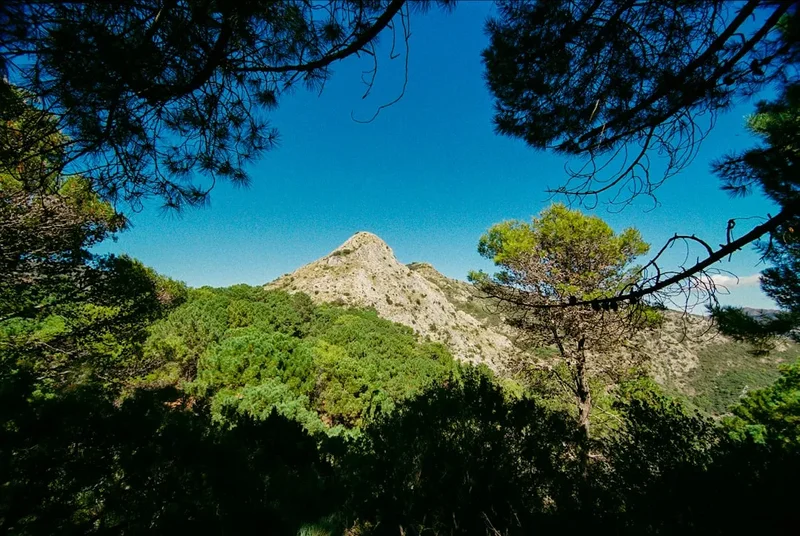
The Ruta del Cares traverses a sensitive natural environment within the Picos de Europa National Park. Adhering to Leave No Trace principles is crucial to preserve its beauty and ecological integrity for future visitors.
Plan Ahead and Prepare: Research the trail, understand its conditions, and be prepared for the weather. Know your limits and choose a direction that suits your fitness level.
Travel and Camp on Durable Surfaces: Stick to the marked trail. The path is engineered to be durable, but the surrounding vegetation is fragile. Avoid creating new paths or shortcuts.
Dispose of Waste Properly: Pack out everything you pack in. This includes all food scraps, wrappers, and any other litter. There are no bins along the trail. Use the toilet facilities in Poncebos or Caín, and if caught short, bury human waste at least 10 metres away from water sources and trails, and pack out toilet paper.
Leave What You Find: Do not take rocks, plants, or any natural or historical items from the gorge. Leave them for others to enjoy.
Minimize Campfire Impacts: This is a day walk, so campfires are not applicable. However, if you were to camp in designated areas elsewhere in the park, use existing fire rings and keep fires small.
Respect Wildlife: Observe wildlife from a distance. Do not feed animals, as this can harm their health and alter their natural behaviour. The griffon vultures are a highlight, so enjoy watching them soar without disturbing them.
Be Considerate of Other Visitors: The Ruta del Cares can be popular. Yield to uphill walkers, keep noise levels down, and be courteous to fellow hikers and cyclists.
 Spain
Spain